Blog Five surprising truths about food and health we learned in Kenya

We often think of our food system in simple terms: farmers grow food, it travels to a market, and we buy it. It’s a straightforward path from farm to table. But the reality of how people access and eat food is far more complex, filled with hidden challenges and surprising social dynamics that shape the health of entire communities. The gap between our assumptions and the truth can prevent us from making effective changes.
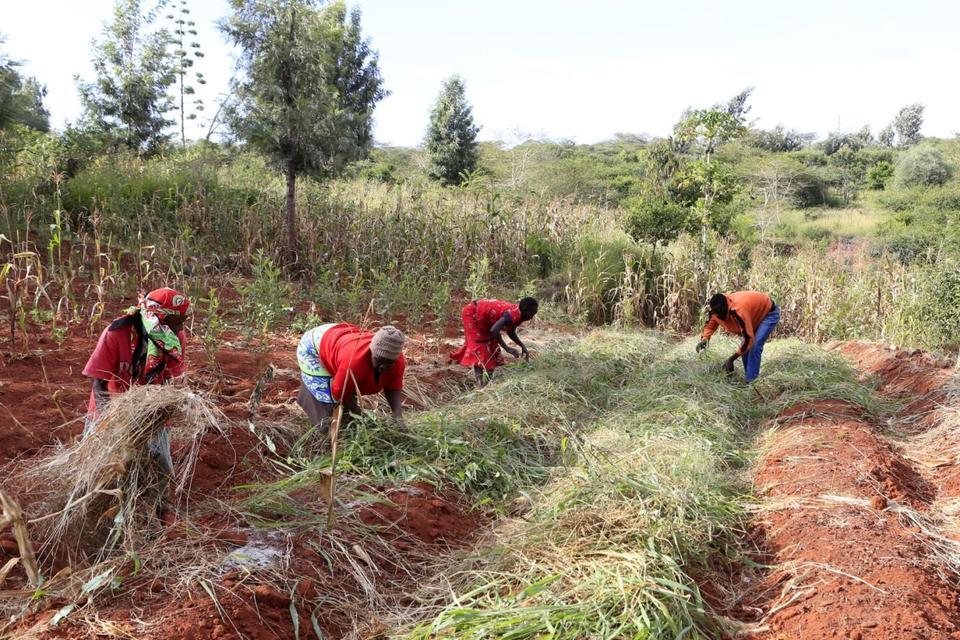
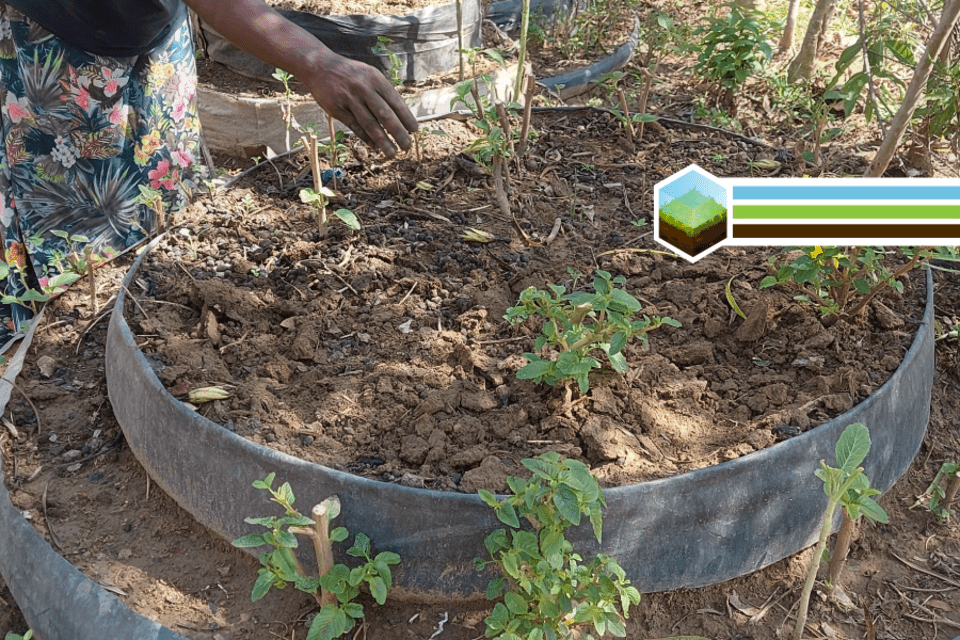
A recent 'organic food project' in Kenya - implemented by the Alliance, the Diabetes Awareness Trust (DAT) and Feedback to the Future (FttF) since 2023 - set out to build a regional healthier, more inclusive, and regenerative food system. By connecting small-scale farmers in rural Makueni County with urban consumers in Nairobi, the project aims to improve everything from farming practices to dietary health.
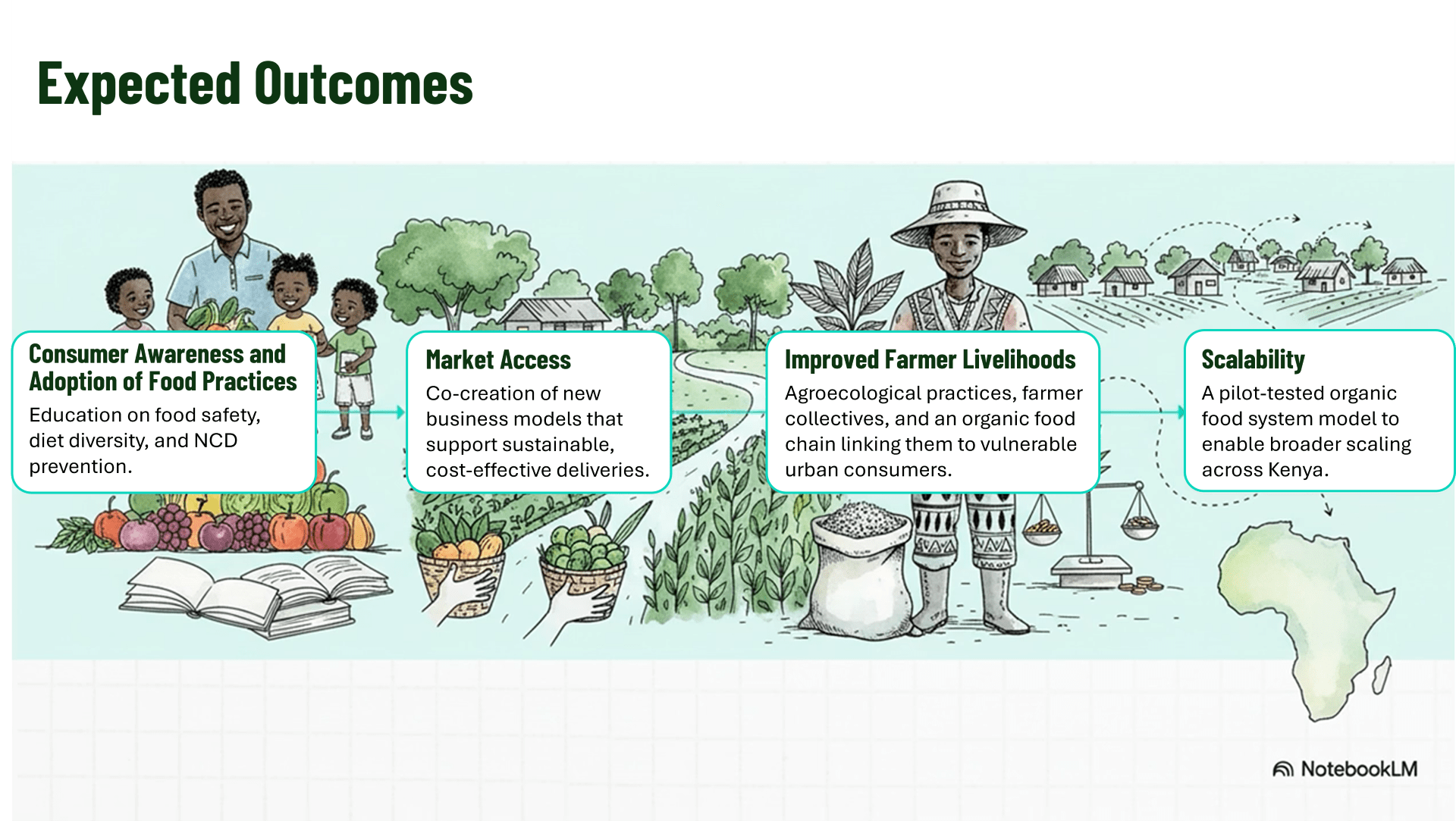
Image credit: AI-generated via NotebookLM.
The main reason for poor diets isn't what you think
When examining diet-related health risks, the conversation often centers on cutting out junk food, sugar, and unhealthy fats. However, this study uncovered a different primary cause for concern. Data showed that a majority of women and adolescents in both urban Nairobi and rural Makueni are at a moderate to high risk of developing non-communicable diseases (NCDs) like diabetes and heart disease. The reason? Fewer than 30% of women and adolescents in the Nairobi sample met the recommended minimum dietary diversity score of five out of ten food groups.
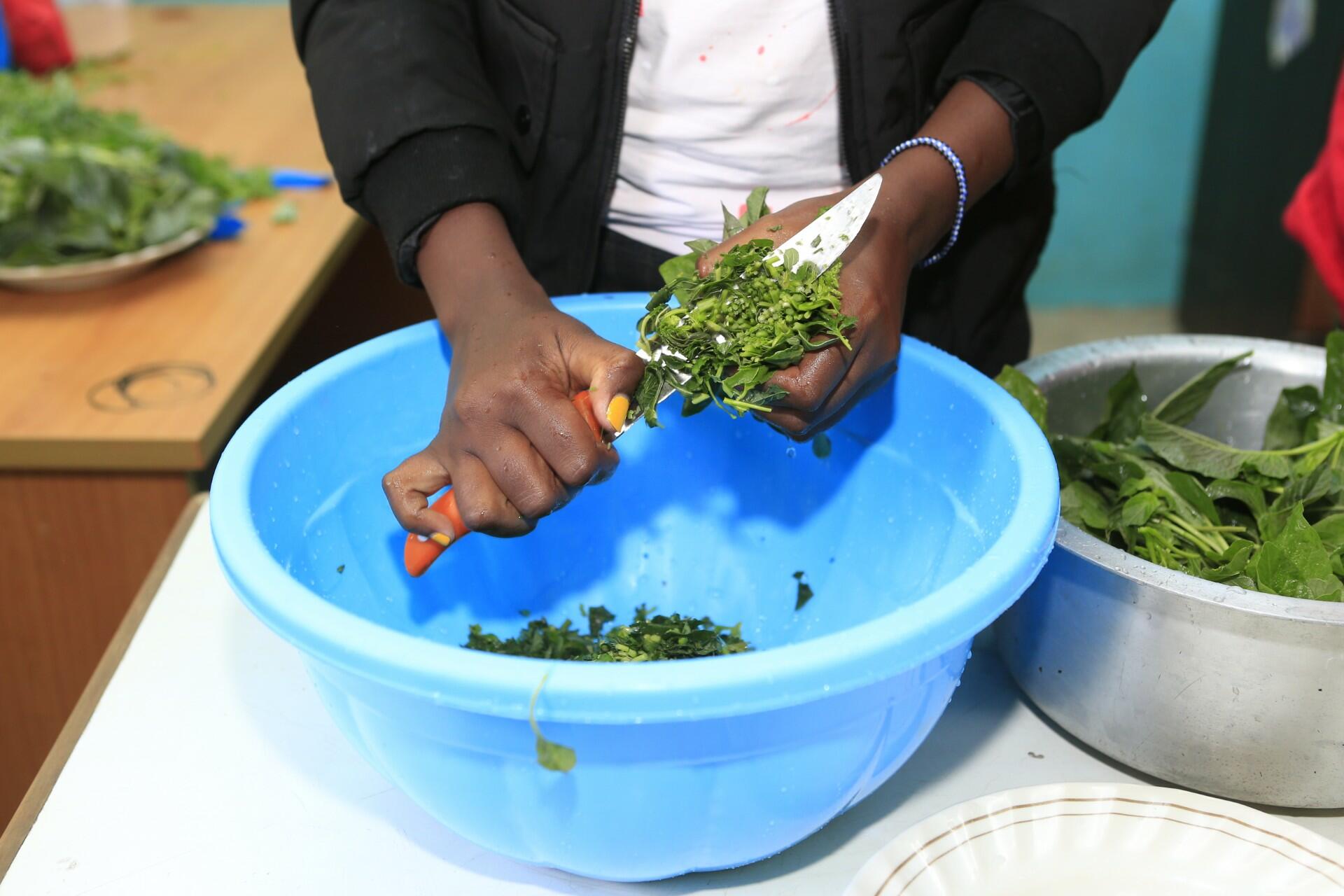
Photo credit: Noor Khamis/Biovision Foundation
This highlights the importance of not only what we eat, but also how varied our diet is. Some of us grew up learning about food groups and their functions in the body, and that a healthy diet draws from all of them. Yet in reality, we need to consume more of certain foods and far less of others. Unfortunately, many adults, youth, and children around the world are still unaware of these basic principles. The rising rates of NCDs and obesity across all age groups clearly reflect this gap in understanding. We must all deepen our knowledge and awareness of key nutrition issues as well as strengthen the efforts of the organizations working globally to promote them. As mentioned in one of our recent blogs, “The new addition in 2025 of an indicator of healthy diets – the Minimum Dietary Diversity – to track progress toward the United Nations Sustainable Development Goal 2 on zero hunger, marked the importance of moving beyond calories. This was a big step forward in recognizing that the diversity of our diet is essential.”
Even farmers need to go shopping
A common belief, especially about rural areas, is that farmers and their families primarily eat what they grow on their own land. The study in Makueni County demonstrated that this assumption is largely incorrect. The research found that the opposite is true: "Evidence shows that majority of farmers in rural areas purchase most of their food, contrary to the belief that farmers majorly consumer food from their own harvests."
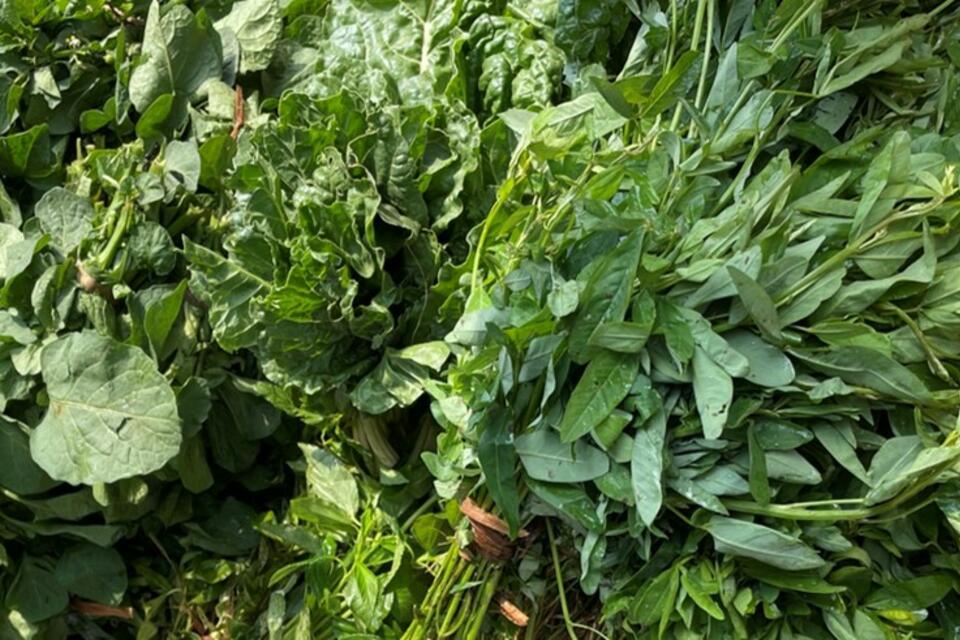
This finding radically changes our understanding of rural food security and nutrition. It means that local markets, stalls, and vendors are just as critical for farmers' diets as they are for city dwellers. To improve nutrition in these communities, it is essential to support these vendors. As the researchers suggest, this can be done through concrete investments, such as providing proper market infrastructure, like cooling facilities for highly perishable yet nutritious products, including fruits and vegetables. Simply encouraging farmers to grow more diverse crops isn't enough if they are still sourcing most of their family's meals from a market with limited options.
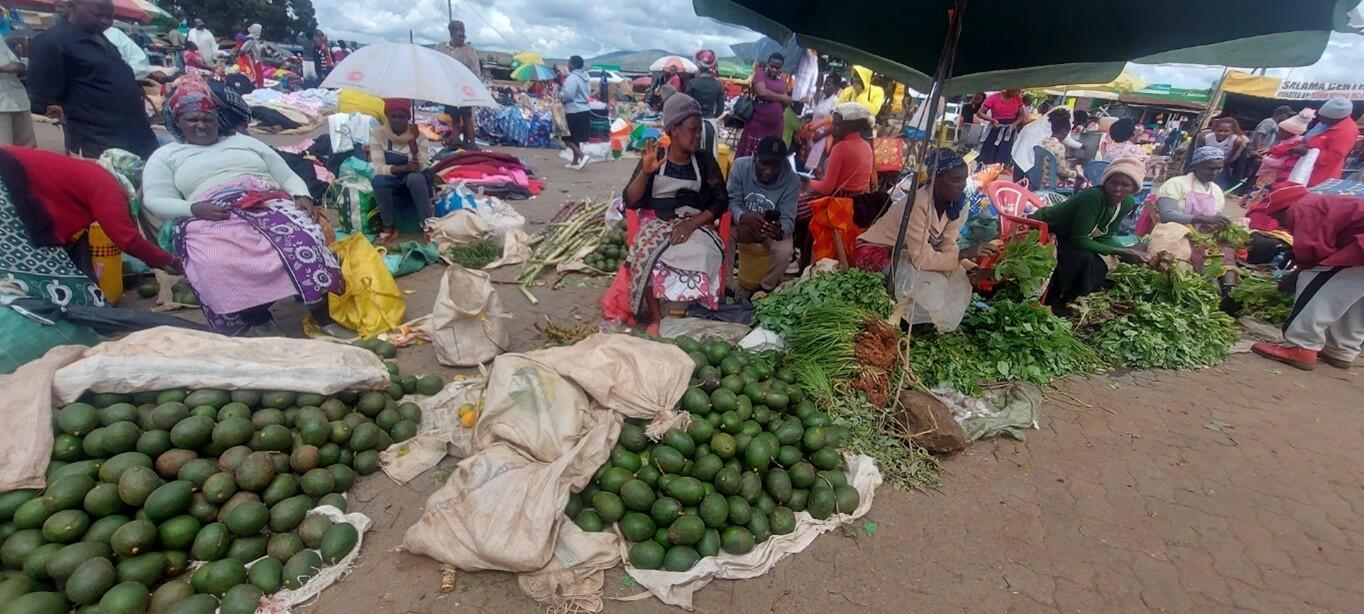
Photo credit: Noor Khamis/Biovision Foundation
A 'food desert' can be a 100-meter walk
Food accessibility isn't just about whether there is a store nearby; it's about what that store actually sells. The study revealed that no single vendor whether a kiosk, a stall, or a street vendor offered enough variety on its own to meet minimum dietary recommendations. A lack of food diversity can exist even in densely populated areas.
In the urban Nairobi study area, a resident had to travel at least 100 meters to achieve both dietary diversity and a variety of fruits and vegetables. The situation was similar in rural Makueni, where consumers had to walk at least 50 meters from their nearest vendor just to find enough options to meet basic dietary diversity, and 100 meters to access a variety of fruits and vegetables. This means that even if food is technically close, nutritional variety is not. A person can be surrounded by food vendors and still live in a "micro-desert" of nutritional options, making it a daily challenge to build a healthy meal.
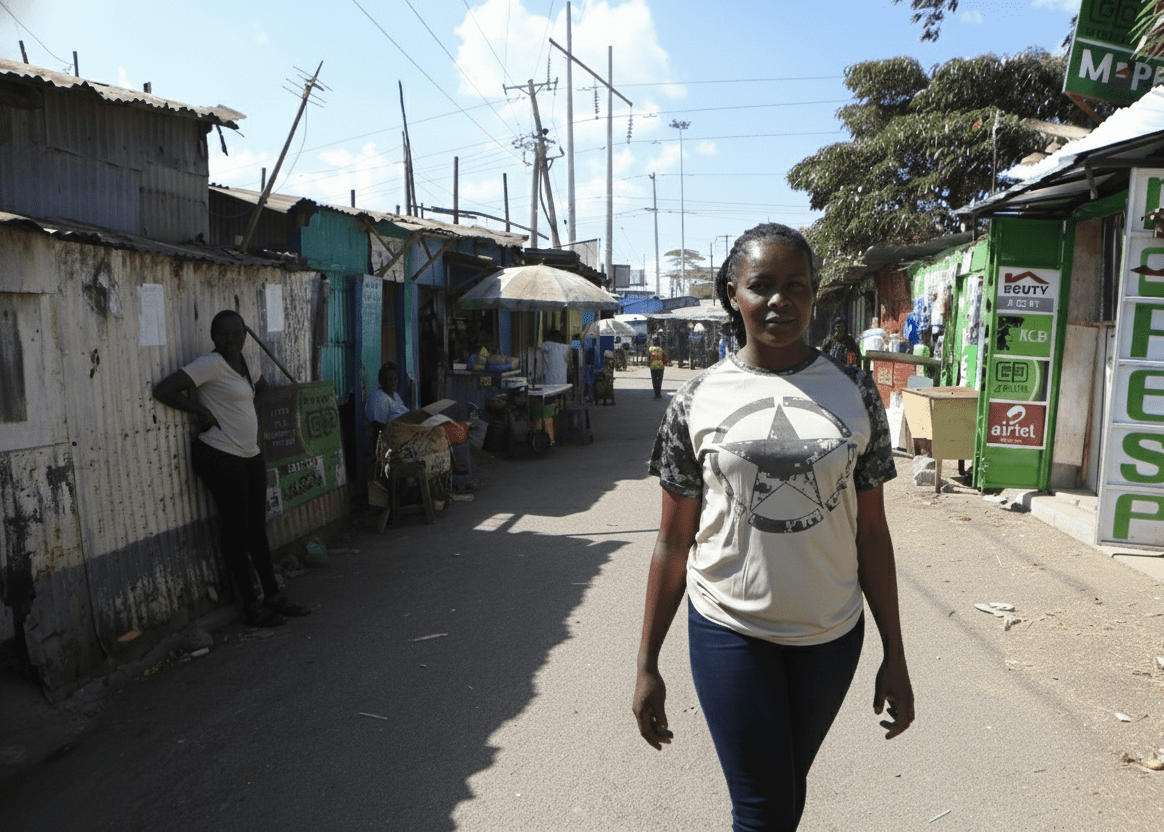
Photo credit: Noor Khamis/Biovision Foundation
A strong community can build a better diet
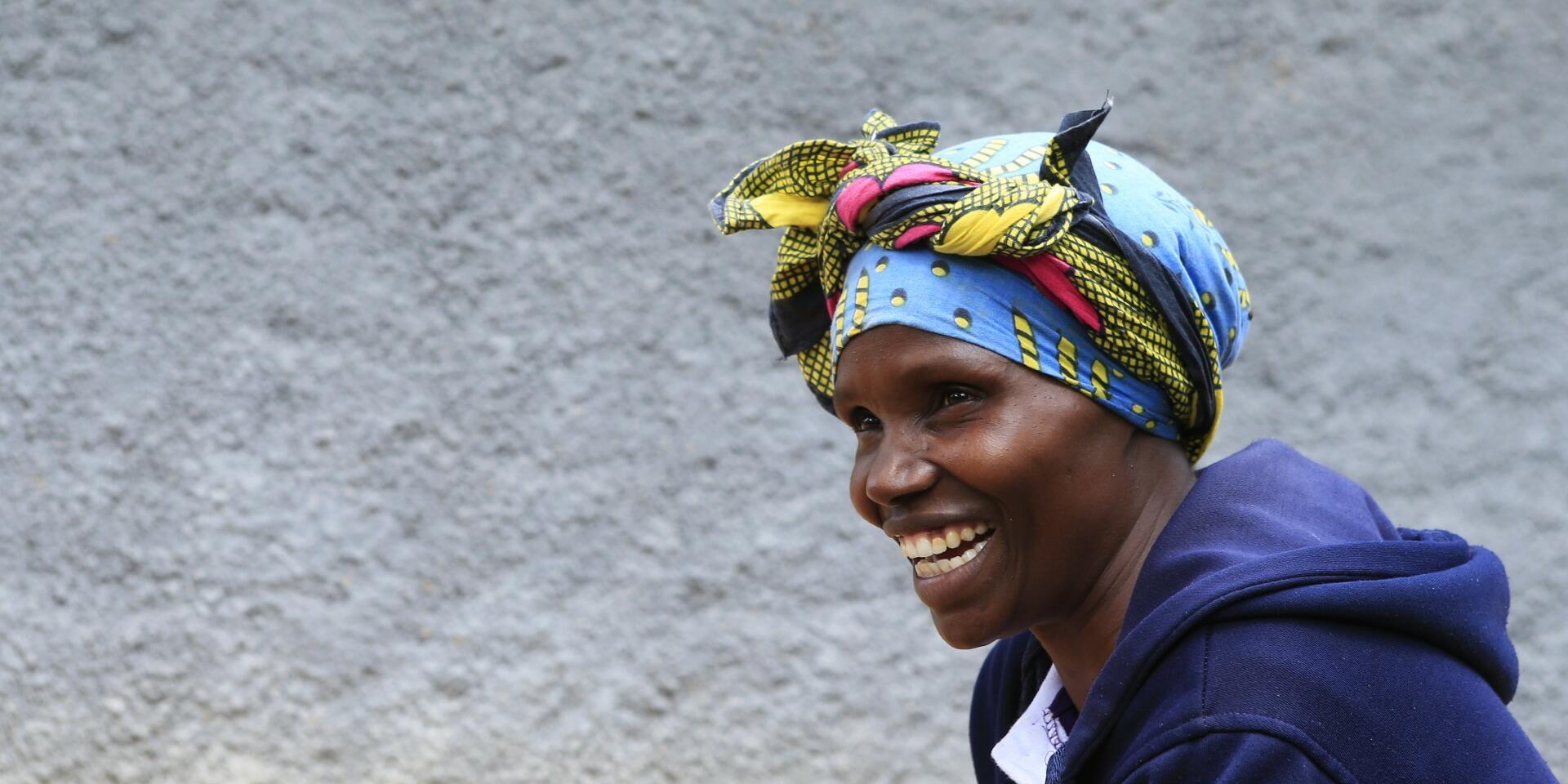
Health is often treated as an individual responsibility, but the research in Makueni uncovered a fascinating link between social connection and nutrition. The study found that women who belonged to a chama a local women's social group had significantly better global diet quality scores. This suggests that their participation in a supportive community positively influenced their food choices and overall health.
This finding is a powerful reminder that health outcomes are not shaped in a vacuum. They are deeply intertwined with social support systems, shared knowledge, and community structures. Improving public health isn't just about providing information or access to food it's also about fostering the community bonds that empower individuals to make healthier choices together.
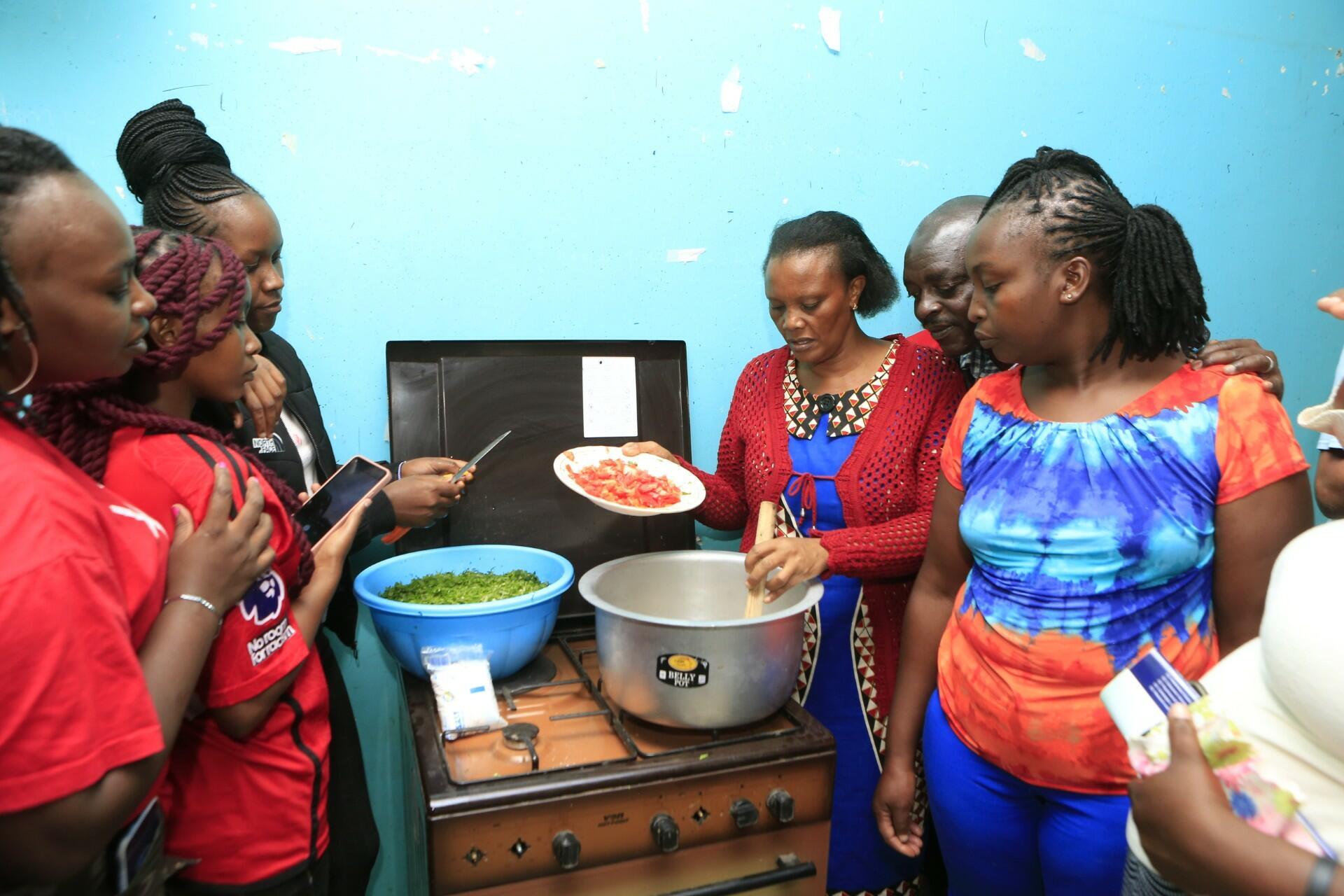
Photo credit: Noor Khamis/Biovision Foundation
The most powerful data is shared data
All too often, research organizations collect data from communities but fail to provide feedback. This leaves participants feeling like mere data points rather than valued contributors. The Alliance and its partners took a different approach, prioritizing sharing their findings directly with the community members, vendors, and local health officials who participated in the study.
This simple act of closing the loop had a profound impact. Dr. Hassan Somane, the Makadara sub-county medical health officer, thanked the Alliance and its partners for this commitment. He noted that most organizations disappear after collecting data, leaving communities uninformed. He urged the consortium to share the results with policy decision-makers at county and national forums to turn research into a catalyst for systemic change. Dr. Somane also urged his team to continue discussing the influence of food environments on food choices, diets, and health during their daily morning briefings. This will help them understand how much this issue affects the people they represent and allow them to explore ways to work together for better outcomes.
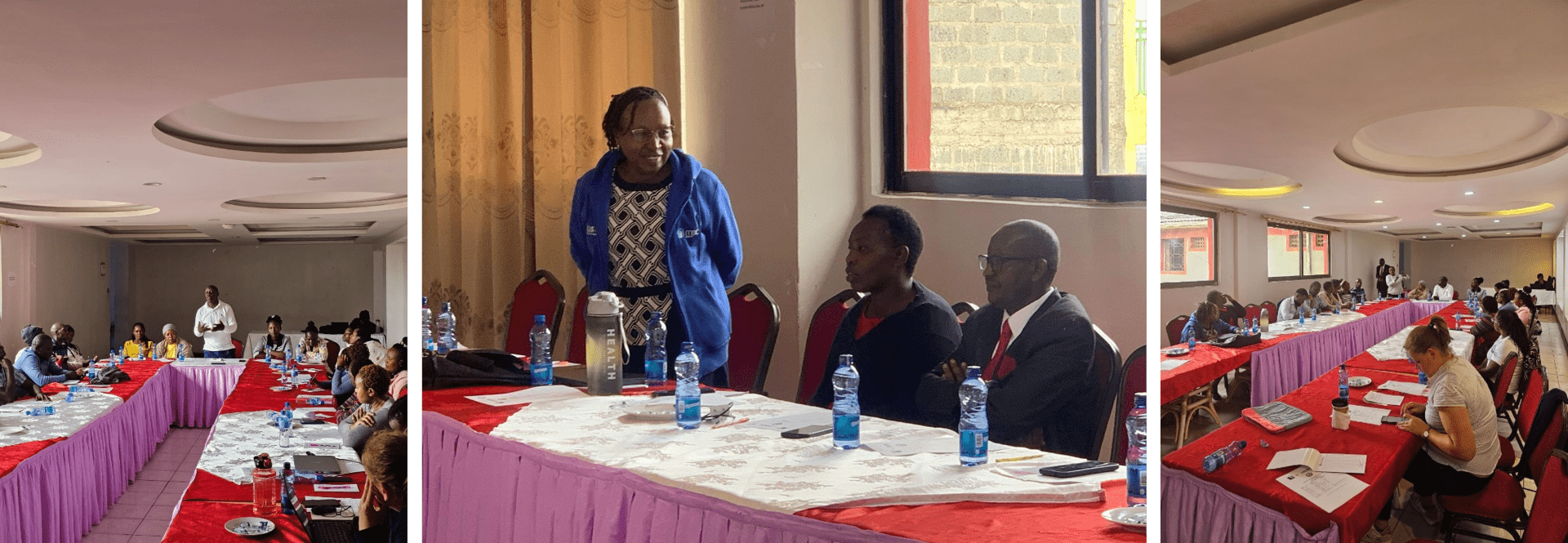
Photo credit: Noor Khamis/Biovision Foundation
Beyond assumptions: Grounded lessons for a healthier future in Kenya
The findings from this project in Kenya show that building a healthier future requires looking beyond surface-level assumptions about food. Lasting change comes from a deeper understanding of the nuanced daily realities people face—from the 50-meter journey for basic nutrition to the empowering influence of a local women's group.
The project started with a diagnostic assessment of the food environment, dietary patterns and farming practices in the project areas. Data was collected from households with women of reproductive age and adolescents to assess their food and nutrition knowledge, attitudes, and practices, and dietary patterns. Food environment assessments and vendor mappings were also conducted in the two project areas to understand the market diversity.
Additionally, fruit and vegetable value chain assessments were conducted to understand market dynamics in the fruit and vegetable value chains.
Dissemination forums enable community members to better understand the status of key livelihood and health indicators and discuss with relevant stakeholders on how they can achieve better outcomes. In Makueni, for example, farmers urged the Ministry of Agriculture to borrow a leaf from the Ministry of Health and be more visible within the communities to support them with knowledge and skills to complement the work being done by partners like Fttf. These forums also present an opportunity for different government departments like the Ministries of Health and Agriculture to interact with research findings that directly and indirectly relate to their ministries, and how they can work together to improve their respective objectives.
The team behind the study
The three-year project is funded by the Biovision Foundation, Switzerland, and implemented in Makueni and Nairobi counties by the Alliance of Bioversity International and CIAT, in collaboration with Feedback to the Future, the Diabetes Awareness Trust, and Nairobi and Makueni Counties.
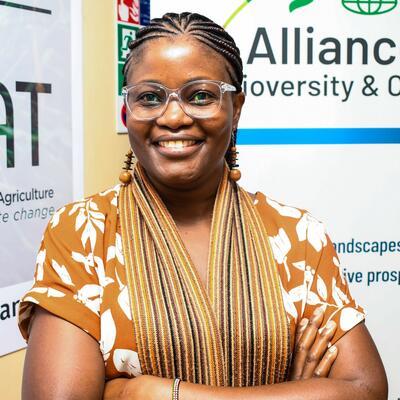
Irene Mudiovo Induli
Research Associate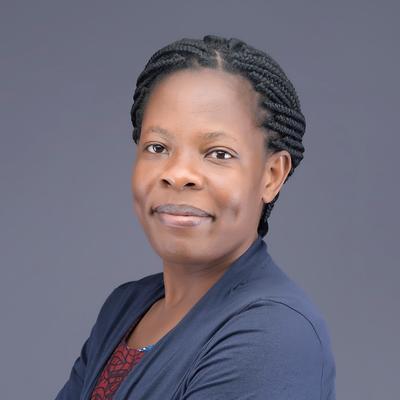
Rosina Wanyama
Scientist - Food Environment and Consumer Behavior
Tosin Harold Akingbemisilu
Research Specialist
Céline Termote
Senior Scientist - Africa Regional Team leader Food Environment and Consumer BehaviorCover photo credit: Noor Khamis/Biovision Foundation