+ Nutritious Crops
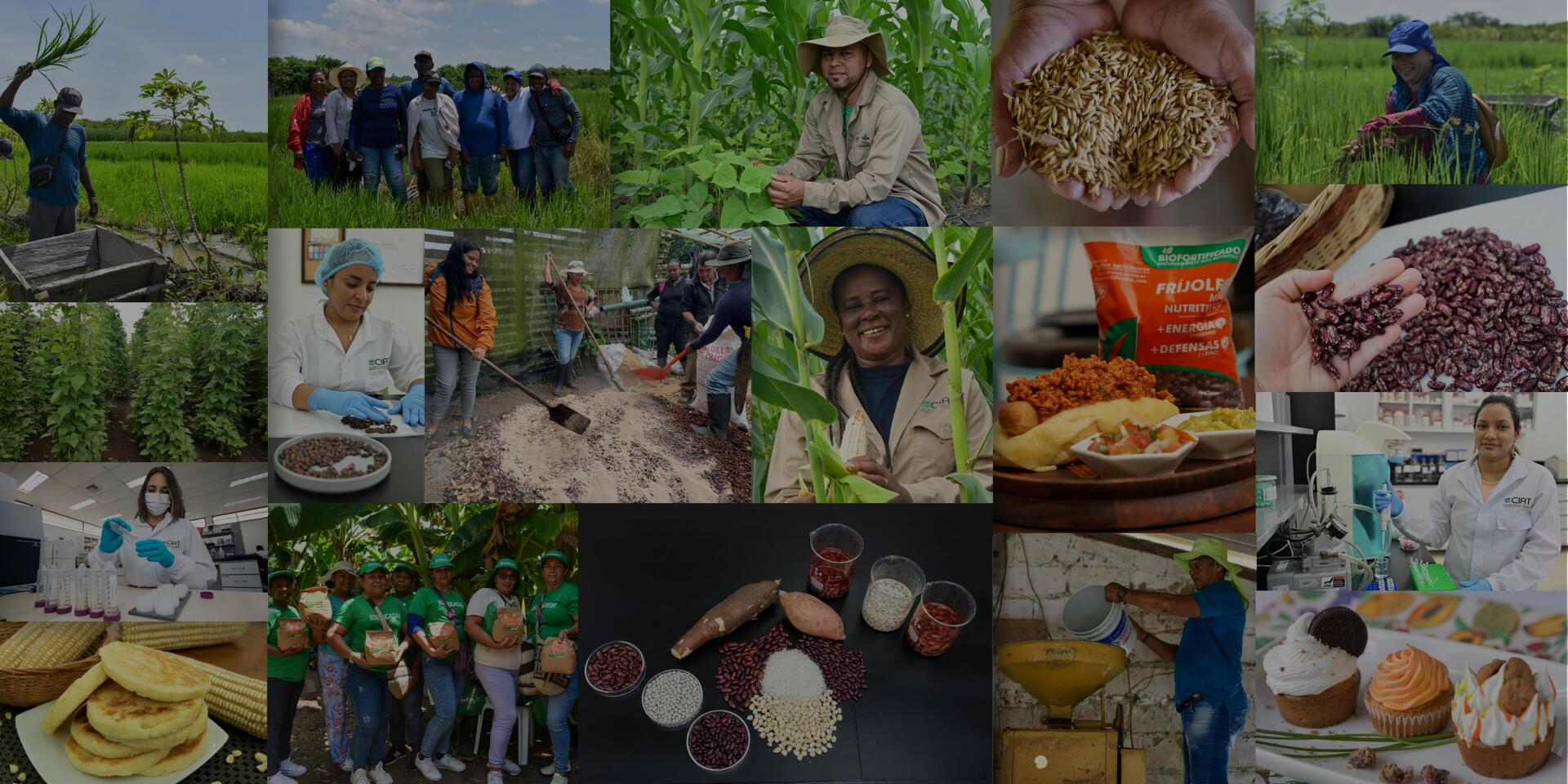
Through the + Nutritious Crops program, we promote food security and agricultural sustainability by researching and promoting crops that are more nutritious and resilient to climate change. We work alongside rural communities and local stakeholders to promote healthier and more diverse diets, improve productivity, and create opportunities that contribute to development.
What is the + Nutritious Crops program?
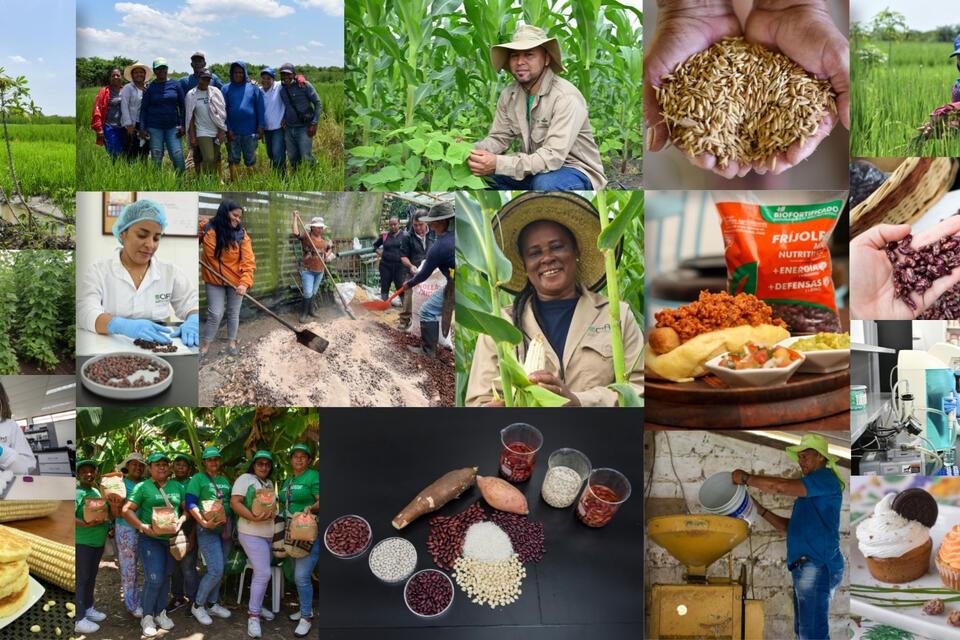
The most + Nutritious Crops are varieties developed through conventional field breeding, resulting from carefully selected crosses designed to enhance nutrient content and quality without compromising yield or resilience. They represent an evolution from biofortification (the increase of minerals and vitamins in seeds) toward a comprehensive approach to nutrition.
These crops not only boost specific nutrients but also optimize the complete profile of macro- and micronutrients, enhancing their real impact on people’s health. This expanded approach makes it possible to offer more complete and functional foods, capable of contributing both to the prevention of nutritional deficiencies and to overall well-being.
These crops not only feed but also nourish more effectively, offering an accessible and sustainable alternative to strengthen the population’s food and nutritional security. Furthermore, they open new opportunities for producers to increase their income through value-added strategies that enhance their market access and strengthen their competitiveness, generating tangible benefits from farm to table.
Our strategy
By combining a better nutritional profile with improved agronomic traits (such as pest resistance, adaptation to adverse climatic conditions, and higher productivity), + Nutritious Crops offer a concrete solution to some of today’s greatest challenges: malnutrition, the vulnerability of agricultural systems, and the effects of climate change. Their implementation helps build more efficient, healthy, and sustainable food systems.
The crop categories include:
- Biofortified crops: nutrient-rich varieties
- Quality- and yield-enhanced crops: climate-resilient varieties
- Local crops: including native and creole (traditional farmer-developed) varieties
Some of the Crops + Nutritious :
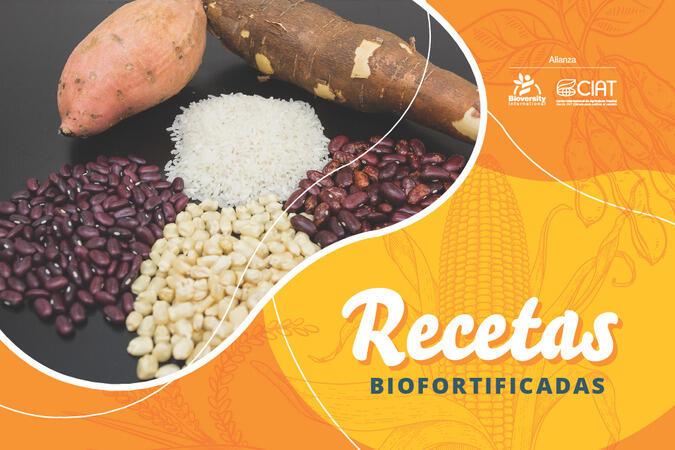
- 🫘Beans rich in iron and zinc, providing between 32% and 43% of the daily recommended iron and between 33% and 41% of the daily recommended zinc (BIO 101 Bean, BIO 102 Bean, BIO 103 SGA, BIO 105 SGA, and BIO 109 SGA)
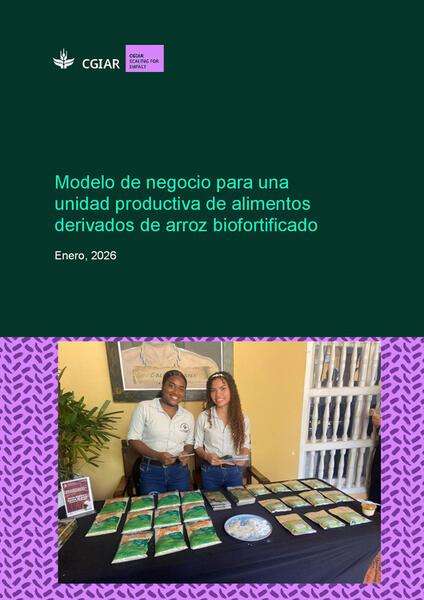
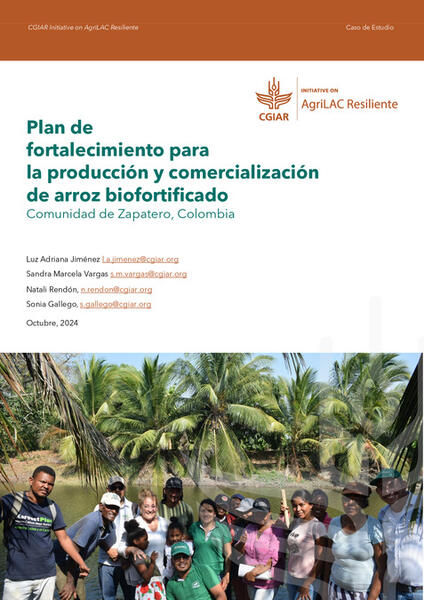
- 🍚Rice is a good source of zinc, providing up to 24% of the daily recommended intake
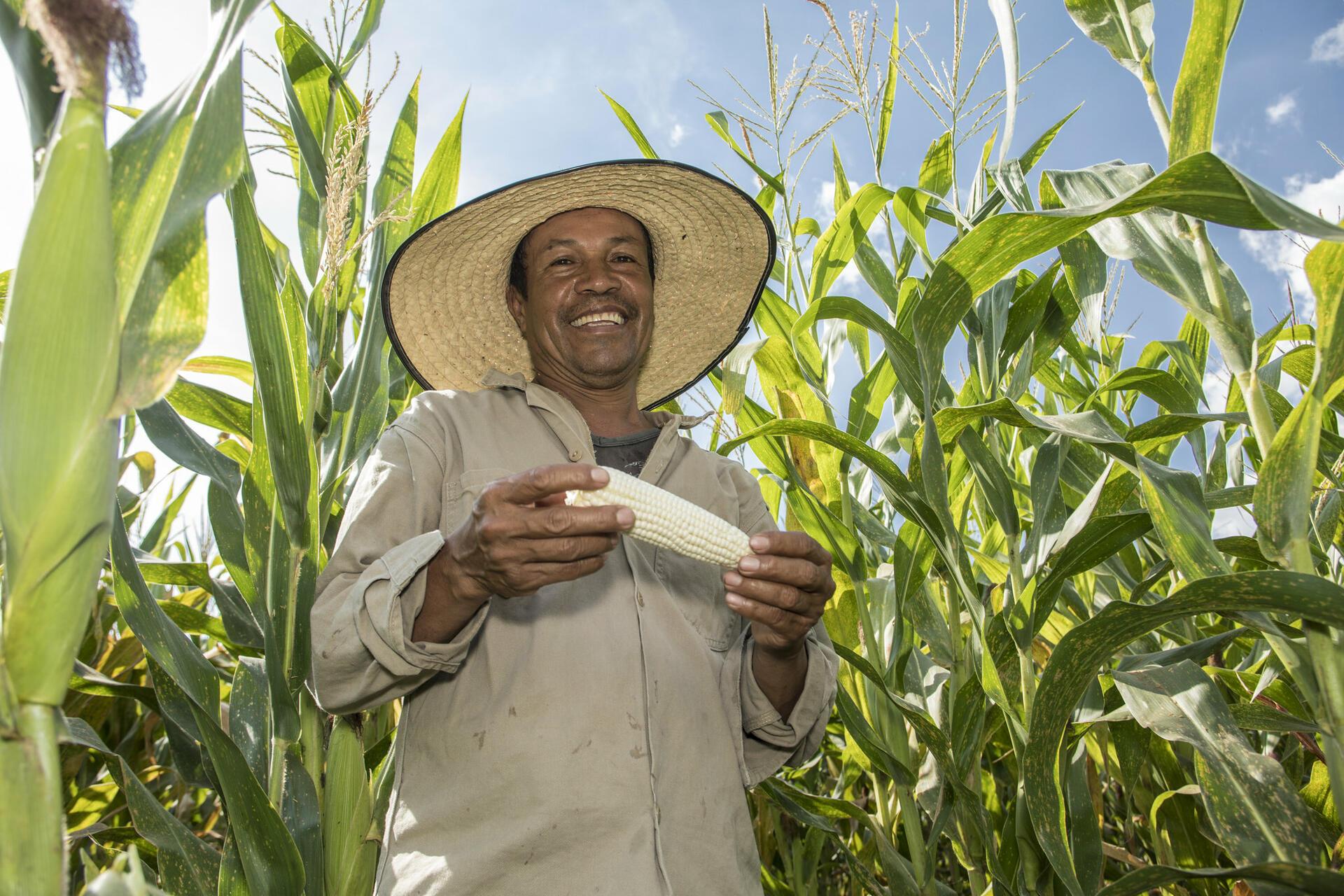
- 🌽Corn rich in zinc, providing between 29% and 31% of the recommended daily intake (BIO variety corn - MZn01 and Corn hybrid SGBIOH2)
- 🍠Sweet potatoes are rich in vitamin A, providing up to 91% of the daily recommended intake of this essential nutrient.
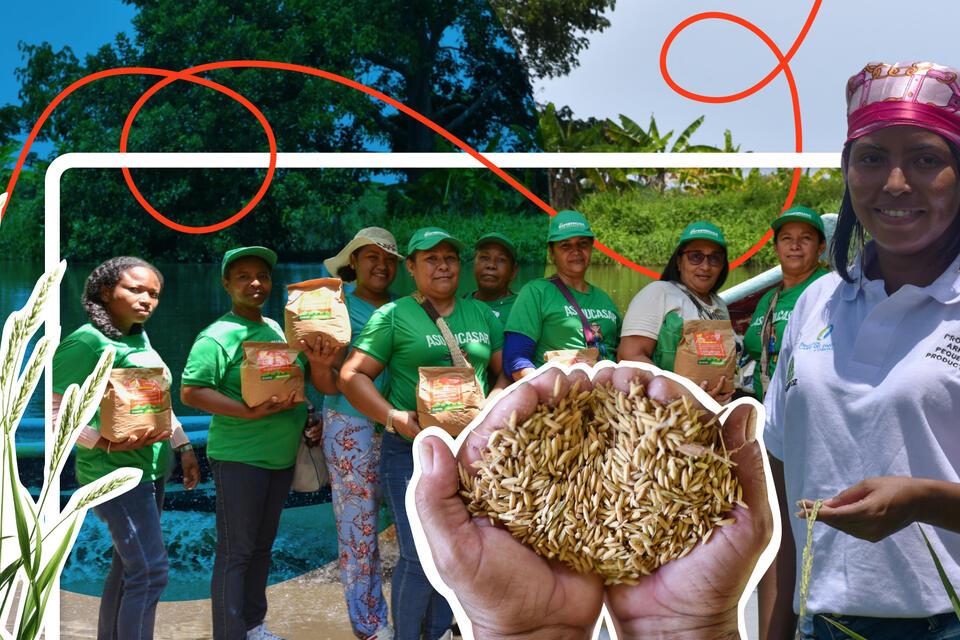
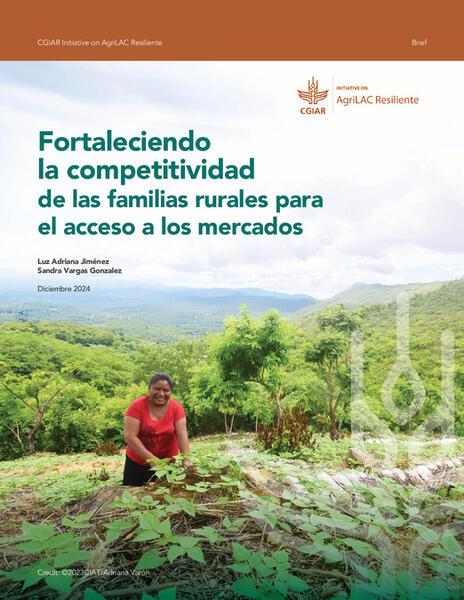
Through a strategy focused on fostering ownership of innovations, we promote producers' leading role throughout the entire process, encouraging their active participation in adopting + Nutritious Crops, implementing sustainable agricultural practices, improving harvest quality, creating new food products, and gaining access to more dynamic and competitive markets.
Expanding the reach of + Nutritious Crops in rural and urban communities means improving the quality of life for thousands of families. Furthermore, it drives the transformation of agri-food systems, promoting fairer, more resilient, and more nutritious agriculture and food for present and future generations.
Our research approach
Our work follows a two-pronged approach that bridges science and the field. Over the years, we have not only brought advanced lines of + Nutritious Crops to farmers’ fields for evaluation but also gathered their needs and priorities. Based on this, and in close collaboration with the breeders from the Alliance’s programs, we preselect the lines with the greatest nutritional potential and distinctive productive characteristics.
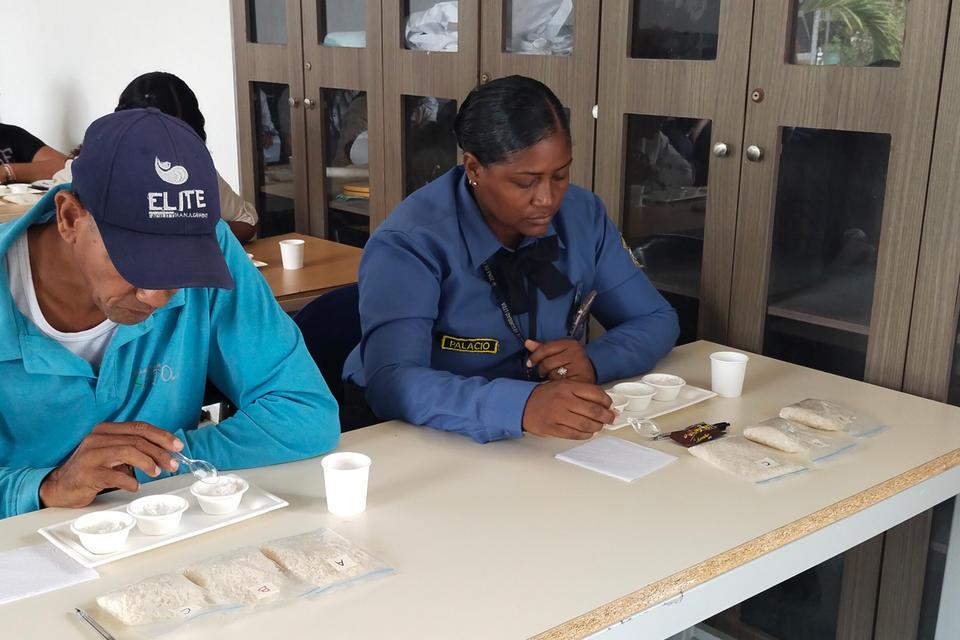
This process is supported by rigorous work in nutritional quality and food processing laboratories, which validate the added value of each line. Subsequently, these lines are evaluated in the field against conventional varieties to analyze their performance under real-world conditions. After several research cycles, elite lines are selected for market release in accordance with national regulations.
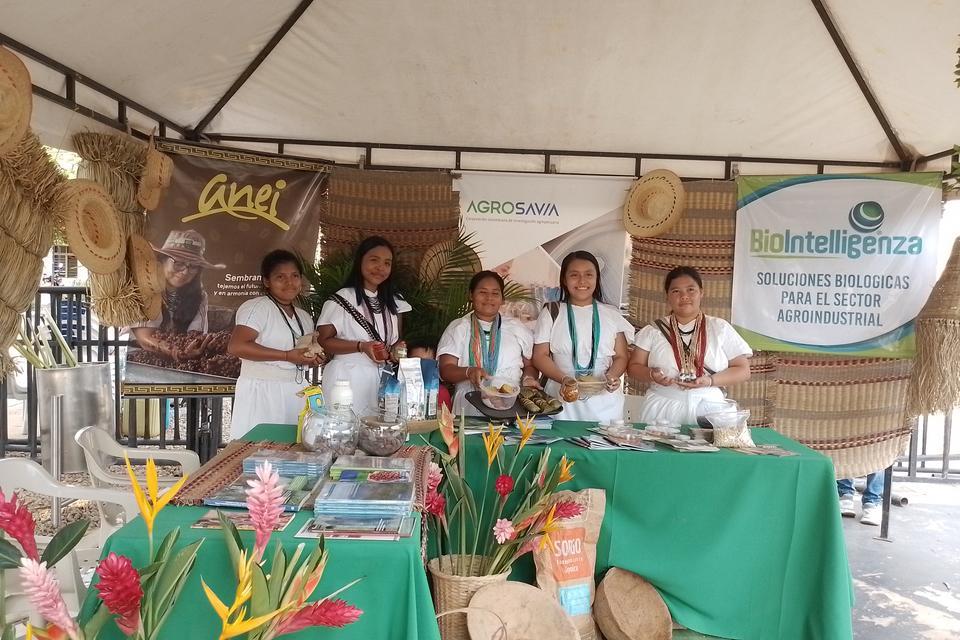
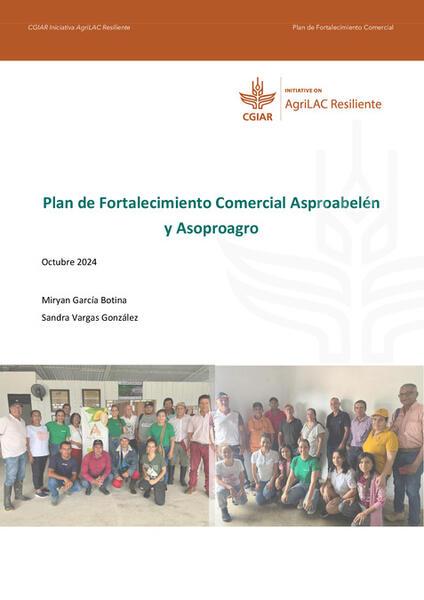
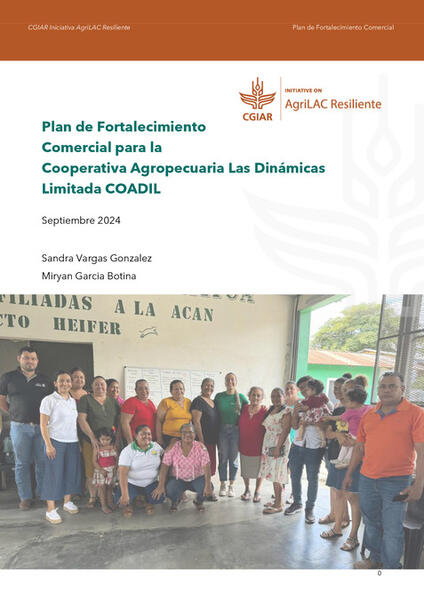
We work hand in hand with local partners and commercial allies, who act as ambassadors for the + Nutritious Crops program, driving their promotion and adoption. At the same time, the program implements a comprehensive solution that strengthens farmers’ associations in key areas such as agronomy, postharvest management, value addition, and market access. In this way, we aim to scale these crops to new communities and help generate sustainable income for farming families.
4 lines of action
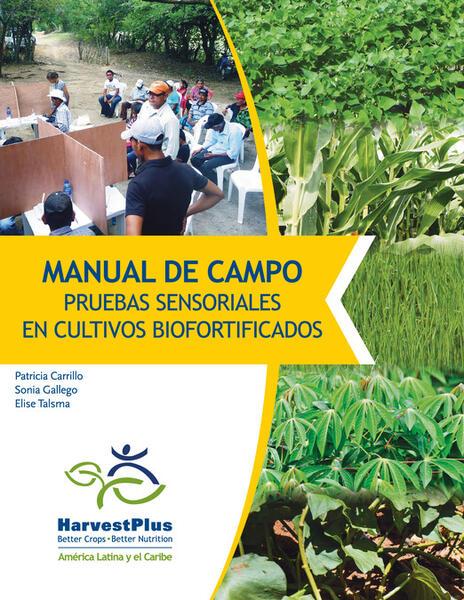
Quality: production, nutritional, physicochemical, culinary, and sensory quality of seeds, grains, and food products.
Agriculture: seed systems and sustainable practices.

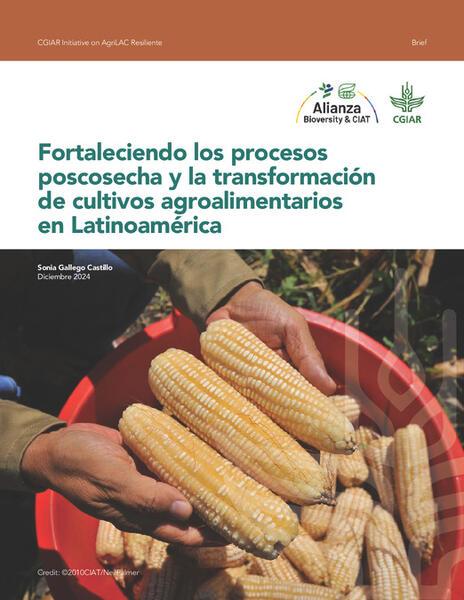
Post-harvest and processing: focus on quality, safety and added value.
Market Access: marketing strategies, business models, and business connections.
Flagship projects and innovations
| Project | Description |
|---|---|
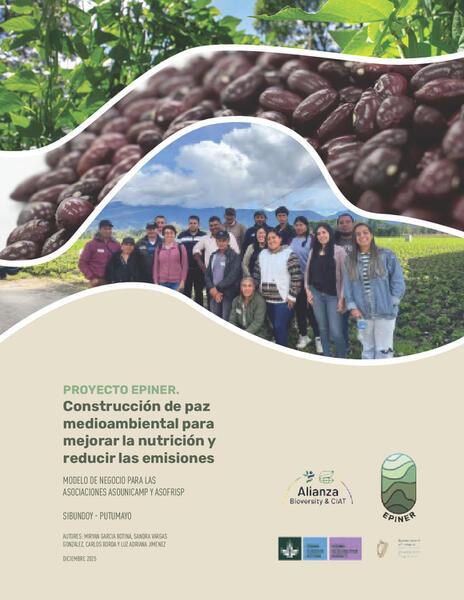
| EPINER Project | Integrate environmental peacebuilding with climate action and nutrition to achieve sustainable development based on resilient, low-emission food systems in the Colombian Massif. |
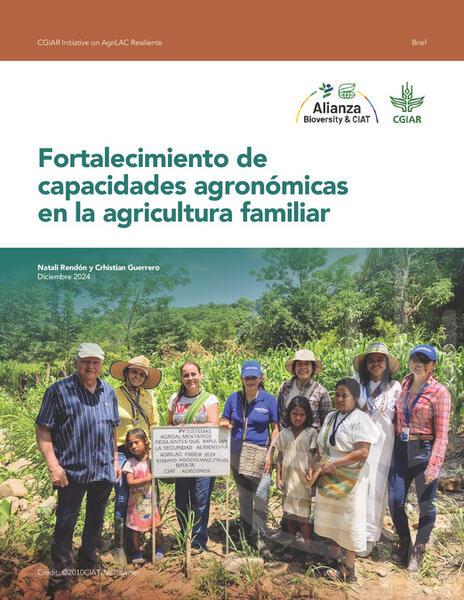
| Projects in partnership with the Ministry of Agriculture | Building the capacity of rural communities in more than 15 departments across the country in the areas of agricultural practices, post-harvest quality, and marketing, along with the distribution of seeds for more nutritious crops. |
| Project in partnership with the Ministry of Mines and Energy | Initiatives were promoted to conserve water through the implementation of good agricultural practices and pilot plots using more nutritious corn seeds. |
| Semillas de Vida Project | Led by the Government of Atlántico and the Santo Domingo Foundation, this project included training programs for technicians from the Municipal Technical Assistance Units on integrated crop management, the production of bio-inputs, and post-harvest quality. It also strengthened producers’ commercial capabilities through business models and market connections, improving market access and economic sustainability. |
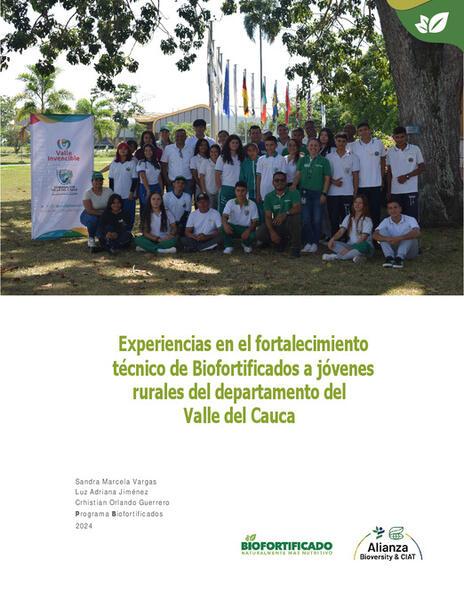
| Project with the Departmental Education Secretariat of Valle (PEER) | Implemented through the Educación Especial Rural (PEER) program, this project strengthened the skills of rural youth in agronomy, post-harvest, value addition, and markets. |
Rice podcast
Bean podcast
Selected stories


Where we work
Partnerships and outreach
Multimedia
Publications
Leaders

Carolina Gonzalez
Thematic Leader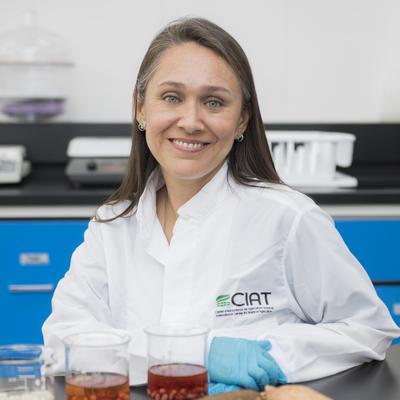
Sonia Gallego Castillo
Senior Research Associate, Agrobiodiversity