
JET-AgriSOL
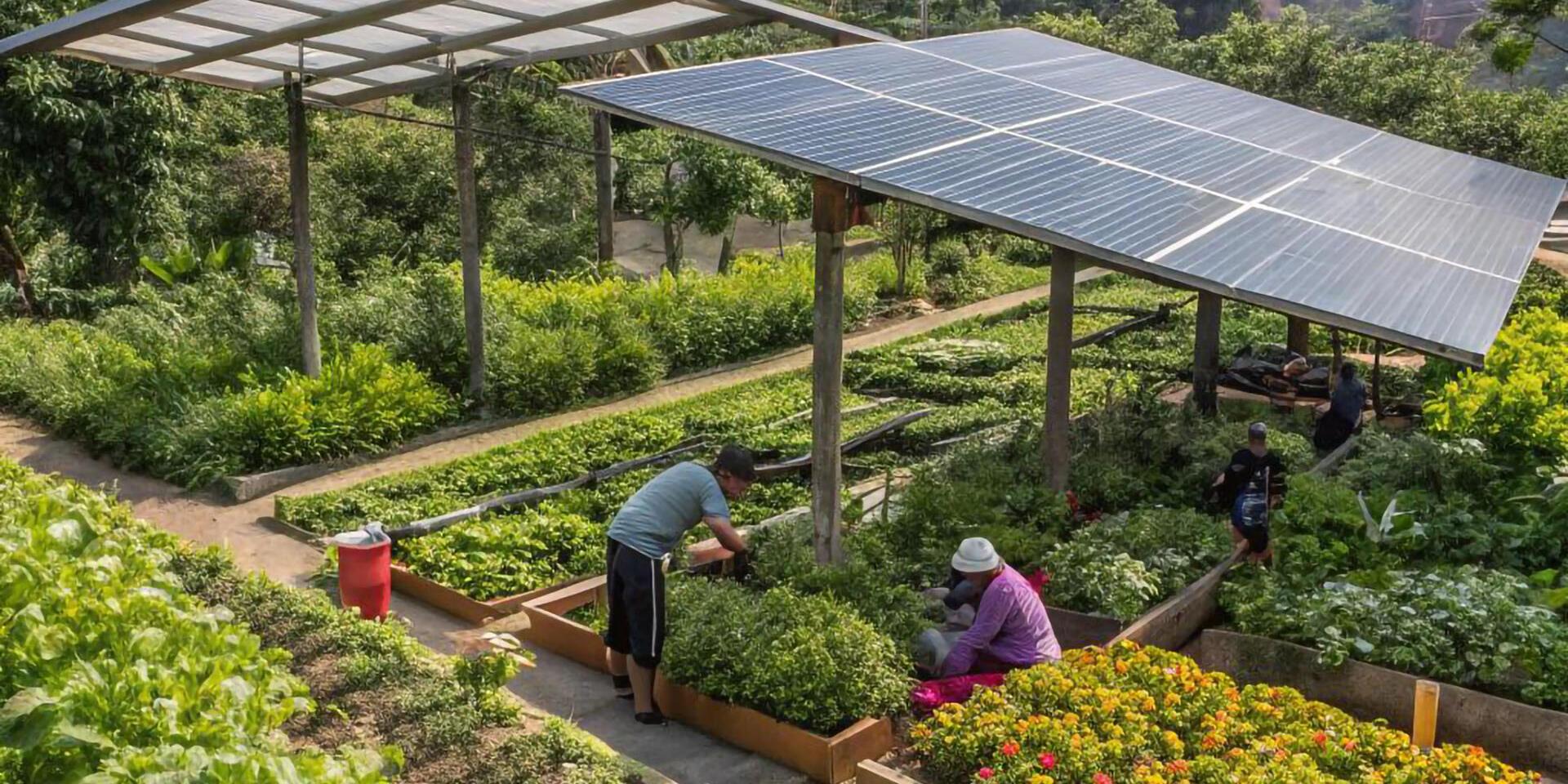
Project Name: Supporting Colombia’s Just Energy Transition, climate resilience, and food security by introducing inclusive agri-photovoltaic systems
Start and end dates: 01/01/2026 - 31/12/2032
Region and countries: Latin America, Colombia: La Guajira, Cesar, Caldas, Quindío, Risaralda, Antioquia, Valle del Cauca, Caquetá and Nariño departments
Funding: JET-AgriSOL is financed by The International Climate Initiative (IKI) | Internationale Klimaschutzinitiative (IKI) of the German Federal Government, implemented by the BMUKN: Federal Ministry for the Environment, Nature Conservation, Nuclear Safety and Consumer Protection
Consortium Partners: Alliance of Bioversity - CIAT (Lead), Colibri Energy SAS, Perspectives Climate Research gGmbH (Perspectives Climate Group), Fraunhofer-Institut für Solare Energiesysteme ISE (Fraunhofer ISE) (Fraunhofer-Gesellschaft)
Colombia stands at a pivotal moment: advancing a just energy transition while strengthening climate resilience, food security, and rural livelihoods. Agri‑photovoltaic systems (co‑locating solar energy generation with productive agriculture) offer a practical pathway to do all three. By enabling dual land use, Agri‑photovoltaic systems (APV) can diversify incomes for producers, stabilize yields under increasing climate variability, and expand clean electricity generation without displacing agriculture.
Our project mobilizes research-for-development, co‑design with communities, and scalable partnerships with the private sector, Technical and vocational education and training (TVET) institutions, and public agencies to deploy inclusive and sustainable APV solutions across Colombia’s diverse agroclimatic zones. We prioritize gender equality and social inclusion, especially women and disadvantaged groups, including Indigenous Peoples and Local Communities (IPLCs), and align skills development and finance with real market demand.
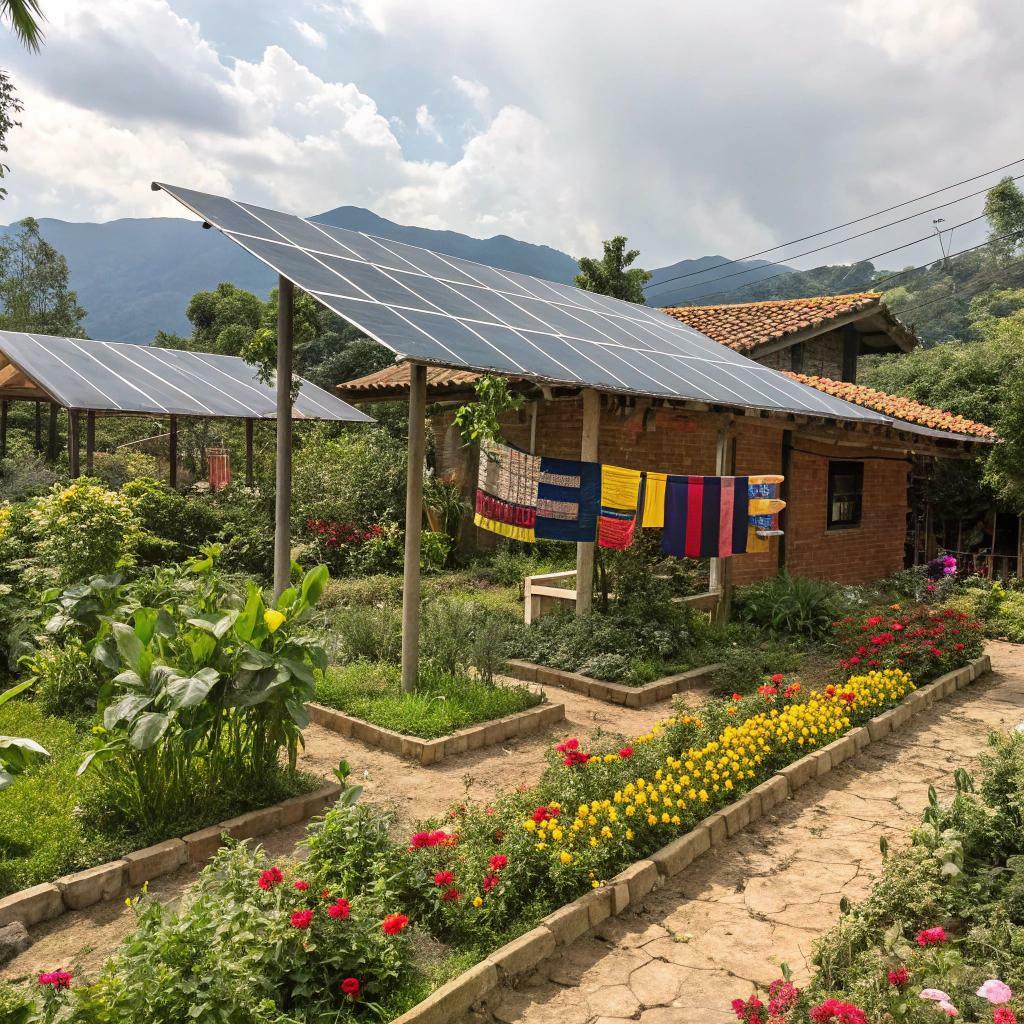
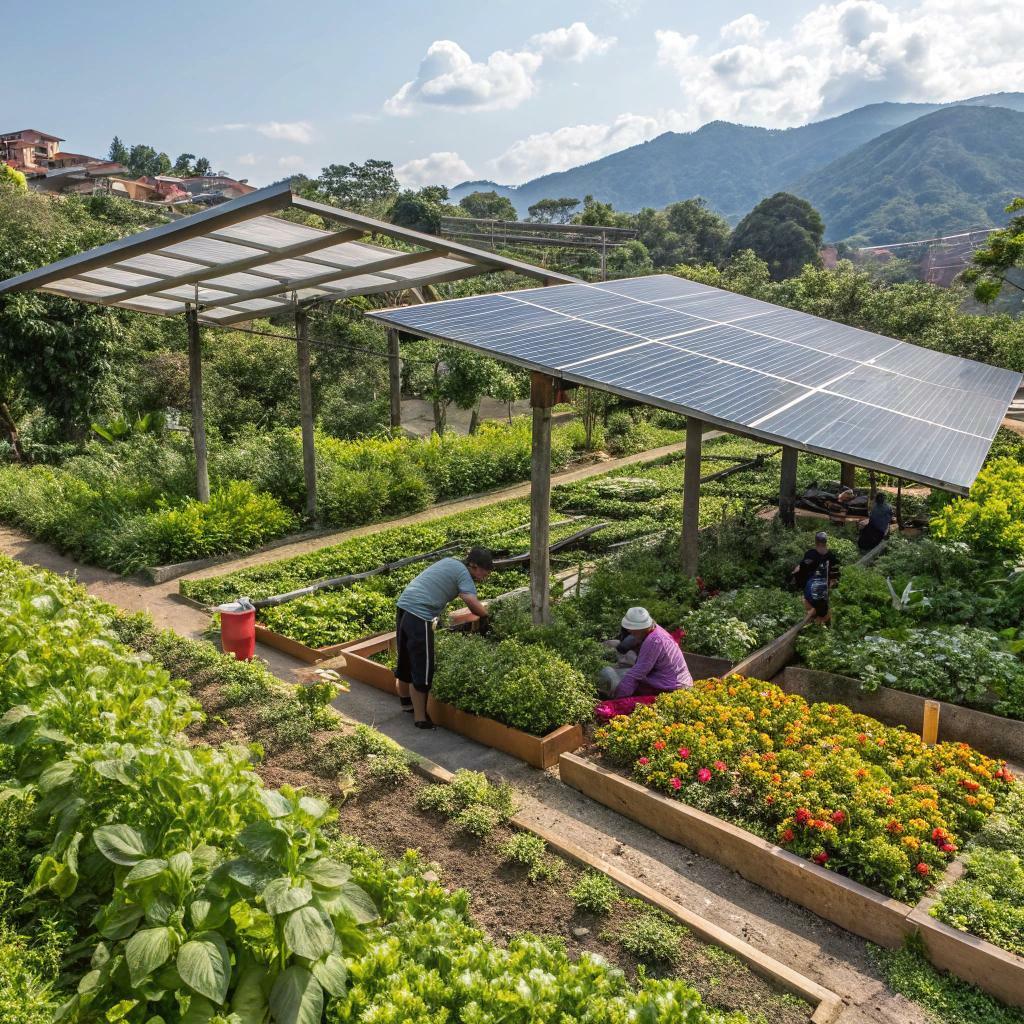
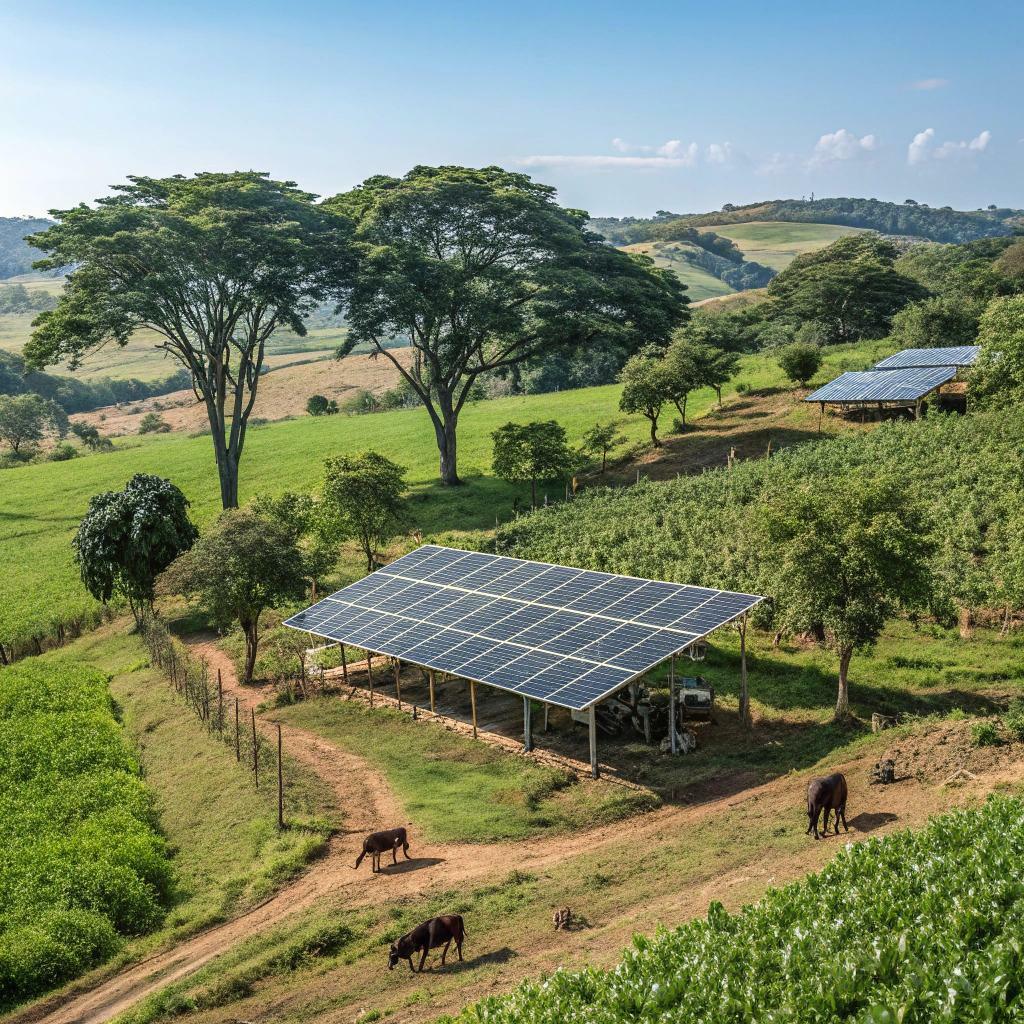
JET-AgriSOL promotes a just and inclusive energy transition in Colombia by integrating agrivoltaic (APV) systems into diverse agricultural and cattle-ranching landscapes. By combining solar energy generation with crop and pasture production on the same land, the project addresses climate vulnerability, unreliable rural energy access, food security and low farm incomes. An APV Experimental Lab at CIAT anchors a portfolio of community-based, commercial, and experimental pilots implemented with producer associations, grower federations, agribusinesses, development cooperation partners, and institutions within Colombia’s National Agricultural Research System, while simultaneously providing technical advisory services to utility-scale solar developers to integrate agricultural components into large-scale renewable energy projects. In parallel, the project strengthens technical and entrepreneurial capacities through co-designed curricula, Training of Trainers programs, and innovation challenges aligned with real market demand.
Beyond technology deployment, JET-AgriSOL co-creates decision-support tools, viable business models, and inclusive financial mechanisms that improve access to investment, particularly for women and Indigenous Peoples and Local Communities who are often excluded from agricultural and clean energy finance. Working closely with ministries and national planning authorities, the project also contributes to a coherent regulatory and policy framework through the co-development of a national APV roadmap. By linking renewable energy, agriculture, cattle systems, skills development, finance, and policy reform, JET-AgriSOL establishes the conditions required to scale agrivoltaics through commercially viable private investment, corporate sustainability strategies, inclusive finance (including carbon market mechanisms), development cooperation partnerships, and coherent public policies and incentive frameworks.
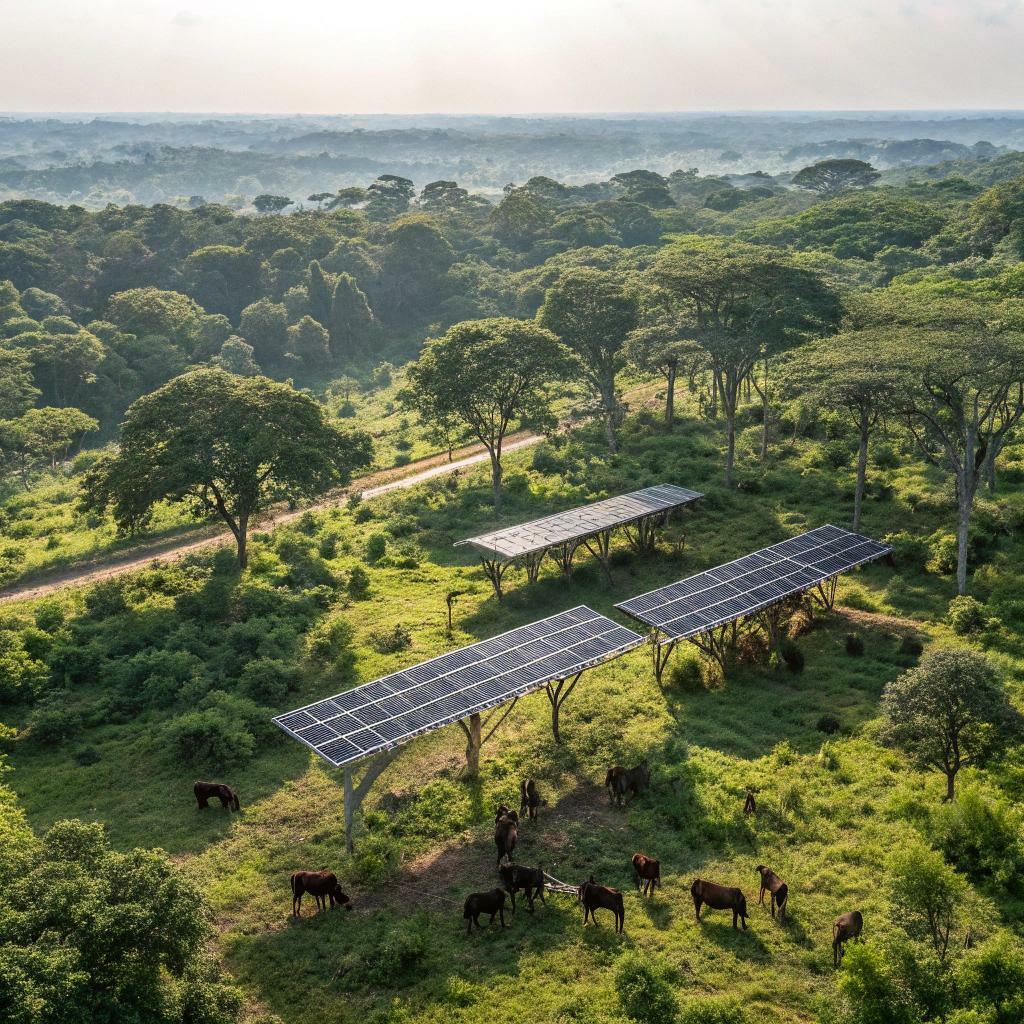
Below are the outcomes we are working toward and how they translate into tangible change on the ground:
Context‑Specific APV Solutions in Use: Supported producer organizations, agribusinesses, and utility‑scale solar developers adopt and operationalize context‑specific APV designs across diverse agroclimatic zones. We co‑develop agronomic and photovoltaic configurations tailored to local crops, water dynamics, microclimates, and grid conditions; validating performance (yields, energy output, water use efficiency, and socio‑economic benefits) and producing practical toolkits that partners can directly apply at field and project scales.
Workforce and Skills for Inclusive APV Deployment: TVET providers roll out APV‑focused curricula and capacity‑building programs aligned with the employment needs of women and disadvantaged groups (including IPLCs) and with the competency requirements of renewable‑energy project developers. Graduates gain job‑ready skills spanning agronomy under partial shading, safety, basic electrical and digital competencies, community engagement, and environmental safeguards, building a workforce capable of delivering high‑quality, inclusive APV.
Bankable Business Models and Fit‑for‑Purpose Finance: Local producer organizations, enabled by co‑developed APV‑tailored business models and investment cases, co‑invest alongside agribusinesses and utility developers in inclusive, sustainable APV solutions.
Financial institutions integrate APV‑specific recommendations: Inclusive and economically viable business models for producer organizations by integrating APV to improve financial sustainability. Investment cases with bankable organizations, aligned with conventional and APV-adapted financing mechanisms and supported by innovative climate finance frameworks.
Project leaders and members

Manuel Narjes
Lead Environmental and Agricultural Economist, Multifunctional Landscapes
Luz Adriana Jimenez R.
Senior Coordinator
Guillermo Peña Chipatecua
Research Associate
Carlos Borda
Senior Research Associate, Multifunctional Landscape
Fanny Howland
Research Specialist
Guillermo Orjuela Ramirez
Postdoctoral Fellow
* AI-generated images