Blog Unlocking regional seed trade for Africa's bean farmers
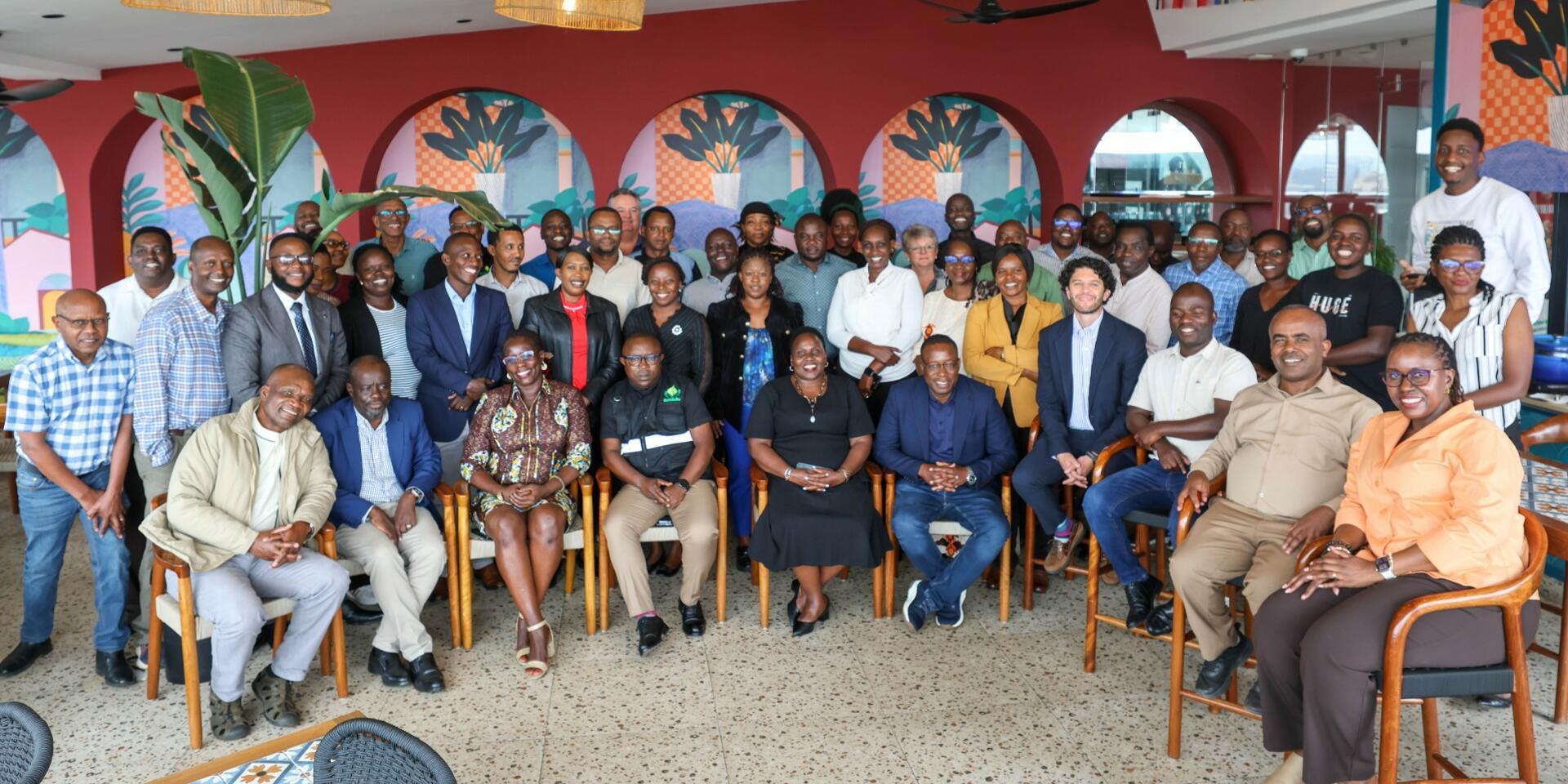

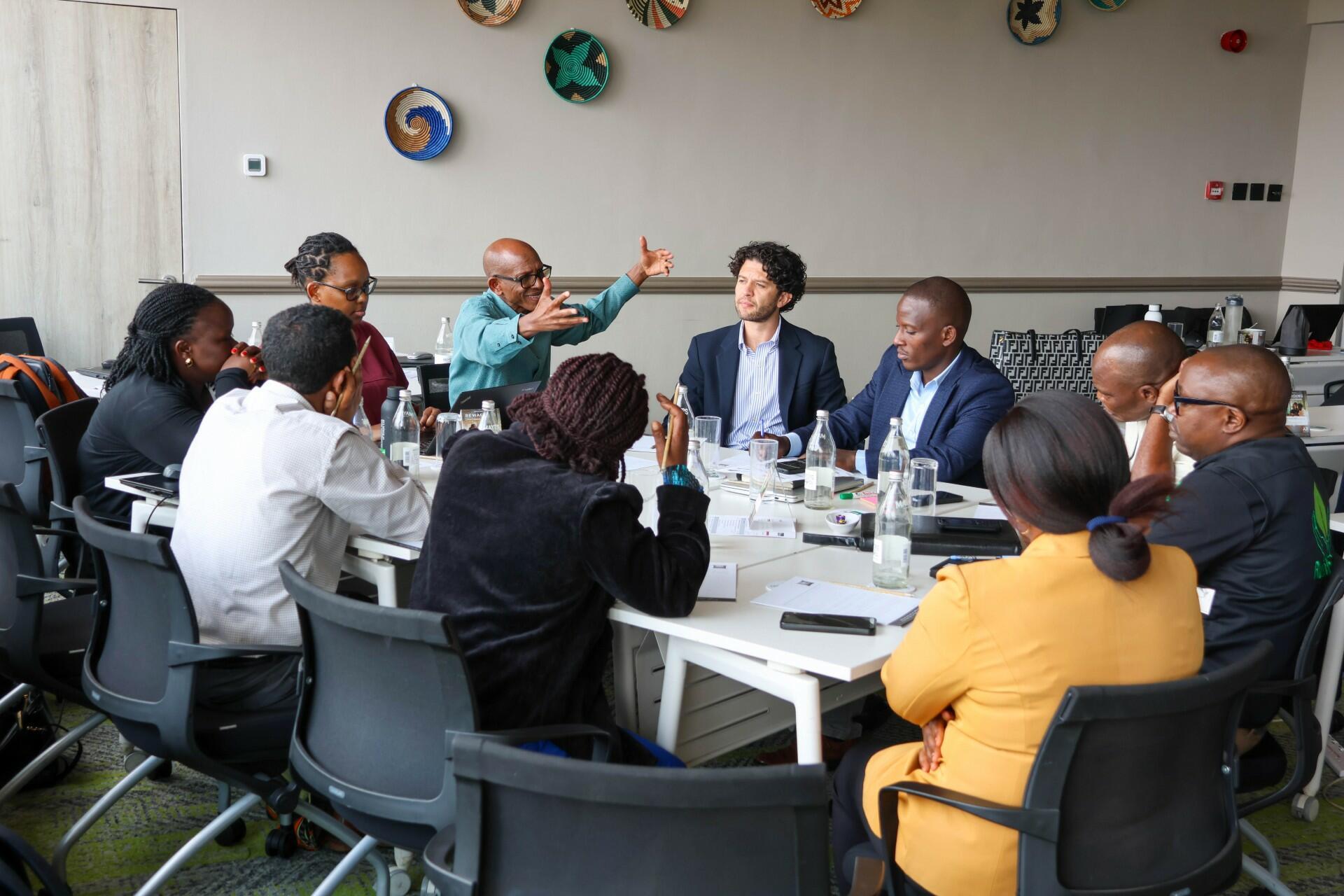
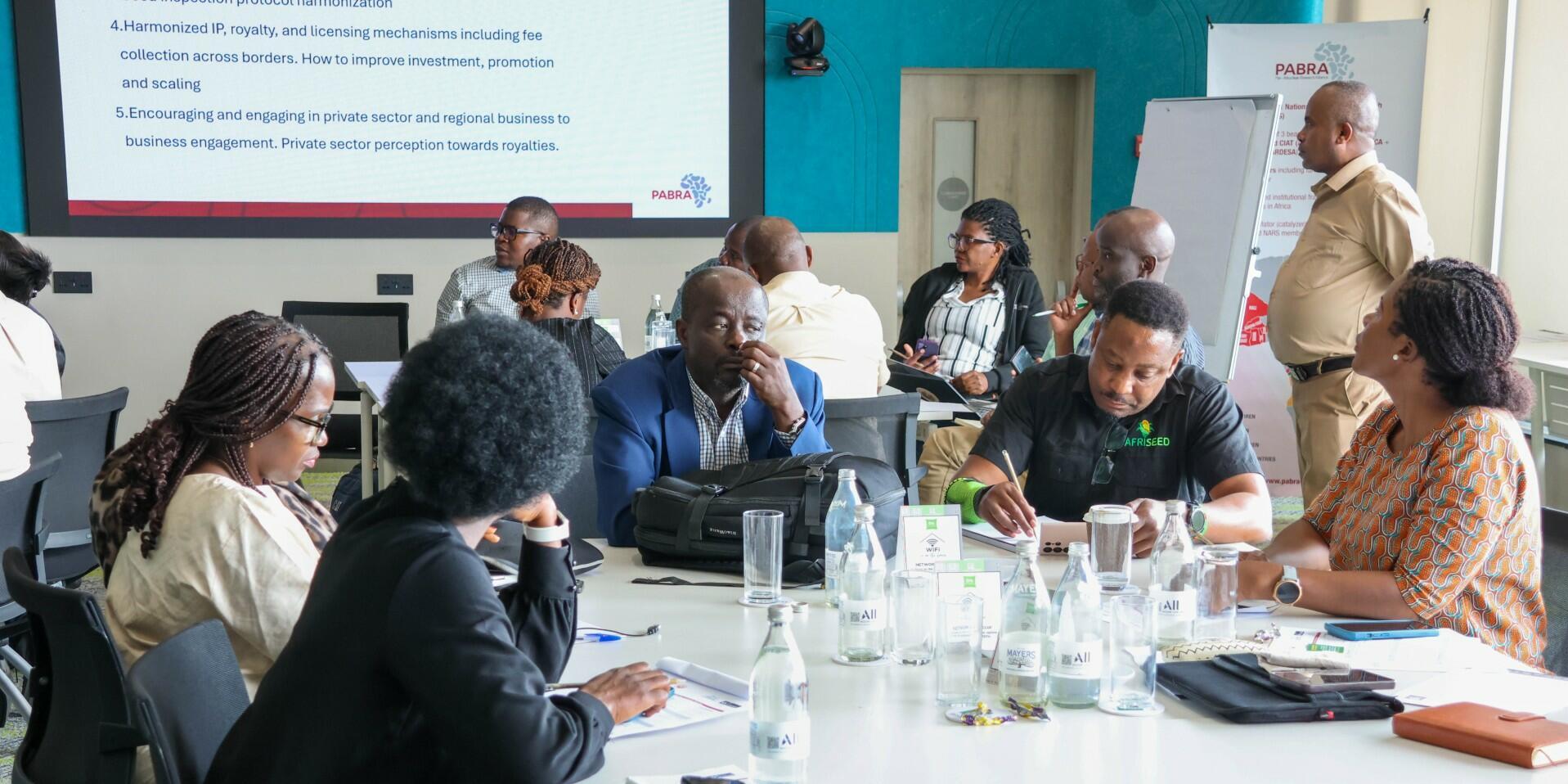
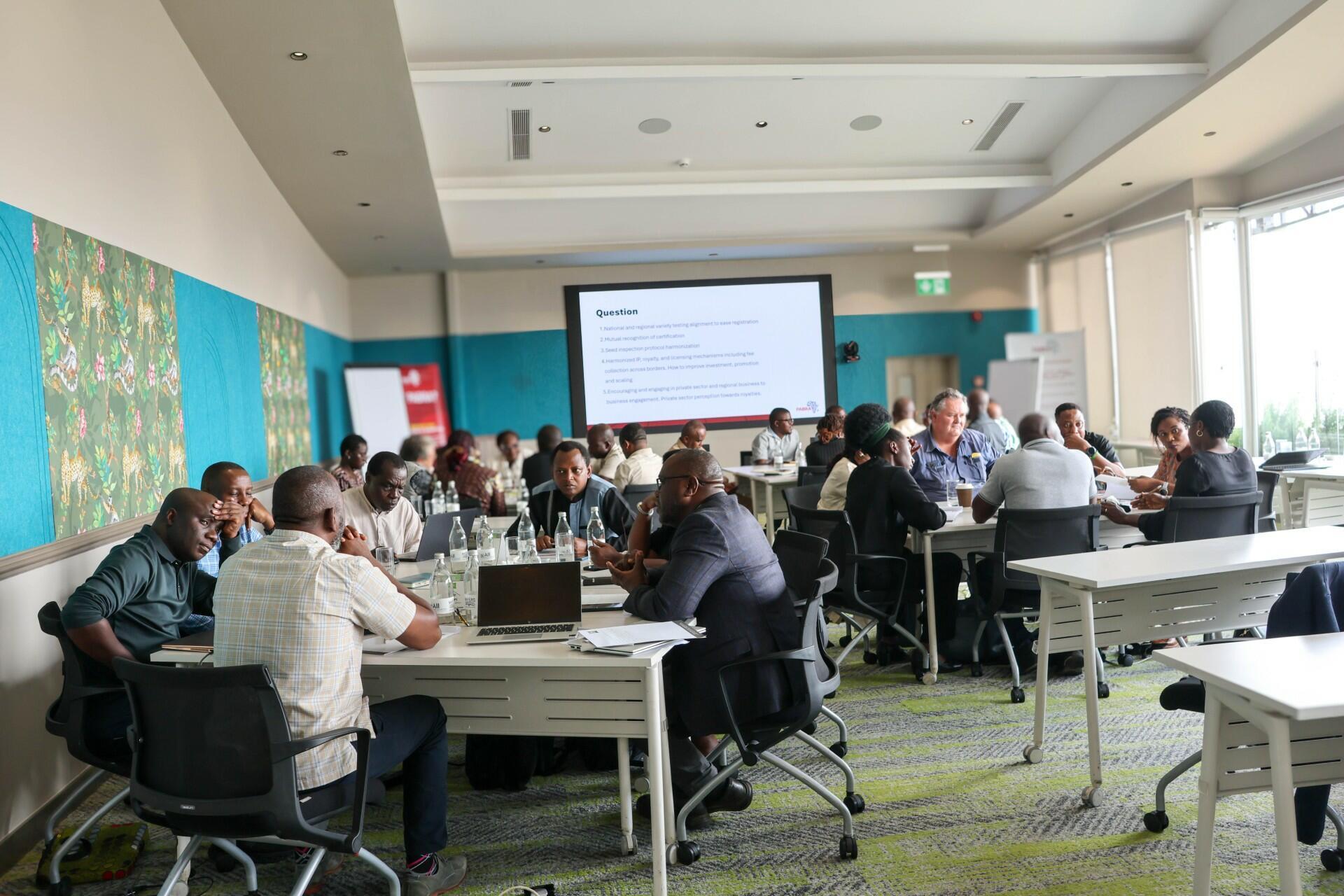
At the COMESA Seed Trade Harmonisation workshop, researchers and partners examined how regulatory reforms can speed the movement of improved bean seed across borders, helping farmers access innovations faster and strengthening regional food security.
Africa holds 60% of the world's uncultivated arable land. The Common Market in Eastern and Southern Africa (COMESA) region, spanning 21 member states across Eastern and Southern Africa, accounts for just 2 to 3% of global seed trade, roughly $1.4 to $1.9 billion of a market worth between $90 and $120 billion. That is not a gap produced by a lack of prerequisite human resources, investment ambition, or infrastructure. Bean breeders across the continent have spent decades developing varieties that triple yields, cut cooking time, resist disease, and expand three times in volume when cooked, varieties that could change the economics of smallholder farming quickly but this seed often does not move freely across the borders whose countries share similar agro-ecologies and consumer bean demands.
The gap is produced by something far more frustrating: a patchwork of national seed regulatory systems that do not talk to each other, certification schemes that multiply without unifying, limited early generation seed production, poor seed–grain market linkages, regulatory delays, and high seed costs and border processes that treat a bean variety released in one country as essentially foreign varieties in other COMESA countries.
The average time between a bean variety being officially released in one COMESA country and becoming legally available in a neighbouring country could go as high as 10 years. This bureaucracy denies farmers much-needed genetic gains.
What the science has already done
Consider what bean breeders have achieved, largely without public recognition
Jointly developed the Bean Programs of the Alliance of Bioversity International and CIAT and KALRO through a decade of crossing and evaluation, the Waithera variety released in 2024 produces up to 45 pods per plant (6-7 seed per pods), about three times the yield of Wairimu, a variety released in 1982 with a podding capacity of 15 pods per plant. That additional 30 pods per plant can translate into one extra meal a day for a family of six. It cooks faster, reducing fuel costs for households where cooking accounts for a significant share of daily expenditure. It expands three times in volume when cooked, feeding more mouths. And it has low flatulence (no gas issues when consumed), which is a trait that sounds trivial until you understand that flatulence is one of the most commonly cited reasons consumers in East Africa avoid beans in favour of more expensive protein sources.
Or take the KAT B1 bean, preferred by Kenyan markets for its taste and grain size, but producing a frustratingly low 12 pods per plant and 3 seeds per pod. Breeder Teshale A. Mamo, a bean breeder at the Alliance, spent six years improving it and the result: 30 to 40 pods per plant, 5 to 6 seeds per pod, same market appeal, with different yield.
These are not isolated examples. Since improved varieties reached farmers, climbing beans have grown from about 5% to nearly 50% of Rwanda’s bean area. Yellow beans have transformed markets in Tanzania, while sugar beans have reshaped production systems in Malawi. For decades, PABRA has documented such changes across Eastern and Southern Africa. The science works, and breeding lines move readily; the real barriers are regional variety release and the cross-border movement of certified seed
How a border becomes a wall
Though the regional seed trade harmonization policy has been approved and domesticated in more than 12 countries in COMESA region, there are only two bean varieties registred on COMESA seed catalogues.
Thus, many countries maintain their own national seed regulatory system. Each has its own logic, its own legal foundation and when applied in isolation, adds years to the time farmers can access a breakthrough variety.
Kenya requires National Performance Trials across five agroecological zones over two seasons (each entry costing $1,200 per season) before a variety can be officially listed. Uganda mandates DUS testing at two locations over two seasons. Tanzania, not a COMESA member, operates through SADC's separate harmonization framework, stretching the regional picture further. Zambia simultaneously operates under OECD, SADC, COMESA, and its own national certification schemes, producing a labelling landscape so complex that seed companies exporting across the region may need four different certification marks on a single bag.
The result: a variety that a farmer in Rwanda can buy today might not be legally available to a farmer in Burundi, about 200 kilometers away, growing in similar soil, under similar rainfall, the same altitude, for another decade.
Meanwhile, informal trade has already solved the problem in its own way. Traders carry Mwitemania beans from Kenya into Tanzania, multiply them, and ship grain back across the border. The market identified the demand, crossed the regulatory gap, and served the customer. What it could not do was provide the farmer on the other side with certified, quality assured seed, the kind that comes with guaranteed germination rates, disease resistance, and the agronomic data to back it up. The grain moves freely. The seed is stopped. That is not a trade barrier. That is a contradiction.
The framework that can change this
A solution already exists. The COMESA Seed Trade Harmonisation Regulations and the COMESA Variety Catalogue were built precisely to close this gap. The operating principle is mutual recognition: once a variety is officially released in two COMESA member states, it qualifies for the regional catalogue and can be commercialised across the bloc without repeating the full national trial cycle.
Thirteen COMESA member states have already gazetted these regulations into national law. Several more are in final stages of domestication. The online application system is operational, making the process achievable with documentation that seed companies already hold.
What is missing is not the framework but the momentum to use it.
Only two common bean varieties from 2 companies have been registered in the COMESA Variety Catalogue to date which is against the volume of breeding work accumulated across PABRA countries over the past three decades; that number is sobering. CGIAR breeding centres, NARs, and private seed companies hold portfolios of varieties already released in multiple countries, that could be on the regional catalogue today, reaching farmers across the bloc, without a single additional field trial.
The private seed sector, for its part, is ready to move, but needs the regulatory environment to move with it. Small and medium seed companies across the region are doing work that larger multinationals won't: maintaining obscure but beloved varieties, running trials in markets too thin for global players, investing in seed systems in countries like Mozambique where the entire certified seed market is measured in hundreds of tons, not thousands. These companies cannot absorb royalty structures designed for the margins of industrial seed markets. They need flexible, cascaded licensing mechanisms that reflect the reality of doing business in thin, fragmented, price sensitive markets.
They also need the food processors and grain traders at the downstream end of the value chain to pull in the same direction. Davine Minayo, who leads commercial strategy at Spice world, an East African processor of cereals, pulses, and pasta whose brands reach consumers across the region, captures the issue precisely:
"We can't be talking of trade in goods or food when we cannot trade the seed that produces that food."
Her company has had to trace supply failures for specific bean varieties all the way back to the seed, finding that the variety farmers had access to simply did not meet the aesthetic, nutritional, or yield requirements that end markets demanded. The gap between the breeding pipeline and the consumers plate runs through the regulatory system.
Three actions that would close the gap
- Populate the COMESA catalogue now. Breeders and companies should upload already-released varieties within 90 days. No new trials. No new fees. Just listing.
- Mutual recognition by default. If a variety is released in two COMESA countries, it is recognized in all. Make the exception the process, not the approval.
- One border, one inspection. End duplication. A seed inspected in Kenya is inspected for the bloc. Trust the data. Trust the system. Move the seed.
What alignment actually looks like
Nationally, this means updating testing protocols to align with COMESA requirements, not in isolation, but through joint review processes that acknowledge where descriptors diverge and agree on what constitutes sufficient data for mutual recognition. It means variety release committees that are technically equipped to interpret the data before them and empowered to act on regional priorities, and not just the national ones.
Regionally, it means aggressively populating the COMESA Variety Catalogue with varieties that already qualify and building toward a one-stop-shop regional listing system, modelled on frameworks that have worked elsewhere, where performance demonstrated in two countries triggers recognition across the bloc.
On the ground, it means ending the duplication at border crossings where inspectors from two countries sit in separate offices at the same post and clear the same consignment twice. It means recognising that a country with 15 inspectors for example, covering a territory the size of Tanzania cannot build a functional seed certification system on government staff alone, and that trained, audited private sector inspectors are not a compromise but a solution.
On intellectual property, it means acknowledging that a 5% royalty on gross sales may sustain a breeding programme in one context and negatively affect a seed company in another, and that the Arusha Protocol for Plant Breeders' Rights offers a regional architecture for breeders to protect their work across multiple jurisdictions with a single application.
And it also means being honest about resources. CGIAR institutions working across the region are operating under genuine financial pressure. The two-country testing protocol that unlocks the COMESA catalogue pathway must become the default and not because it is the easiest option, but because duplicating six-country trial cycles with shrinking budgets is not a development strategy but a holding pattern.
Are the beans ready?
The varieties are ready. The frameworks are ready. The science has been done, in many cases multiple times over. What remains is the alignment, of protocols, of incentives, of legal frameworks, of institutional mindsets, that allows what researchers have built to reach the farmers and consumers who will benefit from it. The question is no longer whether we can fix this system. The question is whether we have the courage to admit that the system is broken, and the discipline to use the tools already in our hands. The border is not a wall. It is a door. We have the key. The only question is: will we turn it?
Fewer than 20% of smallholder farmers across the COMESA region currently plant quality-improved seeds. The rest save and recycle what they have, not because they don't want better seed, but because the systems that should make better seed available, affordable, and accessible have not yet caught up with the science.
That is the gap PABRA and its partners are working to close. Not by developing more varieties (though more are coming) but by ensuring the ones that already exist are no longer kept waiting at the border.
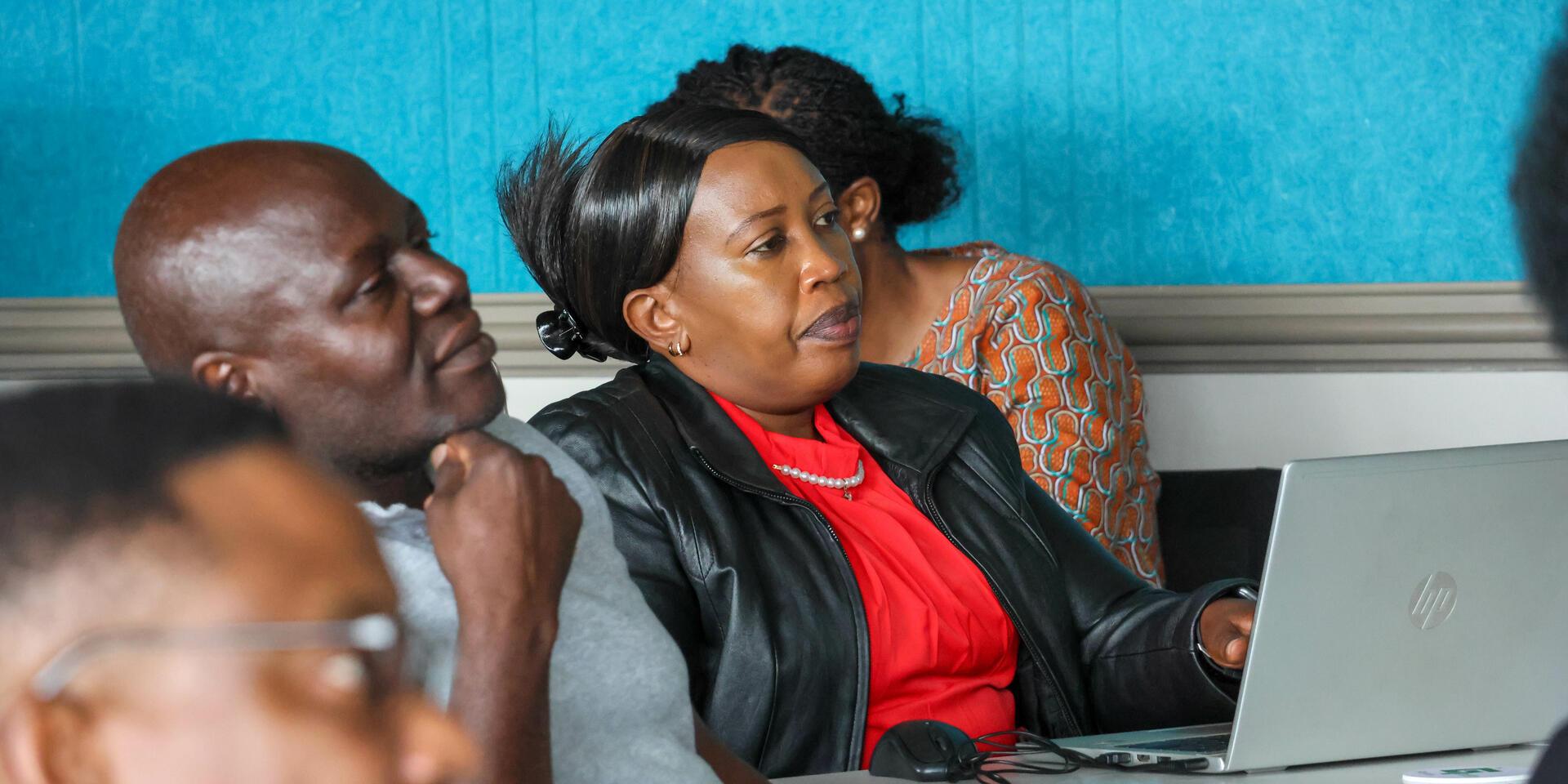
The team
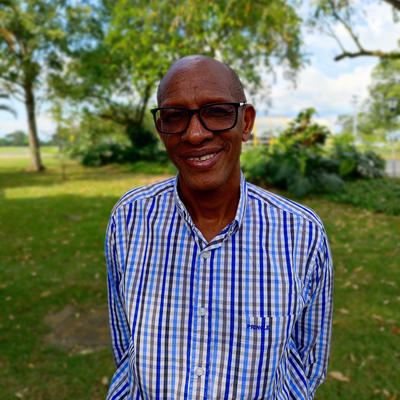
Jean Claude Rubyogo
Leader, Global Bean Program, and Director, Pan Africa Bean Research Alliance (PABRA)
Clare Mukankusi
Global Breeding Lead-Common Bean
Warren Arinaitwe
Plant Pathologist