Blog How partnerships are scaling agricultural innovation across Africa
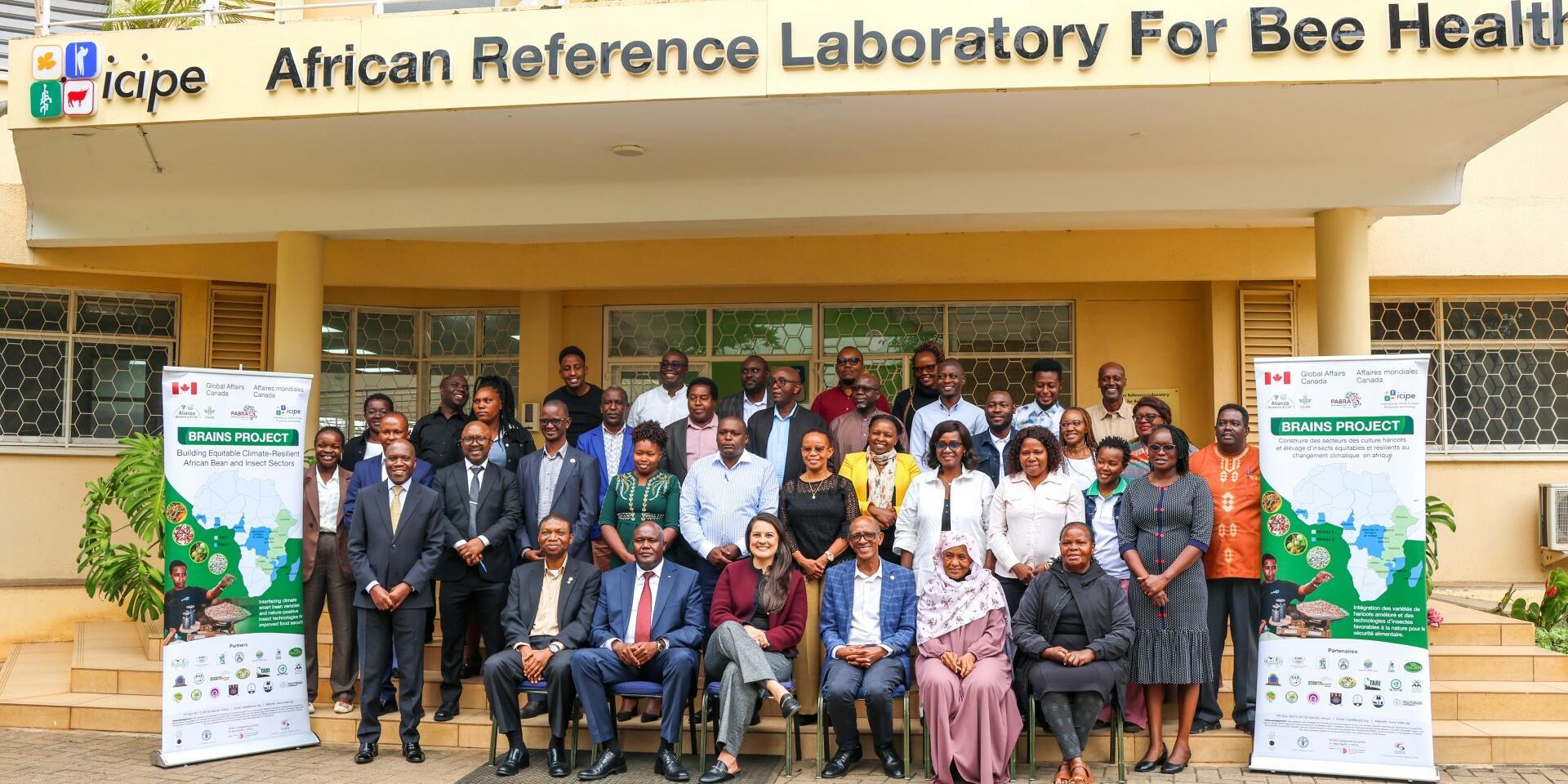

At the second BRAINS Steering Committee meeting in Nairobi, partners reflected on how collaboration among researchers, governments, businesses and farmers is helping agricultural innovations reach markets and deliver lasting impact across Africa.
Every year, agricultural researchers across Africa develop crop varieties capable of producing higher yields, withstanding drought, resisting pests and improving nutrition. Yet many of these innovations never fulfil their “promise” not because the science falls short, but because the systems needed to support them are often missing. Quality seed is unavailable; markets remain uncertain, investment is limited, and the partnerships required to move research beyond demonstration plots never fully take shape. Increasingly, the challenge facing agricultural development is no longer how to generate innovation, but how to ensure it reaches the people it was designed to serve.
That is the ambition behind the Building Equitable Climate-Resilient African Bean and INsect Sector (BRAINS) Project. Over the past two years, the initiative has shown that agricultural research delivers its greatest and multiple impacts when technological innovations are matched with strong institutional innovations and effective partnerships. By bringing together researchers, governments, private companies, financial institutions and farmer organizations, BRAINS Project is helping move improved technologies beyond research plots and into functioning markets where they can continue creating value long after the research itself is complete.
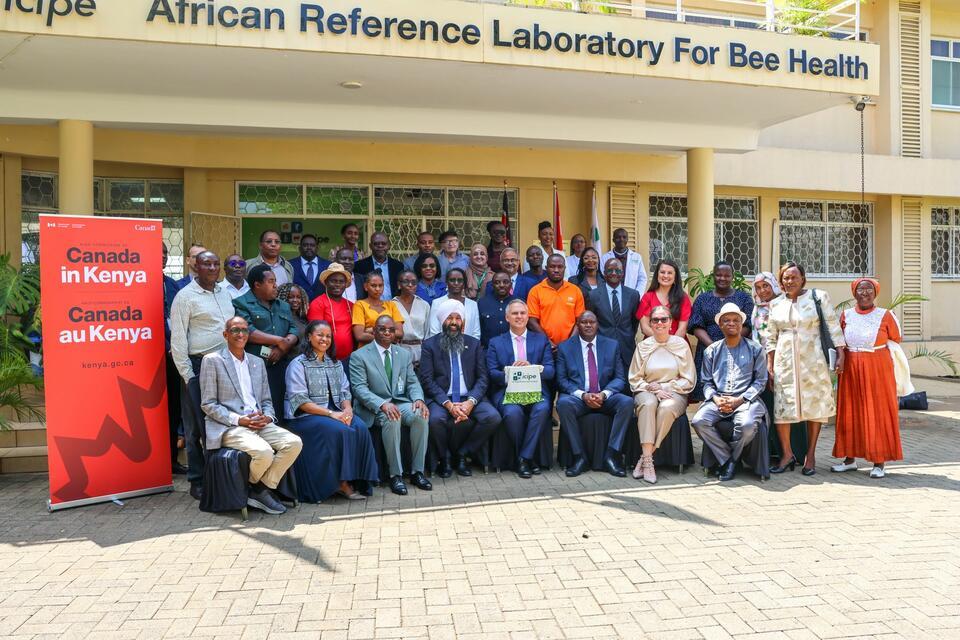
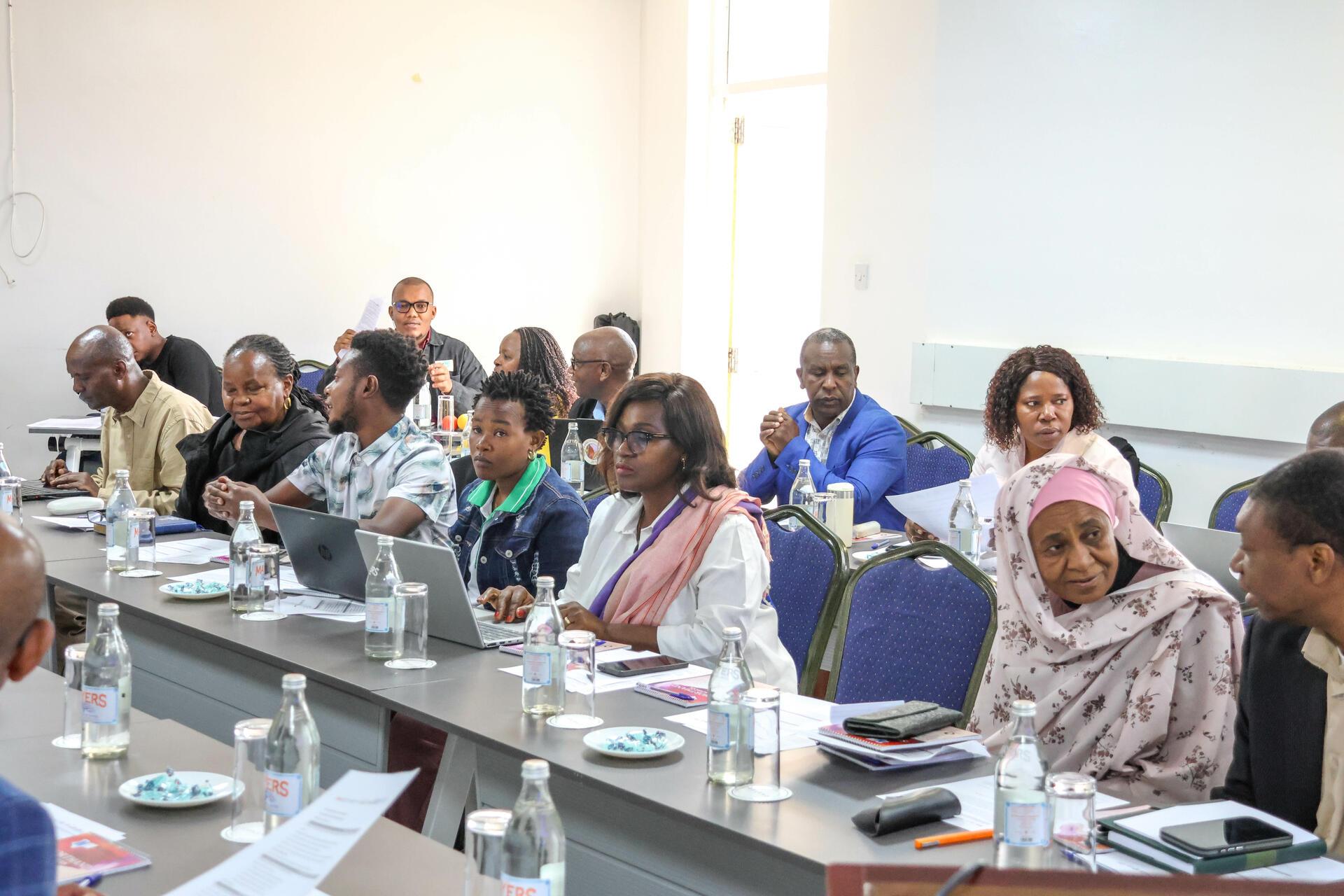
These questions framed discussions during the second BRAINS Steering Committee meeting in Nairobi, where programme partners reflected two years of implementation and the lessons emerging across participating countries. While participants reviewed progress, the conversations repeatedly returned to a broader question: what does it take for agricultural innovation to move beyond successful research and become lasting economic opportunity?
For Jean Claude Rubyogo, Global Bean Leader and Director of the Pan-Africa Bean Research Alliance (PABRA), the answer lies in designing innovations with market actors from the very beginning. Rather than treating commercialization as the final stage of research, the programme has deliberately embedded market demand into its design. Through an off-taker model based on bean corridor approach, farmers are connected to buyers before harvest, while partnerships with seed companies, processors, financial institutions and agribusinesses help ensure improved technologies enter functioning value chains instead of remaining isolated research successes.
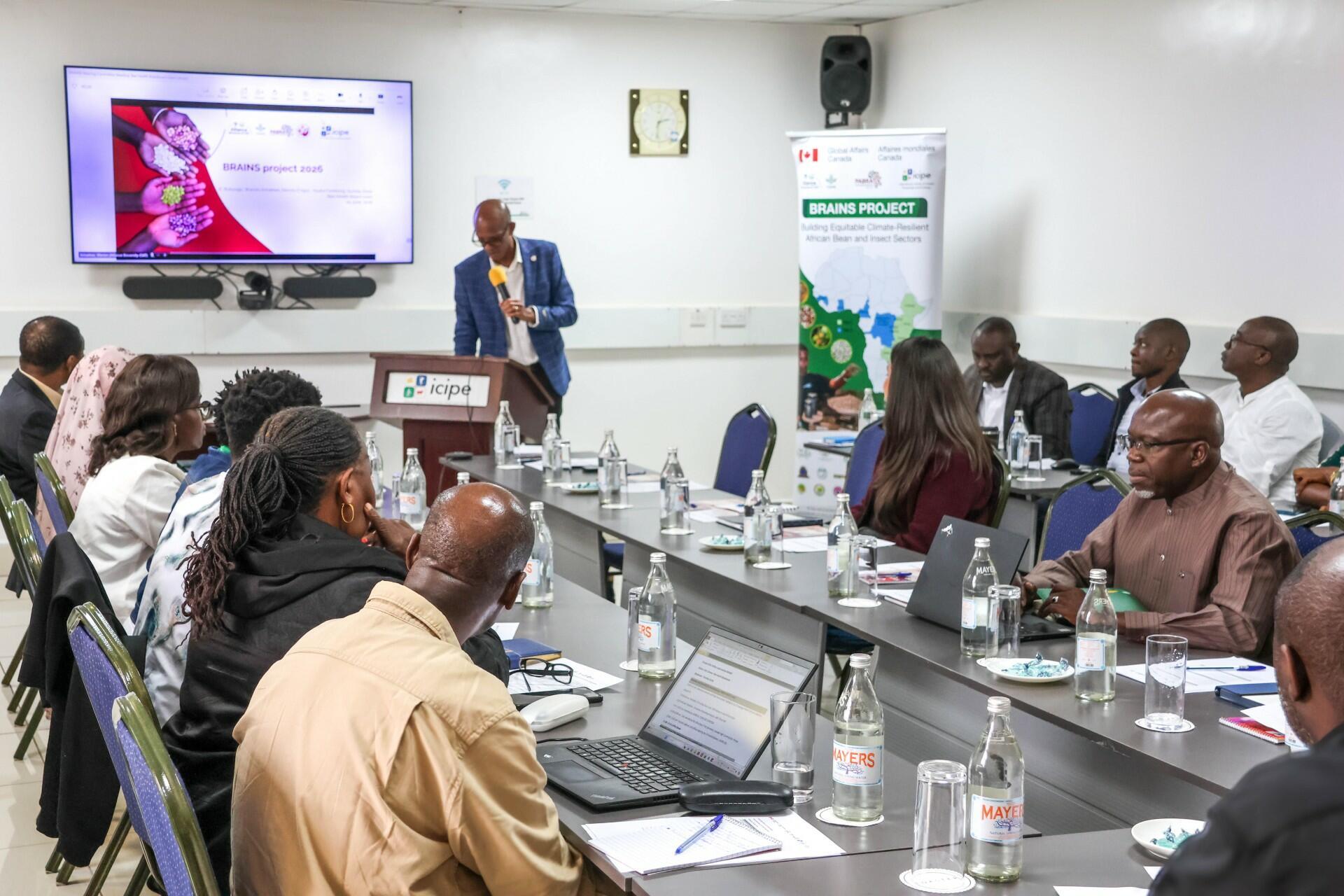
That approach reflects a growing recognition that scientific breakthroughs alone rarely transform food systems. As Dr. Sunday Ekesi, Deputy Director General for Research and Partnerships at icipe, observed during the meeting, research creates its greatest value when it is supported by collaboration. Scientists, governments, private companies and farming communities each contribute different strengths, and lasting transformation depends on their ability to work together rather than in isolation.
The same thinking is increasingly shared by development partners, including funders. Alicia Sosa, First Secretary, Pan-Africa Program at High Commission of Canada, Nairobi Kenya, noted that stronger private-sector engagement has become central to sustainable agricultural development. Businesses are no longer viewed simply as channels for distributing innovation; they are essential partners in creating resilient markets, generating employment and ensuring promising technologies continue delivering impact long after project funding concludes.
From research to markets
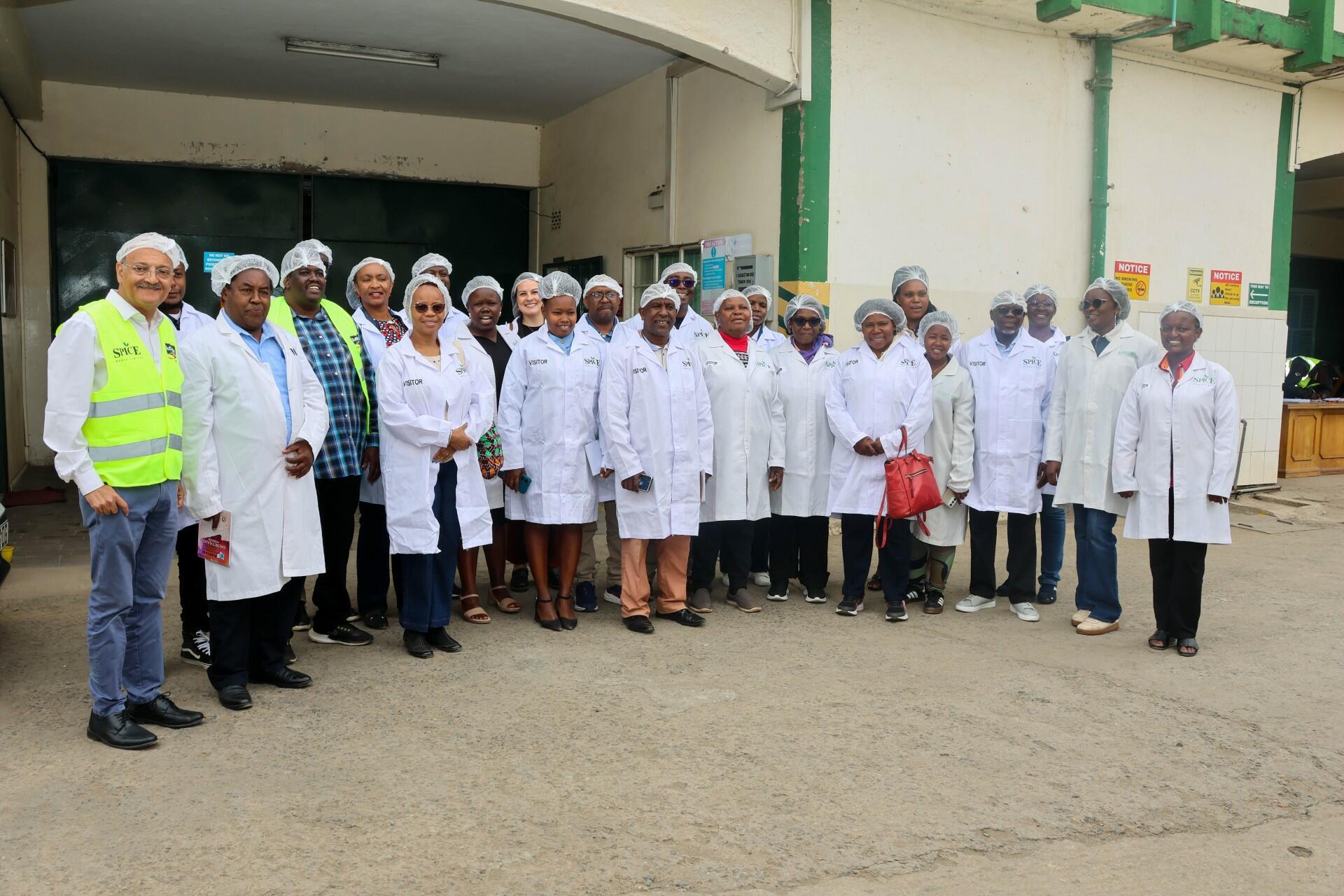
Across Kenya, that approach is already taking shape, with the partnerships established through BRAINS are helping move agricultural innovation beyond research stations and into everyday business. At Spice World Limited, one of the region's leading importers, exporters and distributors of agricultural commodities and food products, bean grain sourced from participating farmers reaches consumers across Kenya under the Butterfly Brand. What begins as years of research in breeding programmes ultimately becomes a product on supermarket shelves, creating dependable commercial opportunities for farmers while making nutritious bean products more widely available to consumers.
A supermarket shelf may seem far removed from a breeding programme, yet it represents one of the clearest signs that innovation has entered a functioning market. Researchers develop improved varieties, seed companies multiply certified seed, farmers invest in production, traders aggregate grain and retailers connect products with consumers. Each link strengthens the next, allowing scientific innovation to create value far beyond the research station.
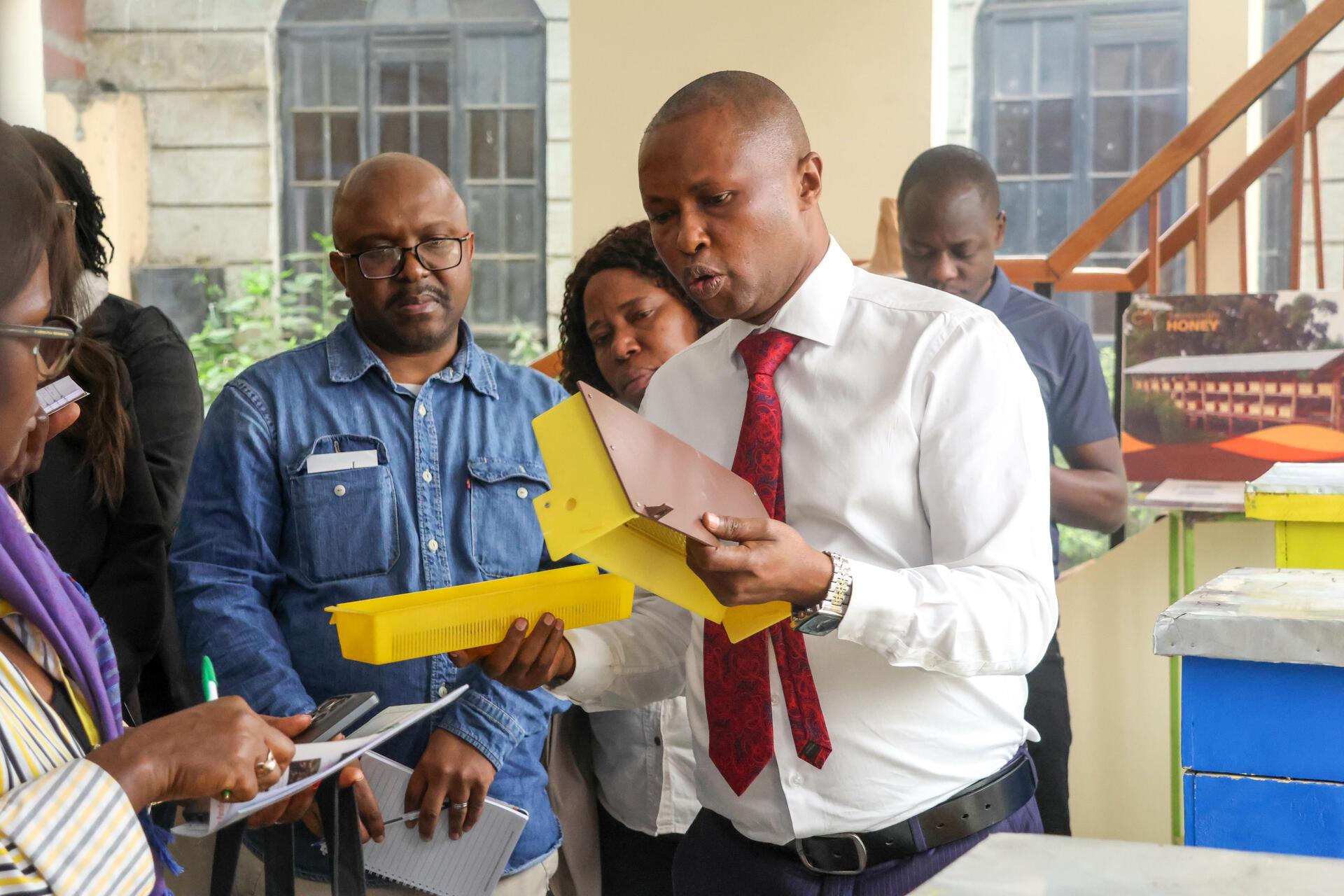
Partnerships are also creating opportunities beyond crop production. Savannah Honey Africa, Kenya's leading supplier of modern beekeeping equipment and apiary management services, is helping farming households diversify their livelihoods through modern apiculture. By expanding income opportunities beyond a single food crop, the company is strengthening resilience to climate and market shocks while demonstrating how innovation can support broader rural enterprises. During the Steering Committee meeting, Savannah Honey also announced a partnership with Equity Bank that is expected to improve access to finance for approximately 3,000 farmer groups, highlighting the increasingly important role of financial inclusion in scaling agricultural innovation.
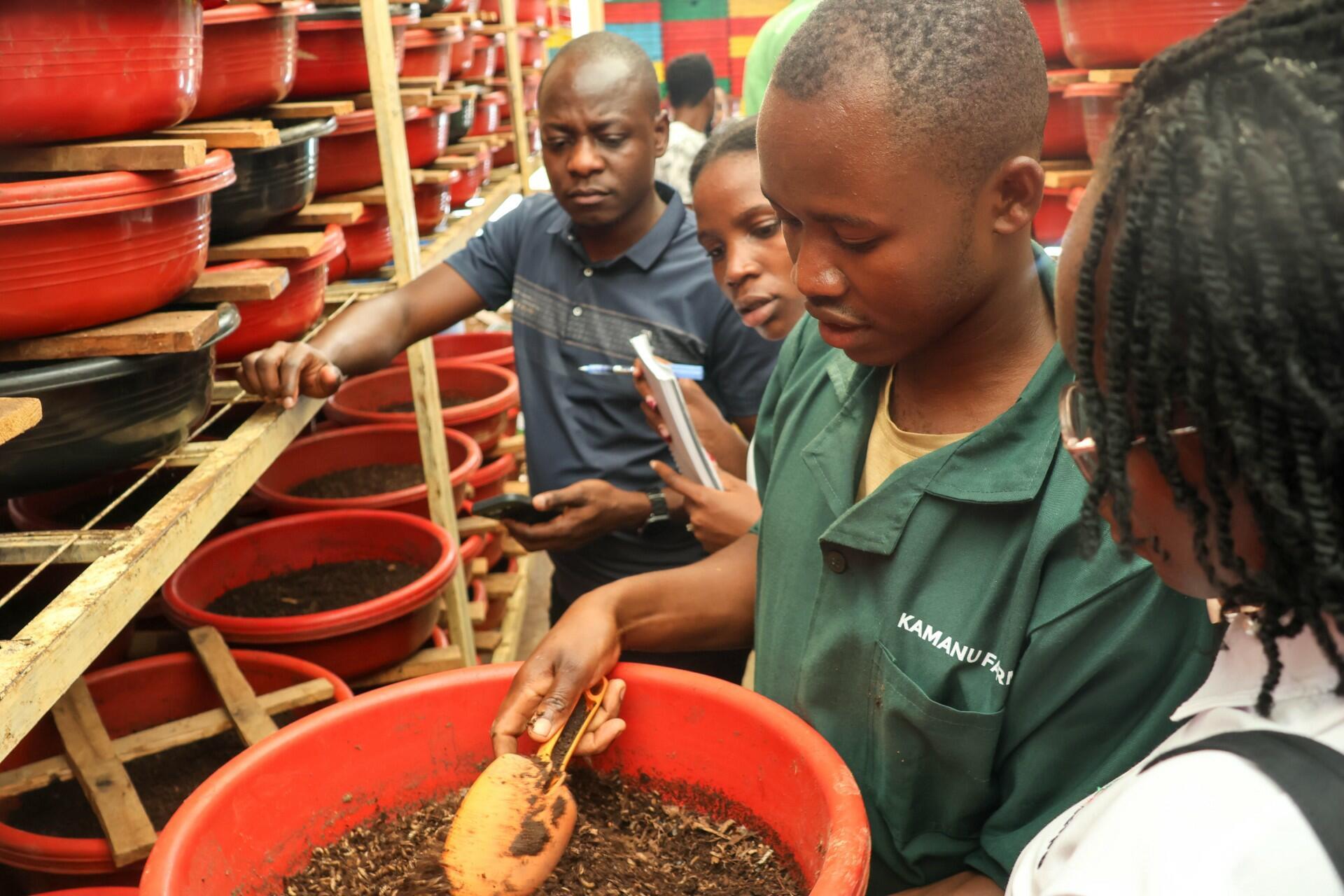
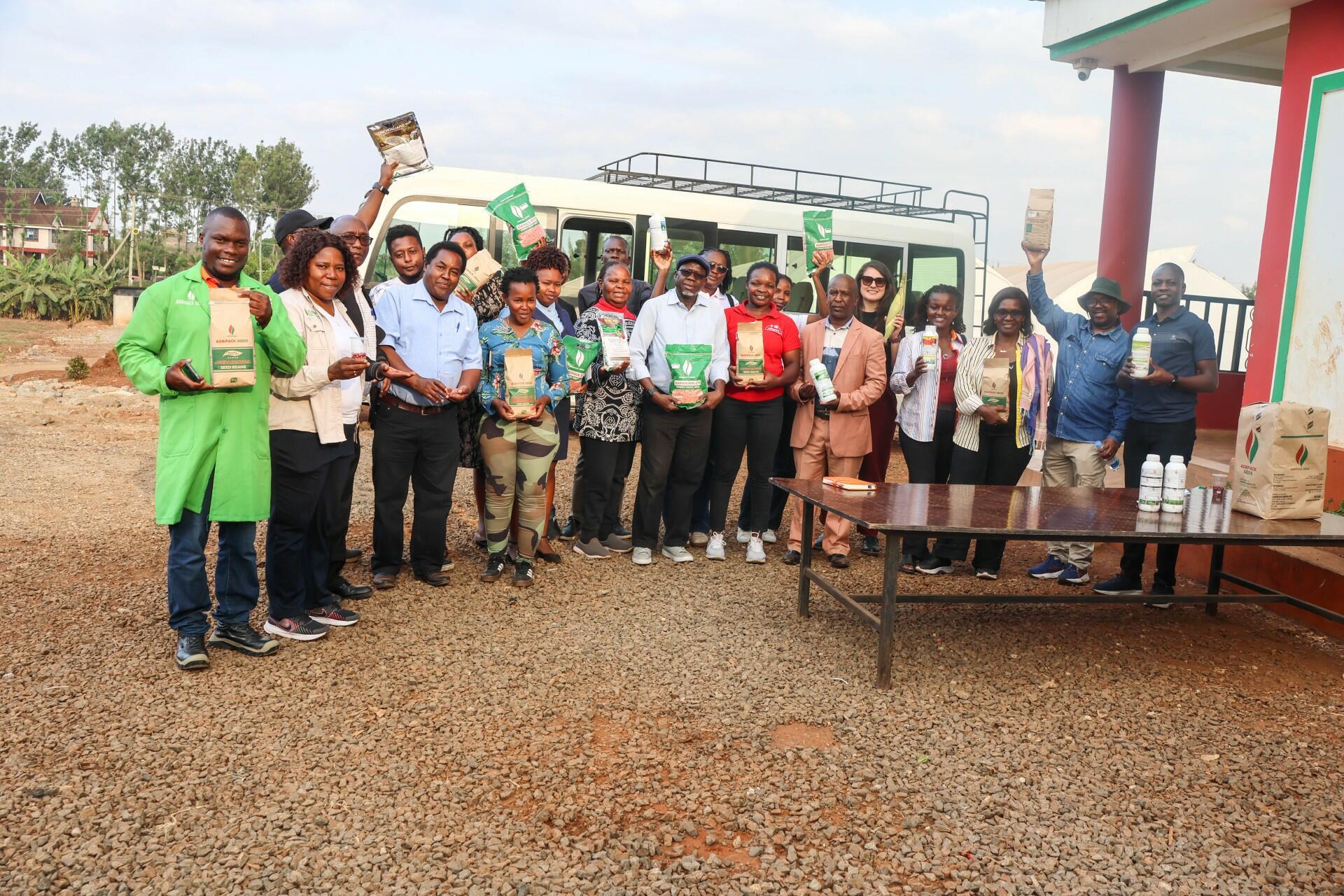
Other partners reinforce different parts of the value chain. Agripack Seeds multiplies certified seed of improved bean varieties, ensuring farmers have access to quality planting material, while Kamanu farm in Ruiru converts agricultural waste into bio-based fertilizers, demonstrating how innovation can generate both environmental and commercial value. Each enterprise contributes something different, but together they create the ecosystem that allows agricultural research to move from promising science to practical opportunity.
Where innovation becomes opportunity
Beyond the businesses connecting research to markets are farmers who are adopting new technologies, building enterprises and making businesses, and demonstrating what agricultural innovation looks like in practice.
One such farmer is Jessica Kiprop, whose journey began with a single decision to plant the improved Nyota bean variety in Elgeyo Marakwet County and harvested more than seven tons of beans, increasing her household income and inspiring neighbouring farmers to adopt the variety after seeing its performance in her fields. Her experience is a reminder that innovation often spreads through farmer to farmer, through trust built on visible results.
Another farmer, Faith Kitata in Makueni County, wanted to reduce the cost of livestock feed and adopted the Black Soldier Fly technology, and now cuts her feed costs by nearly 80 percent before expanding into beekeeping, honey processing and Azolla production. What began as a practical solution has grown into a diversified agribusiness that now supports multiple income streams while serving as a learning hub for more than 300 young people. Her story illustrates how innovation can unlock new opportunities when it is supported by knowledge, markets and strong partnerships.
These stories are being repeated across the project. Women are increasingly moving beyond adopting improved technologies to building businesses around them. For instance, in Rwanda, women entrepreneurs are expanding seed enterprises based on nutrient-rich bean varieties, increasing access to quality seed while generating new sources of income. In eastern Democratic Republic of Congo, improved bean varieties are helping women rebuild livelihoods in communities affected by conflict, demonstrating how agricultural innovation can create opportunities even in some of the most challenging environments.
Dr. Patrick Katiem, Director General of the Kenya Agricultural and Livestock Research Organization (KALRO), reflected that these experiences signal the programme’s broader evolution.
“BRAINS has moved beyond technology delivery to become a platform for scaling innovation through commercialization, stronger partnerships and market-oriented approaches,” he observed.
He added that in Kenya, PABRA partnerships have contributed to meaningful impact, noting that the KALRO Bean Program is among the country’s strongest research programmes. This year, both the KALRO and the Alliance of Bioversity International and CIAT bean research programmes received exceptional certificates of recognition. The growing demand for improved bean varieties, together with expanding private-sector engagement, demonstrates what becomes possible when research is designed with farmers, enterprises and markets in mind from the outset.

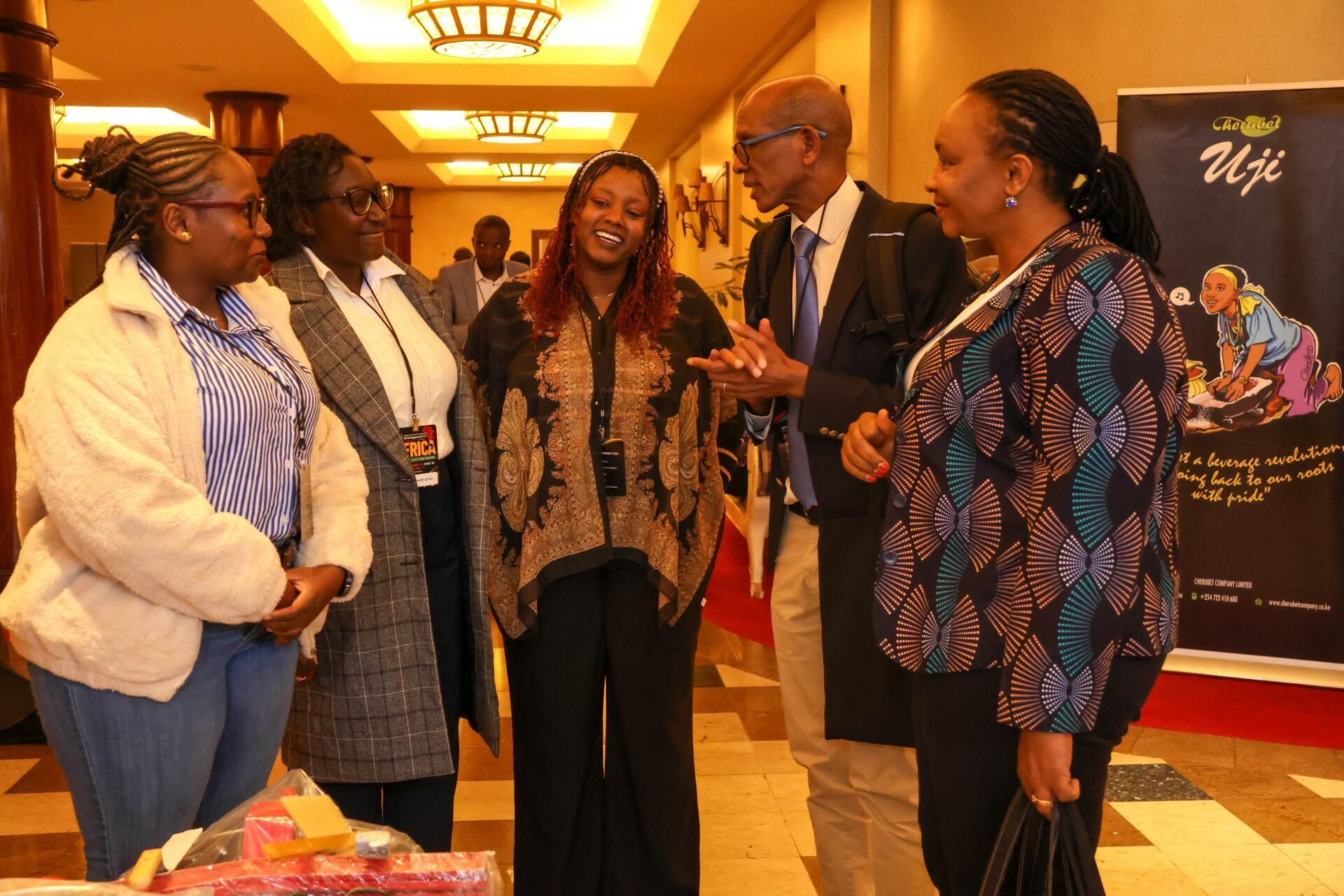
As PABRA prepares to mark its 30th anniversary and discussions continue on the future of Africa's food systems, BRAINS shows that scientific breakthroughs remain essential, but their greatest value is realized when partnerships connect research with enterprise, finance and markets.
Keep exploring