From the Field Tracing impact: A joint mission through Kenya’s BRAINS project

Over three days in Nakuru, Nairobi, and Kiambu, partners and funders of the BRAINS project observed how research, markets, and finance are aligning to improve livelihoods, strengthen value chains, and build climate resilience for farmers and enterprises.
Impact is often reported in numbers but sometimes it stands beside you, lifts the lid of a new water tank, and says quietly, “This is from beans.”
“Synergy” has become one of the development’s most overused words. It will appear either in proposals, strategy decks, funding briefs as tidy, abstract, and frictionless.
Over three days in Kenya, synergy became something tangible, visible in 90 kilogram bags stacked and ready for market. Representatives from Global Affairs Canada visited the BRAINS project to assess whether two years into a five year investment are beginning to translate into meaningful, on the ground impact for farmers and enterprises.
BRAINS (Building Equitable Climate-Resilient African Bean & INsect Sectors) implemented by the Kenya Agricultural and Livestock Research Organization (KALRO), the Alliance through PABRA, and the International Centre of Insect Physiology and Ecology (icipe) as a co-implementor is an ecosystem.
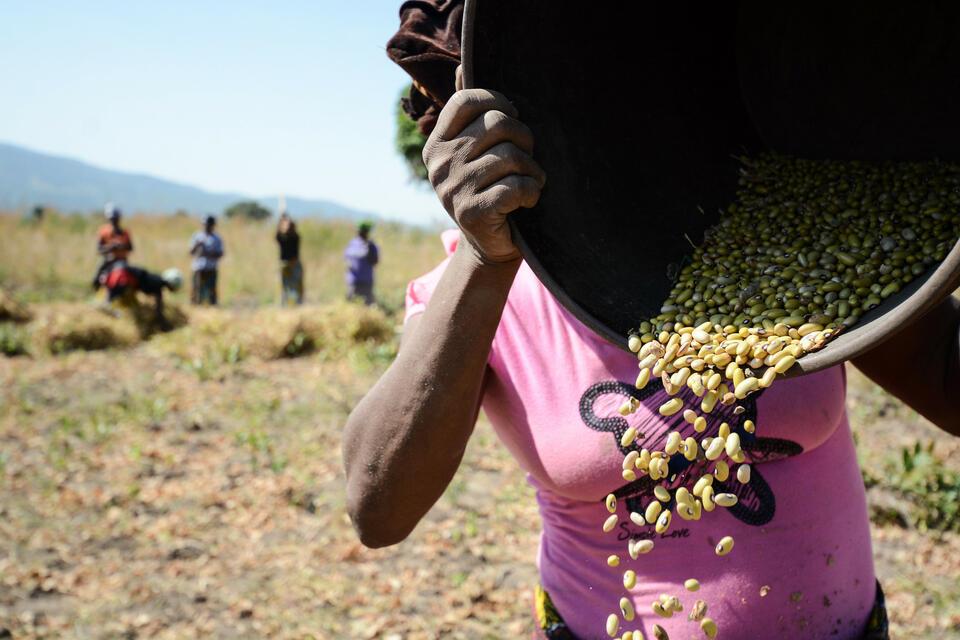
Backed by Global Affairs Canada (GAC), it links improved bean varieties with good agronomic practices, integrated pest management, insect based enterprises, market access, and financial partnerships under one climate-resilience umbrella.
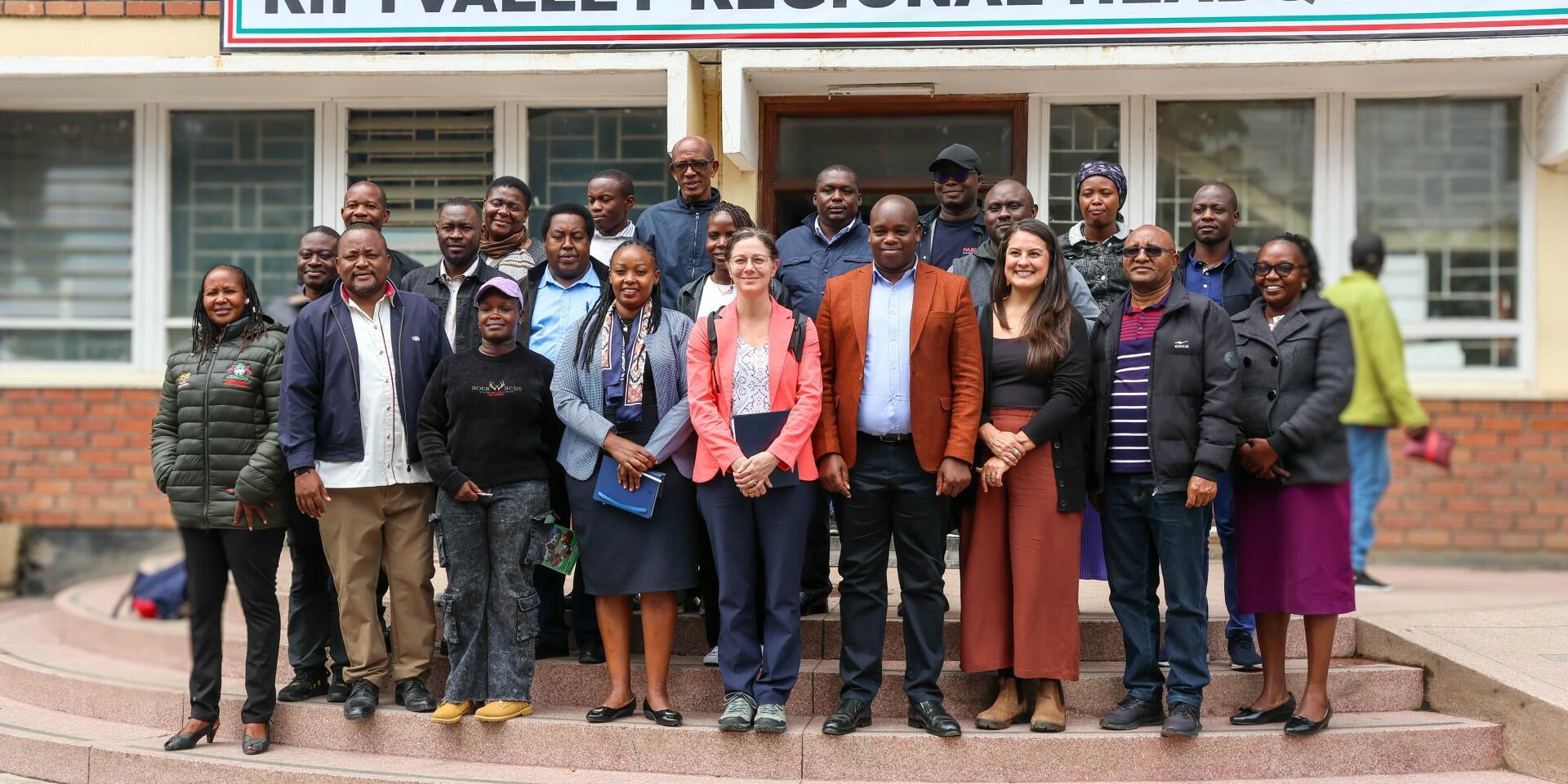
The delegation, led by Jean Claude Rubyogo, the project principal investigator and PABRA Director included Claude Landry ( the head of cooperation Pan Africa program, GAC , Alicia Sosa ( First secretary Canada High Commission Nairobi, BRAINS project program officer and Katiohora ( GAC HQ, Ottawa) , came for proof, proof that development assistance funds translate into jobs, income, nutrition, and scalable business models. What they encountered was not a sequence of disconnected site visits, but a living value chain and a continuum that begins in laboratories and irrigated seed plots and stretches outward into kitchens, markets, youth employment schemes, and export corridors.
Bean there, done that and now scaling
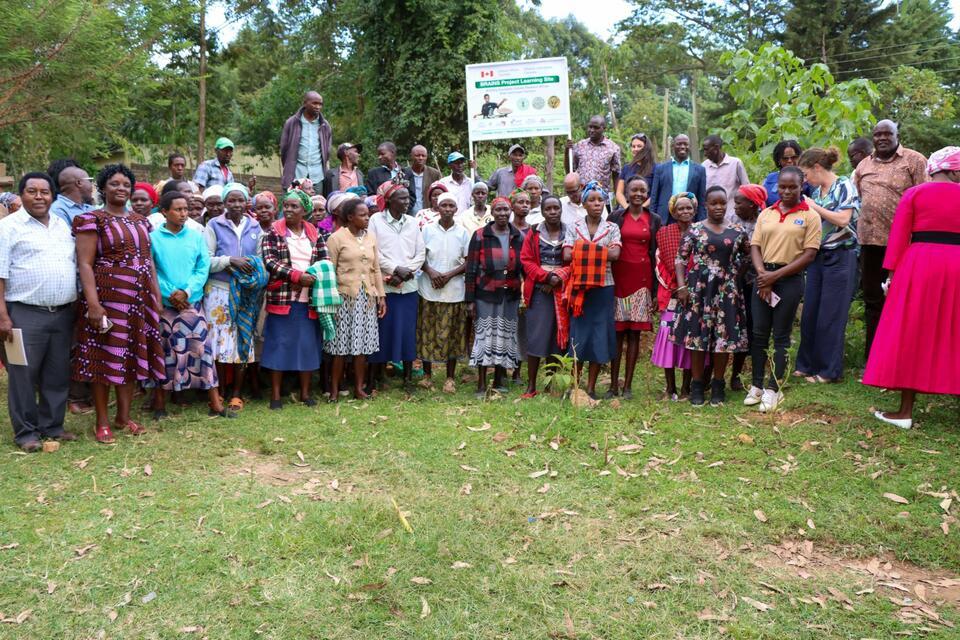
In Kiambogo, the story began with women. At the Ushirikiano Women Group, 106 women who once met primarily for table banking now operate as a dynamic farming enterprise. These women were introduced to Waithera, a fast cooking, nutrient rich with high iron and zinc bean variety designed to meet consumer preferences, they have moved from subsistence to structured market participation.
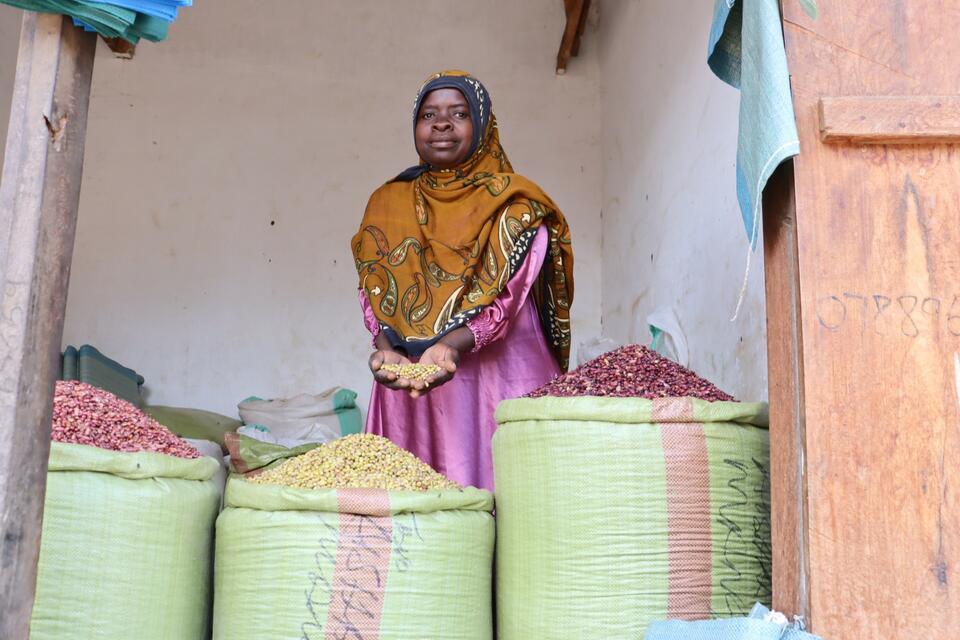
But the transformation did not stop production. Through project-facilitated market linkages, the group recently sold 7.4 metric tons of beans. That volume not only represented yield but organization, quality assurance, aggregation, and buyer confidence.
One farmer explained, “I planted five kilograms and harvested 20. I sold most and kept a portion for my children.” Another described planting 20 kilograms and harvesting 100, using the proceeds to clear debts, install a 3,000 liter water tank, and purchase a tv that had long felt out of reach. Her husband, standing beside her during the visit, smiled broadly.
“Our home is happier,” he said. “Reliable income changed everything.”
In that exchange, the delegation did not see beneficiaries; they saw economic actors whose productivity had multiplied because research, training, and markets had aligned.
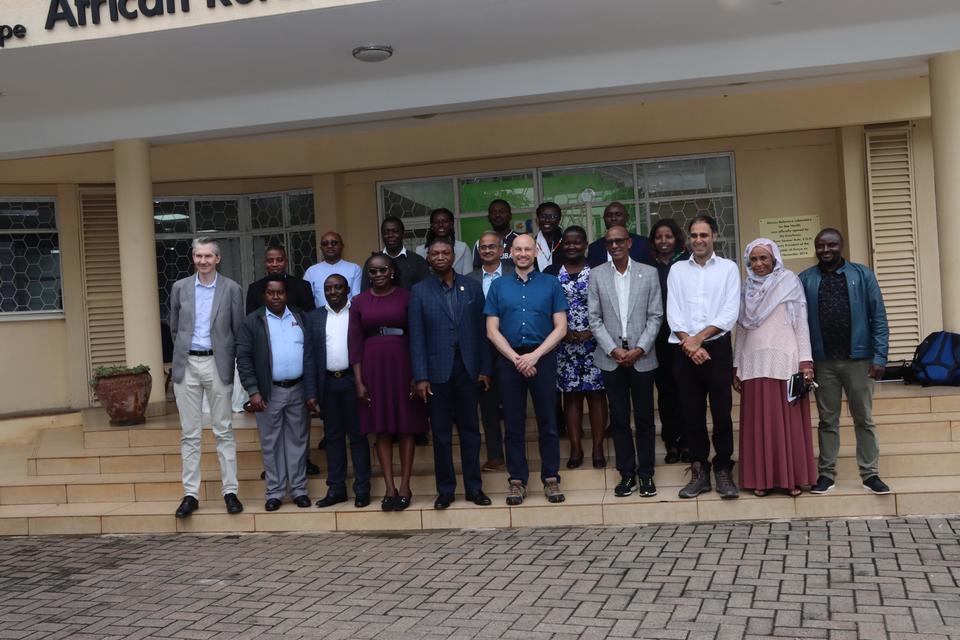
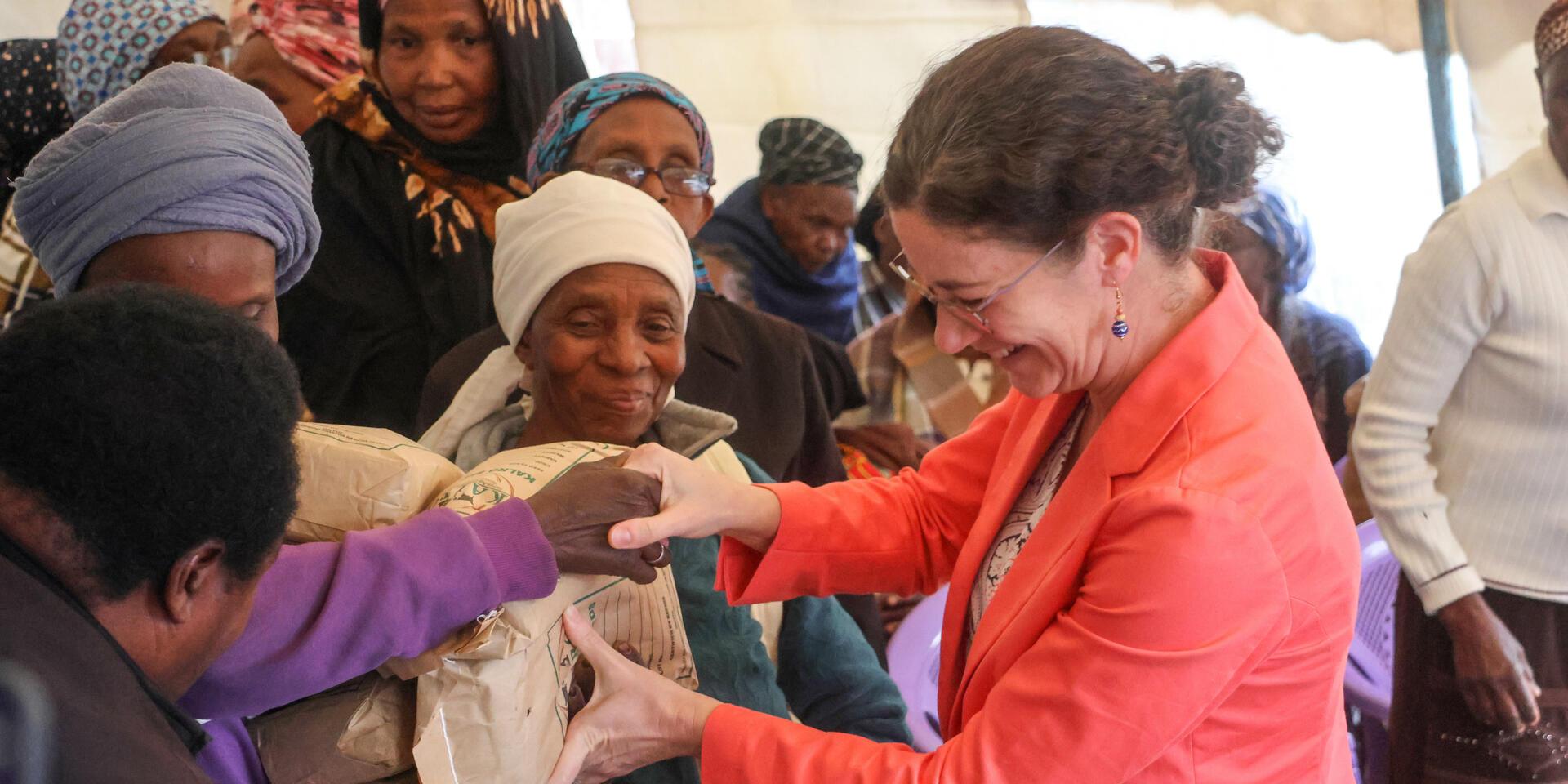
Ushirikiano Women group.
Where nothing goes to waste: Not even opportunity
The next stop saw the delegation step into a different kind of farm, one humming with insects. At Griincom Innovate, organic waste from urban areas is processed into black soldier fly larvae and organic fertilizer, recycling 30 to 40 tons of waste each month. The larvae, which contain 35% to 45% protein, offer farmers a sustainable alternative to increasingly expensive commercial feeds.
“Waste is cash,” said Mildred, the enterprise’s founder, reflecting on how a persistent urban challenge has become a reliable income stream. Her journey began with initial training from icipe, which helped lay the foundation for what is now a growing enterprise linking innovation to livelihoods. By working with more than 1,000 smallholder farmers and many of them women and youth, the enterprise reduces environmental pressure while strengthening farm profitability. Lower feed costs stabilize livestock production, diversify income, and turn what was once discarded into a driver of resilience.
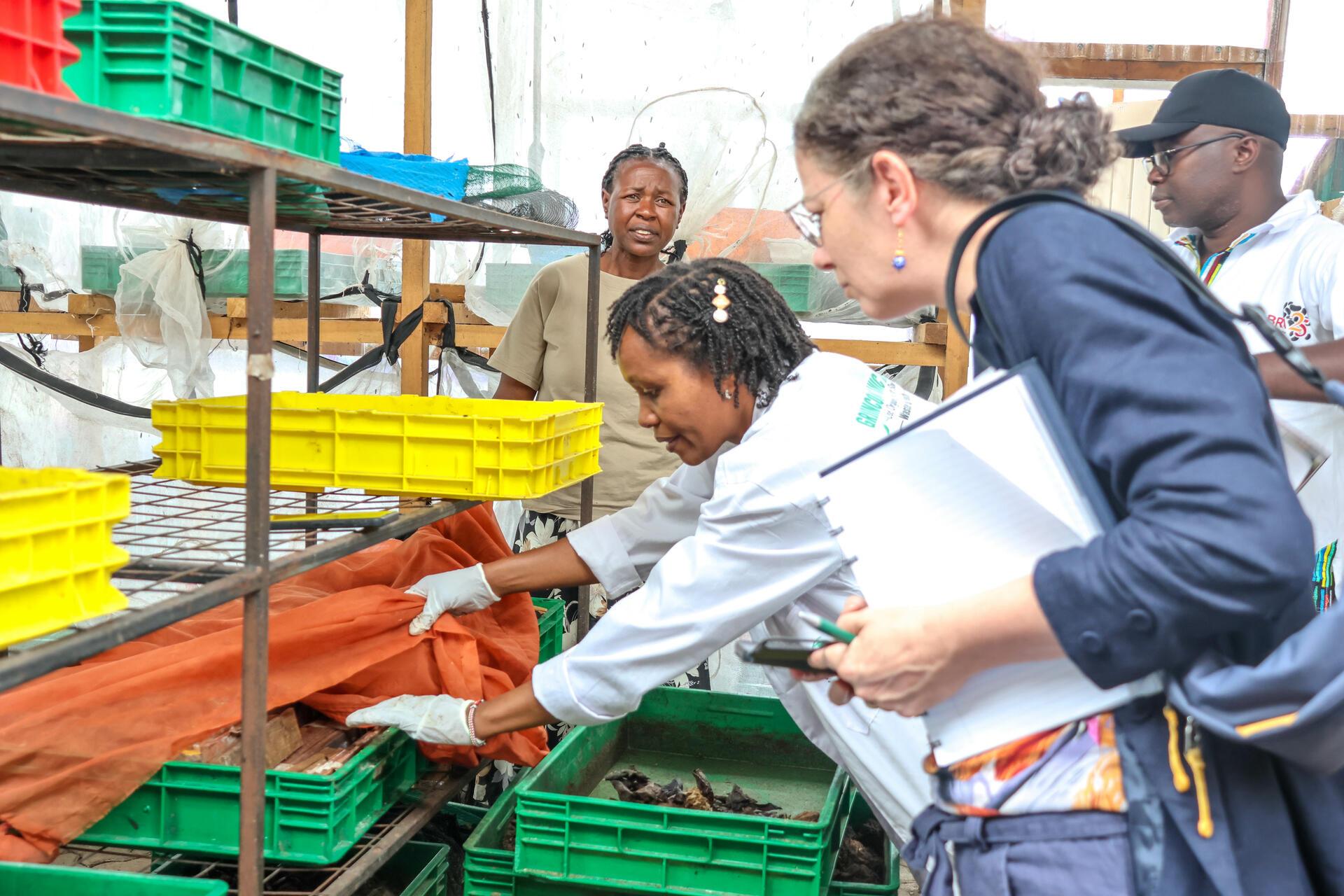
Griincom Innovate.
Avocad-Oh: ripe for reinvention
In Bahati, the delegation also met members of the Nakuru North Agribusiness Cooperative, a group of around 500 avocado farmers, over 100 of whom are women. The cooperative is seeking stronger market access and ways to empower its members economically. Farmers spoke candidly about the persistent challenges they face.
“Pests and diseases can wipe out an entire harvest if you’re not vigilant,” one member explained. Another added, “Even when the fruit is healthy, poor transport and storage can lead to spoilage before it reaches the buyer, eating into our profits.”
Yet even here, farmers’ eyes held hope.
“With better logistics, with buyers who value our quality, we can plan and invest confidently,” said a cooperative chairperson.
These conversations underscored a recurring theme across the visit: production alone does not guarantee impact. Strengthening systems through training, market linkages, and cooperative organization can transform individual efforts into collective resilience, allowing farmers to sell confidently and reinvest in their enterprises.
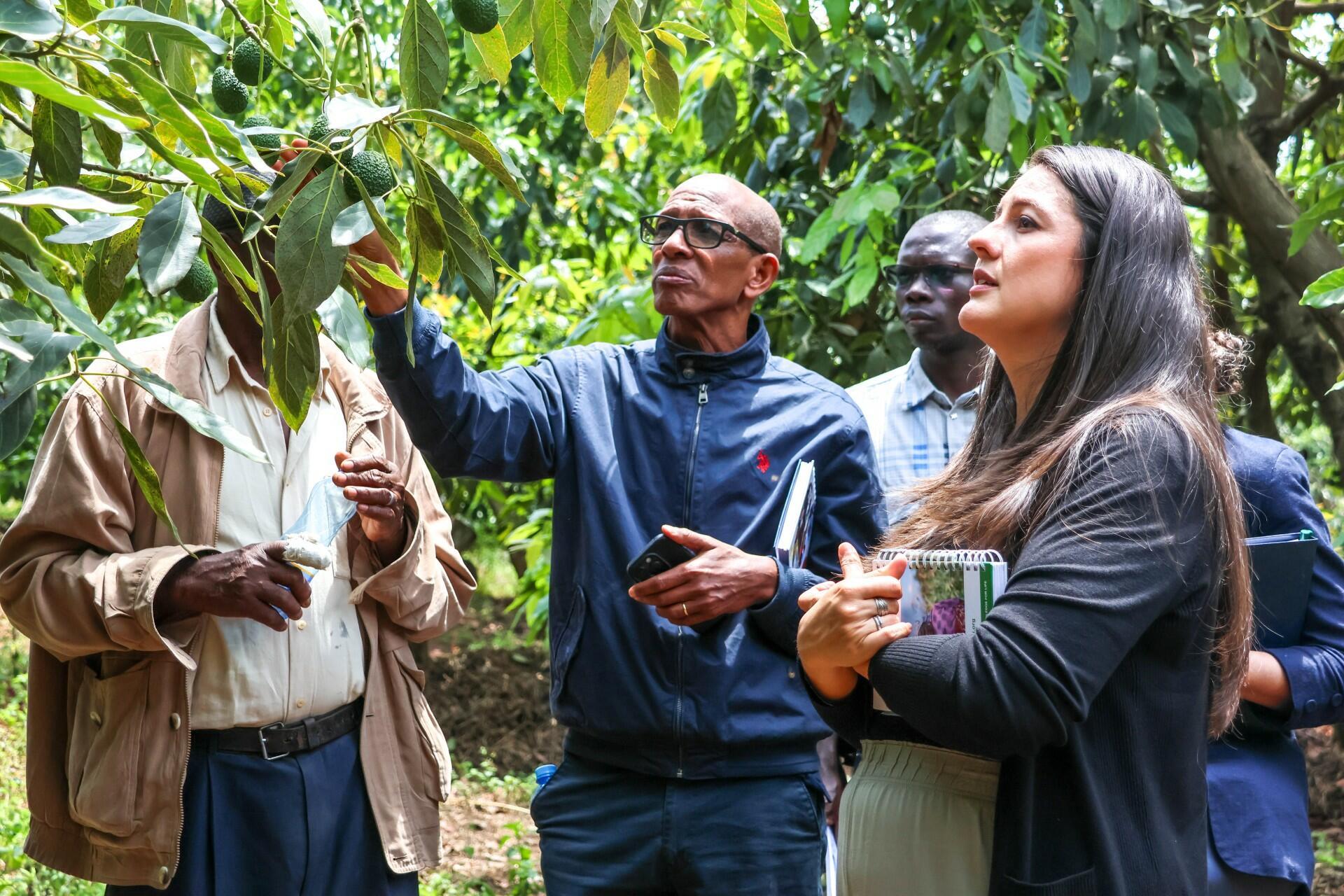
Avocado farmers.
Certified for change
Back within the agricultural value chain, Agripack Seeds, which is licenced by KALRO to scale production of certified bean seed, revealed what makes every harvest possible: trust in the seed itself. As Sylvester Wainaina, who oversees bean production, explained, developing a new variety can take up to ten years.
“Thousands of crosses may leave you with only a few successful lines,” he said. By the time farmers plant Nyota, which is their flagship iron and zinc rich bean, years of research and testing have already narrowed uncertainty.
Certification is rigorous. Inspectors from the Kenya Plant Health Inspectorate Service visit fields at flowering and again at pod stage, comparing plants against official descriptors to ensure purity. After harvest, laboratory tests confirm germination rates and genetic integrity. Each lot is traceable, and each package carries a verification code so farmers can confirm authenticity.
In the Marigat Irrigation Scheme in Baringo County, more than 150 small-scale farmers, about 70 percent of them women, multiply seed under irrigation from a perennial river, allowing production even in dry periods. Under good agronomic practices, 25 kilograms planted per acre can yield about 450 kilograms within 65 to 70 days, with multiple cycles possible each year. What looks like a simple bag of seed on a shelf is, in fact, a decade of science, layers of inspection, and a coordinated effort that stretches from research institutions to women farmers in irrigated fields.
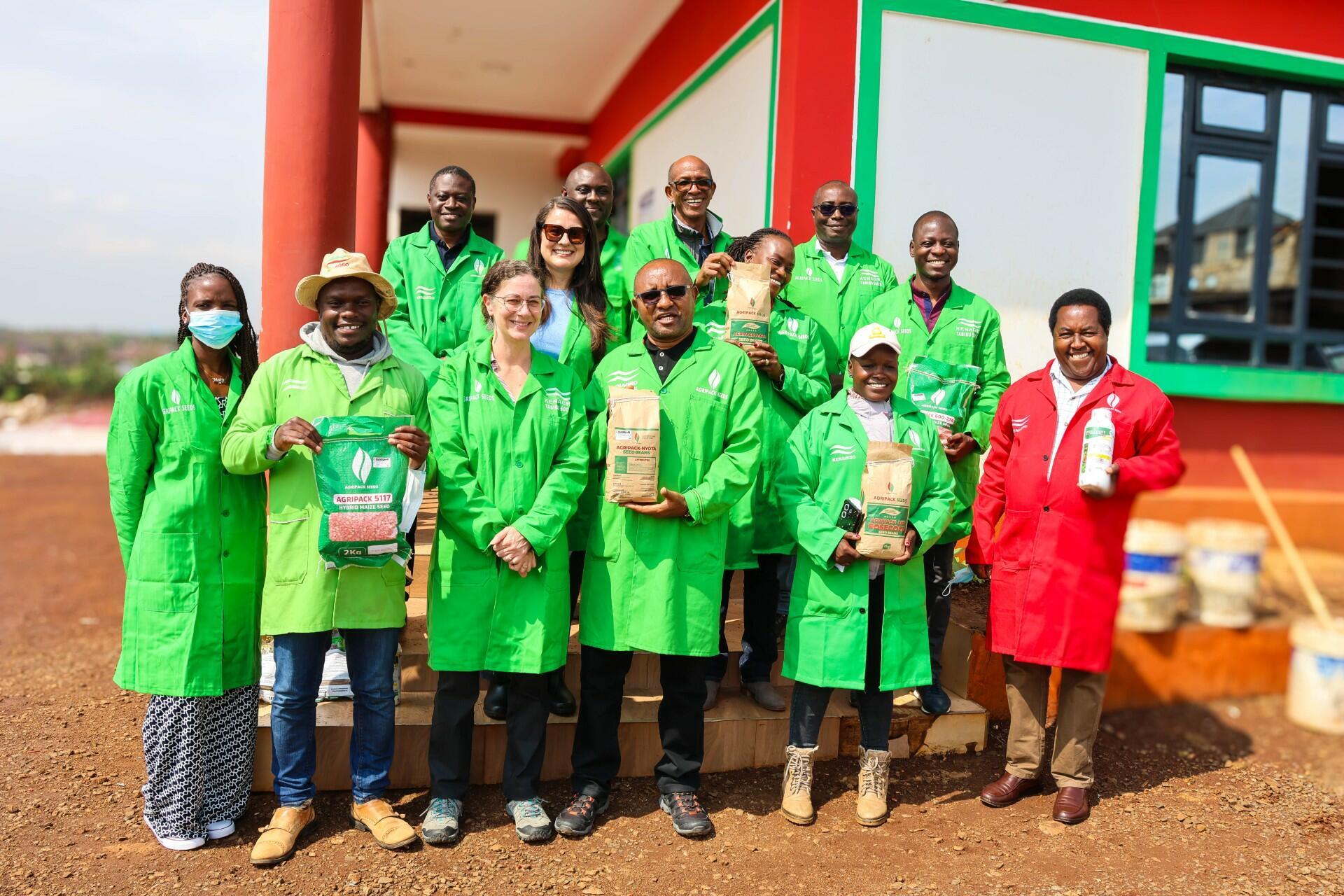
Agripack Seeds.
Trading up
Further downstream, Spice World Limited showed what it takes to compete in global markets. With exports reaching regional neighbors and markets as far as the United States, the United Kingdom, Canada, Australia, and UAE, the company is not constrained by demand, but by quality.
“Quantity is not our problem. Quality is,” the manager said plainly.
Beans have the highest rejection rates in their supply chain, with losses driven by inconsistent production and post harvest handling.
In response, Spice World is moving toward vertical integration and are starting with certified seed and structured farmer contracts to improve traceability and standards from farm to export.
The company already indirectly supports close to 20,000 farmers. With stronger quality systems and reliable export markets, that number could grow significantly by linking smallholders more securely to high value international trade.
At Cherubet, the delegation stepped into a processing floor humming with steam and stainless steel. Workers moved trays of boiled grains (beans, cereals, pulses) carefully portioned, sealed, and frozen without additives.
“We want food that tastes homemade but fits modern life,” Mary, the CEO explained, holding up a freshly packed batch.
The brand’s ready-to-eat products now reach outlets across Kenya, creating steady jobs in processing, packaging, and distribution while giving consumers convenient, nutritious options.
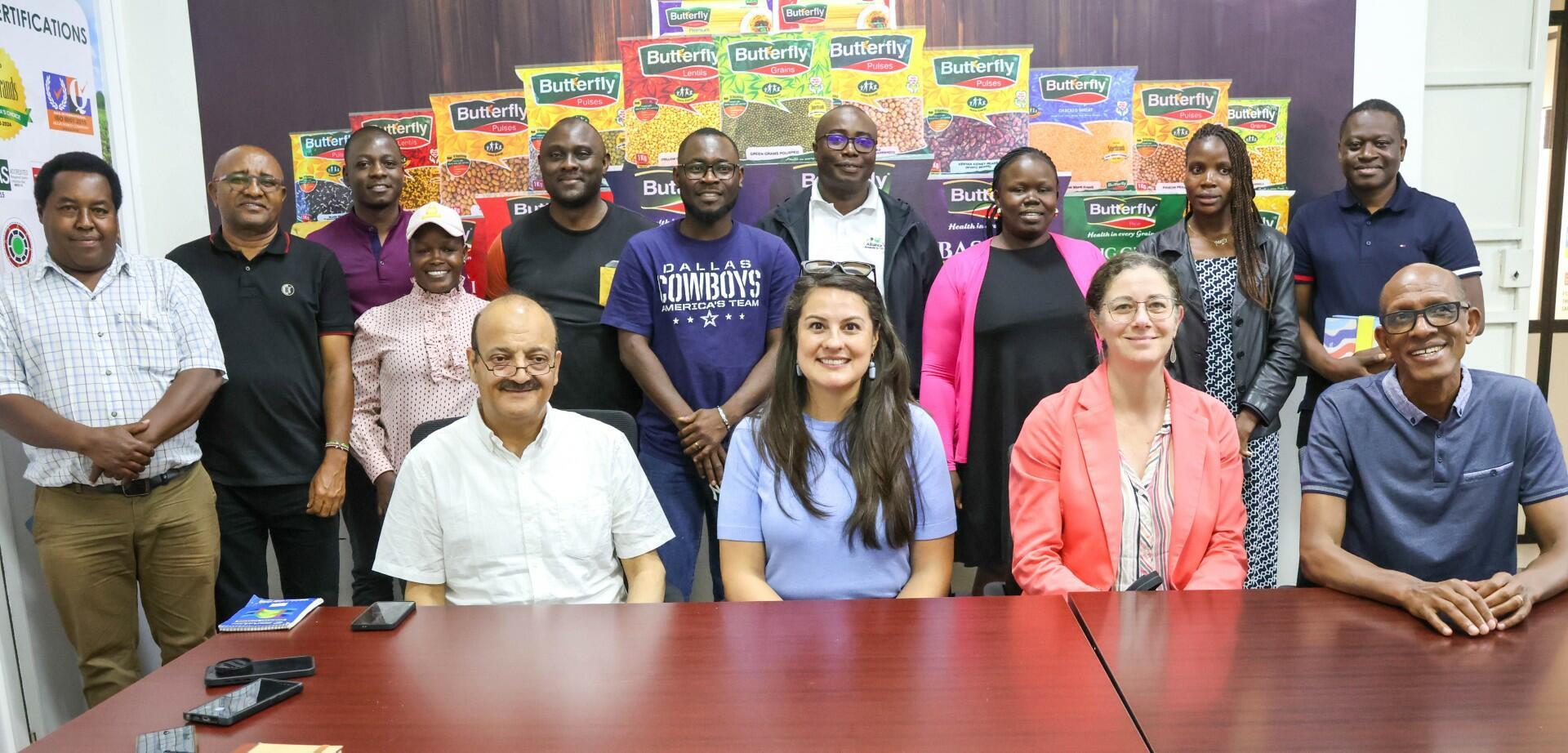
Spice World Limited.
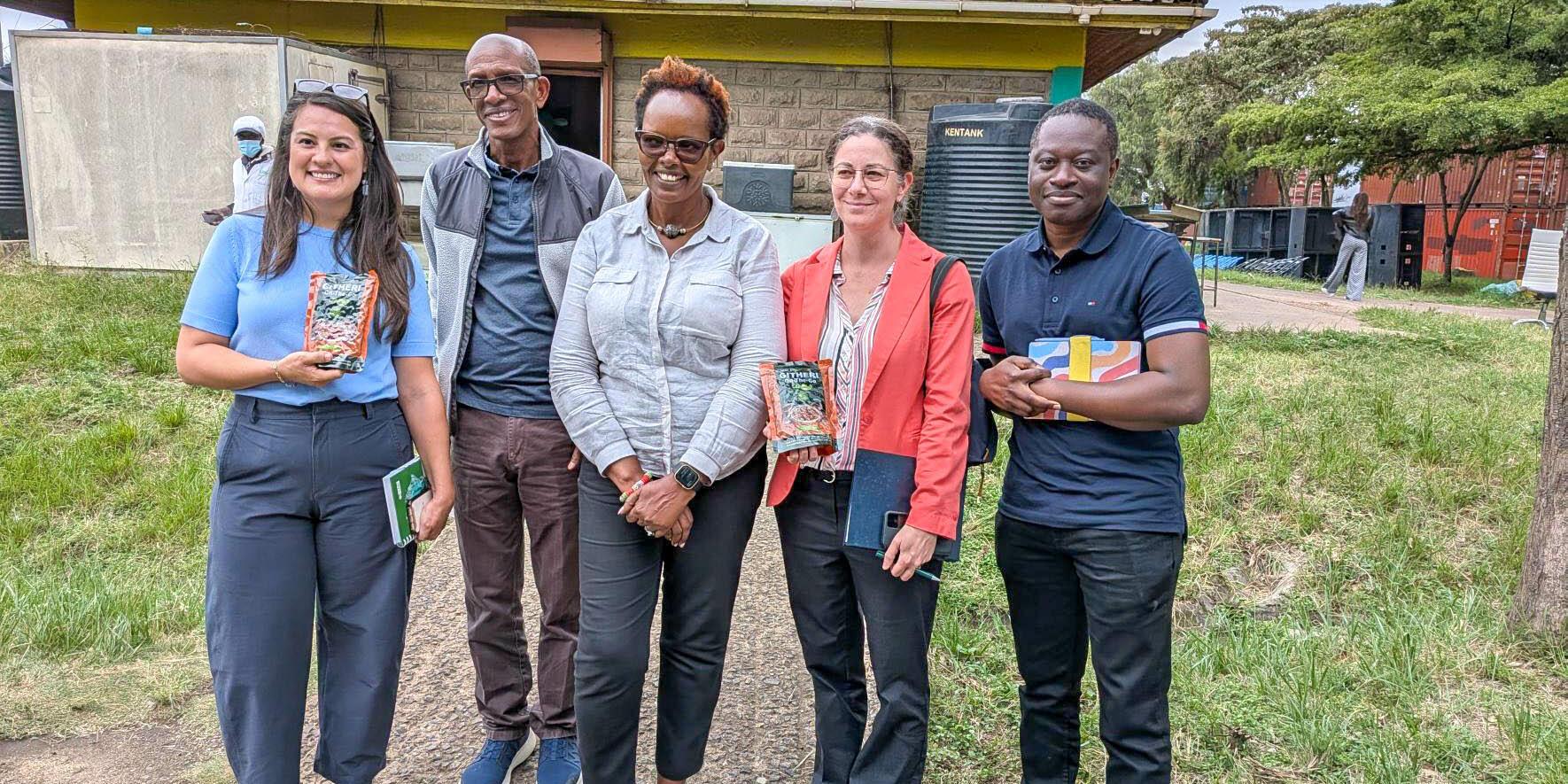
Cherubet.
At Savanna Honey, the air carried the faint sweetness of drying combs. Producers described how improved drying racks, hygiene practices, and quality control have reduced contamination and strengthened market confidence.
“Before, we lost buyers because of moisture,” “Now our honey meets the standard.”
By working with hundreds of forest based producers, the enterprise protects both livelihoods and ecosystems by ensuring forests remain more valuable standing than cleared.
The conversations extended beyond production. Through partnerships with Equity Bank and youth employment programs, the manager spoke about gaining access to financing and financial literacy training that had once felt out of reach.
Access to capital, he noted, “is what turns an idea into a business.”
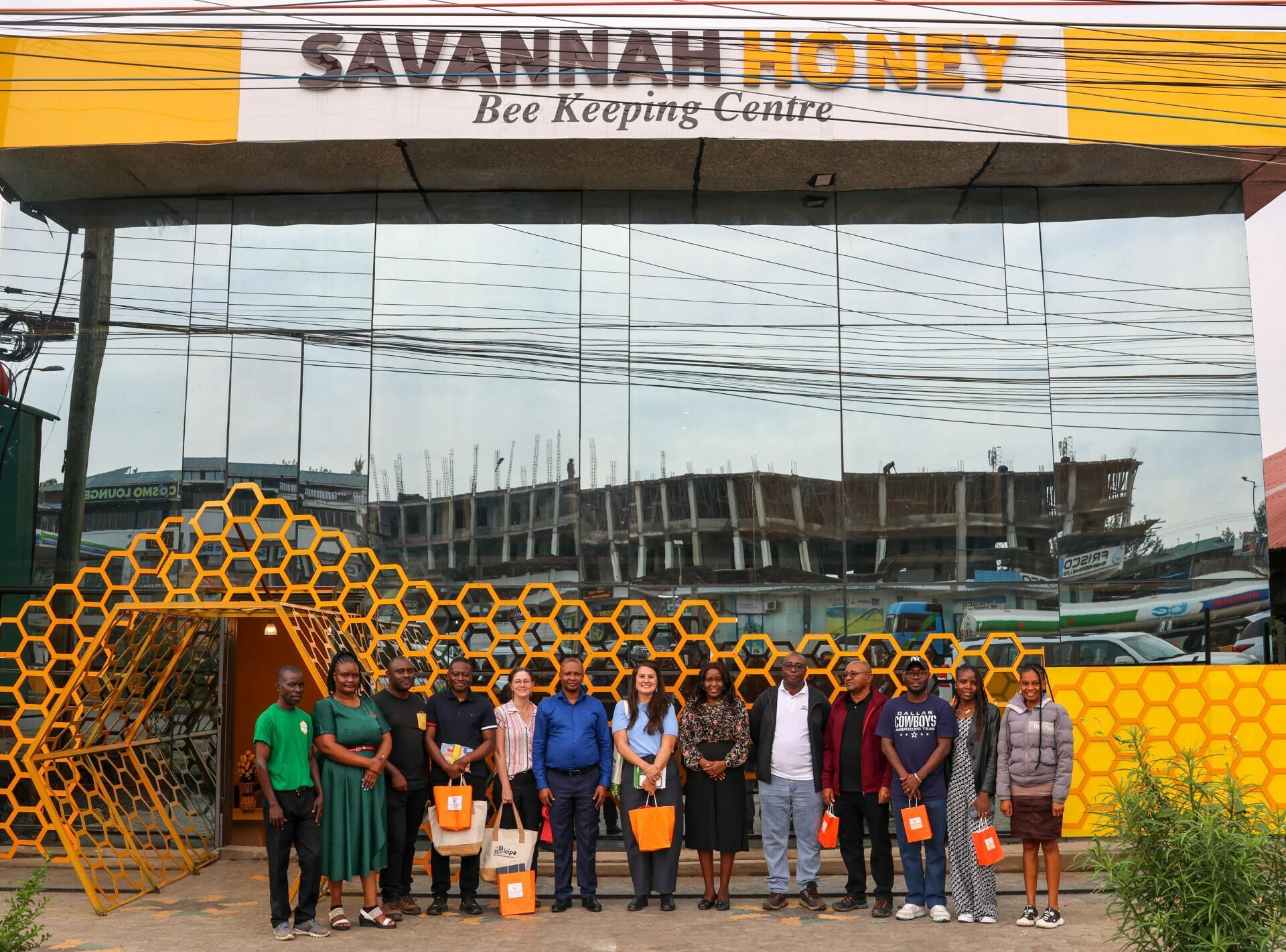
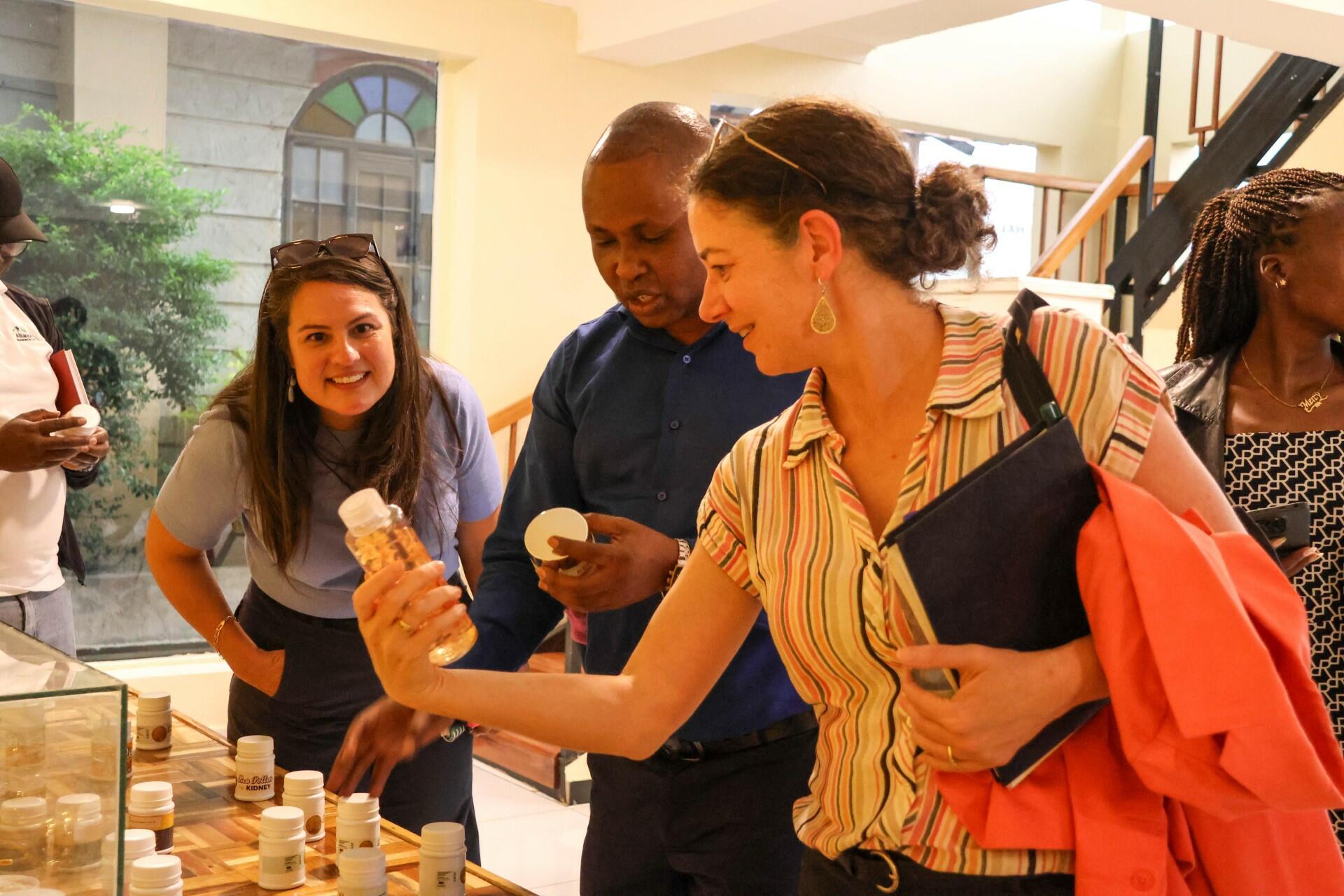
Savanna Honey.
Synergy in motion
Across every stop, the lesson was consistent: technology alone does not transform livelihoods. It is the system around it either linking research to farmers, farmers to markets, and markets to finance, that turns innovation into income. The results are visible in bulk bean sales negotiated by women’s groups, in youth employed along structured value chains, in certified seed multiplied under irrigation, and in enterprises that reduce waste while creating jobs.
This is what aligned investment looks like. When partnerships connect the right actors at the right time, resilience becomes measurable and deeply human. And standing in those fields and factories, listening to farmers and processors speak about expansion rather than survival, one thing became clear: sustained support is not just justified because it is working.