Blog Thirty Years of PABRA: The Voices Behind the Legacy of an Alliance That Transformed the Bean Sector in Africa


"The greatest strength has been connecting the development of innovations with their scaling. Without a strong breeding program that generates varieties adapted to the needs of farmers and the market, there would be no solutions to bring to the field. But without a platform that connects that research with seed systems, markets, and producers, science would also fail to generate impact at scale."
For Marcela Quintero, Associate Director General, Research and Innovation Strategy at the Alliance of Bioversity International and CIAT, PABRA’s success lies in building a bridge between scientific development and its application in the field.

Marcela Quintero
Associate Director General, Research Strategy, and InnovationPABRA’s impact is reflected in the release of improved varieties, strengthened scientific capacity, the development of local seed enterprises, and the creation of more dynamic value chains. Thanks to this integrated approach, beans have evolved in several African countries from being primarily a subsistence crop into an economic activity capable of generating income, employment, business opportunities, and greater food security.
Mwiinga Mulube, Head of the Bean Program at the Zambia Agricultural Research Institute (ZARI), explains that collaboration with PABRA has strengthened every link in the value chain, from plant breeding and seed production to agronomy, marketing, and consumption. As a result of this joint effort, Zambia has released 20 bean varieties and established multi-stakeholder platforms that bring together different partners to develop and produce varieties that respond to market demand.
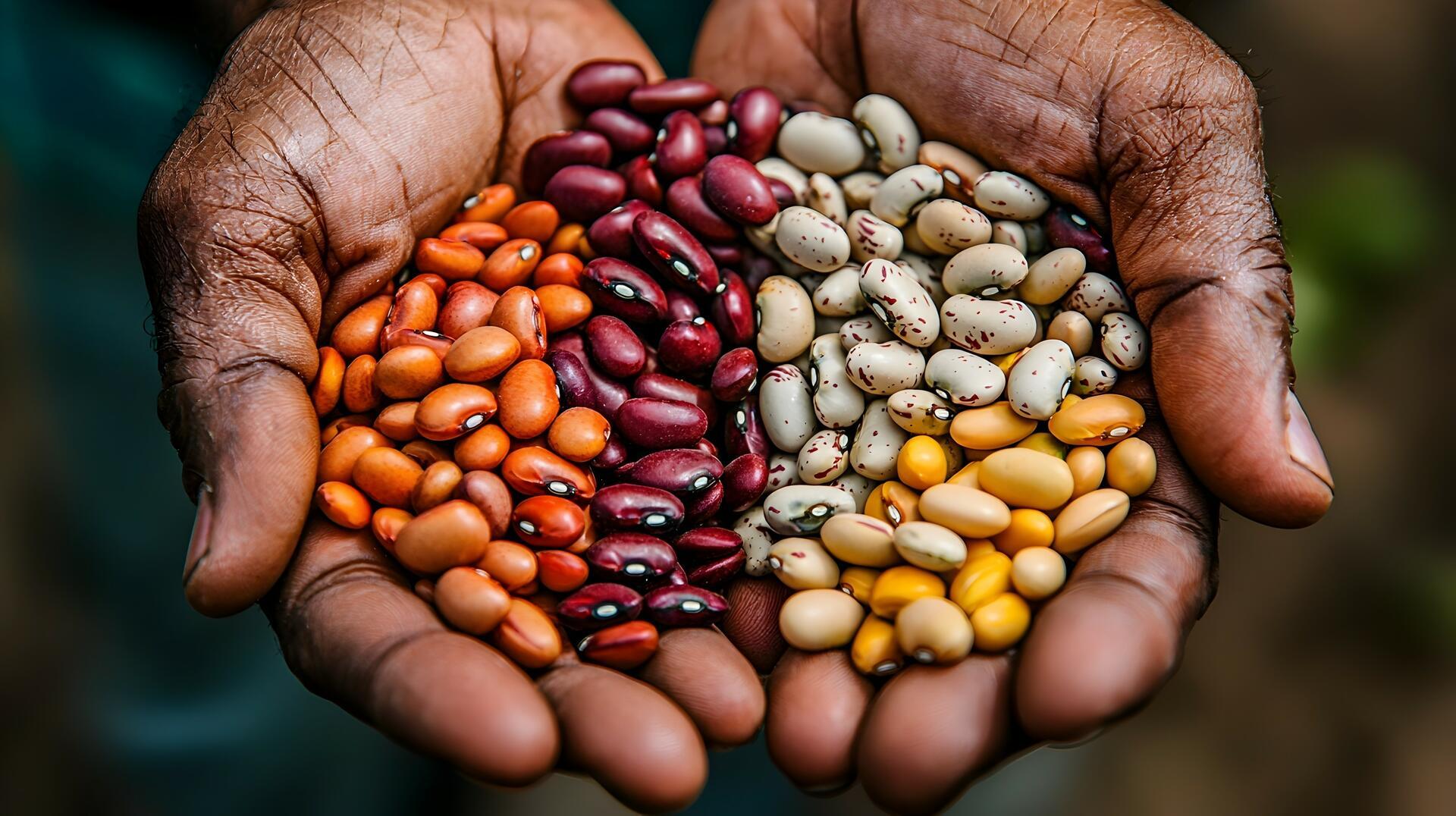
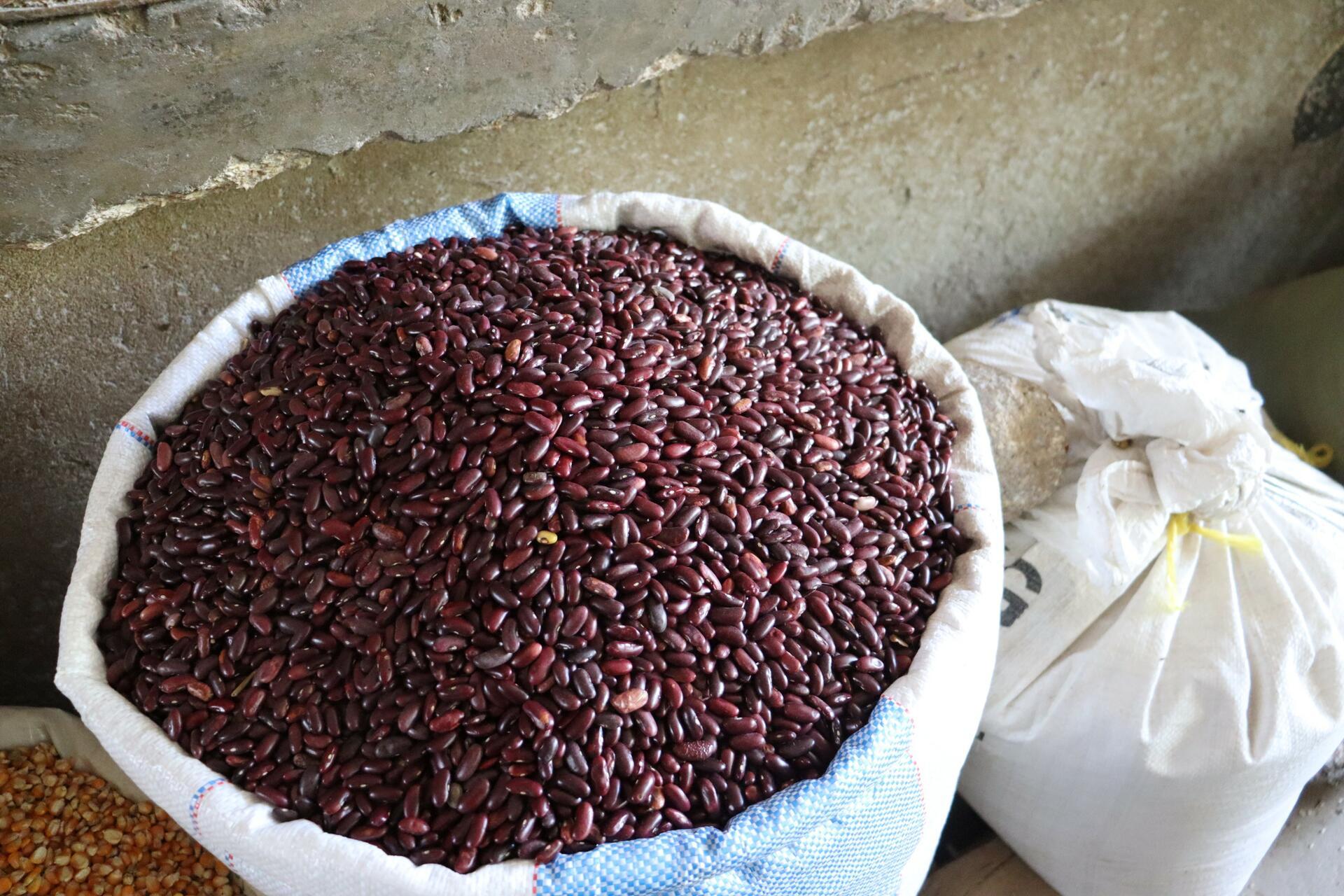
Zambia demonstrates the potential of this model. Through collaboration between PABRA, the Zambia Agricultural Research Institute, companies, and farmers, the country has released 20 bean varieties and strengthened every link in the value chain. Between 2021 and 2023, early generation seed production increased by more than 220%, while certified seed production increased sixfold. In addition, nearly 19,000 smallholder farmers received training, and national bean productivity nearly doubled. These advances improved access to seed, markets, and income while increasing private sector participation in bean production, marketing, and agro-industrial processing.
Dr. Pamela Paparu, researcher at the National Agricultural Research Organization (NARO), highlights that collaboration with PABRA has enabled the introduction of new bean varieties, research tools, training processes, and partnerships that now strengthen the national agricultural research system.
In Uganda, collaboration with PABRA has enabled the development and promotion of biofortified bean varieties and drought-tolerant materials. The NAROBeans 6 and 7 varieties, for example, helped restore bean production in the Teso region, where climatic conditions had limited cultivation. Their adoption contributed to improved productivity, nutrition, household incomes, and food security while fostering the creation and strengthening of local seed enterprises.
Beyond production outcomes, PABRA has built a regional community founded on trust and collaboration. The training of researchers, germplasm exchange, access to scientific tools, cooperation among countries, and collaboration with governments, private companies, farmer organizations, and development partners have strengthened Africa’s capacity to respond collectively to the challenges of climate change, nutrition, and food security.
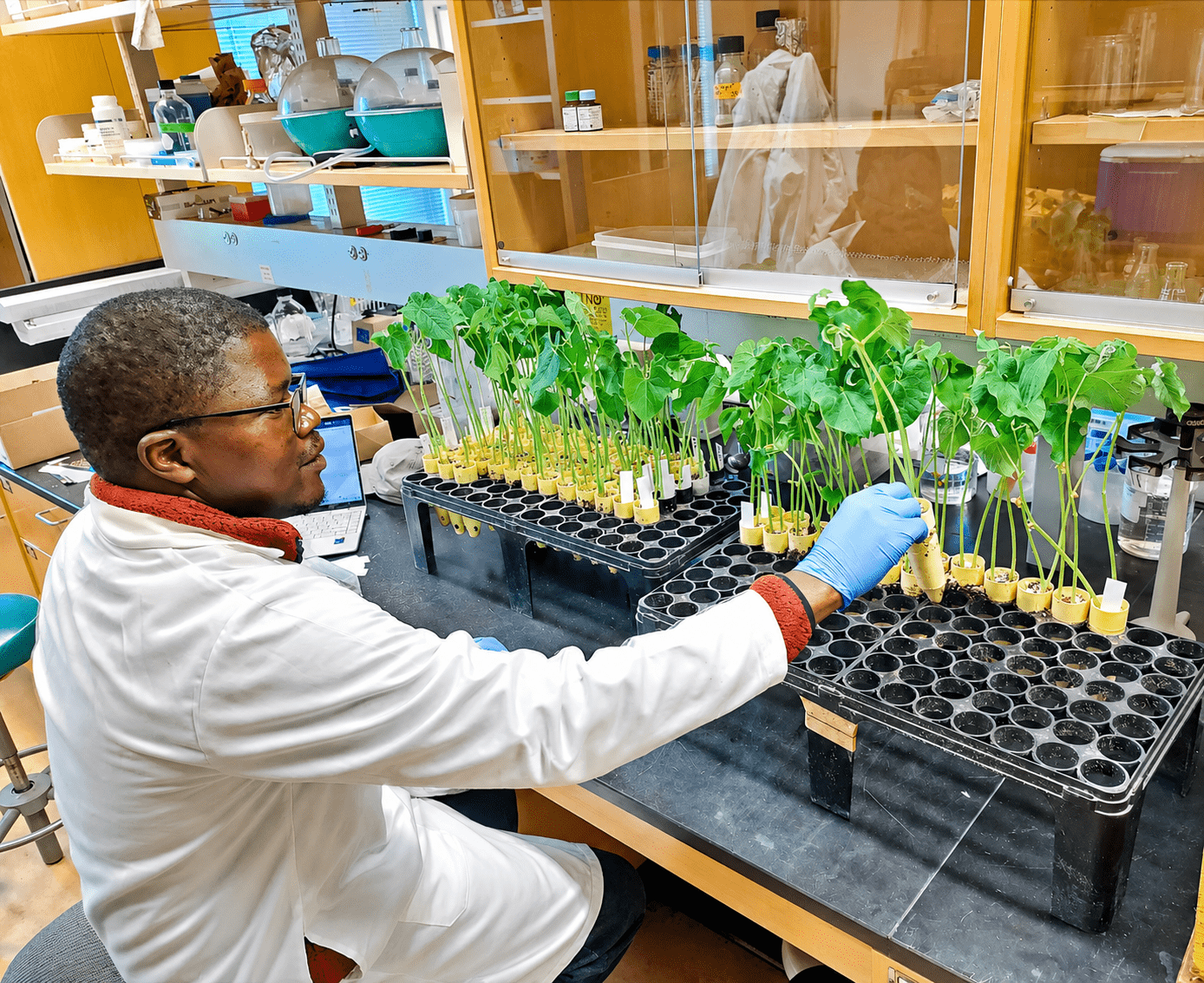
Investing in PABRA represents an opportunity to engage with a well-established regional platform that has demonstrated its ability to translate research into impact at scale. New partnerships can help to:
- Develop and expand access to more productive, nutritious, and climate-resilient bean varieties.
- Strengthen sustainable seed systems that ensure innovations reach farmers in a timely manner.
- Support local enterprises, markets, and opportunities for income generation and employment.
- Integrate digital tools that accelerate plant breeding, seed production, and information dissemination.
- Train a new generation of African scientists, researchers, and agricultural leaders.
- Expand private sector participation in bean production, marketing, and processing.
PABRA’s legacy demonstrates that science creates sustainable impact when it is connected to local capacities, seed systems, markets, and the real needs of communities. The support of new partners and donors would accelerate solutions that already rest on a strong scientific, institutional, and regional foundation, transforming three decades of knowledge into higher incomes, greater climate resilience, more sustainable food systems, and better livelihoods for millions of African families.