From the Field Canada partnership with Alliance/PABRA and icipe to advance climate resilient agriculture and livelihoods in Africa
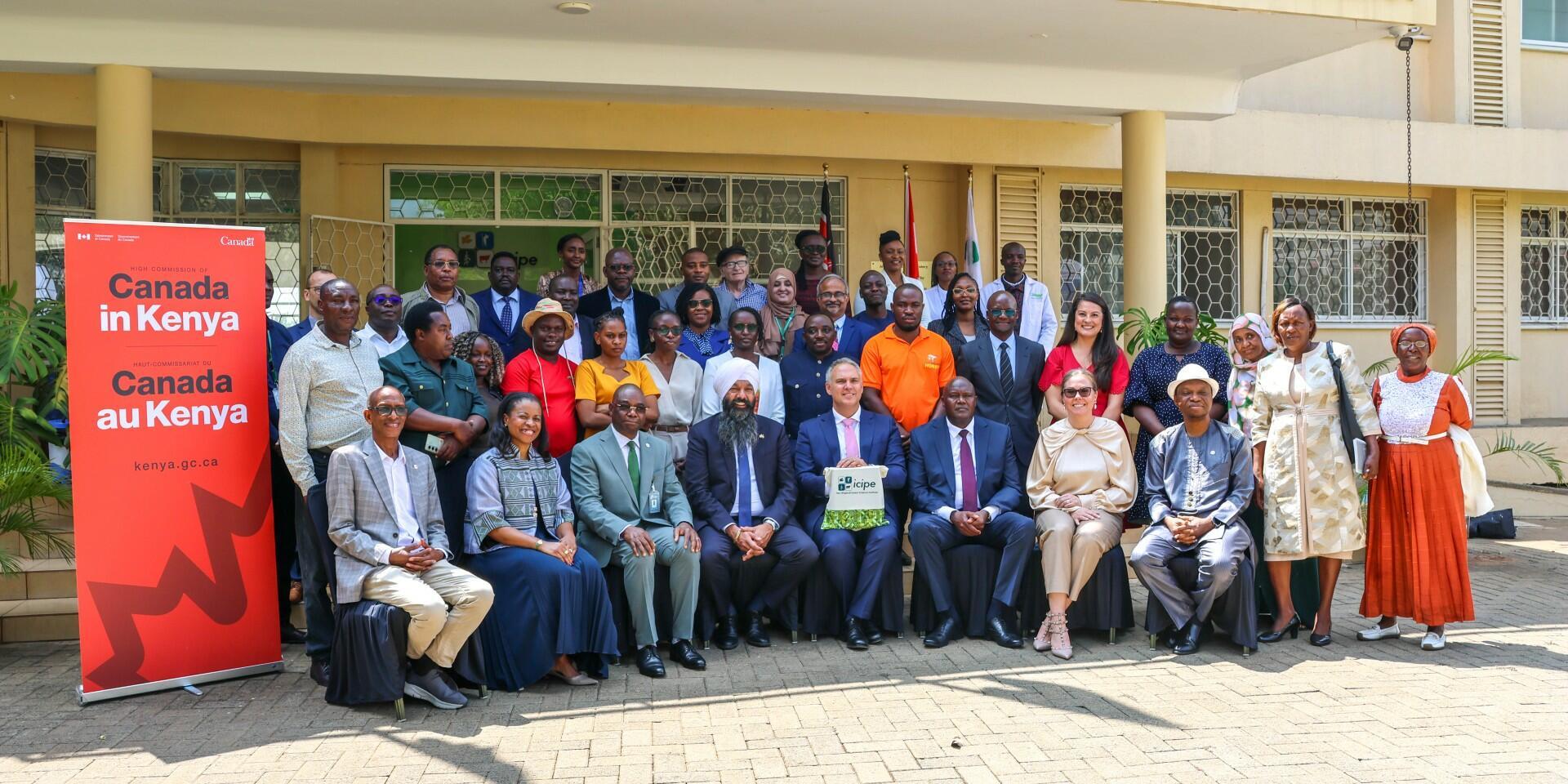

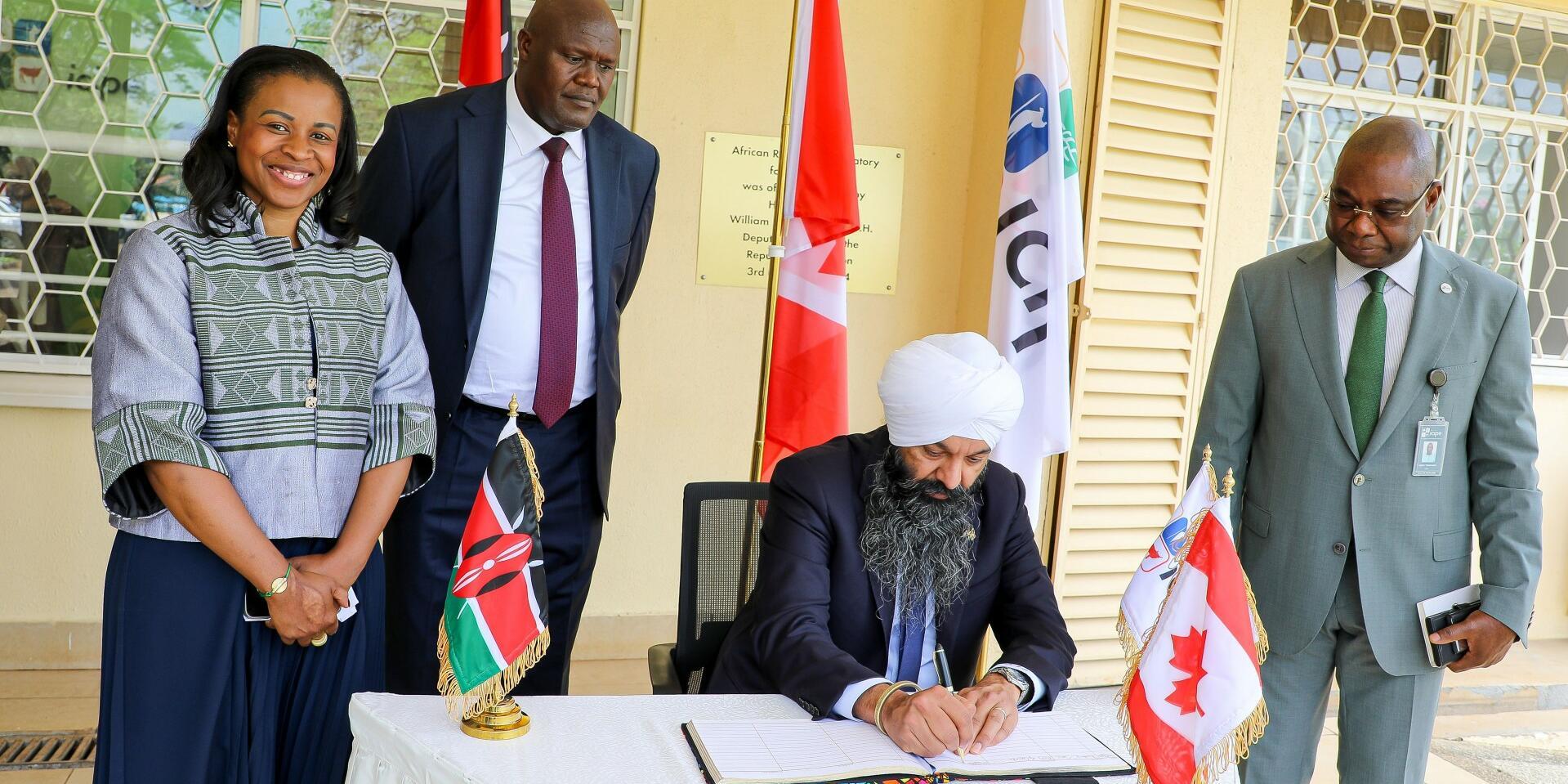
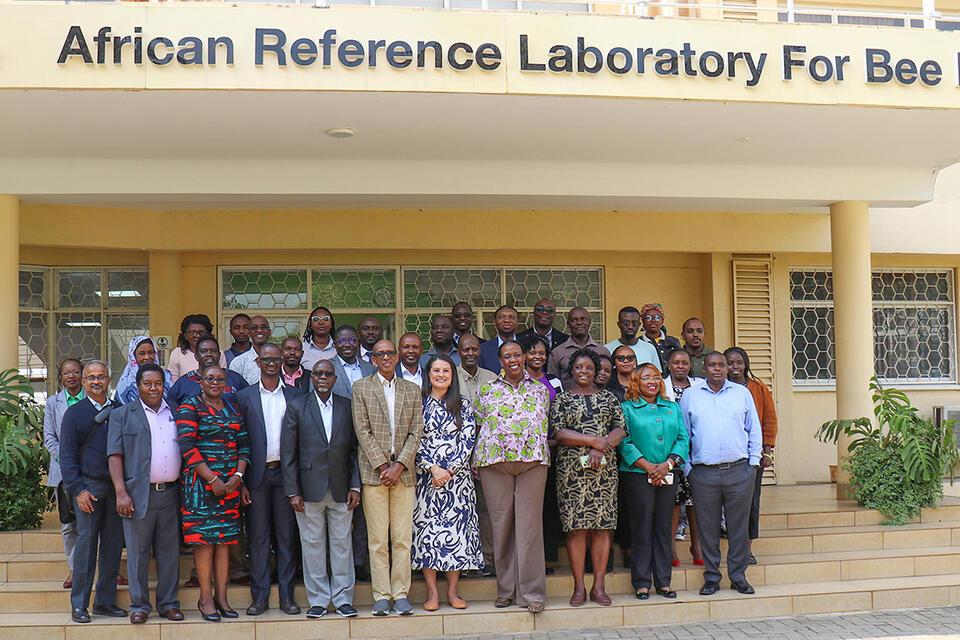
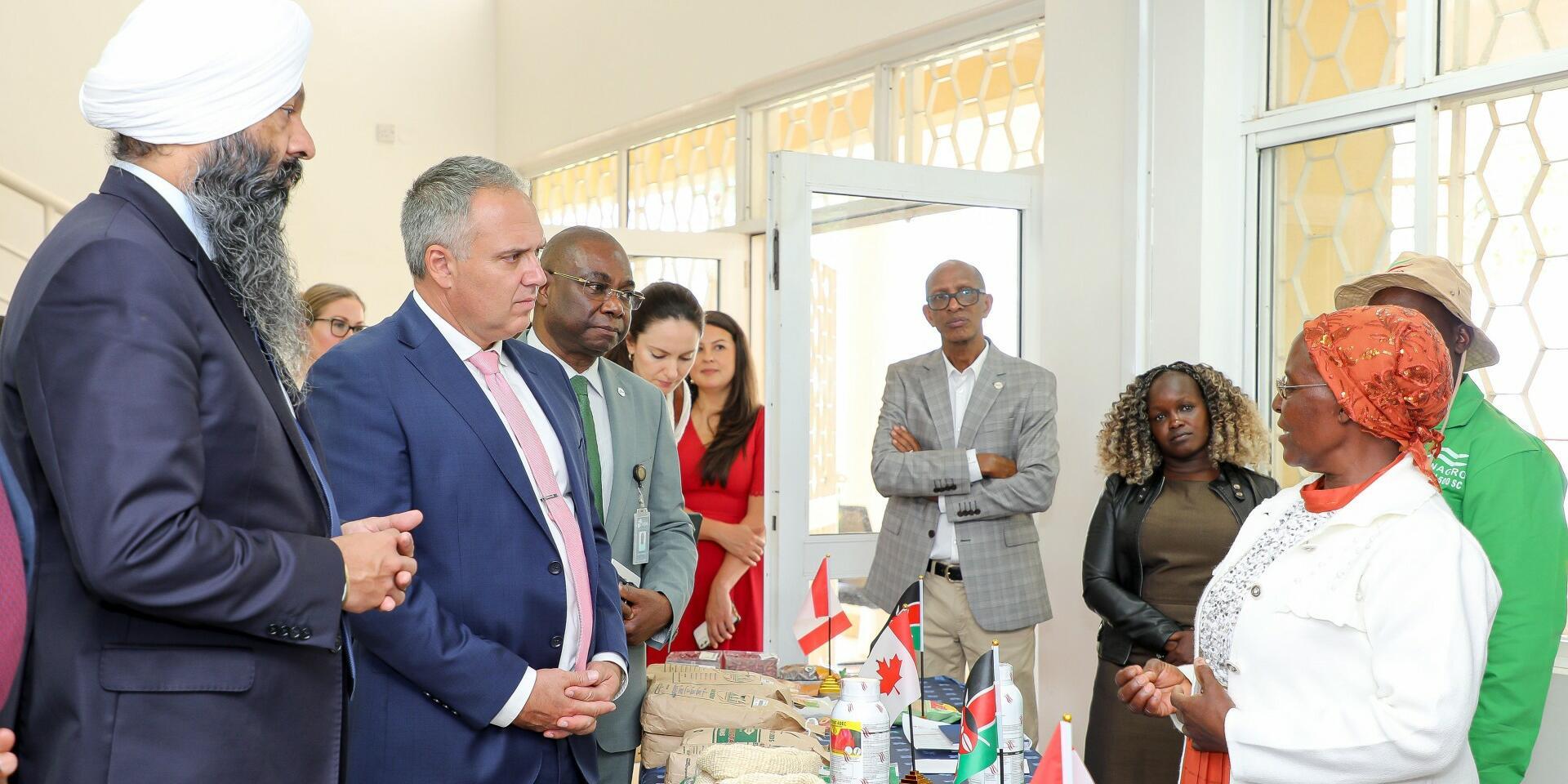
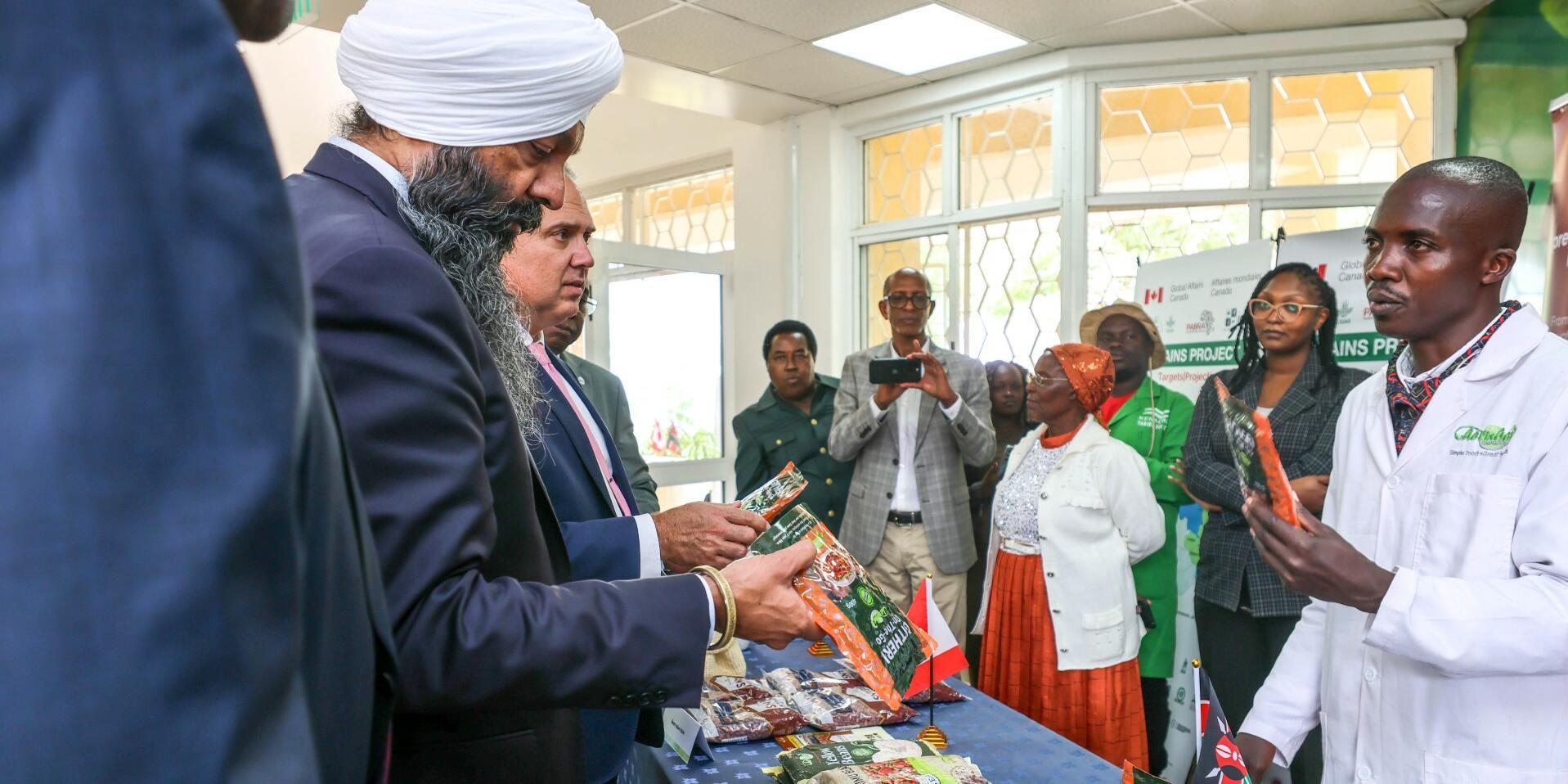
At the Duduville Campus in Nairobi, a remarkable convergence of science, partnership, and entrepreneurship unfolded as Hon Randeep Sarai, Canada’s Secretary of State for International Development visited alongside H.E. Joshua Tabah, Canadian High Commissioner to Kenya, and Sophie Price, Head of Cooperation.
Hosted by the International Centre of Insect Physiology and Ecology (icipe) and the Alliance of Bioversity International and CIAT / the Pan-Africa Bean Research Alliance (PABRA), the visit revealed a system in motion, one that is actively reshaping livelihoods.
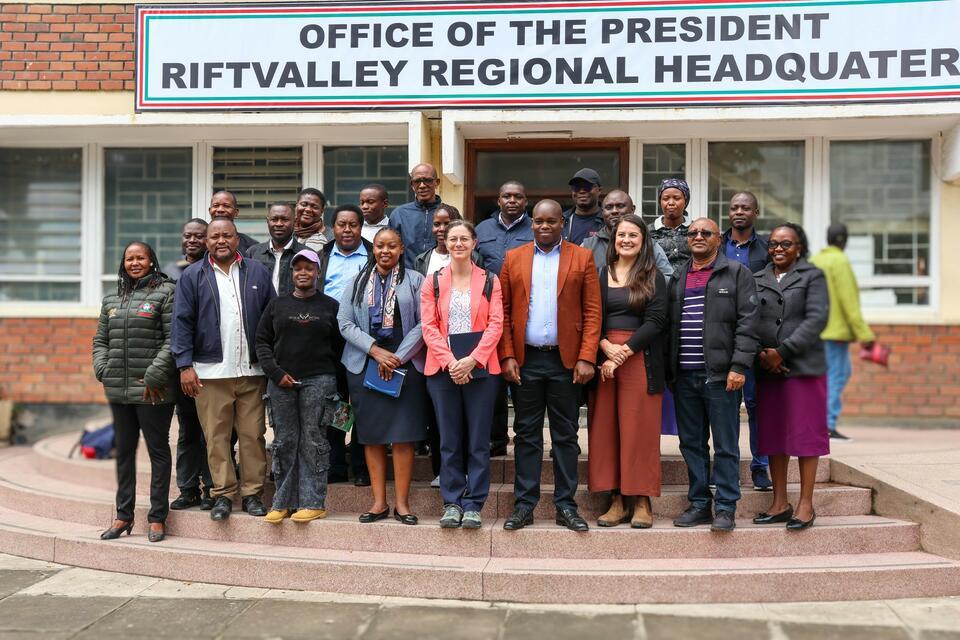
The visit brought together leadership from icipe, The Alliance and PABRA, and the Director General of the Kenya Agricultural and Livestock Research Organization (KALRO) as well as bean, fruit tree and beneficial research partners, private sector partners and farmers in these value chains, reflecting the breadth of collaboration underpinning this work.
The engagement offered a rare, grounded view into how agricultural research, when connected to real-world systems, can drive transformation at scale. For Hon Sarai and the Canadian delegation, it was an opportunity to witness the quiet, sustained work of researchers who develop solutions which spur private sector businesses and farmers that rarely makes headlines yet holds transformative power for millions.
Building a partnership for scalable impact
This moment builds on a very long history impactful partnership between the Alliance, PABRA and the Government of Canada. In 2024 the partnership was expanded to include icipe to advance climate resilient, market driven agricultural systems across Africa. Over time, these interactions have traced the evolution of the BRAINS project and its expanding footprint across value chains by positioning it as a flagship initiative demonstrating how integrated, science-based solutions can move beyond pilots to deliver scalable impact.Supported by the Government of Canada through Global Affairs Canada and implemented by the Alliance through PABRA, in partnership with icipe and NARES partners in 15 countries such as KALRO, the BRAINS project represents a decisive shift from fragmented interventions to a fully integrated ecosystem, one that links science, markets, and farmers.
As Jean Claude Rubyogo, PABRA Director and Global Bean Program Leader, Alliance of Bioversity International and CIAT, noted:
“BRAINS shifts fragmented efforts into a full ecosystem, connecting research, markets, and farmers for real impact.”
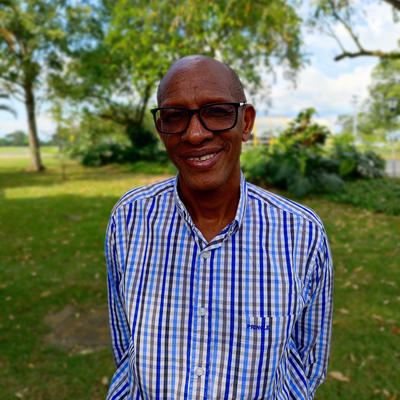
Jean Claude Rubyogo
Leader, Global Bean Program, and Director, Pan Africa Bean Research Alliance (PABRA)Where research delivers: Linking private sector/ markets, farmers, and systems
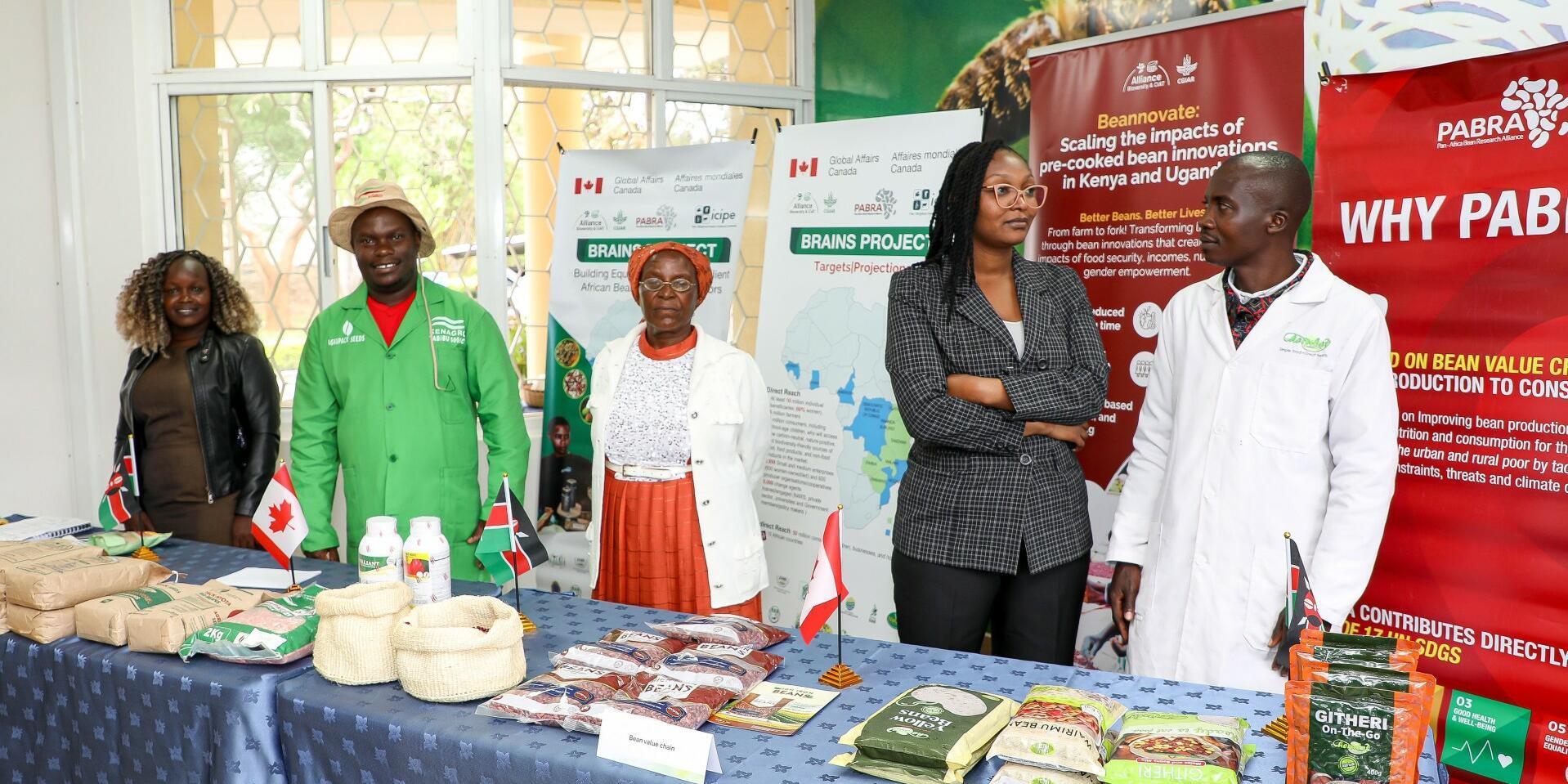
During the showcase, Jean Claude Rubyogo, PABRA director, explained how demand-led research players PABRA and icipe, are the epicenter of this system, explaining how the entities co-develop market demanded/preferred innovations which are relayed to NARES for domestication/fine-tuning to fit the national contexts and the best fits are released and availed to national partners (private businesses, farmers and their organizations, and development partners)
In the next stage, KALRO demonstrated its role in developing climate resilient, disease resistant bean varieties and supporting farmers with access to quality seeds, thus illustrating how research institutions directly enable impact along the bean value chain. Its work ensures that improved varieties reach farmers efficiently, forming the foundation for downstream innovations in markets, value addition, and nutrition.
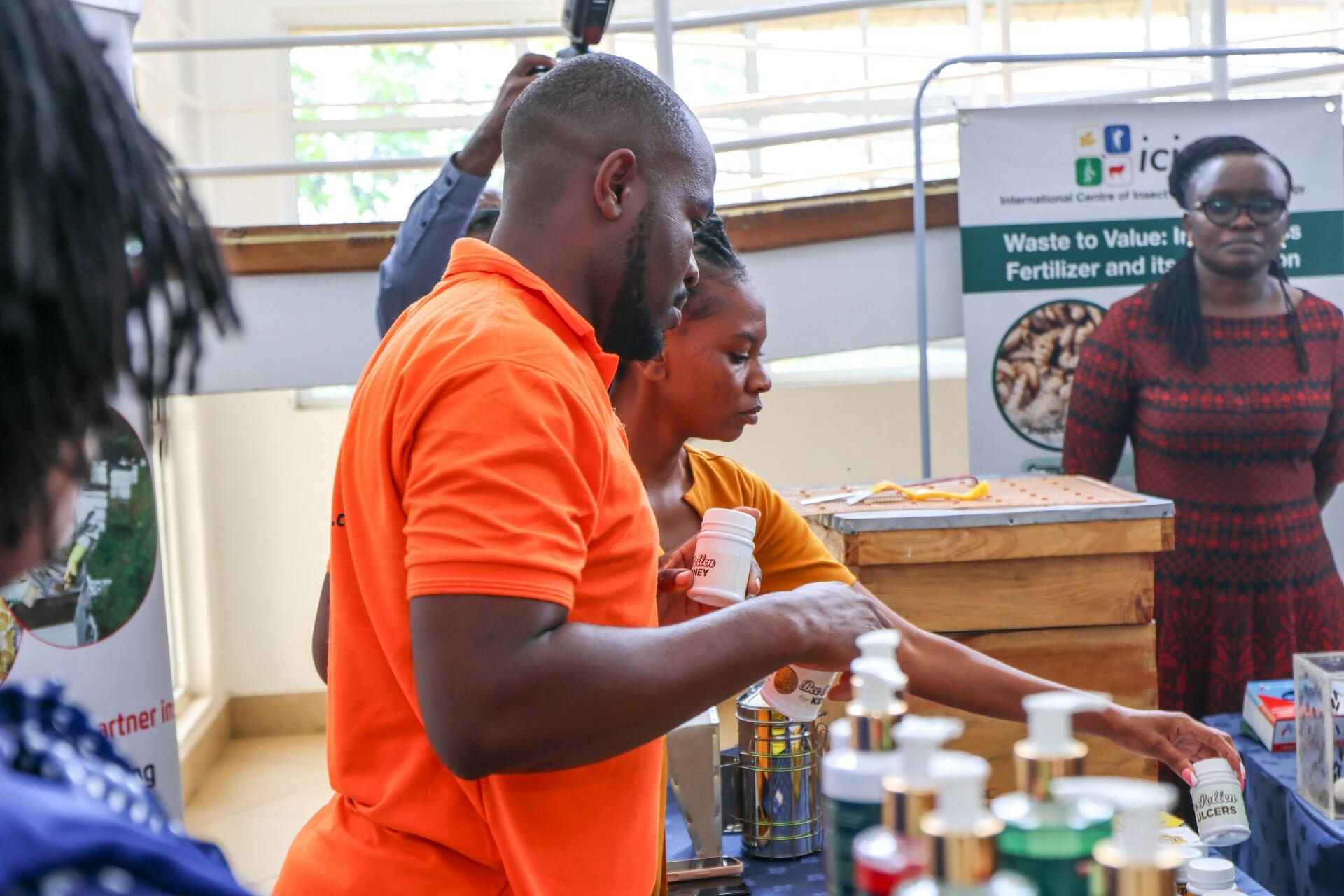
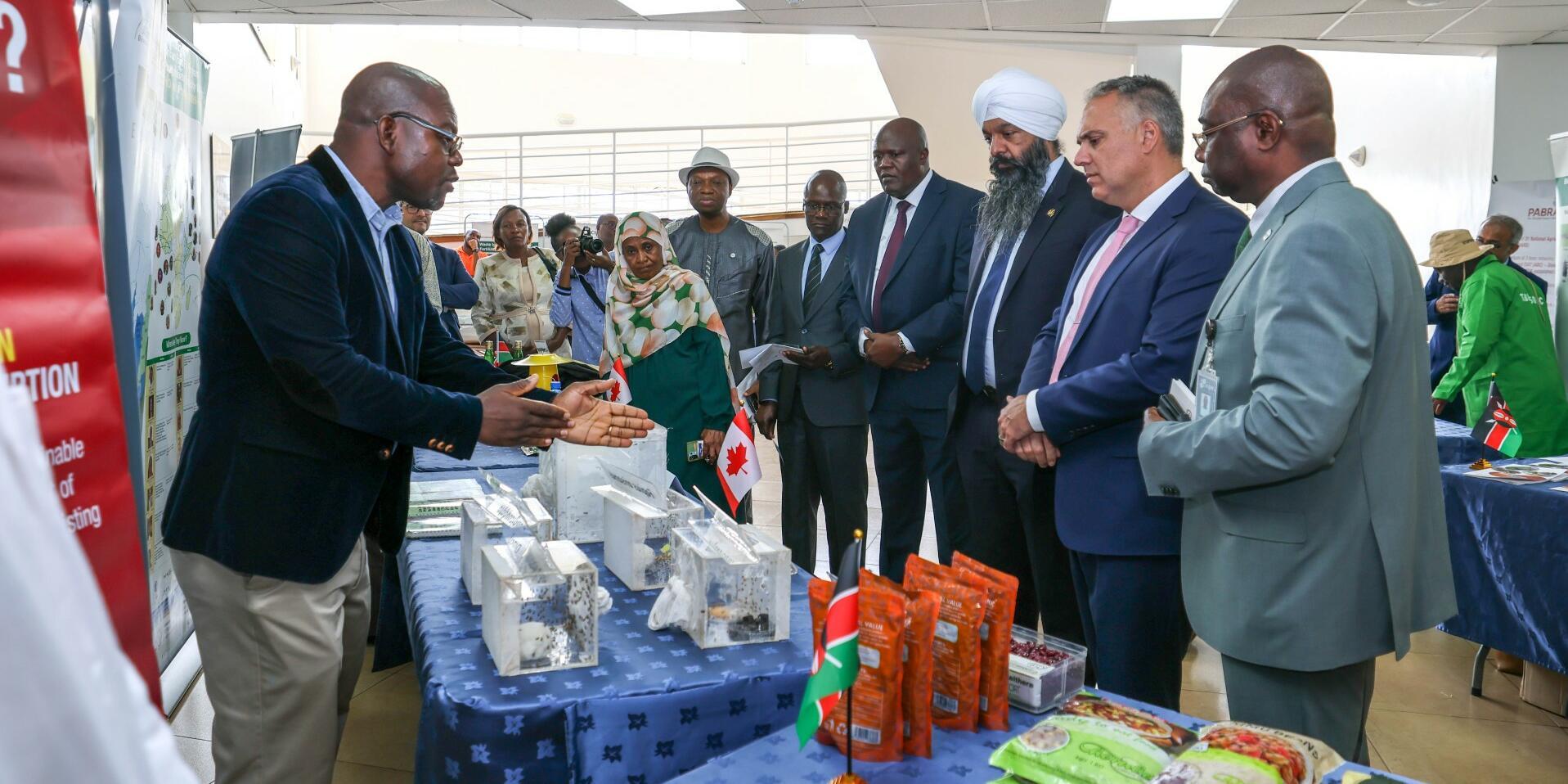
Within this ecosystem, icipe’s contribution reflects a critical insight: resilience cannot depend on a single crop. By advancing beneficial insects and nature-based enterprises, icipe is helping smallholder farmers diversify their livelihoods while safeguarding the environment. From black soldier flies that convert organic waste into protein rich feed, to modern beekeeping systems that yield honey alongside high value byproducts, these innovations are opening new income streams while reducing ecological strain. Equally important, they are fostering a culture of learning and collaboration, where farmers are not only adapting to change, but actively innovating within their own systems.
What emerged clearly during the visit was the importance of functional linkages across the value chain. The exhibition platforms brought together researchers, extension systems, private enterprises, and farmers within a coordinated framework, therefore, ensuring that technologies do not remain on the shelf, but are actively adopted and commercialized.
Through these structured pathways, farmers can access bundled solutions that address multiple challenges simultaneously enhancing productivity, managing pests sustainably, and diversifying livelihoods through integrated systems. Private sector partners, including input suppliers such as seed companies, aggregators, and service providers, play a major role in scaling these innovations by ensuring availability, affordability, and market access. Their involvement is central to sustaining impact beyond project timelines.
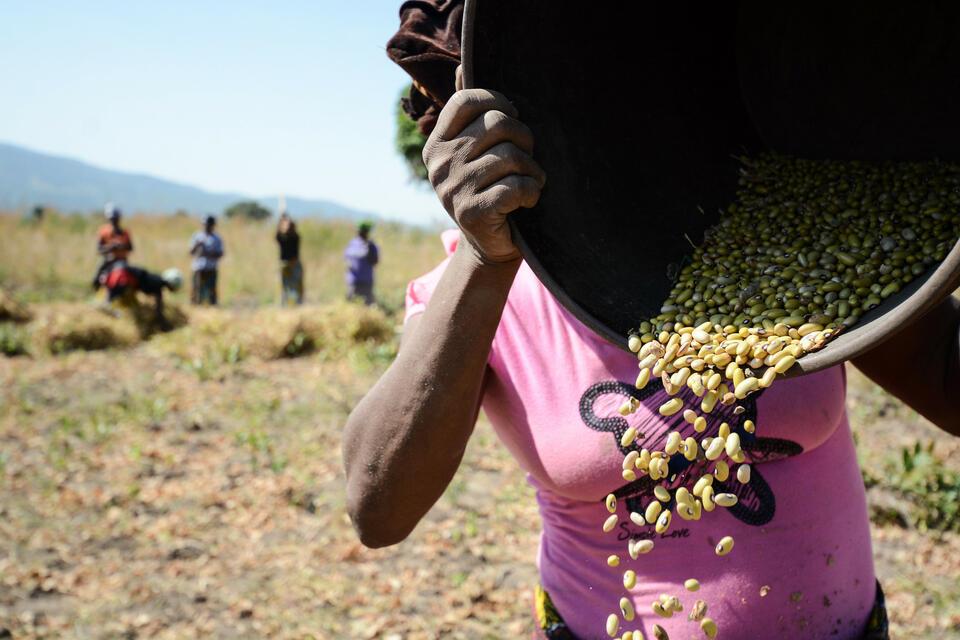
This systems approach comes to life in places like the Marigat Irrigation Scheme where Agripack Seed Company, contracts 150 farmers (70% being women) to produce Nyota bean seeds, an early maturing variety (65-70 days), rich in iron and zinc, and designed to meet both farmer and consumer needs. Agripack helps ensure reliable harvests even during dry periods, creating consistent income opportunities for the contracted farmers and increased the availability and access of certified seed for thousands of small holders in Kenya.
Beyond providing seed, Agripack also empowers farmers through training and structured engagement, helping them optimize yields, and strategically plan their production to have multiple cycles each year.
What begins as a few kilograms of foundation seed can multiply into hundreds of kilograms of nutritious beans, demonstrating how innovation, research, and farmer support converge to strengthen communities and livelihoods.
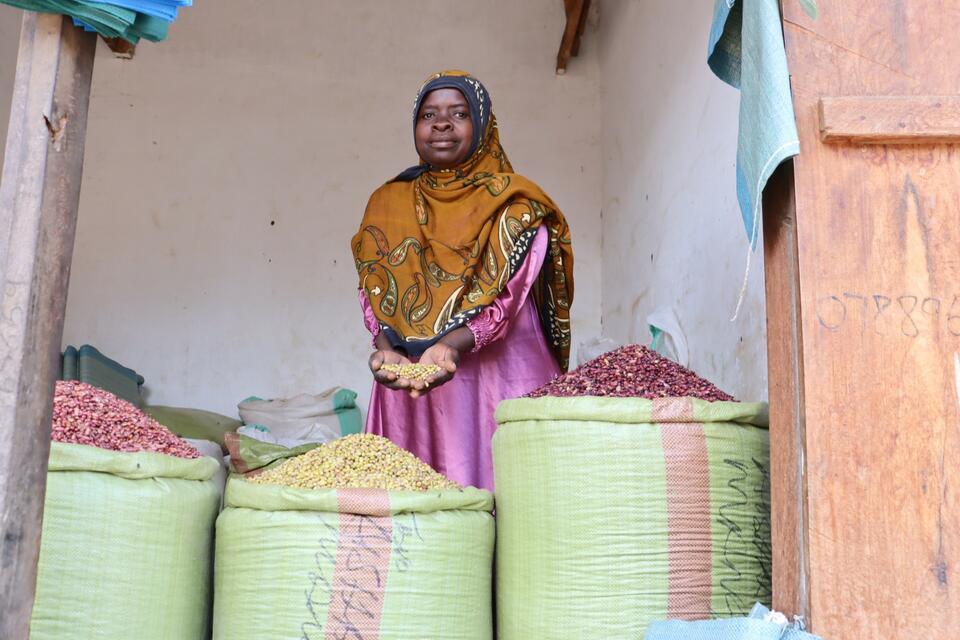
For Lucy of the Ushirikiano Women Group in Kiambogo, this transformation is deeply personal. With access to quality seed and technical support, her group has steadily expanded production, by carefully balancing what is sold with what is retained for household use. The impact extends far beyond the farm: school fees are paid, homes are improved, and families are better equipped to manage healthcare needs. Just as significant is the shift in agency. By selling directly to buyers, the group now negotiates better prices, appropriately plans production cycles and participates in the market with confidence.
“There are no middlemen,” she said with a smile. “We are part of the market.”
That direct connection to markets is a defining feature of the project’s approach. Offtakers such as Delish & Nutri source beans directly from farmers, ensuring fairer pricing while delivering nutritious products to urban consumers and institutional buyers, including school feeding programs. In doing so, the system aligns agricultural production with nutrition outcomes, ensuring that what is grown contributes meaningfully to healthier diets.
At the same time, a new wave of value addition and entrepreneurship is reshaping how beans are consumed. Women led enterprises are at the forefront, transforming raw produce into convenient, market ready foods. Cherubet Foods, for instance, is producing precooked “on the go” githeri by combining beans and maize grains into a shelf-stable, nutritious meal that reduces cooking time and energy use while meeting the needs of modern consumers. Across the value chain, other innovators are developing quick cooking products and nutrient dense blends, expanding both dietary options and income opportunities.
Savannah Honey Ltd, a private sector partner working holistically in the beekeeping value (as an input supplier, aggregator, wholesaler, and retailer), takes up icipe’s research findings and customizes them to market current market demands and emerging trends, such as the use of bee venom in cosmetics, providing highly profitable opportunities for youth, women, and farming households in the beans and fruit tree value chains to diversify their income, improve their fruit production through pollination services, and access nutritious foods. As a holistic company, it serves as a one-stop shop for everything beekeeping, including providing inputs, training, and markets, three critical components for the success of any farming business.
One such glaring example is that of the champion couple, Moses Ngugi Muiruri and his wife Margaret Warima Ngugi, smallholder farmers in Muranga County.
“We are farmers; farming is not a side hustle, but it is who we are”, they say with confidence, thanks to financial literacy training, which have shifted their thinking from subsistence to entrepreneurial.
They have gone back to traditional farming in Africa, integrating various crops as a strategy for efficiency and resilience. On their small piece of land, they have avocado trees and mango trees, and between the rows of trees, they plant beans and maize.
They do have a few hives from which they harvest honey for the family. They raise pigs, and soon they will be adopting the technology of using black soldier flies to decompose pig waste into fertilizer for use in their crops.
“If one crop fails, we are sure to get food and income from the other ventures," Margaret adds.
Integrating fruit trees, beans, and bee farming and using organic manure has the advantage of maximizing limited land availability, improving soil health, boosting pollinator systems, and enhancing nutrition and food security as well as household incomes. The couple has gone a step further into value addition, drying the excess fruit that cannot be absorbed into the market and producing wine, which they are planning to obtain necessary approvals for, particularly with respect to packaging, before they take it to the market. They are model farmers whose lives are a testament to the implementation of adaptive strategies to climate change for thousands of farmers in their neighborhood.
Value addition to farm produce results in the production of organic wastes which holds tremendous value.
The value of such wastes has become evident, with the development of insect-based technologies for recycling organic wastes streams into valuable products such as insect-protein and organic frass fertilizer (rich in chitin-a biopesticide and Phyto-stimulant) which provides plant with more nutrients, stimulating growth and defending them against pests. For example, the black soldier fly stands out among insect recyclers and has now become a dominant part of this technology, with BSF farming becoming increasingly popular among youth, providing affordable alternative protein for livestock and humans, highly efficient organic fertilizers, sustainable livelihoods and reducing greenhouse gas emissions among others, promoting a circular economy.
One of such successful youth entrepreneurs is Olivia Naliaka of Protein Hive Limited, who offtakes BSF larvae from farmers for processing and marketing overseas.
“We produce these and sell them to different markets, we sell in Brazil, we also sell in Finland”, she said confidently.
Younger entrepreneurs are also stepping into this evolving landscape. From insect-based protein enterprises to beekeeping ventures that go beyond honey to produce a range of high value products, they are demonstrating how innovation can reshape perceptions and unlock entirely new markets.
Sustaining momentum for transformation
Reflecting on the visit, Hon Sarai drew attention to the significance of these interconnected efforts, commending the PABRA-icipe partnership for advancing evidence based, results oriented interventions already demonstrating tangible outcomes across several African countries. He highlighted the value of integrated approaches that combine scientific research with practical delivery mechanisms, thus ensuring that innovations are both relevant and accessible to smallholder farmers. The BRAINS model, anchored in co-development, inclusivity, and market responsiveness, stands as a compelling example of how development investments can generate sustainable improvements in productivity, resilience, and incomes.
“It is a long journey, from seed to plate, and one that rarely makes headlines,” he observed. Yet it is precisely this steady, often unseen work that holds the greatest promise. Agriculture, as he noted, has long been the backbone of thriving societies, and remains one of the most powerful tools for addressing poverty. “You are the unsung heroes,” he told researchers and partners, recognizing the cumulative impact of their work.
As the visit made clear, the transformation underway is both practical and profound. It is visible in thriving farms, innovative enterprises, and stronger market linkages. Over the coming years, BRAINS aims to extend these gains to millions more across Africa, reinforcing a powerful idea: when research, partnerships, and people align, agriculture becomes a pathway to resilience, dignity, and lasting change.