Blog Thirty Years of PABRA: Rubén Echeverría’s Legacy for Agricultural Research in Africa

As PABRA celebrates its 30th anniversary, former CIAT Director General Rubén Echeverría reflects on the strategic decisions that strengthened bean research in Africa and helped position PABRA as a leading platform for agricultural innovation and collaboration.
As the Pan-Africa Bean Research Alliance (PABRA) celebrates its 30th anniversary, the legacy of those who helped shape and strengthen the alliance takes on special significance. One of them is Rubén Echeverría, who served as Director General of CIAT, now part of the Alliance of Bioversity International and CIAT, from 2009 to 2019. During his tenure, he promoted strategic decisions that reaffirmed the institution’s commitment to Africa, positioned the continent at the center of the bean program, and strengthened PABRA as a platform for research, innovation, and collaboration focused on addressing the challenges of African food systems.

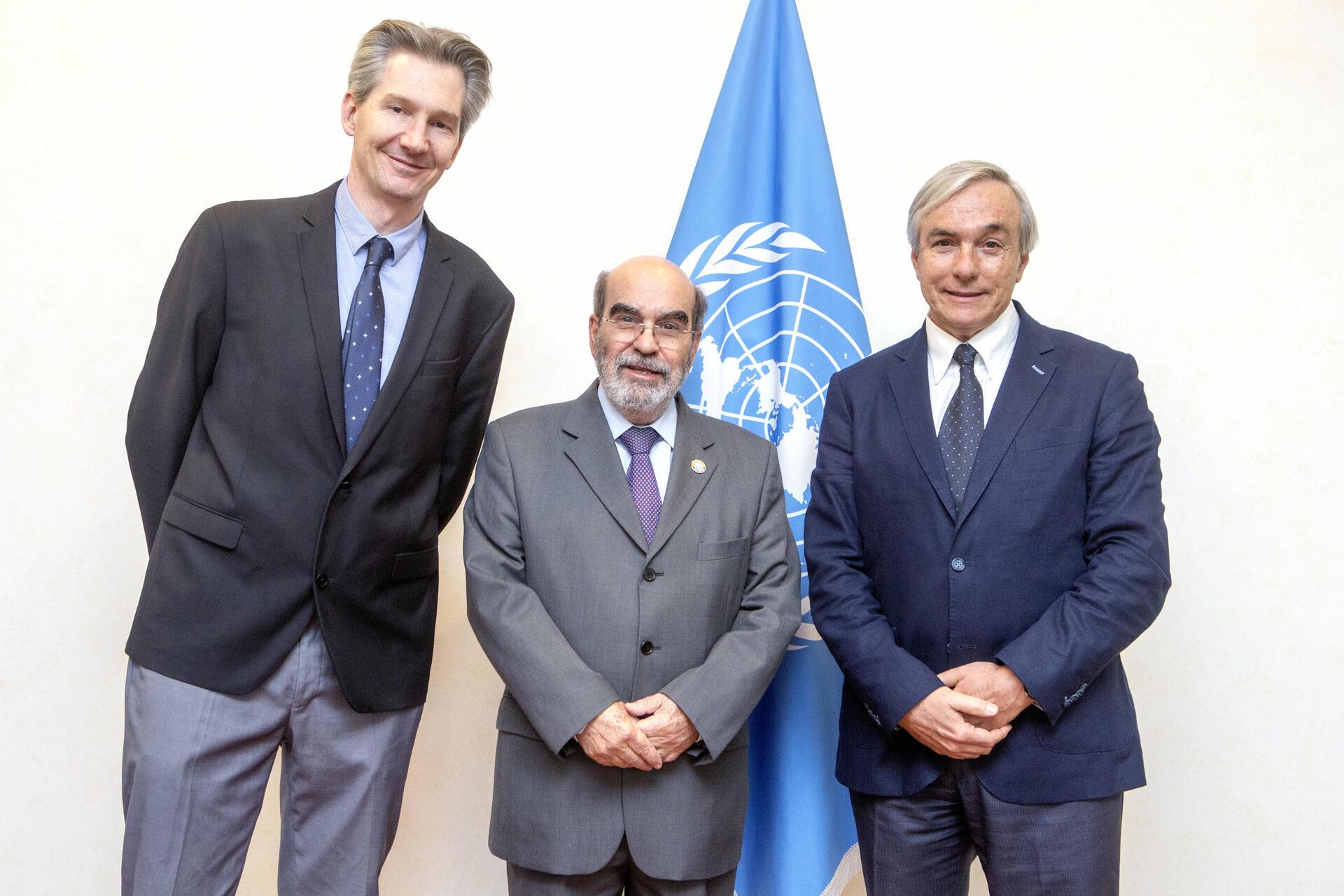
For Steve Beebe, Emeritus Scientist at the Alliance and former leader of the bean program, internationally recognized for his contributions to bean breeding, and for Joe Tohme, Emeritus Scientist at the Alliance who provided strong support as the former director of the Crops for Nutrition and Health research area, Echeverría’s leadership marked a turning point in PABRA’s history. Both agree that one of his most significant decisions was to shift the bean program’s strategic leadership to Africa, when activities in Latin America and Africa were advancing in parallel.
For both researchers, this decision represented far more than an administrative reorganization. It was a commitment to bringing research closer to the needs of African countries, strengthening collaboration with national partners, and consolidating PABRA’s role as a regional platform for innovation, scientific cooperation, and development.
That leadership was also instrumental in building confidence among donors and strategic partners. According to Tohme and Beebe, Echeverría devoted considerable time and effort to promoting PABRA’s vision among funding organizations and international partners, actively participating in resource mobilization and supporting the alliance during key moments of its growth. His support helped strengthen PABRA’s position within the then-CIAT and ensured the conditions needed to expand its reach and impact across Africa.
Under his guidance, PABRA transformed from a regional initiative into a continent-wide force, driven by strong leadership—first by Robin Buruchara and later by Jean Claude Rubyogo—strategic partnerships, and an unwavering commitment to impact. His contributions laid the foundation for the resilient, influential alliance PABRA is today.
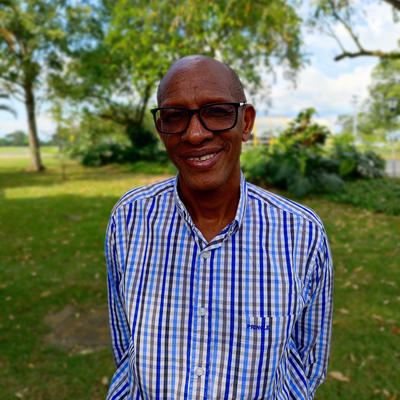
Jean Claude Rubyogo
Leader, Global Bean Program, and Director, Pan Africa Bean Research Alliance (PABRA)
His support for PABRA was accompanied by a broader vision of the role of international agricultural research. During his tenure, he promoted the expansion of CIAT’s activities in Africa and Asia, fostered greater integration across scientific programs, and strengthened partnerships as a mechanism to accelerate innovation and increase research impact. This approach also contributed to the creation of the Alliance of Bioversity International and CIAT in 2019, an integration designed to respond more effectively to global challenges related to agriculture, biodiversity, and food systems.
Following his time at CIAT, Rubén Echeverría continued advancing international agricultural development through the Gates Foundation. His experience, built over more than four decades of work with the CGIAR, enabled him to broaden his perspective on the evolution of African agriculture and on the importance of strengthening research, partnerships, and investment to address the continent’s challenges.
In his view, Africa has undergone significant transformations over the past decades, although challenges related to infrastructure, public policy, institutional capacity, and climate change remain. He believes that the opportunities to accelerate agricultural development are greater today than ever before. He highlights the strengthening of national agricultural research organizations, the presence of all CGIAR centers across the continent, the growing role of the private sector, a young population eager to participate in agricultural value chains, and the diversification of funding sources for development. However, he argues that the greatest challenge is no longer purely technical, but institutional.
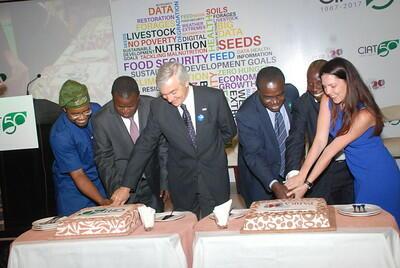

Ruben G. Echeverria
Former Director General, CIAT, and Senior Advisor, Agricultural Development, Gates Foundation“The greatest opportunity lies in consolidating research networks, platforms, and related institutions to scale practices that have already proven effective across the continent,” says Echeverría.
Throughout his career, Echeverría has also emphasized that the most successful initiatives are those that combine technical innovation with institutional change and investments in infrastructure, credit, trade, and market access. From his perspective, short-term projects only generate lasting results when they are part of a broader strategy with a long-term vision and strengthened national research systems capable of leading transformational processes.
Looking ahead, he believes that one of the priorities for accelerating the transformation of African food systems is to strengthen national and regional agricultural research systems. In his opinion, few countries have achieved sustainable transformation without consistently investing in science and innovation. He also underscores the importance of reinforcing regional networks such as PABRA, capable of connecting scientific knowledge with public policy decisions, investment, and farmers’ needs.
Thirty years after its creation, PABRA continues to establish itself as one of the most important bean research alliances on the African continent. Its history reflects the collective efforts of researchers, national institutions, regional partners, donors, and leaders who understood that collaboration is essential to addressing the challenges of agriculture. Rubén Echeverría’s legacy is part of that story. His strategic vision, commitment to partnerships, and conviction that research must translate into impact have helped strengthen a network that, three decades later, continues to drive scientific solutions for building more resilient, sustainable, and inclusive food systems across Africa.
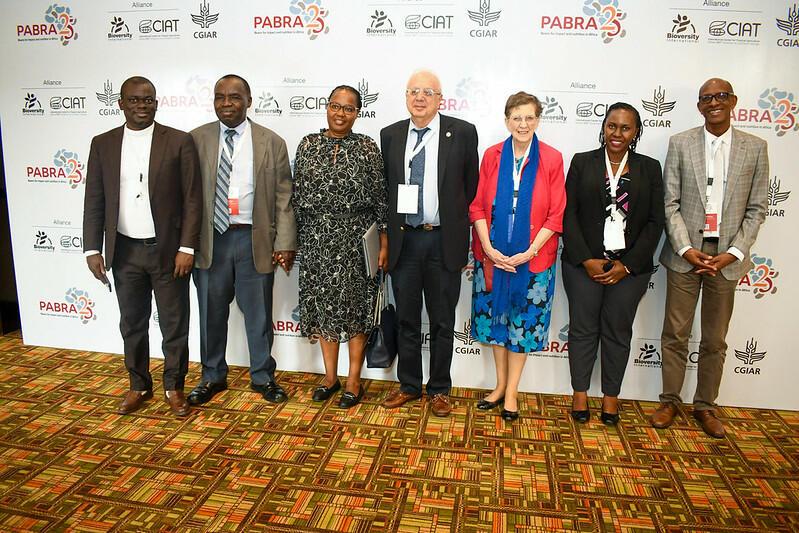
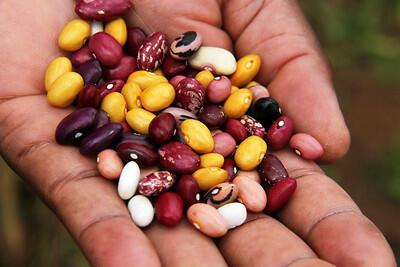
As PABRA looks toward the future, sustaining and expanding its impact will require the continued commitment of public and private sector partners, donors, CGIAR centers, national research organizations, and all those who have contributed to its success over the past 30 years. Building on a legacy that has improved nutrition for people and soils, strengthened gender inclusion, enhanced climate resilience, increased farmers’ incomes, and fostered innovation through collaboration, PABRA demonstrates the power of research networks focused on delivering real-world outcomes. Continued investment in PABRA and in the creation and strengthening of similar collaborative research networks will be essential to addressing the challenges of tomorrow’s food systems and ensuring lasting impact across Africa.