Blog Tricot's role in sustainable agriculture and crop improvement
As the global population steadily increases – expecting to reach 9.8 billion people by 2050 - and the effects of climate change intensify, sustainable agriculture has become both a necessity and a challenge. The need to develop resilient, high-yield, and environmentally friendly crop varieties is more urgent than ever. Participatory approaches agricultural research have gained traction as an effective means to meet these goals. Among these, the Tricot approach (shortened from the ‘triadic comparisons of technologies’ method) has emerged as a powerful tool to engage farmers in the crop improvement process and enhance the sustainability of agricultural production systems.
This article explores the Tricot approach in depth, discussing its methodology, implementation, and the transformative role it plays in sustainable agriculture and crop improvement, the challenges of implementation and opportunities for overcoming these obstacles. With a focus on inclusivity, scalability, and data-driven decision-making, Tricot is redefining how agricultural research is conducted and applied, offering a promising tool to achieve global goals for more sustainable food systems.
Understanding the Tricot Approach
Tricot stands for Triadic Comparisons of Technologies. Developed by Bioversity International (now part of the Alliance of Bioversity International and CIAT), this participatory citizen science approach allows farmers to test and evaluate three different crop varieties (or technologies) on their own farms. The key innovation lies in its simplicity and scalability. Instead of complex trials requiring extensive resources, Tricot empowers farmers to contribute meaningful data by ranking the three options based on performance indicators such as yield, pest resistance and drought tolerance.
The Tricot methodology includes the following six steps:
1. Selection of Varieties or Technologies: Researchers begin by curating a diverse pool of crop varieties or agricultural technologies. The selection is informed by both scientific criteria and local priorities, such as drought tolerance, disease resistance, yield potential, and market demand. Example: In the ‘Seeds for Needs’ initiative in Ethiopia, researchers selected 400 wheat varieties from gene banks based on their potential performance under climate variability. These were narrowed down to smaller sets for Tricot trials.
2. Distribution to Farmers: Each participating farmer receives a randomized subset of three varieties, ensuring statistical robustness. The allocation is designed to cover as many combinations as possible across a wide geographic and climatic range. Example: In Nicaragua, the ‘Seeds for Needs’ project used GPS-tagged kits to track the distribution of bean seed packs to farmers across remote regions. A cloud-based system monitored inventory and delivery timelines to minimize logistical delays.
3. On-farm Testing: Farmers plant the three varieties under their usual farming conditions, using traditional practices. This ensures that the results reflect real-world farming realities rather than controlled research environments. Example: In India, this same project invited smallholder farmers to plant wheat varieties in their own fields with minimal external input, providing data relevant to low-input farming systems.
4. Data Collection: Farmers evaluate the three varieties based on criteria such as yield, pest resistance and taste, and then rank them in order of preference. Tools such as paper forms, mobile apps, or SMS platforms are used for this process, depending on local accessibility. Example: In Rwanda, a voice-based survey system in Kinyarwanda – carried out together with multiple CGIAR centers - allowed older farmers to participate, overcoming literacy and technology access issues.
5. Data Aggregation and Analysis: The collected data is compiled and analyzed using statistical models that can handle the incomplete and comparative nature of Tricot rankings. The analysis reveals performance patterns across locations and user groups. Example: In Uganda, researchers used Plackett-Luce models to analyze bean variety rankings from over 1,000 farmers, identifying regionally preferred varieties even when full yield data wasn't available.
6. Feedback and Dissemination: Results are shared with farmers, researchers, and policymakers to inform breeding decisions, seed distribution, and agricultural extension. Farmers gain access to high-performing varieties suited to their needs. Example: In Peru, results from Tricot trials on potatoes were communicated back to communities through farmer field days and local radio, guiding collective decisions on which varieties to adopt and propagate.
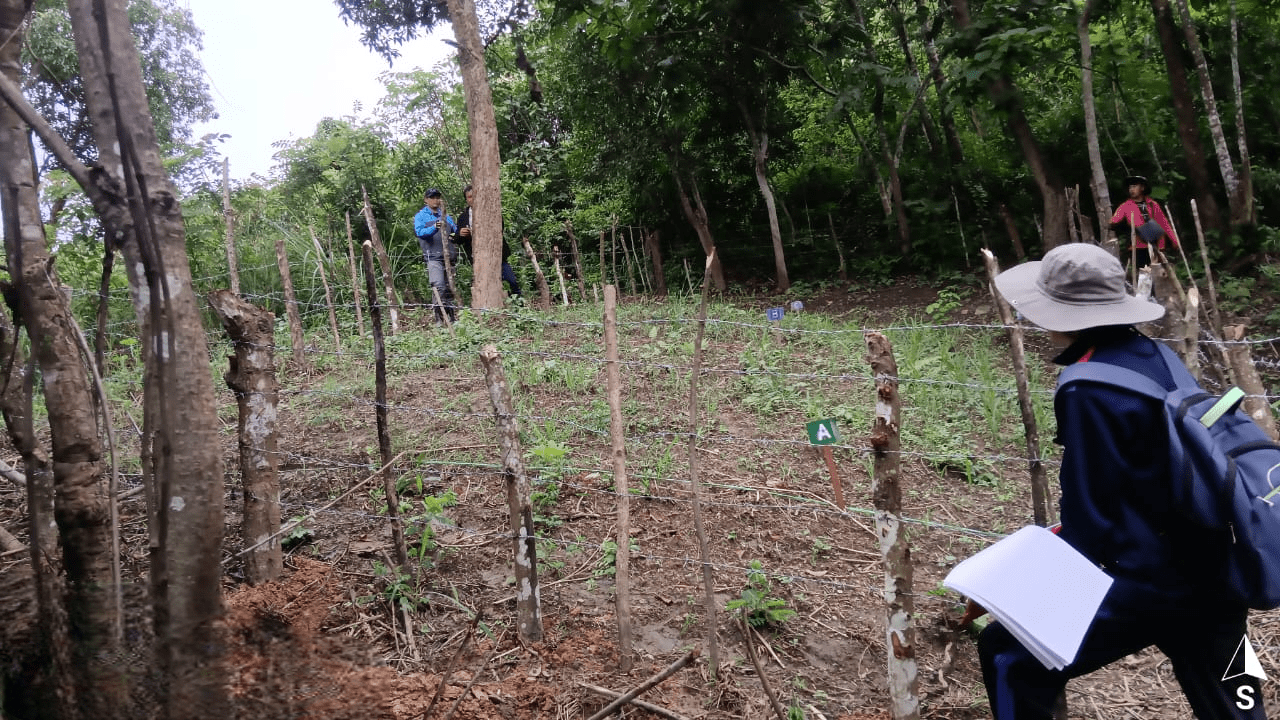
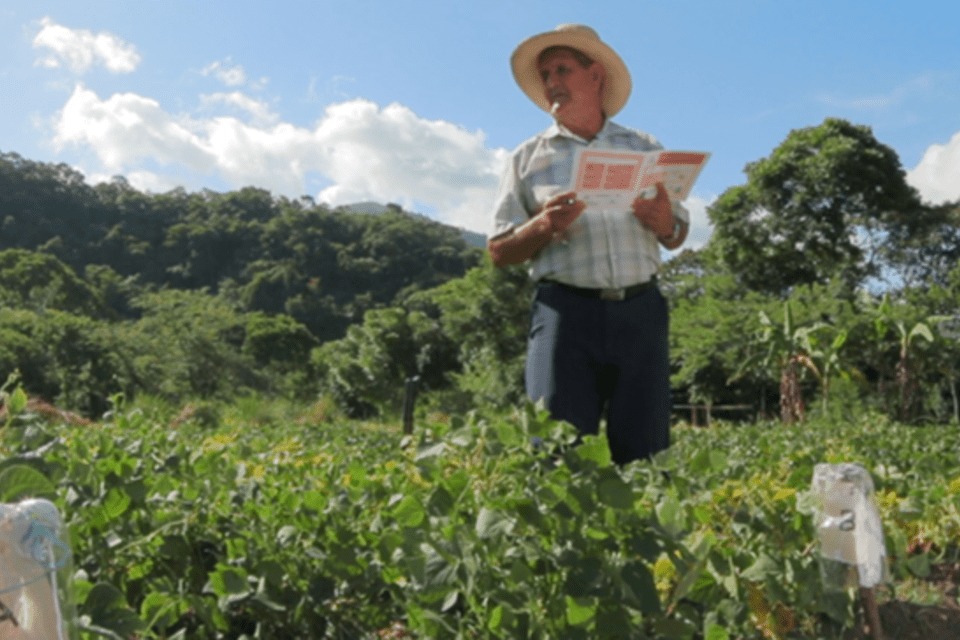
In Laos, farmers use the tricot approach to test new crop varieties and improve food security in their communities. Credit: Ammaly Phengvilaysouk / CGIAR initiative on Mixed Farming Systems
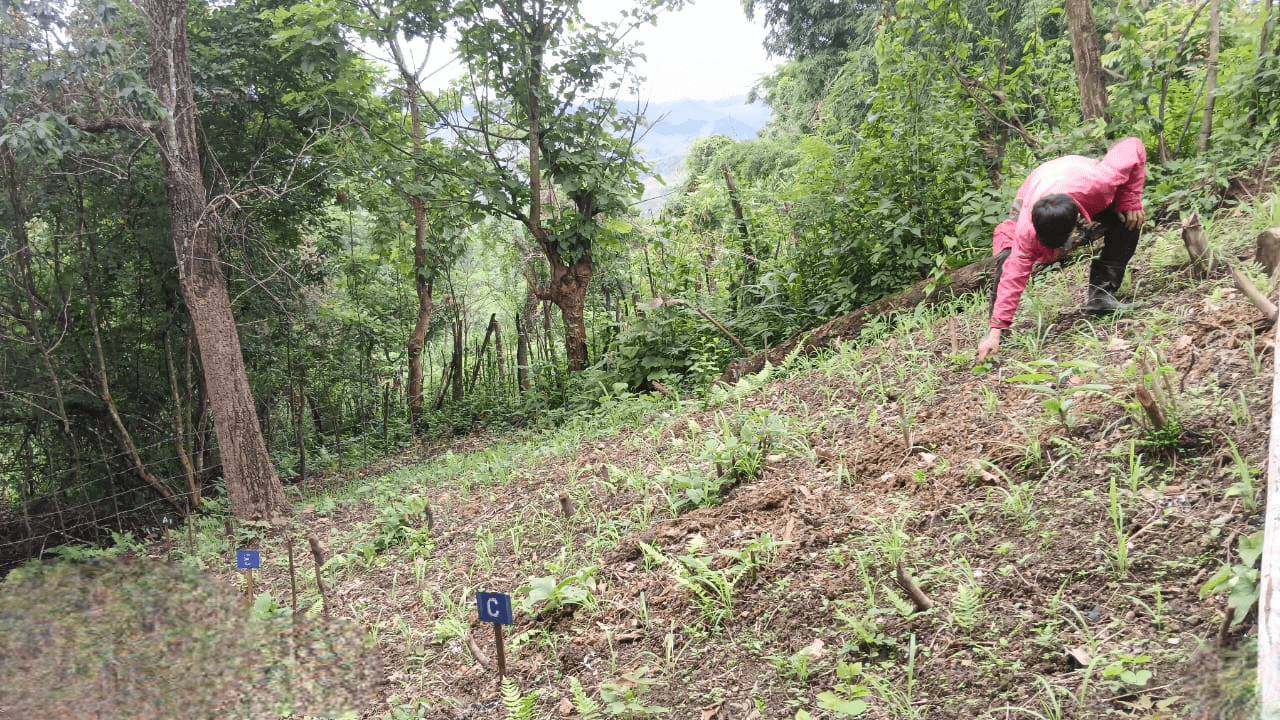
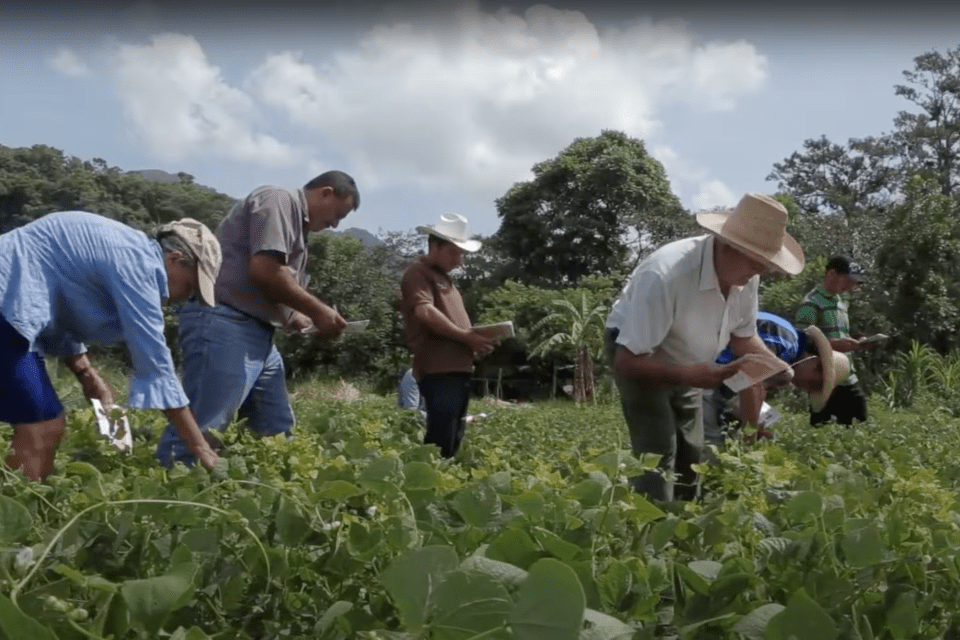
Comparison of farmer plots in Laos. Credit: Ammaly Phengvilaysouk / CGIAR initiative on Mixed Farming Systems
Empowering Farmers and Enhancing Inclusivity
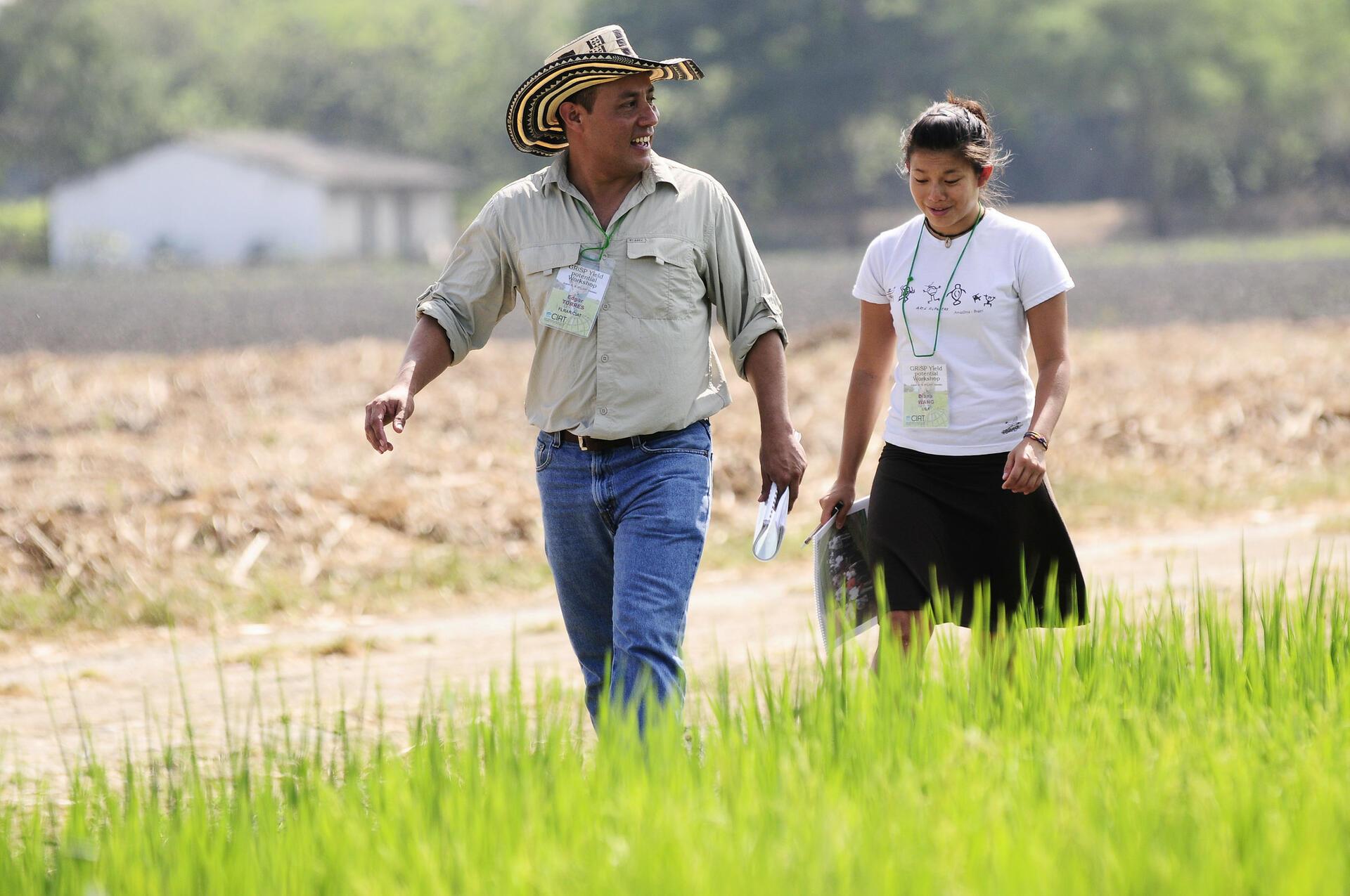
Workshop participants visit rice fields in the Alliance's Palmira research campus, Colombia. Credit: Neil Palmer
One of the standout features of the Tricot approach is its emphasis on farmer participation. Traditional breeding programs often rely heavily on centralized research stations, which may not represent the diverse environmental and socio-economic conditions farmers face. In contrast, the tricot method flips this model by placing research in the hands of the users: the farmers.
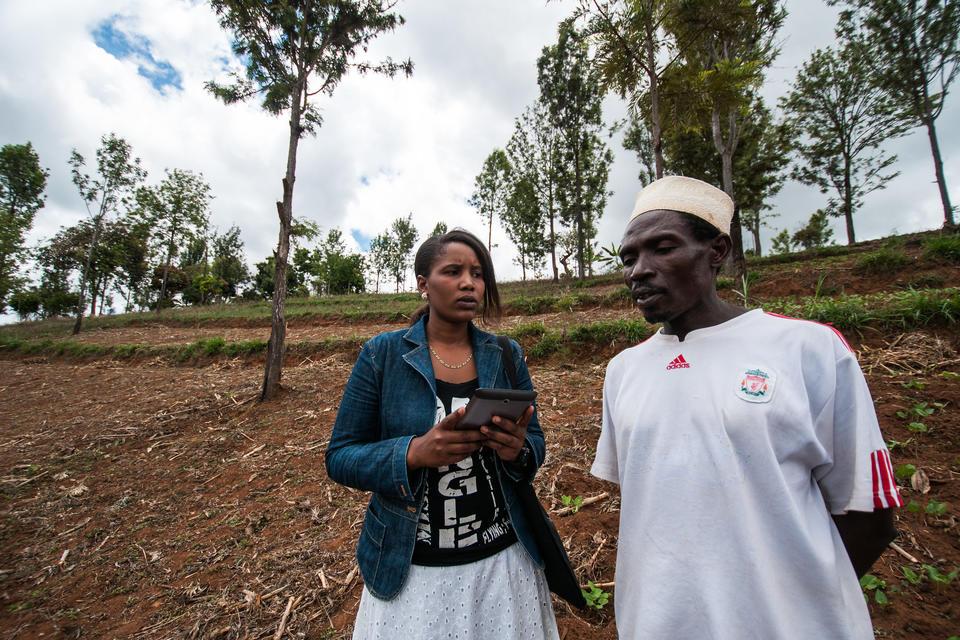
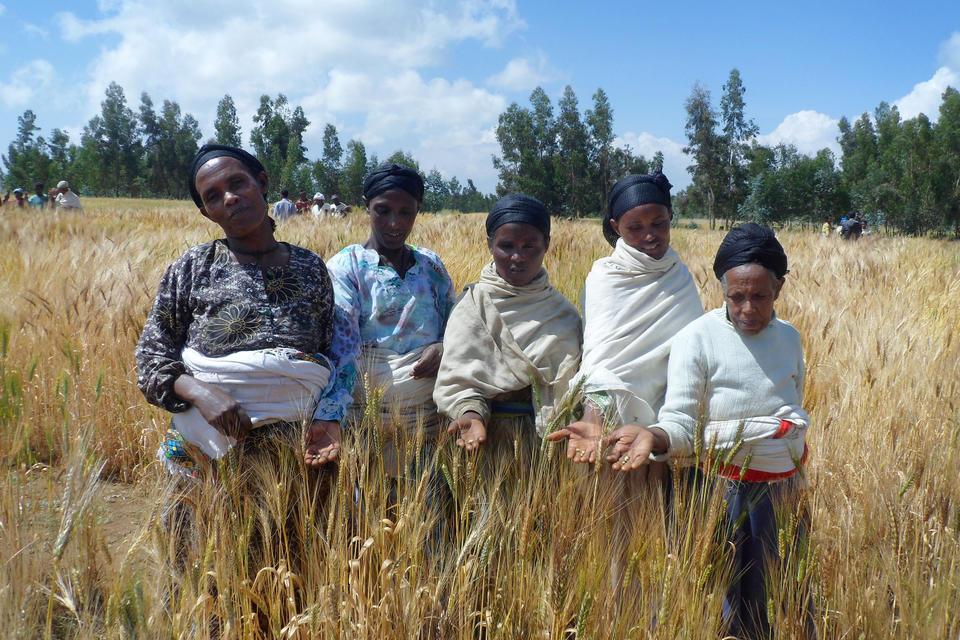
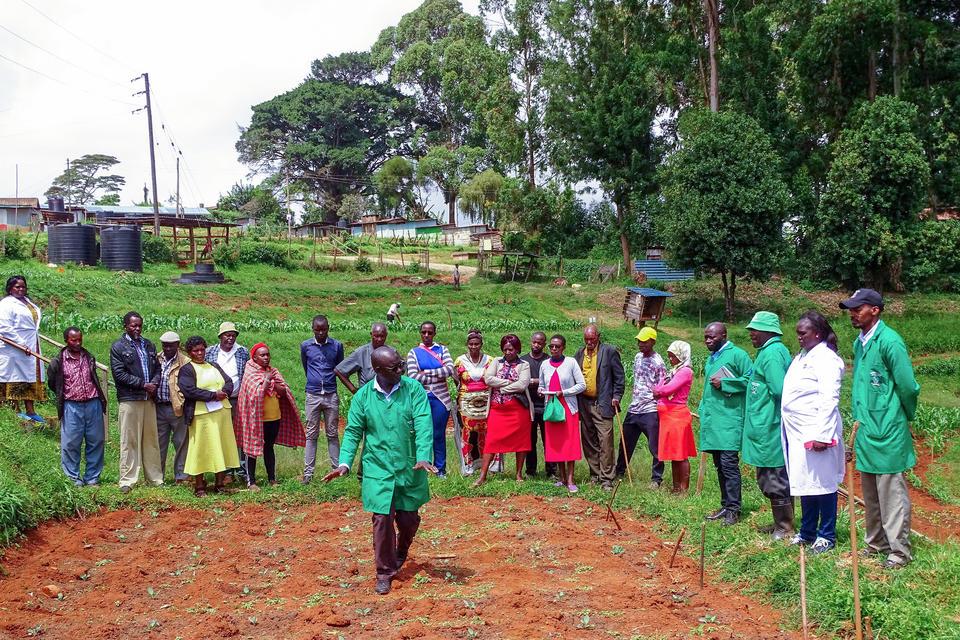
Farmers involved in Tricot trials not only provide valuable performance data but also become co-creators in the innovation process. This empowerment fosters a sense of ownership and increases the likelihood of adoption. Moreover, Tricot actively promotes gender inclusivity and the involvement of marginalized groups. By tailoring data collection tools to be accessible and user-friendly, the approach ensures broad participation, including from women and smallholder farmers who are often underrepresented in conventional research. This shows how this method accelerates the achievement of multiple global goals, ranging from sustainable food systems to gender inclusion, social equity and empowerment. More examples of how agricultural research for development is accelerating gender inclusion and equity can be found in the following pages:
The Unique Benefits of Tricot for Accelerating Crop Improvement
The Tricot method has proven to be a powerful accelerator of crop improvement. By collecting decentralized, real-world performance data across diverse environments across the world, researchers gain a more comprehensive understanding of genotype-by-environment interactions. This nuanced insight is crucial for developing resilient crop varieties that perform well under a range of climatic and agronomic conditions.
In contrast to conventional breeding methods that may take many years to deliver viable varieties, the Tricot approach shortens feedback loops between researchers and farmers. This agility enables quicker adjustments and iterative improvements. Additionally, the use of digital tools and statistical analysis allows for the handling of large datasets, facilitating robust comparisons and predictions.
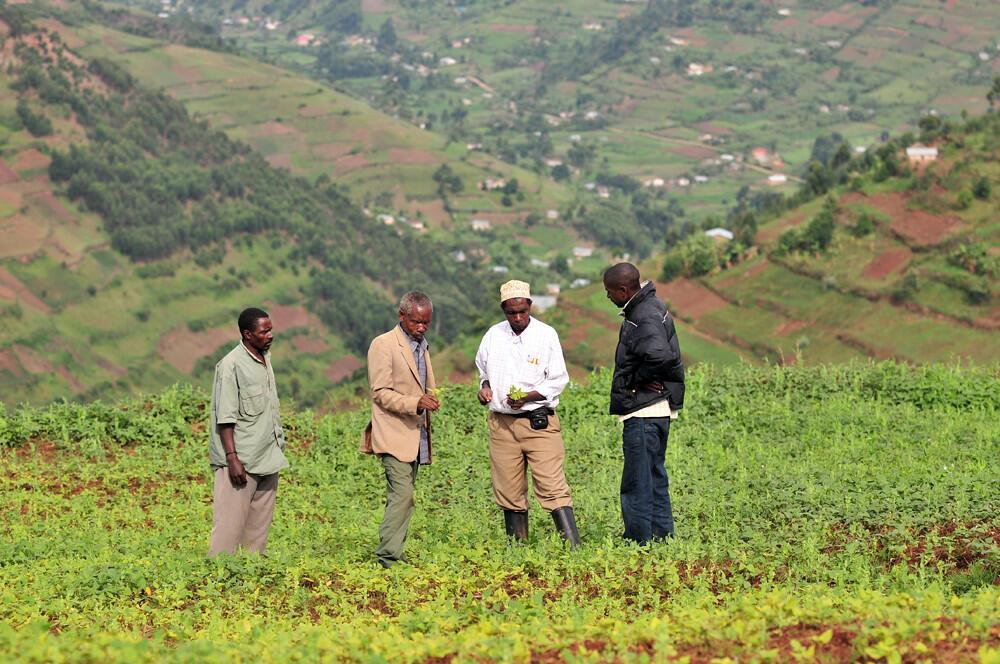
The Alliance and local partners analyze Ugandan bush bean plants for pests and diseases. Credit: Neil Palmer
Supporting Sustainable Agriculture
The Tricot approach supports sustainable agriculture by addressing its three core pillars: economic viability, environmental stewardship, and social equity. Each is enhanced through farmer-led research, context-specific variety selection, and inclusive participation models:
- Economic Viability: Tricot empowers farmers to identify crop varieties that thrive under their specific local conditions, leading to increased productivity and income. For instance, in Nicaragua, farmers participated in Tricot trials for common beans under the ‘Seeds for Needs’ initiative. They were able to evaluate and select drought-tolerant varieties that provided significantly higher yields compared to traditional varieties. This not only improved food security but also increased surplus production, which could be sold in local markets—translating into higher household incomes.
- Environmental Stewardship: By tailoring variety selection to local ecosystems, Tricot reduces reliance on external inputs like fertilizers and pesticides. In Ethiopia, smallholder farmers used Tricot to evaluate wheat varieties under varying input levels. The participatory trials revealed several lines that performed well even under reduced fertilizer use, helping to preserve soil fertility and minimize chemical runoff. This kind of localized adaptation promotes farming practices that are more environmentally resilient.
- Social Equity: Tricot intentionally includes underrepresented voices—particularly women and marginalized smallholders—by adapting its tools to suit different needs. In Uganda, voice-response surveys in local languages and simplified data reporting formats enabled women, elderly farmers, and those with low literacy levels to actively participate. This inclusive design helps bridge knowledge gaps, democratize agricultural innovation, and ensure that the benefits of research reach communities that are often left behind.
These examples illustrate how the Tricot method aligns practical agricultural research with the broader goals of sustainability—promoting economic resilience, ecological balance, and social inclusion.
Case Studies and Success Stories
Several successful implementations of the Tricot approach highlight its global applicability:
- Maize Breeding in Eastern and Southern Africa: The International Maize and Wheat Improvement Center (CIMMYT) adopted the Tricot approach to enhance maize breeding programs in Eastern and Southern Africa. By involving over 800 farmers in decentralized on-farm trials, they achieved improved data quality, increased participation from smallholder farmers, and more efficient variety selection processes. Read more here.
- Cassava and Sweet Potato Trials in Nigeria: In Nigeria, the International Institute of Tropical Agriculture (IITA) utilized the Tricot methodology to engage farmers in evaluating cassava and sweet potato varieties. This participatory approach empowered farmers to assess crop performance directly, leading to more informed decisions and adoption of preferred varieties. Watch the video here.
- Diverse Crop Trials in Ethiopia: A large-scale Tricot initiative in Ethiopia distributed 350 unique varieties across 20 crops to approximately 35,000 smallholder farmers. This extensive participatory trial aimed to identify farmer-preferred varieties, enhancing crop diversity and resilience in the region. Read more here.
These examples demonstrate how Tricot bridges the gap between research and real-world application, leading to tangible improvements in agricultural sustainability.
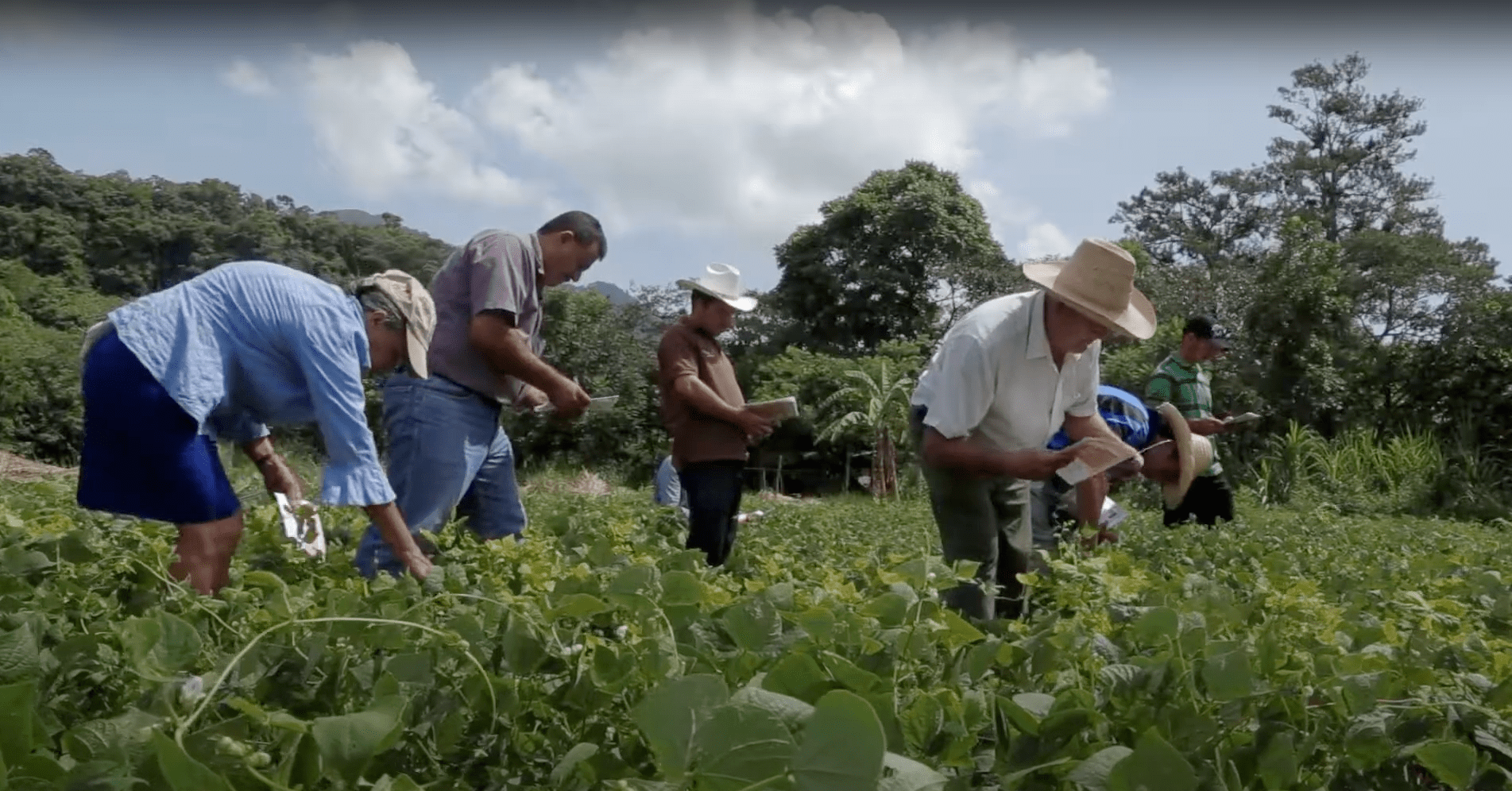
‘Farmer-researchers’ join the front line in testing crops.
Integration with Digital Technologies
Digital tools play a critical role in the effectiveness and scalability of the Tricot approach. Mobile applications, SMS platforms and web interfaces facilitate the distribution of materials, data collection and feedback analysis. Farmers can submit their evaluations via text messages or mobile apps, and researchers can analyze data in real-time using statistical software.
Advanced analytics, including machine learning, further enhance Tricot's capabilities. These tools can predict varietal performance across different environments and identify patterns that inform breeding decisions. The integration of geographic information systems (GIS) enables spatial analysis, helping to map varietal suitability and guide targeted interventions.
The use of open-access platforms also fosters transparency and collaboration. By sharing data and results with farmers, policymakers and other stakeholders, Tricot promotes evidence-based decision-making and collective action.
Challenges and Considerations
While the Tricot approach offers numerous advantages, it is not without challenges. Ensuring data quality is a primary concern. As data collection relies on farmer rankings, there is potential for subjective bias or inconsistencies, making training and support essential to maintain reliability.
Another challenge lies in coordination and logistics. Distributing seed samples, collecting data, and providing timely feedback require robust organizational frameworks. Additionally, digital access and literacy can vary between participants, creating the need for user-friendly tools and offline options.
Despite these challenges, ongoing innovations and refinements continue to strengthen the Tricot model, making it increasingly adaptable and impactful.
Addressing Challenges: Solutions and Real-World Applications
To overcome the challenges associated with the Tricot approach – including data quality, logistical complexity, and digital accessibility – several innovative solutions have been implemented in real-world settings.
- Enhancing Data Reliability in Ethiopia: Training and capacity building are crucial for successful use of the Tricot method. In Ethiopia, the International Maize and Wheat Improvement Center (CIMMYT) partnered with local extension agents to train farmers on ranking techniques and standardized evaluation criteria, reporting reduced subjectivity and improved data consistency. Incorporating peer learning, where experienced farmers mentor newcomers, has also proven effective in Kenya's bean trials conducted by the Pan-Africa Bean Research Alliance (PABRA).
- Streamlining Logistics: Digital coordination tools can streamline distribution and data management. In Nicaragua, the Seeds for Needs initiative used GPS-tagged kits and a cloud-based logistics platform to ensure timely delivery and collection of trial materials, enabling better inventory control and minimized delays, improving overall trial efficiency.
- Bridging the Digital Divide: To ensure participation among digitally marginalized groups, Tricot projects have employed multi-modal communication strategies. In Uganda, a project run by the Alliance of Bioversity International and CIAT used a combination of SMS surveys, voice calls and in-person visits to ensure inclusion of women and older farmers with limited technology access. Voice response systems in local languages helped overcome literacy barriers.
These examples demonstrate that with tailored interventions—ranging from farmer education to the integration of context-appropriate technology—Tricot’s challenges can be effectively managed. Scaling these solutions will be key to maintaining the robustness and inclusivity of the approach as it expands globally.
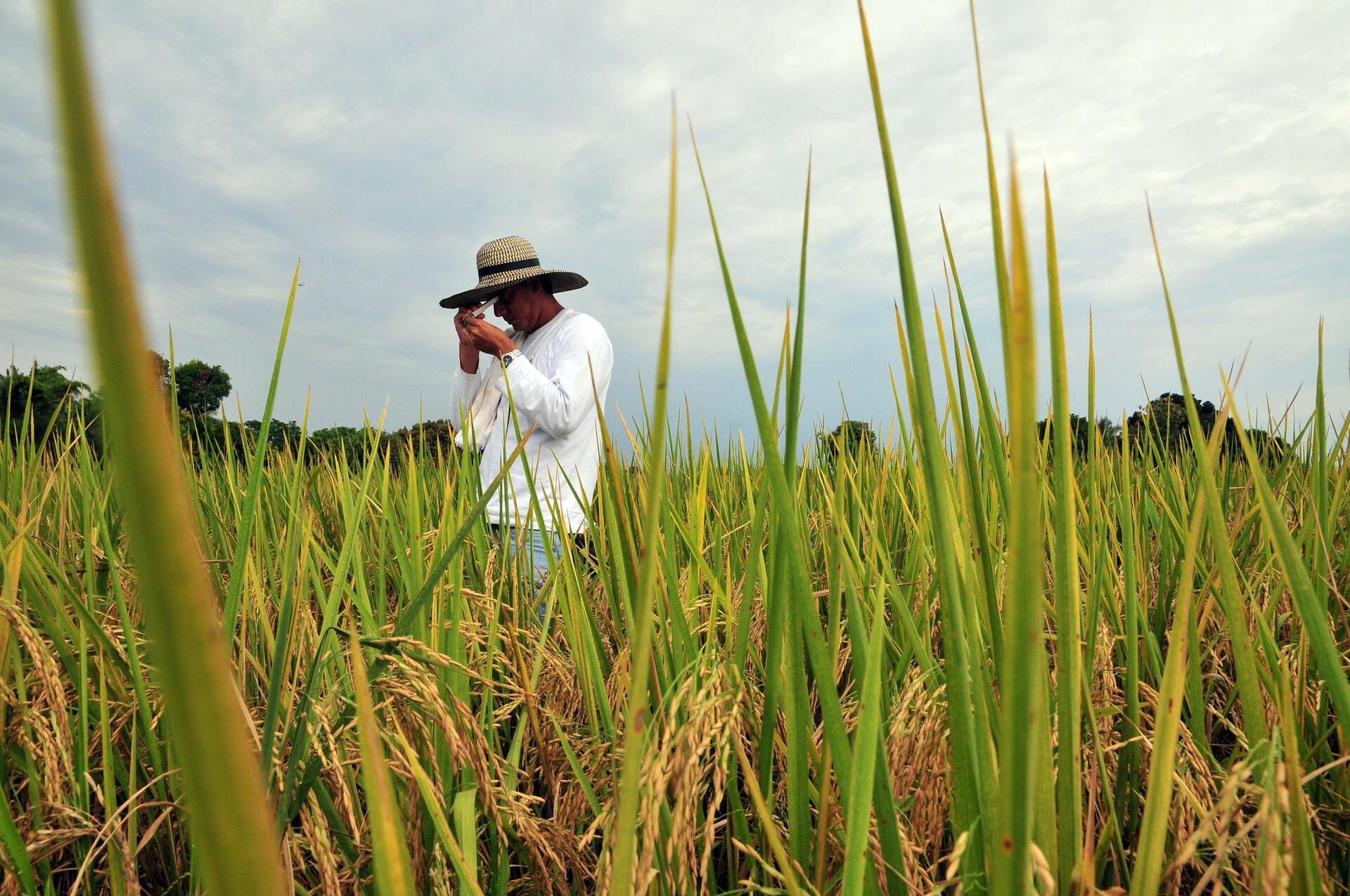
Scientists investigate rice production problems in Colombia's Tolima department. Credit: CIAT/Neil Palmer
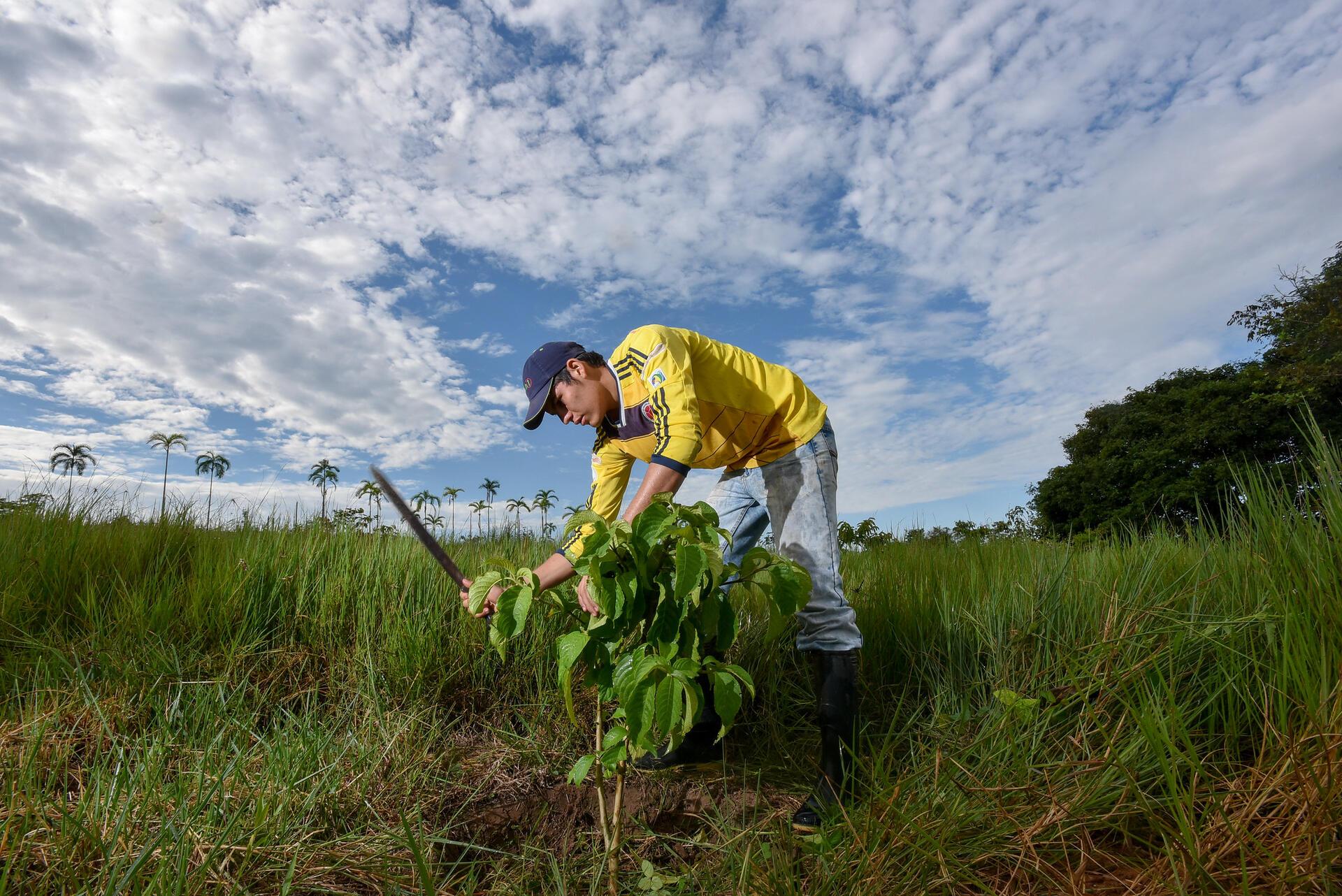
Silvopastoral farmer in his fields in Guaviare, Colombia. Credit: CIAT/Neil Palmer
Future Directions and Opportunities
The Tricot approach holds significant promise to support the future of more sustainable agricultural research and development. As the demand for sustainable food systems grows, expanding and refining participatory methodologies will be key.
Potential future directions include:
- Expansion to new crops and regions: Tricot can be applied to a wide range of crops, including those underrepresented in formal breeding programs. Expanding its reach can enhance global food security through increased use of agrobiodiversity.
- Integration with climate-smart agriculture: Combining Tricot with climate-smart practices can create synergistic benefits, promoting resilience and adaptation.
- Policy integration: Incorporating Tricot findings into national and regional agricultural policies can amplify its impact and guide investments.
- Enhanced data platforms: Developing more sophisticated, interoperable data platforms can improve data sharing, analysis, and decision-making.
Conclusion
The Tricot approach marks a paradigm shift in agricultural research and development. By placing farmers at the center of the evaluation process, it democratizes innovation, enhances the relevance of research, and accelerates the adoption of improved crop varieties. Its participatory, scalable and data-driven design makes it particularly well-suited to contribute to meeting the goals of sustainable agriculture.
Real-world implementations of the approach show that Tricot not only improves crop performance but also builds more inclusive, resilient farming systems. Through effective integration of digital tools, local knowledge and collaborative processes, Tricot fosters innovation that is both grounded and far-reaching.
As the global community increases efforts to address growing challenges in food security, climate resilience and rural development, the Tricot approach offers a practical and transformative pathway forward—one that unites scientific rigor with farmer-led insights to drive sustainable food systems.