Blog Three signatures, one vision: The Alliance strengthens its ties in West and Central Africa
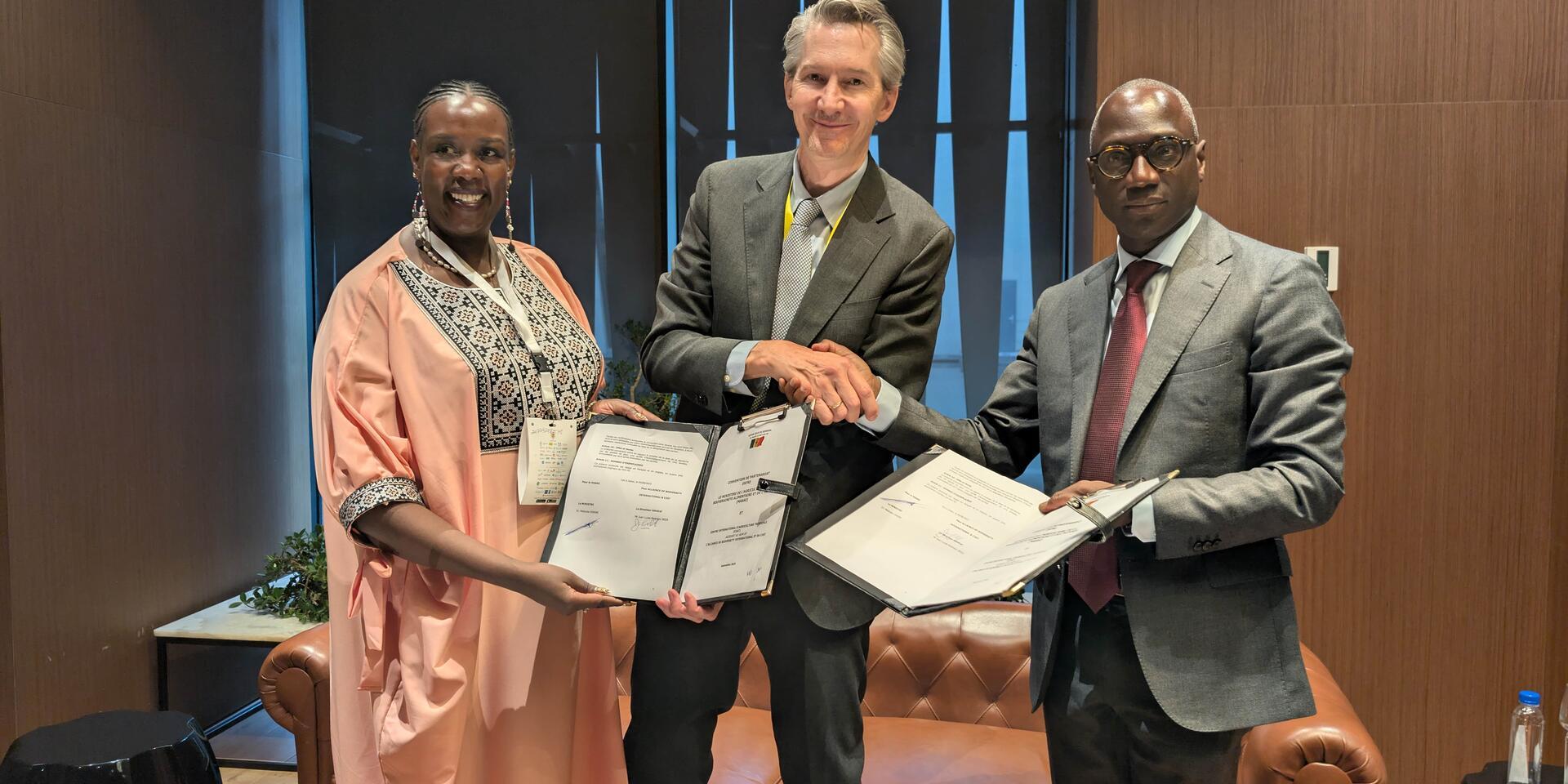

During the Africa Food Systems Forum (AFS Forum 2025), the Alliance of Bioversity International and CIAT formalized agreements with CORAF, Côte d’Ivoire’s Ministry of Water and Forests, and Senegal’s Ministry of Agriculture. These partnerships reflect a shared vision: building sustainable, resilient, and inclusive food systems. More than signings, these collaborations open a horizon of scientific, technical, and political synergies in service of Africa.
Strategic alliances for a resilient Africa
Each year, the Africa Food Systems Forum (AFS) gathers a wide range of stakeholders- from governments to youth to agribusiness- in order to further food and agricultural agendas. This year in Dakar, the Alliance of Bioversity and CIAT shared its expertise connecting climate, biodiversity, and nutrition, and simultaneously strengthened relationships with partners for increased impact. Three major agreements stood out: with CORAF, a key regional scientific body in West and Central Africa; with Côte d’Ivoire’s Ministry of Water and Forests, a central actor in the preservation of natural resources; and with Senegal’s Ministry of Agriculture, a driver of national and regional agricultural policy.
These partnerships come at a time when Africa is seeking to jointly address the pressing issues of food security, climate resilience, and the sustainable use of natural resources. For the Alliance, they mark a decisive step in its strategy of bridging science, public policy, and local practice
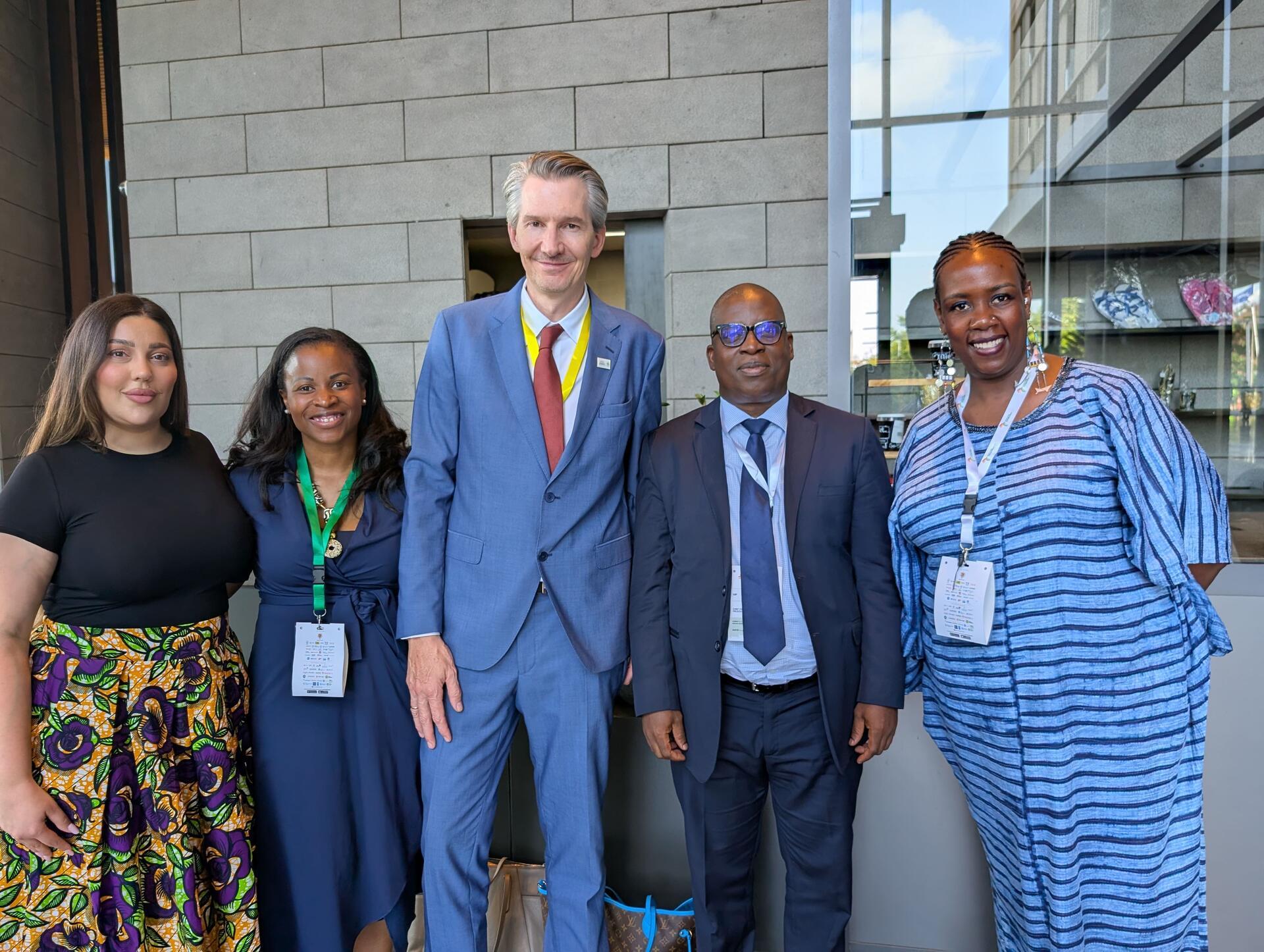
As Dr Juan Lucas Restrepo, Director General of the Alliance, emphasized:
“These agreements are not mere ceremonial signatures. They represent a clear intention: to put science at the service of concrete solutions for African farmers. By working with partners such as CORAF, Côte d’Ivoire, and Senegal, we are building a bridge between cutting-edge research and public policies, in order to accelerate the transformation of food systems.”

Juan Lucas Restrepo
Director General, and Trustee, Bioversity International UK/USAIn the same spirit, Dr Wanjiru Kamau-Rutenberg, Regional Director for Africa, reminded that:
“The real engine of change lies in research’s ability to anchor itself in local realities. These partnerships enable us to co-construct with policymakers and communities, ensuring that solutions are adapted, inclusive, and truly sustainable.”
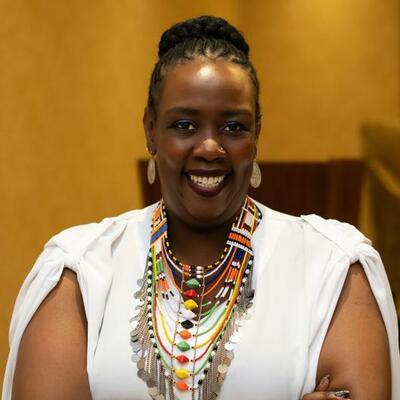
Wanjiru Kamau-Rutenberg
Managing Director, Africa, and Trustee, Bioversity International USAThese collaborations embody a shared ambition: to strengthen the link between scientific innovation and strategic decision-making so that African farmers, women, youth, and workers across the agri-food chain directly benefit from research outputs.
CORAF and the Alliance: A reaffirmed scientific bond
The West and Central African Council for Agricultural Research and Development (CORAF) and the Alliance share a longstanding and fruitful partnership. Their collaboration goes back to flagship projects such as AICCRA (Accelerating Impacts of CGIAR Climate Research for Africa) and TARSPro, which has promoted the dissemination of climate-smart agricultural innovations across several countries.
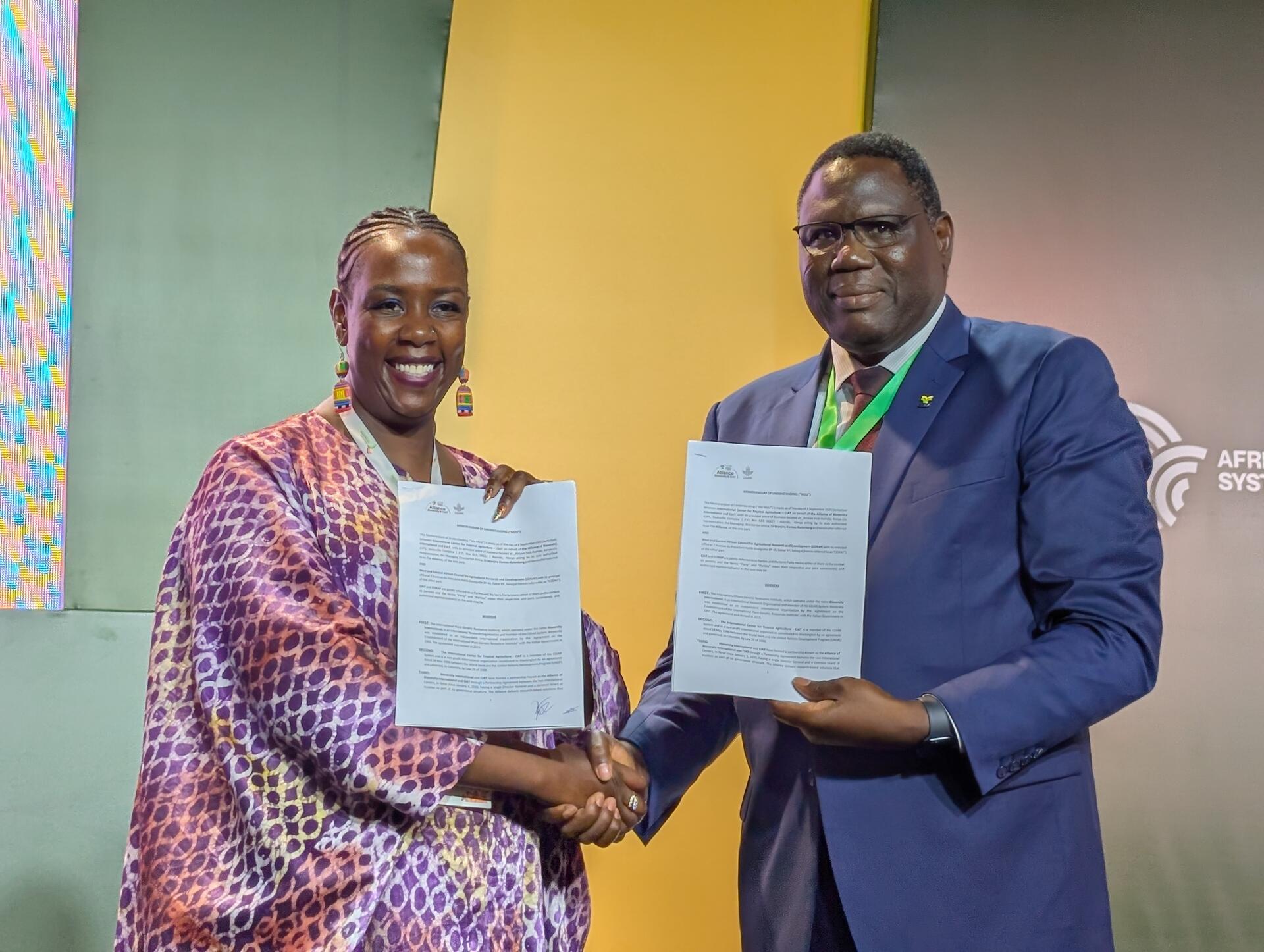
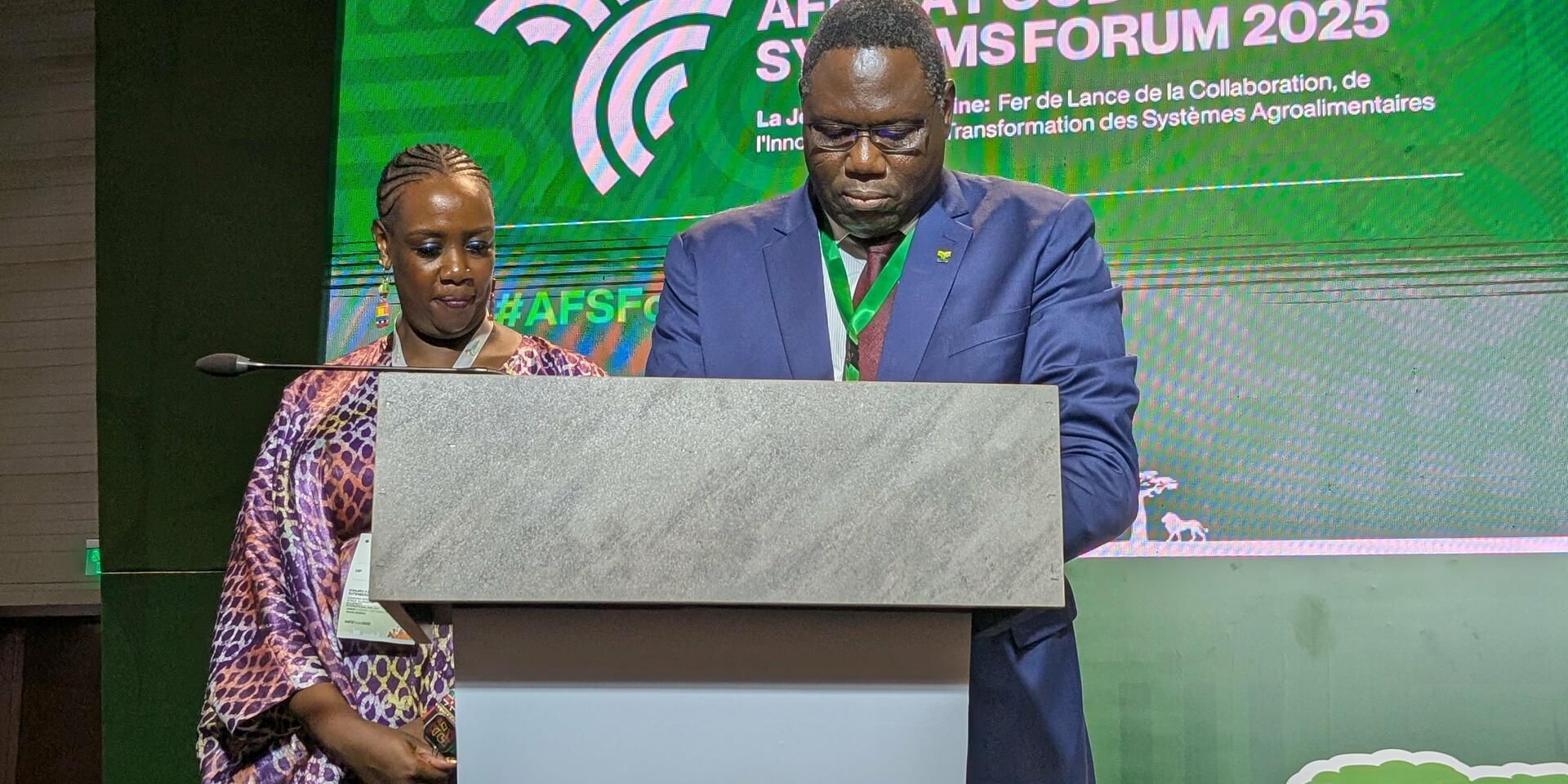
At the AFS Forum, the signing of a new Memorandum of Understanding (MoU) formalized a new stage. This partnership aims to harmonize regional efforts for better adoption of agricultural technologies, with a focus on innovation transfer, training of local stakeholders, and the creation of science-policy dialogue platforms.
For CORAF, this signature illustrates a determination to go further in co-developing regional solutions.
As Dr Moumini SAVADOGO, Executive Director of CORAF, stated,
“The protocol signed with the Alliance is a strong commitment. It goes beyond an institutional framework: it reflects our shared ambition to make science and innovation the cornerstones of food security in West and Central Africa. Together, we will multiply the impact of agricultural technologies by strengthening local capacities and placing producers at the heart of transformation.”
The added value of this partnership lies in complementarity: the Alliance brings its international research strength and scientific expertise, while CORAF provides regional anchoring and institutional linkages with member states. Together, they aim to strengthen food security and climate resilience in rural communities through an inclusive and sustainable approach.
Côte d’Ivoire: A partnership to restore ecosystems and build resilience
The signing of an MoU between the Alliance and Côte d’Ivoire’s Ministry of Water and Forests symbolizes a unique union between modern science and traditional practices. In a country where deforestation and ecosystem degradation threaten livelihoods, this partnership focuses on forest restoration, including sacred forests recognized as ecological and cultural sanctuaries.
According to TRAORÉ Ynsa, Technical Advisor to the Ministry,
“Côte d’Ivoire is firmly committed to protecting its forests, particularly the sacred forests, which are both cultural treasures and ecological regulators. This partnership with the Alliance will enable us to combine the traditional knowledge of local communities with modern scientific tools, for sustainable and participatory ecosystem restoration.”
This partnership takes on special meaning when linked to the Alliance’s initiatives in Cameroon, notably through the MyFarmTrees project, which also works with communities to protect and enhance sacred forests as spaces of biodiversity and climate resilience. The Cameroonian experience thus provides a model of synergy between traditional knowledge and scientific innovation that could inspire Côte d’Ivoire.
Beyond the symbolism, this MoU paves the way for concrete actions: landscape restoration, sustainable management of forest resources, and integration of local communities into ecosystem governance. It demonstrates that sacred forests are not only a heritage of the past but also a key to preparing for the future.
Senegal: Consolidating the gains of a longstanding cooperation
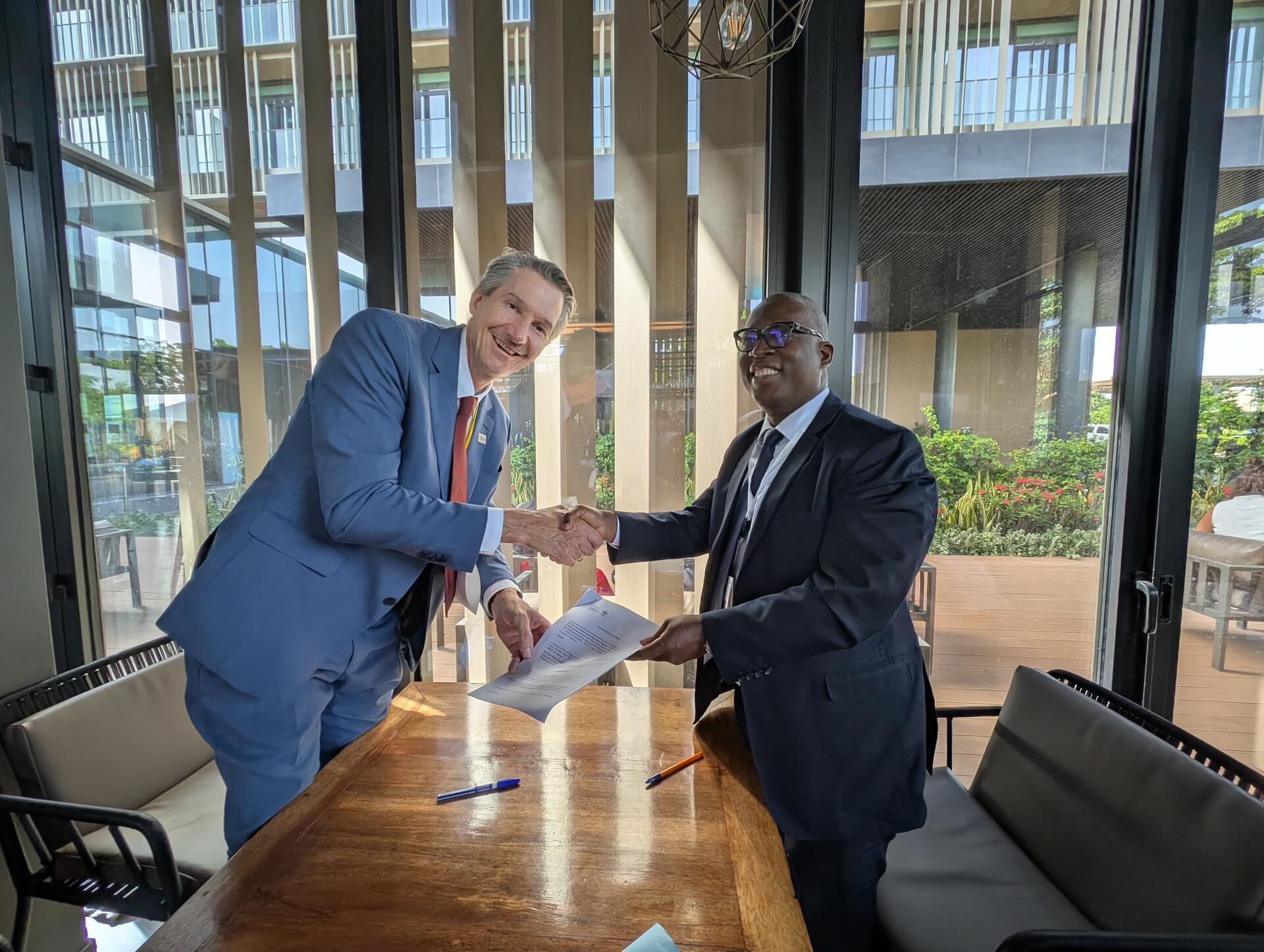
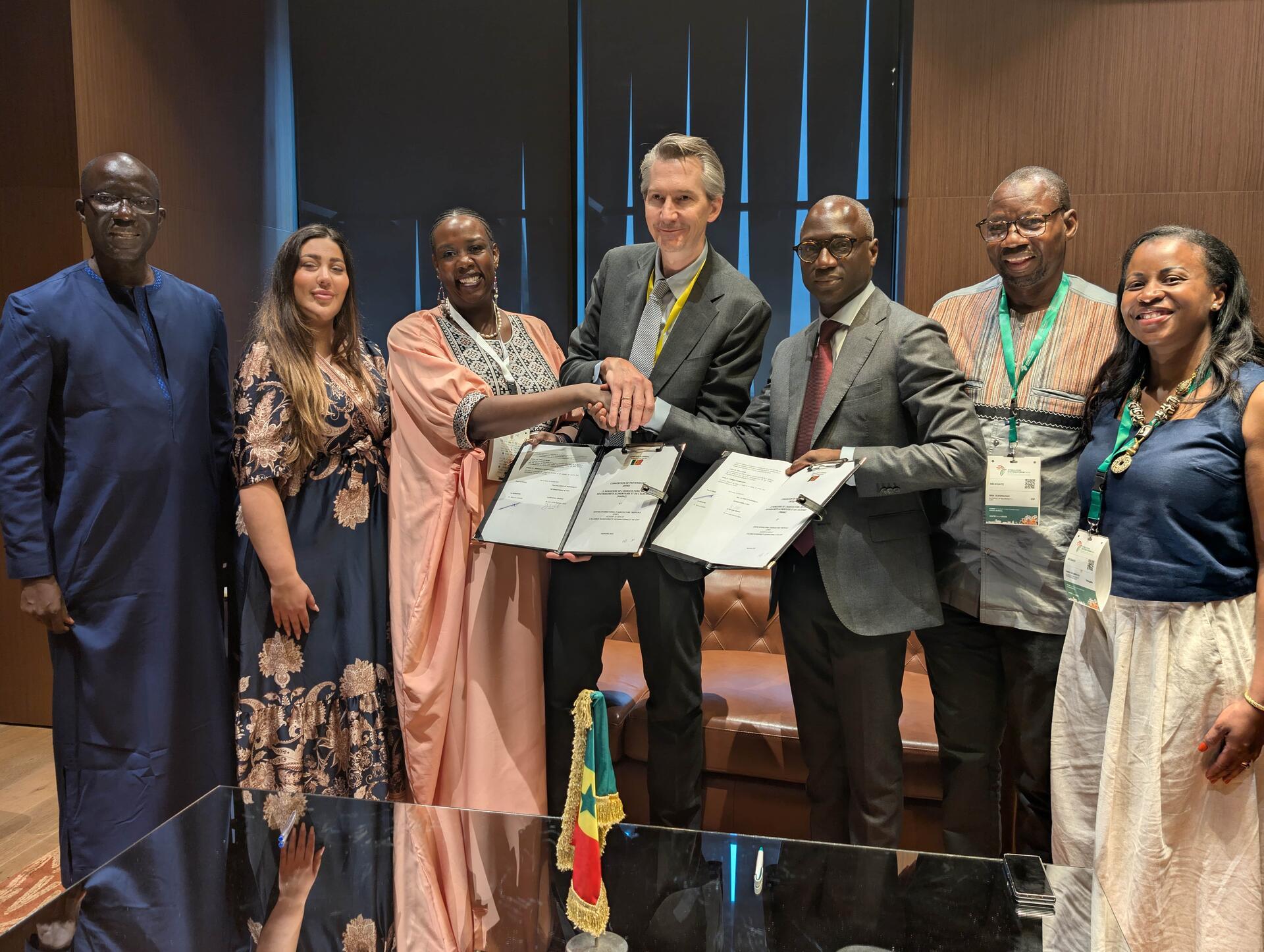
In Senegal, the signing of the MoU between the Ministry of Agriculture and the Alliance marks a turning point in an already long-standing relationship. The two institutions have collaborated on several fronts, including the development of the Climate-Smart Agriculture Investment Plan (CSAIP) and support for the implementation of the country’s Nationally Determined Contributions (NDCs).
This new MoU further strengthens strategic cooperation to make Senegal a model of sustainable and climate-smart agriculture. It foresees joint actions in applied research, the development of new agricultural technologies, and the training of rural stakeholders.
For Senegal’s Minister of Agriculture, Dr. Mabouba Diagne, this agreement is an opportunity to better structure synergies:
“The protocol signed with the Alliance marks a decisive step. We have already worked together on the CSAIP and our climate commitments, but today we want to go further. This partnership must be a space for permanent dialogue, where we regularly review progress to ensure that every action has a direct impact on the lives of our farmers.”
The importance of this partnership lies in its capacity to translate public policies into concrete solutions for farms. By aligning science with national policies, it will allow Senegal to better respond to climate challenges and strengthen food security while supporting farmers in their transition toward sustainable practices.
Perspectives: A shared vision for the future
Beyond the signatures, these partnerships chart an ambitious roadmap for the Alliance of Bioversity International and CIAT. They reinforce its role as a bridge between scientific research and public policy, while consolidating its anchoring in regional and national dynamics.
These collaborations open the way to several perspectives: setting up regional science-policy dialogue platforms, scaling up climate-smart technologies, protecting forests and critical ecosystems, supporting the development of inclusive agricultural policies, and assisting states in meeting their climate commitments.
By capitalizing on its strengths—scientific expertise, international network, and closeness to local stakeholders—the Alliance intends to turn these partnerships into levers of profound transformation. The future thus takes shape around a shared vision: an Africa where science, policies, and communities work hand in hand to build fairer, more sustainable, and more resilient food systems.
Would you like to partner or stay in touch with the Alliance in Africa? Subscribe to our monthly newsletter.
Keep exploring