Blog Agriculture and climate: Senegal takes a new turn with the political validation of the climate-smart agriculture investment plan
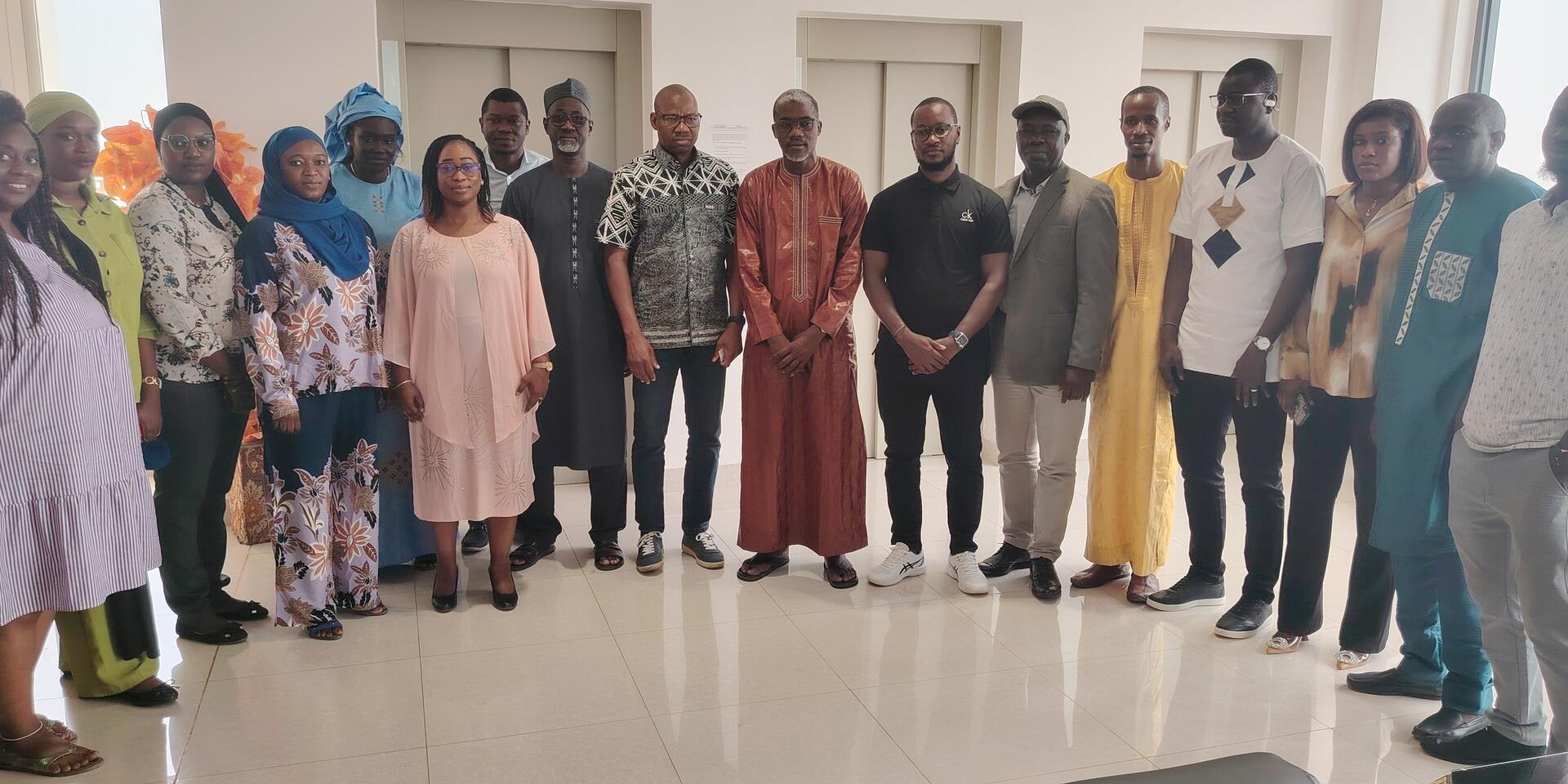

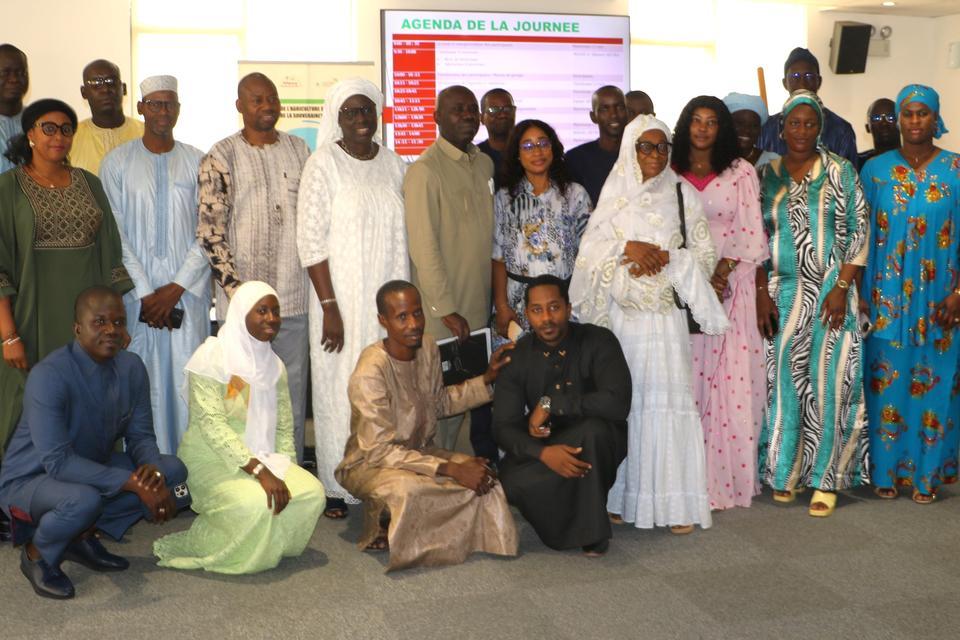
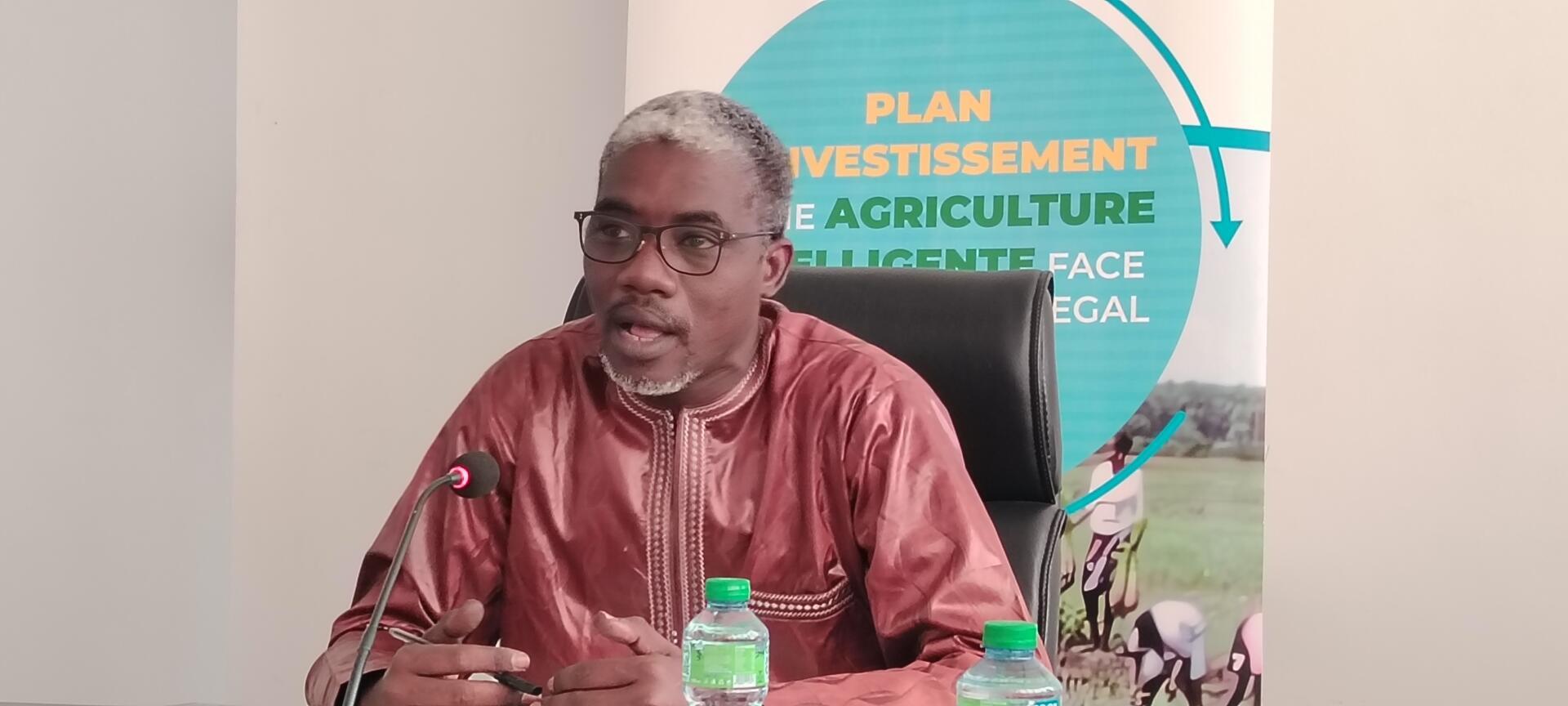
In Senegal, the future of agriculture no longer depends solely on the whims of the climate: it is now embodied in a 180-page document—the Climate-Smart Agriculture Investment Plan (CSAIP). Developed by the Ministry of Agriculture, Food Sovereignty, and Livestock (MASAE) in collaboration with the Alliance of Bioversity International and CIAT under the AICCRA project, the plan was politically validated in Diamniadio. Amid climate urgency, ambitions for food sovereignty and the search for green financing, stakeholders gathered on March 27, 2025, hailed this step as “historic.”
Climate and Food Security: Grasping the Urgency
For farmers in Podor or Thiès, the climate crisis is a tangible reality: "unprecedented" floods in the East in November 2024, recurring droughts in the Peanut Basin, and coastal erosion threatening horticultural lands in the Niayes—all shocks that impact 20% of national GDP and nearly half of the Senegalese population who rely on agriculture. UNEP country profiles forecast a 30% drop in cereal yields if no action is taken, while studies published in Weather & Climate Services warn of increasing rainfall and temperature variability. The recent flooding of 16,000 hectares of market gardening land in Podor has illustrated the scale of the threat.
In this context, the CSAIP is far from just another plan: it offers a structured investment framework to adapt, transform, and 'green' a predominantly rain-fed and thus highly vulnerable sector. By aligning climate goals with food sovereignty policies, Senegal is following the path of its National Agricultural Adaptation Plan launched in April 2025. The objective: shift from crisis management to strategic anticipation, turning every investment into a lever for resilience.
An Intensive Participatory Process
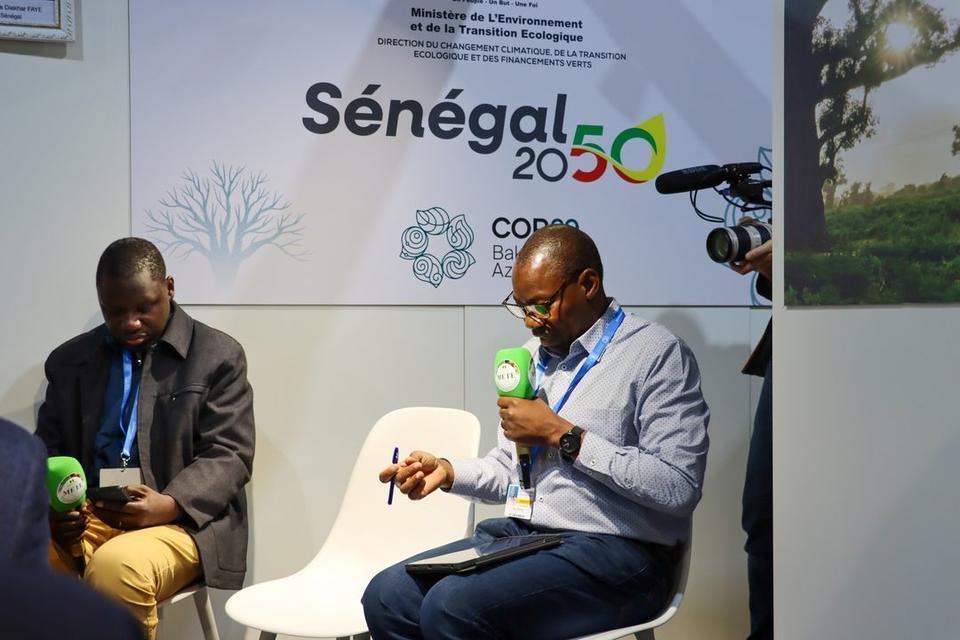
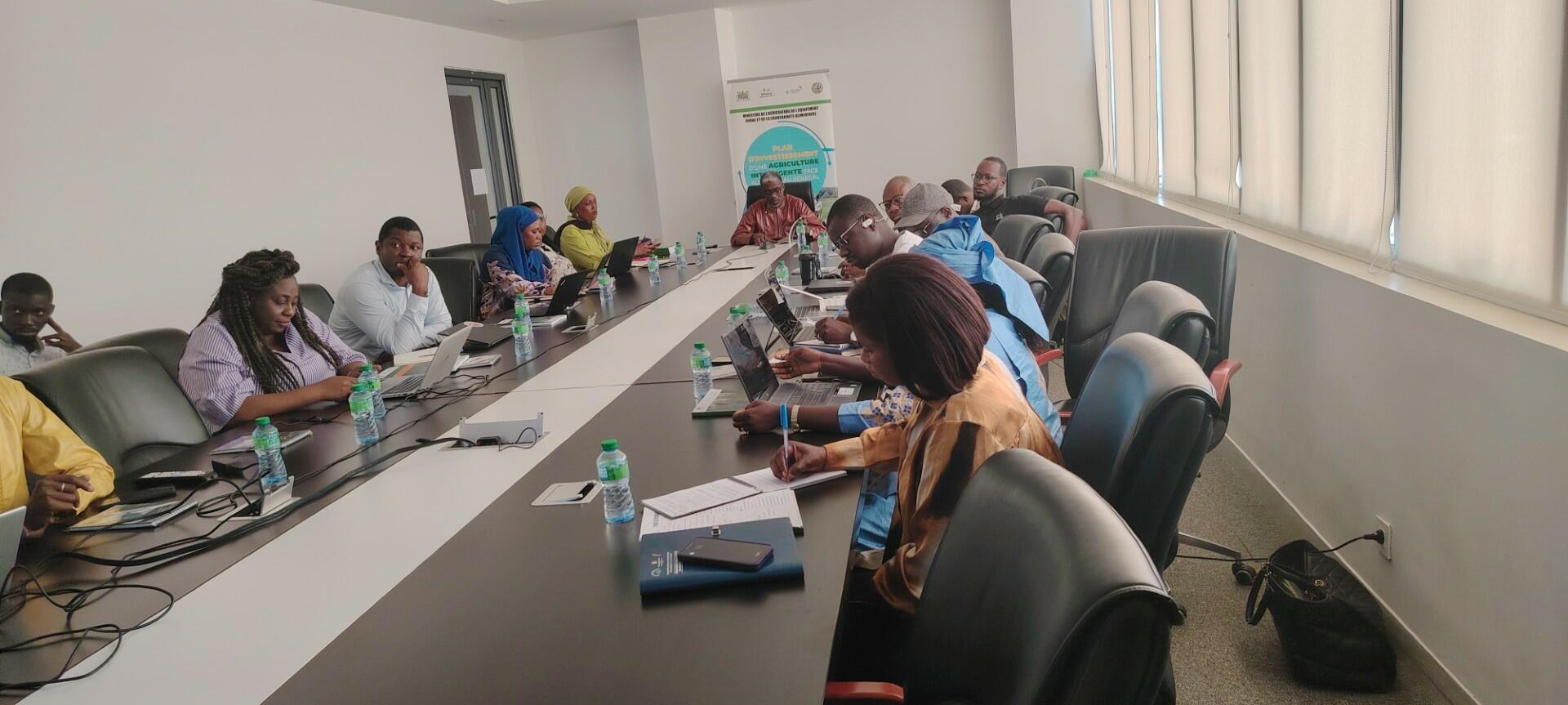
On March 27, the Ousmane Tanor Dieng Ministerial Sphere brought together a representative sample of Senegal’s agricultural sector: MASAE technical directorates, ministries of Finance, Environment and Fisheries, research institutes (ISRA, INP), farmers’ organizations, and development partners. After three years of work, a technical validation in October 2024, and a pre-launch at COP29 in Baku, the process was marked by regional workshops, cost-benefit analyses and community consultations led by the CCASA platform.
“MASAE fully owns this document,” stated Minister and Secretary General Alpha Ba, praising the “clarity and budgetary detail.” He pledged to “mobilize the resources needed for coordinated implementation across the country.”
Science also played a central role: climate scenarios from ISRA, economic data from DAPSA, and impact models developed by the Alliance through the AICCRA project. “This is a major milestone,” said Dr. Issa Ouedraogo, Alliance Country Representative, commending the “steadfast commitment” of national teams. Stakeholders enriched the plan by proposing actions on agricultural insurance, digital climate advisory services, and enhancement of pastoral value chains.
A key lesson emerged: without intersectoral coordination, aligning irrigation, livestock, fisheries and forestry around a shared goal is impossible. The CSAIP’s governance includes an inter-ministerial committee and a technical secretariat housed at MASAE, with a public dashboard updated every six months.
From Plan to Action: Investment Priorities
The plan is built around three pillars and seven priority programs, with an estimated budget of $820 million USD over 10 years. First, sustainable management of natural resources: restoring 400,000 hectares of degraded land, solar irrigation for 45,000 hectares, and dissemination of drought- and salinity-tolerant crop varieties. Second, agro-silvo-pastoral intensification: genetic improvement of local breeds, promotion of climate-resilient forage crops, and low-carbon storage equipment. Finally, governance and climate services: training 1,000 PICSA advisors, sending village-level weather bulletins via SMS, and strengthening coastal observatories for fisheries.
“The AICCRA project supported the development of the CSAIP by fostering coordination among actors and integrating climate-smart technologies,” recalled Dr. Nadine Warou, AICCRA Country Coordinator. The goal is clear: each invested dollar should boost productivity (targeting +25% for irrigated rice), reduce emissions (by -15% by 2035), and stabilize farm incomes.
The plan also aligns with the National Food Sovereignty Strategy 2050 and the $230 million USD FSRP emergency food program launched in 2025. By focusing on rice, onion, millet, and cattle value chains, Dakar hopes to cut import bills and create 150,000 rural jobs, 40% for women and 30% for youth.
Climate Financing and Inclusive Governance: What’s Next
With its political validation secured, the CSAIP enters a strategic phase: finalizing the document, presenting it to multilateral donors (GCF, GEF, Adaptation Fund), and mobilizing the private sector via green tax incentives. The financial needs are substantial: 54% of the budget is expected from concessional sources, 24% from private sector contributions, and 22% from the Senegalese Treasury. MASAE is banking on recent success stories such as “Hello Tractor” and agro-industrial hubs to reassure investors.
Monitoring and evaluation are central: a dashboard will track impacts (yields, emissions, farmer empowerment), complemented by independent audits. Regional committees will include representatives of women, youth, and traditional authorities to ensure no one is left behind, especially in vulnerable areas.
Meanwhile, Senegal is stepping up its climate diplomacy. In October 2025, the country aims to present the CSAIP as a model at the African Summit on Climate-Smart Agriculture. “The next step is to mature the priority activities and bring them to implementation,” noted Dr. Issa Ouedraogo. If funding follows, the bet is twofold: shield rural households from climate shocks and prove that low-emission agriculture can drive growth and food sovereignty.