
From the Field My Farm Trees in Cameroon: When science, tradition, and forest become one
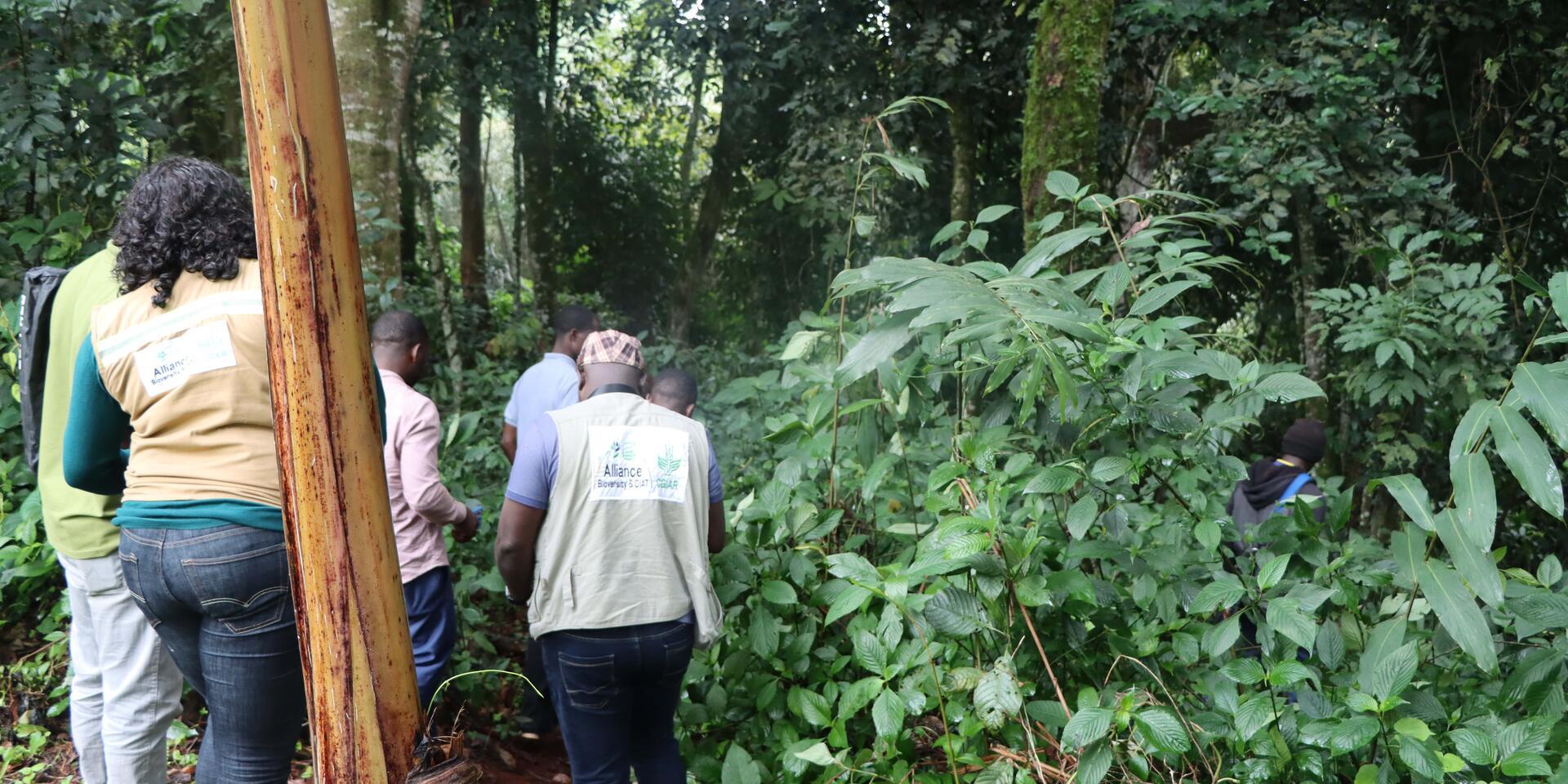

In western Cameroon, the spirits of the ancestors are not the only guardians of sacred forests. Thanks to the My Farm Trees platform, led by the Alliance of Bioversity International and CIAT with the support of the Darwin Initiative, these places of memory and biodiversity—once threatened by time and neglect—are being revived.
Grow Trees. Grow Futures.
Restore landscapes with farmers.
The world is pledging to restore forest landscapes - but empowered farmers and local communities should be centric to that. MyFarmTrees gives smallholder farmers the science, the tools, and the resources to plant the right native trees, and the blockchain technology to prove every single one grew.
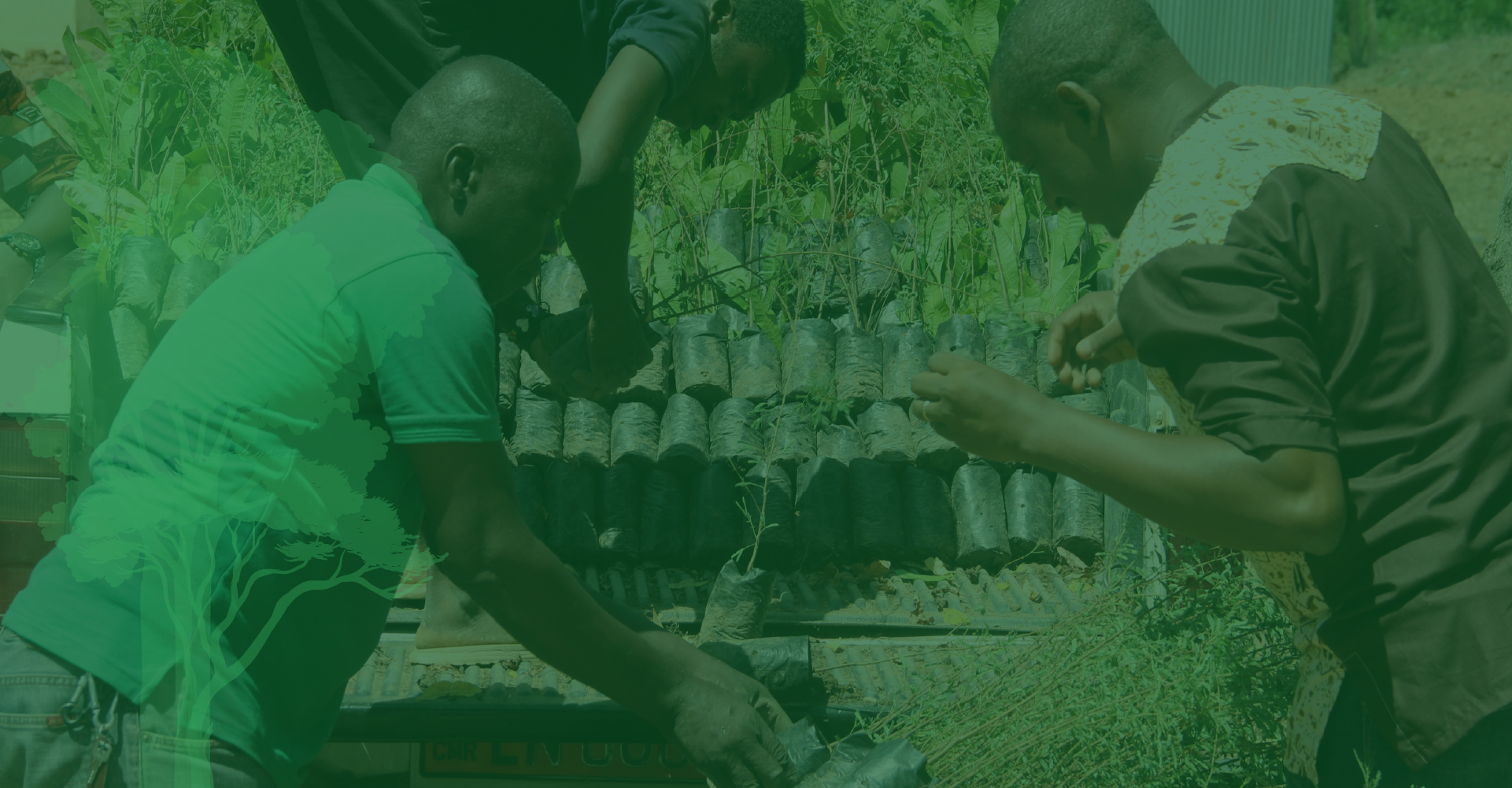
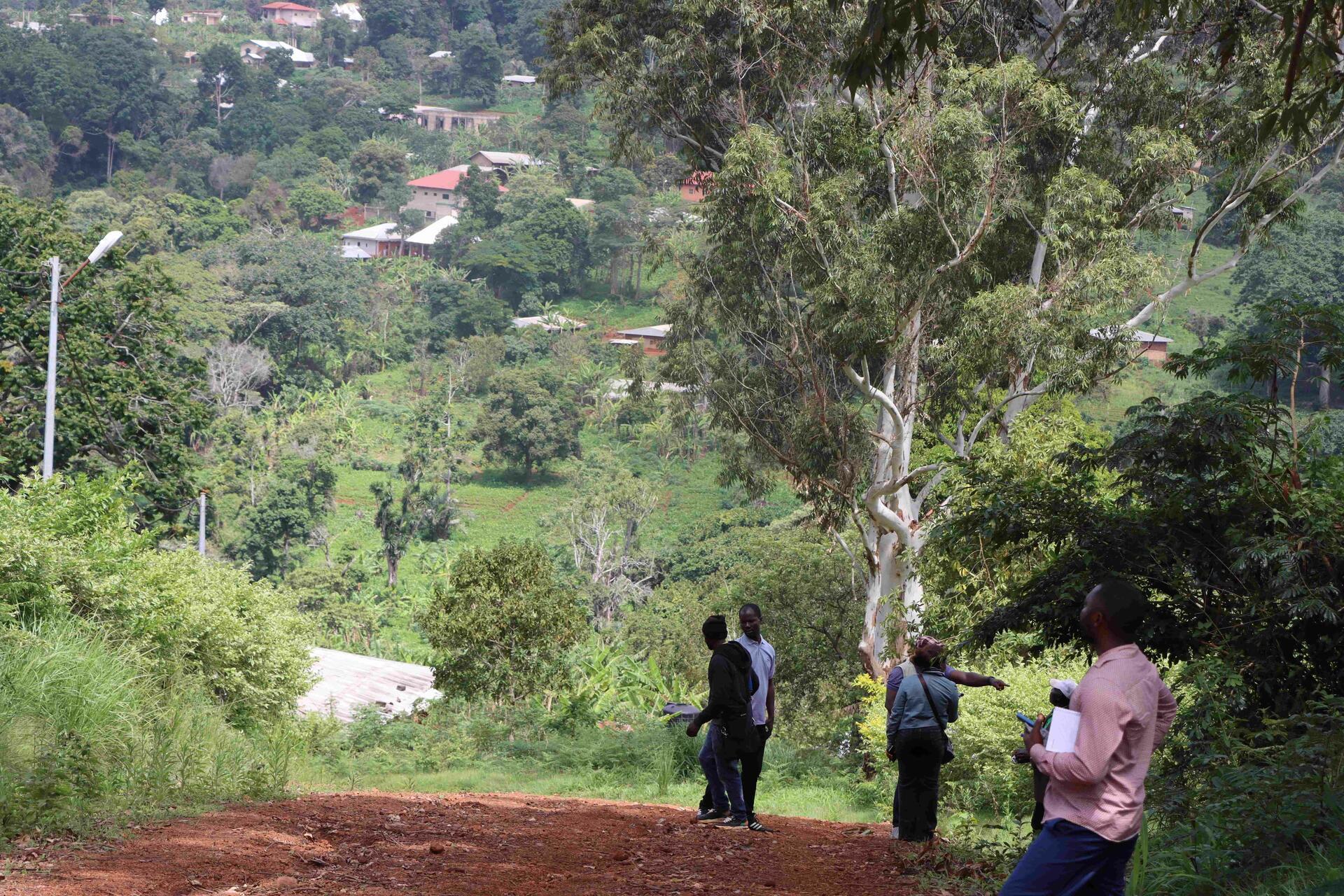
More than 315 sacred forests have been inventoried, protected, and restored, with the collaboration of traditional chieftaincies, locally trained nursery workers, and the communities themselves. In Toumghem, a small village in the Bayangam municipality, this collective mobilization has become a true model of action.
Sacred forests: Sites of worship, memory, and endangered biodiversity
Sacred forests in Cameroon have long been at the heart of traditional cultural systems. In the country’s western region, they play a central role in religious practices, the transmission of medicinal knowledge, and social regulation. Yet today their balance is under threat. With few formal forest reserves in the region, these areas are often the last bastions for certain indigenous plant species.
According to Dr. Marius Ekué, a researcher at the Alliance, “some native species that live in these areas, important for the communities, are disappearing.” This decline is exacerbated by several factors documented in scientific literature: climate change, illegal logging, demographic pressure, and limited ecological knowledge among the guardians of these sites.
With the support of the Darwin Initiative, Dr. Ekué and his collaborators launched systematic work in nine Cameroonian departments. In 315 sacred forests, teams carried out a full inventory of plant biodiversity through botanical surveys and structured dialogues with traditional authorities. Tools such as the MyGeoFarm app, part of the My Farm Trees platform, enabled mapping of degraded zones and planning of reforestation with species still naturally present. This work identified 115 native species, some listed as vulnerable on the IUCN Red List, and crucial for both rituals and traditional medicine.
The connection between biodiversity and spirituality is reflected in the words of Joseph KOM, guardian of Toumghem’s sacred forest: “In sacred forests, we walk in the footsteps of our ancestors by respecting customs and taboos.”
Restoring these sites is therefore not only an ecological necessity but also a cultural and identity-based imperative. By addressing both, the project provides a model of intervention deeply rooted in local realities.
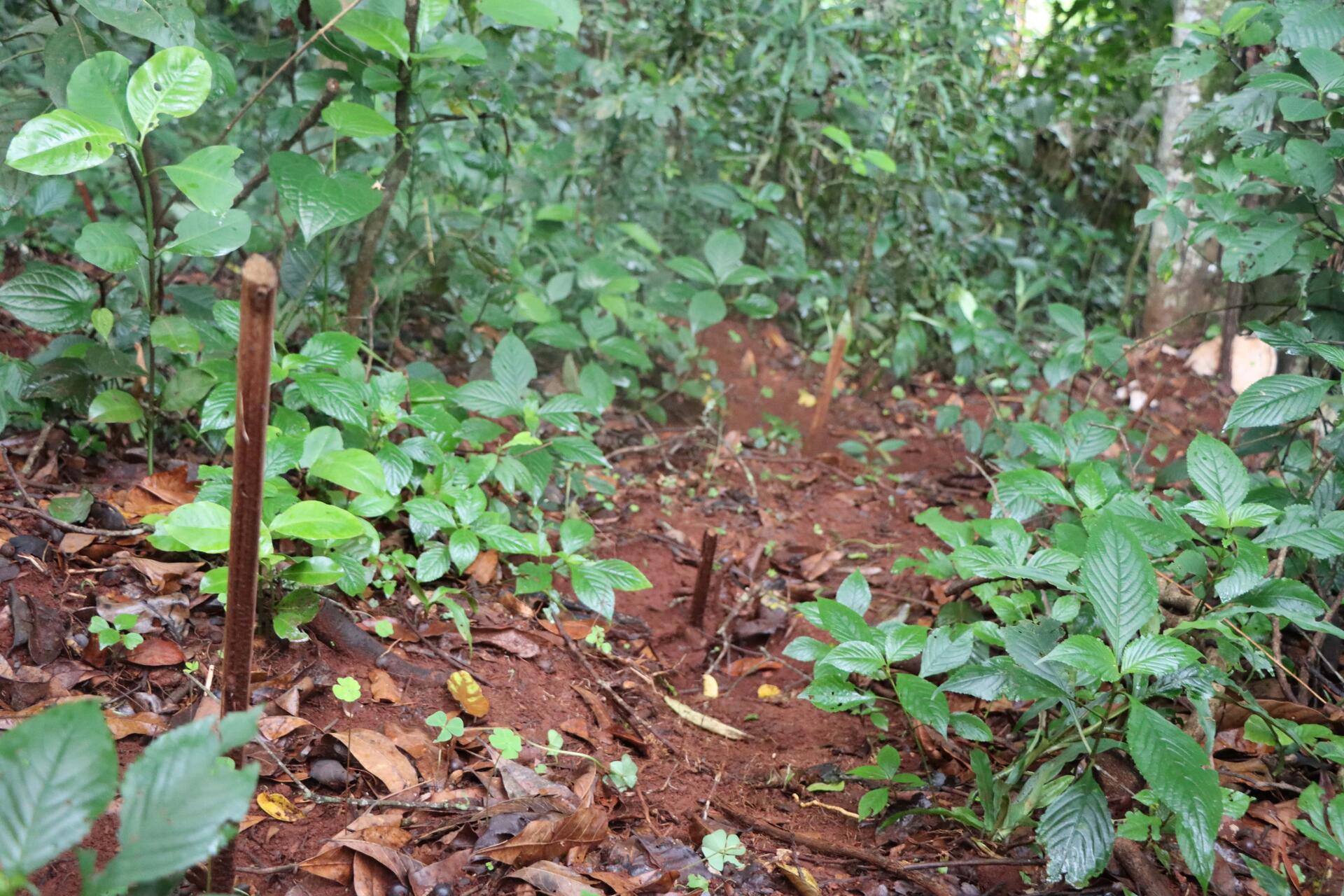
Bayangam and Toumghem: Restoration guided by traditional leadership
In the municipality of Bayangam, the village of Toumghem stands out as a powerful example of successful community mobilization for the restoration of a sacred forest. At the initiative of His Majesty Tagne Waffo Kouoptchop II, Chief of the 3rd degree, an inclusive process was launched to identify tree species for replanting, mobilize residents, and coordinate actions with the Alliance’s technical partners. This process culminated in a community-wide planting event, carried out in just one day: “For the reforestation of the sacred forest, the entire community was mobilized and the planting was done in one day,” reports the traditional chief.
This restoration was guided by clear principles: respect for local customs, prioritization of native species identified on-site or known to have previously grown in the sacred forest, and technical support provided by nursery workers trained under the project. Across Cameroon, 323 of these nursery operators have been trained to use mobile apps to document seedling production, ensuring full traceability. In Toumghem, this coordination enabled the planting of medicinal and spiritual species identified by the community as priorities.
Mapping degraded areas and cataloging tree biodiversity (as described above) was followed by consultations with forest guardians and customary chiefs to design a reforestation plan combining cultural, ecological, and agricultural needs. “Sacred forests are very important in our tradition. It is there that the ancestors are invoked for blessings, and it is also in these forests that ingredients for traditional medicine are gathered,” explains His Majesty.
This intervention model, centered on empowering local authority, demonstrates how chieftaincies can become key actors in forest restoration when involved from the beginning. It also highlights that a project’s success depends on its ability to merge science and tradition, technology and rites, ecological goals and social meaning.
Plants to heal body and spirit: Ecological and medicinal stakes of reforestation
Reforesting sacred forests addresses more than just environmental needs. It is deeply tied to the medical and spiritual practices of western Cameroonian communities. Each planted species was selected not only for its ecological value but also for its use in traditional medicine and religious rituals. As His Majesty Tagne Waffo Kouoptchop II notes: “All the species present in sacred forests are important, especially for health.”
This medicinal dimension was widely confirmed by the botanical inventory carried out by Dr. Ekué’s team. Of the 115 recorded species, many are used to treat common illnesses, provide spiritual protection, or bless newborns. Yet several of these species are now difficult to find in the wild. Some no longer regenerate, while others are missing even from the best-equipped nurseries.
In this context, the project took on a strategic role: by collecting seeds from rare and endangered trees, training local producers, and distributing seedlings to villages, the initiative helps preserve an invaluable medicinal and cultural heritage. More than 20,000 seedlings have been produced in project-supported nurseries, responding to specific community requests. However, as Dr. Ekué admits, “we were not able to meet all needs because some species were very rare, which shows that much remains to be done.”
This reality calls for greater conservation and documentation efforts around medicinal species. Safeguarding these plants is all the more urgent as they remain, for thousands of people, the only available healthcare alternative. The link between public health and reforestation is therefore undeniable, with sacred forests serving as living banks of life in need of urgent protection.
My Farm Trees: Blending science, custom, and digital tools to restore living heritage
My Farm Trees goes beyond reforestation. It represents an innovative model of ecological governance, built on active community participation, the recognition of traditional knowledge, and the integration of digital tools for environmental management. Coordinated by the Alliance with support from the Darwin Initiative and the Global Environment Facility (GEF), the program combines biodiversity conservation and rural development in the context of climate crisis.
Technology plays a key role in implementation. The MyGeoFarm application allowed precise geolocation of reforestation zones, assessment of species density, and identification of degraded areas. These data helped co-develop action plans with customary chiefs and sacred forest guardians, ensuring long-term commitment and ownership. Joseph KOM summarizes the approach: “In sacred forests, we walk in the footsteps of our ancestors by respecting customs and taboos.”
At the national level, the project also structured a network of nursery operators capable of producing seedlings from local species, registering their production, and responding to the growing demand for community reforestation. These producers, often young people, actively contribute to Cameroon’s ecological and economic resilience. Their involvement also strengthens local empowerment and creates value chains around reforestation.
By placing communities at the heart of forest restoration, My Farm Trees reconciles ecology and culture, future and heritage. It demonstrates that by combining life sciences, traditional commitment, and digital intelligence, ecosystems can be regenerated while restoring meaning and agency to rural populations. The experience of Toumghem is only one example—but it powerfully embodies this green renaissance rising from the roots.


