Blog From “Phenomenon” to Climate Change: The Story That Began in Piura
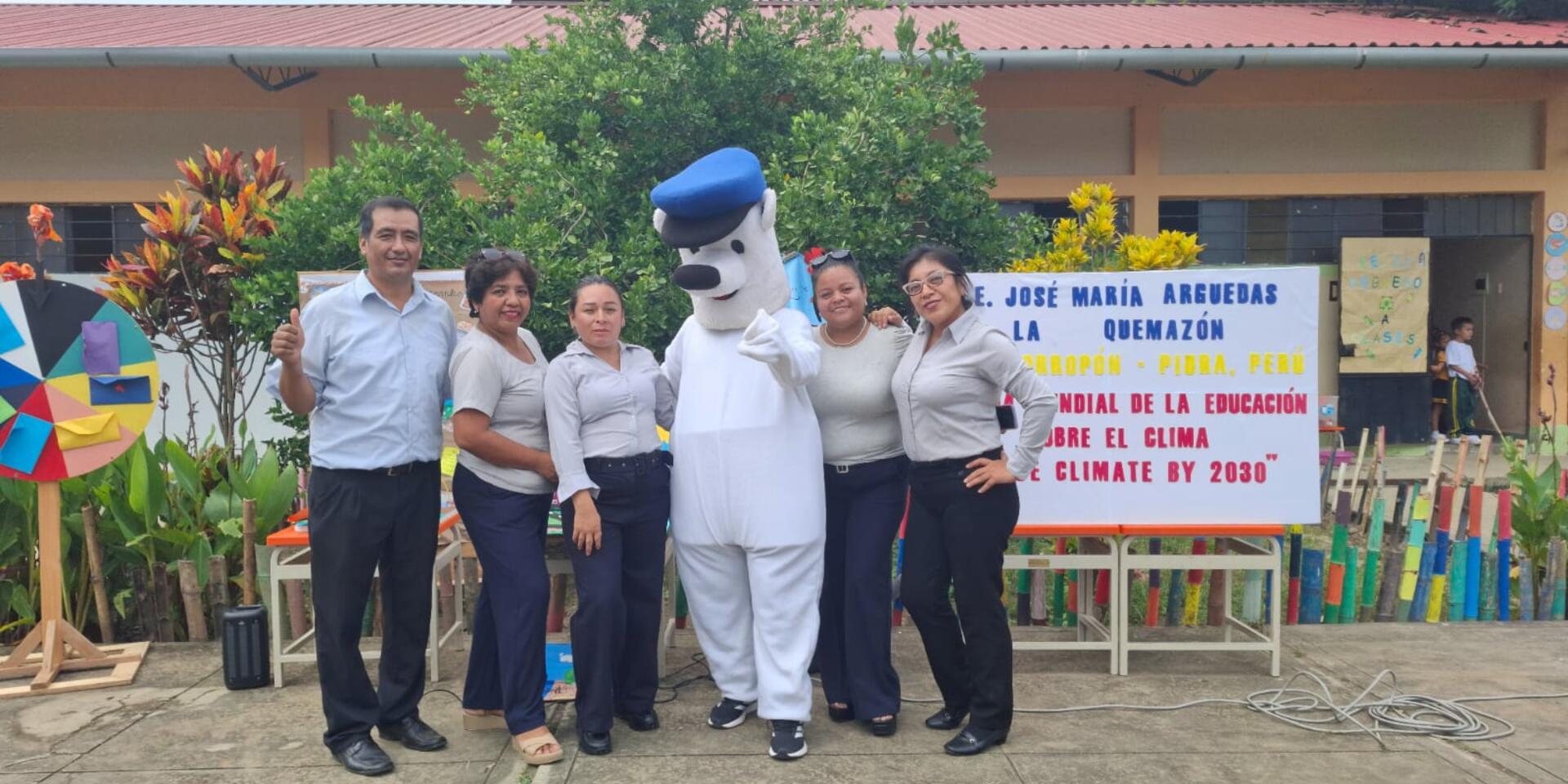

In Piura (Peru), Clima-LoCa brought climate education to cocoa-growing communities, combining science, local educational institutions, and characters such as Captain Polo and Chilalo so that children and producers can understand extreme changes and take action in response to the impact of climate on cocoa.
In La Quemazón, a rural locality in the district of San Juan de Bigote, province of Morropón, in Piura, Peru, climate change did not arrive as a concept; it spread as an experience: the rains became unpredictable, the droughts longer, and the heat more intense. Cacao, a vital crop for the territory's economic and cultural life, began to decline.
For years, it was all summed up in one word: "the phenomenon." "People talked about the 'phenomenon'," recalls Alan J. Hesse, conservationist, author-illustrator, and creator of the Captain Polo character, when he first visited the area. Landslides, extreme rainfall, prolonged droughts, and temperature changes coexisted in the daily narrative without a clear explanation linking them.
This is where Clima-LoCa decided to intervene, not from the alarm or from cold data, but from a more complex and profound question: how to build real climate understanding in territories that already live the impact, but do not always have the tools to name it?
Since 2023, the Clima-LoCa project has been working in Latin America to address the effects of climate change in sensitive agricultural systems such as cocoa by combining science, territory, and strategic communication. In Piura, the diagnosis was clear: the information existed, but it was not reaching those who needed it most in a meaningful way.
The bet was ambitious and unusual in climate projects: to put education and narrative at the center of the strategy. Not as a complement, but as the central axis.
So Clima-LoCa designed an intervention that was not limited to producers but involved three generations simultaneously: children, adolescents, teachers, and community leaders. The goal was not only to inform but to spark conversations that would stick and generate new actions.
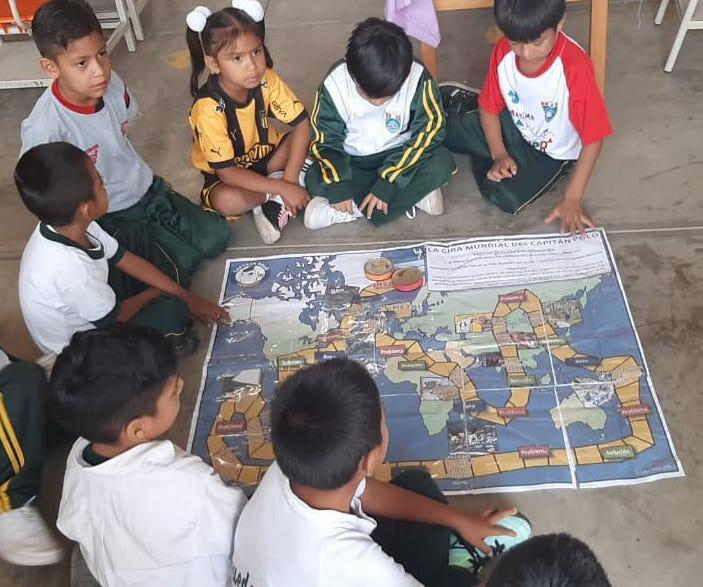
To achieve this, the project sought a creative partner capable of translating complex science into understandable stories. Thus came the collaboration between Alan J. Hesse and, with him, Captain Polo, a polar bear who has been traveling the world in search of an explanation for the melting of his home and changes in other environmental settings around the world.

A global character, a local strategy
Captain Polo was born in 2015, when Alan Hesse, then working with rural communities in Colombia, Peru, and Ecuador, realized that even specialists had gaping holes in their knowledge of climate change.
"It can't be that I don't know what greenhouse gases are," he recalls. At the time, the topic was barely in the media, even in the year of the Paris Agreement. "No one paid any attention to it."
The answer was to create a character: a polar bear who loses his home to the melting ice and is forced to travel the world. Not as a hero, but as a witness. An emotional story to open the door to science.
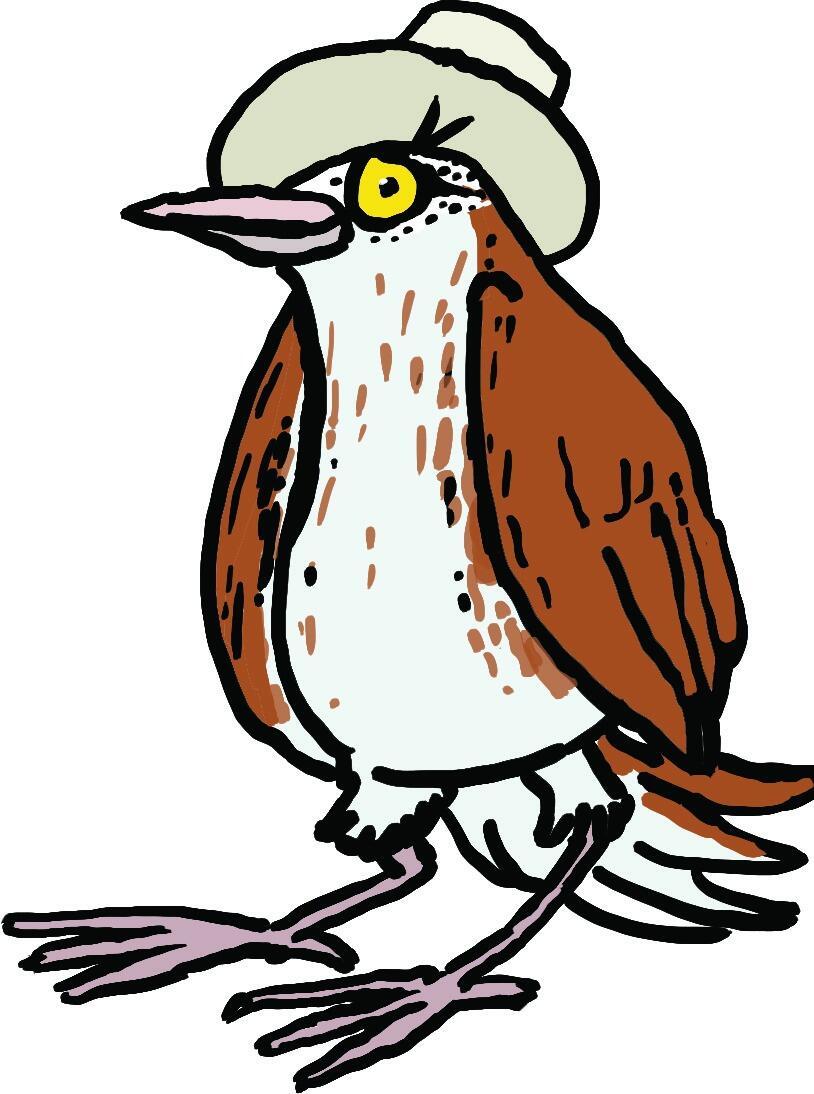
But in Piura, Clima-LoCa went a step further. He understood that a global character needed to be anchored to the territory if he wanted to generate real appropriation. Thus was born El Chilalo.
Chilalo: the climate has a Piura accent
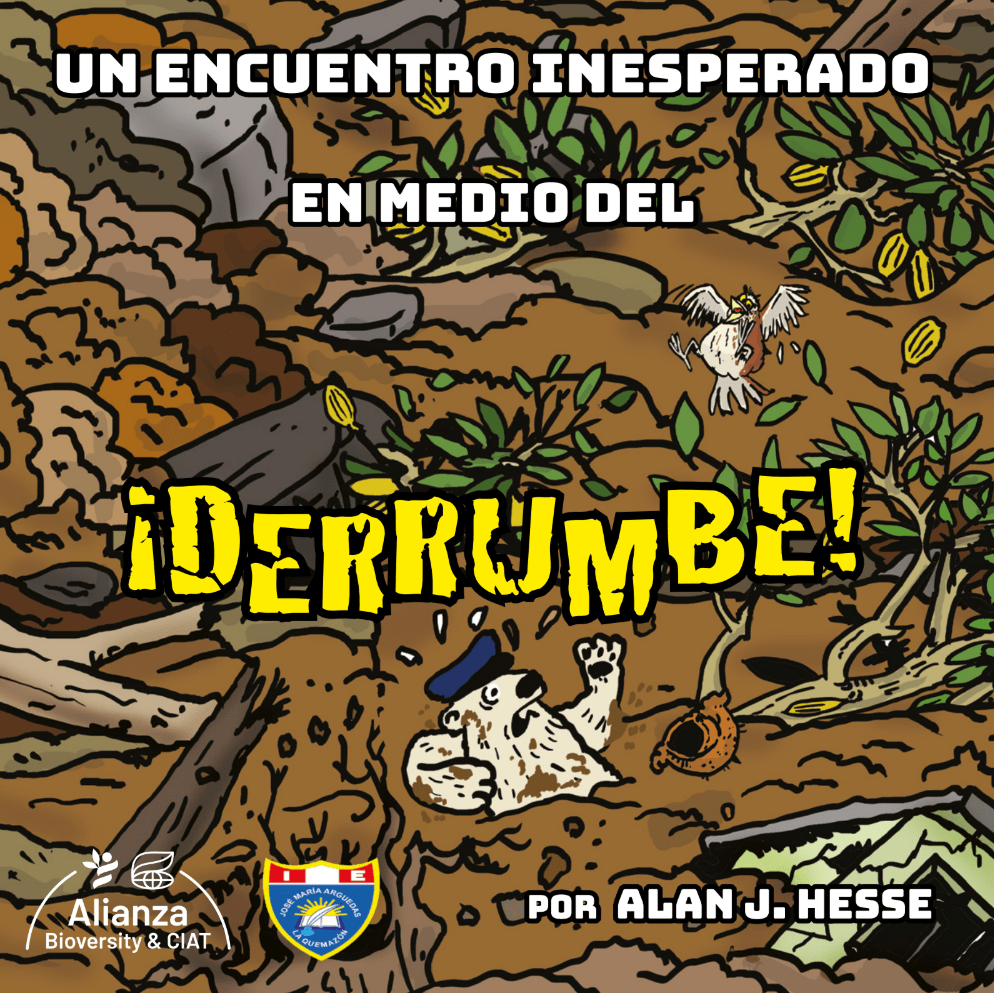
The Chilalo is not a decorative companion in this story. It is a symbol: Bird characteristic of the region, known and recognized by producers and students, became the cultural translator of the story. If Captain Polo came from the Arctic, the Chilalo spoke from La Quemazón, in the story "In the midst of collapse," written by Alan J. Hesse.
The decision was strategic: climate change was to be felt as owned, not imported.
Videos 4, 5, and 6 of the series, developed specifically for Piura, incorporated characters, landscapes, issues, and local language. Landslides, heavy rains, thermal variation, plagues. All narrated from a close logic.
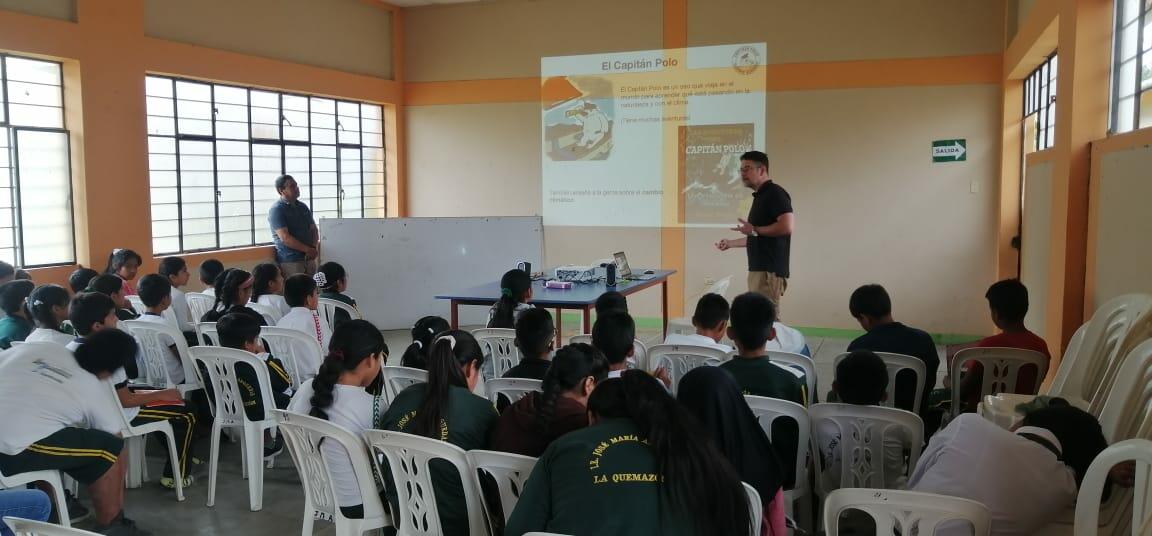
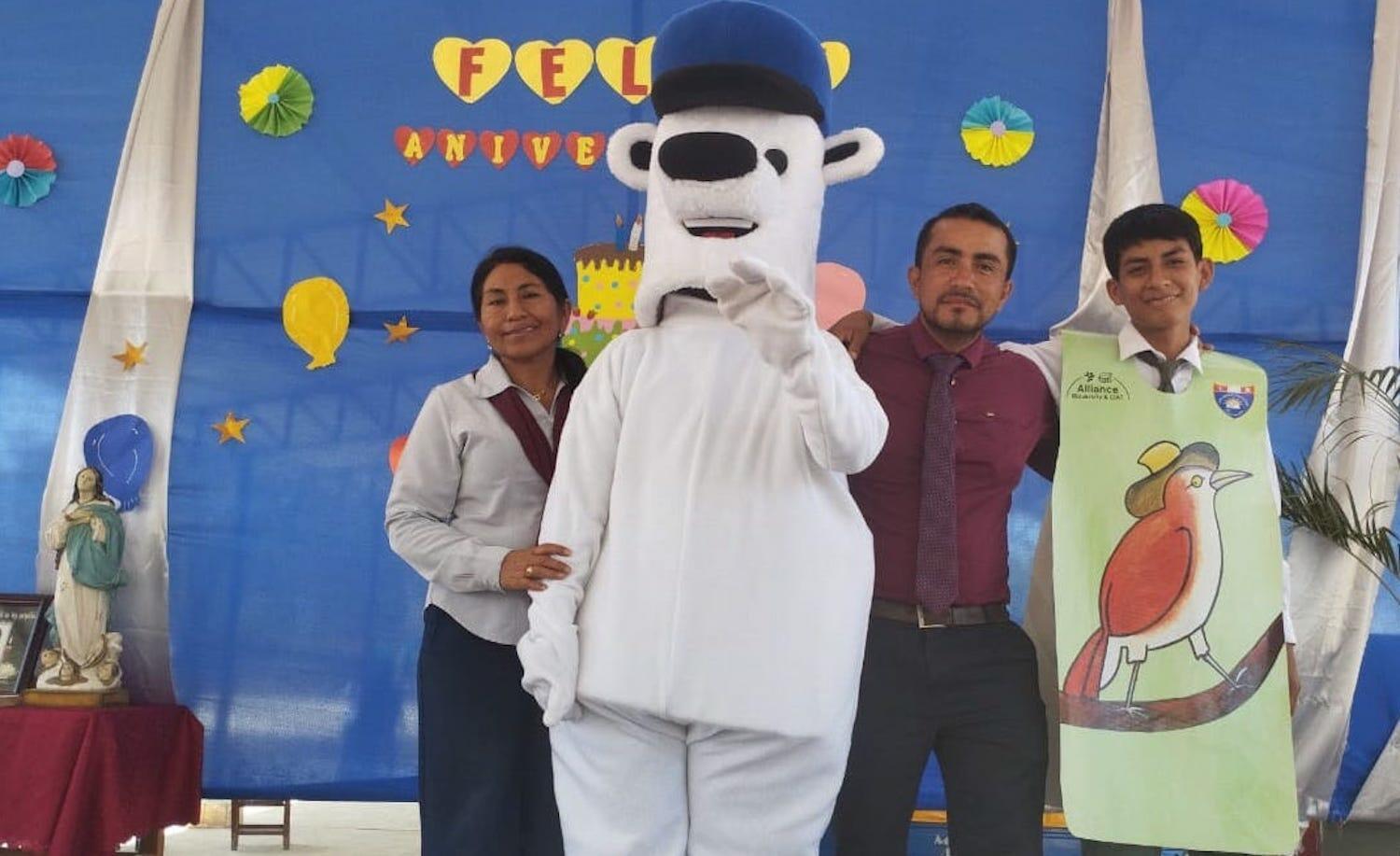
Alan acknowledges, with a mixture of surprise and pride, that teachers and students not only accepted the characters but also made them their own. "They adopted the character and made them their own," he says. There was theater, costumes, community caravans, and presentations at other schools. "It's proof that this initiative worked."
That ownership transcended the classroom. The school participated in World Climate Education Week in Peru, an initiative created by Bard College in New York and a consortium of universities that seeks to link schools worldwide to climate change awareness. The event was organized by Captain Polo Academy in collaboration with the educational institution La Quemazón and brought the local community into a global conversation.
The school as the epicenter of change
The Clima-LoCa intervention found a key ally in the José María Arguedas Educational Institution. Prior to the project, there was environmental sensitivity, but no clear structure for addressing climate change in a systematic way.
"We were working on green areas, but we didn't have an organized and planned project on climate change," explains principal Hilda Marilú Yovera Espinoza.
The project changed that. Six audiobook-style videos were designed, intended not only for the classroom but to circulate via WhatsApp and reach families. The format was key: accessible, replicable, appropriable.
More than 300 students participated directly and through cooperative networks such as Norandino, and the contents were circulated among more than 20,000 producers.
But the strongest impact was not measured in numbers.
When learning changes direction
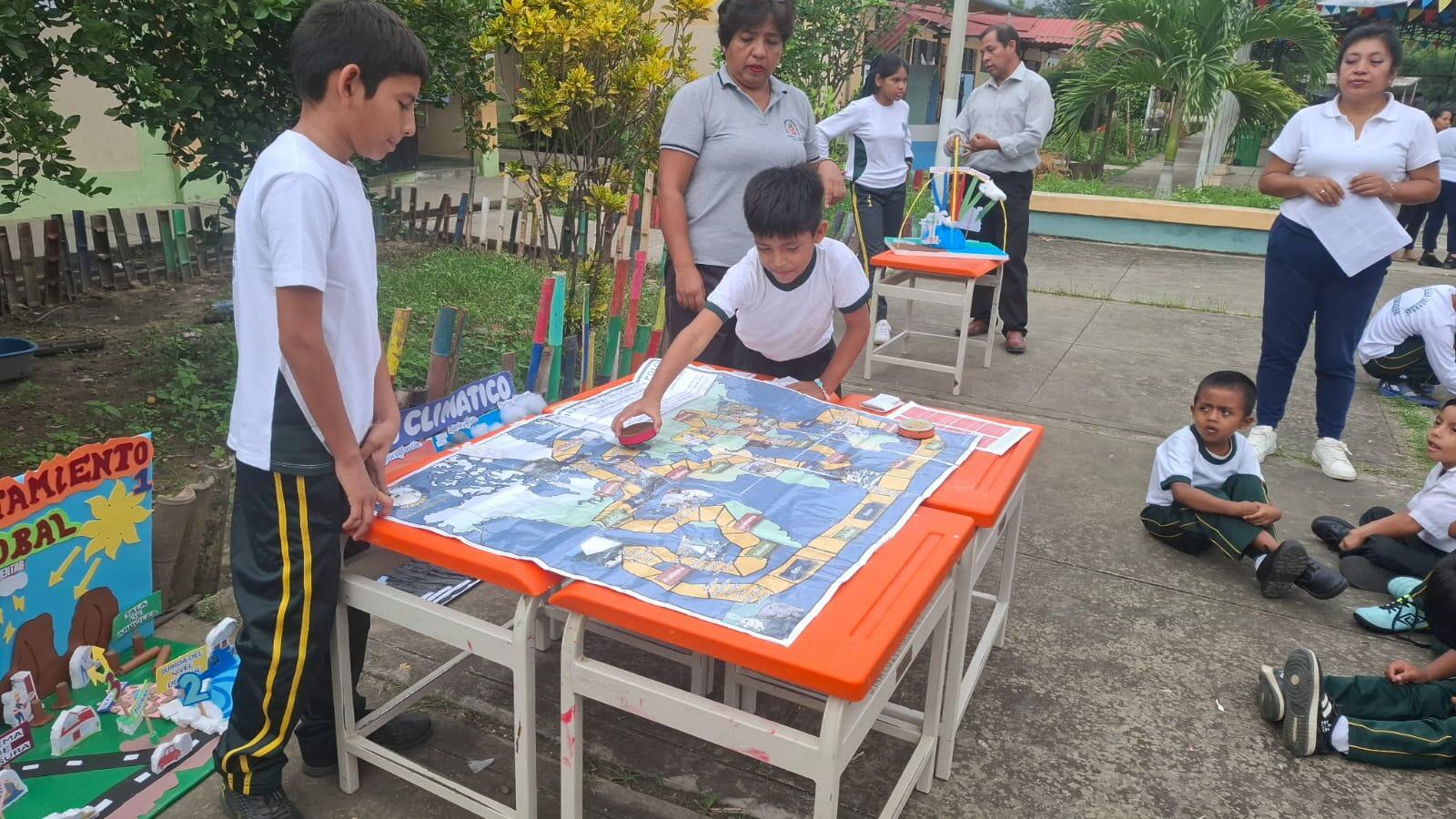
"We've seen the attitude of the students change," the teachers agree. The children began to talk about the climate properly, to question practices, and to take the conversation home. One student sums it up, "They used to use a lot of insecticides. Now they don't use as much anymore."
Another explains, with a clarity that blends science and peasant knowledge: "You can't always plant in the same field. You have to let the vitamins in the soil return to their normal state."
That moment, when the children explain and the parents listen, is the heart of the project. Education ceases to be vertical and becomes communitarian.
The director turned it into a slogan that today defines her institution: "An Arguedas follower can't step over a bottle. Nor over a piece of paper."
It's not just cleanliness. It's environmental ethics.
More than a character, a replicable model
For Clima-LoCa, the Piura experience confirmed something fundamental: adaptation to climate change is also a cultural process. It is not enough to transfer technology or data. It is necessary to build meaning.
Alan sums it up with a phrase that works as a conclusion and a roadmap: "When you want to achieve real change, you have to work with others. Doing it alone is just not possible."
Today, Clima-LoCa is preparing workshops to scale this methodology in Peru, Colombia, and Ecuador. The idea is not to replicate characters, but to replicate the logic: science + narrative + territory + awareness.
At La Quemazón, climate change is no longer just "the phenomenon". It's an informed conversation. It's a shared endeavor. It is a story that began with a polar bear, took root with a bird from Piura, and today is being rewritten and shared by children, teachers, and cocoa families in Peru.
And as Captain Polo would say, now accompanied by Chilalo: the journey continues.
Disclaimer: .
This article was created with the financial support of the European Union. Its content does not necessarily reflect the opinion of the European Union.