Blog Is it important to look at the gender dimensions of post-harvest food loss and waste?

In low- and middle-income countries, inadequate and ineffective post-harvest management results in significant losses, thus reducing food availability, increasing prices and contributing to climate change. Although women operate at all stages of the food system, they play a leading role in post-harvest activities. These activities are often unpaid or carried out within the home, allowing them to also perform their household work. As in every other domain, women's contributions are frequently overlooked in efforts to mitigate post-harvest losses, leading to interventions that are ineffective and gender-blind. This oversight makes women more susceptible to post-harvest losses. There is also a very limited understanding of the gender dimensions of post harvest losses and waste, generally.
271 million people could have been fed with the food losses generated in 2021
According to FAO, approximately 13.2% of global food production is lost or wasted before reaching consumers.
To fill this knowledge and evidence gap on the gender aspects of post-harvest losses (PHL), the Alliance of Bioversity and CIAT - with funding from the CGIAR Gender Impact Platform - conducted a systematic literature review exploring the relationship between gender and post-harvest losses. The objective of the review was to look at PHL with a gender lens and also take stock of the innovations developed to address the challenge this challenges. The findings were presented in a webinar titled 'Gender Dimensions of Post-Harvest Losses: Insights from a Systematic Review' on April 24th, 2024. The event featured gender researchers including Ranjitha Puskur and Mónica Chavarro from CGIAR, alongside Karen Rojas and Daisy Bermeo from ASMUCOCA, a women-led organization focusing on the circular economy related to the use of post-harvest waste and in post-conflict areas of Colombia.
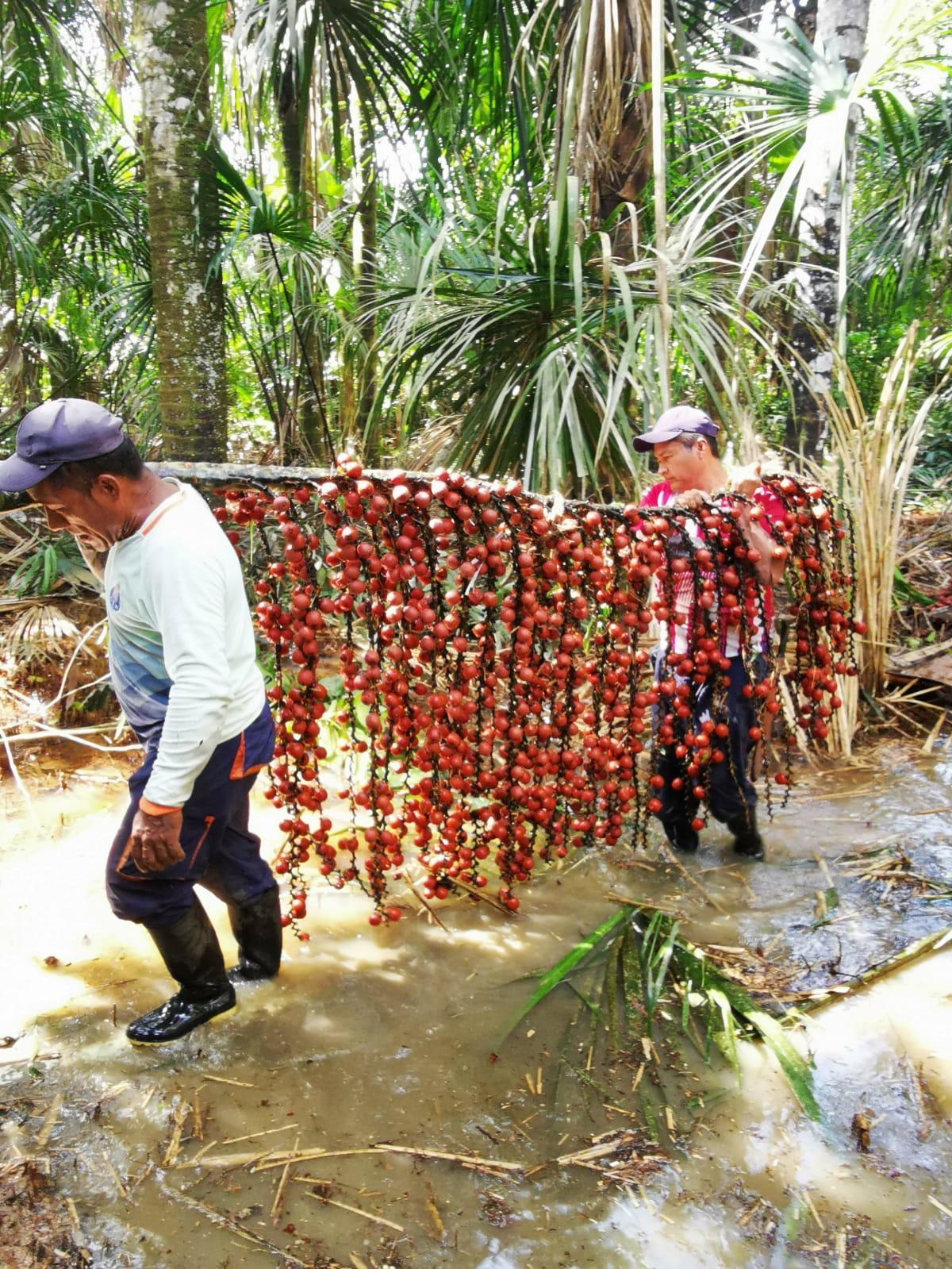
Credits: ASMUCOCA
Mónica introduced the relationship between gender and post-harvest losses in agri-food systems and highlighted the critical engagement of women in post-harvest activities. However, women face significant structural and social barriers that limit their opportunities including limited involvement in governance and decision making in, restricted access to economic resources and unequal burden of unpaid domestic and productive work.
Only 48 scientific articles published during 1983- 2023 analyzed the relationship between gender and post-harvest losses. Out of the many barriers that women face, inadequate knowledge and access to technologies that can optimize production processes and reduce PHL remain a primary challenge. While technologies aimed at enhancing production are important, technological solutions are equally critical. Training programs to introduce these technologies often disproportionately benefit men, enabling them to take control of these key activities. As technology increases profitability, men tend to assume dominance, marginalizing women’s roles and decision-making authority, even in post-harvest processes. This shift can lead to a loss of autonomy for women, reduced participation in governance and management, and decreased control over resources and benefits. Introduction of technologies, including those aimed at reducing PHL, can exacerbate existing gender inequalities if not implemented with deliberate gender-intentional considerations and measures to ensure women's equal participation and empowerment. Dr. Ranjitha Puskur - leader of the Evidence Module of the CGIAR GENDER Platform - added: “Although it is frequently stated that technological innovations are gender-neutral, that is not true. They result in different outcomes for different people” as demonstrated by most of the cases highlighted in literature review. It is thus vital that technological development, including in post-harvest processes, is accompanied by social innovations and institutional changes that address gender-related barriers and enhance women's ability to adopt and benefit from these technologies.
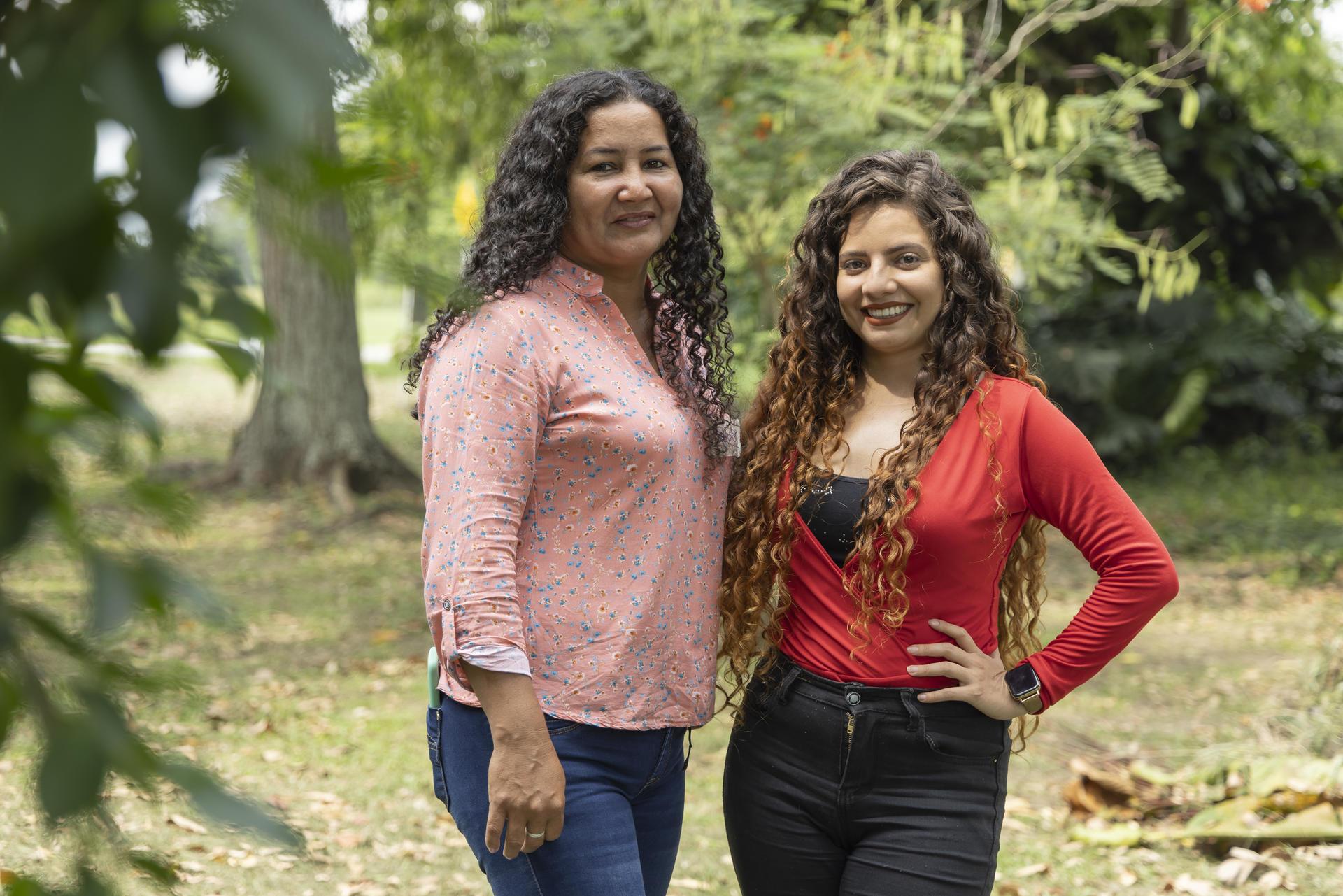
Credits: ASMUCOCA
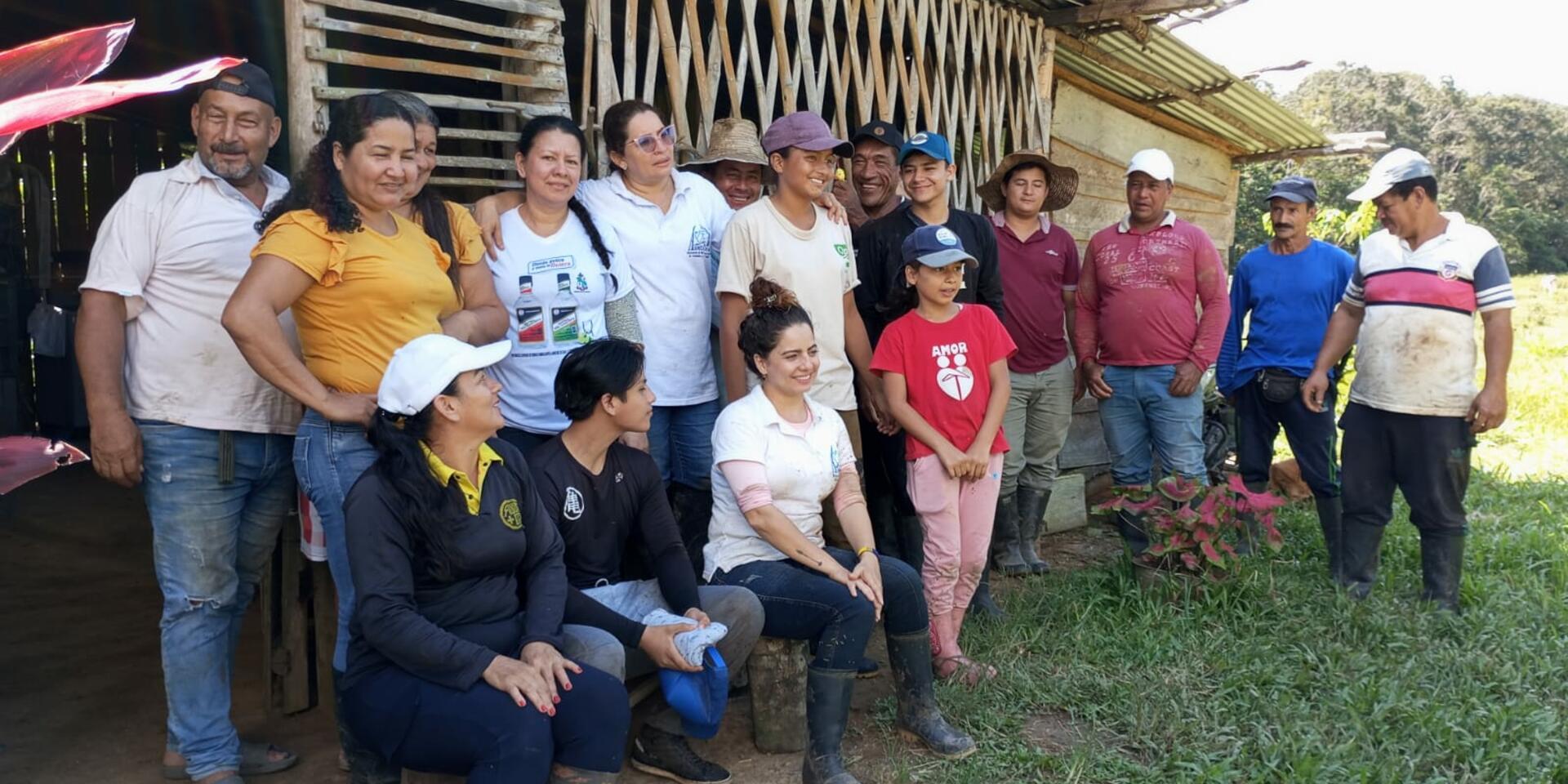
There are some successful cases where gender and PHL are dealt with in consonance. For instance, Asociación de Mujeres Rurales de Colombia y Caquetá (ASMUCOCA) works with 55 women engaging them in sustainable agriculture and entrepreneurship, focusing on poultry, pigs, fish and innovative canangucha fruit utilization. This initiative not only provides women with access to technology and skills training, but also creates independent work opportunities. By leveraging technology and circular economy principles, this initiative enhances women's economic empowerment and promotes sustainable development, fostering a positive impact on their lives and communities.
The key takeaways from the webinar were:
- Gender and post-harvest losses is an underexplored field of study and needs focused research and development to fill the knowledge and evidence gaps,
- Expanding research base on gender and PHL will help in informing technology development and dissemination, policies and program design, and
- Successful cases like that of ASMUCOCA highlight the existing solutions in circular economy can be scaled up or replicated with due adaptations to suit different contexts.