
Blog From soil data to soil solutions: Harnessing AI to accelerate regenerative agriculture in Kenya
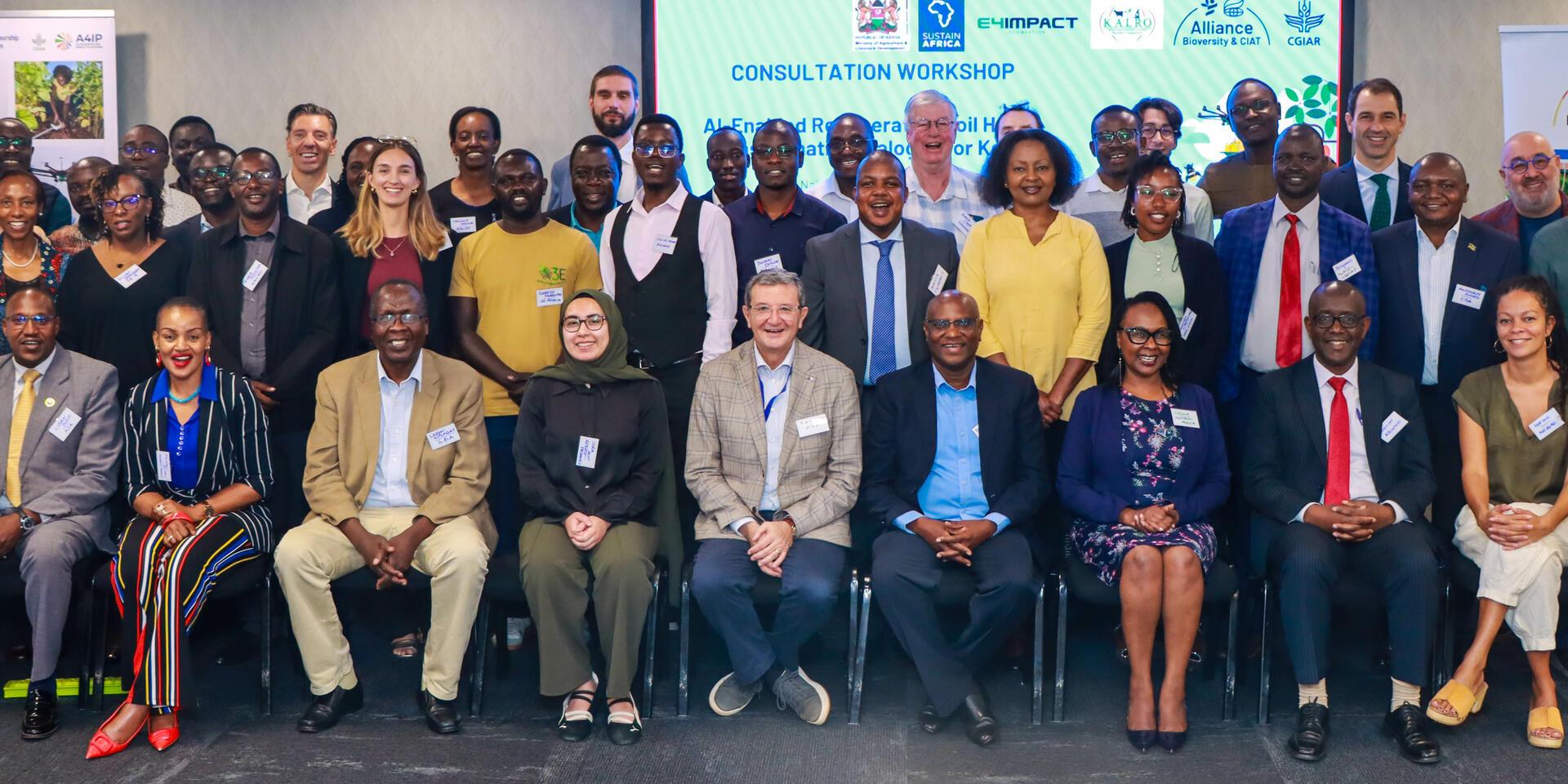

In Nairobi, more than 60 stakeholders are exploring how artificial intelligence can connect soil science, regenerative agriculture and digital innovation to develop practical, scalable solutions for healthier soils and more resilient farming in Kenya.
Healthy soils are the foundation of Kenya’s agricultural future
Soil health is fundamental to agricultural productivity, food and nutrition security, climate resilience and sustainable livelihoods. Yet soil degradation, declining soil fertility, inefficient nutrient management and increasing climate variability continue to challenge the sustainability of farming systems.
For millions of smallholder farmers, these challenges translate into rising production costs, uncertain yields and growing vulnerability to climate and market shocks.
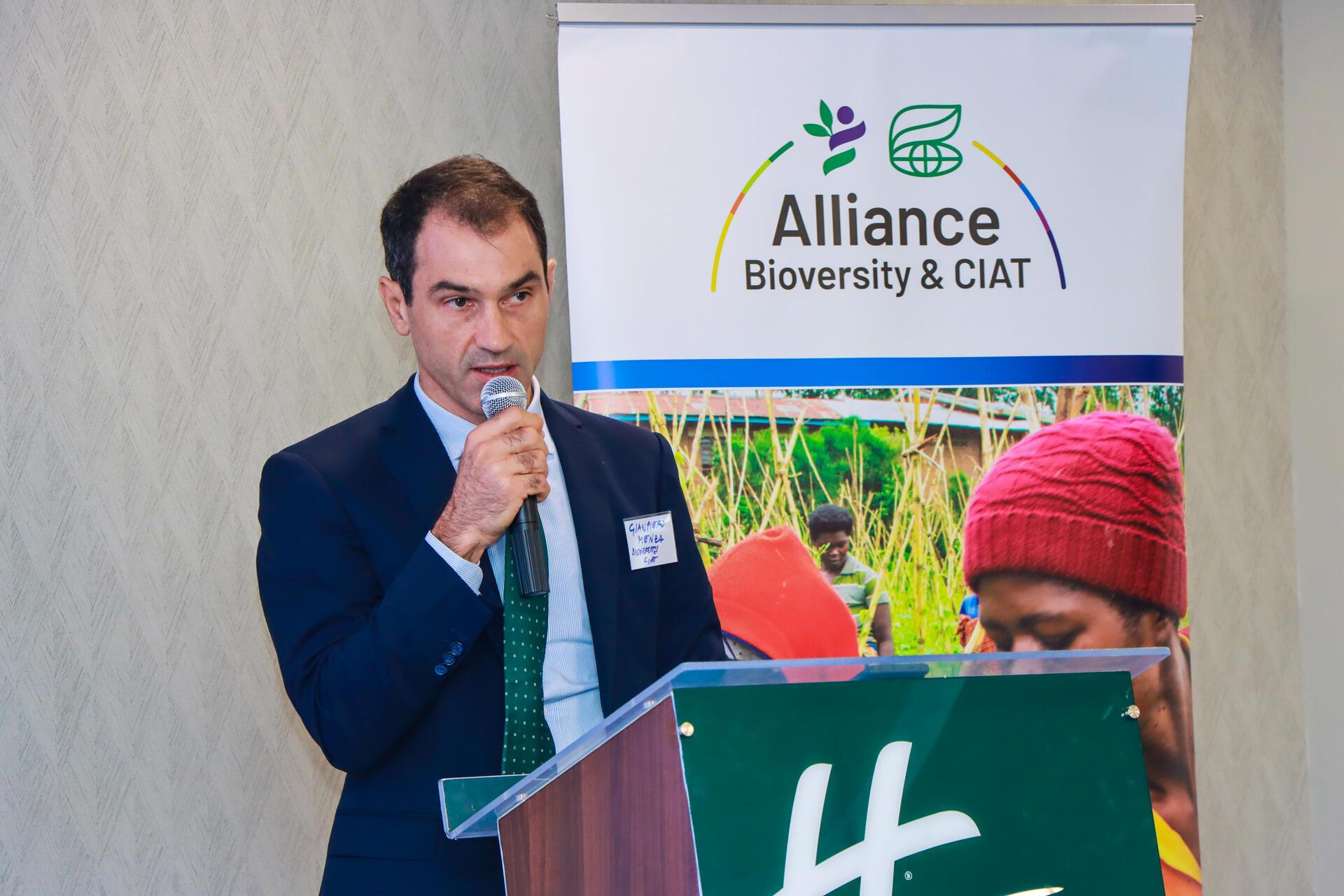
“We need to look at soil resources as an asset that can generate interest for the farmer; this will serve as an incentive to sustainable management,” Dario Cipolla, Environment and Agriculture Coordinator- Italian Agency for Development Cooperation (AICS)
We need to look at soil resources as an asset that can generate interest for the farmer; this will serve as an incentive to sustainable management.
According to Eng Lagat, MOALD, Kenya, has made important strides in strengthening its soil health agenda, including efforts to improve fertilizer use efficiency, expand soil testing and promote regenerative agricultural practices.
Recent national initiatives have also emphasized the importance of evidence-based fertilizer recommendations and coordinated approaches to soil health management. However, a critical challenge remains: how can Kenya translate the growing body of soil health knowledge, technologies and innovations into practical, affordable and scalable solutions that reach farmers and agricultural businesses?
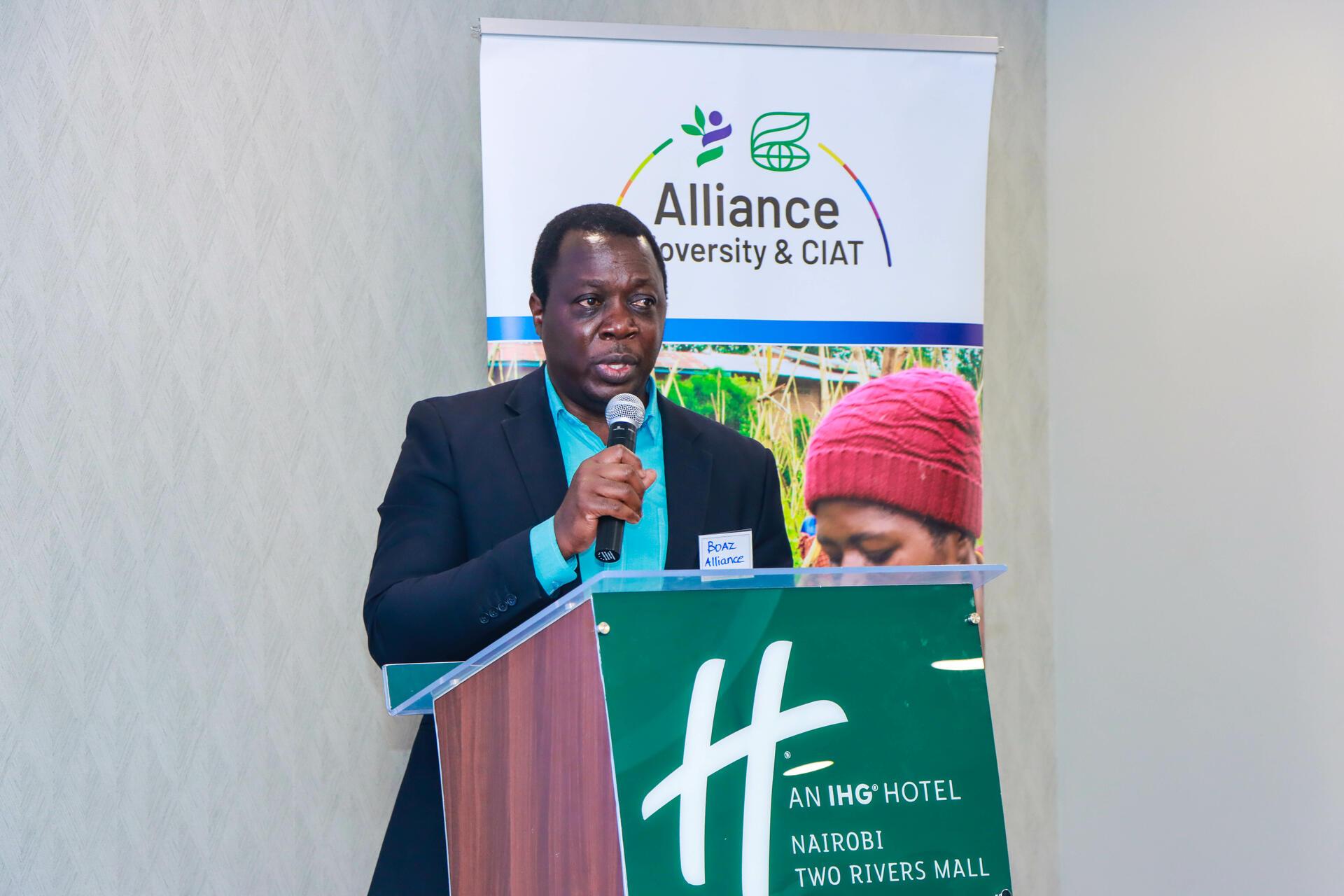
“Addressing this challenge requires more than new technologies. It calls for stronger connections between research, policy, extension services, private-sector innovation, finance and the everyday decisions farmers make about their land,” Wanjiru Kamau Rutenberg, MD, Alliance Africa
A coordinated approach could also help connect Kenya’s soil health ambitions with wider African priorities for restoring soil health, improving fertilizer-use efficiency and transforming agricultural systems.
Why AI-enabled soil health transformation?
Soil health is inherently complex. It reflects interactions among soil physical properties, chemical fertility, biological activity, land management, climate and the wider farming system. A fertilizer recommendation that works in one location may be inappropriate in another, while the benefits of regenerative practices may depend on soil type, rainfall, cropping system and the farmer’s available resources.
AI can help make sense of this complexity by integrating diverse datasets, identifying patterns and supporting more targeted decisions. Its potential applications extend across the soil health innovation pathway, from generating evidence to delivering solutions at scale. Key opportunities include Smarter, site-specific soil health recommendations, Monitoring soil health and regenerative transitions, strengthening circularity and enterprise development and Connecting evidence to farmers and value chains.
Turning dialogue into action
The dialogue was an important step towards developing a shared vision for AI-enabled regenerative soil health transformation in Kenya. It enabled mapping existing initiatives and capabilities; identifying evidence and implementation gaps; prioritizing AI-enabled solutions with potential for scale; establishing partnerships for field validation and demonstration; strengthening data-sharing and institutional coordination; and developing a roadmap for investment, capacity building and delivery.
The future of AI begins beneath our feet
Artificial intelligence is opening new possibilities for agricultural innovation. But the starting point for soil health transformation remains the soil itself—and the farmers, researchers, businesses and institutions responsible for managing it.
Kenya has an opportunity to connect its growing scientific knowledge, digital capabilities, regenerative agriculture experience and policy commitments in ways that deliver practical solutions at scale.
When AI is grounded in science, shaped by farmers and connected to the right institutions and investments, it can become more than a technological innovation. It can help accelerate the restoration of the natural foundation on which Kenya’s food systems and rural economies depend.The central objective is to move beyond isolated projects and promising pilots towards a more coordinated approach to developing, testing and scaling AI-enabled solutions for soil health transformation.
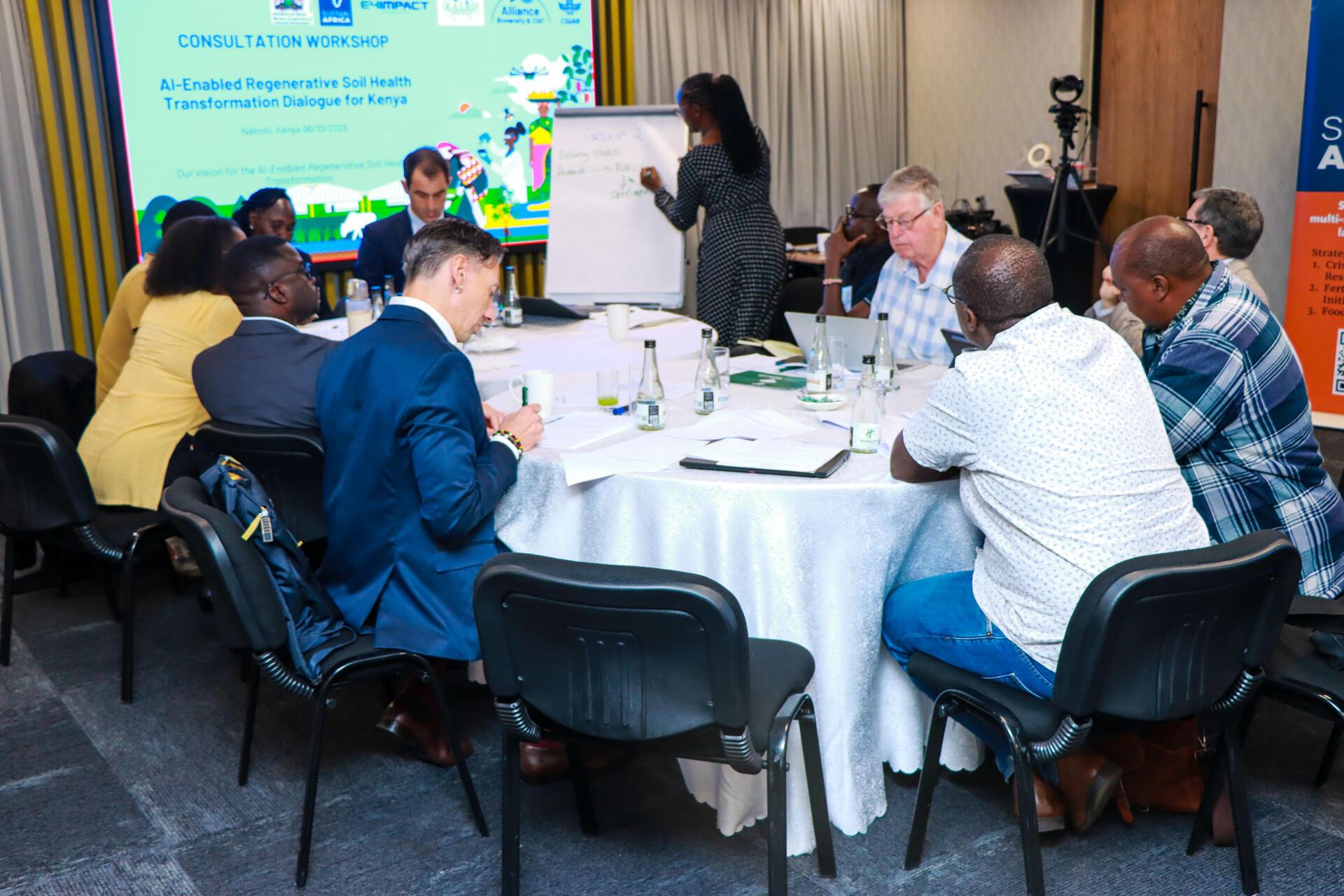
The dialogue is designed to address three connected questions:
-
What already exists? What evidence, digital tools, AI applications, soil health datasets, regenerative agriculture initiatives and institutional capabilities can Kenya build upon?
-
What is ready to scale? Which solutions have sufficient scientific evidence, practical value and implementation readiness to be tested or deployed more widely?
-
How do we deliver at scale, and with whom? What partnerships, investment models, institutional arrangements and policy support are needed to move solutions from research and demonstration into routine agricultural practice?
Answering these questions will help identify opportunities for collaboration, reduce duplication and establish clearer pathways from innovation to impact.
From fragmented initiatives to connected solutions
One of the major opportunities is to connect existing soil health initiatives with the institutions and delivery systems that can bring solutions to farmers.
Universities and research institutions contribute scientific evidence, technologies and validation. National and county governments provide policy direction, public extension and implementation structures. Cooperatives and farmer organizations offer trusted channels for learning and collective action. Agribusinesses and SMEs can develop products, services and viable business models, while financial institutions and development partners can help mobilize the investment needed for wider adoption.
The next step is to connect these capabilities through practical delivery models.
Living laboratories offer one promising approach
By bringing together farmers, cooperatives, county extension teams, researchers, technology developers, SMEs and technical and vocational education and training (TVET) institutions, living laboratories can provide spaces to co-design, test, validate and refine innovations under real farming conditions.
Such an approach would help ensure that AI-enabled solutions respond to the diversity of Kenya’s agricultural systems and the priorities of the people expected to use them. It would also create opportunities to build local technical capacity, develop agricultural enterprises and strengthen feedback between farmers, researchers and policymakers.
Crucially, scaling should not mean simply distributing digital tools. It should mean building sustainable systems through which farmers can access reliable soil information, affordable inputs, appropriate advice, practical training and responsive markets.
Linking soil science, regenerative agriculture and policy
AI-enabled soil health transformation must be grounded in sound soil science and a clear understanding of regenerative agriculture.
Regenerative agriculture offers a practical pathway for rebuilding soil function through approaches such as maintaining soil cover, minimizing unnecessary soil disturbance, diversifying cropping systems, maintaining living roots, recycling nutrients and integrating trees and livestock where appropriate.
These practices must be adapted to local conditions rather than promoted as a uniform package. Their contribution to soil health, productivity, profitability and resilience should be assessed using credible indicators and evidence gathered over time. AI can help integrate this evidence, identify context-specific opportunities and improve the targeting of interventions.
However, digital recommendations must be supported by field validation, transparent methods and appropriate safeguards against unreliable or biased data.
Policy alignment is equally important. Kenya’s soil health transformation will require connections between national soil health and fertilizer priorities, regenerative agriculture, agricultural digitalization, climate resilience, circular bioeconomy development and county-level implementation.
The dialogue therefore offers an opportunity to identify how emerging innovations can contribute to existing policy priorities and how policy and institutional frameworks can enable their responsible adoption.
Ensuring that transformation works for farmers and businesses
Technology adoption ultimately depends on whether solutions deliver tangible value.
For farmers, this means recommendations that are relevant to their soils, crops, climate and financial circumstances. It means affordable access to soil testing, appropriate inputs, practical advice and technologies that improve the management of their farms.
For agricultural businesses, it means opportunities to develop viable products and services, improve input efficiency, strengthen supply-chain resilience and respond to growing interest in sustainable production.
For governments and development partners, it means credible evidence to guide investment, target interventions, evaluate results and understand which approaches deliver the greatest benefits.
Gender and social inclusion must also be integral to the process. Women, young people and other groups who face barriers to agricultural services and productive resources should have meaningful opportunities to shape, access and benefit from new solutions. Digital innovations must be designed with attention to connectivity, affordability, digital literacy, language and the risk of excluding farmers with limited access to technology.
The ultimate measure of success will not be the number of AI tools developed. It will be whether these tools help farmers and agricultural businesses make better decisions, improve soil health, strengthen livelihoods and build more resilient food systems.
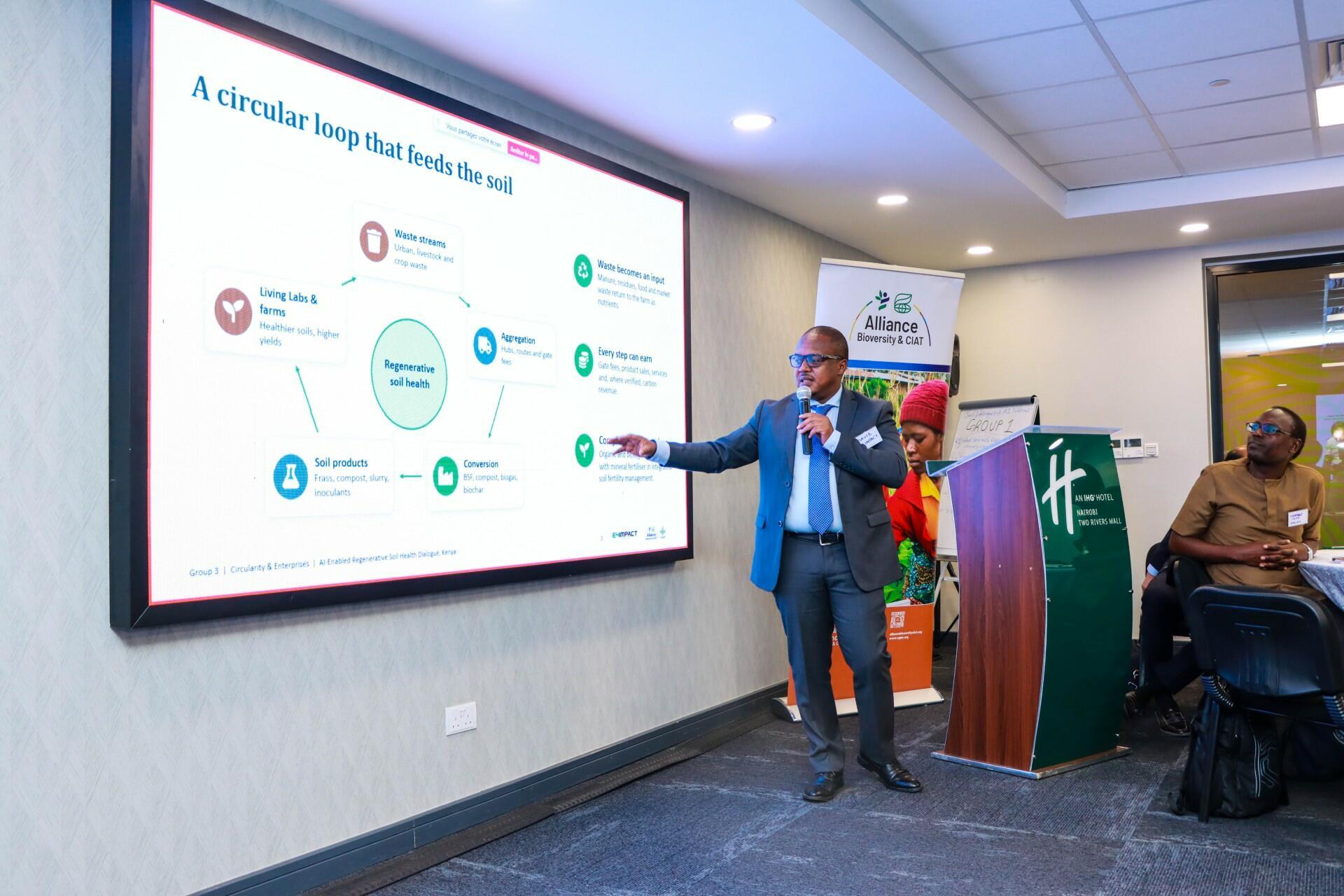
Turning dialogue into action
The dialogue is an important step towards developing a shared vision for AI-enabled regenerative soil health transformation in Kenya. Its value will lie in the practical actions that emerge from bringing stakeholders together around common priorities.
These actions could include mapping existing initiatives and capabilities; identifying evidence and implementation gaps; prioritizing AI-enabled solutions with potential for scale; establishing partnerships for field validation and demonstration; strengthening data-sharing and institutional coordination; and developing a roadmap for investment, capacity building and delivery.
A coordinated approach could also help connect Kenya’s soil health ambitions with wider African priorities for restoring soil health, improving fertilizer-use efficiency and transforming agricultural systems.
Achieving this vision will require sustained collaboration among government, research institutions, farmer organizations, the private sector, technology developers, development partners and investors. No single institution can deliver soil health transformation alone.
The future of AI begins beneath our feet
Artificial intelligence is opening new possibilities for agricultural innovation. But the starting point for soil health transformation remains the soil itself—and the farmers, researchers, businesses and institutions responsible for managing it.
Kenya has an opportunity to connect its growing scientific knowledge, digital capabilities, regenerative agriculture experience and policy commitments in ways that deliver practical solutions at scale.
The AI-Enabled Regenerative Soil Health Transformation Dialogue provides a platform to begin building those connections: identifying what works, determining what is ready to scale and establishing who needs to work together to make transformation possible.
The ambition is clear: move from soil data to actionable intelligence, from isolated innovations to coordinated delivery, and from promising pilots to measurable improvements in soil health and agricultural resilience.
Because when AI is grounded in science, shaped by farmers and connected to the right institutions and investments, it can become more than a technological innovation. It can help accelerate the restoration of the natural foundation on which Kenya’s food systems and rural economies depend.
Keep exploring


