Blog Partnerships hold the key to Africa’s food systems transformation: Insights from the KALRO Scientific Conference
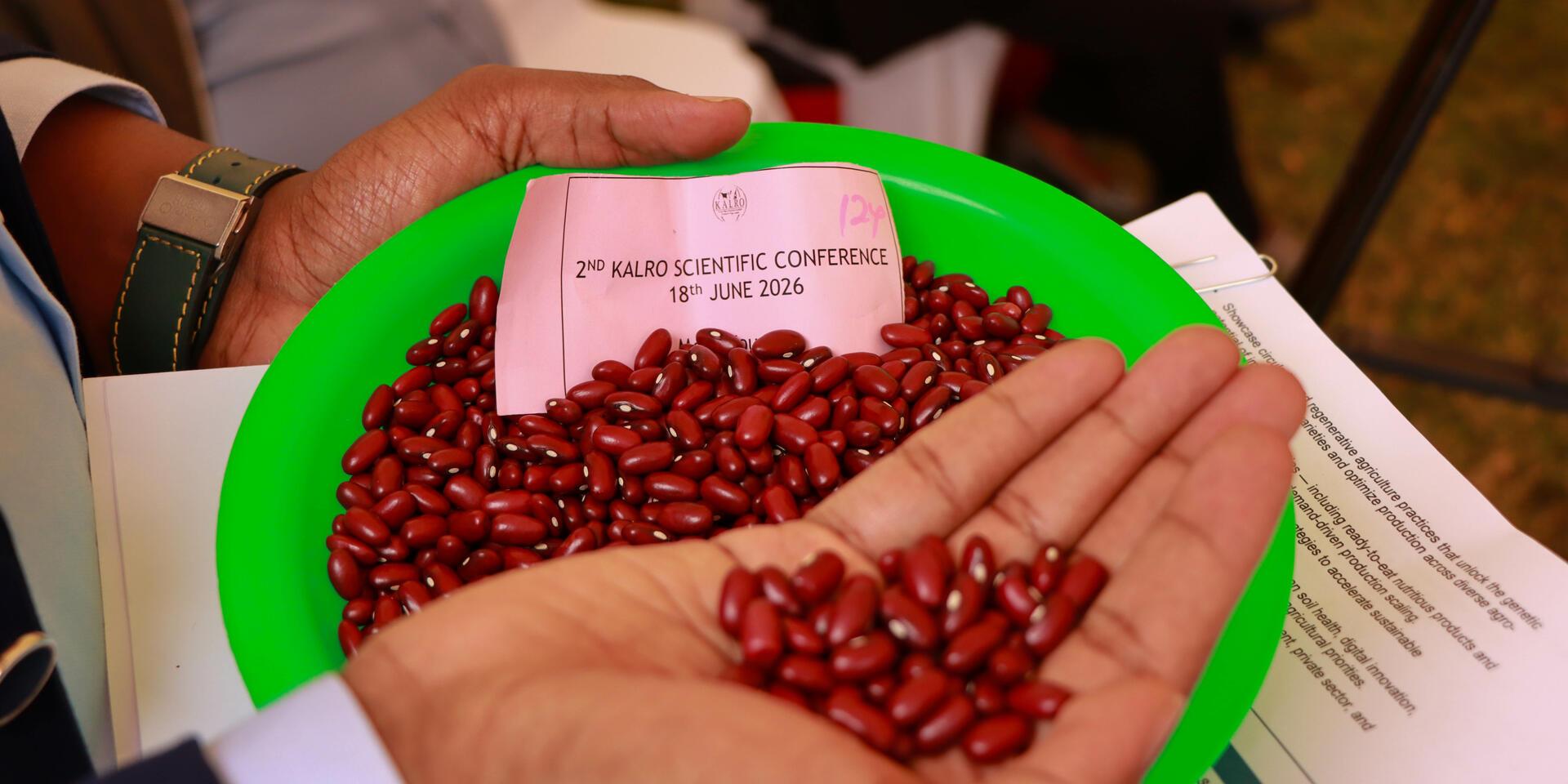

At the KALRO Scientific Conference in Nairobi, researchers, governments, and development partners explored how stronger partnerships can help scale agricultural innovation, improve nutrition, and build more resilient food systems across Africa.
Africa's food systems are under increasing pressure from climate change, land degradation, biodiversity loss, population growth, and changing consumer demands. Rising temperatures, erratic rainfall patterns, declining soil fertility, and persistent food insecurity are threatening agricultural productivity and the resilience of farming communities across the continent. Yet despite these challenges, many of the technologies, innovations, and scientific solutions required to transform food systems already exist. The critical challenge lies in scaling proven solutions and strengthening partnerships that can accelerate their adoption.
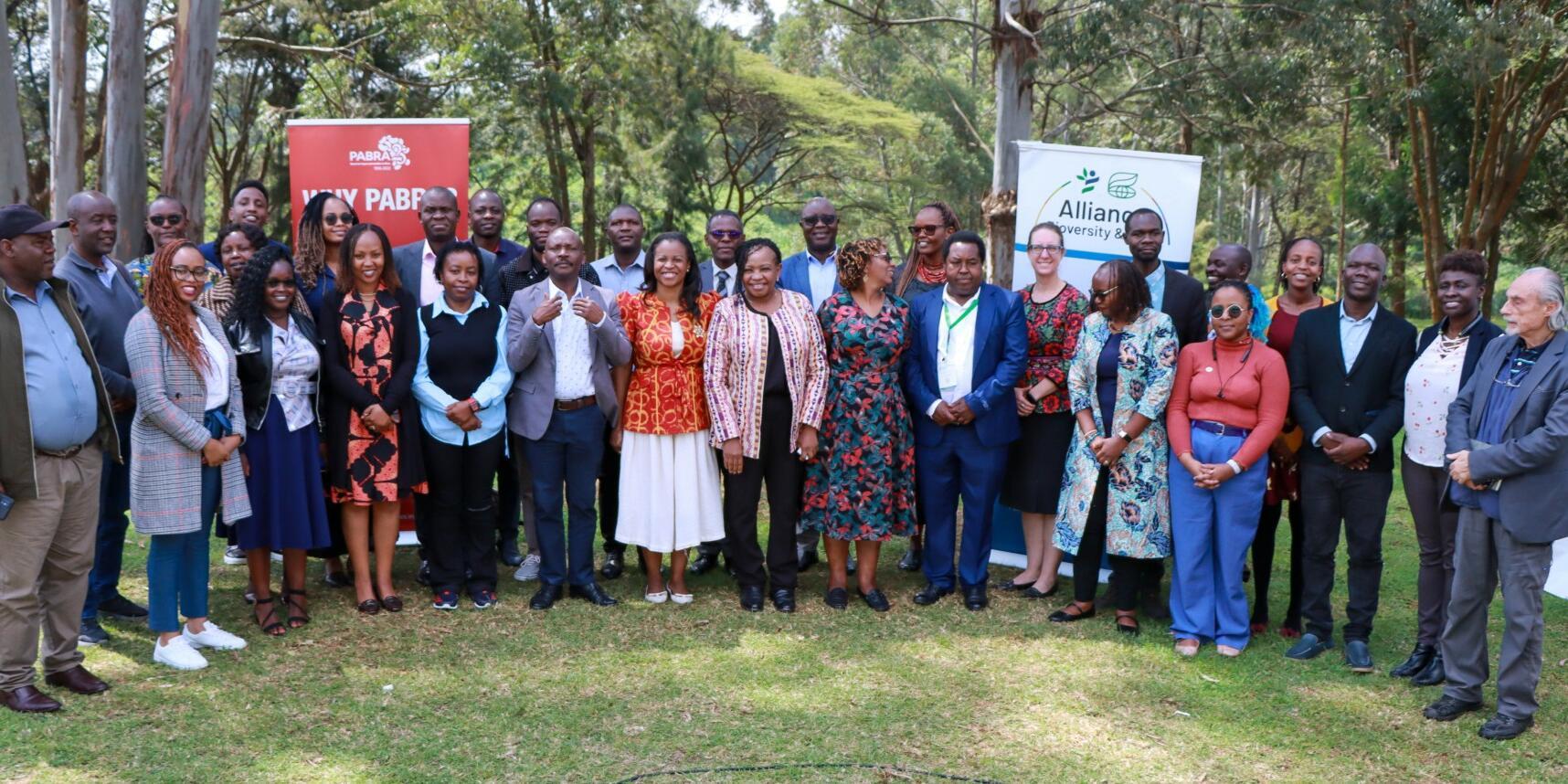
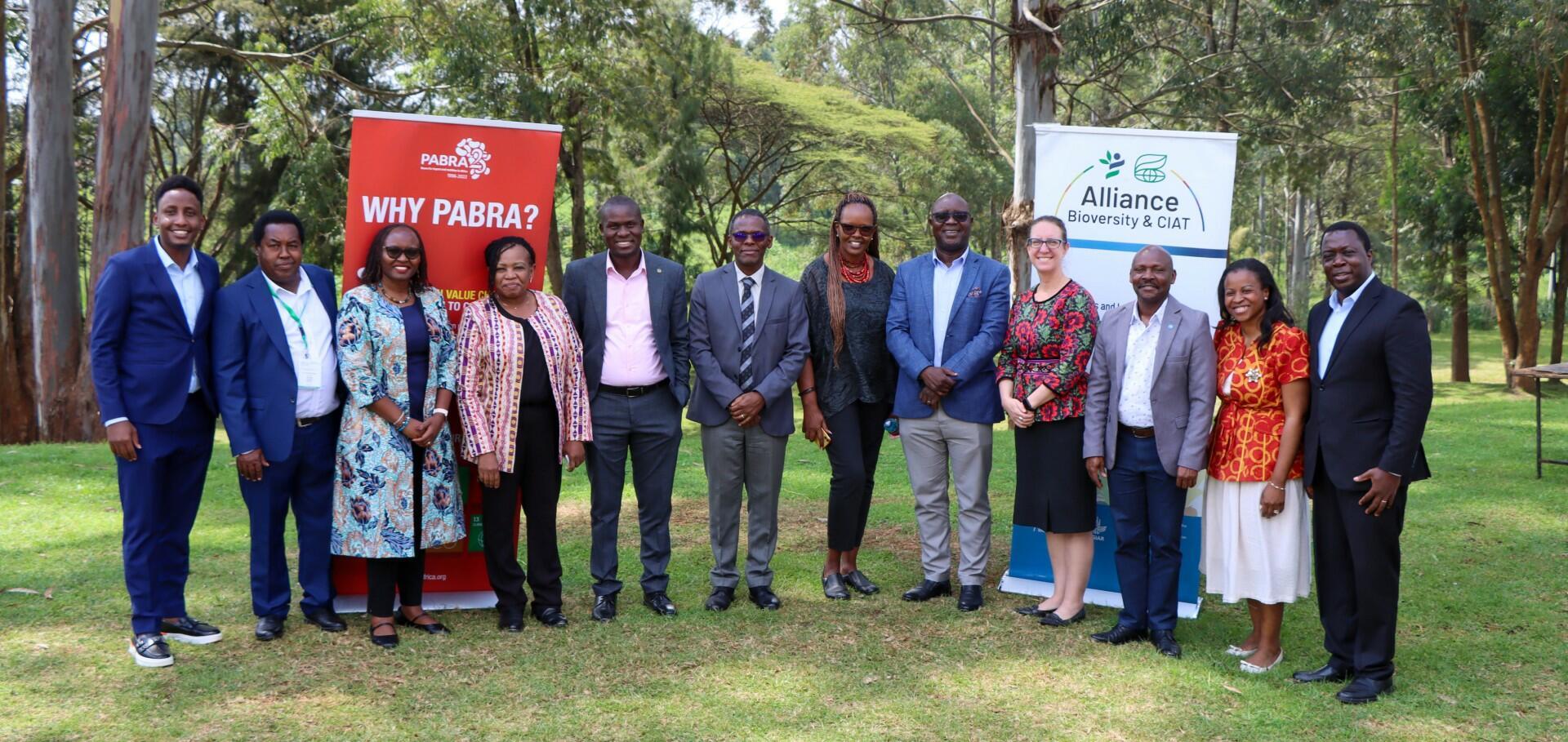
This was a key focus of discussions during a side event held alongside the Second Kenya Agricultural and Livestock Research Organization (KALRO) Scientific Conference and Innovation Expo in Nairobi. Under the theme "Accelerating Sustainable Production, Market Trade and Consumption,” the side event was hosted by The Alliance of Bioversity International and CIAT (The Alliance), bringing together stakeholders from One Acre Fund, Novo Nordisk Foundation (NNF), Cereal Growers Association, Alliance for a Green Revolution in Africa (AGRA) and SNV. Other representatives were drawn from research institutions, development organizations, government agencies, and the private sector to explore pathways for accelerating sustainable production, market development, trade, and consumption.
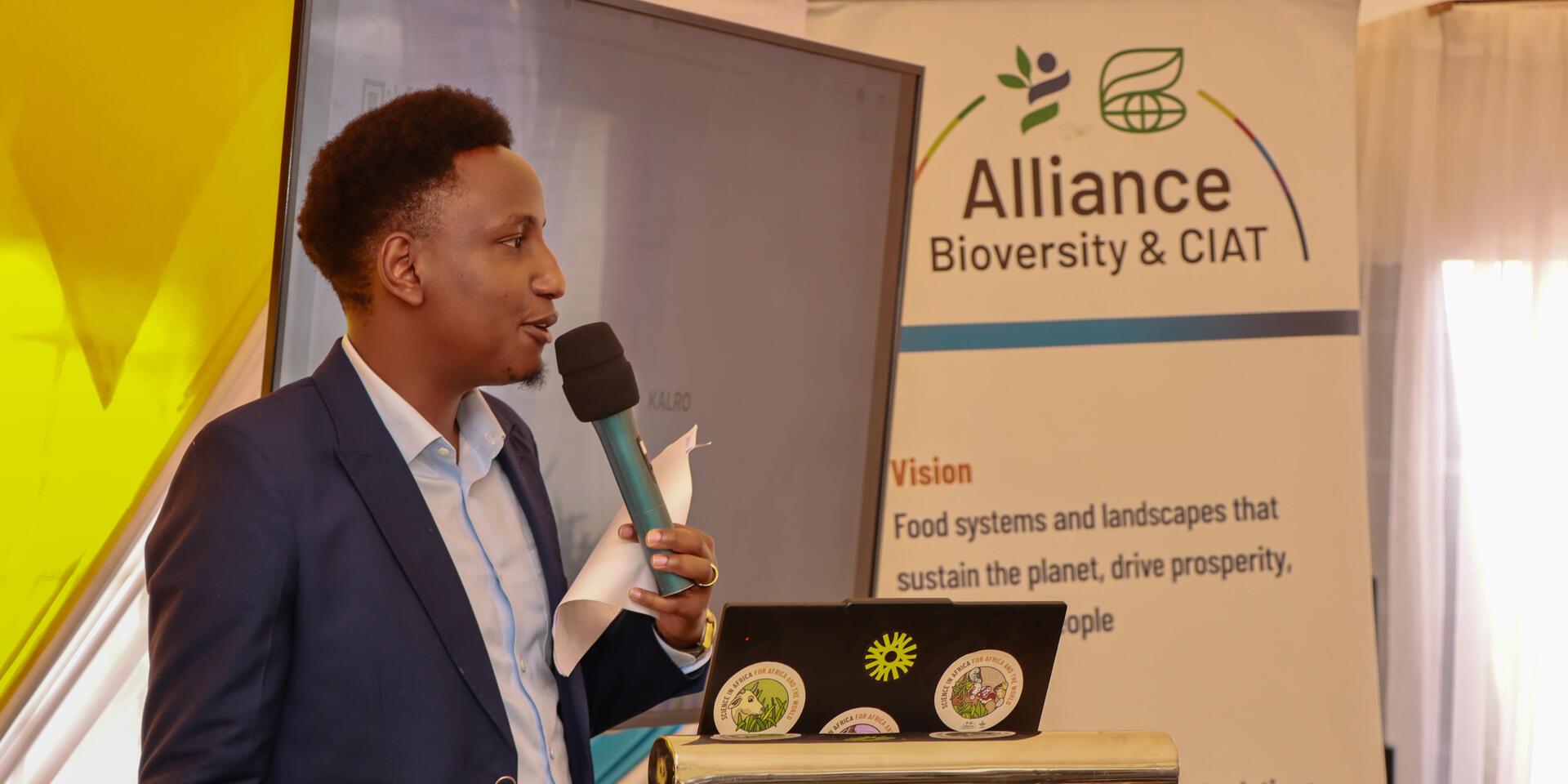
“Africa already has the innovation, talent and partnerships needed to transform its food systems. What we need now is to scale what works and accelerate adoption.” - Dr. Wanjiru Kamau-Rutenberg, Managing Director for Africa, Alliance Bioversity-CIAT

Wanjiru Kamau-Rutenberg
Managing Director, Africa, and Trustee, Bioversity International USAThe role of partnerships in scaling innovation
Food systems transformation requires coordinated action across multiple sectors and disciplines. No single institution possesses the resources, expertise, or reach needed to address the interconnected challenges of climate resilience, agricultural productivity, nutrition, environmental sustainability, and market access.
Strategic partnerships between research organizations, governments, development partners, farmer organizations, and the private sector have become increasingly important in moving innovations from research and development into widespread use. Such collaborations facilitate technology transfer, strengthen extension services, improve access to quality inputs, enhance market linkages, and support evidence-based policymaking.
Partnership-driven initiatives have contributed significantly to advances in crop improvement, soil health management, climate-smart agriculture, digital agriculture, and value chain development across Africa.
“Africa already has the innovation, talent and partnerships needed to transform its food systems. What we need now is to scale what works and accelerate adoption.” - Dr. Wanjiru Kamau-Rutenberg, Managing Director for Africa, The Alliance.
Accelerating bean innovation for food and nutrition security
The discussions coincided with the 30th anniversary of the Pan-African Bean Research Alliance (PABRA), highlighting the strategic role of beans in advancing food security, nutrition, climate resilience, and sustainable agricultural development.
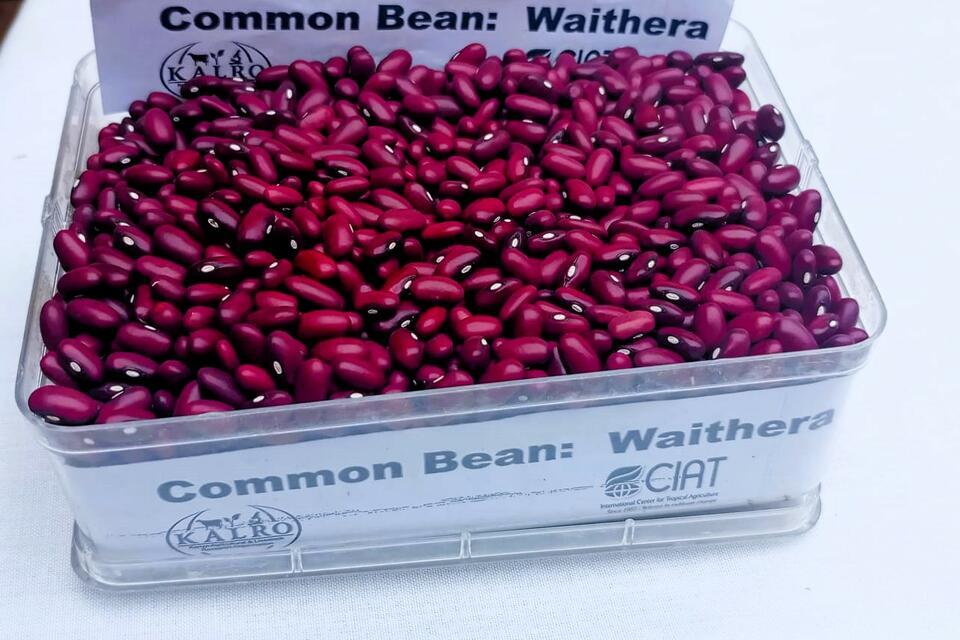
Beans remain one of Africa’s most important staple crops due to their high nutritional value, affordability, and adaptability to diverse agroecological conditions. They are a critical source of plant protein, dietary fiber, iron, zinc, and other essential micronutrients, particularly among low-income households.
“Beans are one of Africa’s most important food security crops, grown on about 8.5 million hectares across the continent and widely consumed alongside staple foods such as maize, rice and githeri,” - Dr. Jean Claude Rubyogo, Director of PABRA.
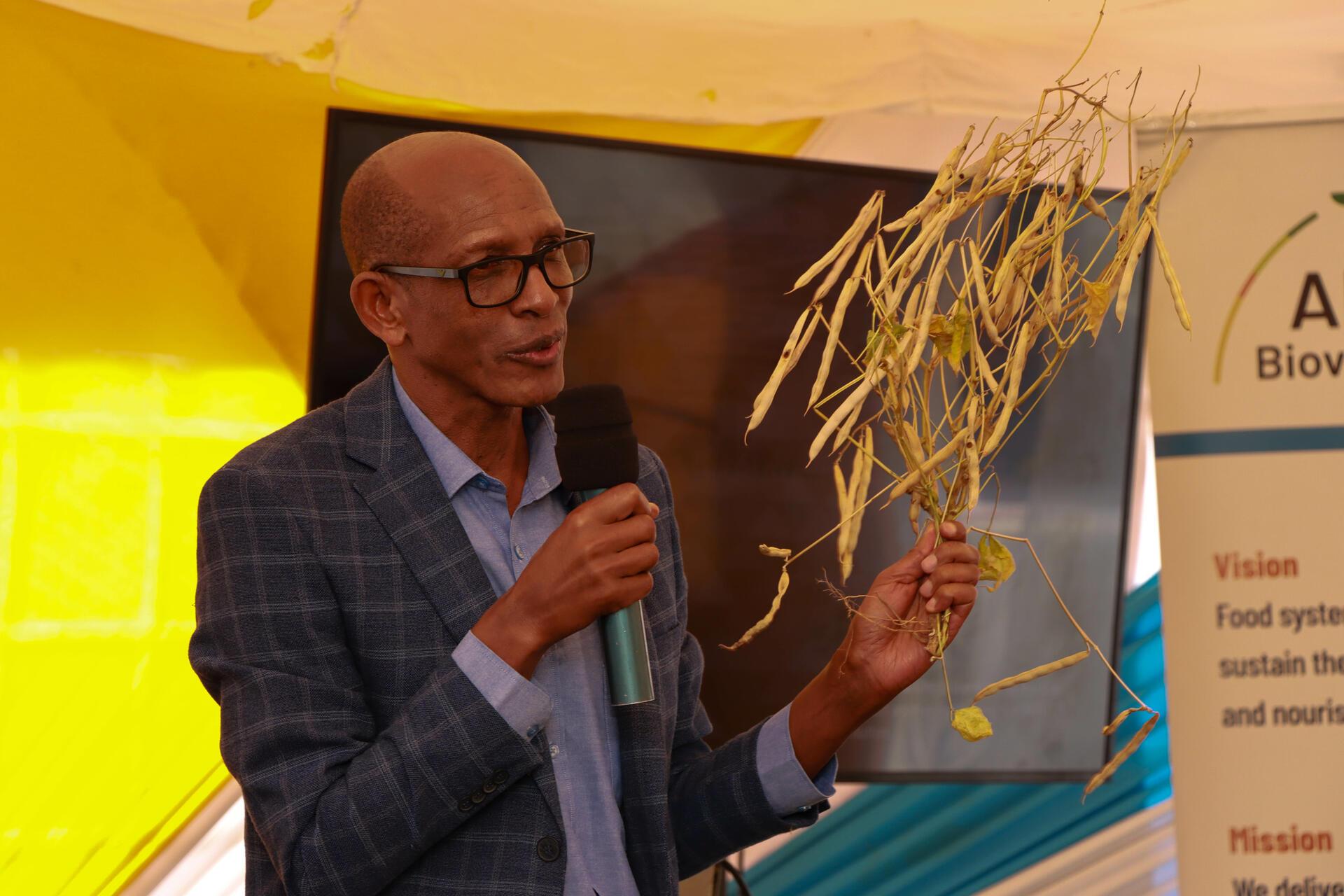
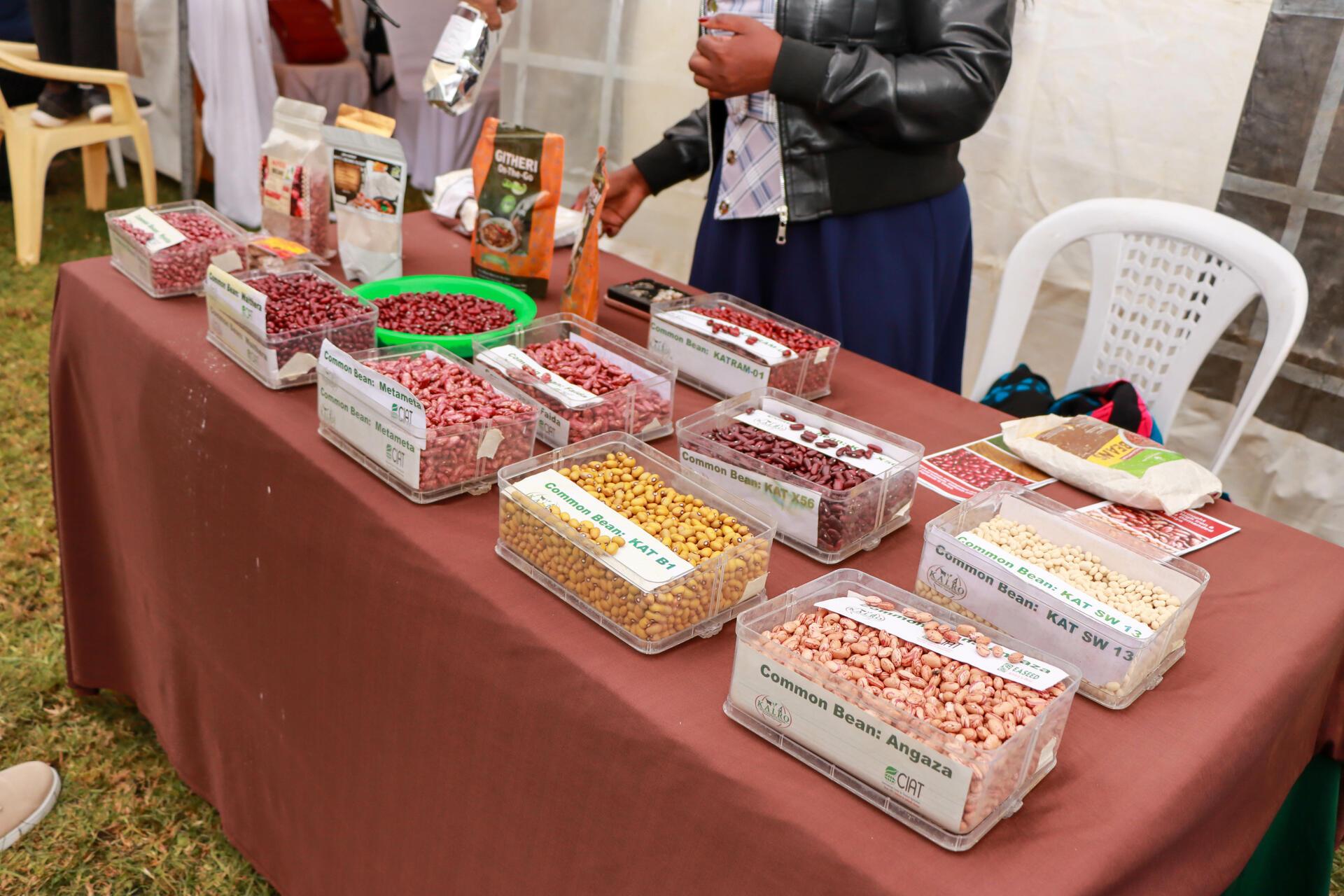
New-generation bean varieties are being developed with multiple desirable traits, including:
- Early maturity periods of 65–75 days.
- Higher yield potential.
- Improved tolerance to drought and other climate-related stresses.
- Enhanced nutritional content.
- Reduced cooking time.
- Improved marketability and consumer acceptance.
Some improved varieties have demonstrated yield potential of up to two tonnes per hectare under appropriate management conditions, providing opportunities to increase productivity and farmer incomes.
These innovations are also contributing to the development of value-added bean products, including ready-to-eat and convenience foods that respond to growing urban demand for nutritious and time-saving food options.
Kenya currently experiences a significant bean supply deficit, producing approximately 650,000 metric tonnes annually against an estimated annual demand of 750,000 metric tonnes. Closing this gap will require increased adoption of improved seed varieties, strengthened seed systems, and enhanced productivity at farm level.
“The new varieties are intended to help close that gap. Currently, the average seed-to-harvest ratio is about 1:10. However, for farmers to achieve food security and profitability, this ratio should increase to at least 1:30, while some areas are already achieving ratios as high as 1:60,” - Mr. David Karanja, Researcher in Bean Seed Systems, KALRO.
Legumes and soil health restoration
Beyond their contribution to food and nutrition security, legumes are increasingly recognized as critical components of sustainable and regenerative agricultural systems.
Leguminous crops naturally fix atmospheric nitrogen through symbiotic relationships with soil microorganisms, reducing dependence on synthetic nitrogen fertilizers and contributing to improved soil fertility.
Their integration into cropping systems through crop rotation, intercropping, and conservation agriculture practices can generate multiple environmental and agronomic benefits.
These include:
- Improved soil structure.
- Increased soil organic matter.
- Enhanced nutrient cycling.
- Greater on-farm biodiversity.
- Reduced greenhouse gas emissions associated with fertilizer use.
- Improved resilience to climate shocks.
As soil degradation continues to threaten agricultural productivity across many parts of Africa, investments in soil restoration and sustainable land management are becoming increasingly important. Healthy soils form the foundation of resilient food systems by supporting crop productivity, water retention, nutrient availability, and ecosystem functioning.
Linking production to nutrition
Food systems transformation extends beyond increasing agricultural production. Achieving sustainable nutrition outcomes requires stronger integration between agriculture, food markets, consumer awareness, and dietary practices.
While agricultural interventions often focus on productivity, there is growing recognition that improved nutrition depends on consumer access to diverse, affordable, and nutritious foods as well as knowledge on food preparation and utilization.
Promoting dietary diversity remains essential for addressing multiple forms of malnutrition. Integrating nutrient-dense foods such as legumes, fruits, vegetables, and other nutritious crops into daily diets can contribute significantly to improved health outcomes and reduced micronutrient deficiencies.
Nutrition-sensitive food systems therefore require interventions that address both supply-side and demand-side factors, ensuring that nutritious foods are not only produced but also consumed.
Towards resilient and sustainable food systems
The discussions underscored the need for integrated approaches that simultaneously address productivity, nutrition, environmental sustainability, and market development. Innovations in crop breeding, soil health management, climate-smart agriculture, and food value addition are already demonstrating their potential to strengthen food systems resilience.
However, realizing impact at scale will require sustained investment, supportive policies, stronger research-to-development partnerships, and mechanisms that enable millions of farmers and consumers to access and adopt proven solutions.
As Africa confronts the complex challenges of climate change, population growth, and environmental degradation, partnerships will remain central to accelerating the transition toward resilient, inclusive, and sustainable food systems capable of delivering food security, improved nutrition, and economic opportunities for future generations.
Keep exploring