Research Articles Strengthening data-driven research for climate-resilient beans: Highlights from the BIOBELIEF data analysis workshop
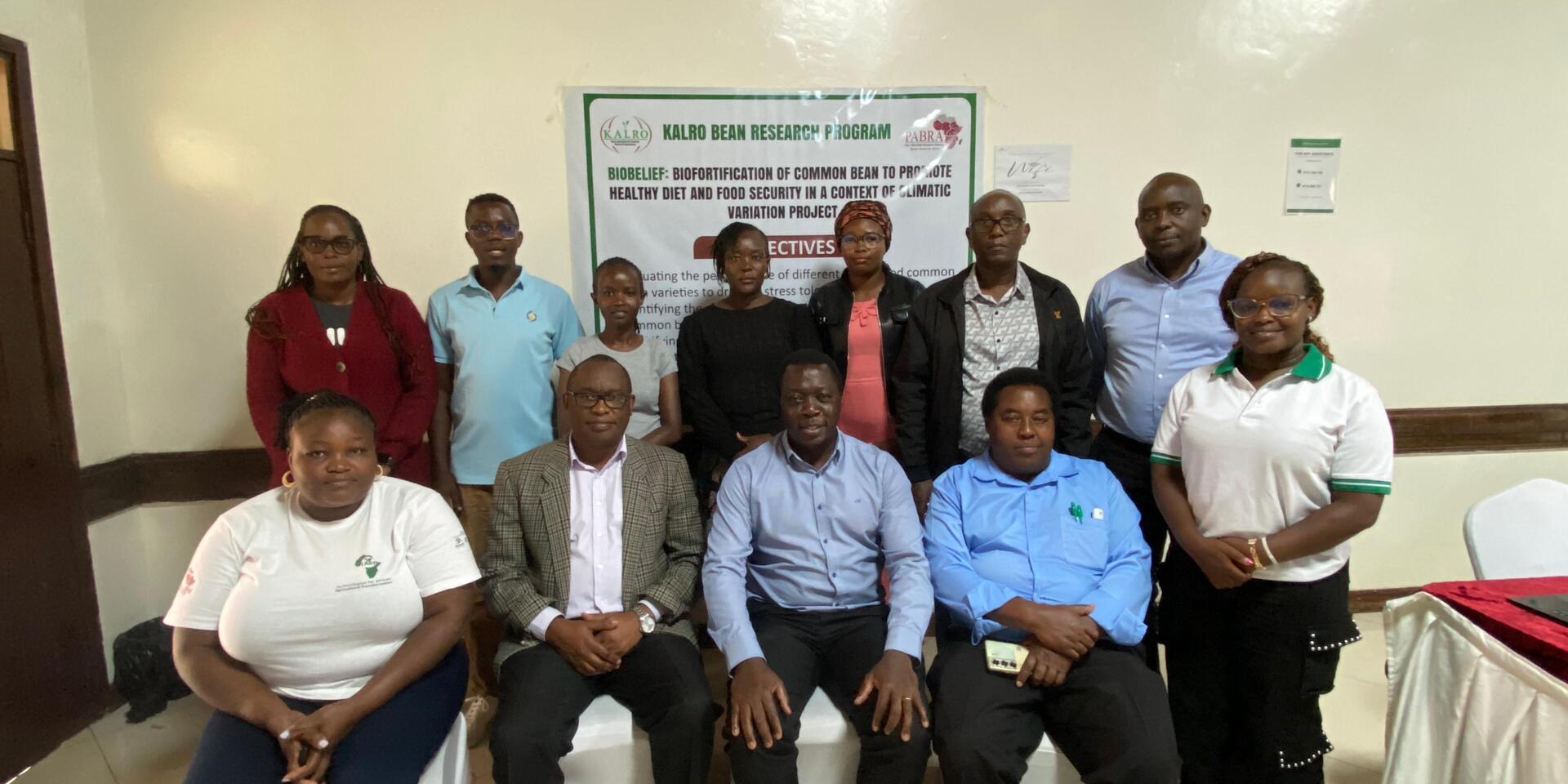

From 11–14 May 2026, researchers from the Alliance of Bioversity International and CIAT and the Kenya Agricultural and Livestock Research Organization (KALRO) convened in Nairobi for an intensive Data Analysis Workshop under the BIOBELIEF Project.
Held at Sportsview Hotel, Kasarani, the training marked a significant step toward strengthening data-driven research for climate-resilient and nutritionally enhanced bean production.
Advancing BIOBELIEF’s vision through data
Drought remains one of the major challenges impacting common bean production in Kenya and Africa as whole leading to reduced yields and food insecurity, noted Boaz Waswa, the BIOBELIEF Project Lead, and Soil Health researcher at Alliance of Bioversity and CIAT.
The BIOBELIEF project (BIOfortification of common Bean to promote heaLthy dIEt and Food security in a context of climatic variation) brings together partners from Kenya, Italy, and South Africa to develop biofortified, drought-resilient bean varieties with improved iron bioavailability.
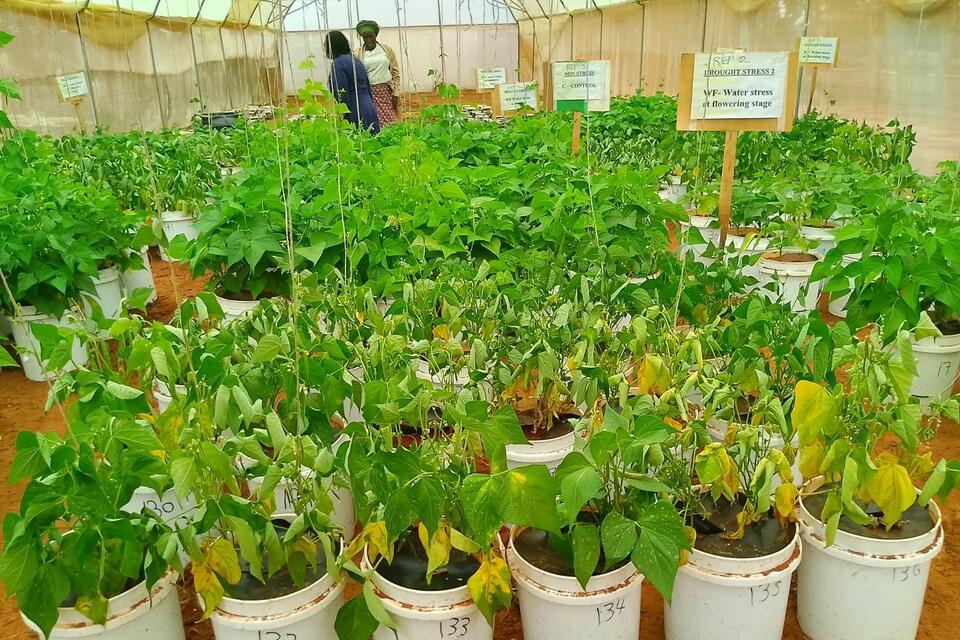
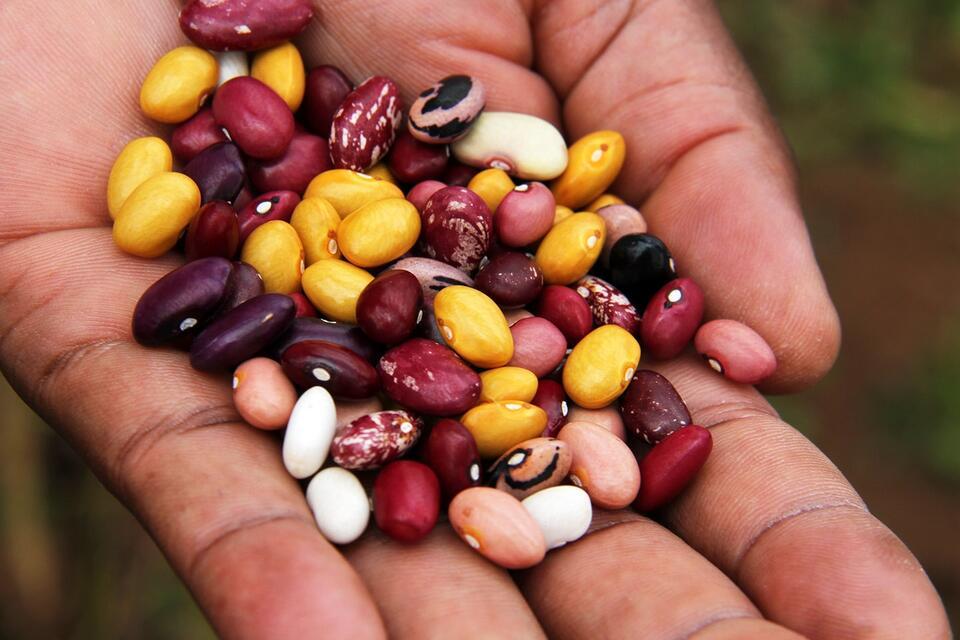
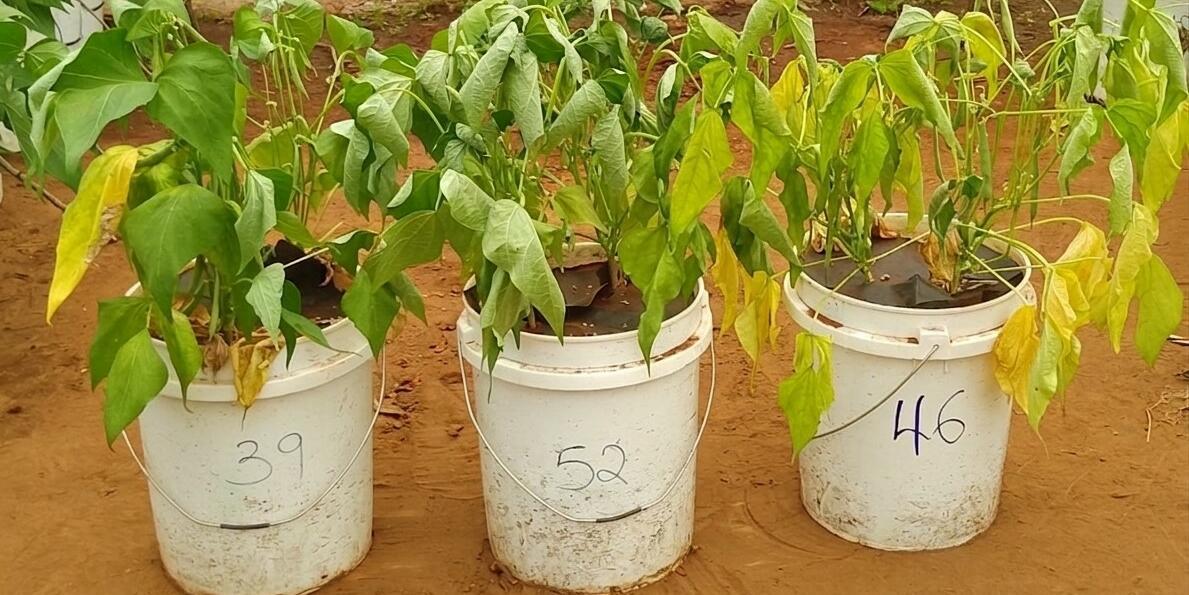
The BIOBELIEF trials comprised of a greenhouse setup to simulate drought at vegetative, flowering, and podding stages. A total of 18 bean varieties under study included Kenyan lines like Nyota, Angaza, Faida and Waithera, as well as international lines from Italy (Meccano) and South Africa (PAN 148). Control and biofortified low-phytate lines (lpa1-1, lpa2, lpa3) are also included.
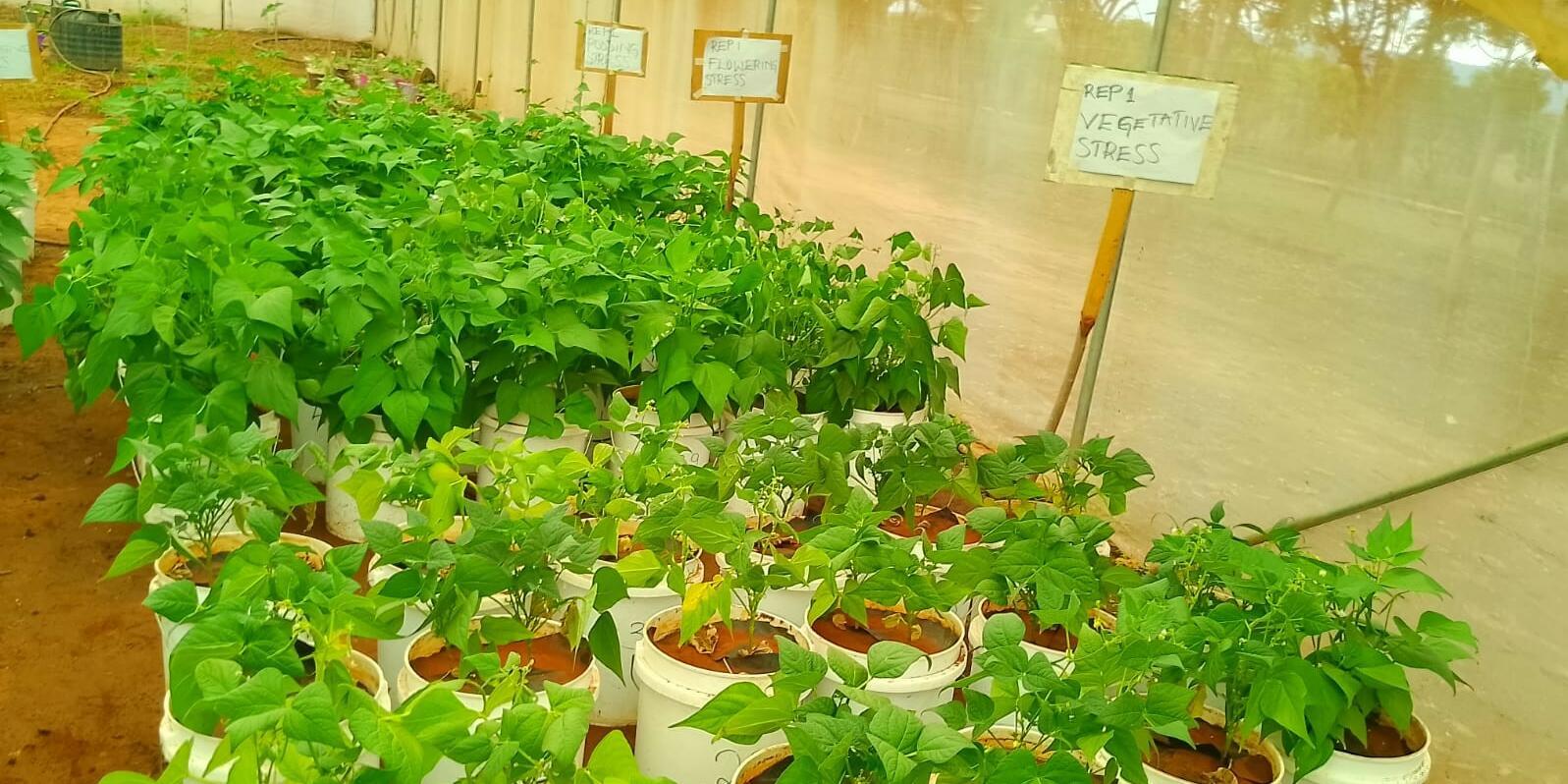
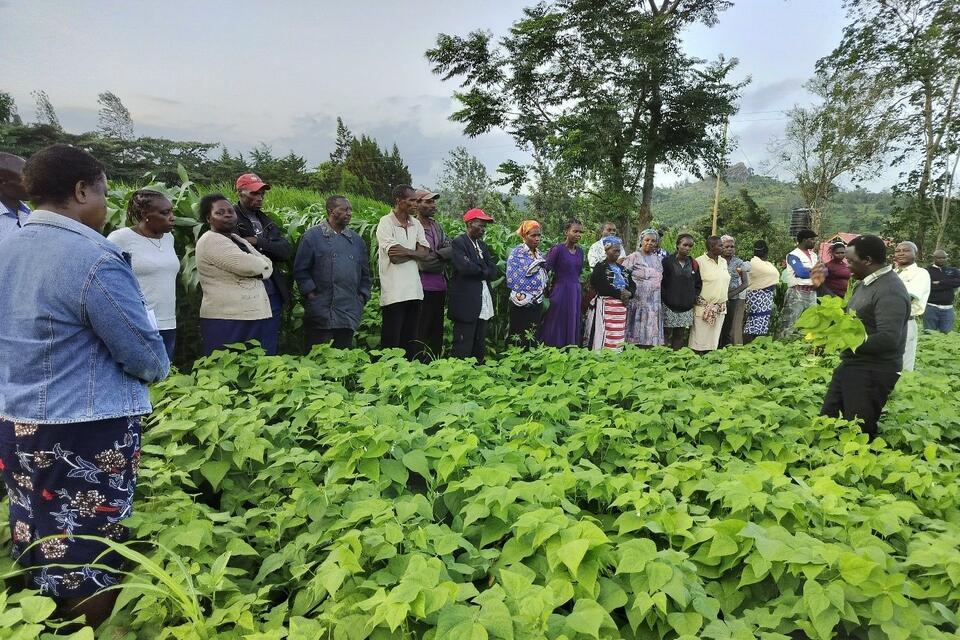
Scoring variety tolerance to drought stress at KALRO Katumani site.
As the project generates increasingly complex datasets from multi-location trials and greenhouse experiments, strengthening analytical capacity has become critical. This workshop was designed to ensure that researchers can effectively translate data into actionable insights that drive both scientific discovery and development outcomes.
Building skills in modern data analysis
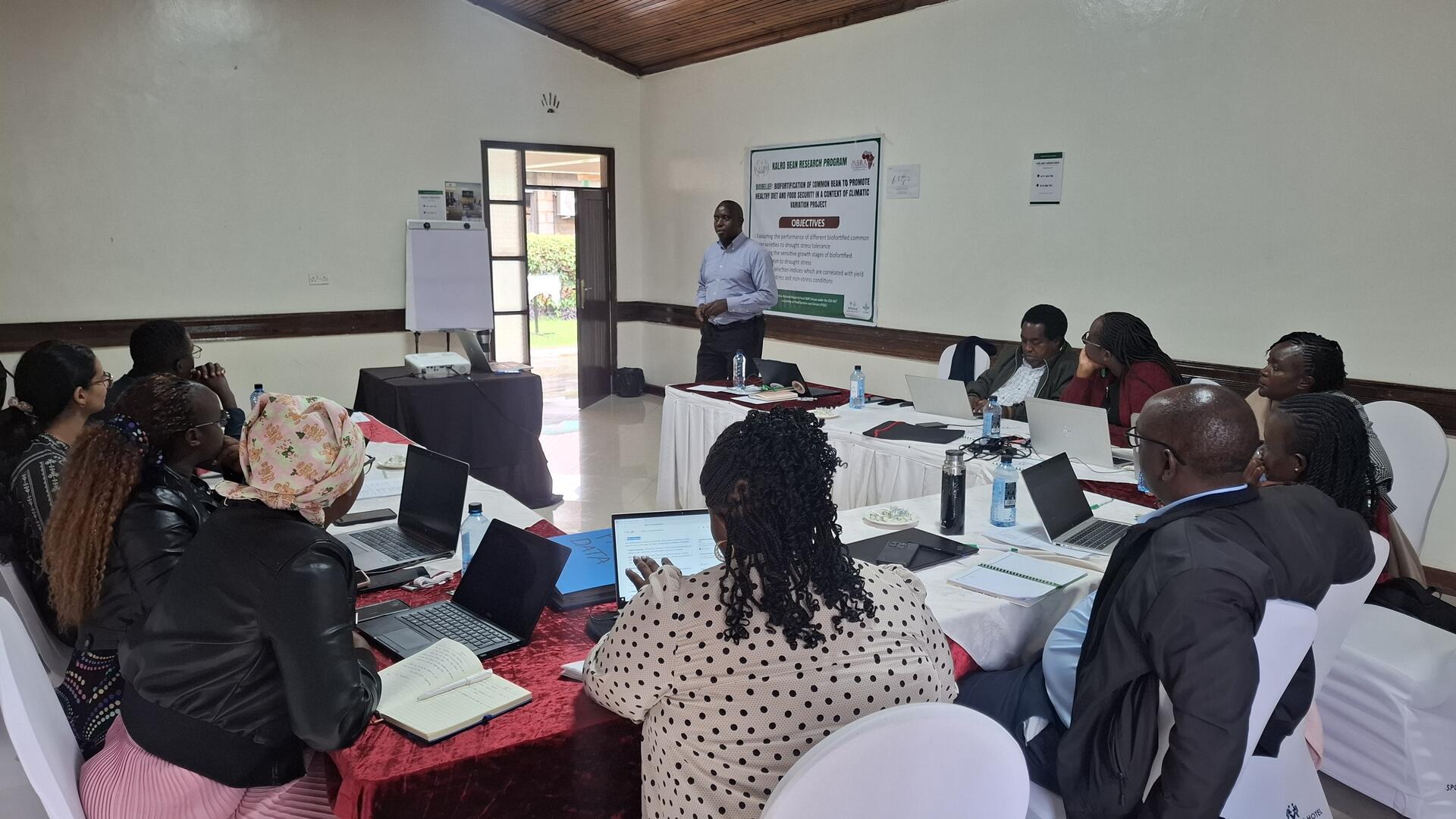
Participants during the data analysis workshop.
Facilitated by Andrew Sila (CIFOR-ICRAF), the workshop brought together scientists and technical staff from the Alliance and KALRO to enhance their skills in statistical analysis, data management, and scientific reporting using R and RStudio.
Over four days, participants engaged in a hands-on learning journey that covered:
- Data cleaning and preparation
- Exploratory data analysis and visualization
- Experimental design and statistical methods (including ANOVA and interaction analysis)
- Interpretation of results and scientific reporting
The training was highly practical, enabling participants to work directly with BIOBELIEF datasets from drought tolerance experiments carried out at CIAT Kasarani, KALRO Katumani and KALRO Kandara.
From data to insight: Practical learning in action
A key highlight of the workshop was its applied approach to learning. Participants gained confidence in using R to:
- Handle complex agricultural datasets
- Perform statistical tests and validate assumptions
- Visualize data through graphs and interaction plots
- Generate outputs suitable for scientific reporting
The sessions emphasized the critical role of data quality, reproducibility, and standardization, ensuring consistency across research sites and improving the reliability of findings.
This was a timely and very empowering training. I have gained skills in data analysis that will not only benefit BIOBELIEF but my ongoing PhD research under the PABRA Academy support, noted Vicky Korir of KALRO Katumani.
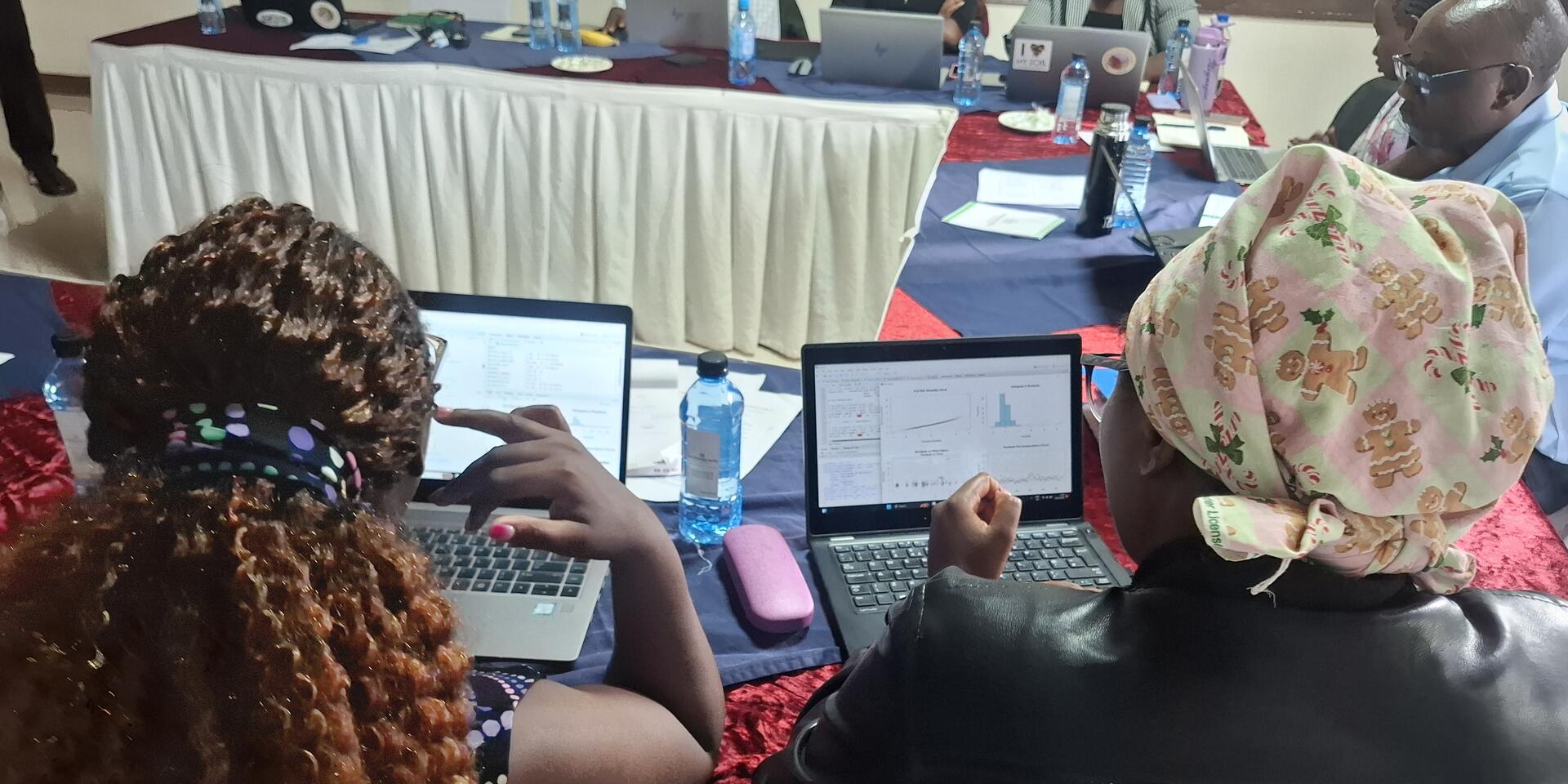
Participants visualizing outputs generated using R to analyze genotype performance under drought conditions.
Strengthening scientific communication
Beyond analysis, the workshop also focused on effective communication of research findings. Participants were trained in the IMRAD (Introduction, Methods, Results, and Discussion) format, with emphasis on presenting statistical results clearly and accurately. This component is expected to enhance the team’s ability to produce high-quality publications, technical reports, and policy-relevant outputs.
Partnerships driving impact
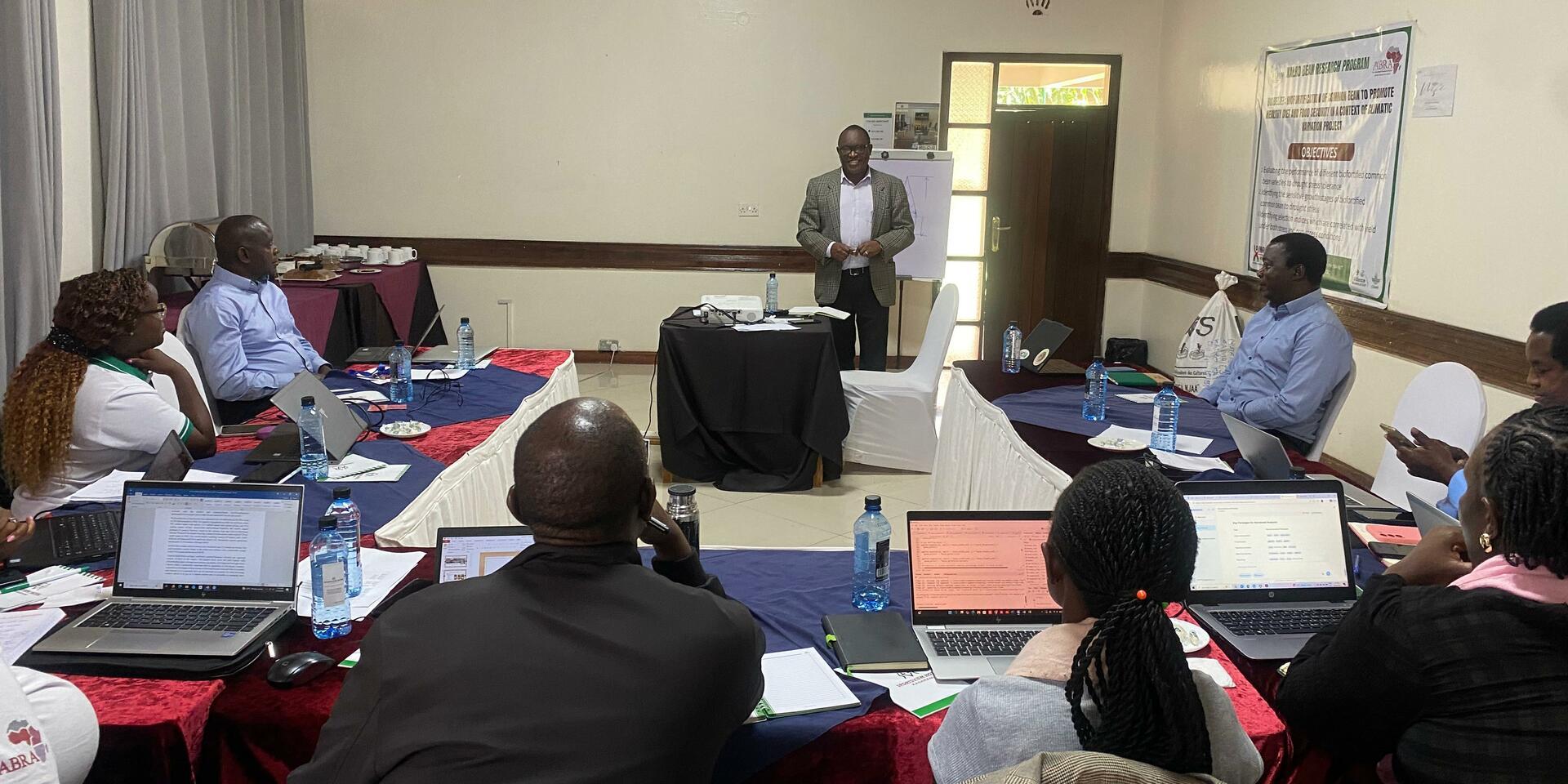
Dr. Joseph Njuguna (Institute Director, KALRO-HRI Kandara) addressing participants during the closing session.
The workshop reinforced the strong collaboration between Alliance of Bioversity International and CIAT, KALRO, and the Pan African Bean Research Alliance (PABRA). During the closing session, Dr. Joseph Njuguna, Director of KALRO-HRI Kandara, highlighted the importance of rigorous data analysis as a foundation for impactful science and commended the BIOBELIEF team and Alliance of Bioversity International and CIAT for fostering joint learning and collaboration. He noted with appreciation the long-standing collaboration in beans research under PABRA as well as the long-term experiment by the Multifunctional Landscape team at Alliance.
Conclusion
The BIOBELIEF Data Analysis Workshop demonstrated the power of investing in research capacity and collaboration. By equipping scientists with the tools to effectively analyze and communicate data, the initiative is laying a strong foundation for advancing climate-resilient agriculture and improved nutrition through biofortified beans.
Partners
- Alliance of Bioversity International and CIAT
- Kenya Agricultural and Livestock Research Organization (KALRO)
Acknowledgment
The BIOBELIEF project is supported by National Research Fund – NRF Kenya of the Ministry of Education Science and Technology, Kenya, funded under the ERA-NET co-funding on Food Systems and Climate (FOSC).