Blog Fruit trees and farmers first: A conversation with Smitha Krishnan


The interdependence of pollinators, trees, farms and people motivates Smitha Krishnan’s research. In this feature, she outlines the principles of multifunctional landscapes, and how the Alliance’s partnerships in India - especially cultivating fruit trees - can drive community change.
Grow Trees. Grow Futures.

Restore landscapes with farmers.
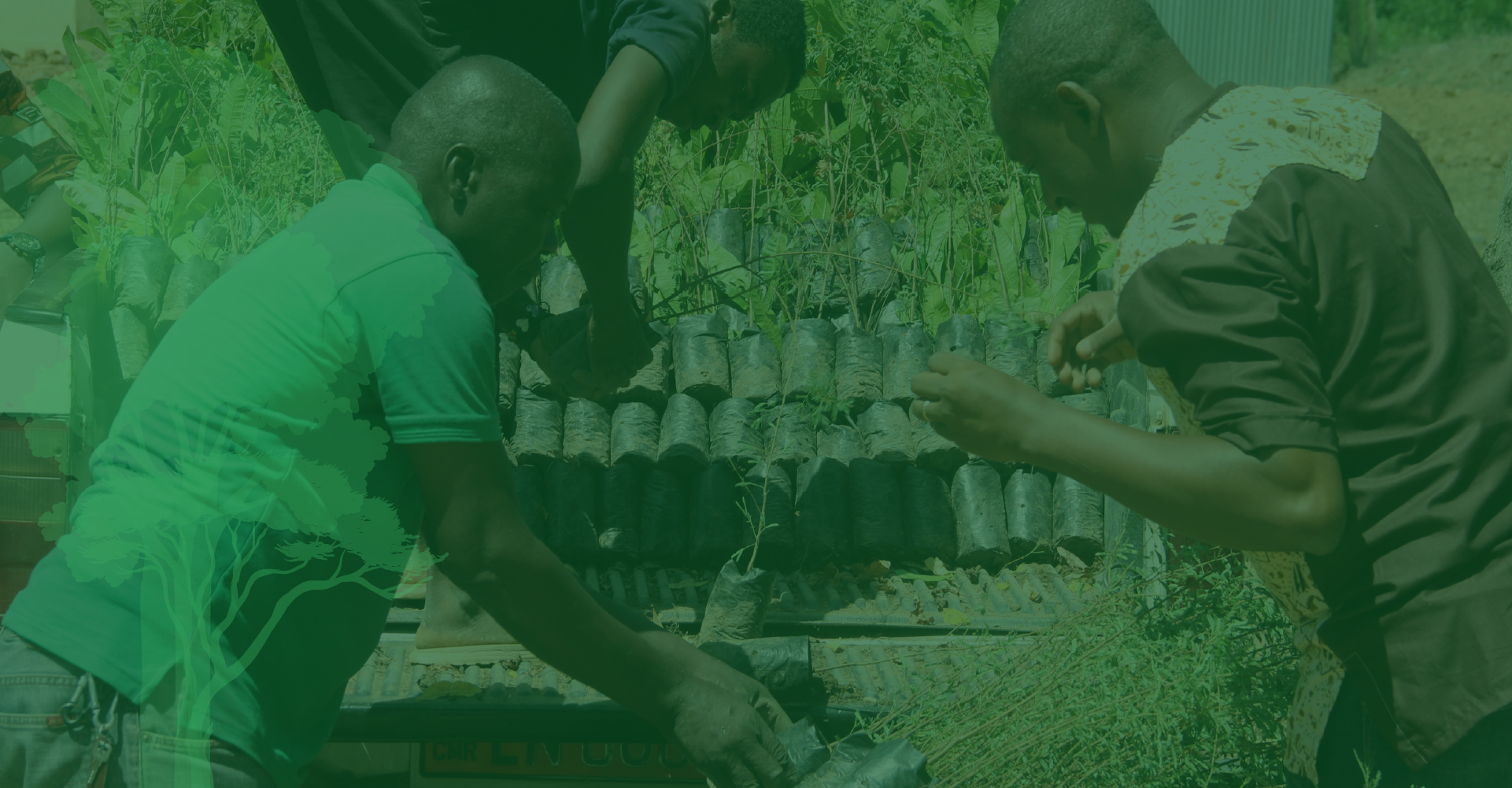
The world is pledging to restore forest landscapes - but empowered farmers and local communities should be centric to that. MyFarmTrees gives smallholder farmers the science, the tools, and the resources to plant the right native trees, and the blockchain technology to prove every single one grew.
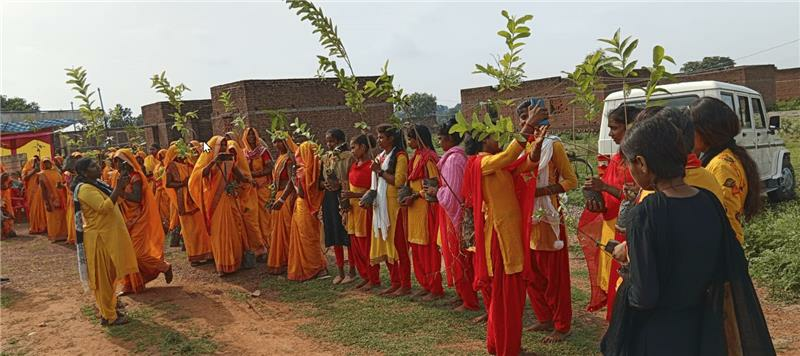
Women participating in the Centre for Fruitful India project. Photo Credit: R. S. Negi
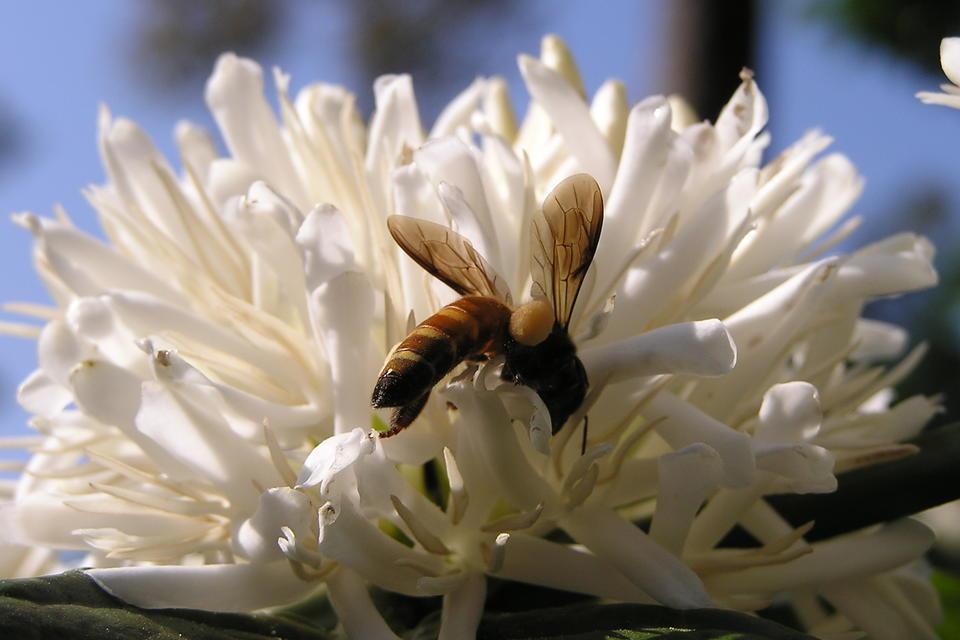
For Indian ecologist Smitha Krishnan, it all began with the bees and other pollinators behind every coffee harvest. She explains:
“I've always been fascinated by the critical roles insects play in forest resilience and food security. Working with forest-fringe communities and coffee farmers helped me understand just how integral these ecological relationships are to sustaining livelihoods.”
But she has also seen how quickly those natural relationships can be disrupted, as deforestation and land degradation deplete the land’s productive ability.
“These experiences led me to focus on landscape restoration and ecosystem services through biodiversity conservation in agricultural landscapes. I am motivated by solutions that support both people and nature in the long term.”
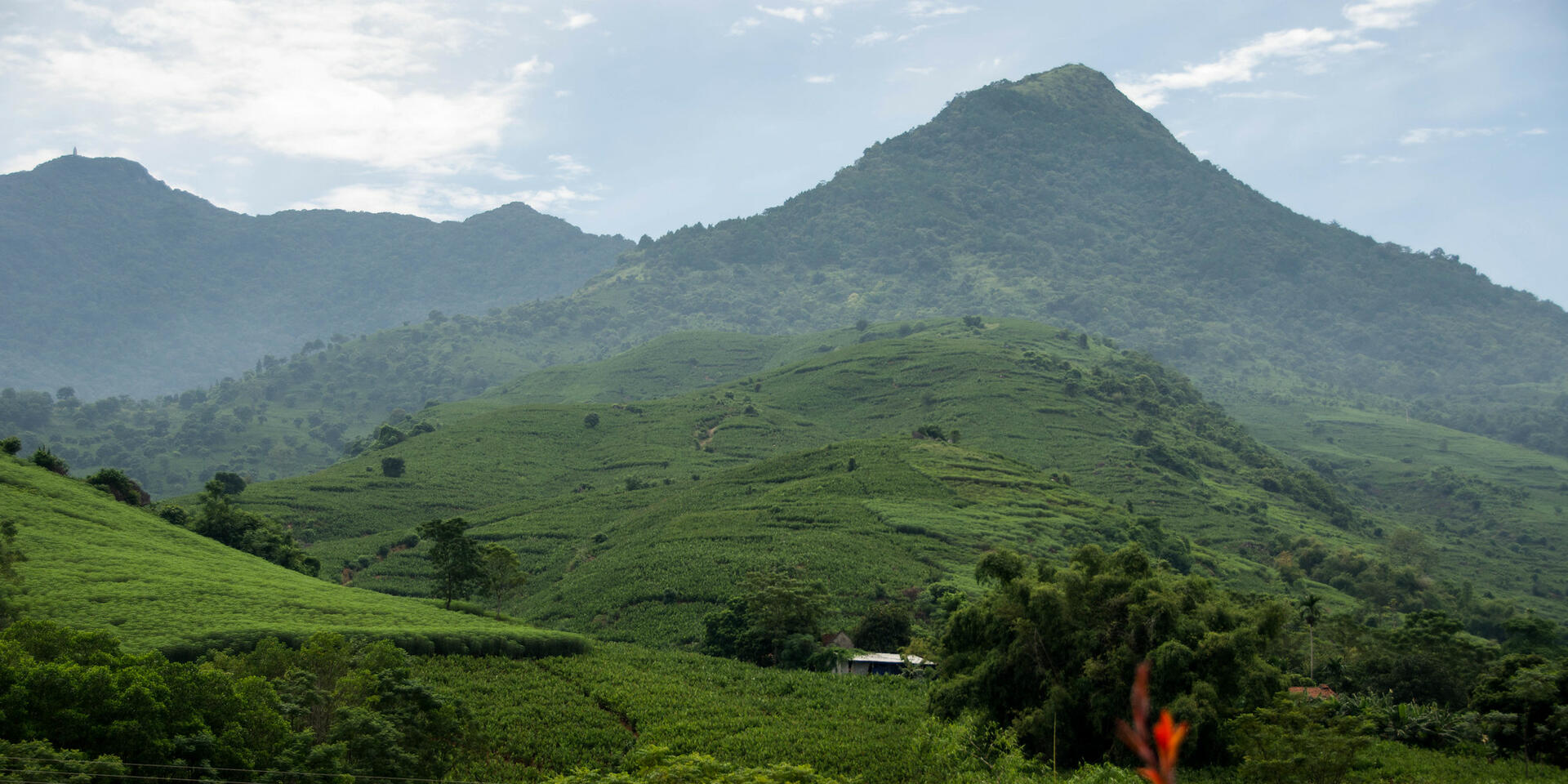
A biodiverse landscape in Vietnam where the Alliance carries out field trials between native vegetation. Photo credit: CIAT/Georgina Smith
Multifunctional landscapes
In her work at the Alliance, Smitha leads projects on multifunctional landscapes: land that, rather than being exploited for short-term agricultural productivity, is sustainably managed through practices that prioritize ecosystem health. In this context, farming often includes the integration of crops, trees, and other elements that increase biodiversity within the same land area. Once the health of soil and surrounding flora and fauna improves, these landscapes have been shown to bring diverse benefits, including long-term fertility, pollinator hotspots that support productivity, and the generation of diverse income streams through integrated agricultural activities.
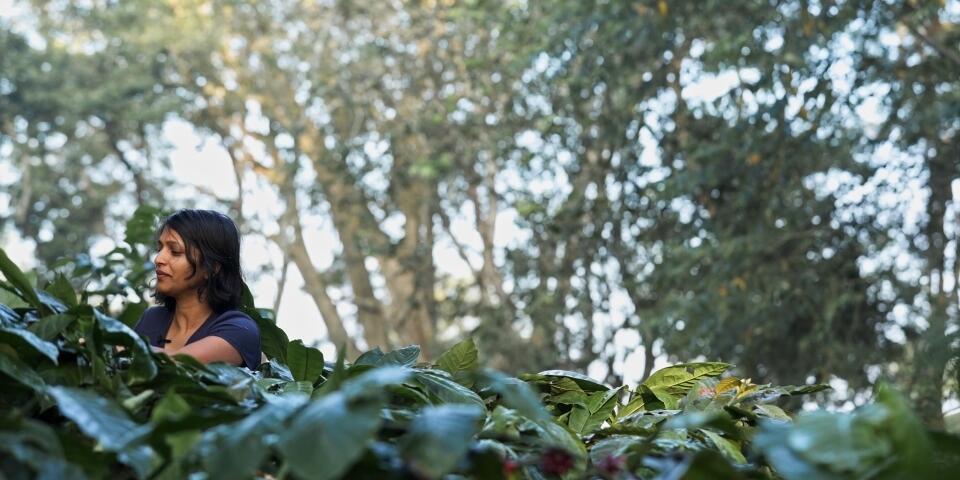
Smitha on a field visit. Photo credit: Rajani Mani.
Smitha returned to her home country, India, after completing her PhD from ETH Zürich (in pollination services and coffee production in a forested landscape). From Bengaluru, she co-leads the Alliance’s collaborative work on multifunctional landscapes in India. Smitha explains:
“India has a long history of sustainably managing forests (including sacred forests), farms, and commons (land and water). However, what has evolved is the recognition that biodiversity, climate resilience, food systems, and livelihoods must be addressed together. Multifunctional landscapes provide a framework for integrating multiple objectives, breaking down sectoral silos, and aligning community aspirations with policy mandates”.
A promising entry point: the cultivation of native fruit trees.
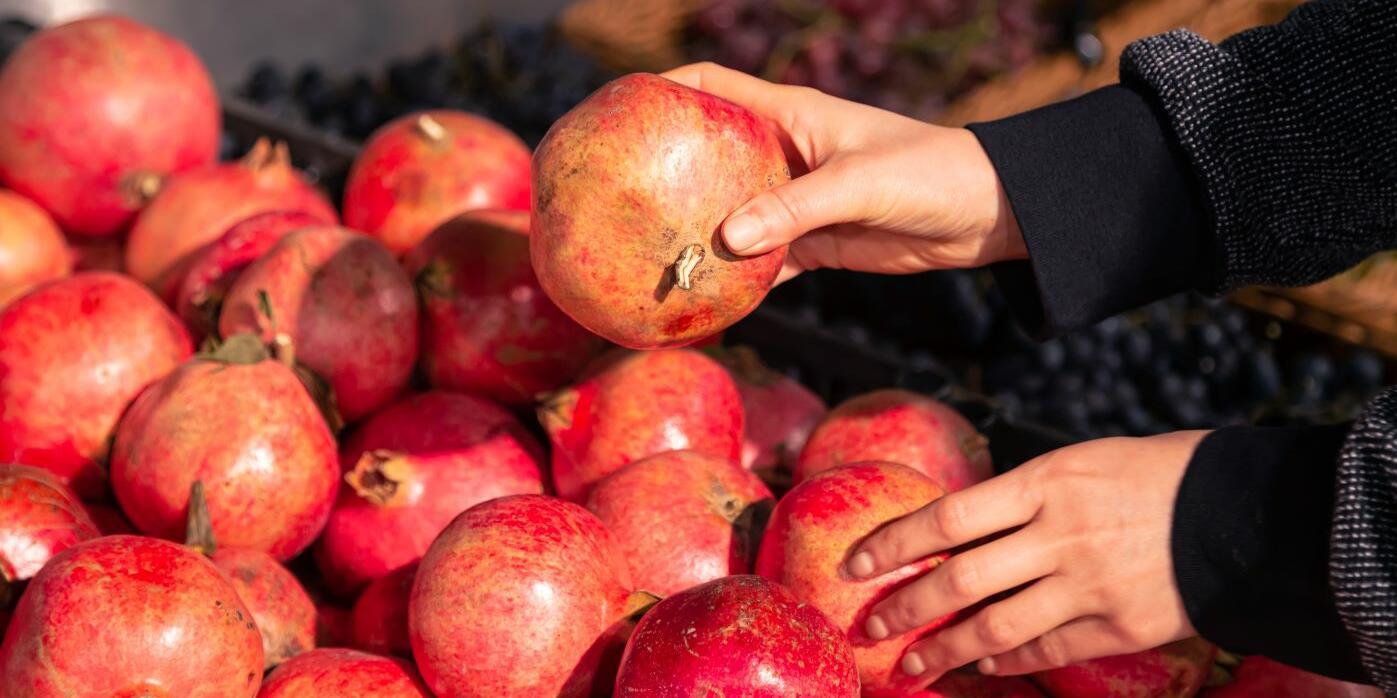
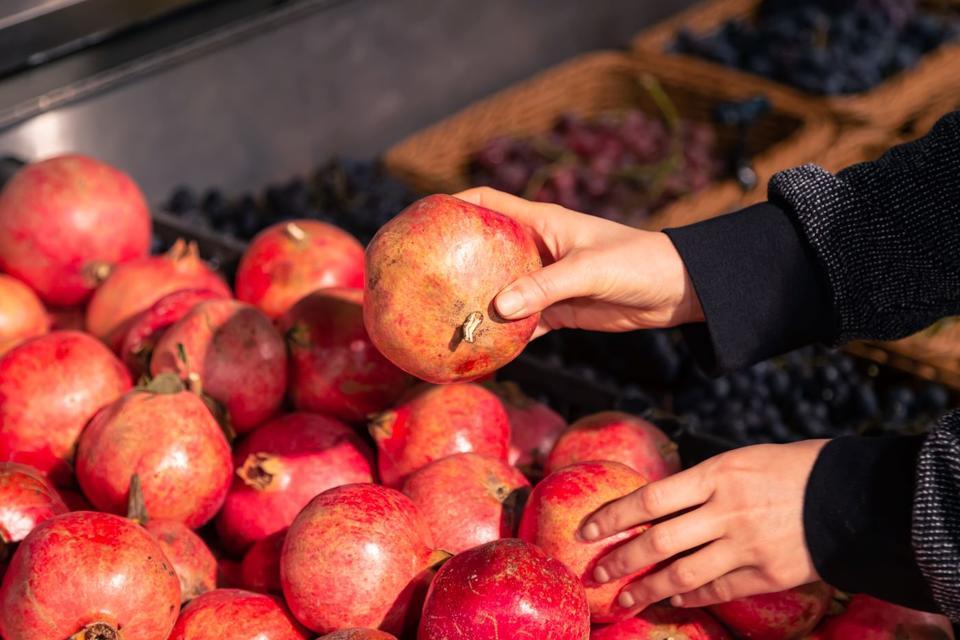
Pomegranates grown as part of the Centre for Fruitful India project.
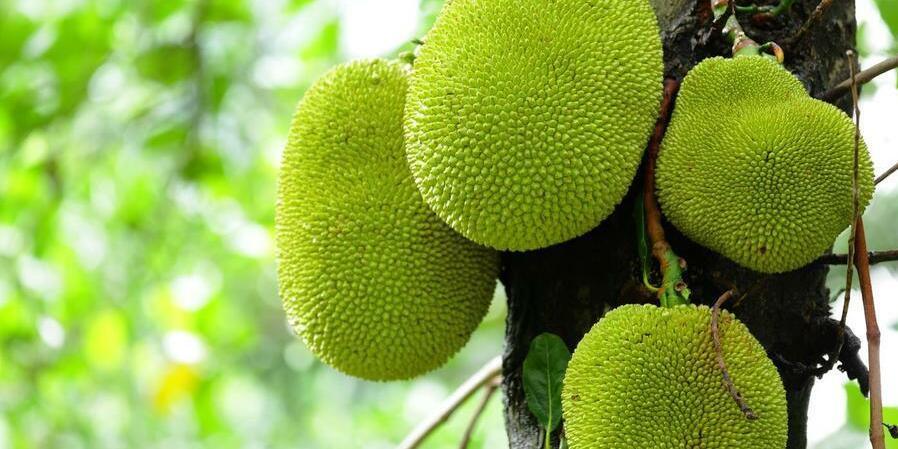
Jackfruit grown as part of the Centre for Fruitful India project.
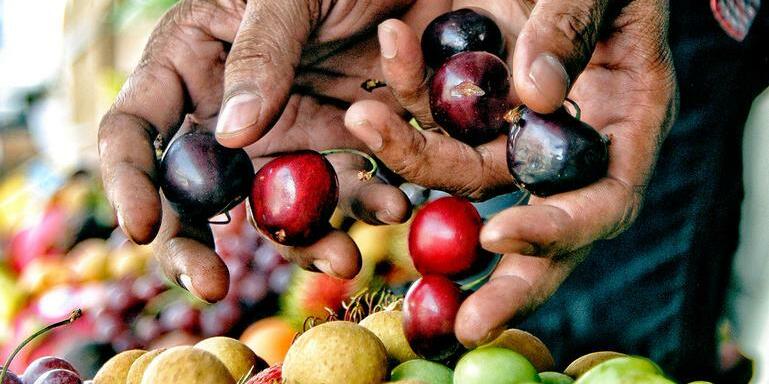
Cherries grown as part of the Centre for Fruitful India project.
From farm to policy: fruit trees yield diverse benefits in India
Fruit trees attract pollinators, offer shade and fodder to animals, improve community nutrition, and provide extra income for producers. In India, the great diversity of native species - including mango (India’s national fruit), amla, ber, jamun, tamarind, karonda, bael, fig and jackfruit - means there is ample ground for planting initiatives. Smitha contributes to the Centre for Fruitful India: a project that takes a hands-on approach to integrate fruit trees into farming landscapes. Smitha reflects,
“My involvement has been very rewarding, particularly fruit-tree-planting initiatives in rural schools. These efforts combine nutrition security, environmental education, and long-term ecological benefits, demonstrating how trees can directly shape healthier futures for children while mitigating climate change.”
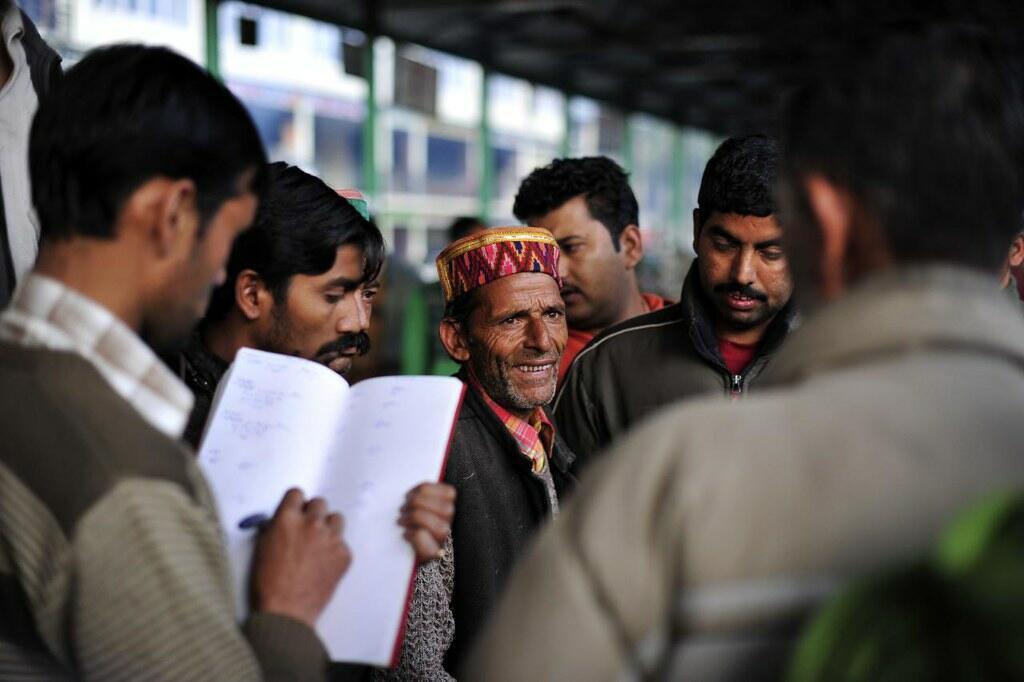
A market in Himachal Pradesh, India. Photo credit: CIAT/Neil Palmer
Besides working directly with farming communities to design and implement multifunctional farming systems, Fruitful India combines the expertise of international research organizations (led by the Alliance) with local partners, including the Indian Council for Agriculture Research (ICAR), Ashoka Trust for Research in Ecology and the Environment (ATREE), the Institute of Forest Genetics and Tree Breeding, BAIF, and others, to make a best case scenario for the integration of fruit trees and landscape diversification into government policy and the activities of civil society organizations. Smitha notes the influence on diverse stakeholders:
“I am proud of contributing to evidence-based insights that help local governments and communities see landscapes through a multifunctional lens... Knowing that our work can influence national-level planning while remaining grounded in farmer realities is incredibly motivating.”
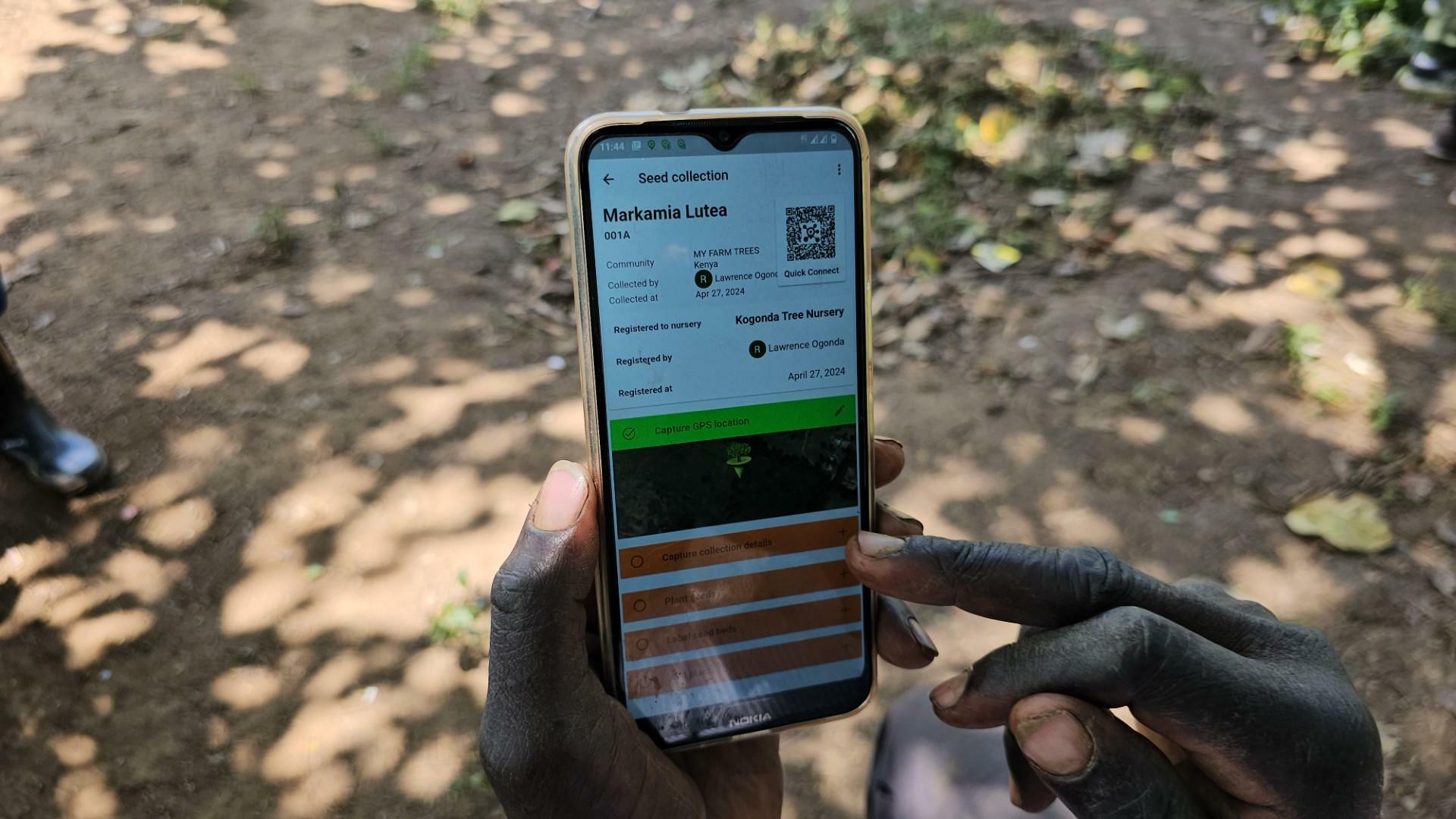
The My Farm Trees restoration app in action. Photo credit: Rachel Kibui
Linking traditional knowledge with digital tools
Smitha says that landscape diversification is enabled by "combining science, local knowledge and digital accessibility". Over the last years, this has been exemplified by the rollout of My Farm Trees in Southeast Asia and Africa: An Alliance-developed mobile app that provides farmers with information on the most promising local tree varieties with the support of another tool called Diversity for Restoration for long-term landscape restoration, as well as access to a network of local seed collectors and community nurseries. Smitha observed how “smallholder farmers adopted diverse, climate-resilient tree species that also improve household incomes, food security, and resilience to climate shocks".
Smitha believes that trees can support livelihoods and biodiversity while simultaneously mitigating climate change:
“In the Western Ghats, conserving native trees in forests and coffee agroforests has supported water regulation, reduced drought stress for farms downstream, supported pollinators (contributing to 33% of overall coffee production), sequestered carbon and enhanced livelihoods”.
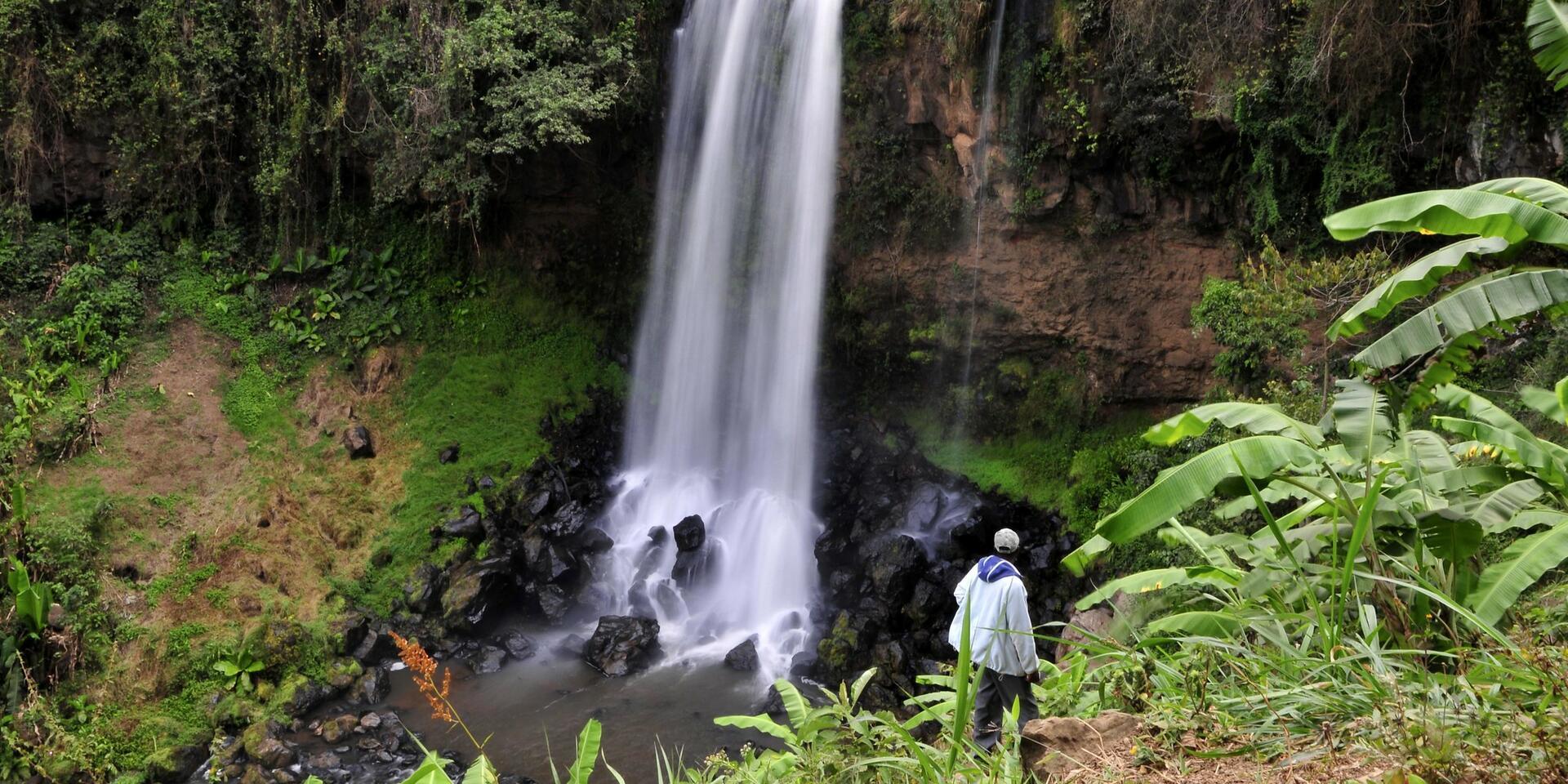
A multifunctional landscape with diverse plant species that protect soil erosion. Photo credit: CIAT/Neil Palmer
Successful restoration relies on building bridges
There is enthusiasm for planting trees. But, what ensures that a reforestation initiative is successful? Smitha reflects that the involvement of the community is crucial:
“Restoration can succeed at scale when ecological knowledge aligns with local needs and aspirations.”
Best case examples, such as the Center for Fruitful India and My Farm Trees, have combined science-based species selection, digital tools, and strong community engagement for lasting results. For example, Smitha cites that:
“it has been very promising to see that our digital tools such as My Farm Trees and Diversity for Restoration are being used for real-world decision-making.”
Since the pilot phase, the tool is now guiding farmers and institutions as they select what kinds of trees to plant, and where. “This is the kind of positive, people-centric impact I am keen to upscale, where forest-agriculture mosaics, commons, and wildlife corridors offer a unique opportunity to deliver both livelihood security and biodiversity co-benefits.”
Looking ahead towards expanding these projects and the Alliance’s contributions to increasing food systems’ resilience in India Smitha reflects on her and her team’s key strengths and interests:
“It’s rewarding to build bridges between scientific data and local priorities. When communities use our evidence to plan restoration or diversify livelihoods, it reinforces that science can be both rigorous and empowering”.
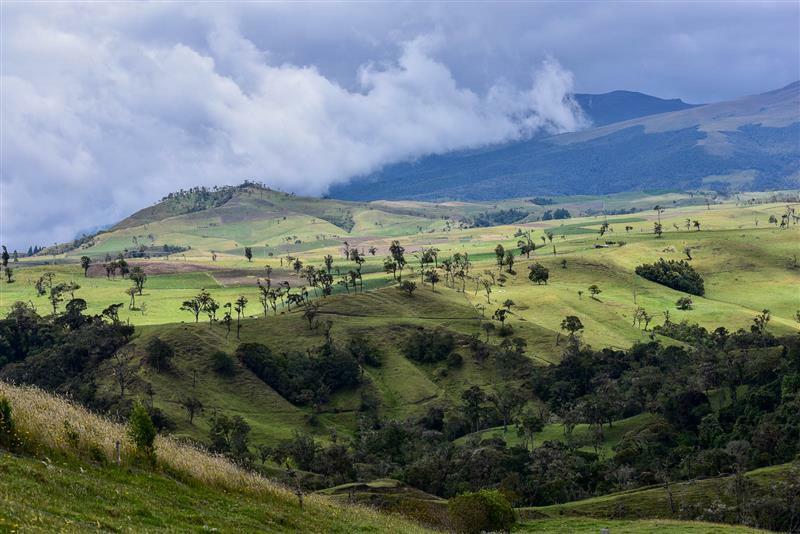
Multifunctional landscapes are more resilient to climate challenges. Photo credit: CIAT/Neil Palmer