Blog From food waste to nutrition: Feeding people, not landfills

Every day, tonnes of fresh fruits and vegetables arrive in Nairobi’s informal markets. Yet, before much of this food reaches consumers, a significant portion goes to waste due to poor storage, transport challenges, market gluts, and inadequate infrastructure.
At the same time, thousands of vulnerable people, including children in homes, students in informal schools, and low-income households, struggle to access healthy and nutritious meals.
This paradox sits at the heart of one of Kenya’s biggest food system challenges: food loss and waste alongside rising food and nutrition insecurity.
A new partnership between FoodBanking Kenya (FBK) and the Alliance of Bioversity International and CIAT under the CGIAR Better Diets and Nutrition Science Program, is working to change that narrative by turning rescued food into measurable nutrition impact.
Why food rescue matters
Globally, nearly one-third of all food produced is lost or wasted. In urban markets such as Nairobi, estimates suggest that between 40–60% of fruits and vegetables can be lost before consumption.
These are not just economic losses. Many of the foods wasted are rich in important nutrients such as Vitamin A, iron, zinc, and calcium. Ultimately, these nutrients are essential for healthy growth, strong immunity, and child development.
Meanwhile, many institutions serving vulnerable populations operate with limited food budgets and struggle to provide balanced meals consistently.
FoodBanking Kenya has been addressing this challenge by recovering surplus, safe-to-eat food from markets and redistributing it to institutions and communities in need. Through structured food donation systems and digital coordination platforms such as FoodiVerse, food that would otherwise go to waste is redirected to feed people.
Globally, nearly one-third of all food produced is lost or wasted. In urban markets such as Nairobi, estimates suggest that between 40–60% of fruits and vegetables can be lost before consumption.
These are not just economic losses. Many of the foods wasted are rich in important nutrients such as Vitamin A, iron, zinc, and calcium. Ultimately, these nutrients are essential for healthy growth, strong immunity, and child development.
Meanwhile, many institutions serving vulnerable populations operate with limited food budgets and struggle to provide balanced meals consistently.
FoodBanking Kenya has been addressing this challenge by recovering surplus, safe-to-eat food from markets and redistributing it to institutions and communities in need. Through structured food donation systems and digital coordination platforms such as FoodiVerse, food that would otherwise go to waste is redirected to feed people.
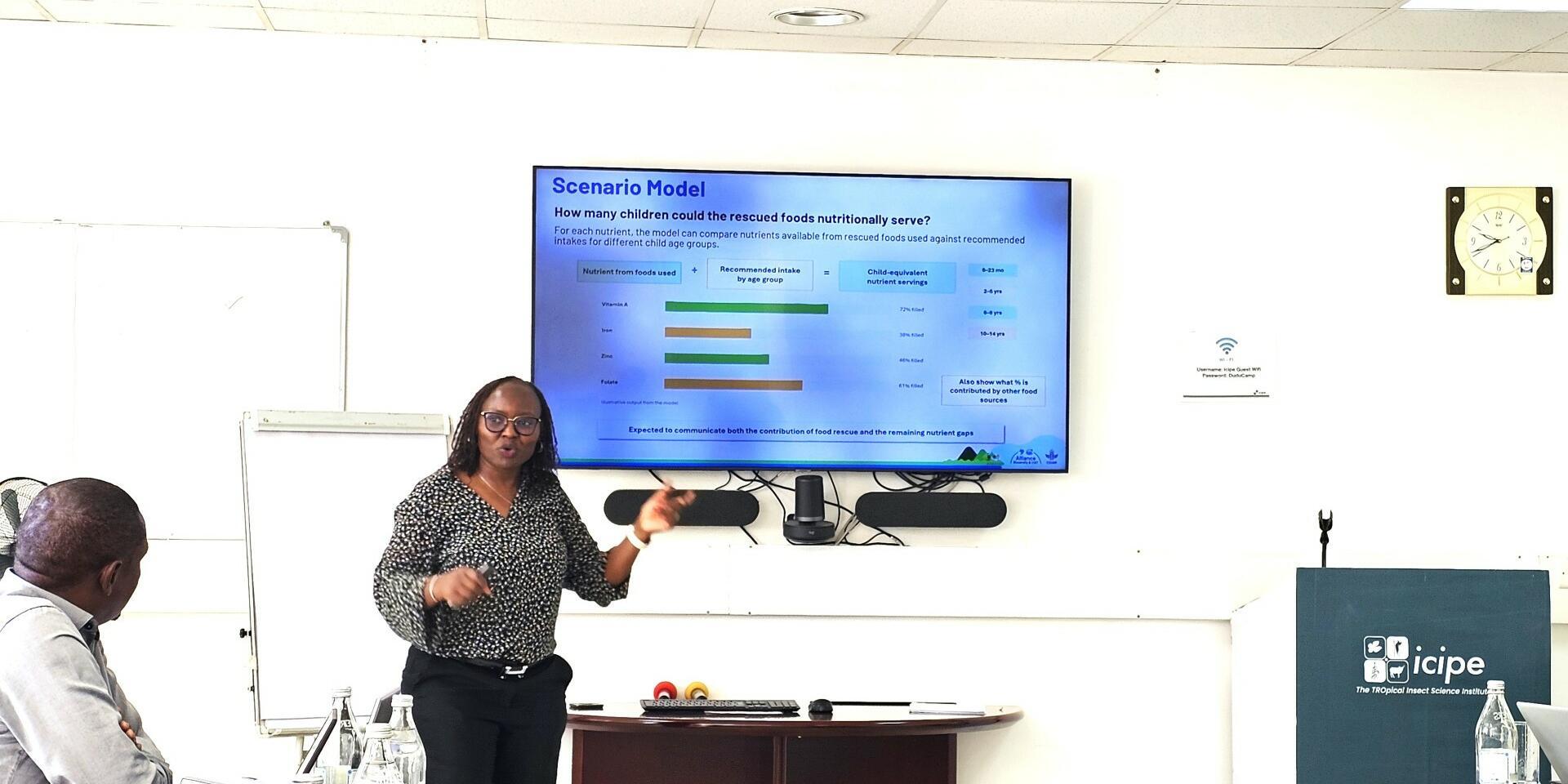
Dr Christine Chege makes a presentation during the meeting between The Alliance team and FoodBanking Kenya.
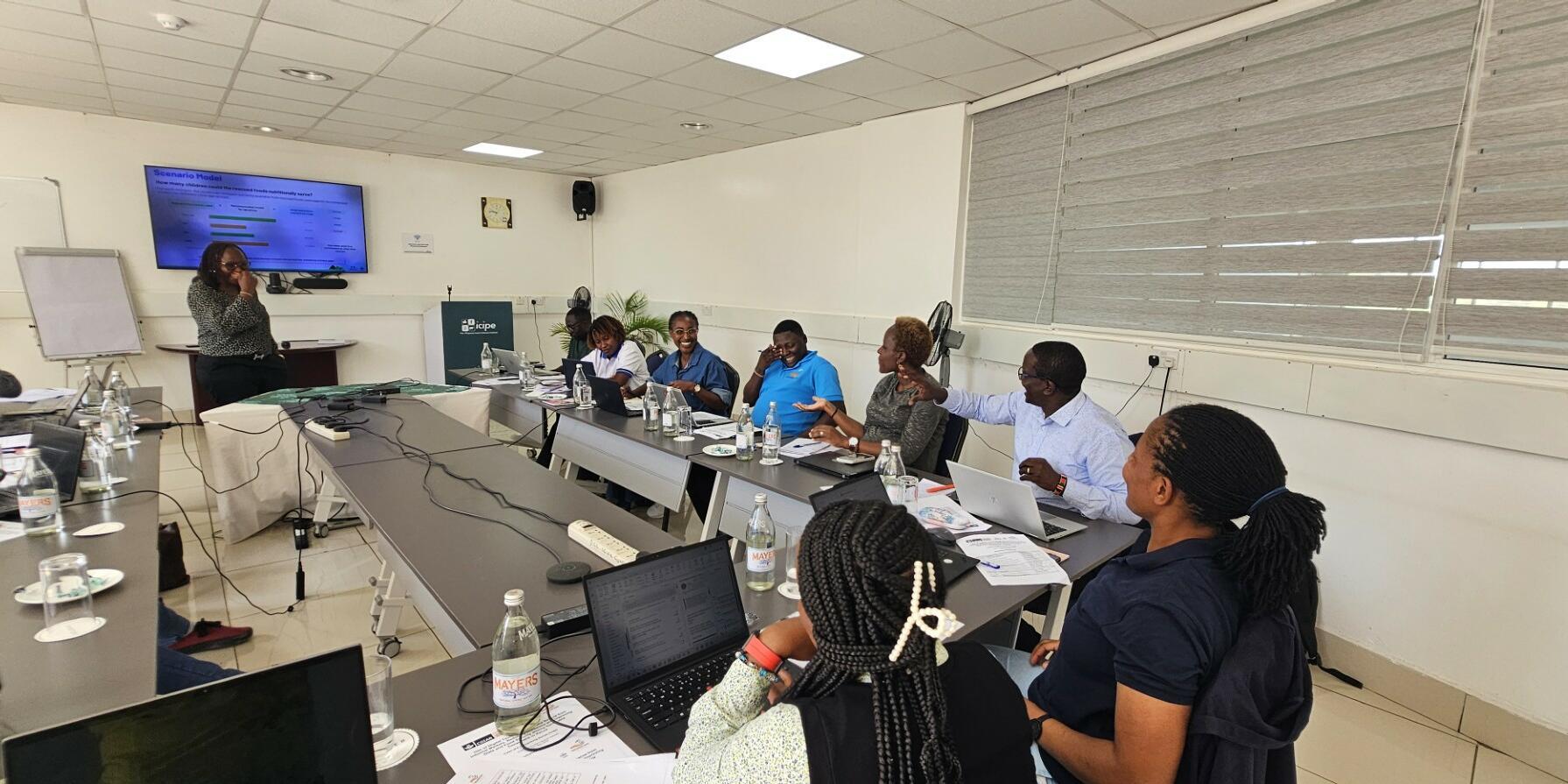
A group picture of stakeholders from the Alliance and FoodBanking Kenya.
Moving beyond quantity to nutrition
Traditionally, food rescue programs have focused on the quantity of food saved and redistributed. But an important question has remained unanswered: What nutritional value do rescued foods actually contribute to vulnerable populations?
The 2026 pilot collaboration between FBK and the Alliance seeks to answer this question.
The initiative will test a nutrition-sensitive digital monitoring system that tracks food at the item level-from donation to utilization at beneficiary institutions.
Instead of simply recording “vegetables” or “fruits,” the pilot aims to capture specific food items such as spinach, carrots, bananas, or cabbages, including their quantities and how they are ultimately used.
This information will help generate evidence on:
- Dietary diversity
- Nutrient contribution of rescued foods
- Food utilization and wastage
- Seasonal food availability
- Economic savings for beneficiary institutions
- Food safety considerations
- Behavioural changes in food purchasing and planning
How the system will work
Using digital tools such as ODK and automated data pipelines, beneficiary institutions will record:
- Foods received from donations
- Foods purchased from other sources
- Foods used for cooking
- Foods wasted or redistributed
- Meal preparation patterns
The collected data will then be linked to the Kenya Food Composition Tables to estimate nutrients such as:
- Vitamin A
- Iron
- Zinc
- Calcium
- Calories and other macro nutrients
The project will also calculate indicators like dietary diversity scores and dietary species richness to better understand the quality of meals being served. Importantly, the system is being designed to avoid overburdening beneficiary institutions by focusing only on practical, high-value data points.
Supporting children, schools, and vulnerable communities
The pilot will work with different categories of beneficiary institutions, including:
- Children’s homes
- Schools
- Community feeding programmes
- Other vulnerable support institutions
Many of these institutions depend heavily on external food support and operate under tight financial constraints.
By reducing food procurement costs and improving access to nutritious foods, food rescue can play an important role in supporting child nutrition, food security, and institutional resilience.
A smarter way to fight food loss and hunger
The collaboration between FBK and the Alliance reflects a growing recognition that food rescue is not only an environmental intervention, but also a nutrition and public health solution.
The project aims to generate practical evidence that can help:
- Improve food donation planning
- Strengthen nutrition-sensitive food systems
- Support policy engagement on food loss and waste
- Upgrade digital food rescue systems
- Scale evidence-based food rescue models across Kenya and beyond
Ultimately, the goal is simple but powerful: ensuring that good food feeds people instead of ending up in waste streams.
Looking ahead
As climate change, rising food prices, and urban food insecurity continue to challenge vulnerable populations, innovative food system solutions are becoming increasingly urgent.
By combining food rescue, digital innovation, nutrition science, and community partnerships, FoodBanking Kenya and the Alliance are demonstrating how surplus food can become a pathway towards healthier diets, reduced waste, and more resilient communities.
Because sometimes, the solution to hunger is not producing more food, but making better use of the food we already have.
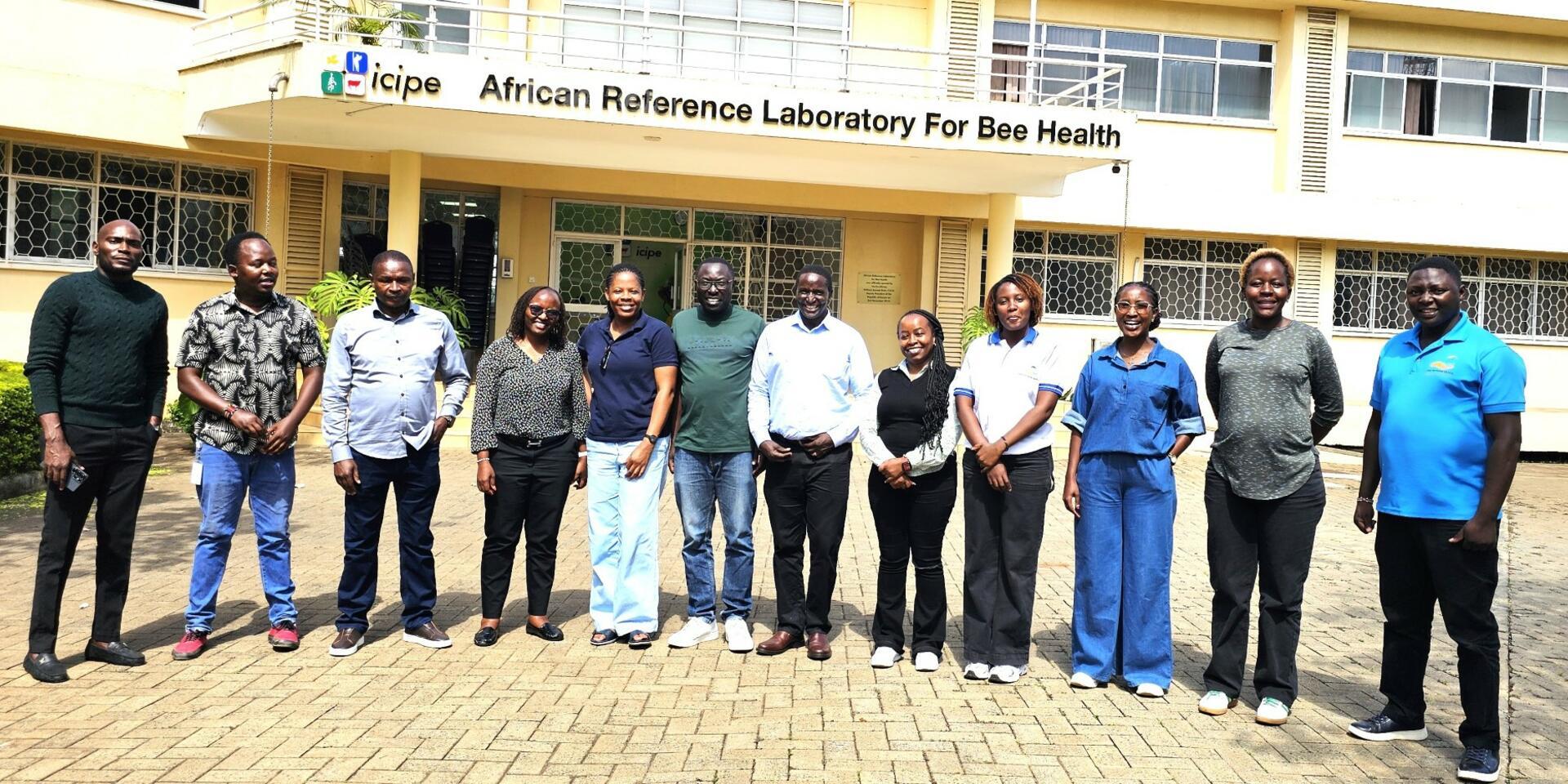
Cover Photo: Stakeholders from The Alliance and FoodBanking Kenya during a recent meeting in Nairobi
The team
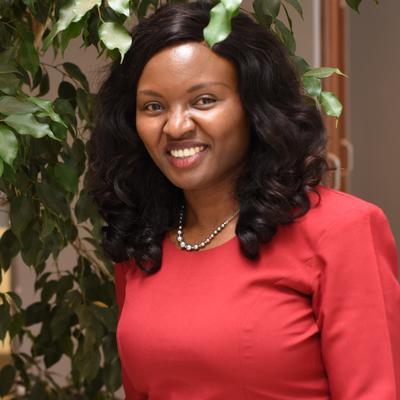
Christine Chege
Agri-Nutrition and Food Systems Scientist
Kevin Omondi Onyango
Senior Research Associate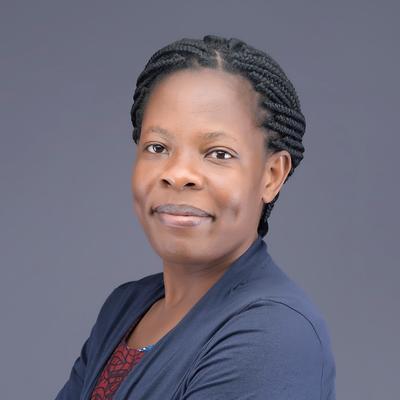
Rosina Wanyama
Scientist - Food Environment and Consumer BehaviorKeep exploring