Research Articles When fertilizer becomes scarce the whole farm matters

What can a farm do when the fertilizer it expected arrives too late or costs too much? The answer depends in part on what is already there: crop residues, livestock, land and the time needed to put them to work.
Fertilizer supply disruptions are creating renewed uncertainty for African agriculture. Wars, energy-market instability, trade restrictions and transport bottlenecks can rapidly increase fertilizer prices and delay deliveries. For fertilizer-importing countries, these global shocks often reach farmers through shortages, higher input costs and reduced access during critical planting periods. This is particularly serious in sub-Saharan Africa, where many farmers already apply less fertilizer than recommended and where declining soil fertility continues to constrain productivity.
The Food and Agriculture Organization has warned that disruptions can delay fertilizer deliveries to import-dependent countries. That immediate supply risk makes a broader question urgent: what options remain within the farm when an external input becomes costly or late?
Against this background, our recently published paper, Optimizing trade-offs and synergies for sustainable intensification, provides timely evidence on how sustainable intensification interventions perform across contrasting smallholder farming systems. Although the study did not directly test fertilizer shortages, it examined how different farming practices could improve soil fertility, profitability and resource use in Ethiopia, Ghana and Malawi.
Looking at the whole farm
Smallholder farms are interconnected systems. Livestock provide food, income and manure, but require feed. Crop residues can be used for soil improvement, livestock feed or household needs. Labour allocated to one activity is unavailable for another. This means that a practice that performs well in an experimental plot may not always be practical at farm level.
Using the FarmDESIGN whole-farm modelling framework, our study assessed sustainable intensification options across high-, medium- and low-resource-endowment farms. The scenarios included compost application, improved crop-residue management, intercropping, improved crop varieties and improved livestock management. We assessed their effects on operating profit, labour demand and soil organic matter balance. This approach helped identify both the synergies and the trade-offs associated with each intervention. These are modelled possibilities for whole farms, not measured responses to a disrupted fertilizer market.
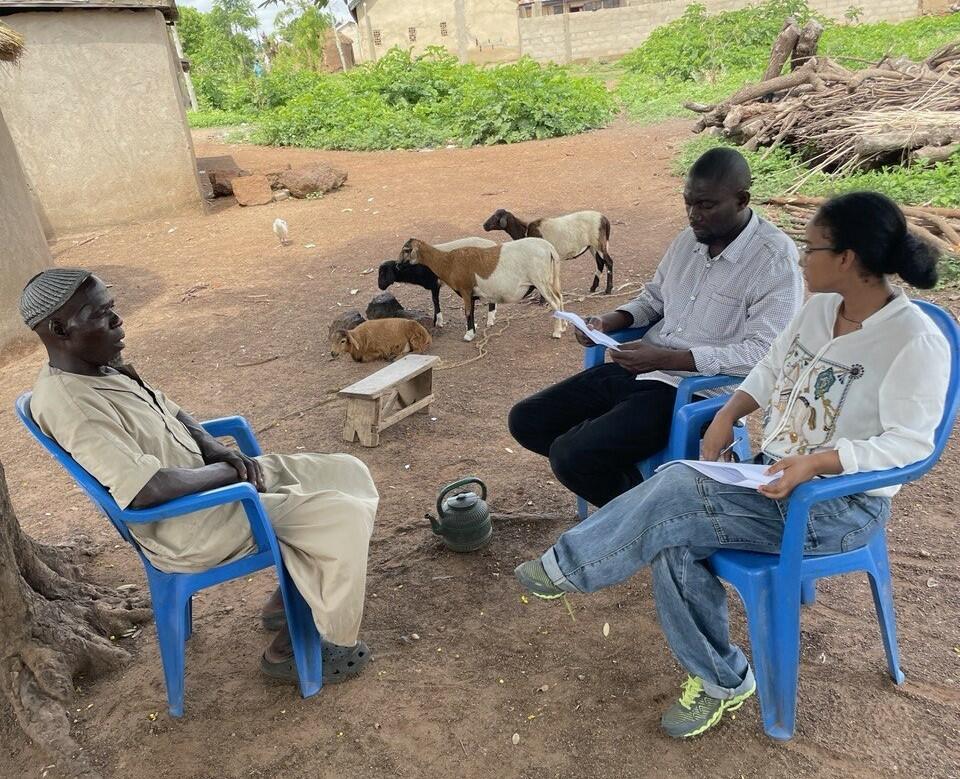
Compost can build soil but it takes work
Among the practices assessed, compost showed particularly strong potential to improve soil organic matter balance. The modelling also found scope for compost and crop-residue retention on farms with fewer resources, where access to inputs and labour can be tight.
This matters because soil organic matter supports soil structure, water retention, nutrient cycling and biological activity. These functions influence how effectively crops use both naturally available nutrients and applied fertilizer. Compost cannot replace mineral fertilizer directly. It contains nutrients at lower concentrations, releases them more slowly and may be available only in limited quantities. However, it offers broader soil benefits that mineral fertilizer alone cannot provide. The model found potential gains in soil organic matter balance. It did not measure fertilizer-use efficiency during a supply shortage, which would need separate testing.
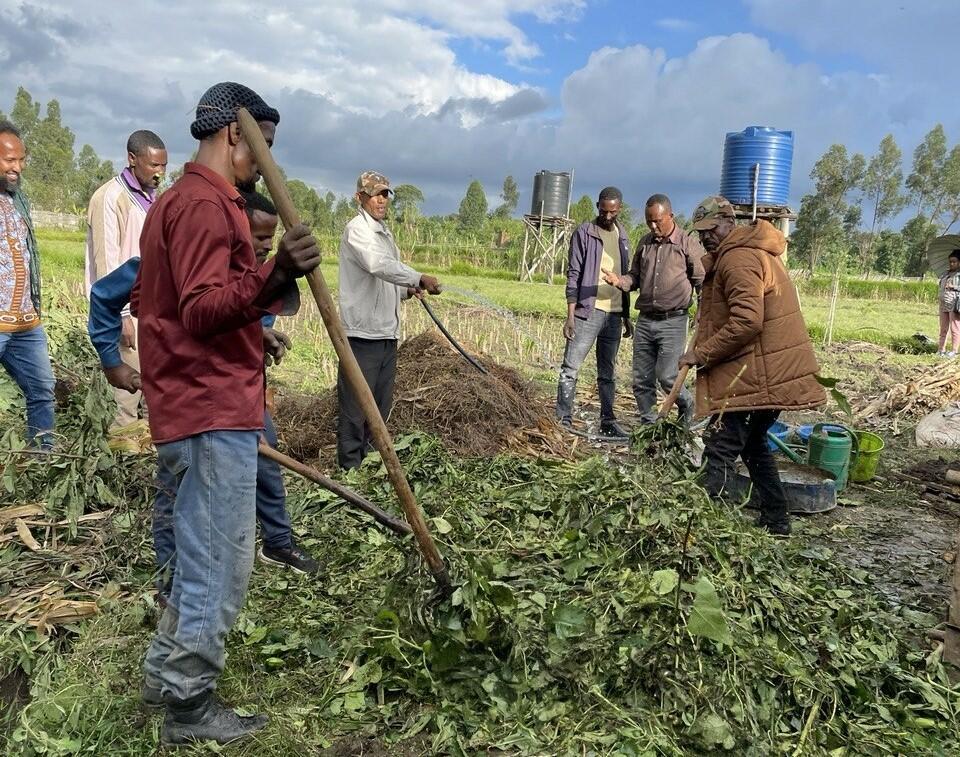
A residue has more than one job
Intercropping, improved manure management and stronger crop–livestock integration can also contribute to resilience. Legume-based intercropping may contribute biologically fixed nitrogen. Better management of manure and crop residues can retain more nutrients within the farm. Stronger crop–livestock integration can improve the links among feed production, manure availability, soil fertility and household income. However, these benefits are not automatic.
Crop residues retained in the field may no longer be available for livestock feed. Compost preparation may require substantial labour. Legume or forage production may compete with staple crops for land.
Our findings therefore show that sustainable intensification is not a single package of universally beneficial technologies. It involves choices among competing uses of land, labour, biomass and resources.
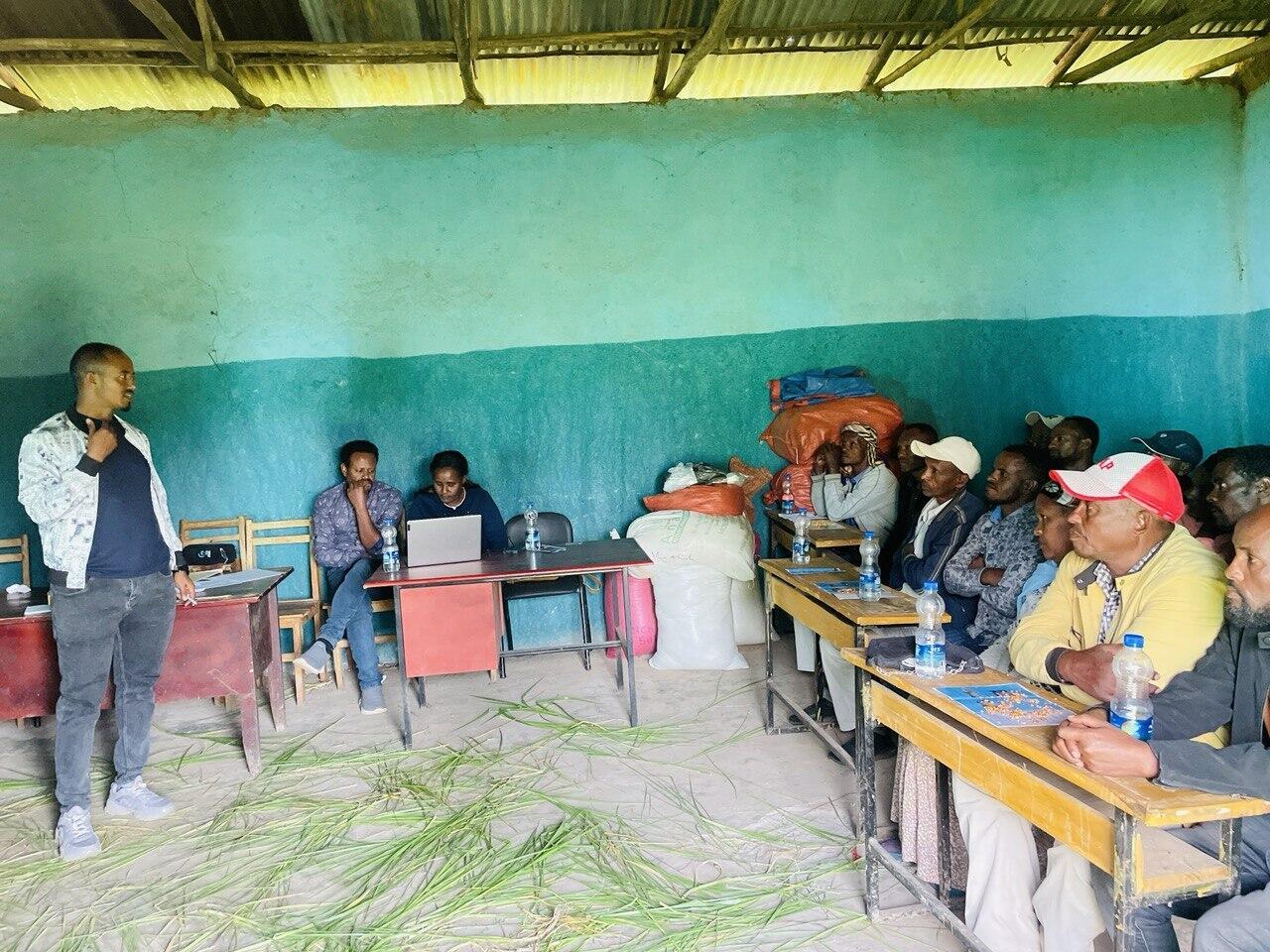
Different farms need different solutions
The study also showed that sustainable intensification options performed differently across countries and farm-resource groups.
Relatively well-resourced farms often have more land, livestock, labour and financial flexibility. Low-resource-endowment farms face tighter constraints. A household with few livestock may not produce enough manure, while a household with limited labour may struggle to prepare and transport compost. This means that technically promising interventions may remain inaccessible to the farmers most exposed to fertilizer shortages and price increases. Effective recommendations must therefore be adapted to different farm types rather than applied uniformly.

Sustainable intensification does not mean replacing synthetic fertilizer
The current fertilizer disruption may encourage arguments that African farming systems should replace synthetic fertilizer entirely with organic or agroecological alternatives. Our findings do not support such a conclusion. In the model, medium-resource farms gained particularly from intercropping and improved varieties, while farms with fewer resources showed scope for retaining residues and using compost. Integrated crop–livestock farms in Ethiopia saw the largest soil organic matter gains; in Malawi, labour constraints could limit profitability despite soil benefits.
Many African soils have experienced long-term nutrient depletion. In these conditions, locally available manure, compost and crop residues may not supply enough nutrients to support the productivity increases needed for food security and rural livelihoods. Mineral fertilizer will remain important. The more realistic objective is to combine fertilizer with practices that improve nutrient recycling, maintain soil organic matter, integrate crops and livestock, and reduce nutrient losses.
This can strengthen resilience in two ways. Healthier soils may produce more from each unit of fertilizer applied, while stronger internal nutrient cycling can provide partial support when fertilizer becomes scarce or unaffordable.
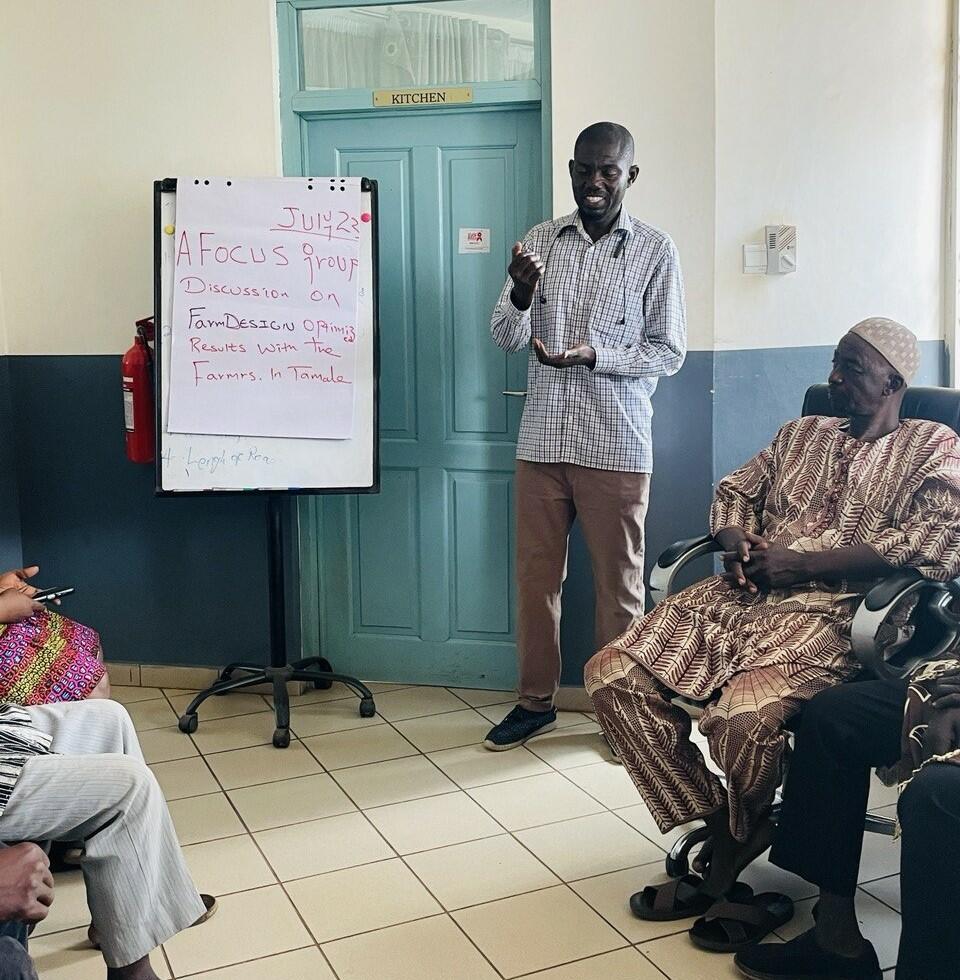
Soil health and mineral fertilizer belong in the same conversation
The current geopolitical situation shows how quickly events outside Africa can affect farming decisions across the continent. Governments and development partners must continue working to stabilize fertilizer supply, strengthen regional production and improve distribution systems. But repeated global shocks also show that supply-chain responses alone are not enough. Resilience must also be built within farming systems.
Our research shows that composting, intercropping, improved residue management and stronger crop–livestock integration can contribute to better soil fertility and more efficient use of farm resources. It also shows that these benefits depend on the type of farm and may involve important labour, land and income trade-offs.
The central lesson is not that one practice can replace a disrupted fertilizer shipment. It is that farms are more resilient when farmers have several ways to manage nutrients, maintain soil productivity and generate income. Sustainable intensification cannot fully protect farmers from war, market volatility or trade disruption. It can, however, help create farming systems that use fertilizer more efficiently, make better use of locally available resources and retain more options when external supplies are interrupted.
Keep exploring