Research Articles From farm to future: How digital innovation is transforming sustainable livestock production

Livestock systems are at a crossroads. On the one hand, global demand for animal-sourced food is projected to increase by nearly 70% by 2050. On the other, the sector faces mounting pressure to reduce greenhouse gas emissions, improve animal welfare, adapt to climate change, and remain economically viable – particularly for small and medium-scale producers. Against this backdrop, digitalization is increasingly seen not as a luxury, but as a necessity for the future of sustainable livestock production. These dynamics and emerging responses are examined in detail in the new book chapter “From farm to future: Driving sustainable livestock production through digitalization”, published in Digital Technologies for Sustainable Agriculture and Food Systems (Elsevier).
Digital technologies – ranging from wearable sensors and satellite data to artificial intelligence (AI) and blockchain – are reshaping how livestock systems are monitored, managed, and governed. When applied thoughtfully, they can support productivity, resilience, and sustainability at the same time. But realizing this potential requires more than technology alone: It demands inclusive policies, capacity building, and context-specific solutions.
What does digitalization mean for livestock systems?
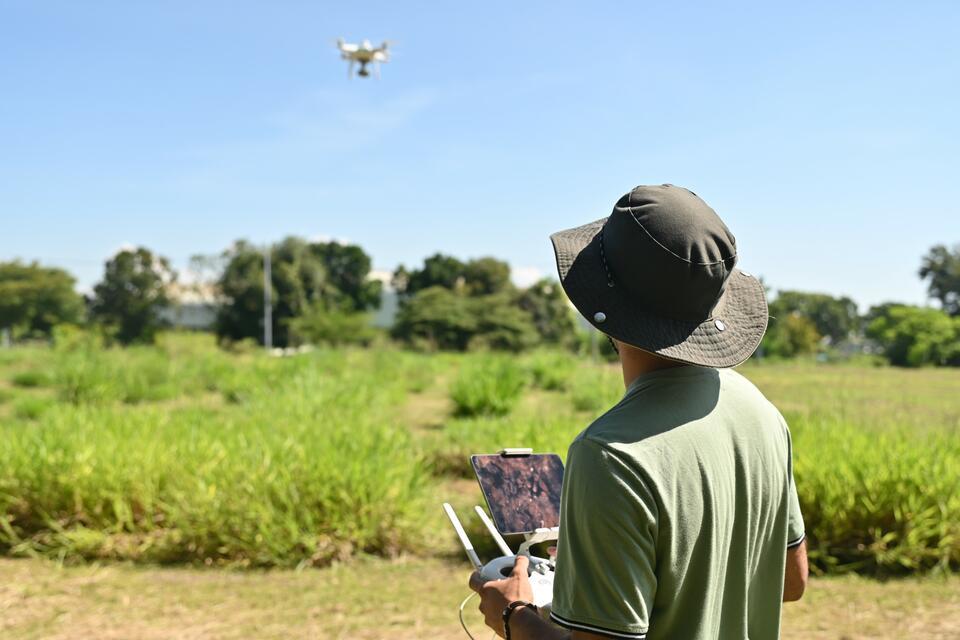
Digitalization in livestock production refers to the integration of sensors, automated systems, data platforms, and AI-based analytics into farm management. Often grouped under the concept of Precision Livestock Farming (PLF), these tools enable continuous, real-time monitoring of individual animals and production environments.
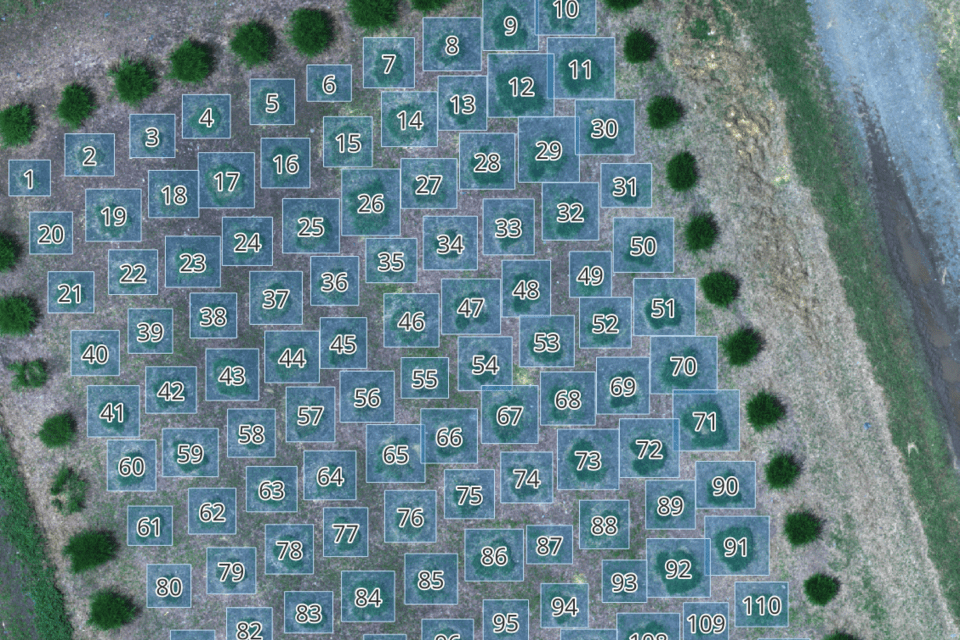
Modern PLF technologies can track animal health, behavior, reproduction, feeding patterns, and environmental conditions. Examples include electronic identification tags (RFID), accelerometers that monitor movement and rumination, camera systems that detect lameness or heat stress, and acoustic sensors that identify respiratory diseases. Increasingly, these data streams are connected through the Internet of Things (IoT) and analyzed using machine learning algorithms to support decision-making.
The promise is clear: Better information, earlier interventions, and more efficient use of resources.
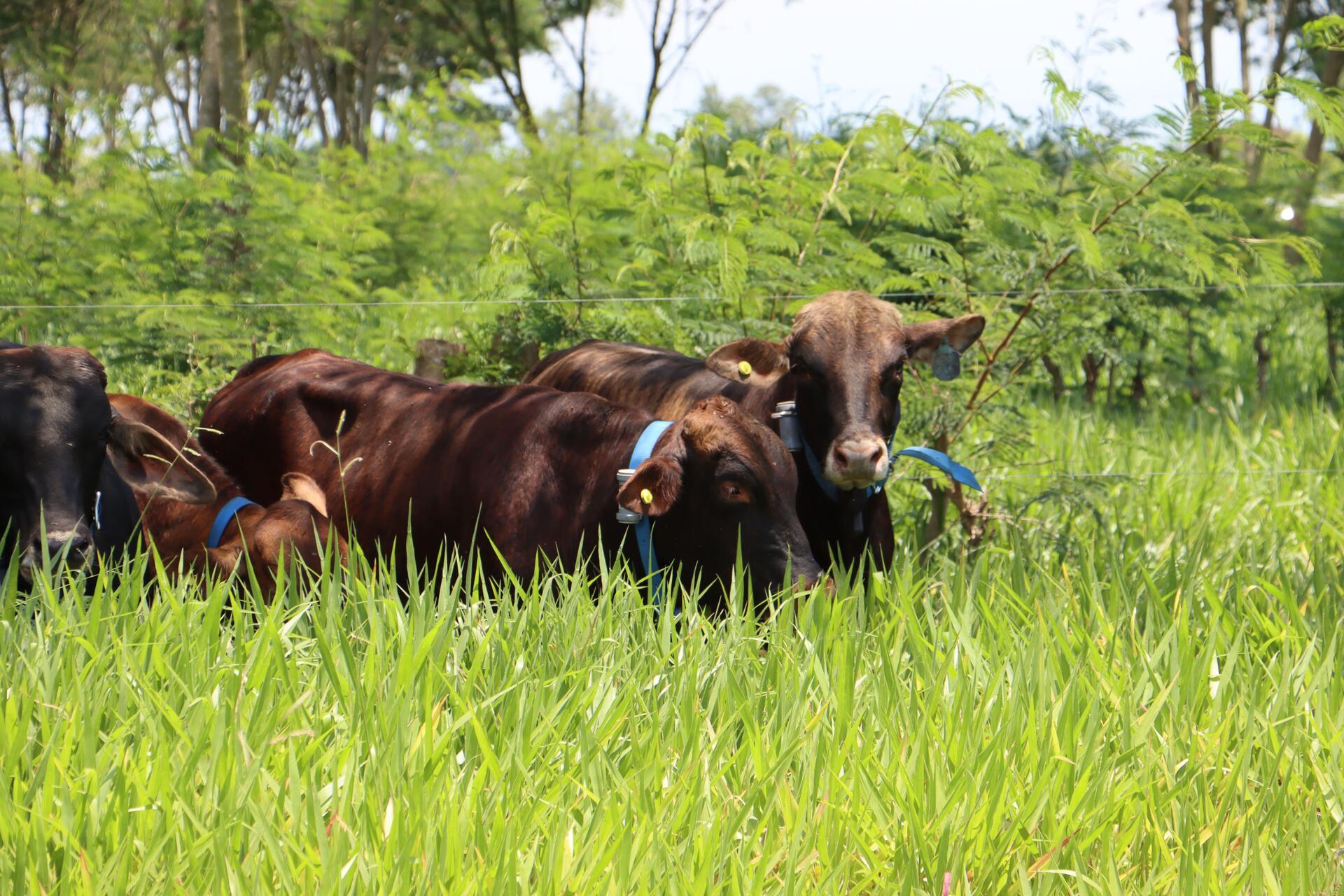
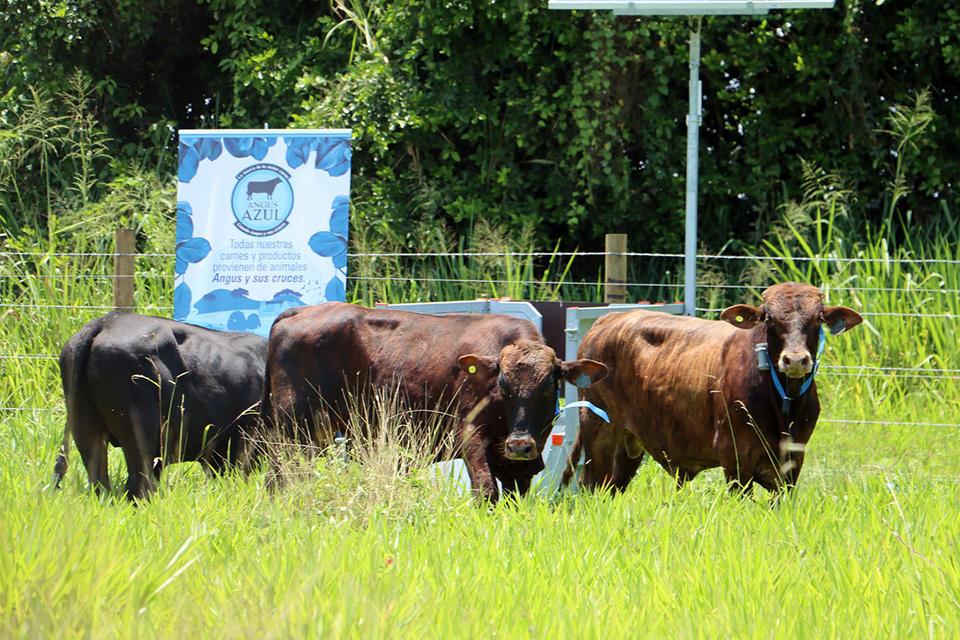
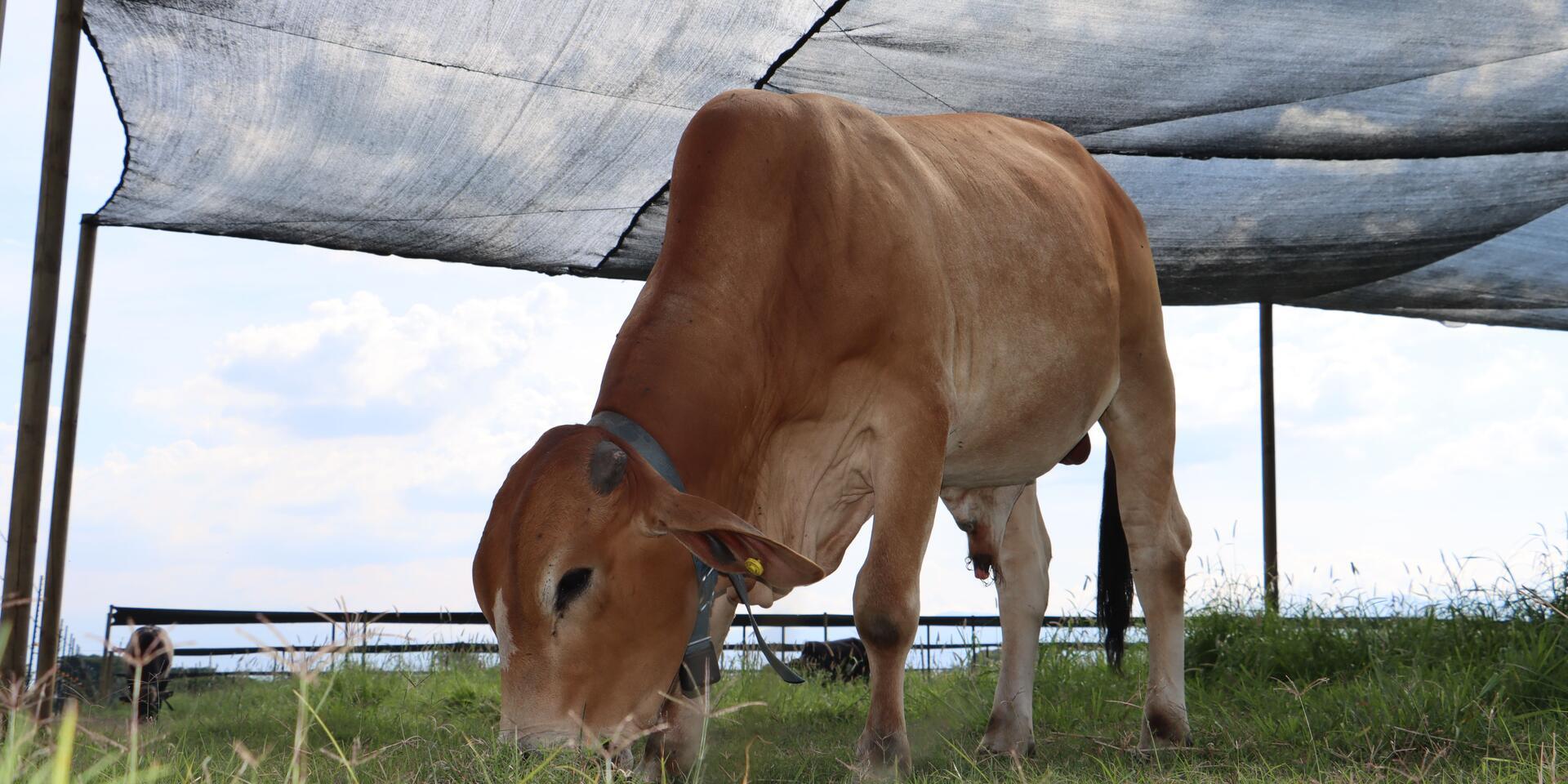
Use of Afimilk® collars in the CoForLife project, which monitor each animal’s body temperature, daily rumination time, location, and grazing time. Credits: J.L. Urrea / CIAT
From early automation to AI-driven systems
The digital transformation of livestock farming did not happen overnight. It has evolved over several decades. Early innovations in the 1970s and 1980s focused on basic electronic identification and automated milking systems. The 1990s and 2000s saw growing interest in sensors and data-based monitoring, alongside the emergence of PLF as a distinct concept.
In the past decade, progress has accelerated rapidly. Advances in cloud computing, AI, low-cost sensors, and connectivity have enabled more sophisticated, integrated systems. Today, AI-driven models can predict disease outbreaks, estimate body condition scores from images, detect estrus automatically, and optimize feeding strategies – often with minimal human intervention.
Research output reflects this momentum. Most scientific publications on digital livestock technologies have emerged since 2020, driven by growing concerns about climate change, labor shortages, and the resilience of food systems.
Sustainability impacts: Environment, economy, and society
Digital technologies are not designed explicitly as environmental tools, but their indirect impacts can be substantial. Early detection of diseases such as mastitis or lameness improves animal health and longevity, which in turn reduces greenhouse gas emissions per unit of milk or meat produced. Precision feeding minimizes nutrient waste, lowering nitrogen excretion and reducing emissions linked to feed production.
Economically, digitalization can improve farm profitability by reducing losses, lowering labor demands, and increasing productivity. Case studies show impressive gains: Reduced veterinary costs, higher milk yields, shorter calving intervals, and faster weight gain. However, benefits are not automatic. Technologies only deliver value when farmers have the skills, time, and support needed to interpret and act on the data.
Social impacts are more complex. Automation can reduce physically demanding tasks and improve working conditions, but it also changes the nature of farm labor. Digital livestock systems require new skills in data interpretation and technology management, potentially excluding workers without access to training. There is also concern that high investment costs could accelerate farm consolidation, widening gaps between large and small producers.
Animal welfare is another critical dimension. Continuous monitoring can improve welfare through early disease detection and reduced stress from handling. Yet poorly designed devices or misinterpreted data may introduce new welfare risks. This highlights the importance of farmer engagement, ethical design, and ongoing evaluation.
A global divide in adoption
Adoption of digital livestock technologies varies widely across regions. High-income countries – with strong infrastructure, capital access, and regulatory frameworks – lead in the uptake of advanced systems such as automated milking, AI-based monitoring, and blockchain traceability.
In contrast, adoption in the Global South remains uneven. Financial constraints, limited connectivity, low digital literacy, and weak extension services all slow diffusion. Where digitalization does occur, it often relies on simpler tools, particularly mobile-based applications that provide advisory services, market information, or climate alerts.
Mobile technologies offer a powerful entry point. With smartphone use rising rapidly across Africa, Asia, and Latin America, are helping bridge information gaps at relatively low cost. Examples include platforms that deliver animal health advice, connect farmers to markets, or support traceability in informal value chains.
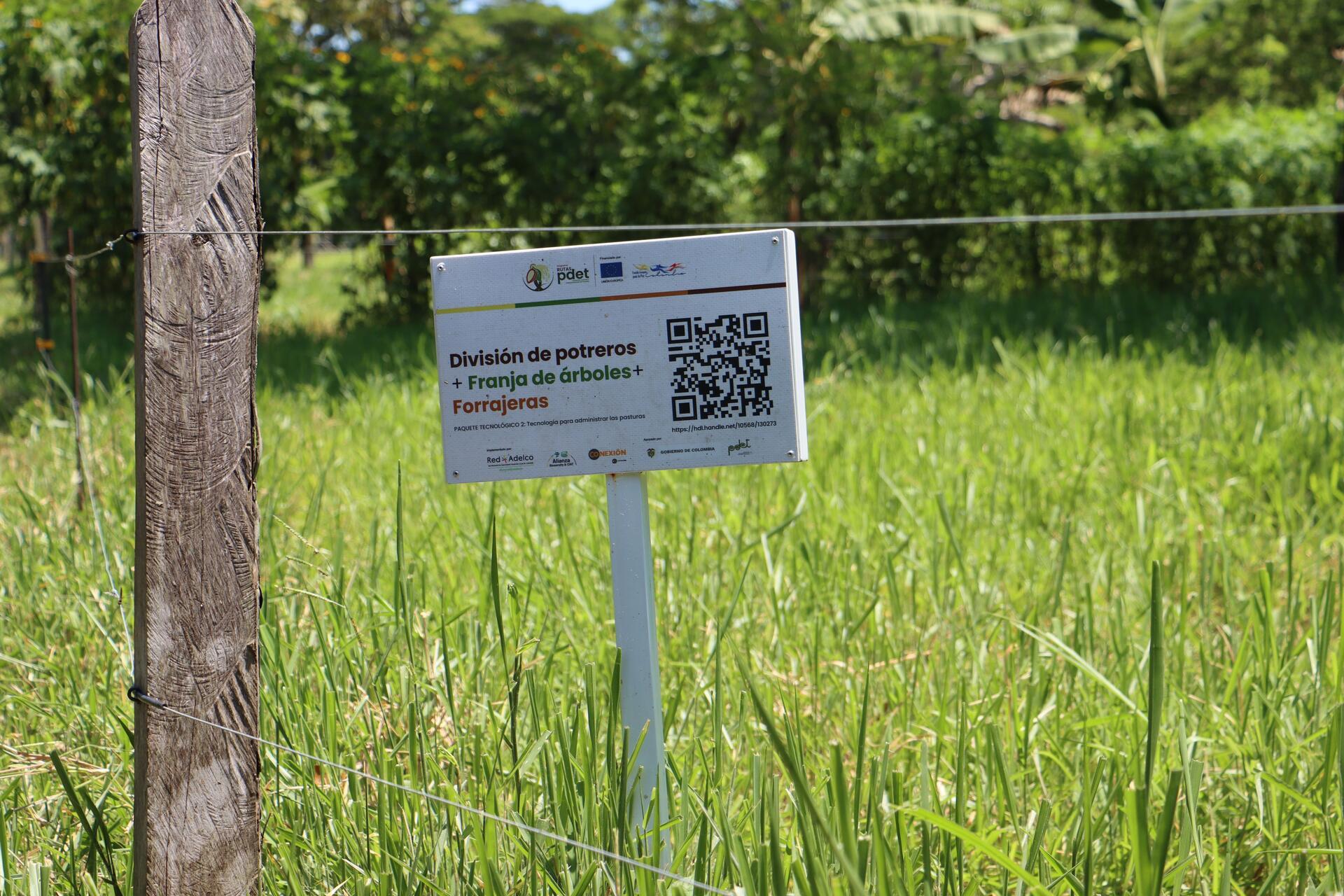
Some demonstration farms in Caquetá, Colombia have QR codes that, when scanned, provide additional information about the technology on display. Credits: A. Yedra / CIAT
Barriers and opportunities for inclusive digital transformation
Despite its potential, digitalization faces persistent barriers. High upfront costs remain the single largest obstacle, especially for smallholders. Limited access to finance, unreliable electricity and internet, lack of technical support, and low trust in new technologies all constrain adoption.
At the same time, opportunities are emerging. Public–private partnerships, targeted subsidies, and innovative financing models can lower entry barriers. Investments in digital literacy, especially for women and youth, can unlock new pathways for adoption and rural employment. Gender-responsive approaches are particularly important, given persistent gaps in access to digital tools and connectivity.
Equally crucial is the development of locally adapted technologies. Many digital livestock tools are designed for large, intensive systems in high-income countries. Adapting them to small-scale, pasture-based, or low-connectivity contexts requires co-design with farmers, flexible interfaces, and solutions that work offline or with minimal data.
Looking ahead: From technology to transformation
Digitalization alone will not make livestock systems sustainable. But when embedded in supportive policies, inclusive institutions, and well-functioning value chains, it can be a powerful enabler of transformation.
The future of sustainable livestock production lies not in fully automated farms, but in smart, human-centered systems – where technology supports farmers rather than replaces them, where data strengthens decision-making, and where innovation contributes to environmental stewardship, economic resilience, and social equity.
As the sector moves from farm to future, the challenge is clear: To ensure that digital innovation works for all, across regions, scales, and production systems, and helps build livestock systems that are productive, climate-resilient, and fair.
Acknowledgements: This work was carried out as part of the CGIAR Initiative Livestock & Climate (L&C) and the CGIAR Science Program on Sustainable Animal & Aquatic Foods (SAAF). We thank all donors who globally support our work through their contributions to the CGIAR System. The views expressed in this document may not be taken as the official views of these organizations.
Further reading