Research Articles Cultivating the future from the roots: innovation and carbon sequestration in soils
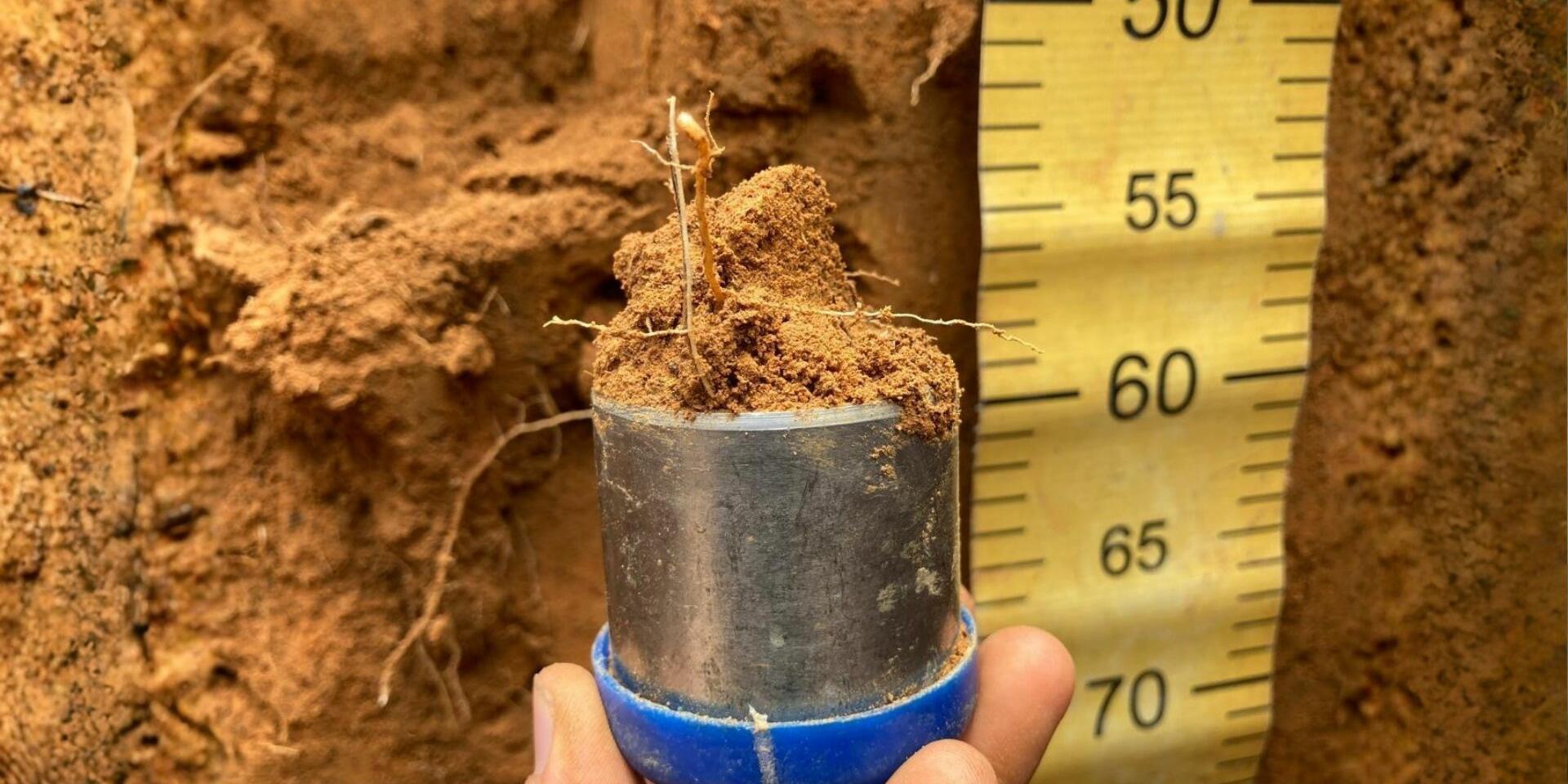

For the past four years, the Alliance has been leading research in Colombia on carbon sequestration in tropical soils to restore soil health, mitigate climate change, and strengthen food security.
Agricultural soils represent one of the planet’s greatest strategic opportunities to address climate change. They have the capacity to capture carbon from the atmosphere while simultaneously supporting global food security. However, the loss of organic matter due to intensive conventional agricultural practices has progressively deteriorated this natural capacity. In response to this challenge, over the past four years, the Alliance of Bioversity International and CIAT (hereafter referred to as the Alliance) has led the Carbon Sequestration project, funded by the Bezos Earth Fund. The objective of the soil component is to evaluate the potential of deep-rooted forages and crop components within crop-livestock systems to restore soil organic carbon in human-impacted areas across tropical soils of Latin America. This initiative integrates science and soil monitoring, plant breeding, and artificial intelligence to restore agroecosystem health and deliver scalable solutions for farmers and decision-makers.
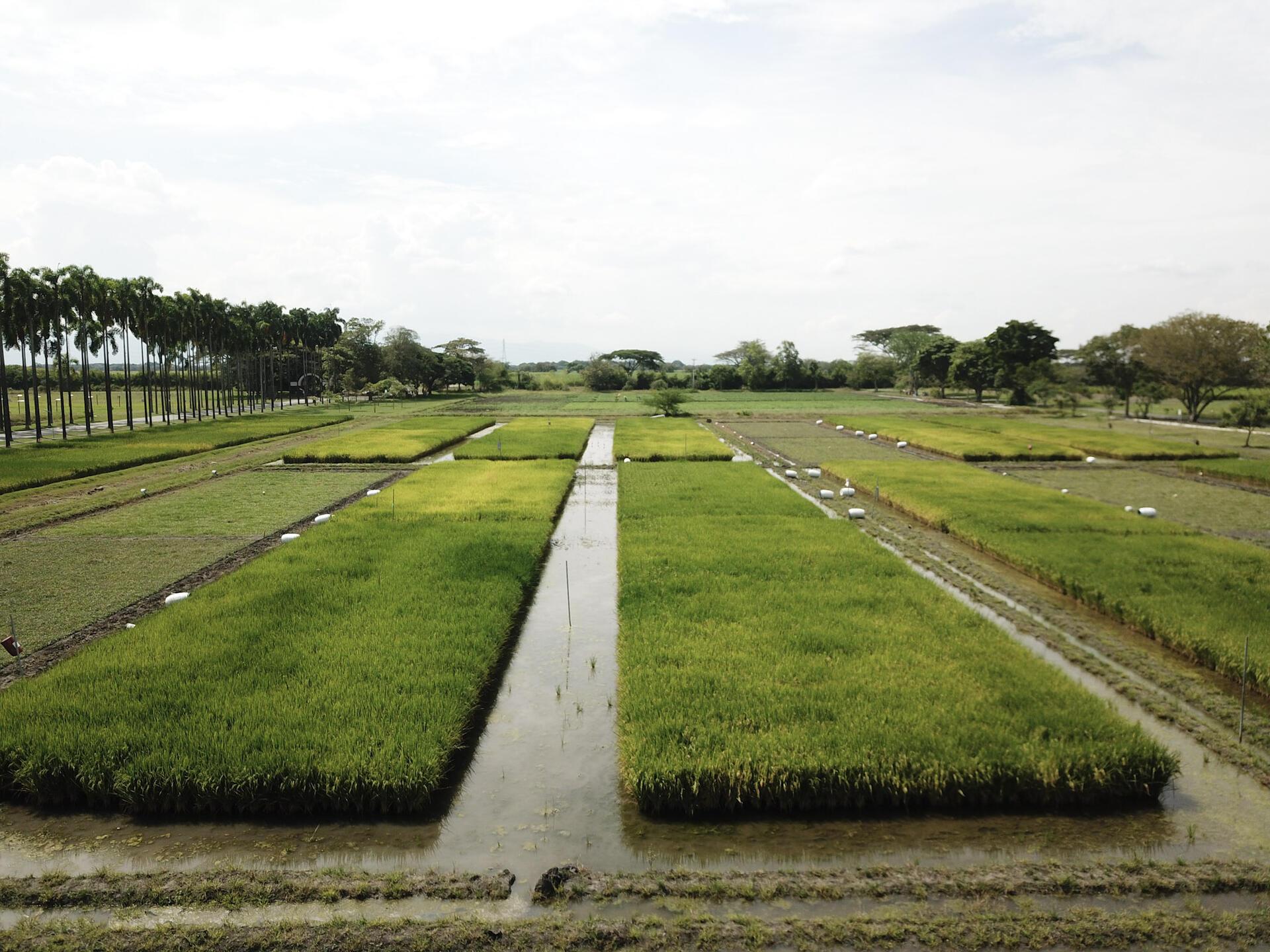
The project is structured under a multidisciplinary approach that connects research in soil physics, chemistry, and biology with the Alliance’s Rice and Tropical Forages programs. To evaluate the impact of different agronomic management practices under diverse soil conditions, field research trials were established in two regions of Colombia with contrasting soil characteristics: the Palmira campus (Valle del Cauca), where Vertisols predominate, characterized mainly by the presence of 2:1 clay minerals with high base saturation, high pH, free calcium carbonate, and high concentrations of soluble salts; and Puerto López (Meta), representative of typical tropical soils such as Oxisols, which are highly weathered, rich in iron oxides, and naturally low in fertility in the Eastern Plains. In both locations, traditional rice and forage monocultures are being compared with rotational systems (rice–forage), using plant materials with contrasting root architectures, including long-rooted and short-rooted varieties.
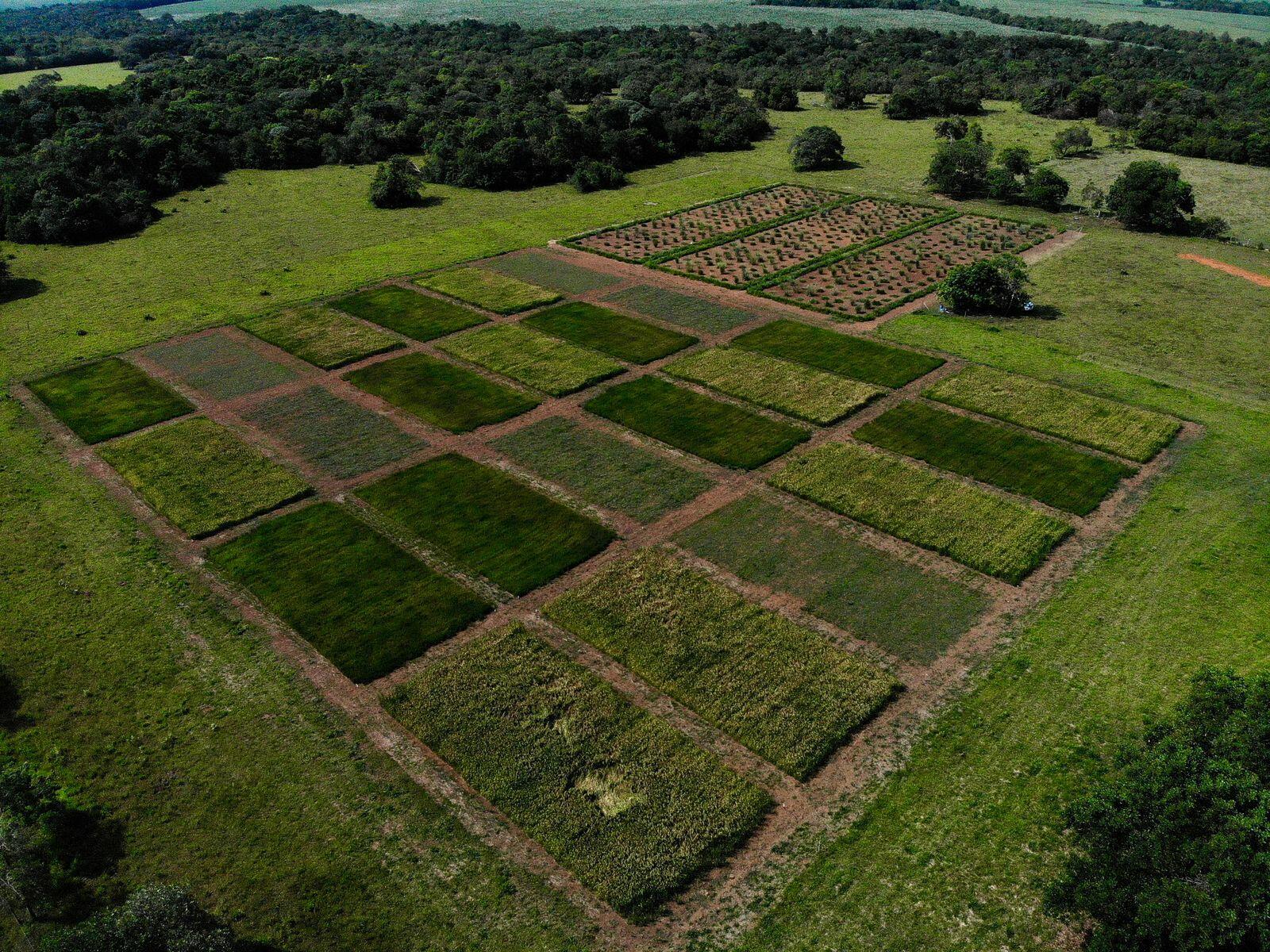
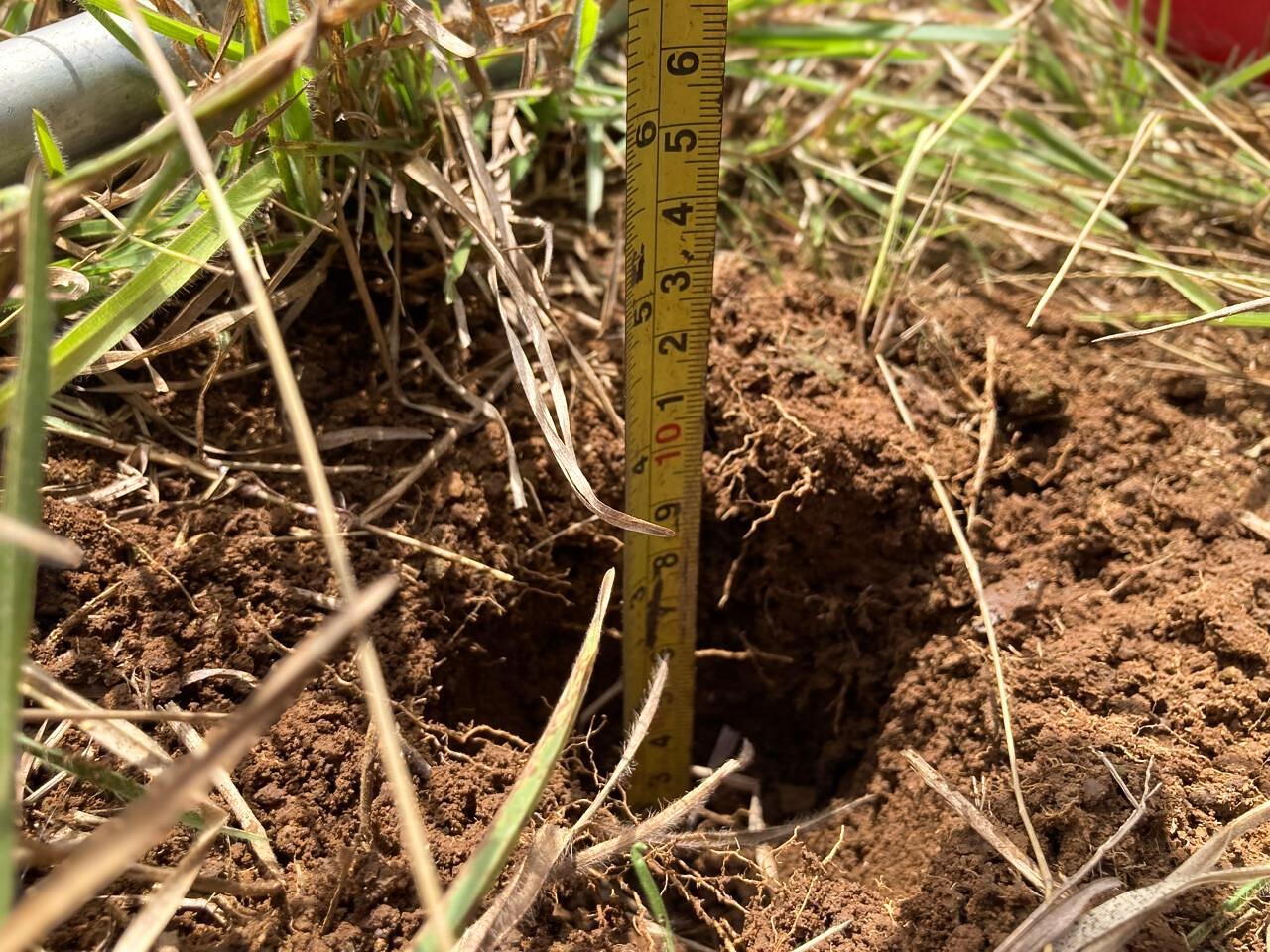
After 20 months of continuous monitoring in these field trials, analyses revealed contrasting and highly site- and depth-specific patterns. In Palmira, increases in soil organic carbon (SOC) stocks within the first 10 centimeters of soil depth were detected only under treatments involving deep-rooted forage monocultures and rotations between rice and deep-rooted forages, demonstrating greater surface carbon inputs associated with these materials. In the Eastern Plains, SOC responses were generally more pronounced. In the surface layer (0–10 cm), the highest SOC gains were recorded under two rotation systems: deep-rooted rice with deep-rooted forage, and deep-rooted rice with short-rooted forage.
One of the project’s most innovative components is the combination of this experimental monitoring with the development of predictive models based on Digital Soil Mapping (DSM) at the regional scale. Through the integration of artificial intelligence algorithms, environmental variables (representing soil-forming factors), and soil samples collected in the field, the team has mapped more precisely (spatial resolution = 30 m) the spatial variability of SOC stocks (t/ha) at depths of 0–30 cm and 30–100 cm across Colombia’s Eastern Plains. It has also identified areas with the greatest potential for carbon capture and storage (hotspots) in the region’s soils.
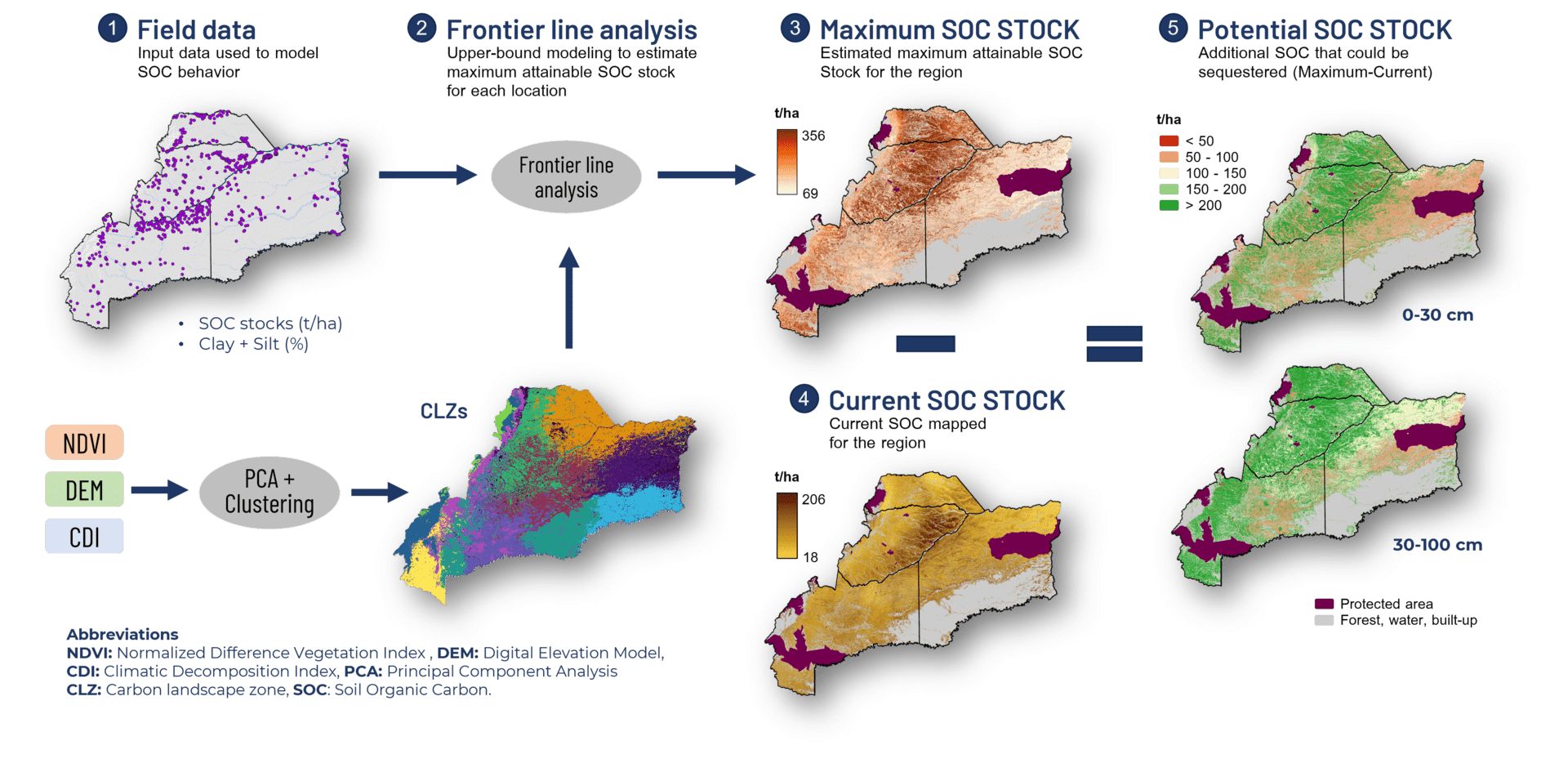
This technological integration enables the quantification of the saturation potential of the soils under evaluation—that is, to estimate how much additional carbon they can store before reaching their maximum retention capacity. Based on this information, researchers can identify which areas offer the greatest opportunities for implementing agricultural practices aimed at carbon sequestration and which require more specific recovery and management strategies. In addition, these digital maps and predictive models provide strategic information for farmers, industry stakeholders, and decision-makers, enabling the design of climate-smart solutions tailored to the conditions of each region, optimizing land use, and guiding investments toward more sustainable and resilient agricultural systems in the face of climate change.
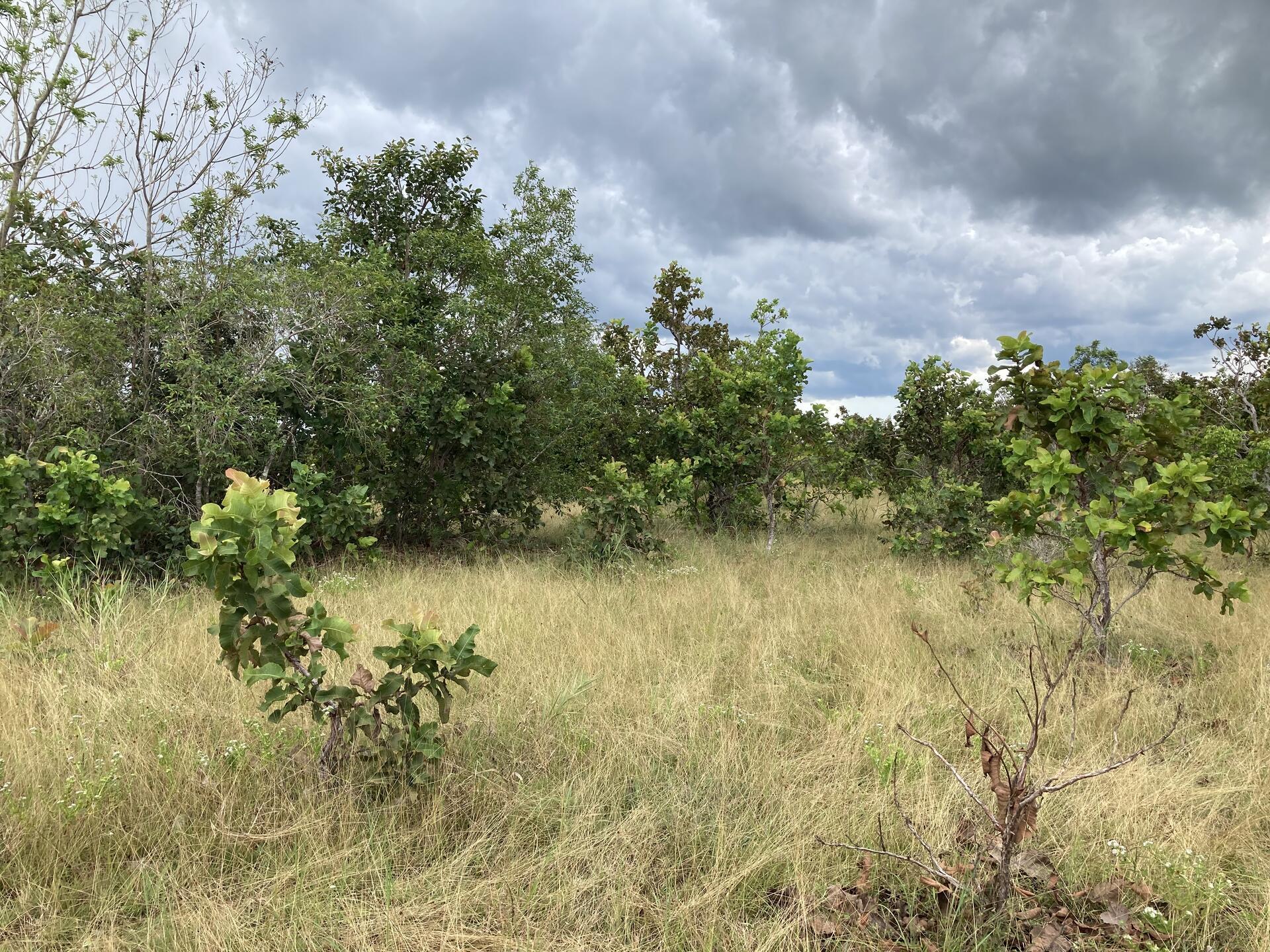
The project also includes assessments on commercial farms in the departments of Meta and Casanare to better understand how common agronomic management practices in the region affect carbon balance in rice systems (both irrigated and rainfed) and livestock production systems. In these evaluations, reference ecosystems (natural forests and native savannas), which maintain their original conditions and high carbon storage capacity, were compared with systems under conventional agricultural use. Results show that monocultures and intensive agricultural management gradually reduce SOC, with this effect being more severe in rice systems and, to a lesser extent, in Brachiaria humidicola pastures. Complementarily, a temporal analysis is being conducted based on two previous studies on acid soils (Fisher et al., 1994; Hyman et al., 2022) in the Eastern Plains region. This analysis covers a timeline of 1994, 2016, and 2024 at the Carimagua experimental station (Puerto Gaitán) and across four commercial farms, allowing long-term validation of SOC storage dynamics in improved and degraded pastures compared with native savanna under conventional farmer management.
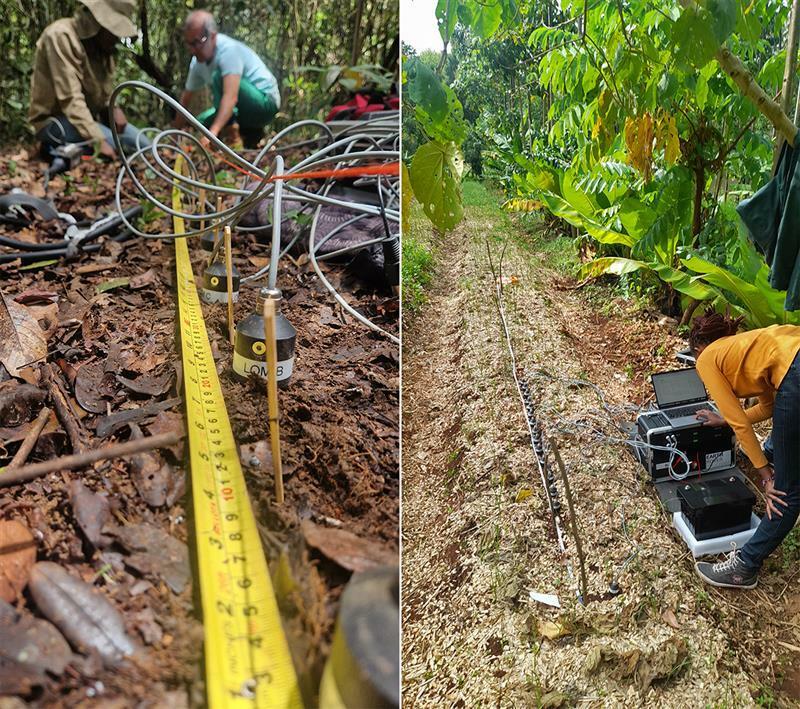
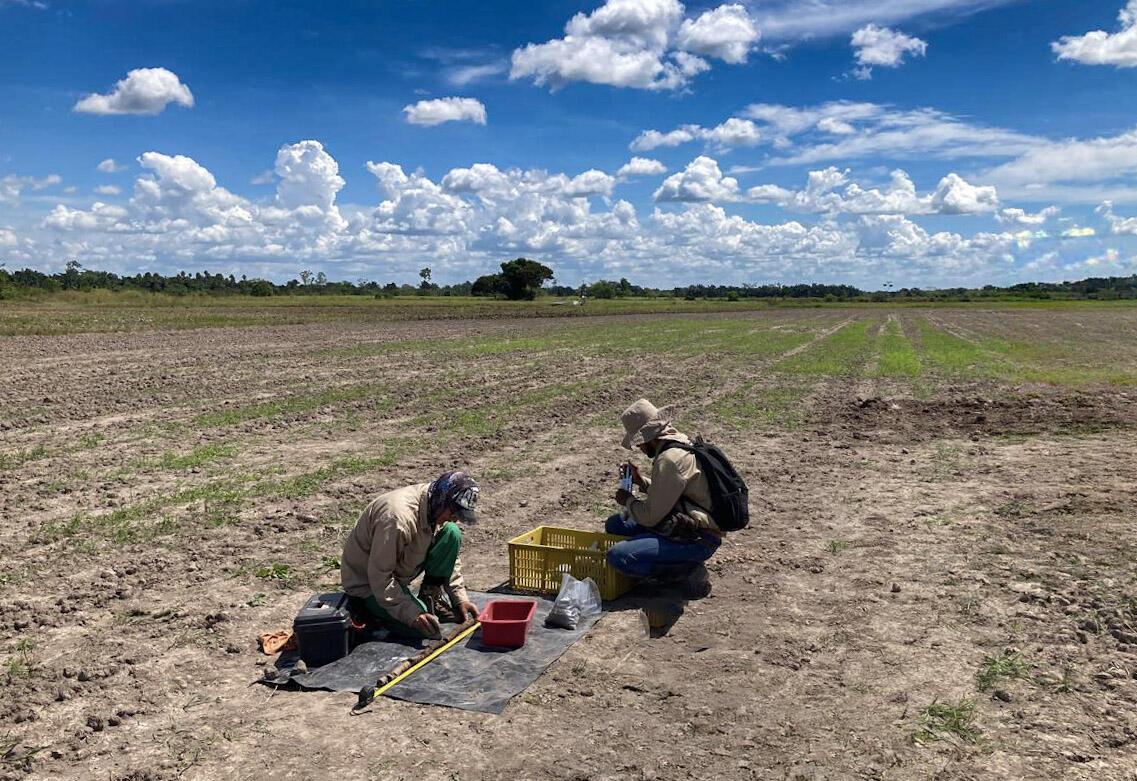
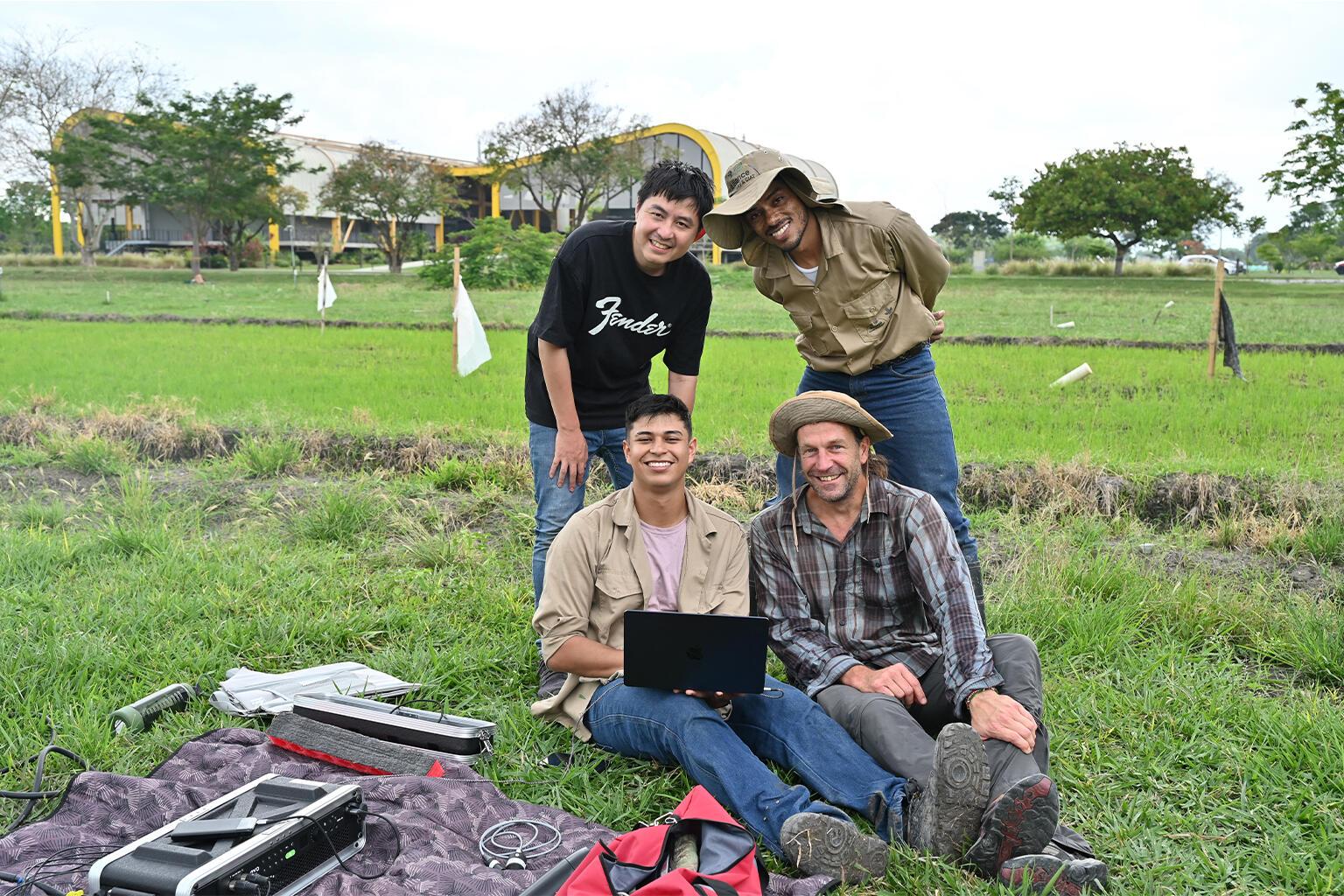
In parallel, the project has also established cutting-edge technological partnerships, such as its collaboration with the Earth Rover Program (ERP). This initiative validates the use of non-invasive geophysical sensors that employ waves similar to those used in seismological studies to scan the soil in real time. This technology makes it possible to measure key physical and chemical properties such as moisture, density, porosity, and the amount of SOC stored without the need to collect soil samples or disturb soil structure. The objective of this partnership is to co-develop faster, more precise, cost-effective, and scalable monitoring tools, facilitating the generation of key information for farmers, researchers, and decision-makers interested in implementing sustainable practices and climate mitigation strategies.
The use of this innovation is currently being validated in tropical soils, and its progress has already been presented at high-level global forums such as the COP, the United Nations Climate Change Conference, considered the primary global platform for discussing actions to address the climate crisis, in which they participated in 2024. In this context, the project has helped position COS sequestration and soil health as strategic elements for climate change mitigation and food security, highlighting their importance in regulating ecosystem functions and the sustainability of production systems.
In a context where soil degradation, loss of soil organic matter, and climate change threaten agricultural productivity and future food availability, this project demonstrates that it is possible to transform agriculture through climate solutions grounded in science, innovation, and restoration. Results obtained so far confirm that the use of deep-rooted genotypes and the establishment of improved rotations (Rice–Tropical Forages) have the potential to increase the capacity of soils to capture SOC over time, improve ecological soil health, and generate direct benefits for farmers.
This initiative represents a strategic opportunity to strengthen leadership in sustainable agriculture and promote productive models capable of responding to the environmental and food challenges of the future. Investing in soil health not only means reducing emissions, but also protecting ecosystems, strengthening food security, and building more sustainable agricultural systems for future generations.
Team

Mayesse da Silva
Director (a.i), Multifunctional Landscapes
Sandra Patricia Loaiza Mera
Postdoctoral Fellow
Javier Mauricio Martín López
Senior Research Associate
Juliana Arias Sandoval
Research Associate
Maure Santiago Figueroa Lopez
Research Associate
Martin Alejandro Cepeda Aguilar
Research Associate
Ciniro Costa Junior
Scientist
Ándres Felipe Vélez Gruezo
Research AssociateRelated articles
-
Pioneers Post. (2026). Breaking new ground: how the Earth Rover Program helps farmers feed the world and fight the climate crisis. Pioneers Post. https://immersives.pioneerspost.com/earth-rover-program-soil-health/
-
Martín-López, J. M., Verchot, L. V., Martius, C., & da Silva, M. (2023). Modeling the Spatial Distribution of Soil Organic Carbon and Carbon Stocks in the Casanare Flooded Savannas of the Colombian Llanos. Digital Soil Mapping Wetlands, 43, 65. https://doi.org/10.1007/s13157-023-01705-3
-
Hyman, G., Castro, A., da Silva, M., Arango, M., Bernal, J., Pérez, O., & Madhusudana Rao, I. (2022). Soil carbon storage potential of acid soils of Colombia's Eastern High Plains. Climate-Smart Agriculture Frontiers in Sustainable Food Systems, 6, 954017. https://doi.org/10.3389/fsufs.2022.954017
-
Rainford, S.-K., Martín-López, J. M., & Da Silva, M. (2021). Approximating Soil Organic Carbon Stock in the Eastern Plains of Colombia. Frontiers in Environmental Science, 9, 685819. https://doi.org/10.3389/fenvs.2021.685819
-
Fisher, M. J., Rao, I. M., Ayarza, M. A., Lascano, C. E., Sanz, J. I., Thomas, R. J., & Vera, R. R. (1994). Carbon storage by introduced deep-rooted grasses in the South American savannas. Nature, 371(6494), 236–238. https://doi.org/10.1038/371236a0
Further reading