
Blog Growing cocoa, growing the future: the integral impact of PDET Routes on cocoa-growing communities
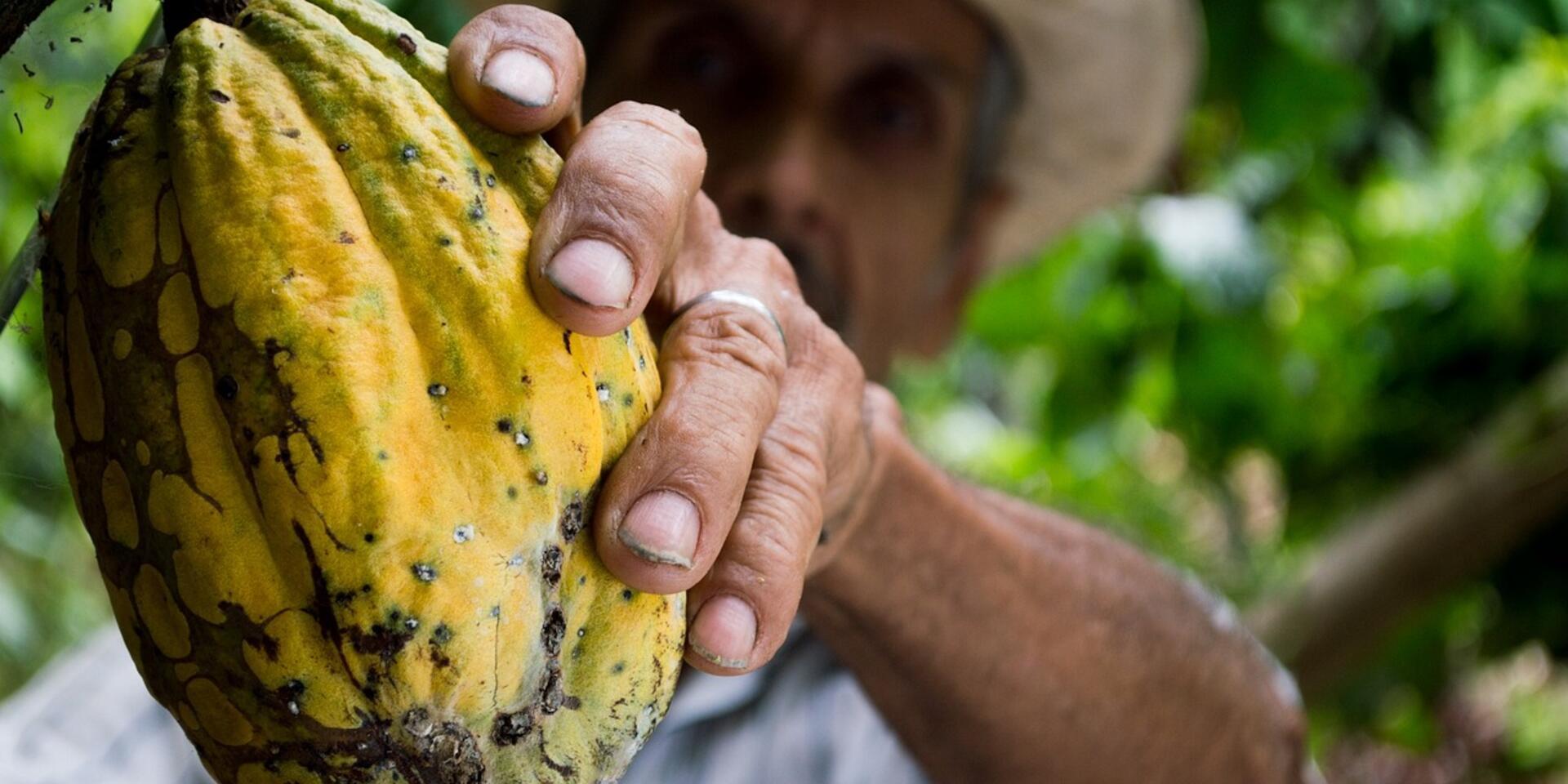

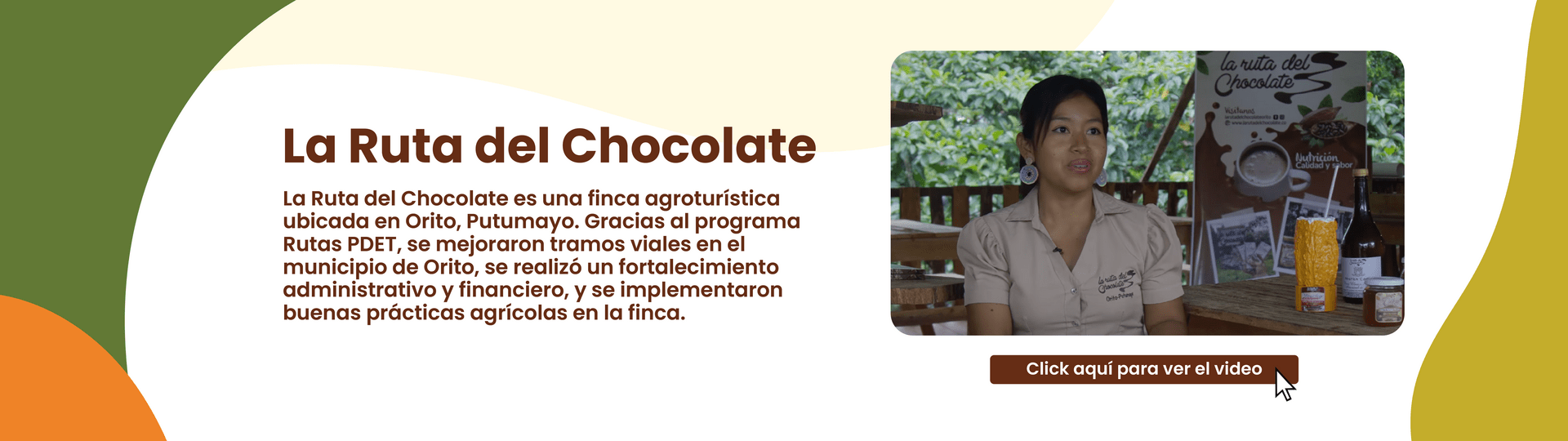
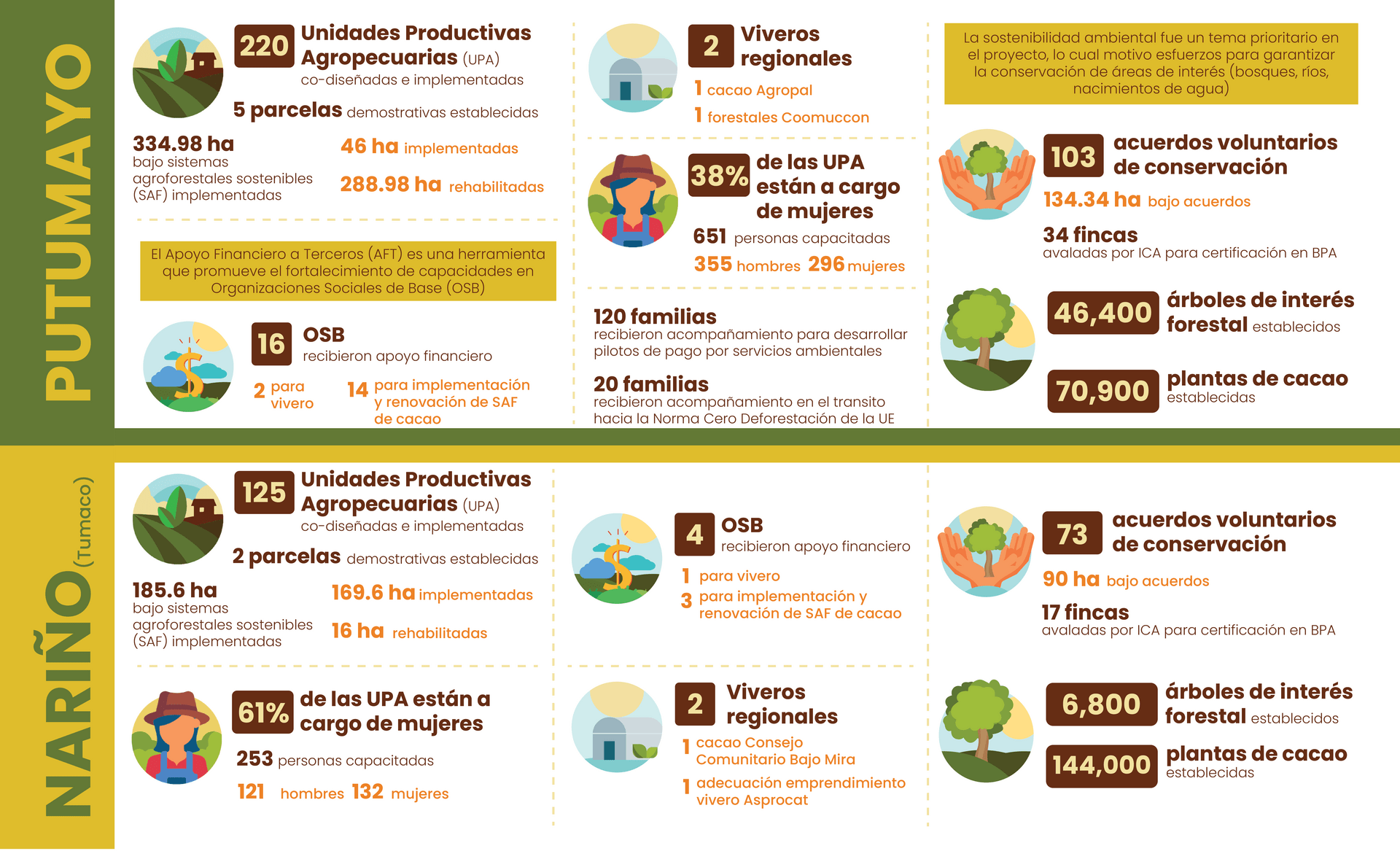
In the territories of Tumaco and Putumayo, where cocoa farming is a key productive activity with high potential in the region, the Alliance of Bioversity International and CIAT, together with Red Adelco and ICCO Conexión, implemented the PDET Routes Program. This initiative, financed by the European Union's European Fund for Peace and in coordination with the National Government, benefited 220 farms in the municipalities of Orito, Mocoa, Villagarzón and Puerto Guzman (Putumayo), and 125 farms in the municipality of Tumaco (Nariño), promoting sustainable agricultural practices and generating technical capacities in the communities.
For four years, the Alliance led the implementation of the technological innovation component of the PDET Routes project. In the case of Putumayo and Nariño, this effort focused on strengthening the cocoa production chain through the implementation of agroforestry systems, improved post-harvest processes, Good Agricultural Practices (GAP) certification, and actions for environmental sustainability. As part of this process, regional nurseries were implemented for the production of cocoa and forestry seedlings, prototypes were developed for the evaluation of cocoa quality, spaces for dialogue and collaboration with key stakeholders in the sector were promoted, training, technical and gender workshops were held, and knowledge management tools were created to increase productivity and improve the quality of the cocoa bean.
The aforementioned municipalities are prioritized within the Territorially Focused Development Programs (PDET), a government initiative created to stabilize and transform the regions most affected by violence, poverty, illicit economies, and institutional weakness in Colombia as part of the country's ongoing peace process. However, in many of these areas, the constant arrival of projects has fostered a culture of dependency, where communities expect to receive inputs without adequate local capacity management.
This situation, together with the presence of armed groups, presented an additional challenge to the implementation and adoption of new sustainable practices for both researchers and farmers. William Melo, Alliance Researcher and Technical Coordinator of the Technological Innovation component for the project's cocoa chain, explains, "Although both territories had significant local knowledge of cocoa farming, the lack of accompaniment and difficulty in accessing technical knowledge and technologies, limited their ability to innovate and improve the yield of their crops."
Co-designing a sustainable cocoa culture
In addition to improving productivity, the research area of the Multifunctional Landscapes Alliance sought to transform the way in which the beneficiaries of the program conceived their role in agriculture, from being simply cocoa 'harvesters' to cocoa farmers with the capacity to manage their own agricultural development. To achieve this, they were integrated from the beginning through participatory co-design, an approach that, unlike other generic intervention models, allowed them to be actively involved in planning and decision-making about their crops. Through playful activities, the understanding of each implementation and its benefits was facilitated, ensuring that the solutions adopted were not only effective, but also appropriate to the specific needs that only they know about each of their farms.
Within this process, the selection of cocoa clones was carried out jointly, taking into account the objectives of each producer, either to prioritize higher yields or better bean quality. Based on this criterion, those clones were chosen that, in addition to being adapted to local conditions, are tolerant to diseases and offer sensory profiles that are attractive to the market.
The most suitable forest species were also selected to be associated with cocoa in agroforestry systems. These arrangements not only provide direct benefits to cocoa plants, such as regulated shade, but also contribute to improved soil health and favor biodiversity conservation.
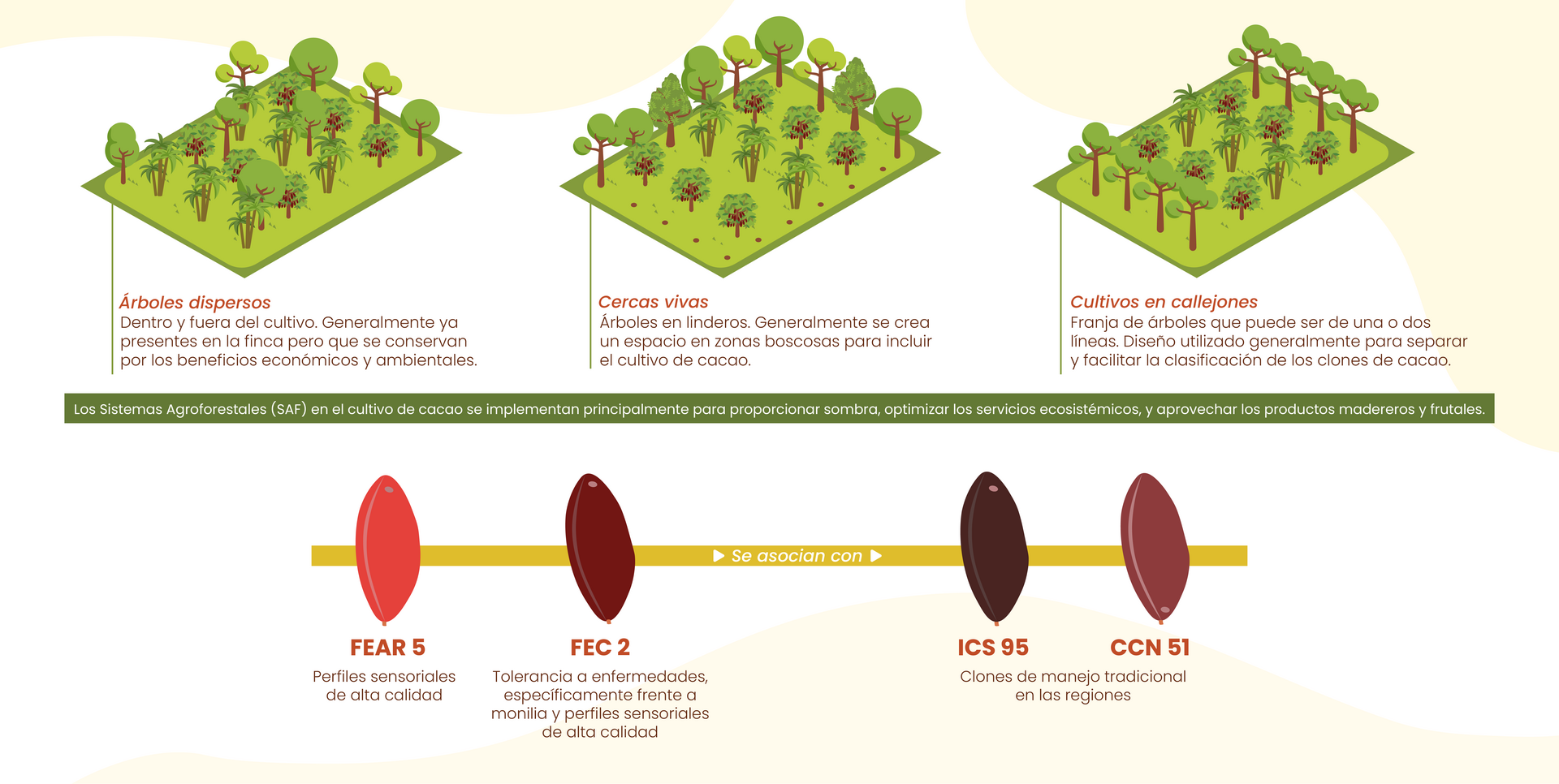
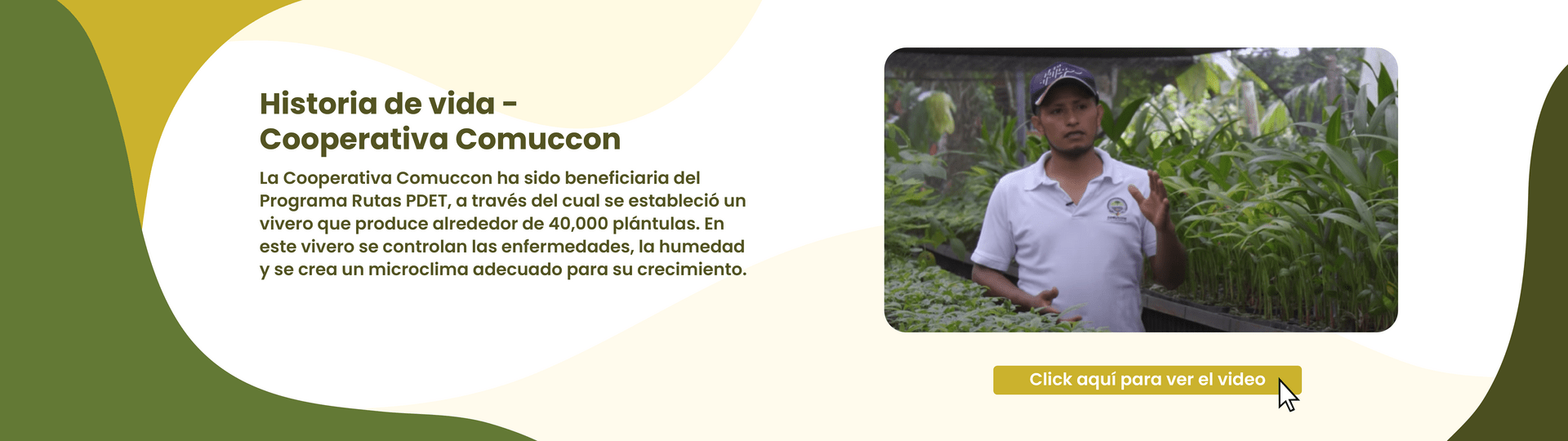
The participation of associations and communities in the co-designs was also key, as evidenced by the advice from Comuccon (Cooperativa Multiactiva Comunitaria del Común, belonging to the Amazonian community nursery network), with the Alliance researchers. This facilitated the selection of native trees with high potential for integration into agroforestry systems and the landscape, promoting greater compatibility with the ecosystem and better use of available local resources.
"This approach allowed us to build relationships of trust with producers because we did not want to impose knowledge, but to generate a dialogue in which the experience of producers, who have been working the land for decades, was combined with scientific advances to develop more efficient and resilient systems," confirms Monica Chavarro, Alliance researcher and coordinator of the gender component for the cocoa chain.
From farmer to farmer
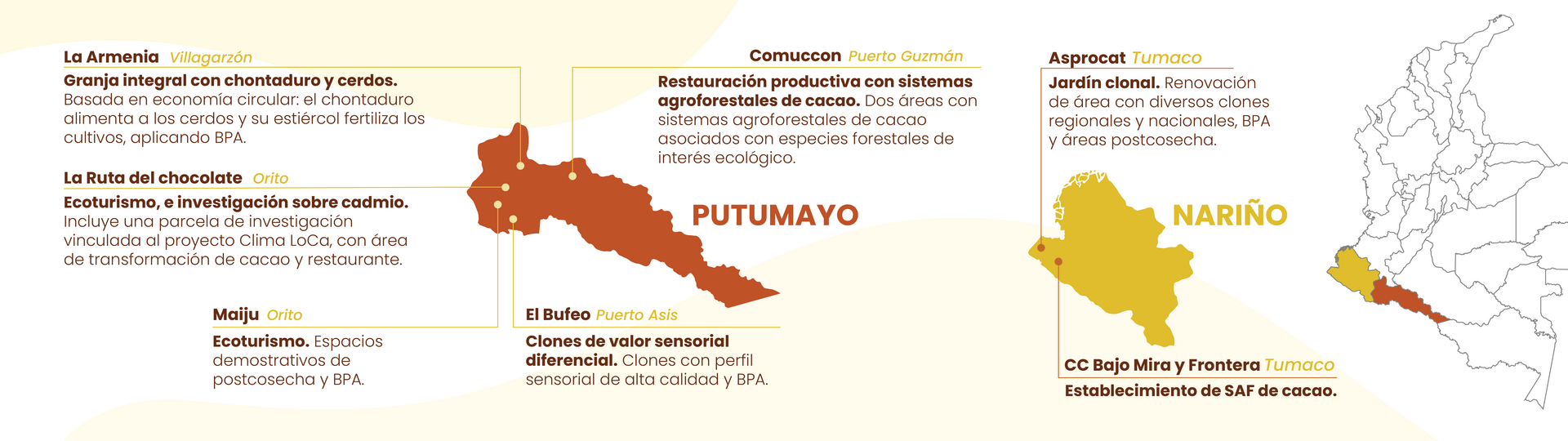
Following the logic of the giras técnicas, where producers share their experiences in cocoa cultivation, six "demonstration" plots were also selected (five in Putumayo and two in Tumaco) as learning spaces where producers not only listened to testimonies, but could observe directly how the implementation of Good Agricultural Practices (GAP), agroforestry arrangements, high-yield clones, post-harvest technologies and other innovations could improve their production systems, both in economic and environmental terms.
In the seven demonstration plots, a key theme for sustainable cocoa farming was defined, considering the agro-climatic and agro-ecological conditions of the area, as well as the needs and strengths of the participating farms.
Certified success stories
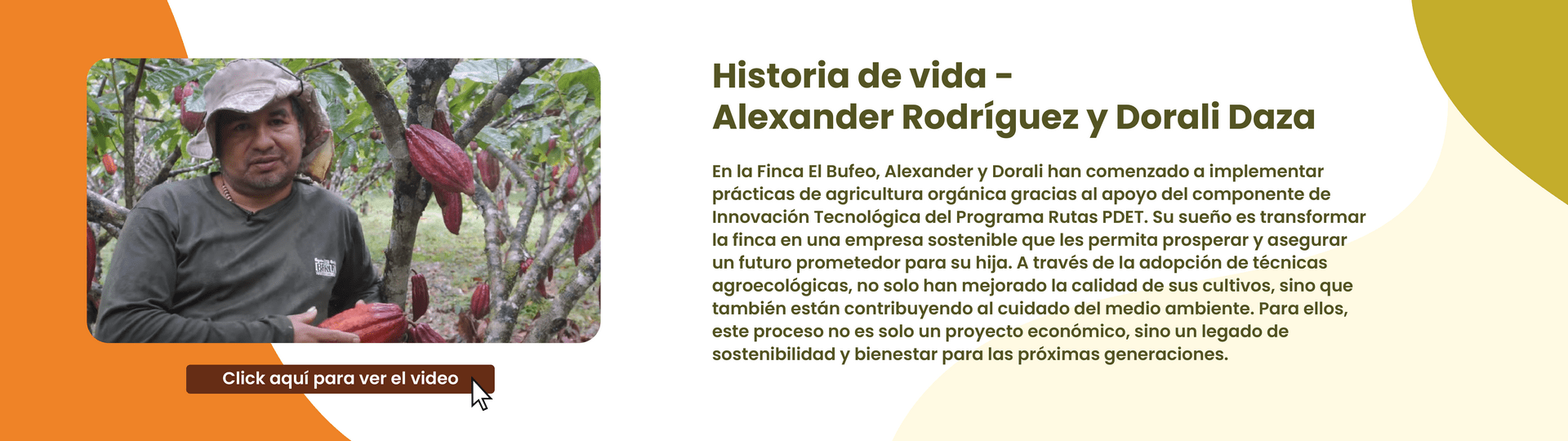
In addition to the implementation of agroforestry systems and the optimization of post-harvest processes, one of the most important achievements of the Technological Innovation component was the support provided to 51 producers in obtaining Good Agricultural Practices (GAP) certification, granted by the Colombian Agricultural Institute (ICA). This process not only ensured that cocoa production complied with quality, environmental sustainability and farmer safety standards, but also strengthened knowledge management in the communities, guaranteeing that the lessons learned would endure over time.
To obtain certification, training was provided in agronomic management, pest and disease control, good harvest and post-harvest practices, on-farm finance, first aid, environmental management and prevention of contaminants such as cadmium.
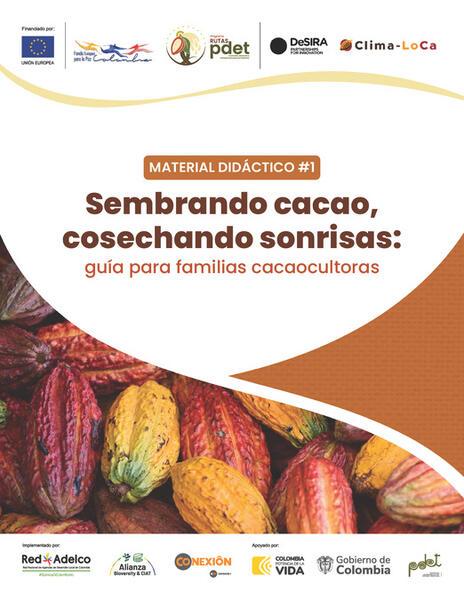
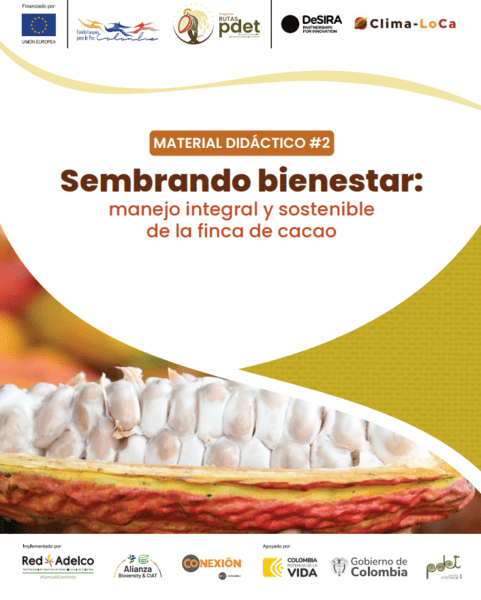
To facilitate the adoption of these practices, two educational booklets were developed for cocoa growing families, with information and activities on pruning, soil management, quality standards, safety, environmental practices and other key aspects of sustainable cocoa production.
To facilitate the adoption of these practices, two educational booklets were developed for cocoa growing families, with information and activities on pruning, soil management, quality standards, safety, environmental practices and other key aspects of sustainable cocoa production.
Impact in figures
The closure of this project does not mark an end, but a new starting point for producers, who now have the tools and knowledge to continue transforming the cocoa chain in their territories. The demonstration farms will continue to function as learning centers, the GAP certification opens new market opportunities, and the inclusion of local forest species strengthens the production systems and the landscape.
Team

Mirjam Pulleman
Senior Soil Scientist
William Felipe Melo Zipacon
Research Specialist
Mónica Juliana Chavarro Rodríguez
Research SpecialistMultimedia
Knowledge products

News in the media
- Cocoa: a product that contributes to rural development and women's empowerment (June 08, 2022)
- Innovation in cocoa and dairy production through the PDET Routes Program (06 July 2022)
- PDET Routes Program: continuing to strengthen the cocoa chain in Tumaco (November 03, 2022)
- This is how the participatory cocoa co-designs are progressing in the PDET Routes program (December 19, 2022)
- The cocoa networks that are being consolidated with the PDET Routes Program in Tumaco (Nariño) (November 16, 2023)
- Cacao growers promoted by the PDET Routes Program surprised at the 'Chocoshow' (December 20, 2023)
- Women Lead the Cocoa Transformation in Tumaco (February 02, 2024)
- Clima-LoCa and La Ruta del Chocolate: learning and strengthening capacities for cocoa harvesting
- PDET Routes program at COP16: a commitment to peace and conservation in the Amazon (November 19, 2024)