Blog CSAIP: Senegal’s bold gamble for a resilient, inclusive, and investable agriculture
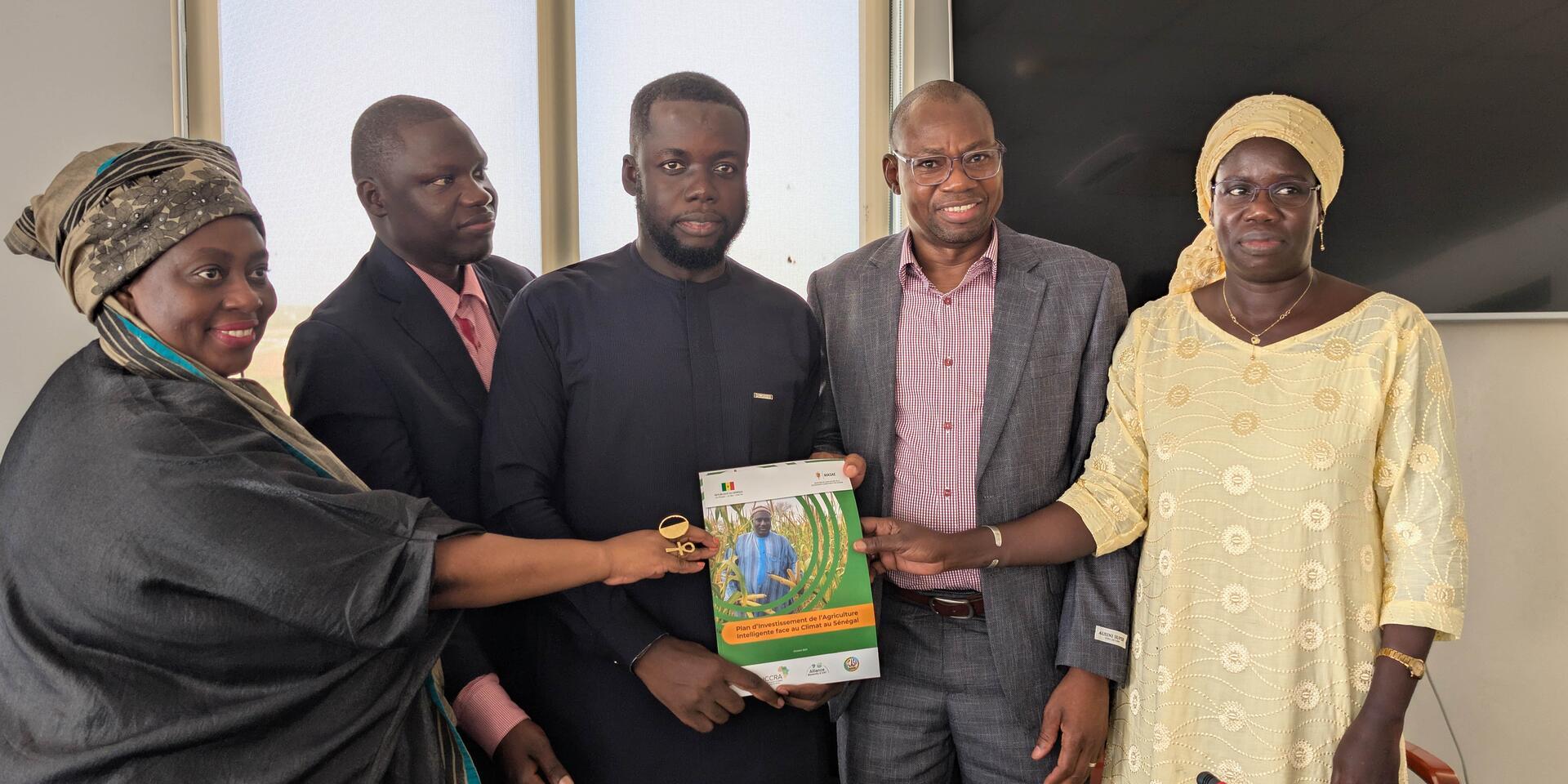

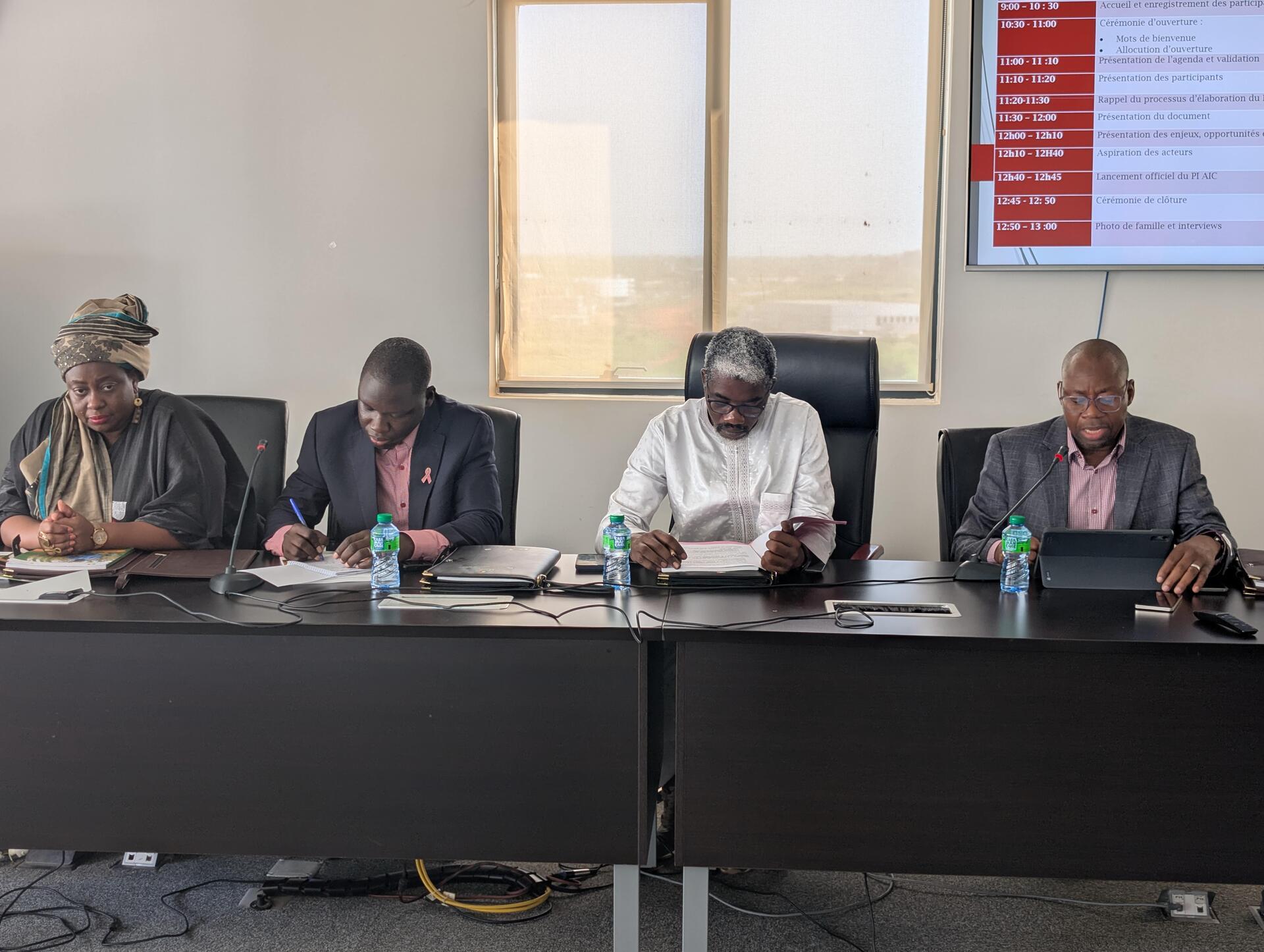
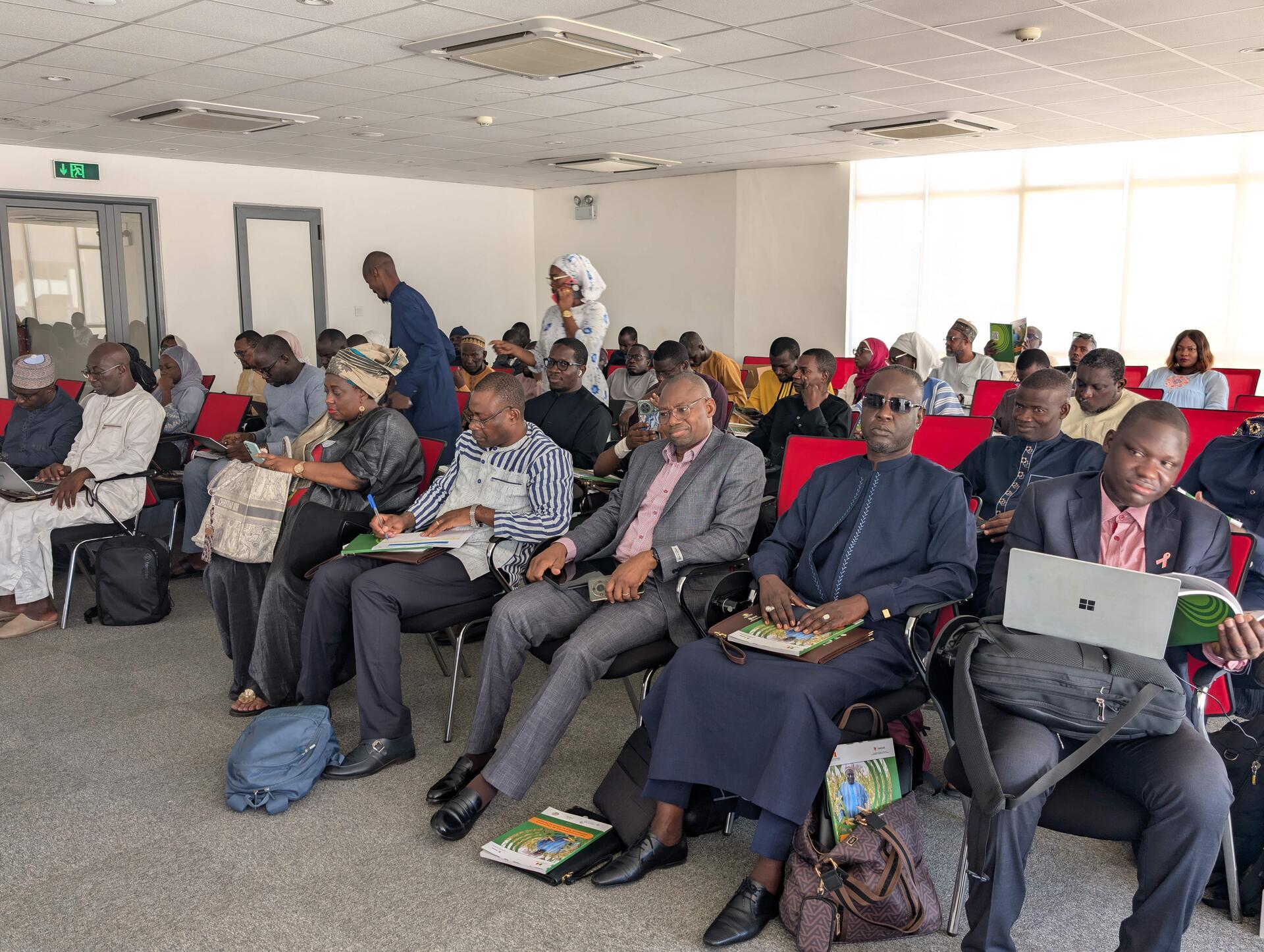
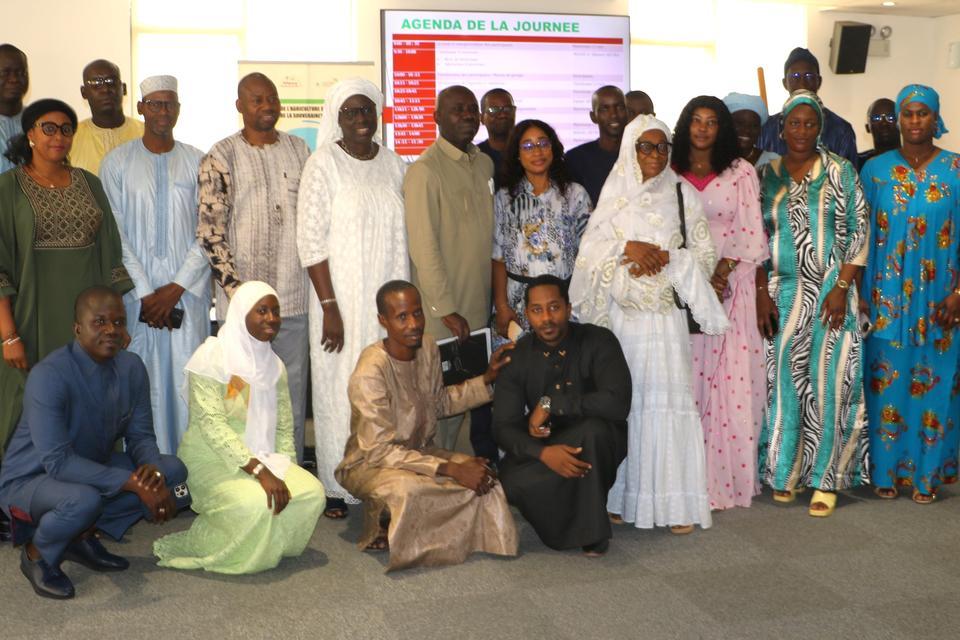
On October 31, 2025, the Ousmane Tanor Dieng Ministerial Sphere in Diamniadio hosted the official launch of the Climate-Smart Agriculture Investment Plan (CSAIP). The event, chaired by the Ministry of Agriculture, Food Sovereignty and Livestock (MASAE), symbolized the country’s commitment to reconciling productivity, resilience, and sustainability.
Born from a broad participatory process, the Plan emerged thanks to the technical and scientific support of the Alliance of Bioversity International and CIAT, through the AICCRA project financed by the World Bank. Together, these partners have paved the way for a Senegalese agriculture capable not only of adapting to climate change but also of turning it into a lever for shared prosperity.
A national vision in the face of climate urgency
Senegal stands today on the front lines of climate change. According to the World Bank, more than 60 percent of the country’s jobs depend directly on agriculture, a sector now threatened by irregular rainfall, soil salinization in the Senegal River delta, and the relentless advance of desertification in the Ferlo region.
It is within this urgent context that the CSAIP was conceived. The plan embodies the ambition to transform agricultural vulnerability into a force for national resilience, grounded in science, dialogue, and long-term planning.
In his speech, Mr. Alpha Ba, Secretary of State to the Minister of Agriculture, underscored both the gravity of the moment and the path forward:
“Our farmers, herders, fishers, and rural communities are facing increasingly severe climate shocks. The CSAIP provides a structured response to these challenges, based on science, consultation, and action.”
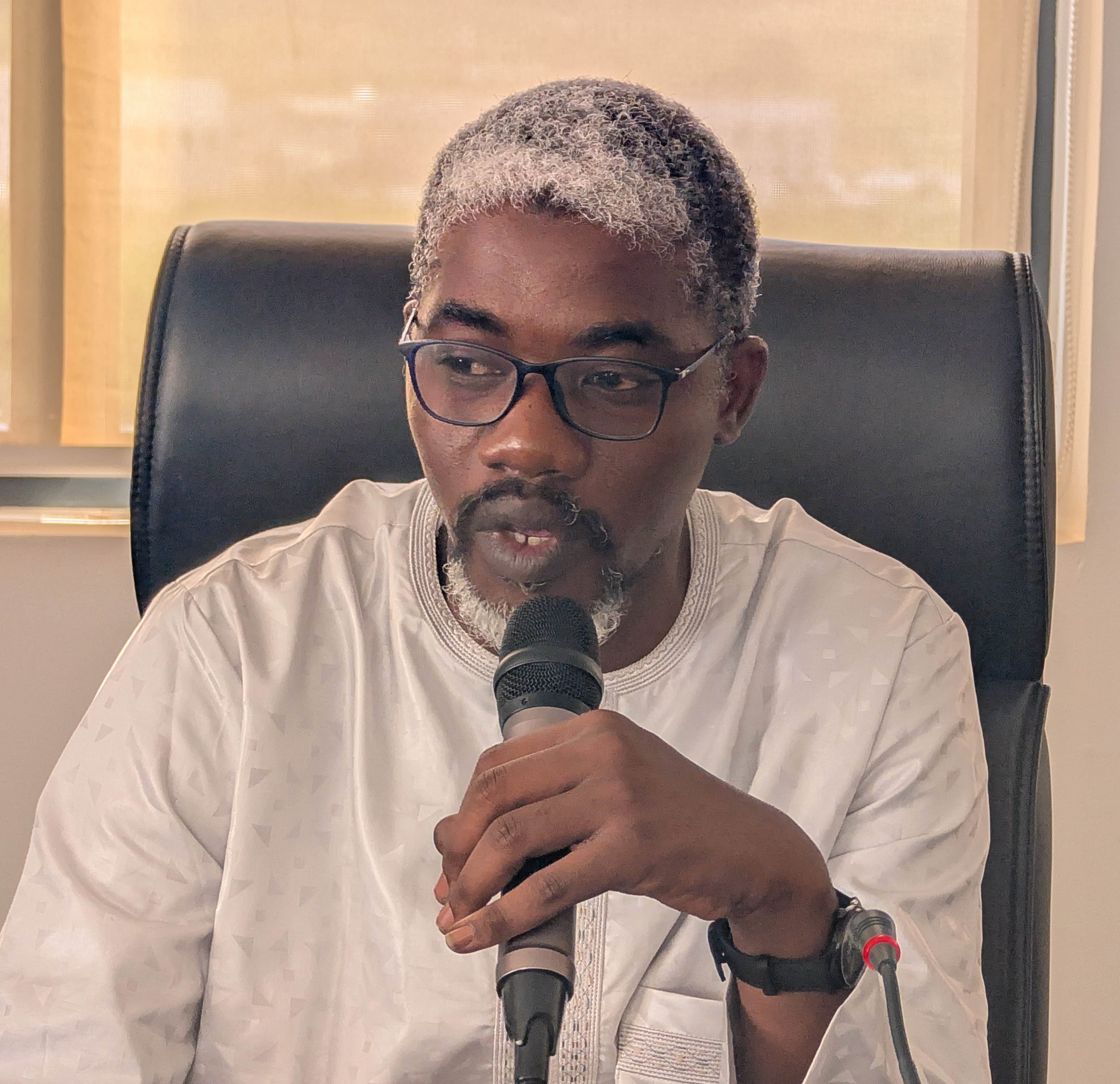
Mr. Alpha Ba
More than a strategic document, the CSAIP is an investment portfolio aligned with the priorities of Senegal’s National Development Strategy (SND), Vision 2050, Nationally Determined Contribution (NDC), and National Adaptation Plan (NAP).
Its goal is to strengthen food sovereignty, boost productivity, and foster green and inclusive growth.
For Dr. Moctar Ndiaye, Director of Agriculture, the moment calls for collective mobilization:
“This launch is not an end but a beginning. The next step is action, on the ground, close to farmers, herders, youth, and rural women.”
With an estimated budget of 114 billion CFA francs, Senegal reaffirms its ambition to become a continental laboratory for climate smart agriculture.

Dr. Moctar Ndiaye
A participatory and science-based process
One of the most distinctive features of the CSAIP is its inclusive methodology. Initiated in 2022, its development relied on constant dialogue among scientists, policymakers, and rural communities. Coordinated by MASAE and the national CCASA platform, the process engaged more than one hundred institutions, ministries, universities, farmers’ organizations, NGOs, and private companies.
This approach builds on agricultural reforms launched in the 2010s, with a major innovation: the combination of climate science and territorial planning.
Teams from MASAE, the Ministry of Environment, ISRA, ANACIM, LBA, ILRI, and the Alliance of Bioversity International and CIAT used geospatial modeling tools to identify areas most exposed to drought, flooding, and soil degradation.
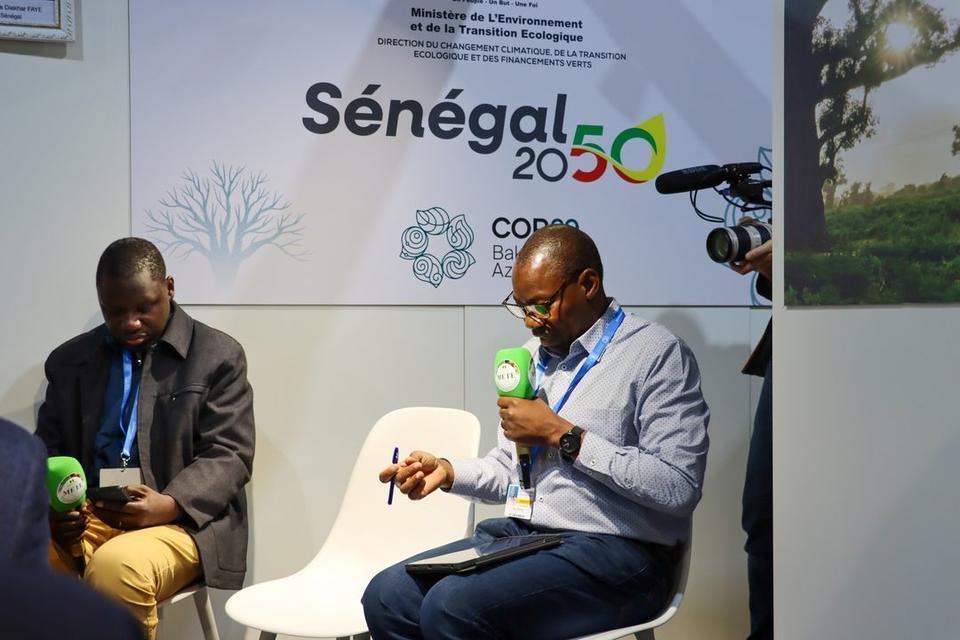
The CSAIP was also showcased at COP29 in Baku, where it was hailed as a West African first—a national agricultural investment plan designed with participatory, scientific, and context-specific data.
During his remarks in Diamniadio, Dr. Issa Ouédraogo, Country Representative for Senegal of the Alliance of Bioversity International and CIAT, highlighted the historical importance of the initiative:
“The CSAIP symbolizes a new era of collective action. Together, we show that research—when co-created with public and private actors—can become a powerful driver of transformation.”
This momentum led to the structuring of the plan around three flagship programs:
- Sustainable management of natural resources and climate services;
- Development of resilient agricultural and pastoral systems;
- Post-harvest valorization and market access.
Senegal is no longer merely adapting its agriculture; it is reimagining it, scientifically and collectively.
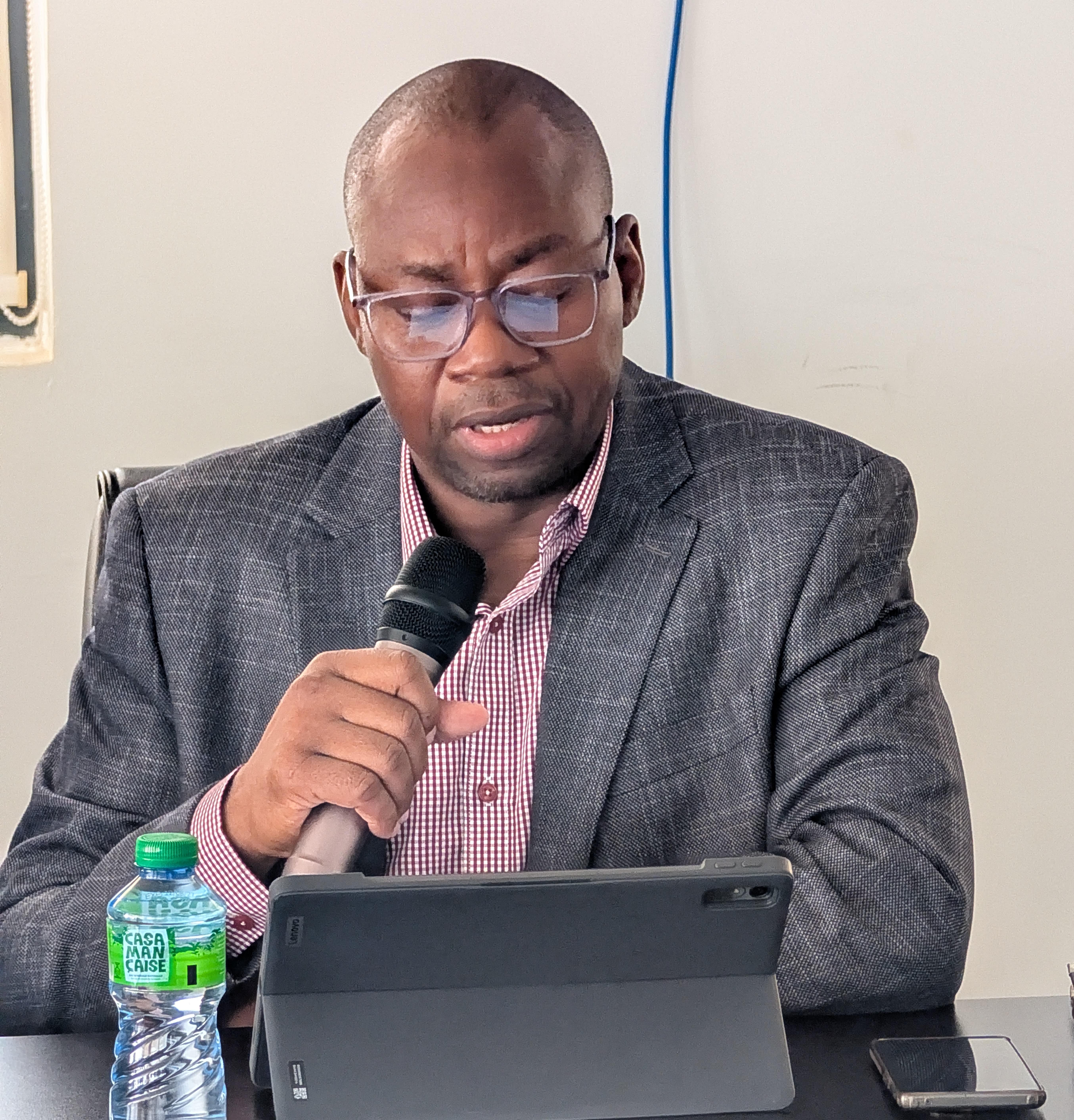
Dr. Issa Ouédraogo
The Alliance through AICCRA: catalysts for transformation
Behind every scientific advance in the CSAIP lies a strong partnership between the Government of Senegal and the Alliance of Bioversity International and CIAT, through the AICCRA project (Accelerating Impacts of CGIAR Climate Research for Africa).
Financed by the World Bank, AICCRA connects science to practice, transforming climate data into actionable tools for farmers.
“The CSAIP is not just a planning document; it is a roadmap to turn climate ambitions into concrete investments for farmers, women, and rural youth,” stated Dr. Issa Ouédraogo.
The Alliance contributed to every stage of the process:
- Situational analysis and development of an exhaustive list of potential CSA investments;
- Participatory prioritization of the CSA investment portfolio;
- Preparation of concept notes and investment programs;
- Technical and policy validation and the final launch of the CSAIP.
The CSAIP embodies an agriculture that is both technological and human—data-driven, yet deeply rooted in rural realities.
AICCRA’s support also strengthened climate finance mobilization (GCF, GEF, AfDB) and fostered interinstitutional dialogue between the environmental, economic, and agricultural sectors.
From plan to action: A shared responsibility for food sovereignty
The launch of the CSAIP marks a scaling-up phase, from planning to implementation. Starting in 2026, the government plans to deploy pilot projects focusing on water management, land restoration, and local production diversification, with priority given to women and youth.
“The time for planning is behind us. We are entering the era of action, implementation, and tangible results,” asserted Mr. Alpha Ba with determination.
For Dr. Ndiaye, the challenge is now collective:
“Together, let’s turn this vision into concrete, measurable, and lasting results for Senegal’s food sovereignty.”
The implementation framework relies on multi-level governance, with a national committee, regional platforms, and a participatory monitoring and evaluation system. MASAE and the CCASA platform will oversee coordination, while the Alliance of Bioversity International and CIAT will continue supporting data production and partner engagement.
In a world where climate crises are intensifying, Senegal is choosing collective action and science as its compass.
As Dr. Ouédraogo aptly concluded:
“Together, let’s make agriculture a driver of resilience and sustainable growth in the face of climate change.”
The CSAIP is therefore more than a plan; it is a promise, a future where climate is no longer a threat but an opportunity to build a resilient, green, and prosperous Senegal.