Blog Coordinated, confident, locally owned: A new era for evidence-driven climate adaptation in Africa

The Africa Agriculture Adaptation Atlas is not the solution to Africa’s climate challenges, but it is changing how solutions are identified, financed, and implemented. It shows what becomes possible when data is open, institutions are empowered, and science is made truly usable.
One morning in 2023 in the Mozambican capital of Maputo, technical advisors were diligently working on the country’s Climate-Smart Agriculture Guidelines and annual National Adaptation Plan. But there was one major problem: These advisors needed reliable projections to identify where farmers faced the greatest exposure to drought and heat stress. The goal was to pinpoint districts where irrigation or organic fertilization would deliver the biggest productivity gains.
For that, they needed hazard projections and indicators of exposure. They needed layered datasets with agriculture and gender statistics.
Eventually, they turned to the Africa Agriculture Adaptation Atlas.
“For the first time, we could trace how adaptation options performed under future climate scenarios and not just for the country, but for men and women farmers separately,” noted one advisor.
Mozambique’s Climate Risk and Vulnerability Assessment (CRVA) portal today uses the very same data that the Atlas provided back in 2023, with the support of The World Bank and the UK’s Foreign, Commonwealth and Development Office (FCDO).
The adoption of the Atlas in Mozambique is making information accessible to planners far beyond the capital, and what began as a research exercise has matured into a national decision-support system woven into government workflows.
Africa’s adaptation challenge and the opportunity
According to the IPCC, African agriculture is already suffering from rising temperatures, shifting rainfall, droughts, and heat stress. Rainfed crops like maize and sorghum are projected to face major yield declines as warming continues. Pastoralists face more frequent droughts, water scarcity, and disease pressures. These impacts sit atop existing food insecurity and economic vulnerability, making sub-Saharan Africa one of the world’s climate hotspots. Yet the same IPCC report stresses that Africa has effective adaptation options, from diversified cropping systems and water management to digital climate services and climate-smart finance. The barrier is not the lack of solutions; it is underinvestment and the difficulty of matching climate risks with the right interventions.
A pivotal time for planning climate adaptation investments and policies
At COP30, world leaders agreed to measures that could triple global finance for climate adaptation. But for African governments, institutions, and their partners this raises a central question: how can new investments be shaped so they reach the smallholder farmers who need them most?
As Steven Prager from the Gates Foundation puts it:
“Adaptation is a big challenge, and it’s comprised of many different pieces. Science plays a very important role in trying to sort out those pieces and measure what’s really going on.”
This need to connect science, policy, and investment, consistently and at scale, is what led to the creation of the Africa Agriculture Adaptation Atlas.
How the Atlas was born
The Alliance of Bioversity and CIAT and the Gates Foundation sought to design a modular, open, and highly responsive platform that brings together climate risk, vulnerability, exposure, and crop-impact data into one place. But the vision was bigger than a tool: it was a collaborative network where African institutions can explore data, generate insights, and adapt what they find to their own planning and budgeting processes.
“We wanted something partners could really own,” says Peter Steward, scientist at the Alliance. “Not just a CGIAR tool people consult, but one they can manipulate, expand, and even hack to integrate their own data.”
The result is an open-source system used for everything from national adaptation plans and climate-smart agriculture strategies to credit-risk models for microfinance institutions. And country after country, partners have not just adopted the Atlas, but they have adapted it, localized it, and embedded it into their decision-making systems.
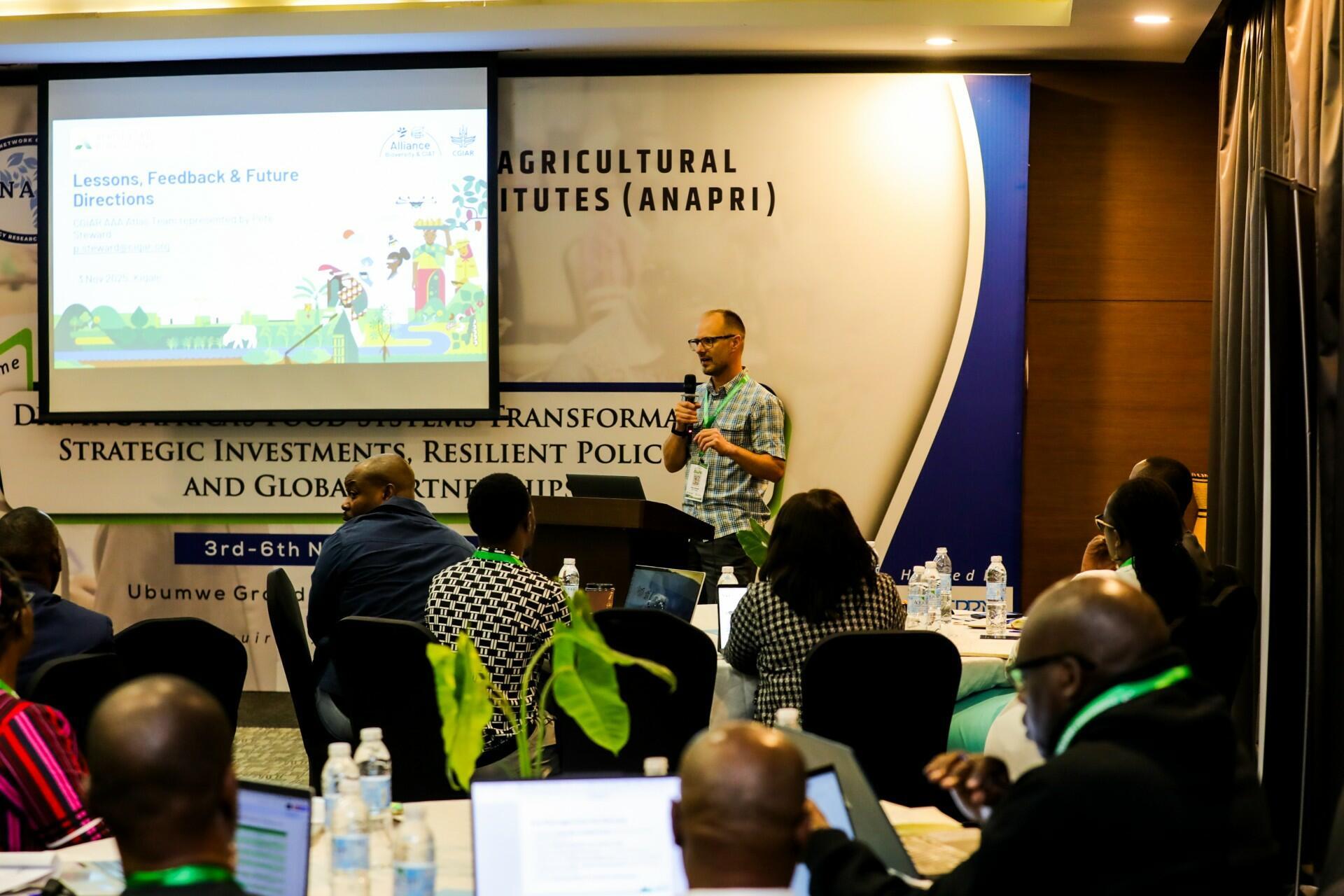
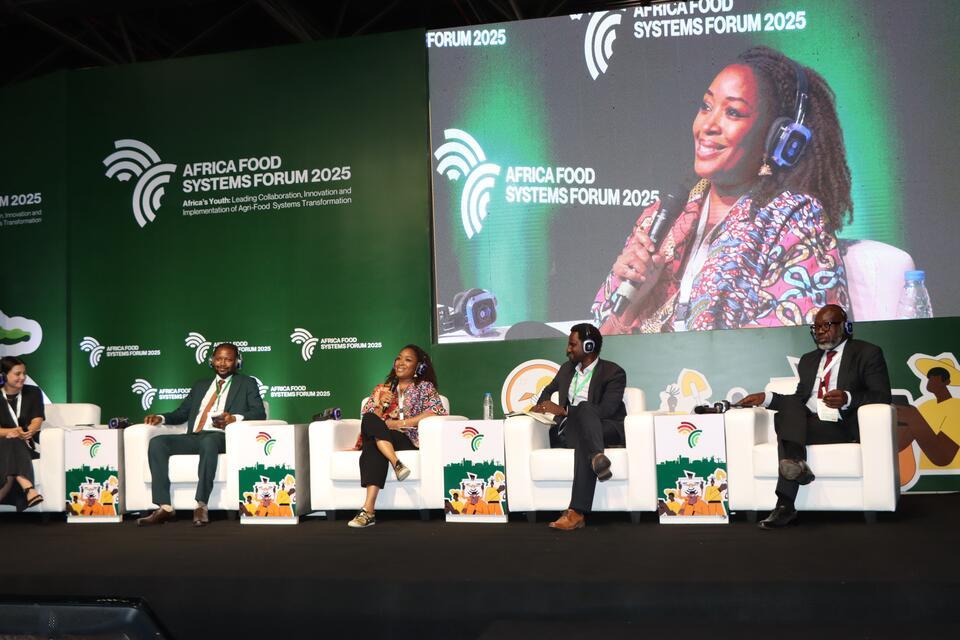
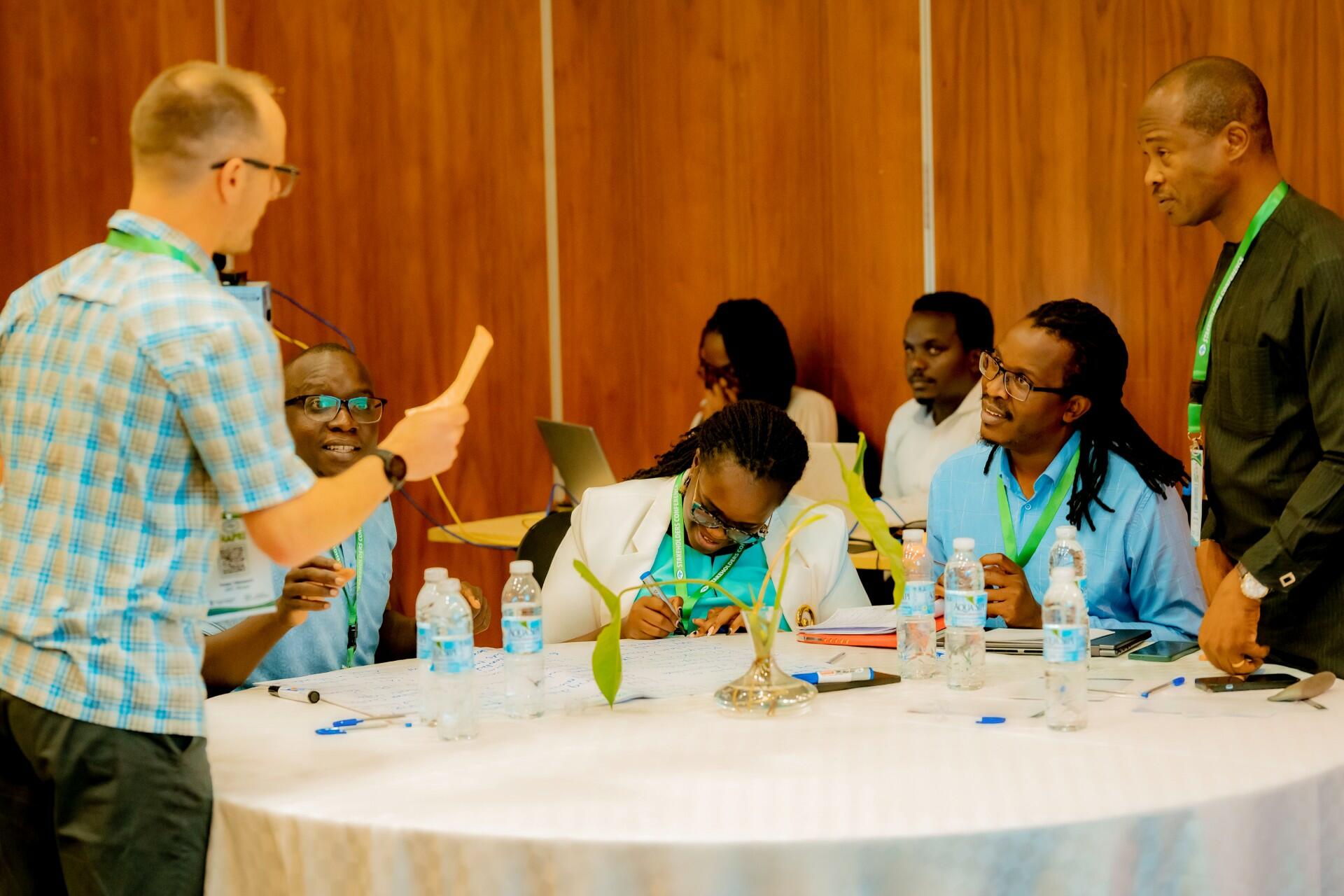
The Atlas was a focus of the 12th Stakeholder Conference of the Africa Network of Agricultural Policy Research Institutes (ANAPRI) in Kigali, Rwanda in November 2025, and featured interactive training and workshops on how to use the Atlas and hack the data.
Driving major adaptation investments
Eleven African countries and regional bodies have used the Africa Agriculture Adaptation Atlas to strengthen adaptation systems not by creating new ones, but by making better use of the tools, data, and institutions they already have.
A constellation of partner organizations with mandates to support policy, finance, and innovation in agriculture across many African countries and regions have been instrumental in ensuring the Atlas is exposed to potential partners and users, is gaining traction and mainstreamed into projects and activities. In doing so, they are also providing valuable feedback on how to refine the Atlas and its offer.
Partners so far include:
- The Sustainable Agriculture Foundation (SAF)
- African Group of Negotiators Expert Support (AGNES)
- Africa Network of Agricultural Policy Research Institutes (ANAPRI)
- African Trade Insurance (ATI) Agency
- Regional Centre for Mapping of Resources for Development (RCMRD)
- Association for Strengthening Agricultural Research in Eastern and Central Africa (ASARECA)
- Global Green Growth Institute (GGGI)
- African Rural and Agricultural Credit Association (AFRACA)
The Atlas has already shaped significant investments in climate resilience. Atlas evidence guided the USD 160 million investment made by the World Bank into the Accelerating Impacts of CGIAR Climate Research for Africa (AICCRA) project, which has reached more than nine million farmers with climate services and climate-smart agriculture innovations.
Across Angola, Ethiopia, Cameroon, Mozambique, and South Sudan, the Atlas helped African Development Bank and the Global Center on Adaptation identify climate hotspots and design adaptation components for food-system investments. Hazard layers like drought, heat stress, floods, cyclones, guided decisions ranging from resilient wheat systems to climate-smart value chains.
The result is a more coherent investment pipeline anchored in actual climate risk rather than assumptions.
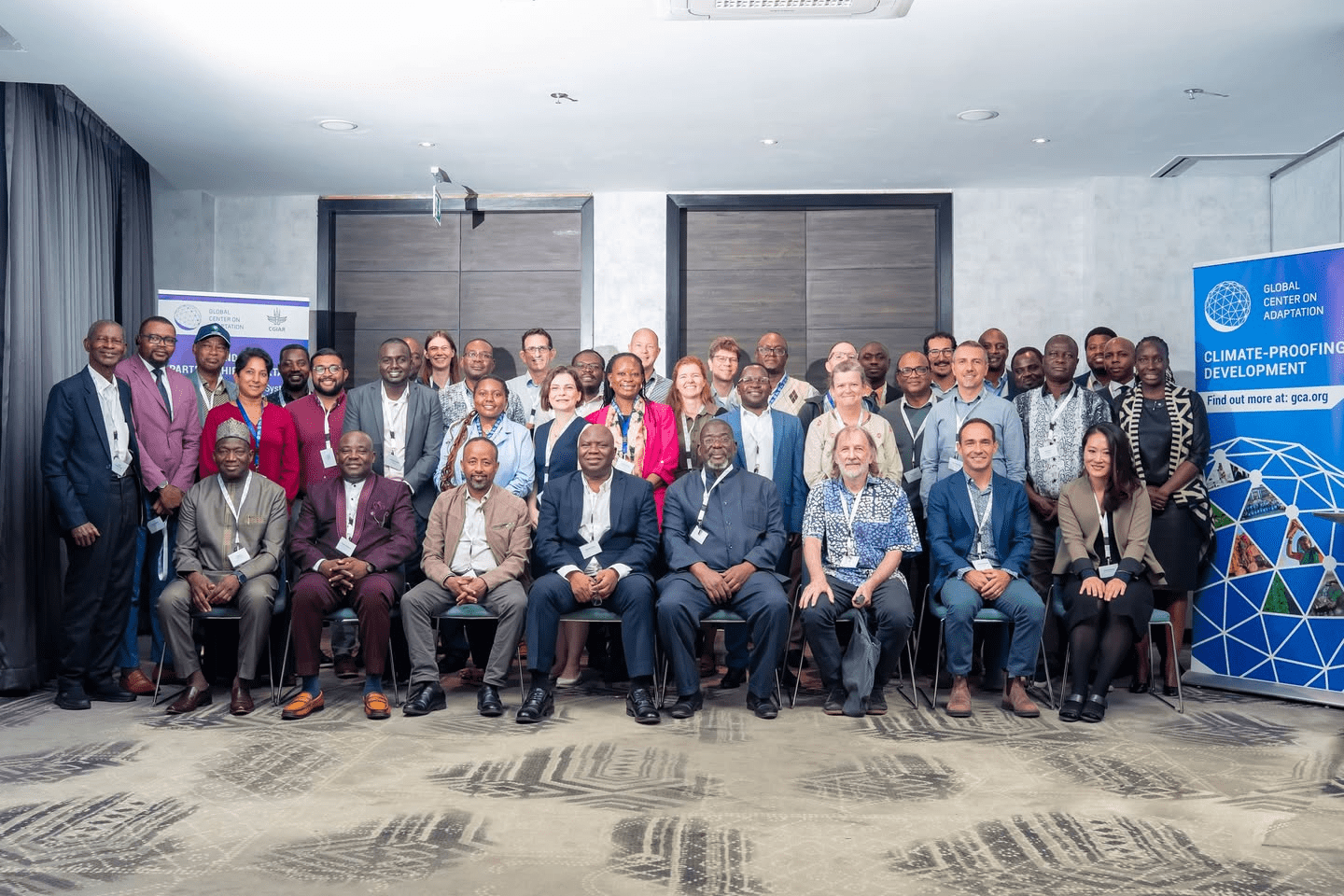
A CGIAR-Global Center on Adaptation (GCA) workshop in Nairobi (September 2025), which took stock of the outcomes of the partnership that’s mainstreaming climate adaptation into international financial institutions’ investments to accelerate the adoption of CGIAR innovations that enhance climate resilience for farmers and rural communities. Courtesy of GCA.
Localizing national and subnational planning
In Rwanda, the Ministry of Agriculture and Animal Resources (MINAGRI) and the Rwanda Agriculture and Animal Resources Board (RAB) used Atlas analytics to guide small-scale irrigation investments. By mapping rainfall patterns and crop vulnerabilities, officials pinpointed where irrigation would drive the highest returns.
In Tanzania, more than fifty participants from ministries and universities took part in Atlas workshops. Soon after, Sokoine University of Agriculture was using Atlas indicators to evaluate sunflower and livestock interventions, evidence now used in youth employment and irrigation programs.
In Kenya, the Adaptation Atlas is increasingly shaping how counties plan for climate resilience. In Turkana, Atlas-derived insights supported the development of a new agriculture policy that reflects both national priorities and the realities facing agro-pastoralist households, an inclusive process supported by the Accelerating Impacts of CGIAR Climate Research for Africa (AICCRA) project. By grounding decisions in localized climate risk data, county teams moved beyond generic templates toward clear, evidence-based interventions tailored to the county’s production zones.
Joyce Ekadeli is a smallholder farmer from the Morulem community in Turkana, and as she explained,
“This policy is essential to enhance market access and ensure that the majority of our farmers can successfully sell their products and get sustained support from the county government for our agro-pastoralist communities.”
This blend of scientific evidence and farmer voice is helping counties like Turkana build policies that are not only technically sound but socially grounded marking an important step toward more coherent, locally led adaptation planning across Kenya.
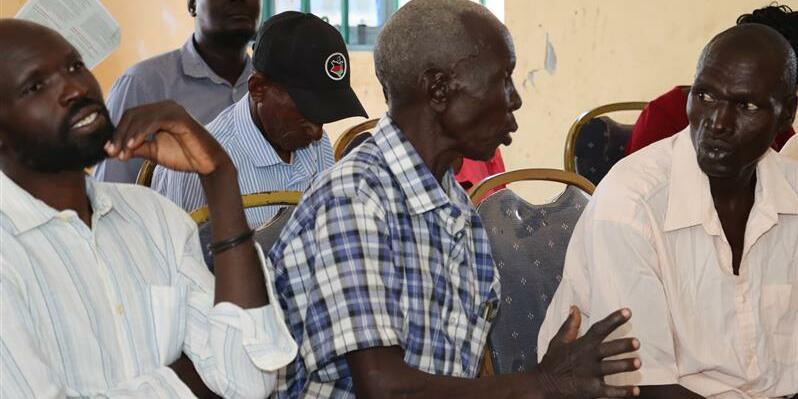
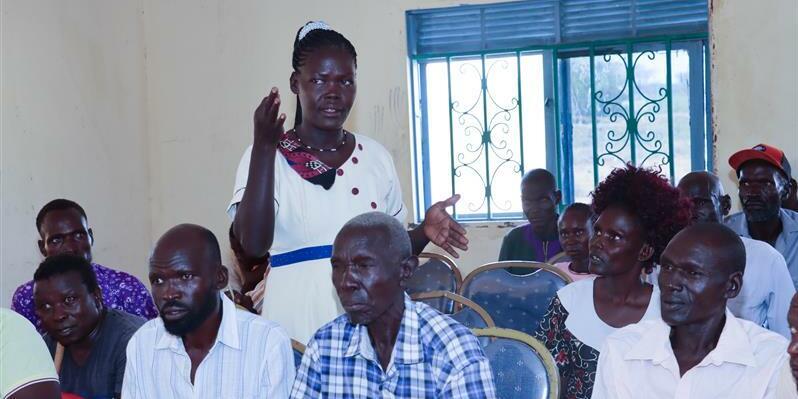

Participants give their input during the policy co-creation session in Turkana, with the County Executive Committee Member for Agriculture joining technical teams to shape evidence-based, locally led adaptation actions.
Guiding the way for financial innovation
Atlas data also underpins a climate-credit risk scoring tool used by microfinance institutions in Kenya, Uganda, and Zambia. By combining traditional credit metrics with drought, flood, and heat exposure analytics, lenders can assess climate risk for smallholder borrowers.
Lenders came to recognize the potential of smallholders once considered “unbankable,” connecting climate adaptation directly to financial inclusion through an innovative collaboration with the International Ecumenical Church Loan Fund (ECLOF) that helped mobilize USD 300,000 of green finance, trained more than 120 loan officers, and reach 1,400 livestock owners.
“The tool helps lenders see risk and opportunity whereas before they only saw uncertainty,” explained an ECLOF officer.
This is what climate adaptation looks like when data meets financial systems.
Building regional capacity: The ASARECA experience
Since its launch, 25 Atlas training events have brought together 1,800 users from governments, universities, and regional bodies.
As a result, the Atlas has become a shared, trusted evidence base helping governments, research institutions, financial actors, and development partners plan, prioritize, and finance more effective adaptation actions.
As African institutions take up, adapt, and extend the tool, a new model of locally owned, evidence-led climate governance is emerging.
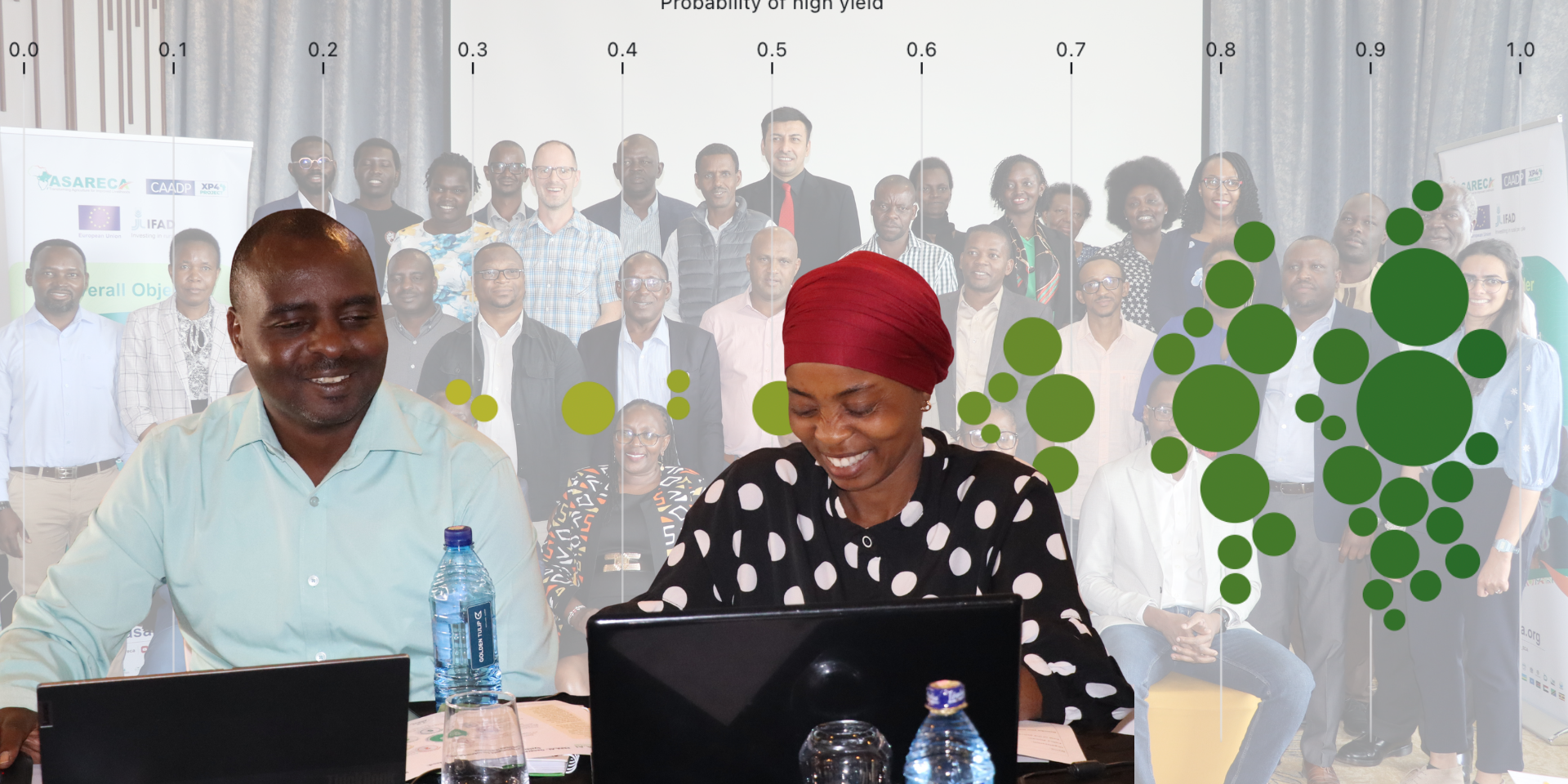
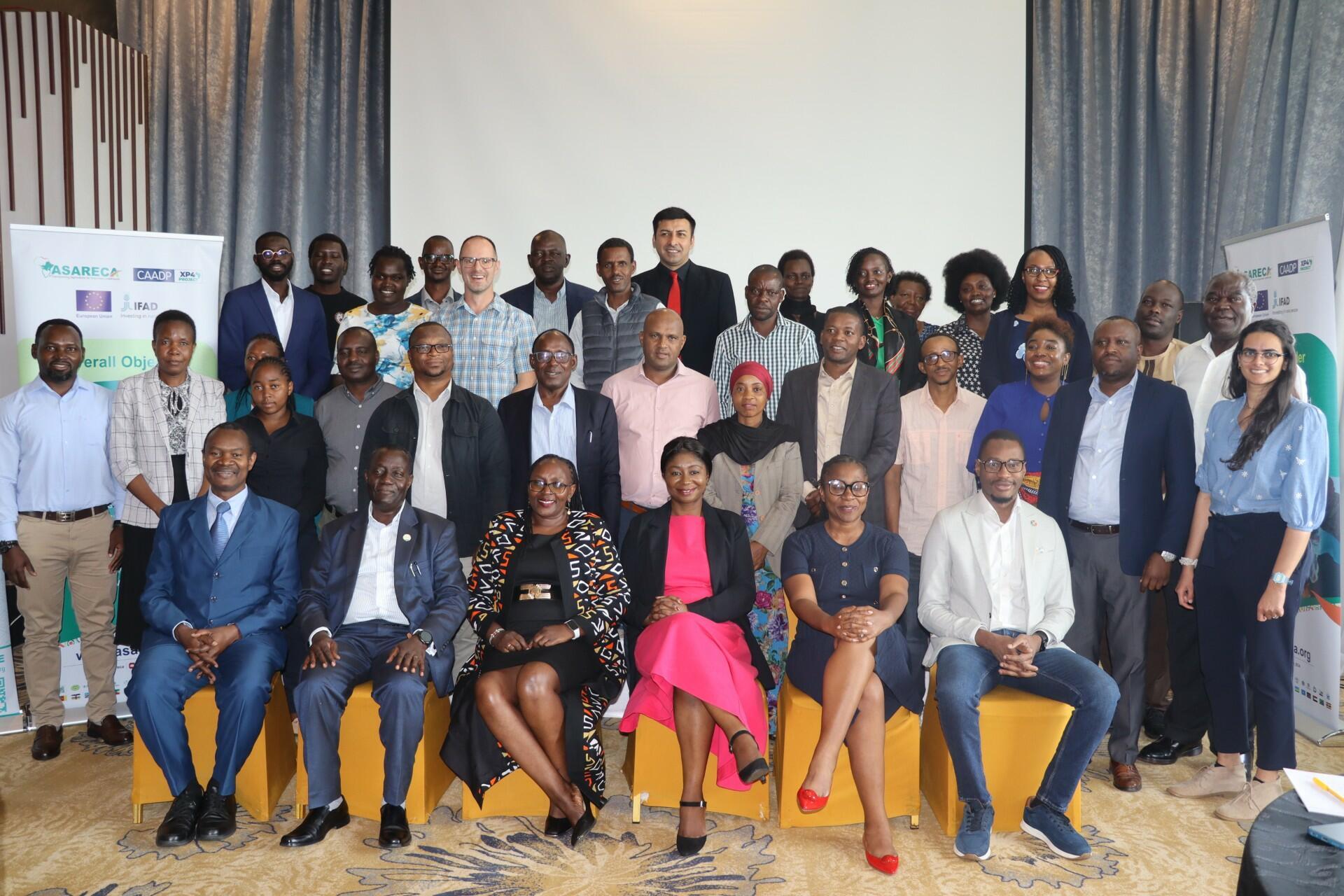
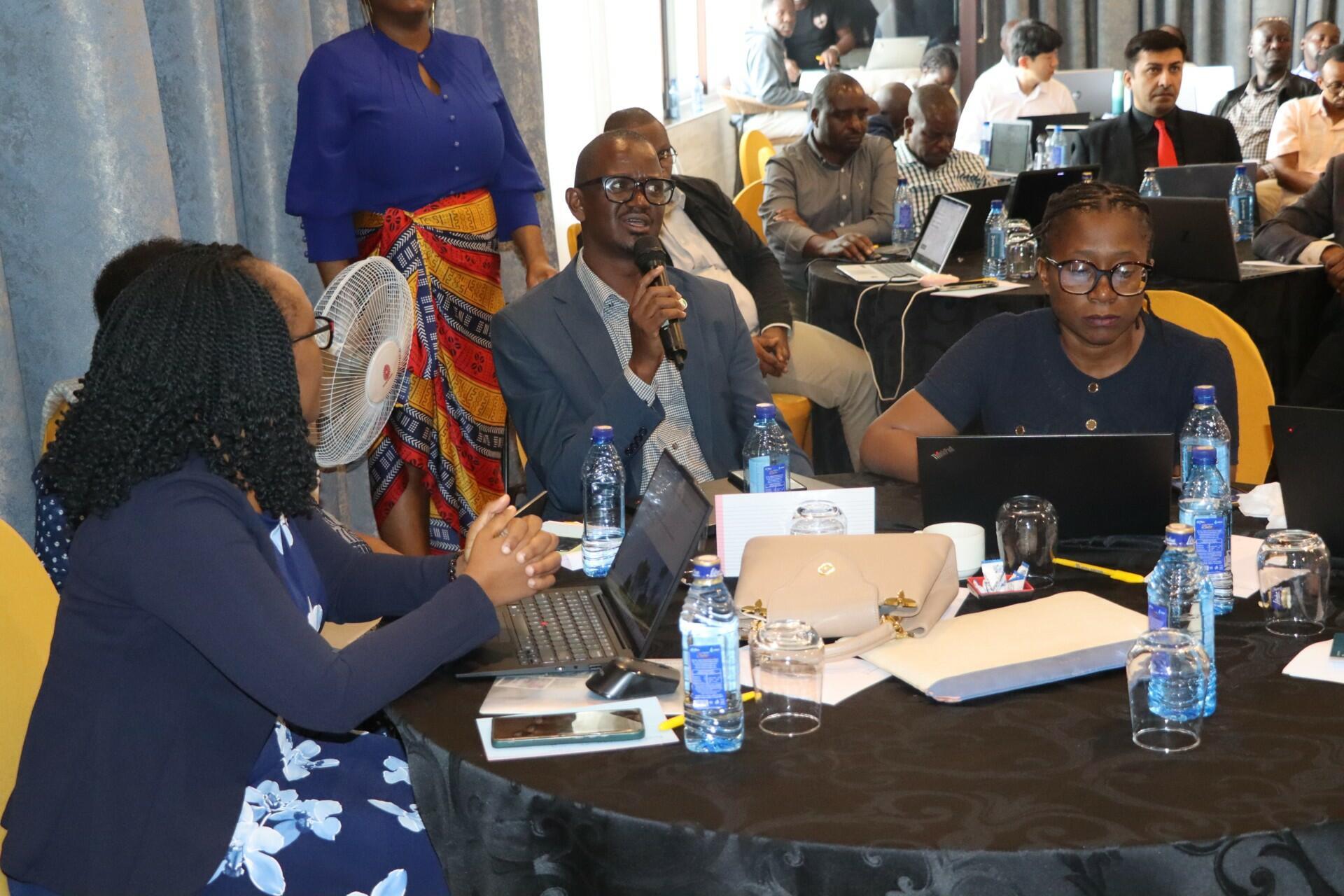
The Association for Strengthening Agricultural Research in Eastern and Central Africa (ASARECA) recently collaborated with Global Green Growth Institute (GGGI), International Food Policy Research Institute (IFPRI), the Agricultural Policy Research Center (APRC) and African Group of Negotiators Expert Support (AGNES) to train teams from across the region in using the Atlas alongside PEPA.AI, another Alliance-built tool for political economy and policy analysis.
Participants praised the Atlas’s ability to integrate data and generate clear maps and graphs.
“The integration with other databases is really nice, the fact that tool takes time to pick data from other databases and gives you everything together is for us an excellent feature. Also, the ability of the tool to generate graphs and maps is also very nice for us.” said Julian Barungi, a Program Officer for policy at ASARECA.
In breakout groups, participants proposed improvements to the Atlas, from adding new census layers to developing workbooks and manuals, reflecting a growing sense of co-ownership.
Participants explore how the Adaptation Atlas can strengthen evidence-based climate planning across the region.
A platform for innovation: AI challenges, storytellers and open hacking
The Atlas has sparked creativity far beyond traditional planning. AI developers on Zindi have built interactive data visualizations to communicate climate challenges, from rainfall variability to disease risks. Storytellers have used Atlas layers to create narratives about water insecurity, food systems, and resilience.
This open-source spirit is exactly what the designers hope for: a tool that improves as more people use it.
The Adaptation Atlas Data Storytelling Challenge isn't about machine learning; it's about data analysis, storytelling, and interactive visualizations in the field of climate resilience.
Watch the Zindi campaign asking applicants: Can your data skills and creativity unlock answers to real-world climate challenges for farmers, policymakers and governments?
Watch out for updates on the finalists in the coming weeks.
Becoming CGIAR’s backbone for climate data
As CGIAR rolls out its new Climate Action program, the Atlas is set to contribute to the technical foundation of the CGIAR Climate Data Hub, which is a central pillar of CGIAR’s 2030 research and innovation strategy. This means wider integration across centers, more consistent evidence for donors and governments, and a unified platform for scaling climate adaptation across Africa.