Blog Strengthening climate-smart agriculture for soil and water management in Eastern Province, Zambia

In July 2026, the Alliance of Bioversity International and CIAT, together with Solidaridad Zambia, trained 5 extension officers and 10 lead farmers in Katete and Sinda districts of Eastern Zambia on climate-smart agriculture and climate information services.
The training aimed to strengthen their ability to help farming communities respond to increasing climate risks such as droughts, floods, rising temperatures, and pest outbreaks by promoting practical, locally relevant solutions that can improve resilience and support informed farming decisions.
In July, the people of Katete speak of the "cold rains" not because it is raining.
“We normally experience what we call the 'cold rains' at this time of the year. It's cold and foggy, even the Mphangwe hills are hidden from view" says Mr. Mpazi Siame, an extension officer with Solidaridad.

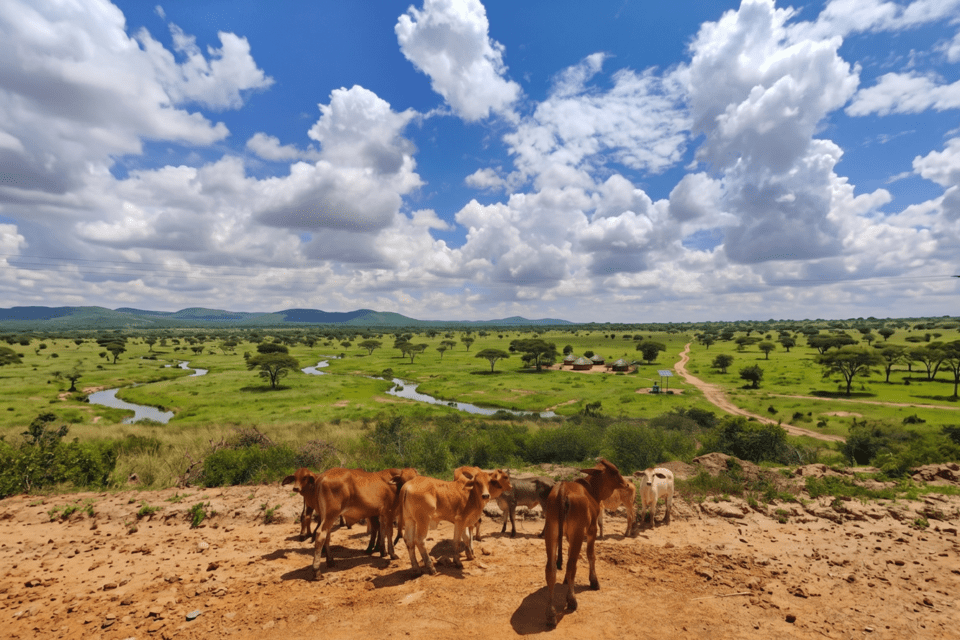
Sunrise over Mphangwe Hills.
This year, the hill was visible. For the early risers, it offered a stunning view of the sunrise. The sun was out and the air was warmer.
It was a simple observation and it was rooted in the knowledge that comes from living with the land.
For farming communities across Eastern Zambia, these observations are more than casual conversations. They are part of a lifetime of understanding seasons, soils and weather patterns. And increasingly, they are signs that those familiar patterns are changing.
That moment set the tone for three days of learning on Climate smart agriculture (CSA) for Soil and Water Management jointly organized by the Alliance of Bioversity International CIAT and Solidaridad Zambia. The aim of the workshop was to strengthen the capacity of five extension officers and 10 lead farmers already guiding farming decisions in their communities. What they wanted now was practical ways to package and communicate this information so farmers could easily understand and act on it.
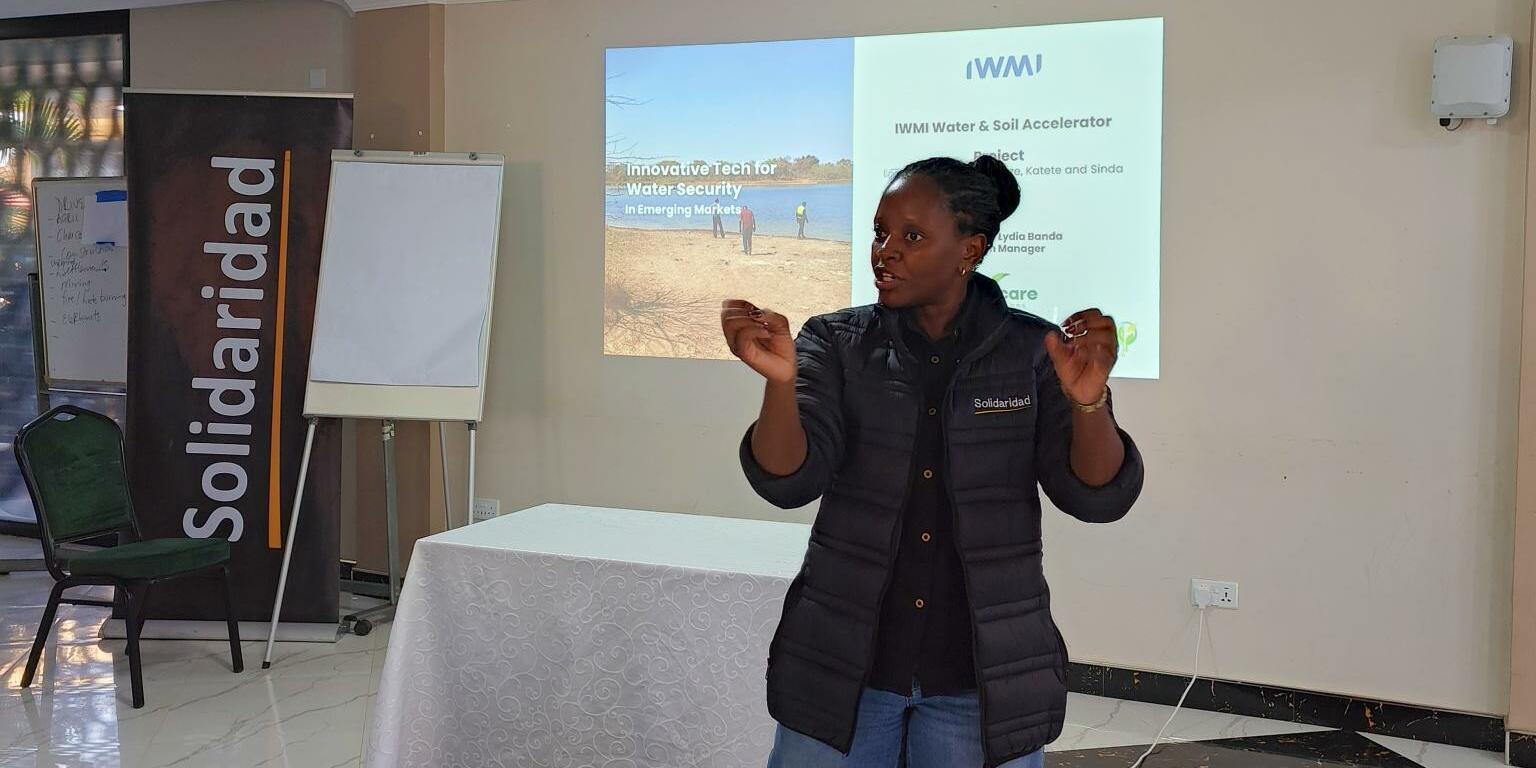
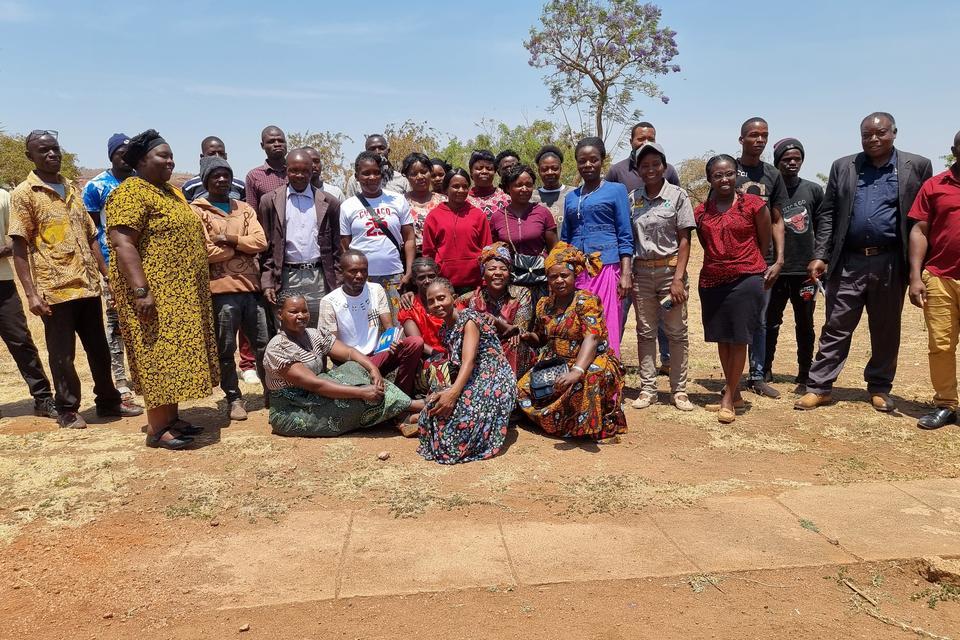
Lydia Banda, Solidaridad Zambia giving her remarks and participants engaged in a group activity. Credit: Wanjiku Githu
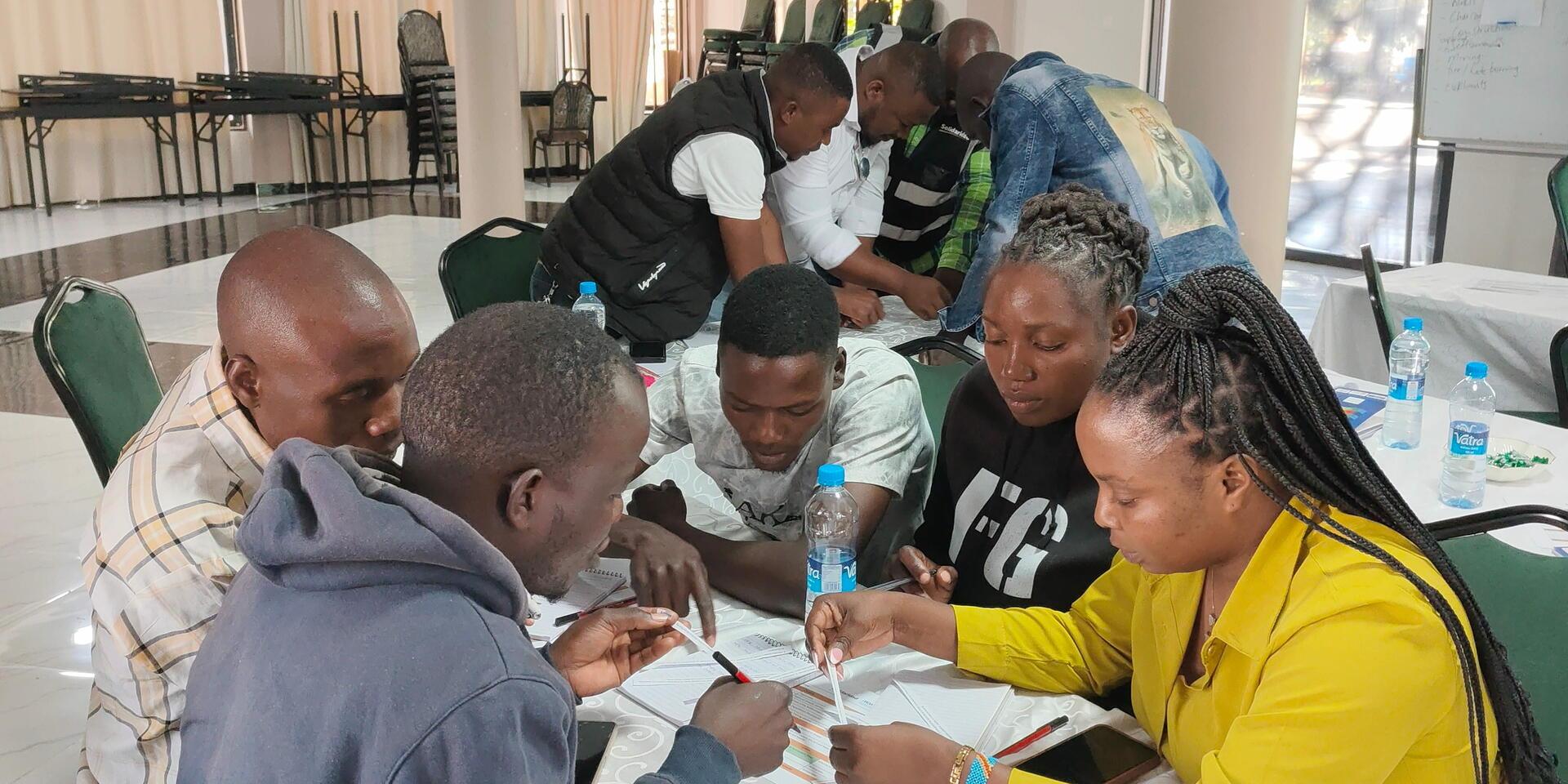
Climate change and it’s impacts in Katete and Sinda Districts
As participants described the climate hazards affecting their communities, a clear picture emerged. High temperatures are placing crops under increasing water stress. Droughts are reducing water levels in dams and streams, while floods continue to wash away crops and fertile soils. Hardpan soils make land preparation more difficult, and livestock increasingly stray into cultivated fields.
These are not new anxieties. In 2023/24, an El Niño-driven drought, the worst Zambia had experienced in decades pushed dams and boreholes toward empty, wiped-out maize harvests across the province, and led the government to declare a national disaster. Now, meteorologists are tracking a similar pattern building for the 2026/27 rainy season, with forecasters again pointing to El Niño. For participants, the workshop was not theoretical. It was preparation for a risk they had already lived through once and could well face again before the next planting season begins.
Participants also described the changing pest and disease pressures. Fungal diseases affecting legumes, aphids in soybean, growing tick and tsetse fly populations, armyworm outbreaks and fires caused by uncontrolled bush burning have all become part of the challenges farmers must navigate.
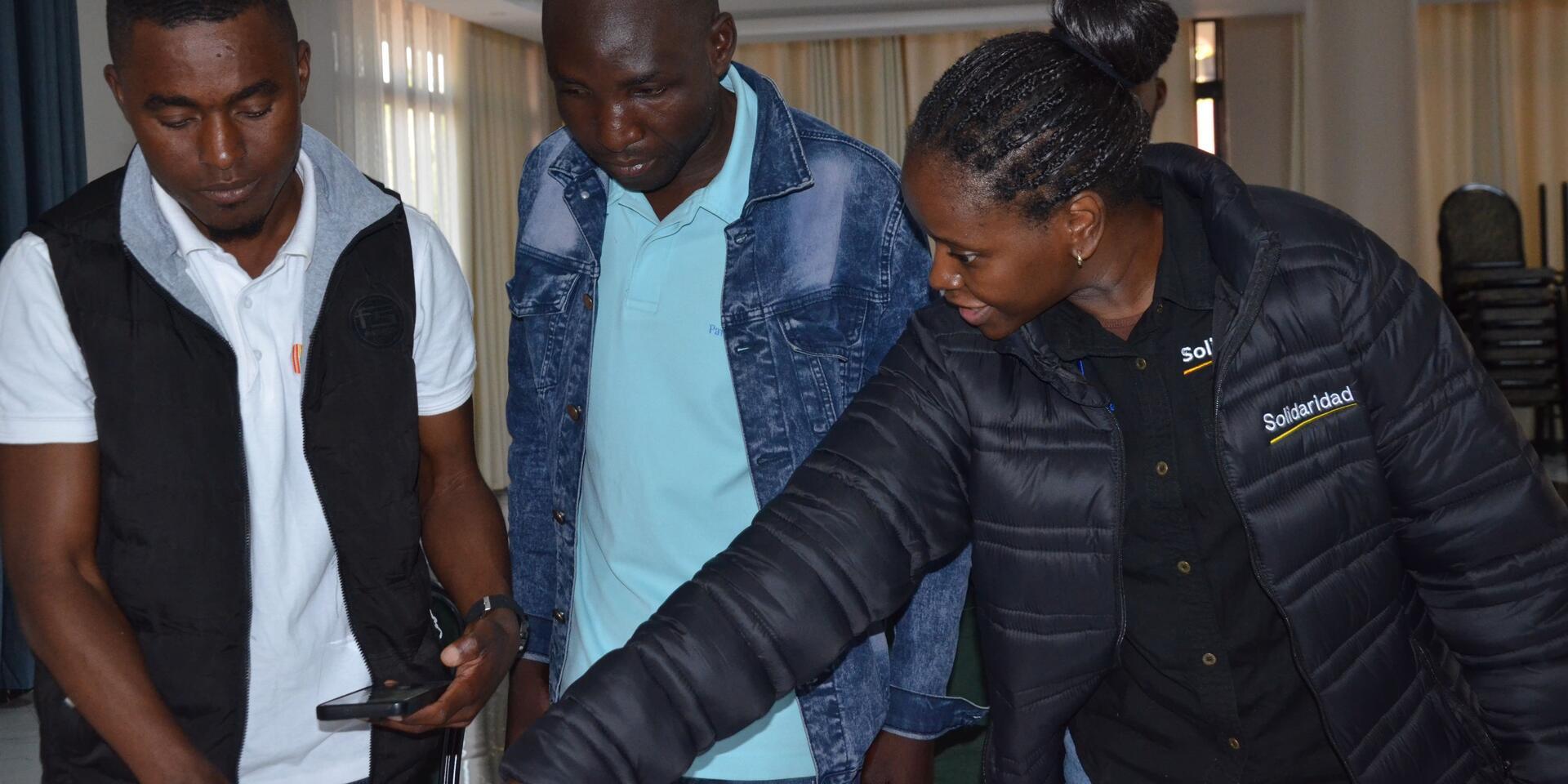
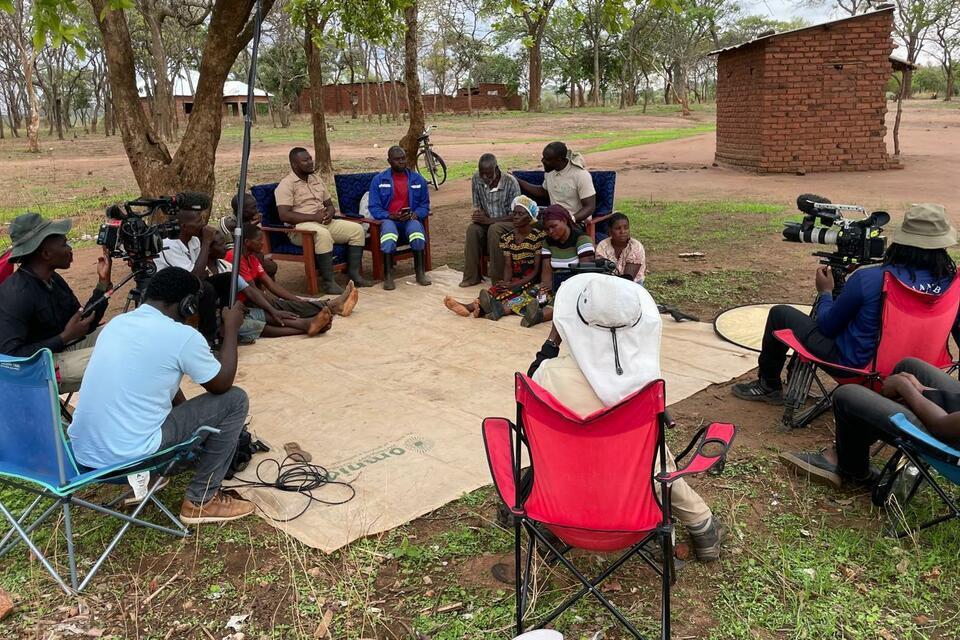
Group activity and lead farmer presenting the key points discussed. Credit: Mr Kaneta Mate Solidaridad
Access to practical knowledge, affordable technologies and the resources needed to respond effectively were identified by participants as the biggest gaps. Drought-tolerant seed remains expensive for many smallholder farmers. Irrigation equipment is often beyond reach. Weather information does not always arrive on time, while weak drainage systems, poor watershed management and limited knowledge of integrated pest and disease management continue to leave communities vulnerable.
Building on solutions that already exist
The discussions also revealed something equally important. Farmers are not waiting for solutions – they are already creating them.
"CSA is a gamechanger in fighting against climate risks. Our farmers are already practicing these CSA practices. We are using raw and local materials to cope" said Mr. Thaulo Banda, a lead farmer.
He described how the communities prepare Bokashi (a form of organic fertilizer) using locally available materials like ash, cow dung, charcoal and maize husks to improve soil fertility.
Mr. Enock Nkhuwa, an extension officer, explained how communities also produce biochar from maize, cotton and soybean stalks using simple cone-shaped pits dug into the ground.
"Mixing biochar with fertilizer, bioliquid fertilizer or manure helps our soils retain moisture."
They also shared examples of vetiver grass strips to reduce soil erosion, affordable treadle pumps for small-scale irrigation, ripping as part of conservation agriculture, and agroforestry initiatives supported by traditional leaders who have restricted indiscriminate tree cutting.
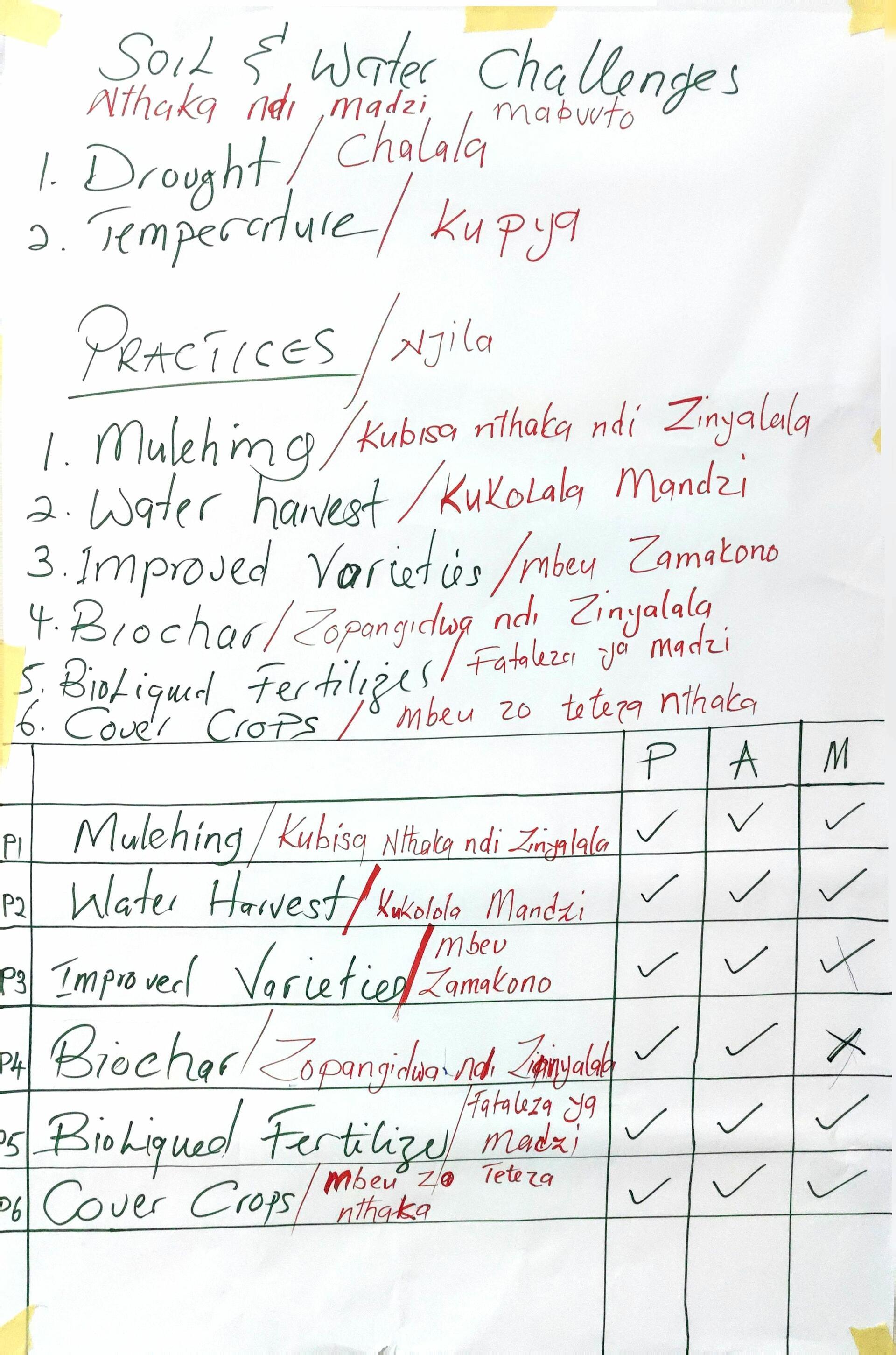
CSA practices against three pillars.
Participants then evaluated these practices against the three CSA pillars. This helped them move beyond recommending individual practices in isolation and instead design CSA bundles. These are complementary sets of practices that work together to improve soil health, conserve water and build resilience to climate change.
These examples reinforced one of the workshop's central messages: CSA is context specific. No single practice is sufficient on its own. Lasting resilience comes from combining complementary practices that improve productivity, strengthen adaptation, and where possible, reduce greenhouse gas emissions.
Climate information only matters if farmers can use it
Working in groups, participants practiced interpretation of seasonal forecasts, translating them into practical farm decisions. They discussed how below-normal rainfall should encourage mulching, water harvesting and drought-tolerant varieties, while above-normal rainfall should prompt farmers to prepare raised beds and drainage channels.
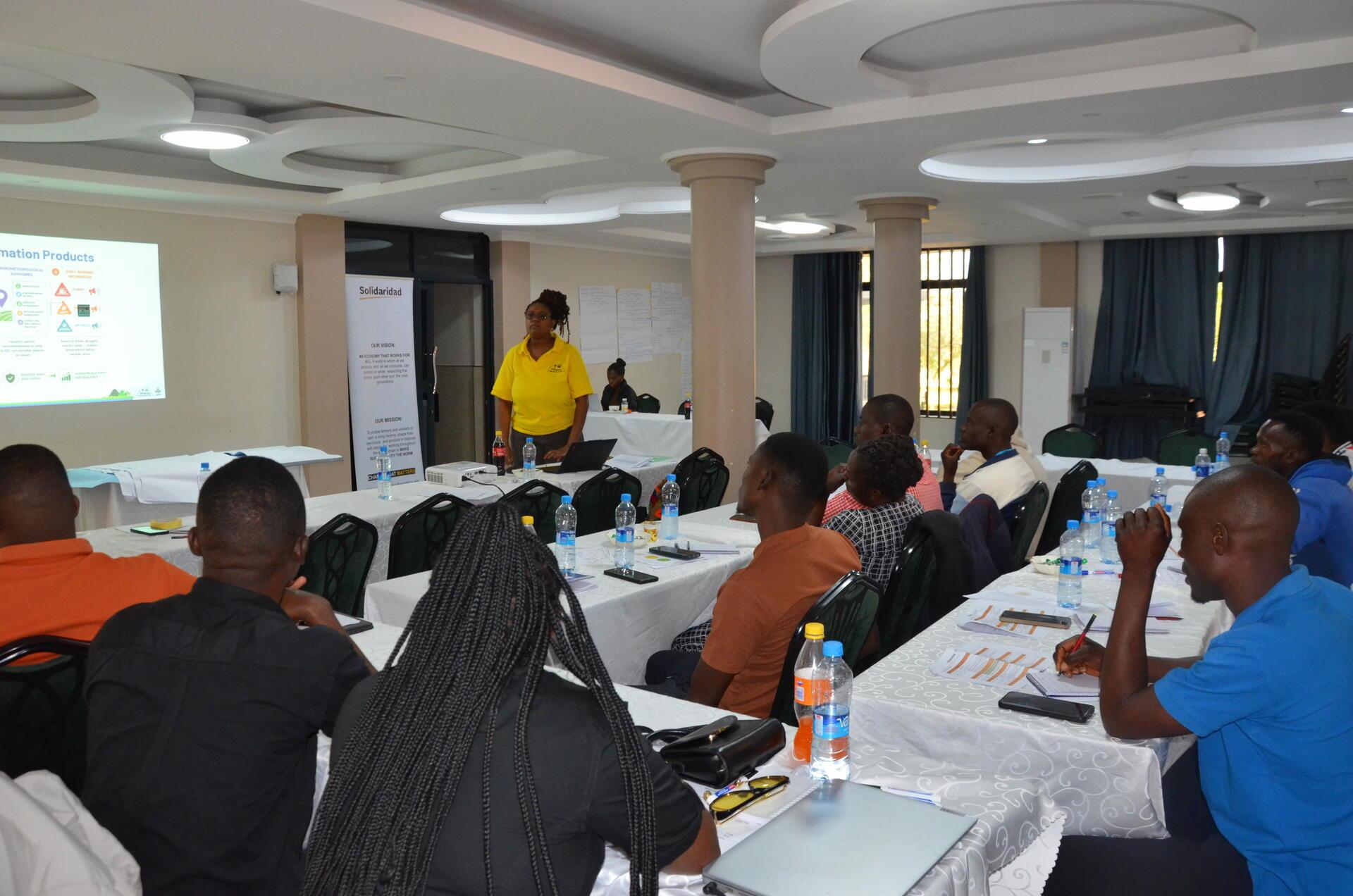
Climate information services discussion and group activity. Credit: Mr. Kaneta Mate Solidaridad
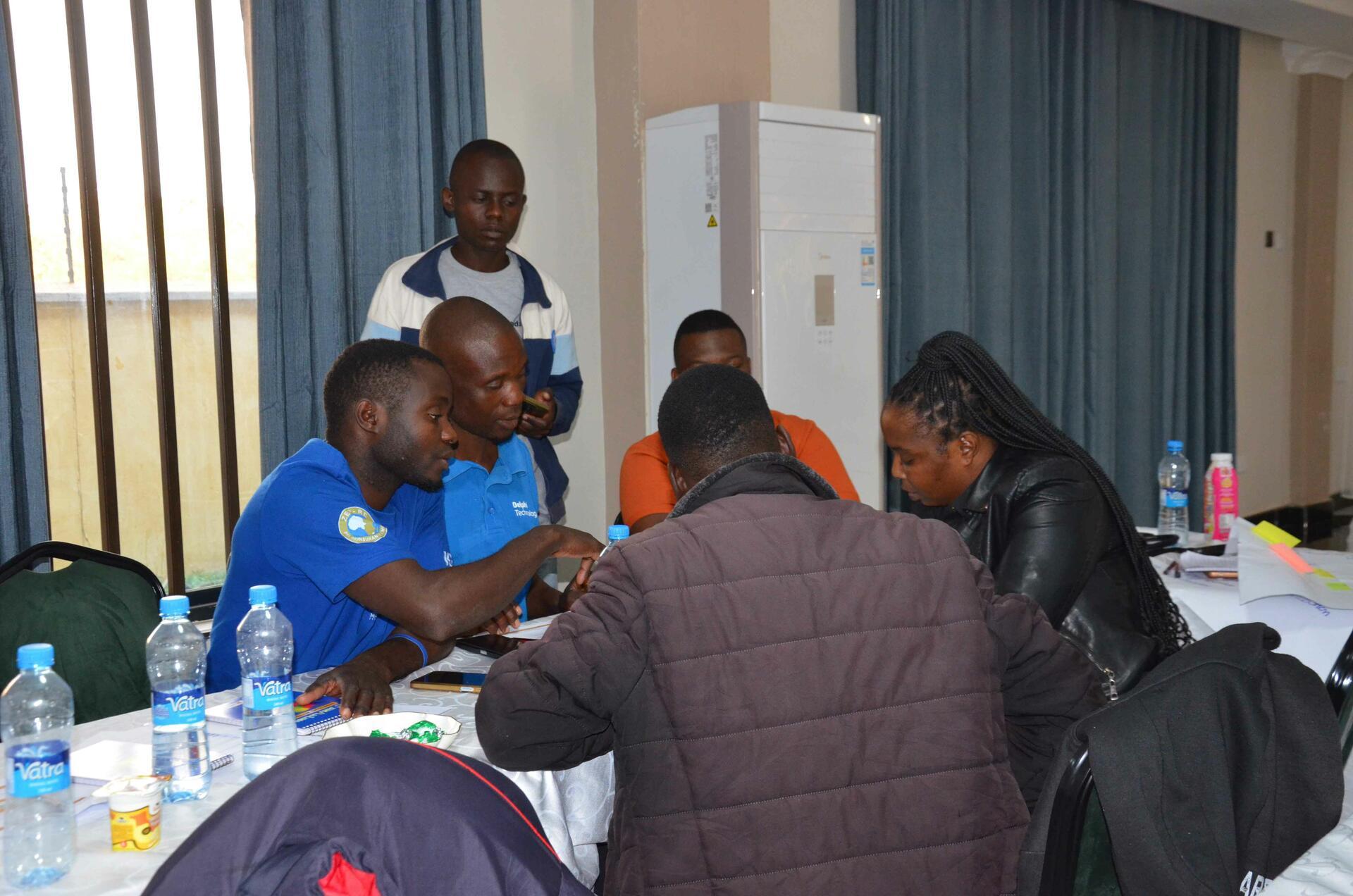
The exercise also demonstrated how climate information currently flows through communities. Extension officers receive seasonal forecasts before sharing them with group representatives, who then contact farmers across their networks. The system is effective but only if climate information arrives on time and is translated into advice that farmers can act on before the season begins.
Building resilient communities through inclusive CSA
Some of the workshop's most important discussions extended beyond soils, water and the weather. Only two of the fifteen participants were women. The reasons reflected broader social realities: cultural expectations, household responsibilities and the need to obtain permission to spend several days away from home. While these barriers cannot be solved by a single training programme, acknowledging them opened an honest conversation about what more inclusive CSA should look like.
The conversation also turned to young people. Many participants noted that agriculture is often viewed as a last resort rather than a profession full of opportunity. Others challenged that perception.
"We are energetic and we earn a living through agriculture," one young farmer observed.
Participants also highlighted the opportunities presented by digital agriculture. Rather than simply consuming content online, they encouraged young people to use digital platforms to share good farming practices, demonstrate innovations and inspire others.
As Mr. Banda Aaron put it,
"The youth are the future, and they need to be equipped with skills in CSA to cope with the challenges that are coming their way."
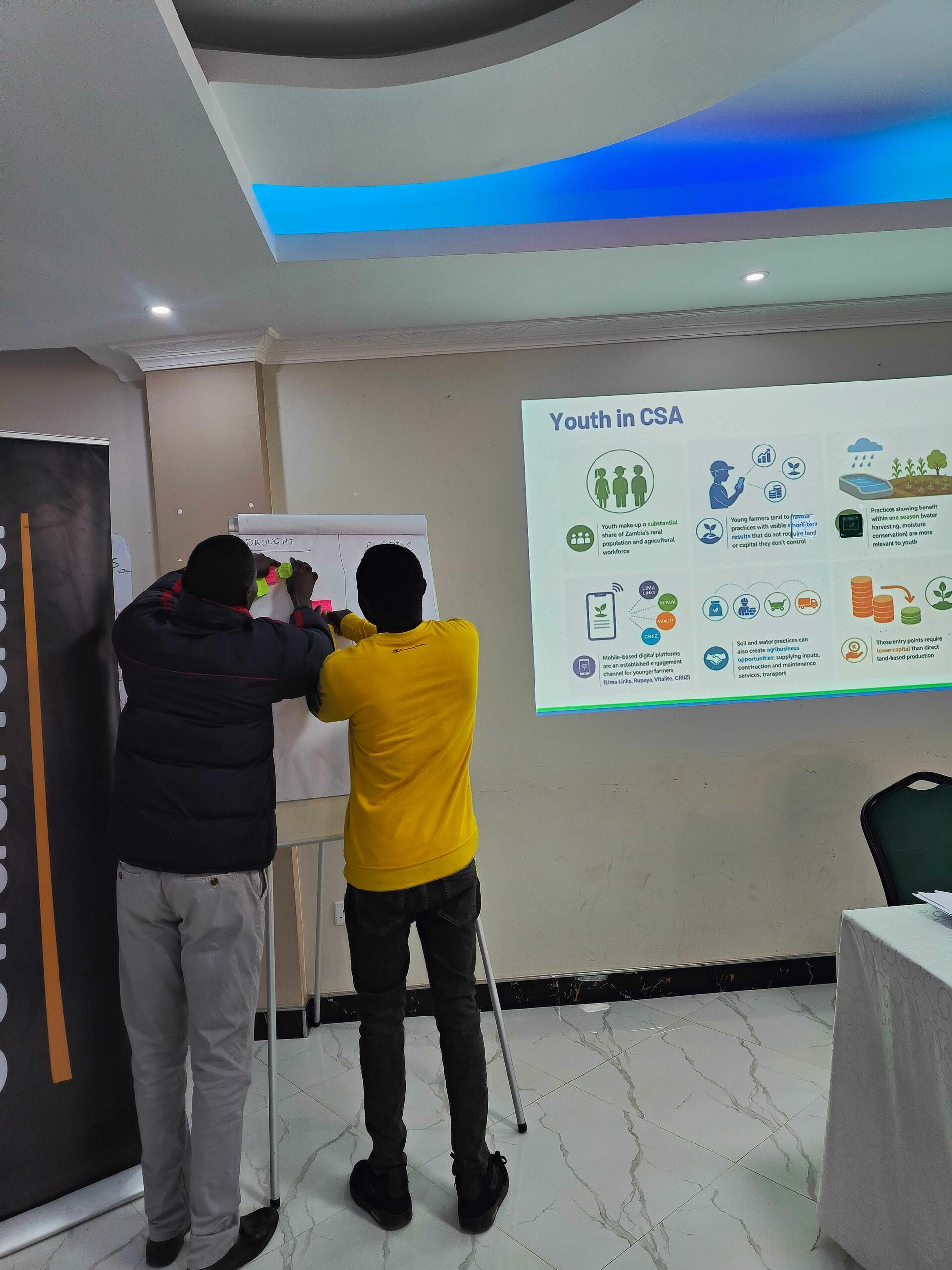
Participants mapping how women and youth are affected by climate hazards.
Scaling CSA and sharing knowledge one farmer at a time
By the final afternoon, participants had developed an action plan. Each lead farmer will return to a cluster of approximately 35 farmers. Demonstration plots, field days and community meetings will help spread knowledge, while the training materials will be translated into local languages to make them more accessible.
CSA is not about introducing entirely new ideas. Farmers already understand climate variability because they live it every season. What they need are practical tools, credible climate information and the confidence to connect those lived experiences with the scientific response to a changing climate.
Scaling CSA, therefore, is not achieved through a single intervention. It happens when extension officers and lead farmers return to their communities equipped to translate climate science into practical action- helping farmers make better decisions today while building resilience for tomorrow.
It happens, one conversation, one demonstration plot and one farmer cluster at a time.
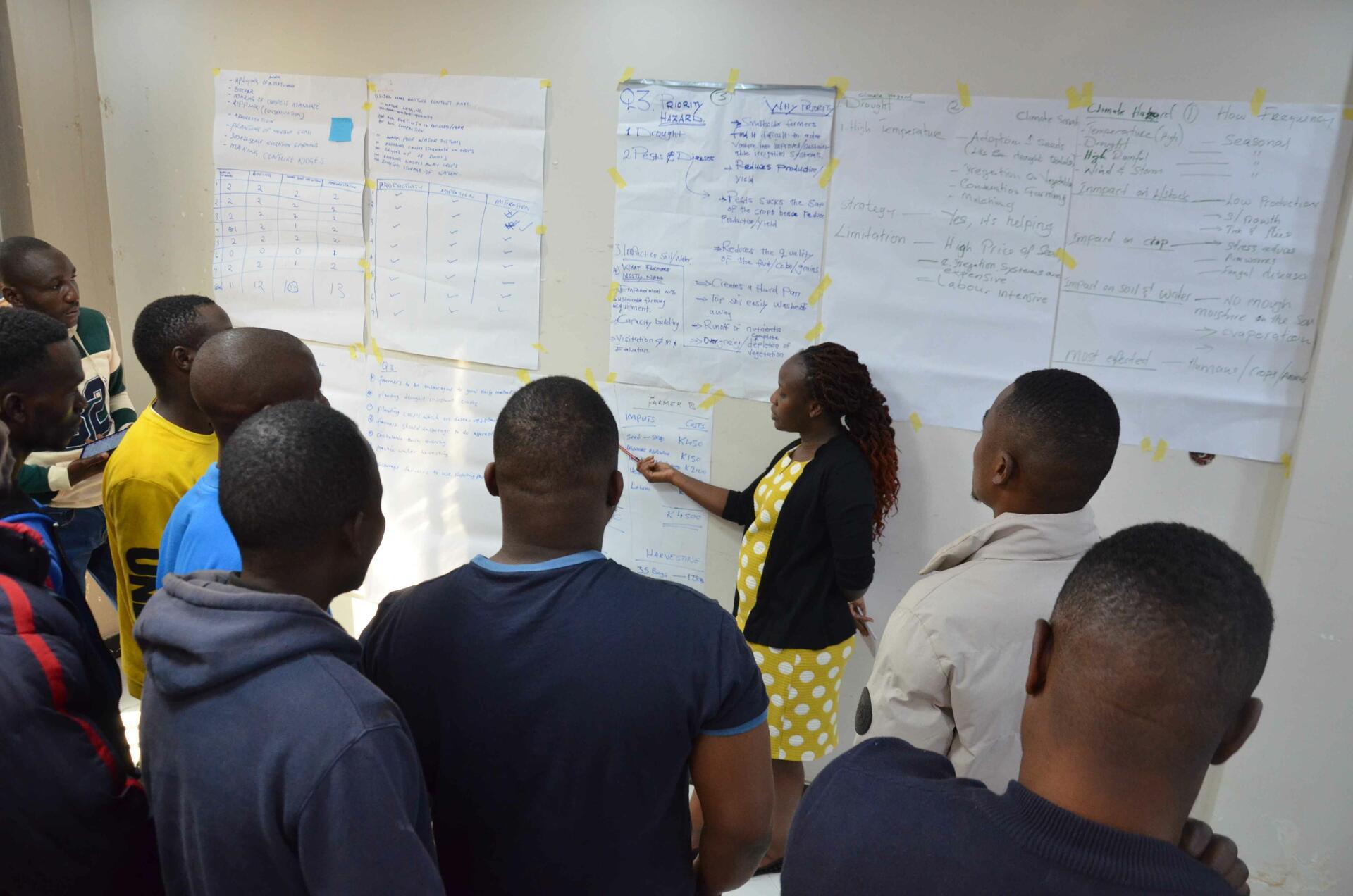
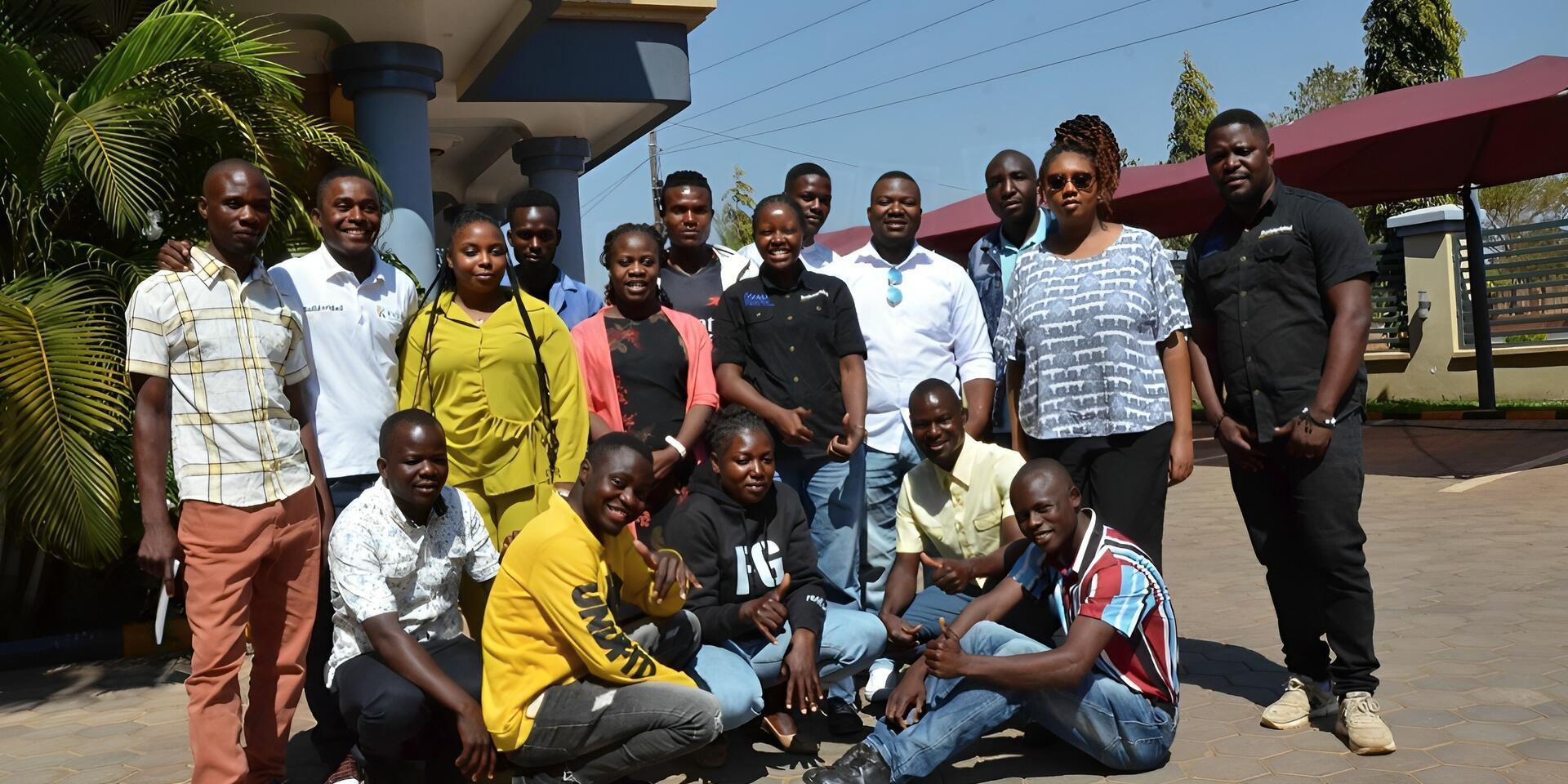
Action planning on knowledge sharing. Credit: Mr. Kaneta Mate Solidaridad Zambia
Acknowledgement
This workshop was delivered by the Alliance of Bioversity International and CIAT, in partnership with Solidaridad Network Zambia and supported through the IWMI Water and Soil Accelerator (WASA) Project.
The team

David Slane
Senior Manager and Chief of Party, Business Acceleration for Youth Project, Country Representative for Malawi
Dorcas Jalang'o Anyango
Research Team Leader
Majambo Gamoyo
Postdoctoral Fellow
Grace Koech
Senior Research Associate
Wanjiku Githu
GIS AnalystKeep exploring