Blog Beyond Beans: How 30 years of PABRA experience could inform scaling across agriculture
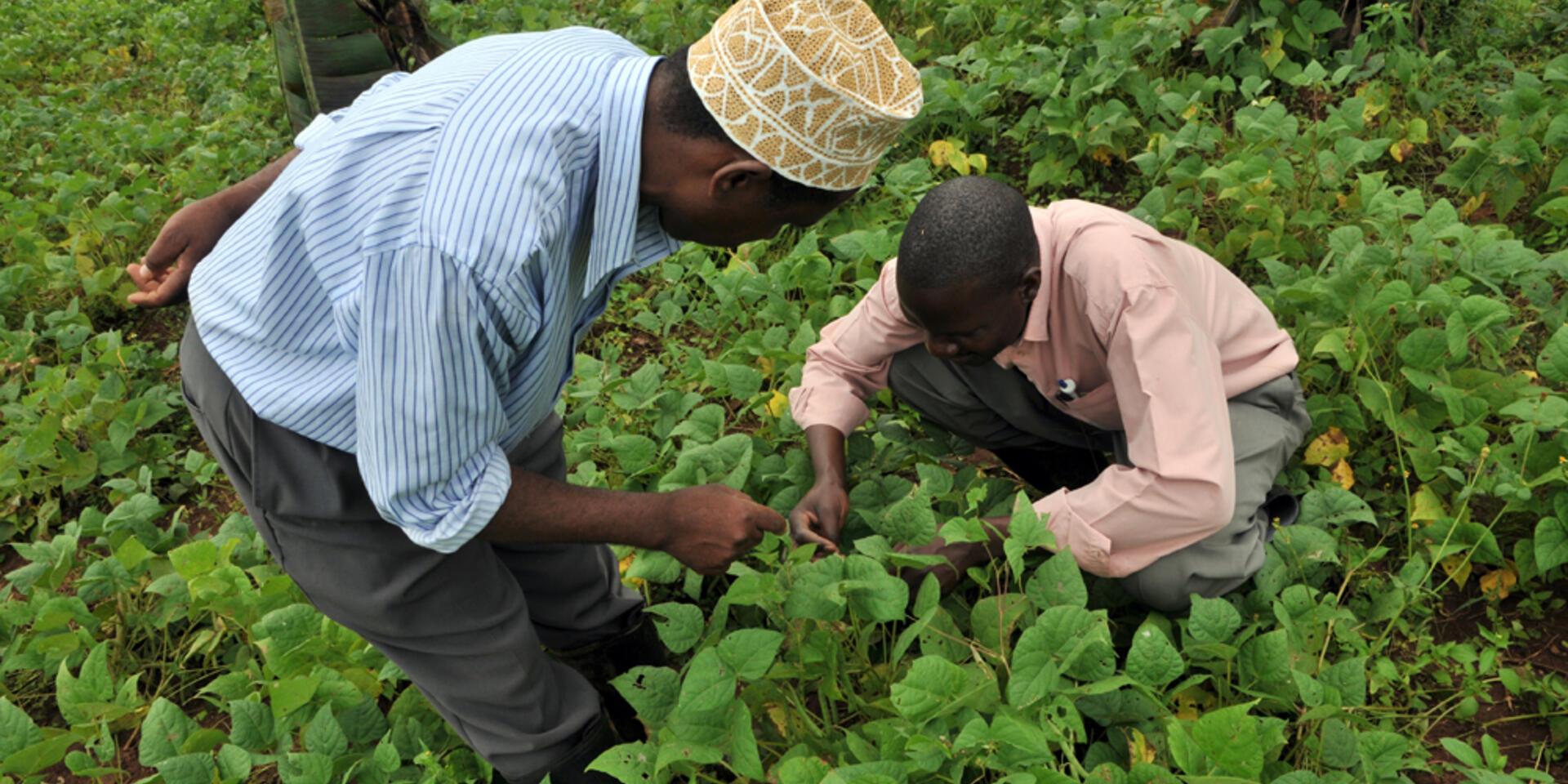

For 30 years, the Pan-Africa Bean Research Alliance (PABRA) has built partnerships around bean research, markets and delivery across Africa. Its anniversary offered an opportunity to explore which parts of its experience could work for other crops, value chains and regions?
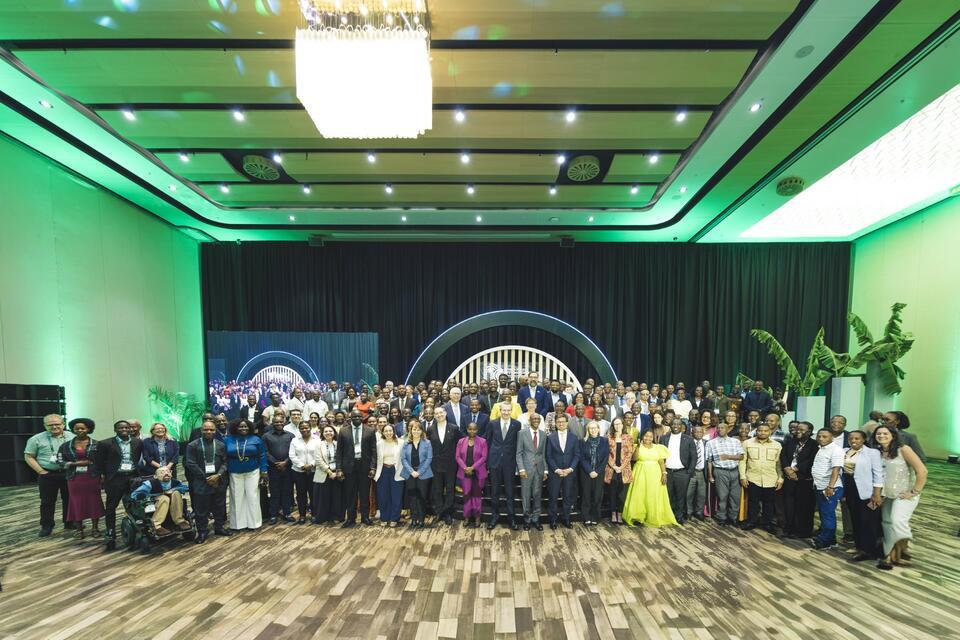
This theme shaped discussions at the PABRA@30 Celebration Event, held on 31 August 2026 at the Kigali Convention Centre in Rwanda as part of the African Food Systems Forum (AFSF) 2026. The Pan-Africa Bean Research Alliance (PABRA) marked three decades of partnership, science, and impact and invited the world and specifically Africa, to look beyond beans.
The CGIAR Capacity Sharing Accelerator (CapSha) played a key role during the event, facilitating a pivotal session titled “Beyond Beans,” exploring how PABRA’s proven demand-led and corridor approach can be adapted to other agricultural value chains and regions.
Improved beans significantly reduce food insecurity
The DIIVA/SPIA programme and the CGIAR Independent Science and Partnership Council, through independent impact assessments, found substantial benefits from the improved bean varieties. The assessment studies found that improved varieties were associated with substantial yield gains, ranging from 43% to 82% across two countries assessed, Rwanda and Uganda. The analysis further estimated that, without improved bean varieties, food insecurity would have been 16 percentage points higher in Rwanda and about 2 percentage points higher in Uganda. These results underpin PABRA’s remarkable story. Over 30 years, the alliance released 624 improved bean varieties, reached 46 million farmers (58% of them women), and built a network spanning 31 countries.
But beyond the beans, the real lesson is about mechanisms or models of working.
PABRA connects researchers, seed companies, farmers, traders, processors, and policymakers into a single, market-driven ecosystem. The model built on demand-led breeding, demand-led seed systems, the corridor approach, and off-taker-led platforms has already proven its flexibility and agility to adapt to value chain actors.
What it takes to adapt the PABRA model
CapSha’s partnership with PABRA is a direct application of the Accelerator’s mission of fostering more equitable, demand-driven partnerships for capacity sharing across CGIAR and beyond. The “Beyond Beans” session brought together experts to discuss how the PABRA model applies to other commodities like sorghum, groundnuts, cowpea, vegetables, and insect-based value chains and sectors.
The session focused on how knowledge and experience could move in both directions between PABRA and other agricultural programes. As CapSha puts it, “Capacity grows fastest when knowledge moves in every direction, not just from the few to the many.” Participants explored a framework for advancing and applying PABRA’s model, answering practical questions like how to sustain interactions, ensure continuous knowledge sharing, and monitor learning across different crops and contexts. Participants agreed PABRA’s core model demand-led breeding, demand-led seed systems, corridor approaches, and off-taker-led platforms can be adapted individually or together.
Four design questions should guide every new crop or country: Who owns it? Who wants it? Who pays for it? Who might oppose it? Scaling is real when partners invest their own money and every actor - farmer, trader, processor, buyer earns income or reduces risk. To sustain learning, the framework calls for documenting PABRA’s tacit processes into shareable tools: decision-support guides, business cases, and standard operating resources, plus continuous knowledge-sharing and monitoring across commodities. CapSha can use these outputs to broker peer learning and keep momentum, so the model can travel beyond beans.
This aligns with CapSha’s broader mission to shift from top-down training to mutual capacity and knowledge sharing, participatory learning, and purposeful co-creation. Through its South-South and Triangular Cooperation function, CapSha connects institutions with relevant expertise, brokering peer-to-peer collaboration among Global South partners.
Taking the model beyond beans
The event concluded with concrete commitments including finalizing PABRA’s 10-year strategy for 2027–2037, strengthening seed systems, institutionalizing PABRA within CGIAR, and deepening gender and youth inclusion.
But perhaps the most powerful takeaway came from the “Beyond Beans” session itself, PABRA’s most transferable asset isn’t any single variety or technology, it’s the “scaling muscle” that its teams have developed over three decades. The market-diagnosis capabilities, the hands-on partner engagement, and the ability to build genuine ownership from the ground up.
As PABRA moves into its next chapter, CapSha will continue to help share that muscle memory across Africa and beyond, because the challenge of feeding a growing continent won’t be solved by beans alone, but by the kind of partnership that made beans a success in the first place.
This work is carried out with support from the CGIAR Capacity Sharing Accelerator. We would like to thank all funders who supported this work through their contributions to the CGIAR Trust Fund.