Blog PABRA: 30 Years of Building Partnerships to Transform Bean Research in Africa
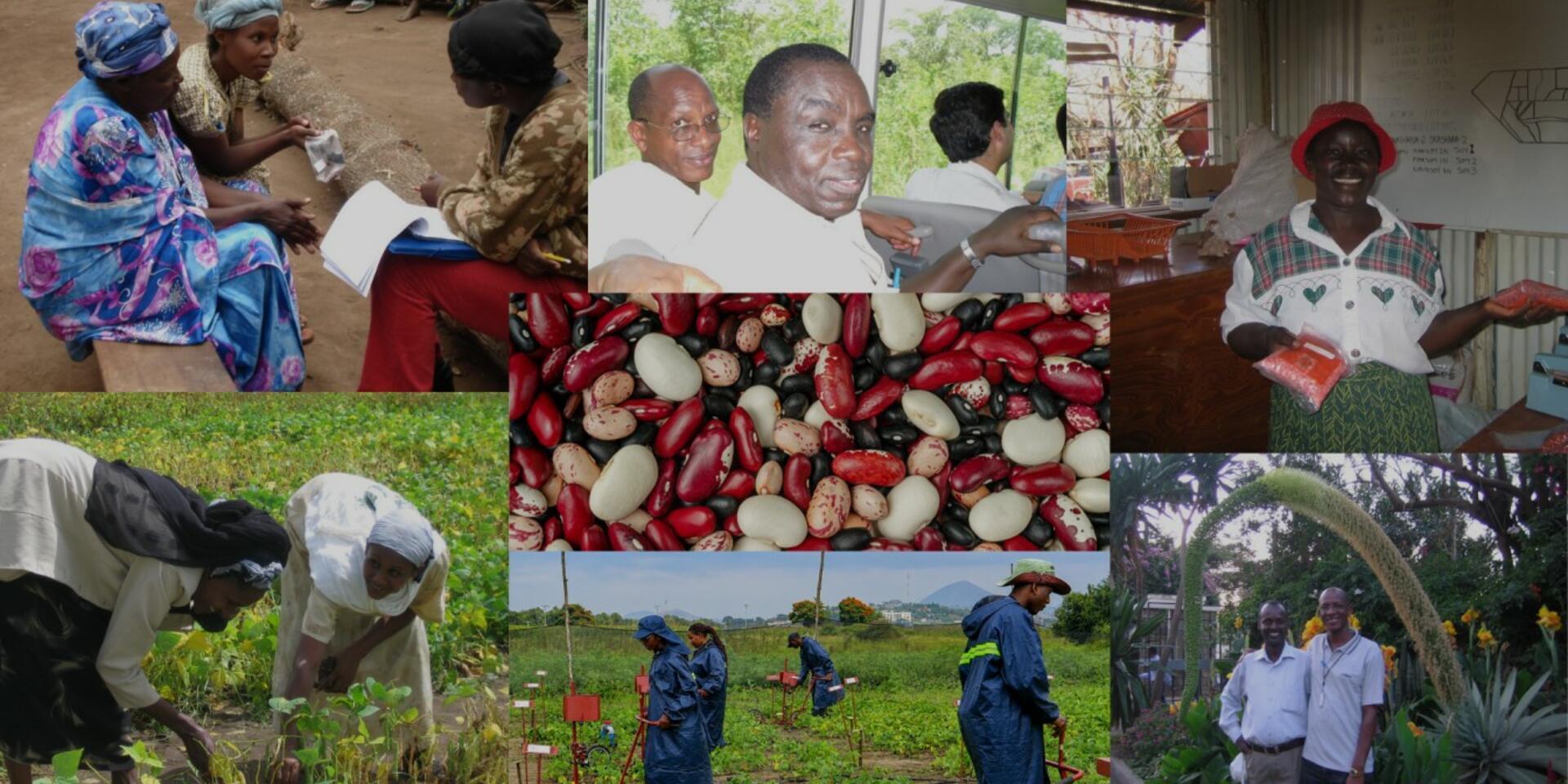

Thirty years ago, the then Bean Program of the International Center for Tropical Agriculture (CIAT), now part of the Alliance of Bioversity International and CIAT, together with Africa’s national agricultural research organizations and the support of international partners, established the Pan-African Bean Research Alliance (PABRA) with a clear purpose: to strengthen bean research, development, and production through a regional collaboration model. What began in 1996 as an initiative to connect scientific networks has grown into an alliance spanning more than 30 countries and hundreds of institutions working together to improve productivity, nutrition, and the livelihoods of millions of African families.
PABRA’s story, however, began long before its official creation. In the 1980s, CIAT’s Bean Program promoted regional research networks such as RESAPAC, demonstrating that sharing knowledge across countries accelerated the development of new bean varieties, strengthened national research capacities, and enabled more effective responses to farmers’ needs. These early experiences showed that Africa’s greatest agricultural challenges could not be solved through isolated efforts, but through sustained collaboration among institutions and countries.
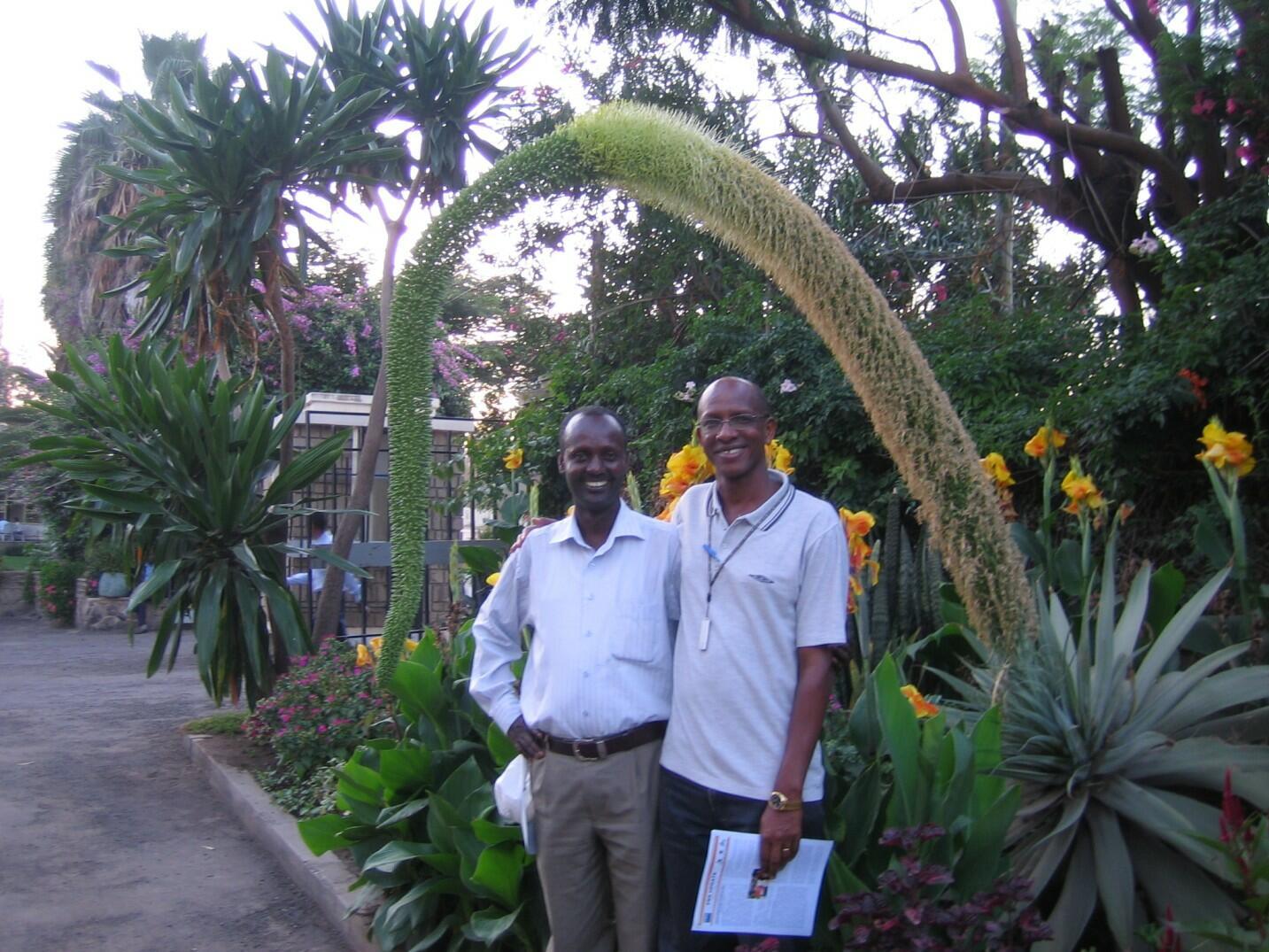
Driven by this vision, Julia Kornegay, then Leader of CIAT’s Bean Program, worked alongside Roger Kirkby and other researchers to turn that idea into reality. With support from the Swiss Agency for Development and Cooperation (SDC), the United States Agency for International Development (USAID), and the Canadian International Development Agency (CIDA), PABRA was officially launched in 1996. Its mission was to strengthen regional research, promote cross-country learning, and develop joint solutions to improve bean production and the livelihoods of millions of smallholder farmers across Africa.
From its earliest years, the network also transformed the way agricultural research was conducted. Rather than viewing farmers simply as beneficiaries of new technologies, PABRA recognized them as active participants in the innovation process. According to Louise Sperling, former Principal Scientist and internationally recognized expert in seed systems, this was one of the alliance’s greatest contributions.
“PABRA understood that farmers should be colleagues of science, not simply subjects of research.”
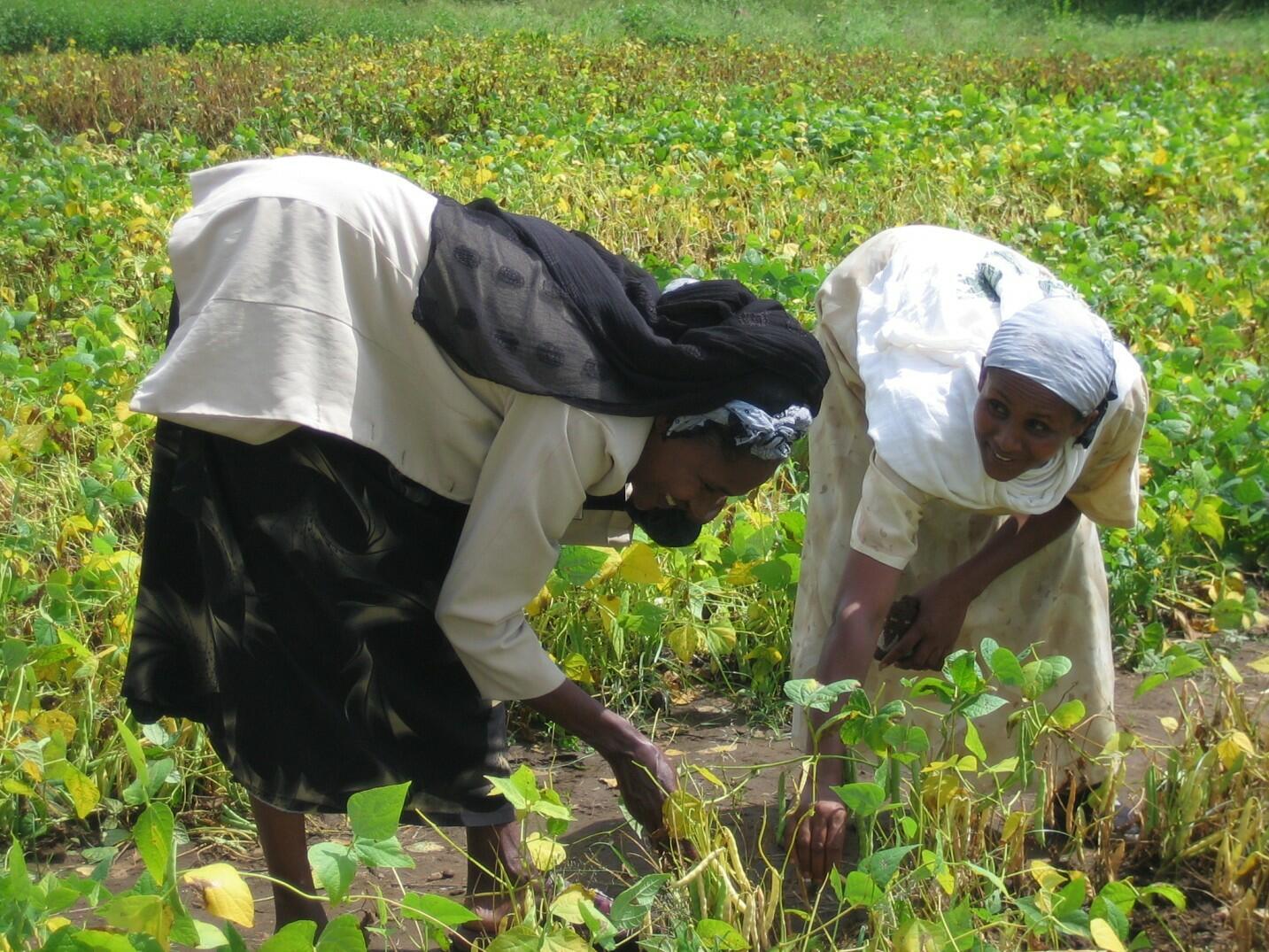
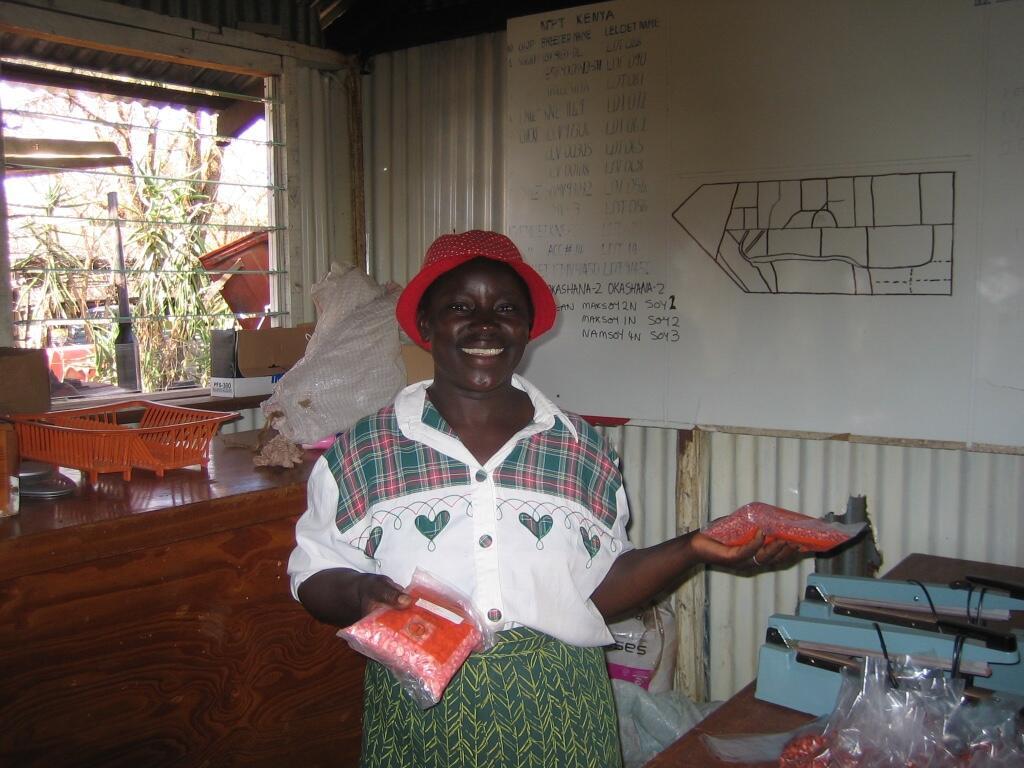
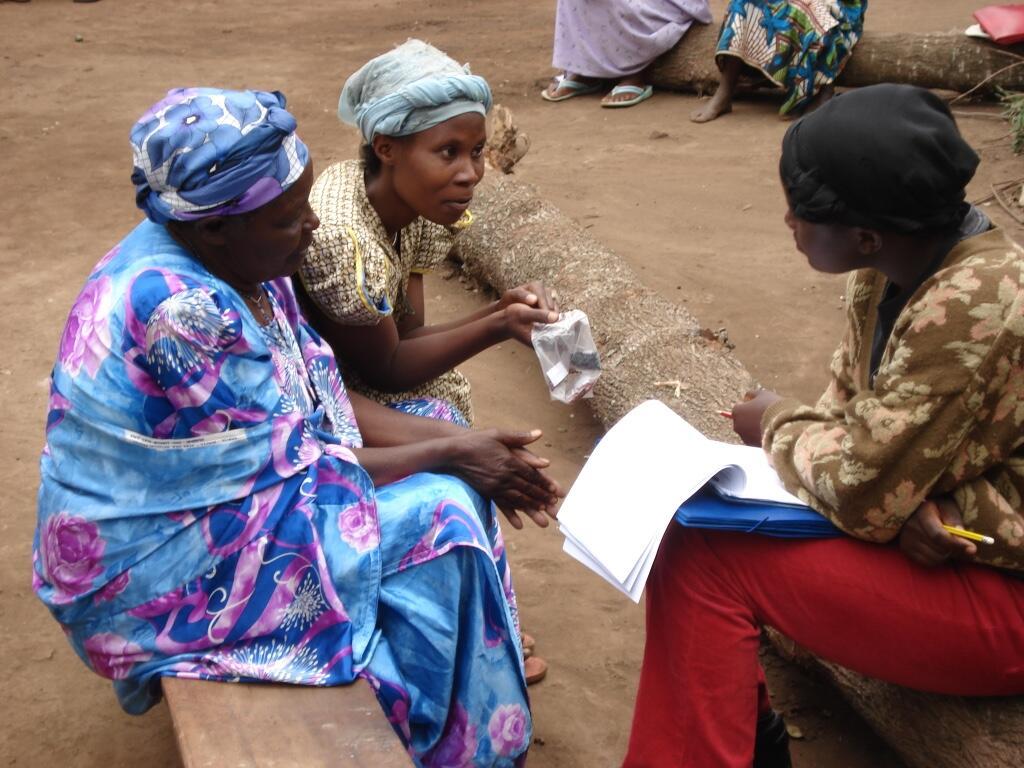
This approach enabled farmers—especially women with extensive knowledge of bean diversity—to participate in evaluating and selecting new varieties, while PABRA strengthened seed systems capable of delivering those innovations to rural communities. Three decades later, Sperling believes this remains the organization’s defining strength.
“What is truly remarkable is that it remains a network of countries because its members continue to find value in working together.”
Over the years, the alliance evolved from a scientific network into a platform that integrates research, seed systems, markets, and rural development. Colleagues highlight the leadership of Jean Claude Rubyogo, Leader of the Global Bean Program and Director of PABRA, whose vision expanded the role of science beyond developing improved bean varieties to creating opportunities for farmers and consumers alike.
For Steve Beebe, Emeritus Scientist at the Alliance, one of Rubyogo’s greatest contributions was broadening this vision by placing farmers, traders, and other value chain actors at the center of the innovation process.
“Jean Claude brought markets and traders to the center of the strategy as active participants, creating the spaces needed for new interactions and business relationships to emerge.”
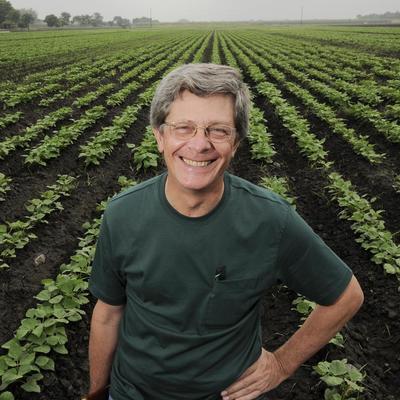
Stephen Beebe
Former Bean Program Lead, Emeritus ScientistThis leadership was also supported by the work of Robin Buruchara, who served as Coordinator, Director, and later Advisor to PABRA, as well as CIAT Regional Director for Africa. During his leadership, he strengthened regional partnerships, reinforced the confidence of strategic partners, and advanced programs that led to the development of more than 600 bean varieties and associated technologies, benefiting more than 37 million African households. These achievements contributed to PABRA receiving international recognition, including the Al-Sumait Prize for Food Security in 2019 and the Africa Food Prize in 2023.

Thirty years after its creation, PABRA continues to demonstrate that science has greater impact when it is built through collaboration. Looking ahead, Daniel Debouck, Emeritus Scientist at the Alliance and one of the world’s leading experts on bean genetic resources, believes the greatest challenge will be preserving this collaborative spirit while agriculture confronts climate change, sustainability, and the transformation of food systems.
“The continuation of this success story will depend on the ability to listen to the diversity of its partners.”

Daniel Debouck
Emeritus ScientistLooking toward the future, Jean Claude Rubyogo reaffirms the purpose that will continue to guide the alliance: “We want to remain the leading research-for-development organization for beans, creating bean-based innovations that continue transforming the bean value chain.”
To achieve this, the challenge will be to accelerate the impact of research and bring its benefits to more people. As Rubyogo summarizes: “The last 30 years allowed us to build a superhighway. Now it is about accelerating,” bringing these innovations “into the hands of millions of farmers as quickly as possible and at scale.”
If the first three decades proved that science, collaboration, and innovation can transform bean production, the next three will determine how that transformation reaches millions more families. After all, as Rubyogo concludes: “We have achieved a great deal, but there is still much more to accomplish.”