AVISA
The Accelerated Varietal Improvement and Seed Delivery of Legumes and Dryland Cereals in Africa (AVISA) project increased demand-driven, gender-equitable and timely access to quality seeds and inputs for small-scale producers by strengthening links between seed producers, farmers and grain aggregators, particularly women and young farmers.
Project Name (full): Accelerated Varietal Improvement and Seed Delivery of Legumes and Dryland Cereals in Africa
Start and end date: February 1, 2019 - September 30, 2025
Region, countries: East Africa: Uganda, Tanzania and Ethiopia
Funders: Bill & Melinda Gates Foundation (BMGF)
Partners: National agricultural research and extension systems (NARES), The Syngenta Foundation for Sustainable Agriculture (SFSA), The Center for Behavior Change Communication (CBCC) and The Tanzania Seed Traders Association (TASTA)
Brief description
'Accelerated Varietal Improvement and Seed Systems in Africa (AVISA)' focused on modernizing and streamlining breeding programs to deliver climate-resilient, market-preferred and nutrient-dense crop varieties. In the context of increasing climate variability, declining productivity, and changing consumer demands, many national breeding programs face challenges such as outdated testing pipelines, inefficient data management and limited resources.
AVISA addresses these gaps by linking test sites to the 'target population of environments' (TPE) to ensure varieties are tested under farmer-relevant conditions. It strengthens early and late generation testing pipelines to accelerate the identification and release of superior varieties. A unique aspect of the project is the integration of digital tools, including the Breeding Management System (BMS) for efficient data collection, analysis and decision-making.
Additionally, AVISA introduced breeding program costing frameworks to optimize resource allocation and sustainability. By combining modern breeding strategies, capacity building, and data-driven approaches, AVISA is transforming traditional breeding pipelines into next-generation systems that deliver improved varieties faster, meeting the needs of farmers, markets and consumers across sub-Saharan Africa.
Key Achievements
Test sites linked to target population of environments (TPE)
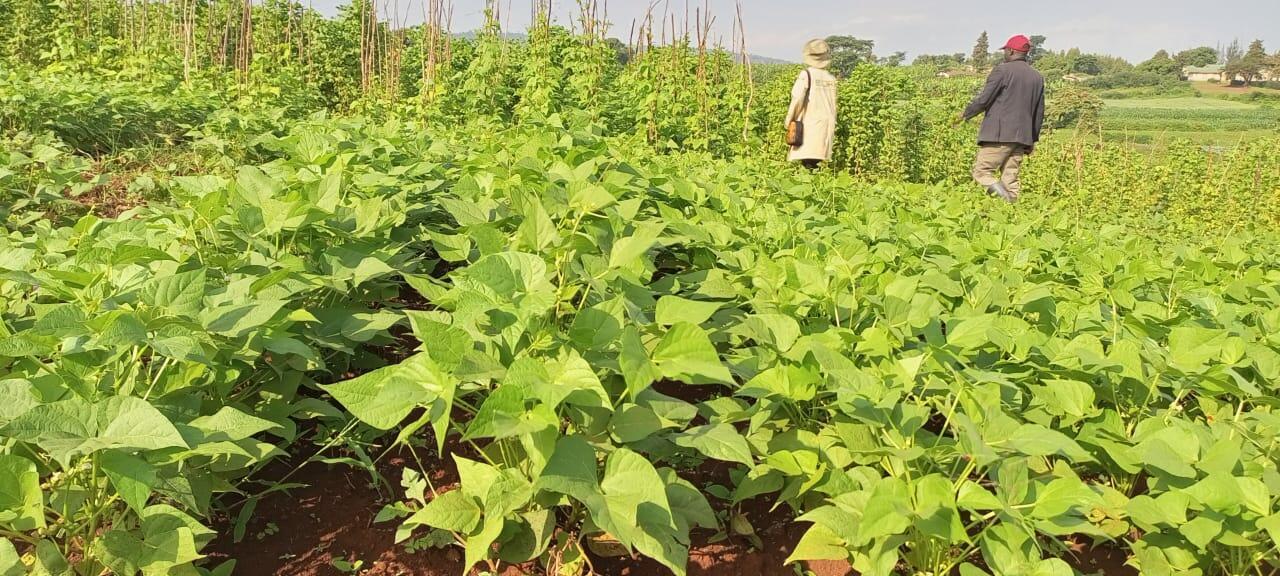
- Complied historic data for Ethiopia and Uganda to establish a robust network of testing sites strategically linked to the Target Population of Environments (TPE) to ensure that variety development is demand-driven and responsive to farmers’ needs
- Strengthened partnerships with National Agricultural Research Systems (NARS) and regional breeding networks, enabling multi-location trials that capture key production constraints and market class preferences
- Improved environmental characterization and data-driven site selection to enhance the accuracy of variety performance prediction
Early-generation testing (EGT)
- Streamlined early-generation testing to increase the efficiency of identifying promising breeding lines
- Introduced rapid cycling and high-throughput phenotyping approaches, allowing faster advancement of elite lines
- Enhanced decision-making through better trial designs and data management, leading to quicker identification of high-potential lines for subsequent testing stages
Late-generation testing (LGT)
- Strengthened late-generation testing pipelines to ensure reliable evaluation of advanced lines under farmer-relevant conditions using TRICOT.
- Multi-location trials across diverse environments to assess yield stability, cooking quality, nutritional value (e.g., iron and zinc), and resistance to major biotic and abiotic stresses through PABRA regional trialing
- Supported variety release processes by generating robust datasets for national performance trials and registration
Costing of breeding programs
-
Implemented the University of Queensland costing tool at Uganda, Malawi and Tanzania Alliance of Bioversity and CIAT breeding hubs, and NARO bean program which will enable the identification of resource gaps and optimization of investments
Breeding management system (BMS) adoption
- Promoted and supported the implementation of the BMS across partner breeding programs
- Improved data collection, curation, and analysis workflows, enhancing the traceability and integrity of breeding data
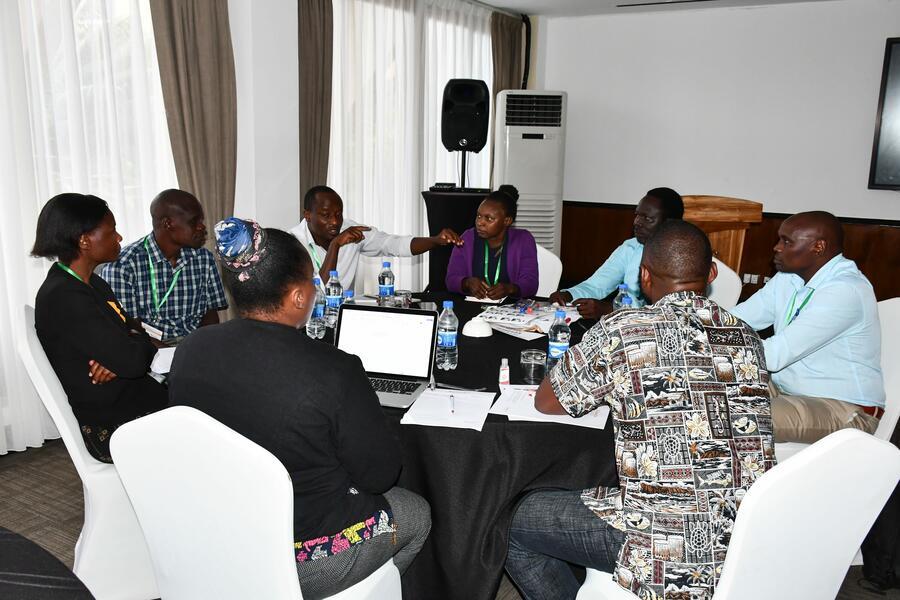
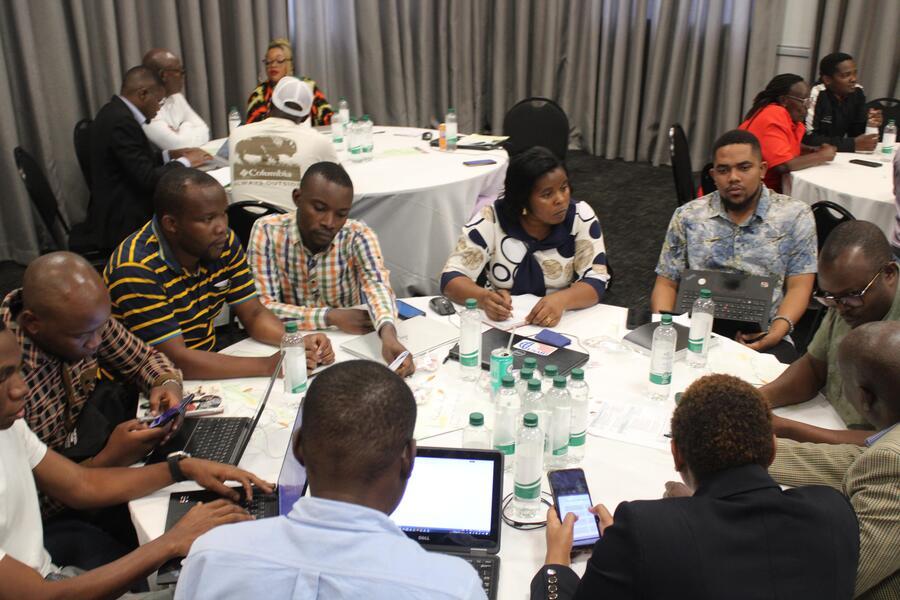
- Facilitated capacity building through training workshops, enabling breeders to fully utilize digital tools for modern data-driven breeding
Modernized breeding programs
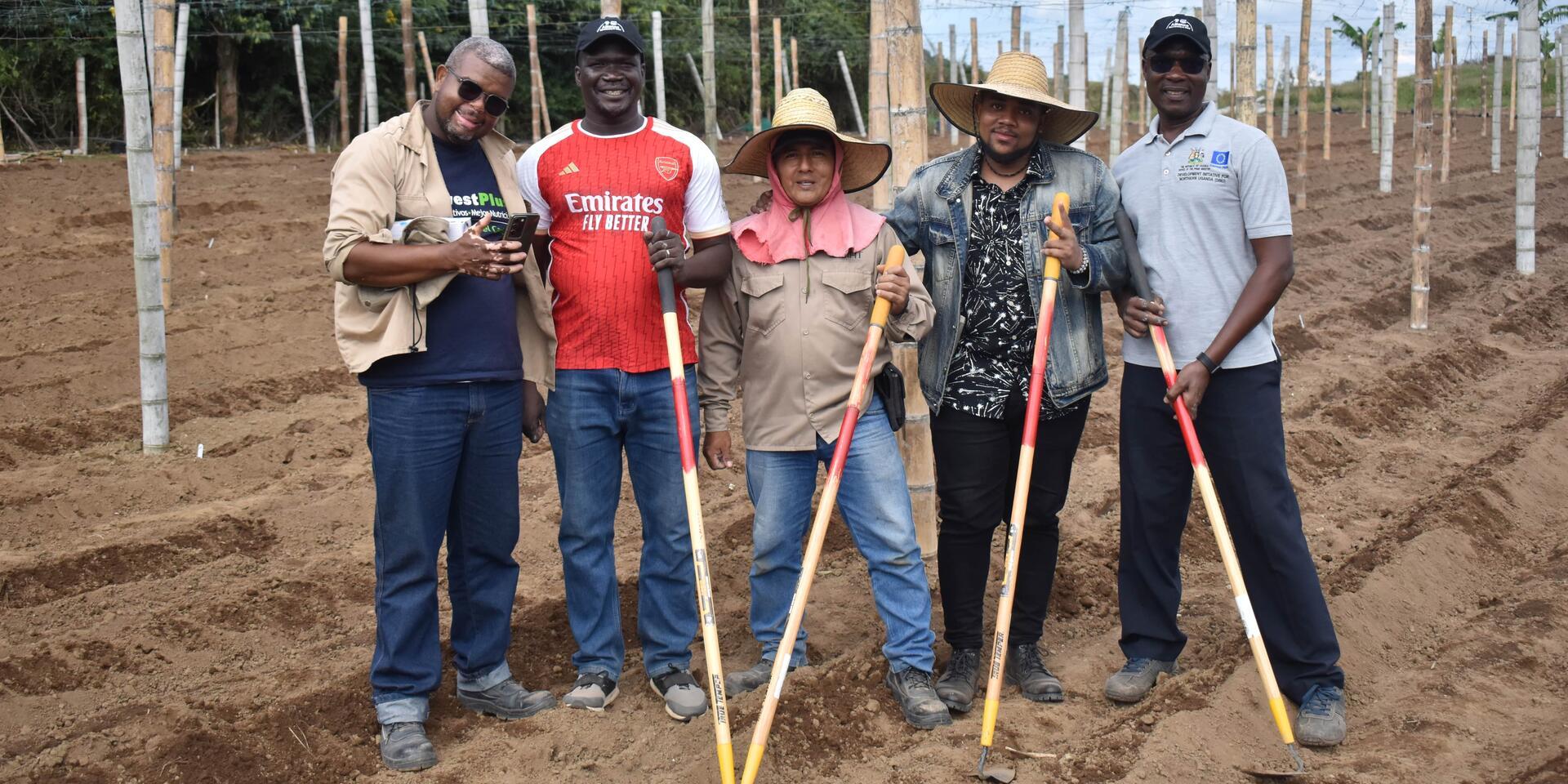
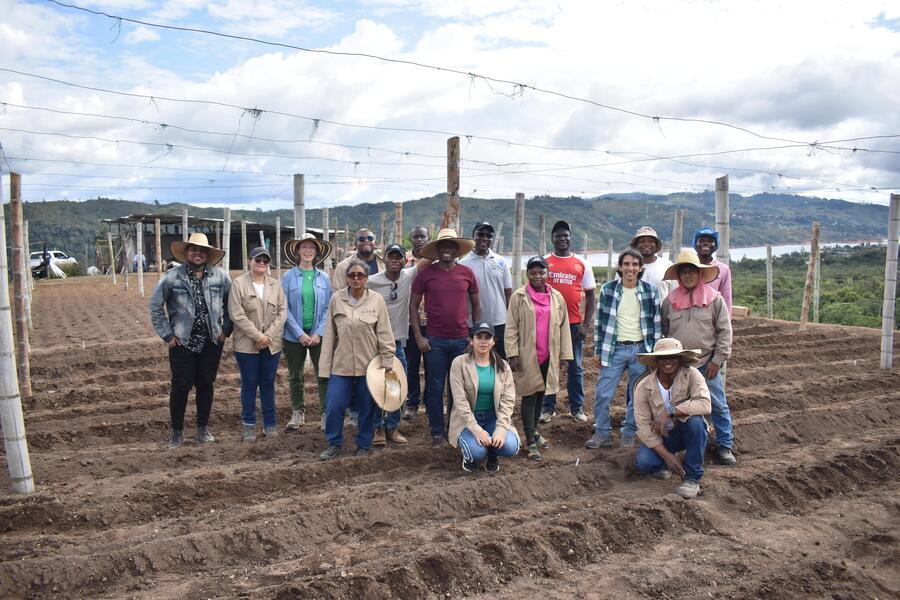
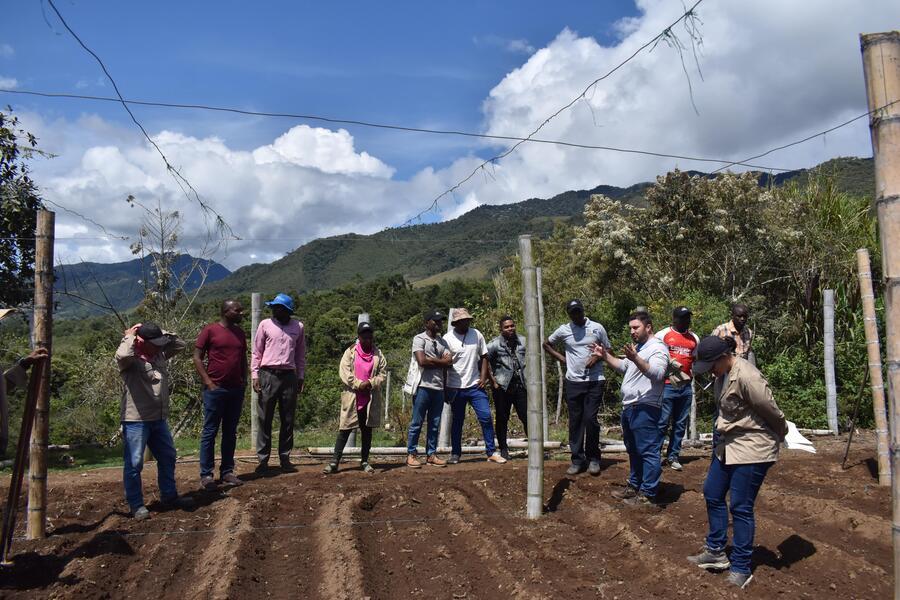
- Established research facilities at Regional Breeding Centers of Excellence: Biotechnology and pathology labs (Alliance - Malawi and Tanzania), Upgrade of cooking facility (Alliance - Uganda), screen house facilities (Alliance - Uganda, Malawi and Tanzania), Irrigation facility (Alliance – Uganda and Tanzania) and Mechanization of breeding programs (Alliance-Uganda, Tanzania, and Malawi)

Key activities
Farmer and value chain-preferred cultivars produced by regional networks
Trait discovery and prioritization
- Identify and prioritize trait discovery portfolios with crop- and region-specific investment plans
- Generate Target Population of Environment (TPE) data to guide population improvement and product development
- Develop high-throughput phenotyping (HTP) methods and infrastructure to screen prioritized traits
- Create fit-for-purpose genomic resources, tools, and processes for marker-assisted breeding
- Introduce novel genetic variation for traits with limited variability
Strategic partnerships
- Build global partnerships for early discovery and germplasm development to strengthen breeding networks
- Molecular breeding and trait introgression
- Develop and deploy KASP SNP markers for foreground and background selection in target crops
- Establish operational capacity for backcrossing and trait introgression within regional breeding networks
Optimized breeding pipelines
- Optimize breeding schemes to increase genetic gains in priority pipelines
- Scale up deployment of optimized breeding pipelines by network partners
- Operationalize high-throughput phenotyping in artificial and hotspot locations
- Implement scalable marker-assisted breeding (MAB) activities across networks
Testing and advancement
- Generate high-quality data for early generation material to recycle superior parents
- Collect reliable performance data for late-stage material through country and regional trials
- Conduct annual and seasonal advancement meetings to identify national and regional product pipelines
- Standardize trial protocols, crop calendars, and data analysis procedures through crop-level communities of practice (CoPs).
Infrastructure development
- Strengthen infrastructure at key network sites to complement EiB-CtEH investments
- Invest in facilities that enable rapid recycling of segregating generations
Enhanced on-farm performance trials and cultivar targeting
On-farm testing and targeting
- Scale up on-farm testing networks to select farmer- and market-preferred cultivars
- Collect data on product profiles and past product performance to refine targeting strategies
Seed system handover and support
- Establish clear processes to handover elite seed material to seed system teams
- Develop factsheets and release dossiers to support variety release and inclusion in regional catalogues
Enhanced breeding decision support systems
Data management and digitalization
- Form breeding informatics working groups and establish network-wide data management policies
- Operationalize online digital systems for phenotypic and genomic data management to streamline breeding processes
- Digitalize seed inventory management for network partners and provide training
- Annotate and share project data adhering to FAIR principles (Findable, Accessible, Interoperable, Reusable)
Advanced data analysis and genomics
- Implement statistically sound experimental designs to improve trial quality and decision-making
- Support network partners in applying advanced data analysis, selection indices, and workflows for product advancement
- Introduce genomic selection tools into breeding programs for routine use
- Develop bioinformatics workflows for QC markers, mid-density panels, and marker-assisted backcrossing (MABC)
Monitoring genetic gain and building capacity
- Regularly assess the rate of genetic gain across breeding programs
- Build capacity of network partners to improve breeding program effectiveness
Strengthened and inclusive regional crop improvement networks
- Co-develop and adopt a shared vision and scope for regional crop improvement networks
- Define clear roles for network partners to jointly identify breeding priorities, co-create technologies, and coordinate deployment of improved germplasm
- Promote collaboration to drive on-farm genetic gain across target crops and regions
Strengthened project results delivery
- Strengthen the project team’s capacity to generate, document, and communicate project results effectively to stakeholders
-
Develop tools and strategies for transparent reporting, ensuring alignment with regional and national agricultural priorities
Other project members:
- Dr. Enid Mbabazi Katungi, Former Country Representative, Uganda, Alliance of Bioversity International and CIAT
- Dr. Immaculate Mugisa, Plant Breeder, National Crops Resources Research Institute (NaCRRI), ([email protected])
- Dr. Kidane Tumsa, Plant Breeder, Ethiopian Institute of Agricultural Research (EIAR), ([email protected])
- Mrs. Dagmawit Tsegaye, Plant Breeder and National Bean Coordinator, Ethiopian Institute of Agricultural Research (EIAR), ([email protected])
- Reinfrid Maganga, Plant Breeder, Tanzania Agricultural Research Institute (TARI), ([email protected])
- Odama Roy, Project Research Associate Africa, Alliance of Bioversity International and CIAT
- Male Allan, Project Research Associate Africa, Alliance of Bioversity International and CIAT
Relevant blogs, stories, news coverage
- Project Overview
- Accelerated Varietal Improvement and Seed Delivery of Legumes and Dryland Cereals in Africa (AVISA)
- Annual Technical Report 2023: Science Group Project on Accelerated Varietal Improvement and Seed Systems in Africa
- Accelerated Varietal Improvement and Seed Delivery of Legumes and Cereals in Africa (AVISA): Healthier and Prosperous Africa
- Healthier and prosperous Africa: ‘AVISA’ project launched for faster agriculture gains in seven countries
Project leaders

Clare Mukankusi
Global Breeding Lead-Common BeanProject members

Jean Claude Rubyogo
Leader, Global Bean Program, and Director, Pan Africa Bean Research Alliance (PABRA)
Stephen Angudubo
On-Farm Trial Network Coordinator
Winnyfred Amongi
Senior Research Associate-BreedingPublications