From the Field Youth and Innovation: How Generational Renewal is Transforming Cacao in the Amazon

In San José del Fragua, Caquetá, Colombia, ASOACASAN farmers and youth are innovating cacao cultivation through agroforestry and social initiatives, ensuring sustainability and generational renewal amid rising global demand.
The growing global demand for Amazonian products such as cacao has sparked discussions on how to address technical challenges such as aging plantations, inadequate fertilization, irregular cultivation practices, and a high incidence of pests and diseases, to boost production in southern Colombian regions like the municipality of San José del Fragua in Caquetá department. Since 2016, following the signing and implementation of the peace agreement, this Andean-Amazonian territory has emerged as the leading cacao producer in the department.
Alongside these production concerns, another critical question arises: Who will produce the cacao of tomorrow? Colombia’s rural population is aging, and young people are increasingly turning away from agriculture, often seeking better livelihood and educational opportunities than those available in rural areas. These conditions, coupled with poverty and persistent social inequalities, frequently drive youth toward urban centers or into illicit economies.
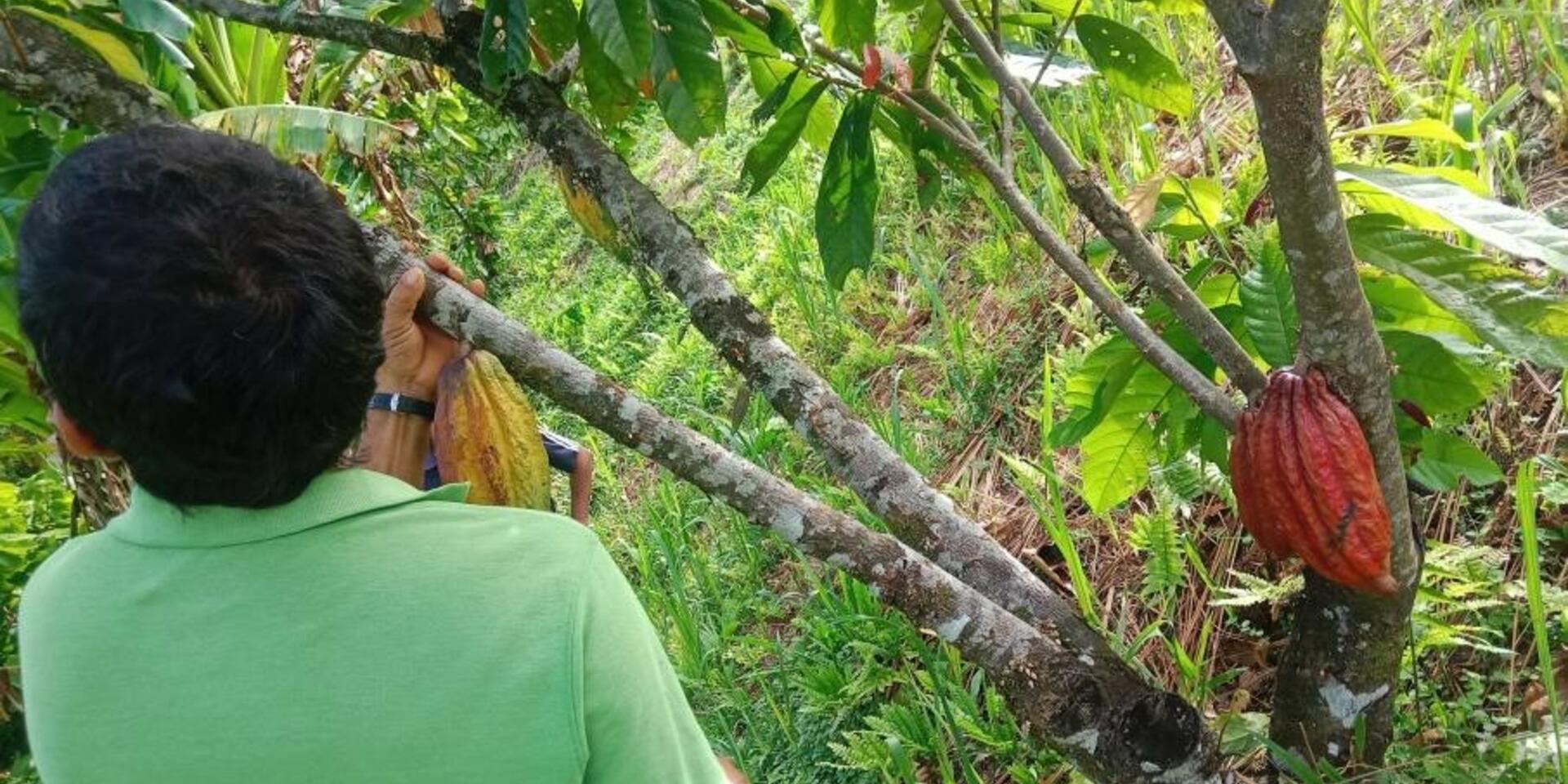
Through collective and intergenerational efforts to position cacao in national and international markets for its environmental and social sustainability, the Asociación Agrícola Orgánica de Cacaoteros del Municipio de San José del Fragua (ASOACASAN in Spanish) has led a series of productive and social innovations. These initiatives address two key objectives: first, environmental conservation through the production of organic cacao under agroforestry systems; and second, generational renewal by actively involving children and young people in cacao production activities.
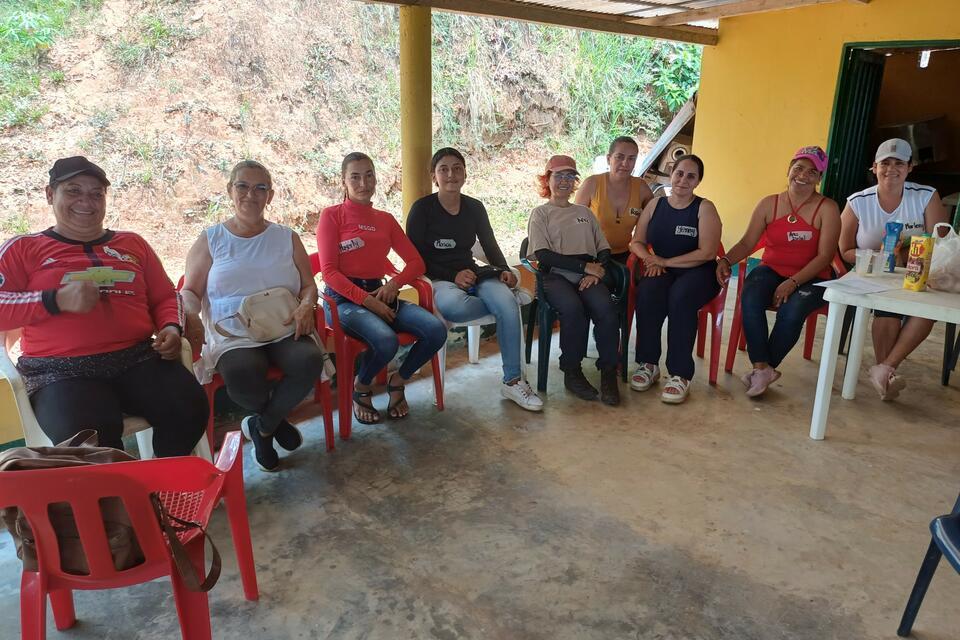
In this context, through CGIAR’s Low Emission Food Systems initiative and Climate Action Science Program, an analysis was carried out on the dynamics of youth participation and generational integration in 28 cacao-producing families affiliated with ASOACASAN. The study focused on identifying the participation of different generations (particularly youth) in the innovations emerging in cacao cultivation within collective frameworks. Data collection was conducted through interviews with household heads and young people involved in cacao production in the municipality of San José del Fragua, Caquetá, Colombia. Additionally, 12 farms were visited to identify and document the innovations led by local farmers.
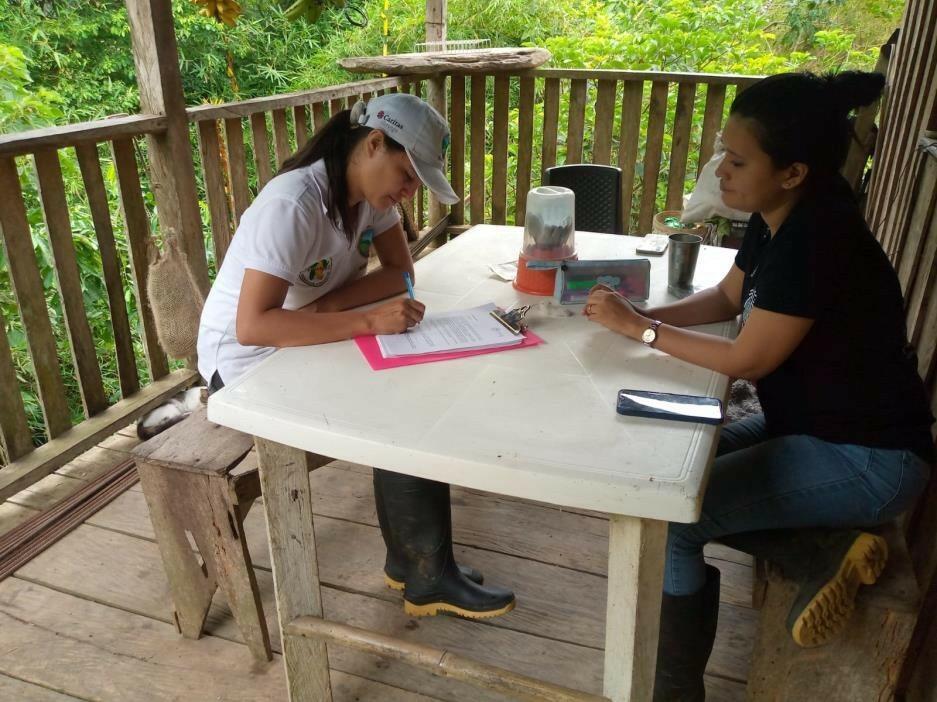
Interviews with household heads and young people involved in cacao production in San José del Fragua, Caquetá. Photo: AP Bernal
The results show that cacao in San José del Fragua is cultivated primarily by older families with limited opportunities for generational renewal. Despite generational differences among families involved in cacao production, it is evident that all participating households are engaged in innovation processes, creating or adapting cacao management practices and redesigning their systems to address challenges affecting productivity. These efforts also reflect a collective shift toward organic cacao production.
Thus, adult and older generations are primarily responsible for producing cacao sustainably (agroforestry systems and organic production practices), with technical support from rural youth who are part of ASOACASAN and organized under the Rafael Olarte Young Cacao Growers Collective. Beyond the knowledge that young people contribute to collective innovation (particularly in organic cacao production) they also engage in activities related to the creation of bio-inputs, marketing, and processing. Moreover, they are leading social innovations such as the development of the “Cacaoteritos” School, an initiative aimed at involving children and youth in the world of cacao through educational strategies centered on cacao cultivation. This effort seeks to nurture a love for and sense of belonging to rural life, ensuring the continuity of cacao farming across generations.
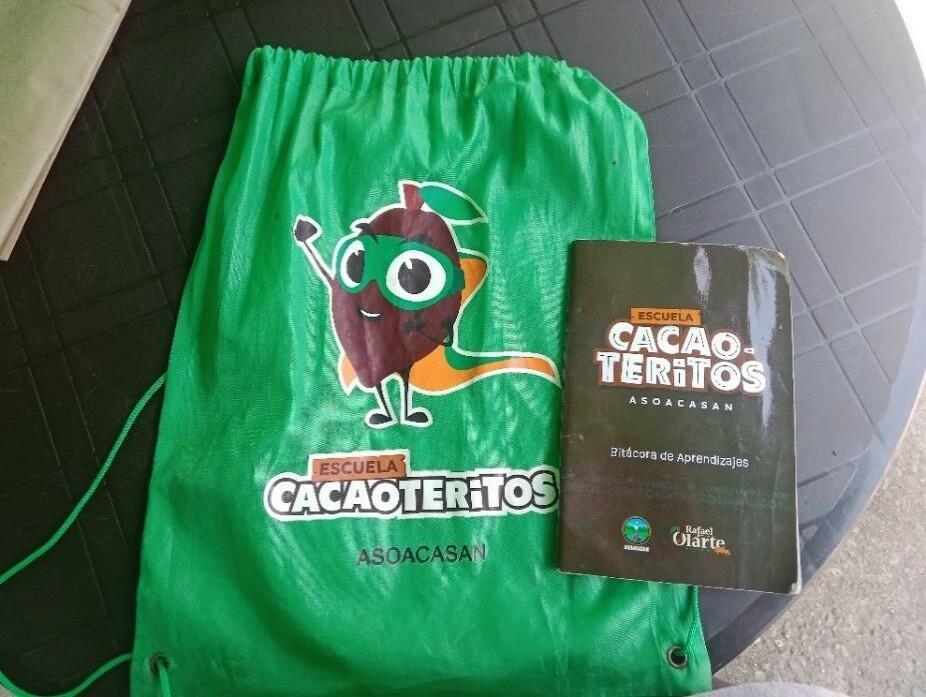
“Cacaoteritos” School, an initiative aimed at involving children and youth in the world of cacao. Photo: AP Bernal
In San José del Fragua, cacao is more than a crop, it’s a link between generations. Intergenerational collaboration ensures that knowledge, practices, and values are shared, while innovations keep the sector competitive and sustainable. Generational renewal should be seen as a process of complementarity: each generation bringing its own capacities, experiences, and perspectives to secure the well-being of current and future farming families. This process, grounded in local and generational realities, and territorial conditions, is essential for the resilience and sustainability of both livelihoods and ecosystems.
*Angie Paola Bernal Nuñez is M.Sc. student from Universidad Javeriana. Blog based on research carried out thanks to the CGIAR initiative Low Emission Food Systems (Mitigate+), and the CGIAR Climate Action Science Program, under the supervision of Luz Ángela Rodríguez, Assistant Professor at Pontificia Universidad Javeriana, and with the support of Martha Vanegas Cubillos, Senior Research Associate of the Alliance. Edited by José Luis Urrea-Benítez, Science Communications Specialist of the Alliance. Full access to the research in Spanish can be requested directly from the author.