
From the Field An exploration of the dimensions, roles, and barriers to women's empowerment in livestock farming in Colombia
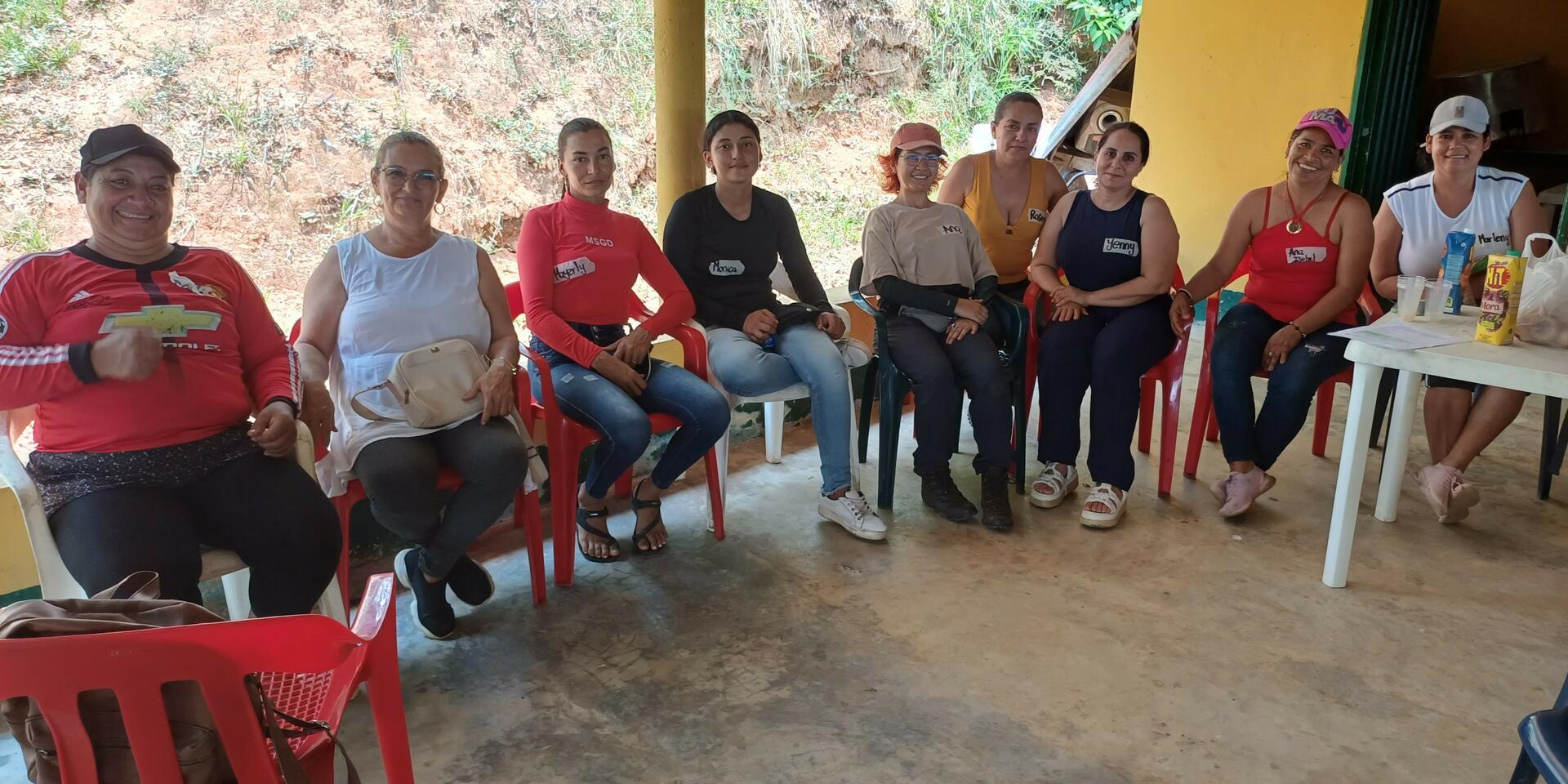

In the municipality of La Montañita, Caquetá, women rise before dawn to care for livestock, process milk, and manage household chores. Their days are long, their responsibilities many, yet their contributions as livestock farmers are often overlooked..
La Montañita (literally “little mountain” in English) is one of the municipalities in the department of Caquetá, Colombia, where dual-purpose livestock farming is the predominant productive activity, and where many rural women have a very active role in it. Despite the sector’s relevance to the well-being of women and their households, women’s role in livestock production, and how these roles contribute to their empowerment, has received little attention.
This was the main goal of a study that explored how women’s roles, their recognition as livestock producers, and their access to resources and opportunities within the livestock sector influence their empowerment. Through interviews and focus groups, the analysis focused on four key dimensions: recognition, access to resources, access to opportunities, and decision-making power. Below are the main findings:
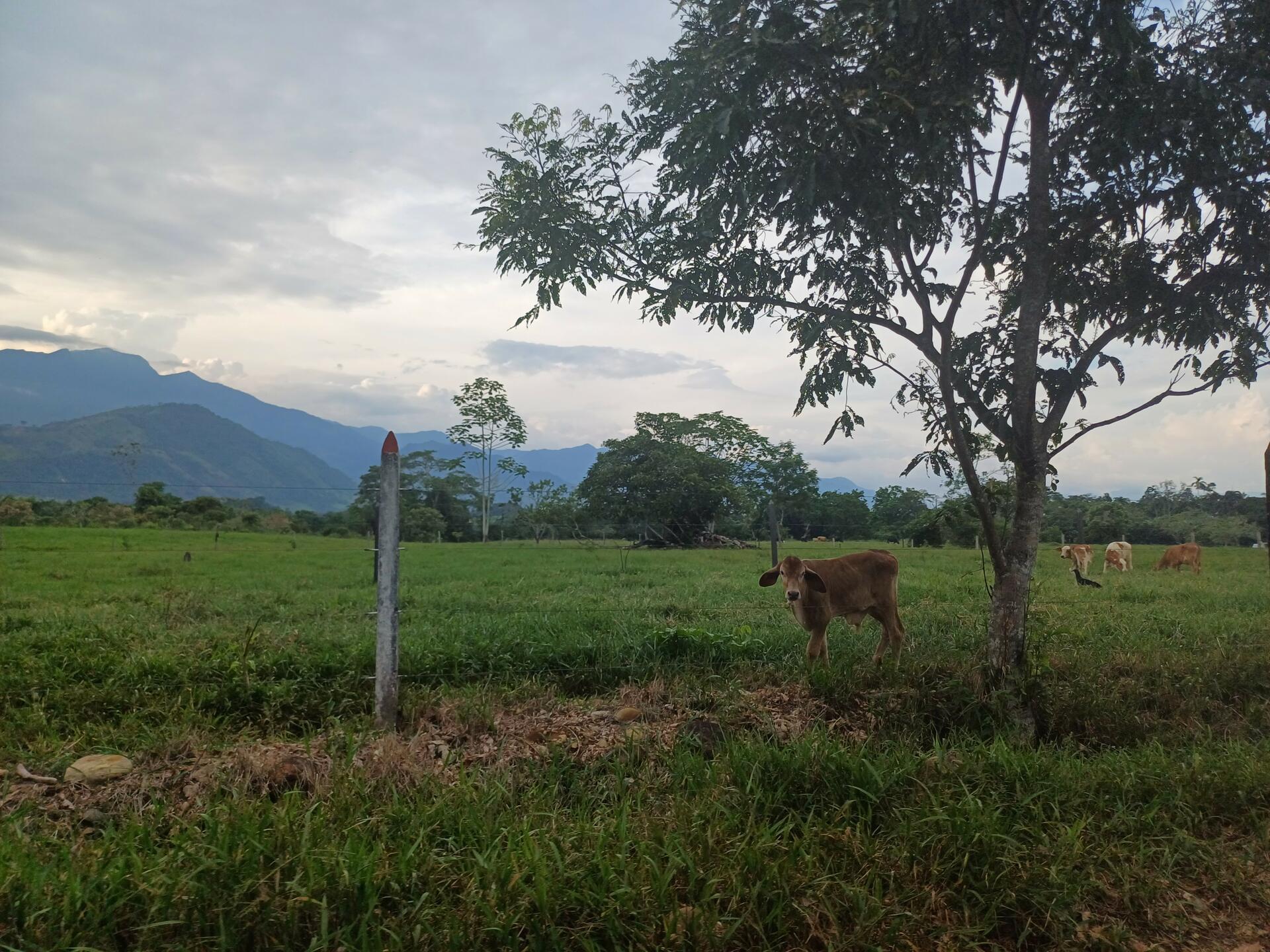
Through the study, it was identified that many women act as primary caretakers of livestock, yet they often lack decision-making authority over critical matters, such as the treatment of sick animals. Regarding milk processing into dairy products (one of the more appreciated by-products of the region, the Caqueteño Cheese), women have more control and autonomy over the process, but their participation in decisions related to the marketing of milk and the sale of animals (particularly in dual-purpose livestock systems) is notably limited. In some instances, even when women are directly responsible for milk production and processing, control over the income remains in the hands of their husbands.
Women also have to fulfill multiple roles simultaneously besides the productive ones, as they are primarily responsible for household chores, often with little or no support from their partners. Participation in local associations involves attending meetings and assuming leadership responsibilities as well. The overlap of these roles (productive, domestic, and social) underscores the complexity of their daily lives and the multiple demands placed upon them.
Participants reported that their domestic and productive roles are recognized by their family members. However, some women believe that they are not acknowledged (either privately or publicly) as owners of livestock. Local associations serve as an important mechanism through which women can gain recognition as livestock farmers, particularly in the context of projects led by government and private institutions. Those who are part of unofficial associations are not formally acknowledged by public or institutional actors as livestock producers, which limits their visibility and access to broader opportunities.
Access to resources for women is highly conditioned by their participation in community associations. This grants them access to knowledge (human capital), connections with other women and institutions (social capital), institutional recognition as livestock producers (political capital), access to shared and individual resources such as tractors, feed, and fencing (physical capital), and even access to other kinds of livestock, like poultry (natural capital). However, credit or access to new marketing opportunities (financial capital) is not easily provided.
Surveyed women reported that income from livestock is shared with their mates. However, some women stated that the management is mainly their husbands’ role. Most of the women stated that they have access to a regular income from livestock farming and that they used most of this money to reinvest in their farms and livestock supplies. The women also mentioned that they used the income earned from livestock production for personal and family goals (like children’s nutrition and education).
It was identified that women in leading roles within associations facilitate networking, recognition, and increased decision-making power. Also, women surveyed in this study reported that the roles they currently have in the value chain (particularly in the production and processing stages) have been achieved thanks to training or courses they received through community associations, especially those that are legally formalized. Women who are currently single or were for a period show greater decision-making power, as the responsibility for the livestock business rested solely on them.
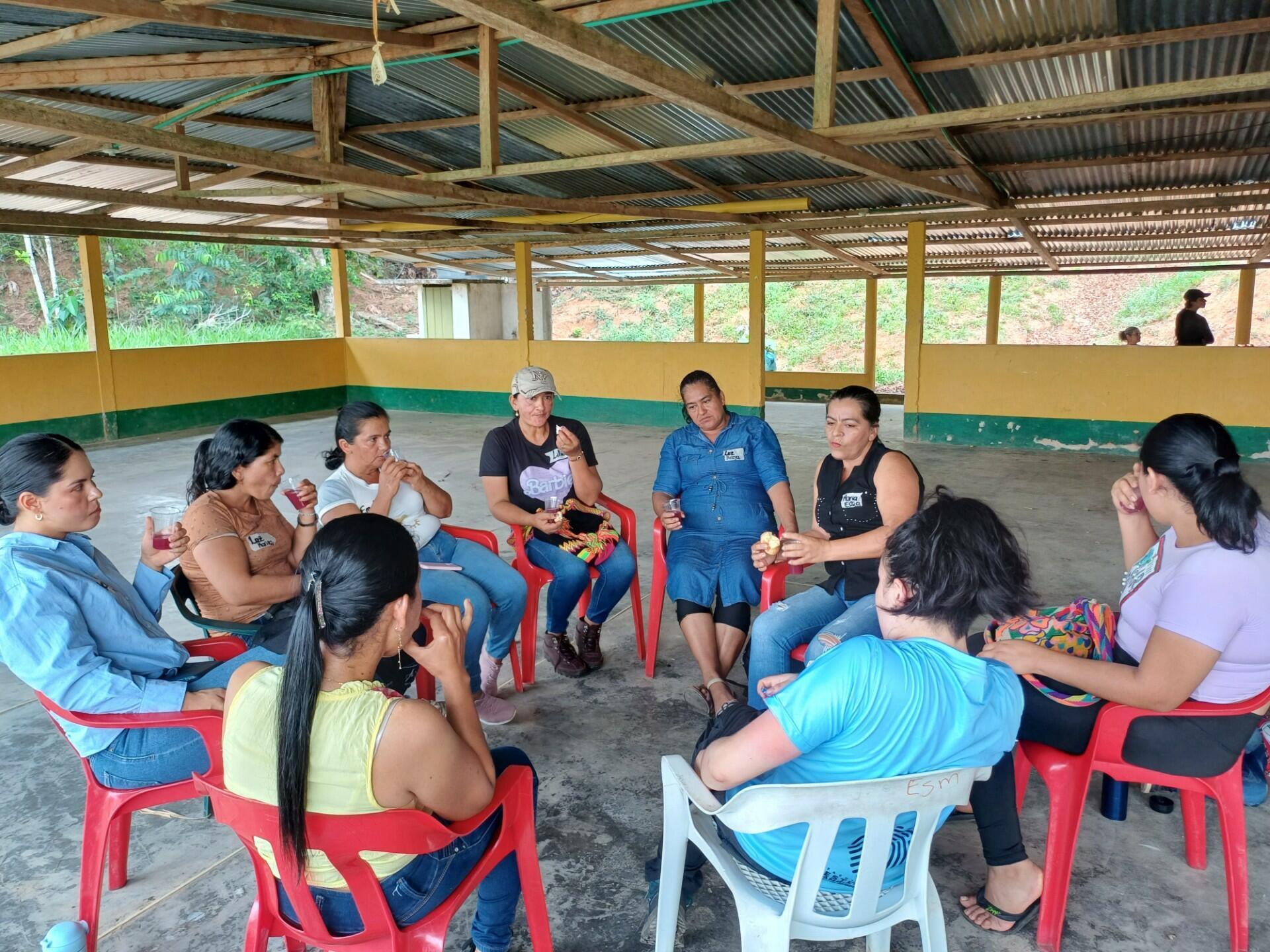
Focus group in La Montañita, Caquetá, Colombia.
The women involved explained how they perceive that the barriers hindering their empowerment are not necessarily linked to their gender but rather reflect broader challenges faced by the livestock sector, affecting all producers regardless of gender. However, barriers identified by these women (armed conflict, road infrastructure, water access, healthcare, and access to knowledge) could be examined deeply to identify whether they result in gender-differentiated impacts.
In La Montañita, livestock farming and the roles women assume within it contribute significantly to their empowerment. Livestock activities provide women with access to various forms of capital and strengthen their identities as producers. As they gain public recognition as livestock producers, new opportunities are emerging that allow them to take on roles that enhance their decision-making power and, consequently, their empowerment. Finally, it is noteworthy that the women with greater access to resources and higher decision-making power (that is, those who are more empowered) reported advancing livestock production toward more sustainable practices.
Ana María Mesa is an Ecologist from Universidad Javeriana. Blog based on research carried out thanks to the CGIAR initiative Low Emission Food Systems (Mitigate+), and the CGIAR Climate Action Science Program, under the supervision of Luz Ángela Rodríguez, Assistant Professor at Pontificia Universidad Javeriana, and with the support of Martha Vanegas Cubillos, Senior Research Associate of the Alliance. Edited by José Luis Urrea-Benítez, Science Communications Specialist of the Alliance.
