
Blog More milk, more opportunities: the road opened by PDET Routes for sustainable livestock farming in Caquetá
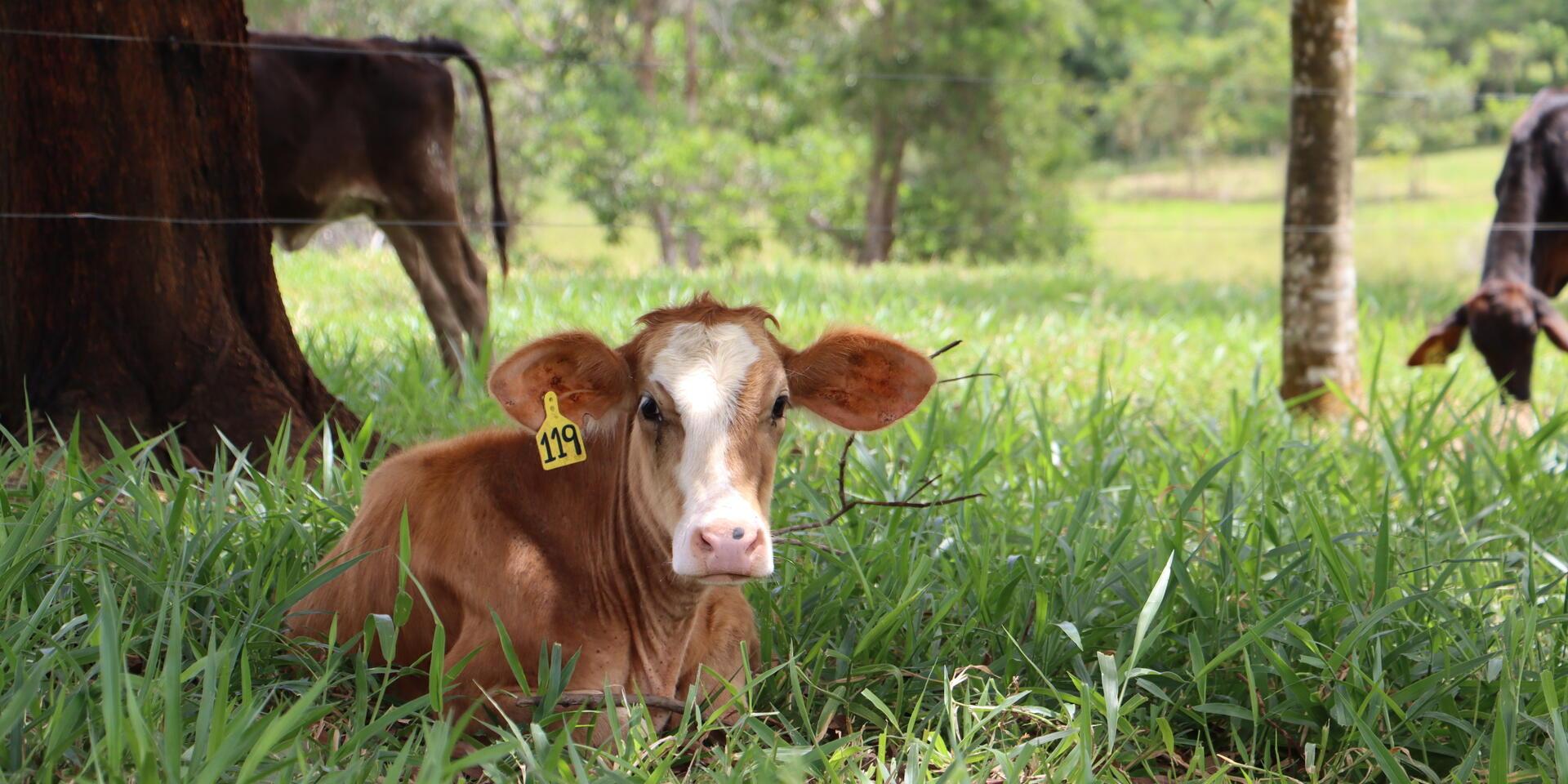

In Caquetá, where livestock farming plays an important role in the department's economy, the Alliance of Bioversity International and CIAT, together with Red Adelco and ICCO Conexión, implemented the PDET Routes Program. This initiative, financed by the European Union and the European Fund for Peace in coordination with the National Government, benefited farms in the municipalities of La Montañita, El Paujil, San Vicente del Caguán, and Puerto Rico, promoting more productive and sustainable livestock farming in the region.
For four years, the Alliance Bioversity & CIAT led the implementation of the Technological Innovation component of the PDET Routes project. In the case of Caquetá, this effort was focused on strengthening the dairy production chain through the implementation of six technological packages, spaces for dialogue, collaboration with key stakeholders in the sector, training and technical sessions, and gender workshops. The program provided producers with tools to increase milk production and quality while promoting sustainable practices in livestock farming.
Co-designing sustainable solutions
The implementation of the PDET Routes Program in Caquetá not only supported technology, training, consulting and specialized workshops in the field, but also opened spaces for dialogue between producers and scientists to co-develop sustainable solutions based on the reality of each farm. Although the COVID 19 pandemic forced the postponement of several activities, in 2021 the information-gathering process resumed with renewed strength, laying the foundations for a truly participatory work.
"This co-design approach then allowed for a more effective accompaniment by the technicians in the field, ensuring that the solutions implemented were aligned with the characteristics of each farm and responded to their specific needs," concluded Alejandro Montoya, Research Associate of the Alliance Bioversity & CIAT and field collaborator of the project.
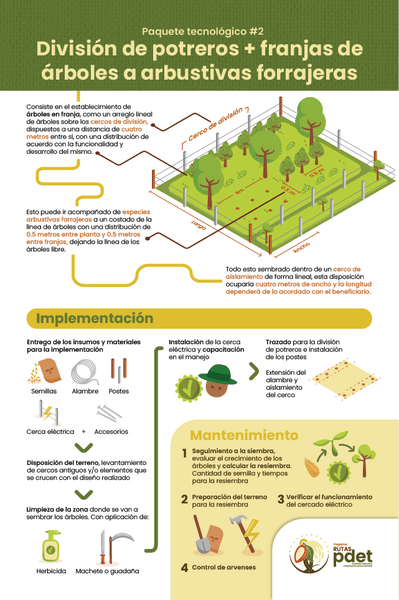
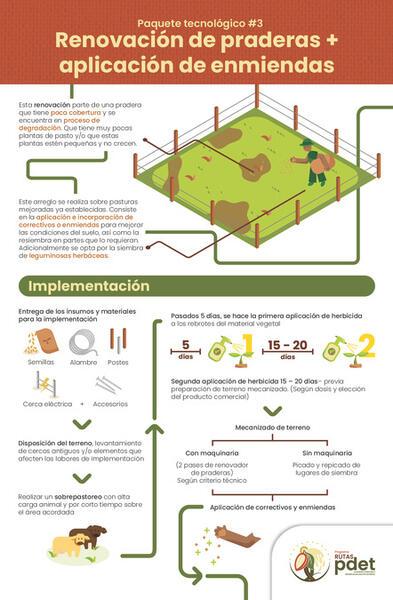
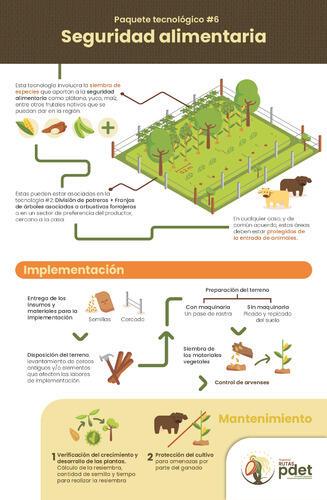
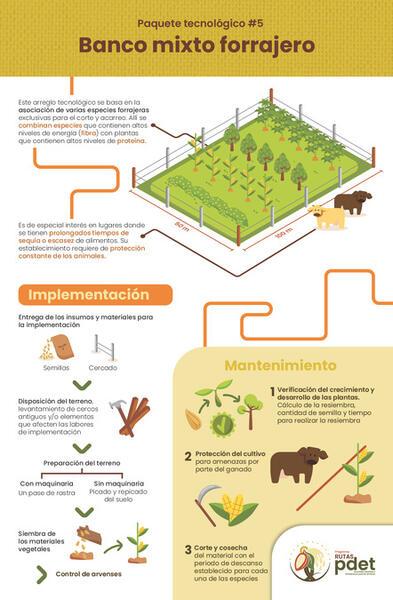
During these workshops, the research team presented six technological packages, selected based on the area's agroclimatic and agroecological conditions, while also considering the producers’ needs and the strengths of each farm. Since the implementation of this component in the dairy chain was led by the Tropical Forages Program of the Alliance, it was established that each farm could choose between two to three technological packages, ensuring that at least one focused on improved pastures.
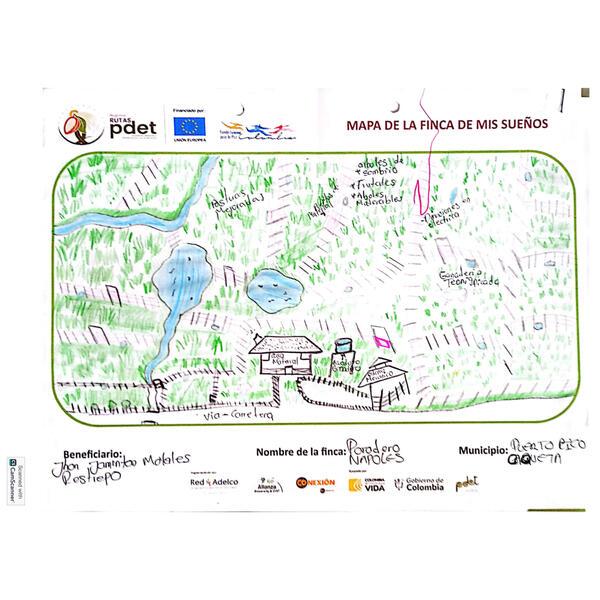
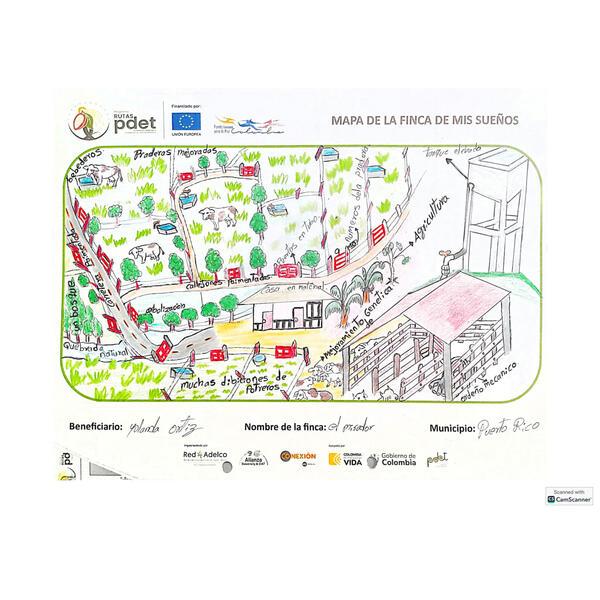
In the initial phase of the process, a participatory exercise was carried out in which each family of producers imagined and shaped the "Dream Farm", visualizing a productive system with greater capacity and more productive.
Jhon Morales, producer of the 'Nápoles' farm in Puerto Rico, commented on how interesting this exercise was: "I have always dreamed of a better farm for my cattle, but I had never sat down to think about it like this. We drew well-organized paddocks, with pastures that can withstand the summer, we put trees for shade and water troughs in all the paddocks. And with my family we realized that with a few changes the farm could be more productive and help the environment."
Beyond an exercise in imagination, this step served as the basis for strategic planning, documented in the "Farm Planning Folder". This resource structured personalized work plans and included information on the families participating in the PDET Routes project and their farms, such as the delimitation of the areas of implementation of sustainable livestock technologies and descriptive profiles of the producers, consolidating a solid Geodatabase for project monitoring.
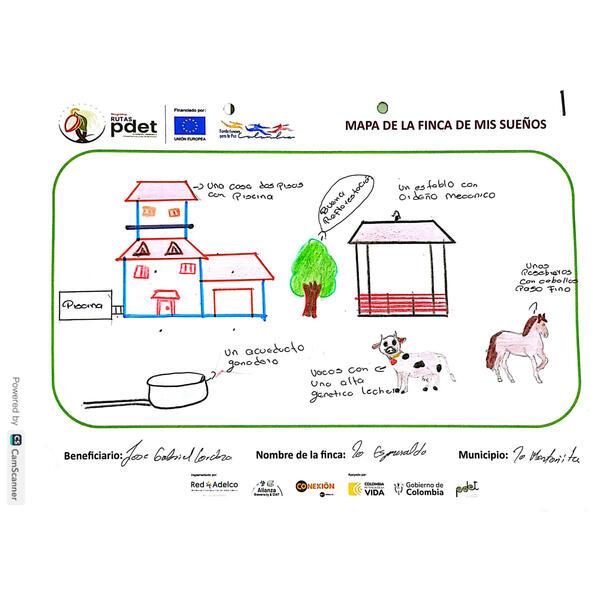
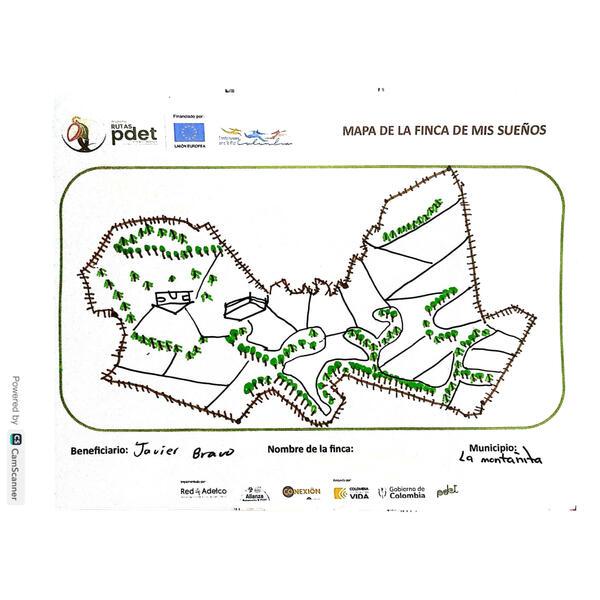
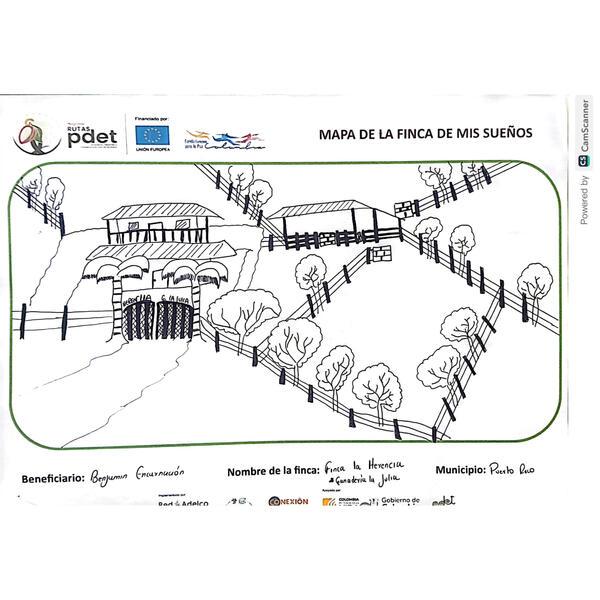
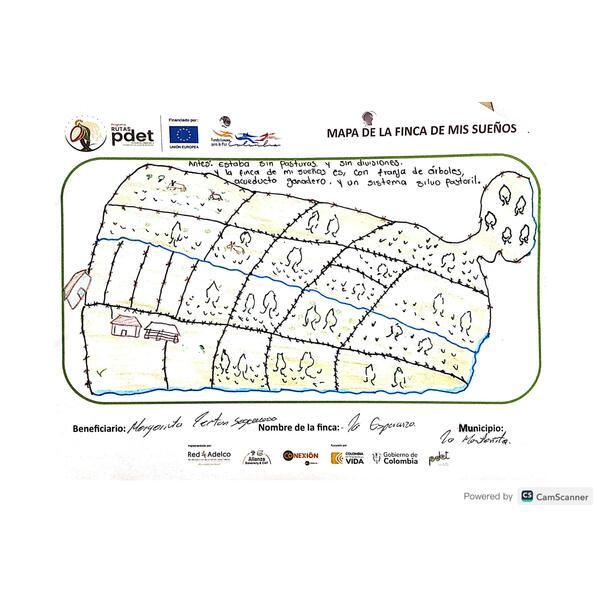
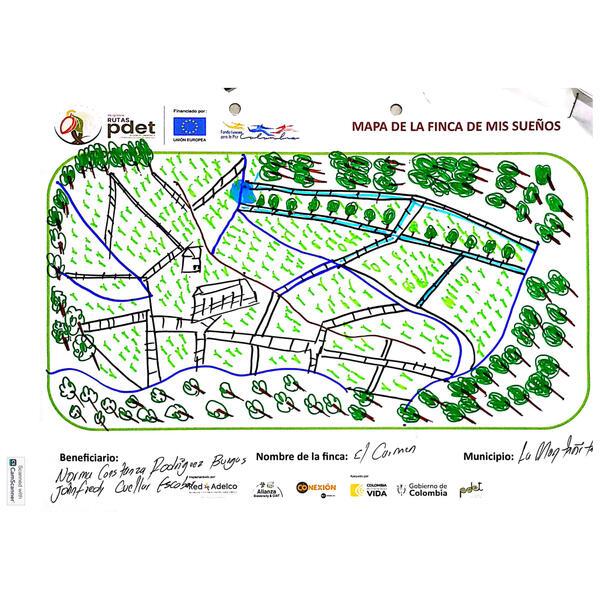
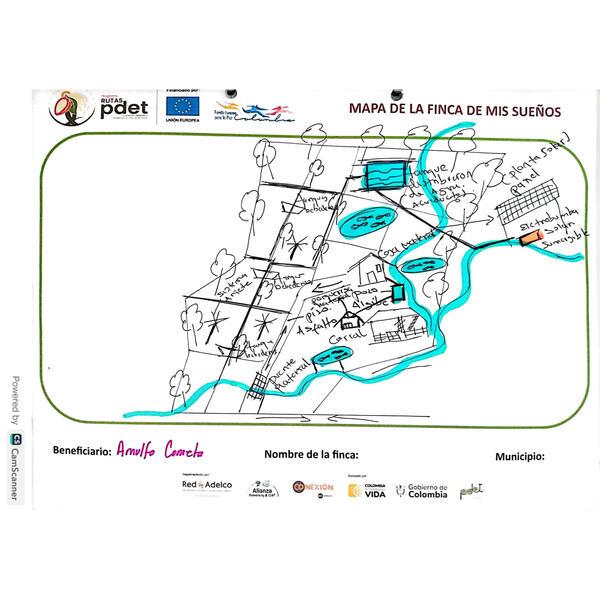
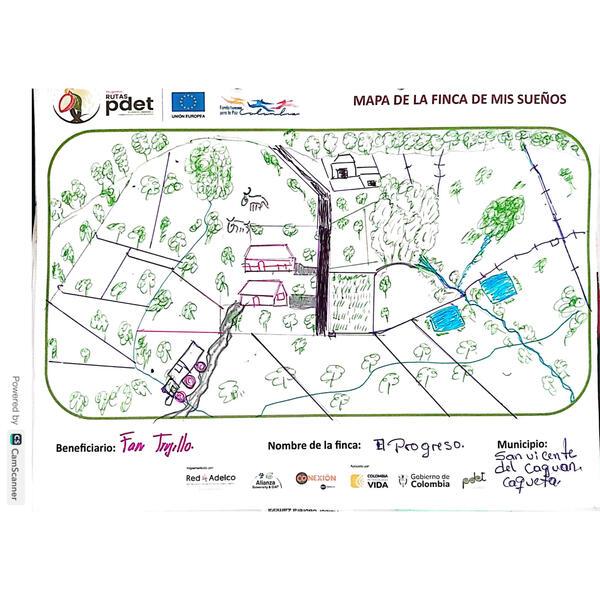
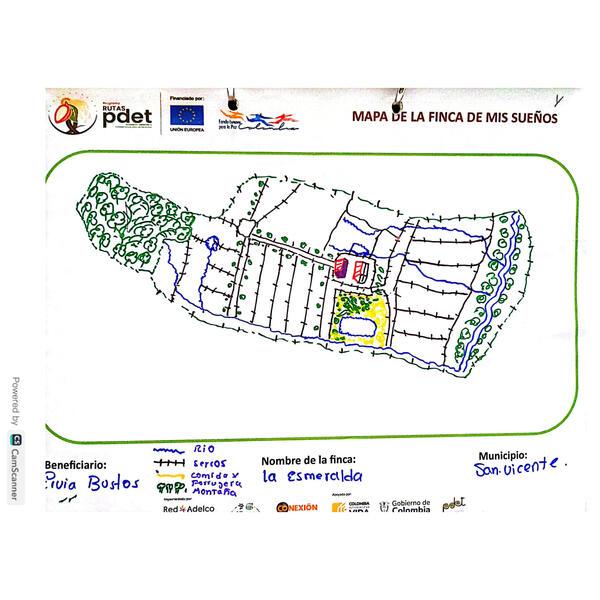
With this information in hand, the Alliance researchers designed concrete strategies for each producer, evaluating costs, materials, and labor requirements to transform their aspirations into tangible and sustainable improvements over time, even after the conclusion of the PDET Routes Program.
From science to the field
The general perception was that these projects came with great promises, but were disengaged once the materials were distributed, leaving producers without the necessary training to take advantage of them or, in some cases, leading them to sell them due to lack of knowledge in their implementation.
The Alliance adopted a different approach, which prioritized continuous technical accompaniment in the territories and, instead of relying solely on presentations and technical documents, opted for evidence in the field: it was not the researchers who told the benefits of the innovations, but the producers themselves who were applying them.
"Taking science beyond the research centers was a challenge, especially in a region where distrust of external projects was common. Many producers in Caquetá did not know about the scientific work being developed in the Alliance, and feared that this project would be 'more of the same'", explained Mauricio Sotelo, Researcher at the Alliance and Technical Coordinator of the Technological Innovation component in the dairy chain.
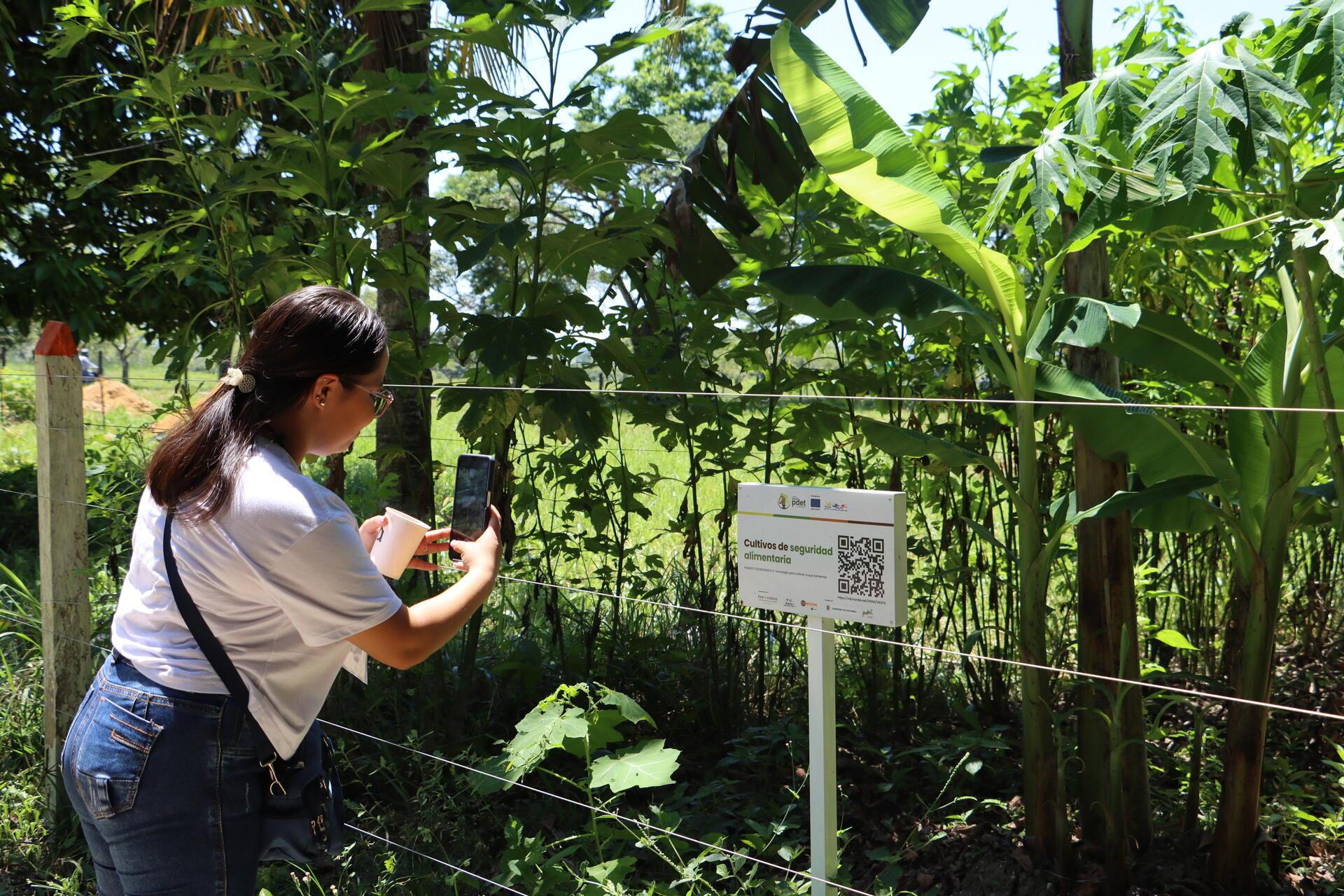
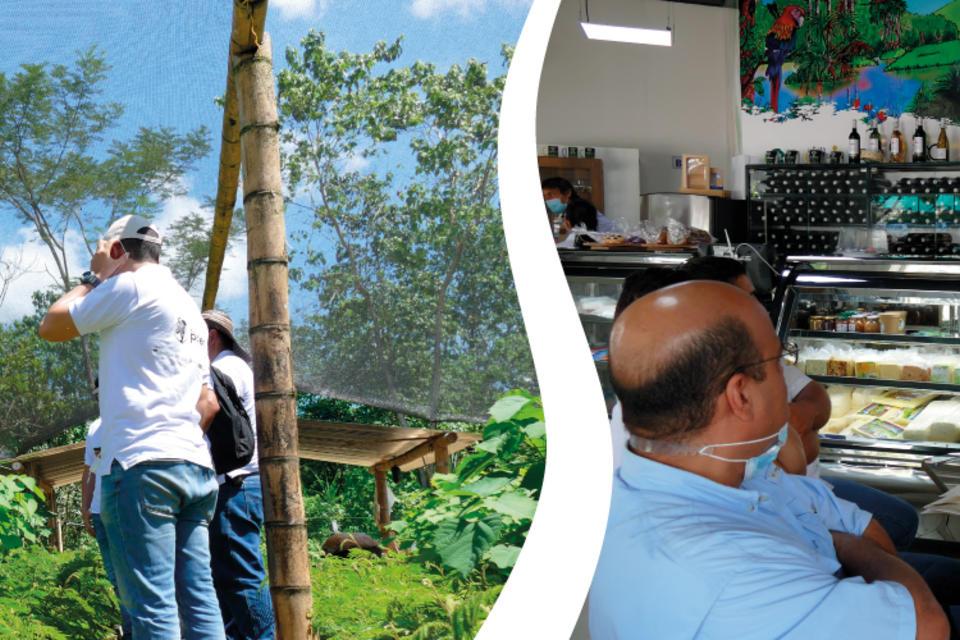
The demonstration farms have QR codes that, when scanned, provide additional information about the technology on display. Credits: Anny Yedra / CIAT
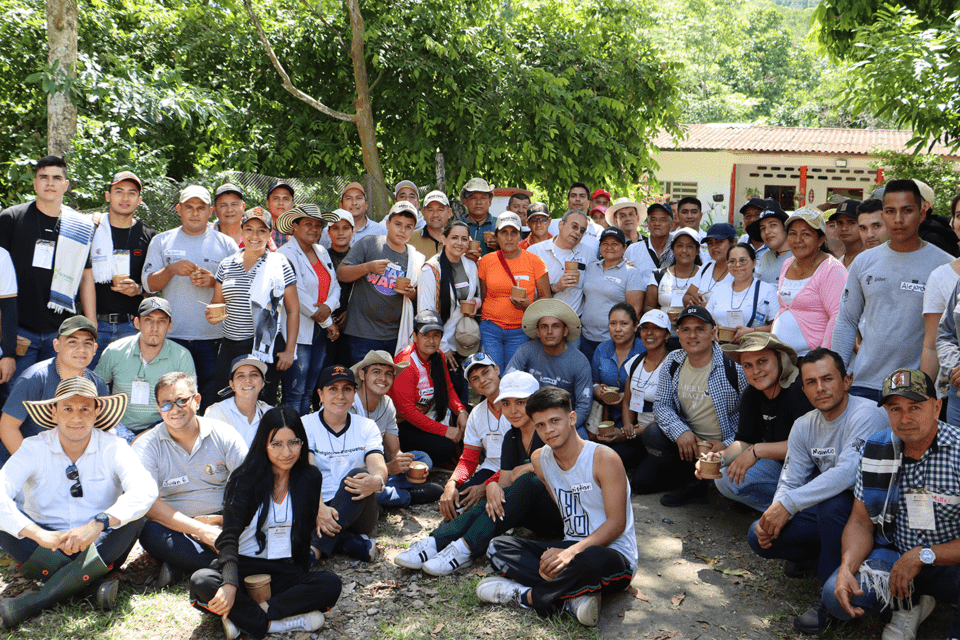
For this purpose, seven ''demonstration'' farms were selected in strategic locations so that the 369 project beneficiaries could visit them and observe the results first-hand. The six technological packages of the program were implemented on these farms, and periodic activities were organized, such as the First Dairy Value Chain Seminar, which brought together nearly 220 key stakeholders from the sector at the Villamaría farm, located in El Paujil.
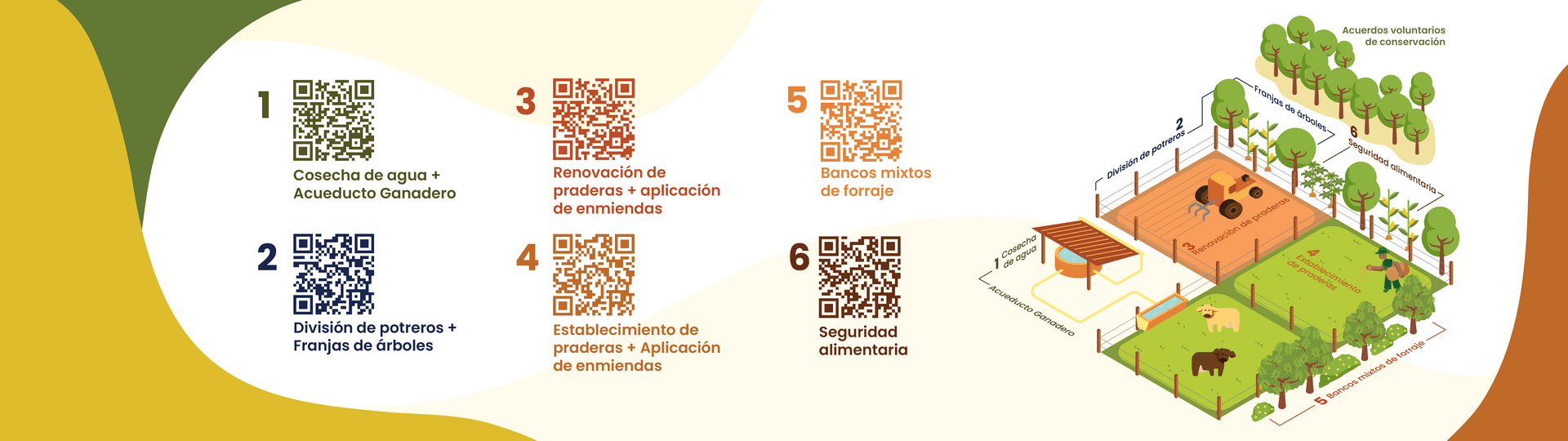
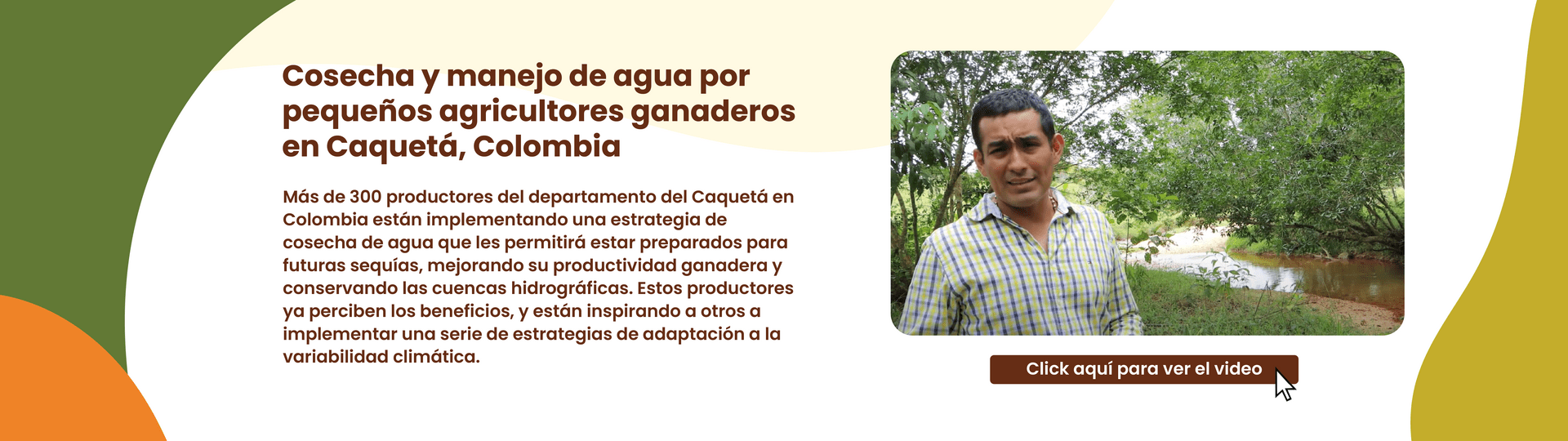
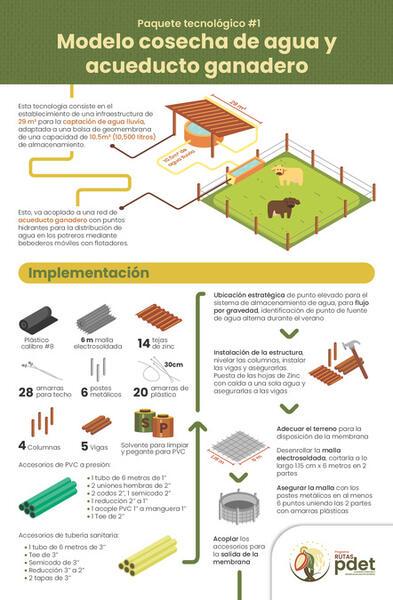
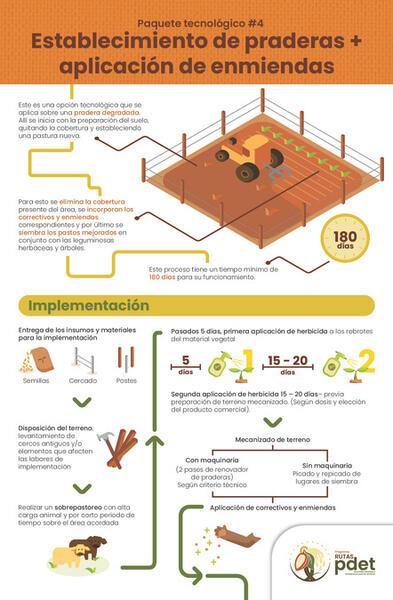
In addition to the implementation of improved forages, forage banks, live fences with trees, and water harvesting systems, the program also strengthened capacity building in key issues, such as the critical control points defined by the Colombian Agricultural Institute (ICA), with a view toward certification in Good Livestock Practices and Good Milking Practices.
Success stories
This model not only facilitated the adoption of new practices, but also overturned initial skepticism, demonstrating that research did not remain in the laboratory, but reached the field. The experience of the farmers who participated in the program reflects the benefits of this knowledge transfer, translated into productive and environmental improvements.
Women transforming livestock farming and its future
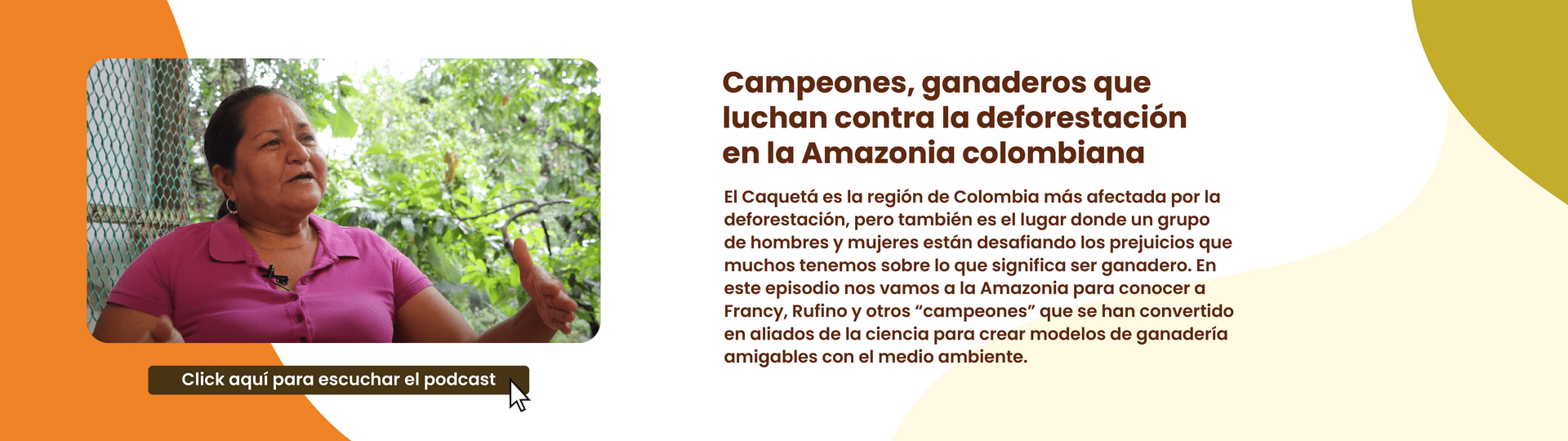
In addition to receiving technical training on the adoption of sustainable technologies, women beneficiaries participated in workshops and focus groups specifically designed to encourage their inclusion in strategic discussions on farm management and gender equity in productive work. These meetings addressed issues such as gender equity, the distribution of work on farms, self-perception and violence prevention, seeking to strengthen their capacities as agents of change.
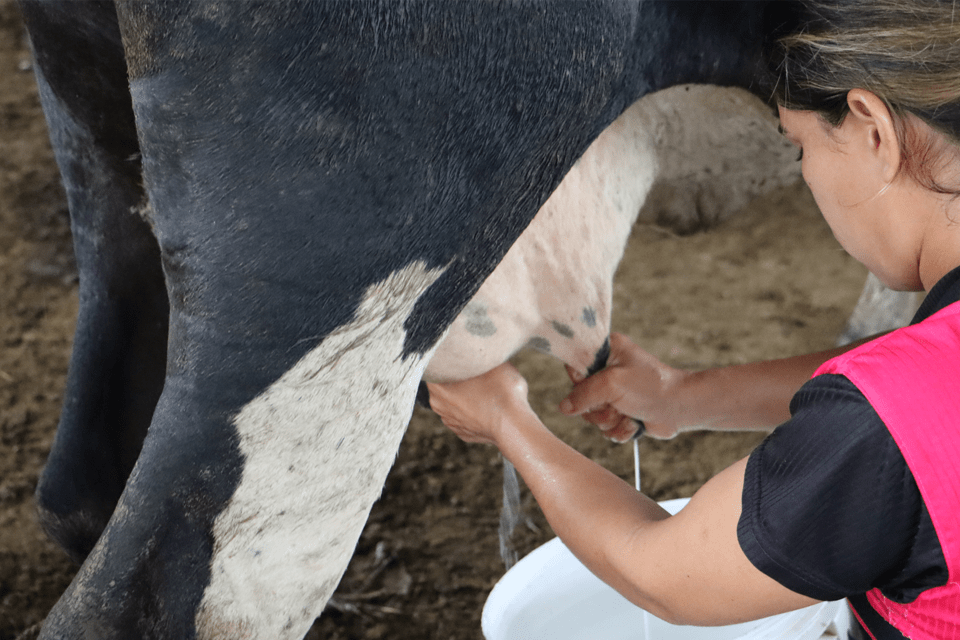
Francy Martínez, from the Villamaría farm and an active participant in the workshops held in the department of Caquetá, shares: “As women, we are involved in almost all the work in the fields—if not all of it. I myself have been in charge of managing the animals: rounding up the cattle, separating them, monitoring their health, and deworming them. I also take part in the milking process, assist during calving, and help with the housework. I may not be the most experienced, but this has all been part of my life.”

Recognizing and supporting women's contributions is crucial to achieving equitable dairy value chains. Credits: Anny Yedra / CIAT
For many women, these workshops marked a turning point in their role within the sector, enabling them to move from being seen—and seeing themselves—as collaborators on their farms to recognizing themselves as ranchers and informed decision-makers not only within the dairy chain, but also within their families.
To ensure their participation, the activity schedules were adapted to align with their daily responsibilities. Additionally, simultaneous activities were organized for children, allowing mothers to attend without concern. These measures led to female participation far exceeding initial expectations.
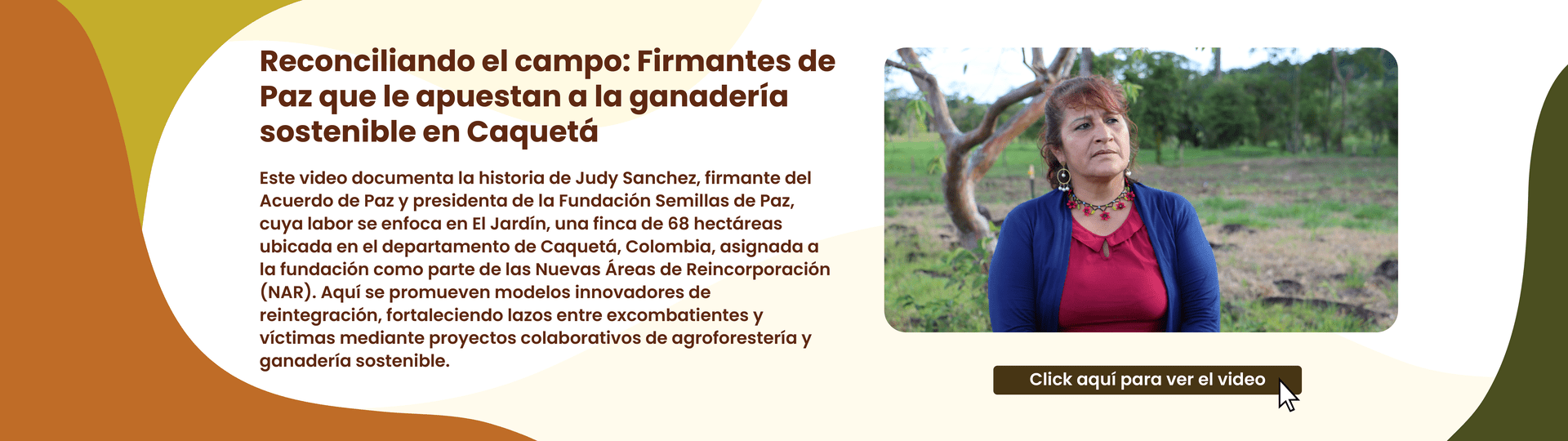
Such inclusive processes are crucial for advancing peacebuilding and sustainable development in territories affected by violence, offering communities viable, productive, and safe alternatives.
Multimedia
The closing of this project does not mark an end, but rather a new starting point for the farmers, who now possess the tools and knowledge to continue improving the productivity and sustainability of their farms. The demonstration farms will remain community learning spaces, encouraging the adoption of innovative practices. Capacity building in Good Agricultural Practices and Good Milking Practices opens up new opportunities for quality certification of their products. Moreover, the recognition of women’s roles has been a key step toward their empowerment and leadership within the production chain.

Technological packages
News
- Milk in Caquetá promotes business development with PDET Routes Program
- Innovation in cocoa and dairy production through the PDET Routes Program
- PDET Pathways Program at COP16: a commitment to peace and conservation in the A…
- Women's leadership and innovation are revolutionizing artisanal cheese producti…
Multimedia
Knowledge products
- Ruden A, Rivera V, Chindicué AR, Ortiz JG, Navarrete-Frias C, Triana N, Urrea-Benítez JL, Sotelo ME, Arango J. 2021. Production models and technical assistance towards sustainable livestock farming in the department of Caquetá. CCAFS Info Note. Wageningen, The Netherlands: CGIAR Research Program on Climate Change, Agriculture and Food Security (CCAFS). https://hdl.handle.net/10568/115987
- Triana-Ángel, N. (2022) Departamento del Caquetá - Informe de contextualización. Cali (Colombia): Alianza Bioversity-CIAT. 48 p. https://hdl.handle.net/10568/125954
- Adelco Network; Bioversity-CIAT Alliance; ICCO Cooperation. (2022) Predial Planning - Methodological Guide. Bogotá (Colombia): Programa Rutas PDET. 9 p. https://hdl.handle.net/10568/126357
- Triana-Ángel, N; González-Rojas, J. (2022) Ethnographic report: agroforestry, gender and livestock encounters in Caquetá. Cali (Colombia): Alianza Bioversity-CIAT. 23 p. https://hdl.handle.net/10568/125831
- Sotelo, M.; Cardoso, J.A.; Montoya, A.; Triana-Ángel, N.; Ortiz, J.G.; Rivera, V.; Urrea-Benitez, J.L.; Arango, J. (2022) Silvopastoral systems, working with communities in the Department of Caquetá. Presentation prepared for ATBC 2022: 58th Annual Meeting of the Association for Tropical Biology and Conservation, July 10-14, 2022. Cali (Colombia): Alliance of Bioversity and CIAT. 16 sl. https://hdl.handle.net/10568/120231
- Triana-Ángel, N.; Sánchez Castillo, V. (2023) Adopting when everything crumbles: experiences of silvo-pastoral systems in Caquetá, Colombia. Poster prepared for XII Congreso Internacional Sistemas Silvopastoriles. Montevideo, Uruguay, 18-20 October 2023. Cali (Colombia): International Center for Tropical Agriculture. 1 p. https://hdl.handle.net/10568/134483
- Sandoval, D.; Pazos, M.; Triana, N.; Burkart, S. (2024) Sustainable Livestock in Colombia: Diagnosis of the implementation of policy guidelines for GBS 2022-2050/Case Study: PDET Routes. Forum Camino a la Acreditación Institucional by Universidad de la Amazonía in Florencia, Caquetá 20 sl. https://hdl.handle.net/10568/151492
- Bueno Muriel, A.F.; Melo Zipacon, W.F.; Marin Gomez, A. (2024) Programa Rutas PDET: Resultados. 3 p. https://hdl.handle.net/10568/163034
- Adelco Network; Bioversity International and the International Center for Tropical Agriculture (CIAT); ICCO Cooperation. (2024) Good Livestock Practices: Fundamental Criteria. Bogotá (Colombia): Programa Rutas PDET. 12 p. https://hdl.handle.net/10568/139025
- Rivera, V.; Montoya, A.; Sotelo, M.; Ortiz, J.G.; Marin, A.; Arango, J. (2024) Implementación y monitoreo de tecnologías para una ganadería sostenible en el departamento de Caquetá. Cali, Colombia: International Center for Tropical Agriculture (CIAT). 40 p. https://hdl.handle.net/10568/163498
- Pérez Bolaños, J. (2024) Geospatial database of producers linked to the PDET Routes project of the livestock component, and the Livestock and Climate Initiative. https://doi.org/10.7910/DVN/CHECU8