Research Articles From palm to progress: Women, canangucha, and the future of the Amazon

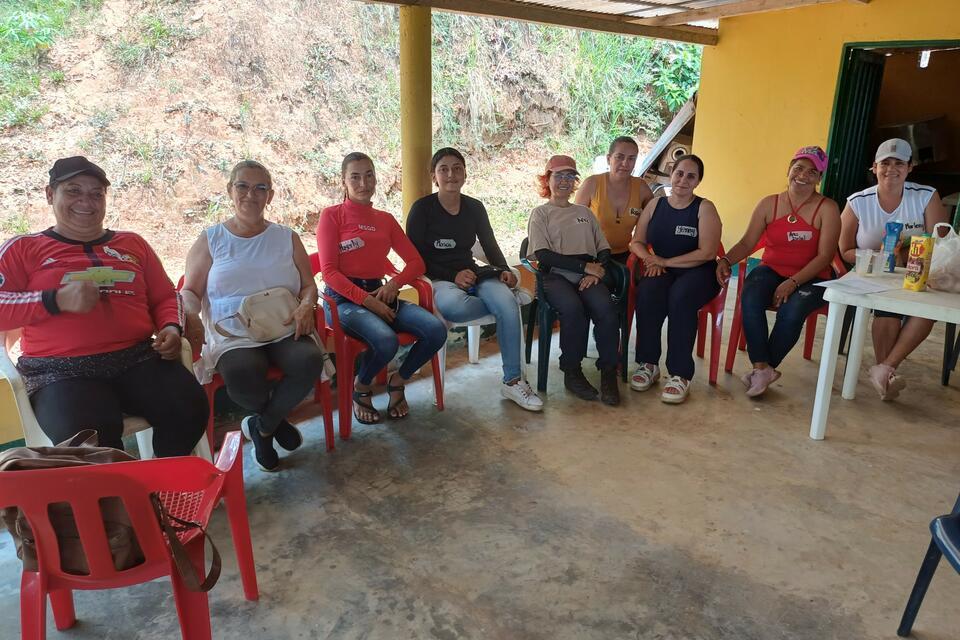
ASMUCOCA, a women’s association in La Montañita, Caquetá, Colombia, uses canangucha palm to create sustainable products, empowering women and conserving Amazon ecosystems amid deforestation threats.
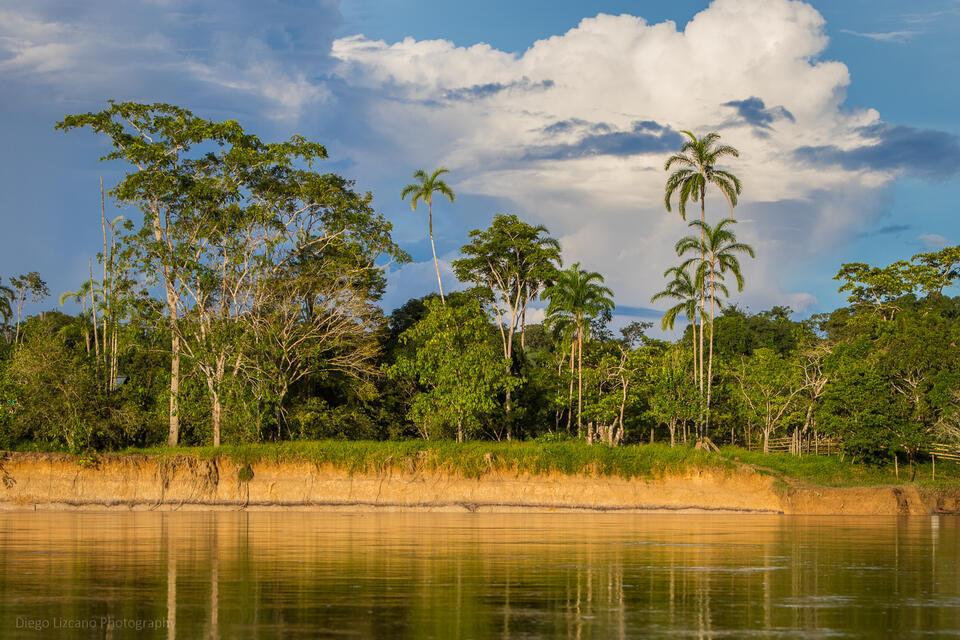
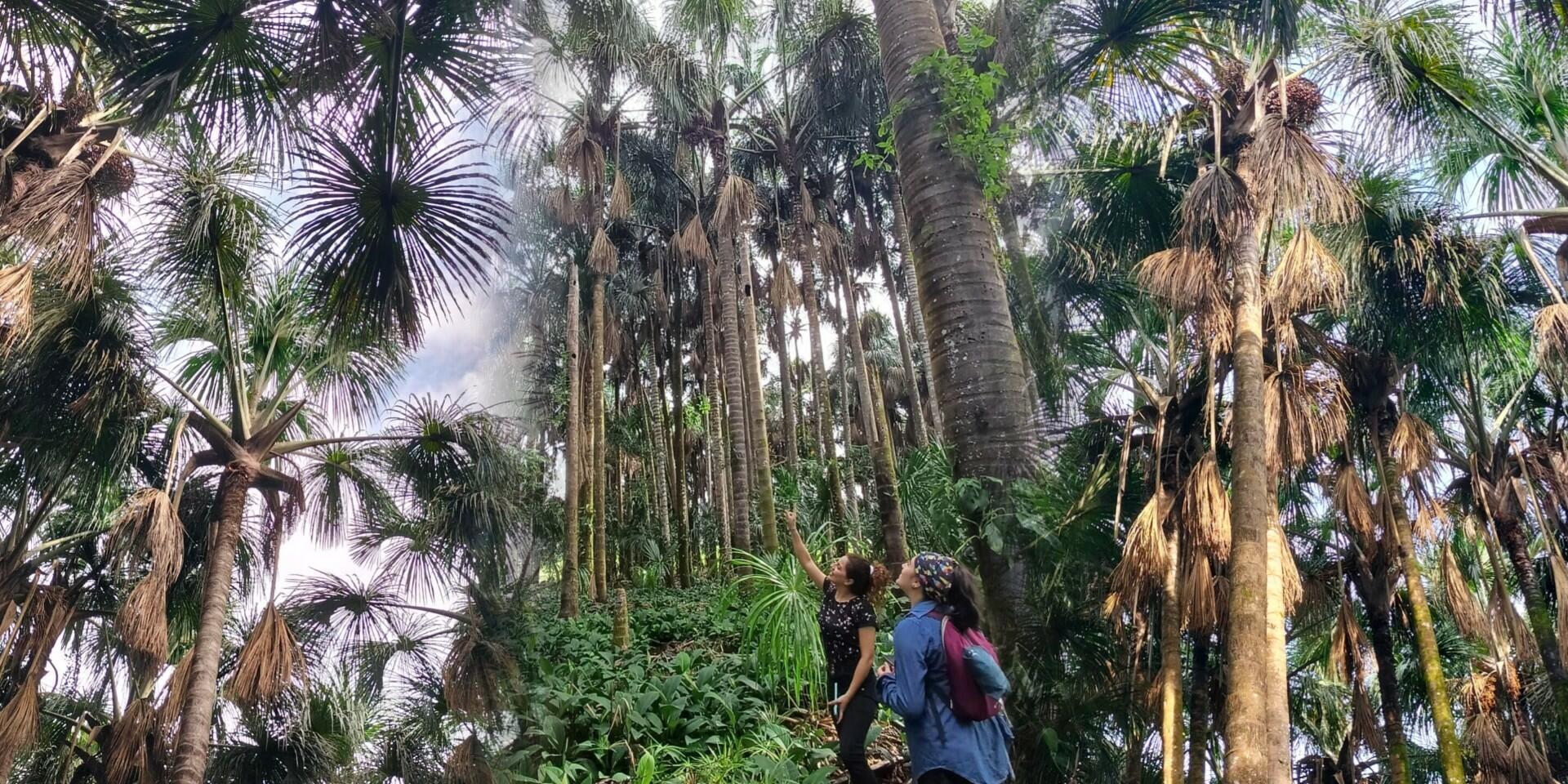
Deep in the Colombian Amazon, a palm species is part of the solutions for biodiversity conservation, carbon sequestration, and women empowerment—yet it faces growing threats. Its name is Canangucha (Mauritia flexuosa), and it’s also known as moriche, aguaje, or morete, in other parts of the big Amazon biome. Is a palm species native to the Amazon that forms swamp ecosystems known as cananguchales. These ecosystems are recognized for their role in protecting water bodies, contributing to biodiversity conservation, and capturing carbon in peat deposits. However, cananguchales face multiple threats, including practices that involve cutting the palm to harvest its fruits, as well as burning and drainage for the expansion of agricultural and livestock activities. These actions negatively impact the species’ population density, regeneration, and long-term survival.
Canangucha palm is used by various communities, such as the Association of Rural Women of Colombia and Caquetá (ASMUCOCA), which processes its fruits into cosmetic oils, flour for edible products, and animal feed concentrate in the municipality of La Montañita, Caquetá. This initiative supports the development of bioeconomic alternatives in the region by promoting the use of non-timber forest products to aid conservation, sustainable natural resource management, reduce deforestation, increase forest cover, and add value to Amazonian products. At the same time, it fosters empowerment, builds and strengthens women’s capacities, and improves the living conditions of women and their families.
This is especially relevant in the context of the municipality, which is a hot spot of praderización—deforestation for pasture establishment—in the department of Caquetá. This phenomenon contributes significantly to the transformation and loss of forest cover in the Amazon. Amid these challenges, local women are turning the tide through innovation and collective action
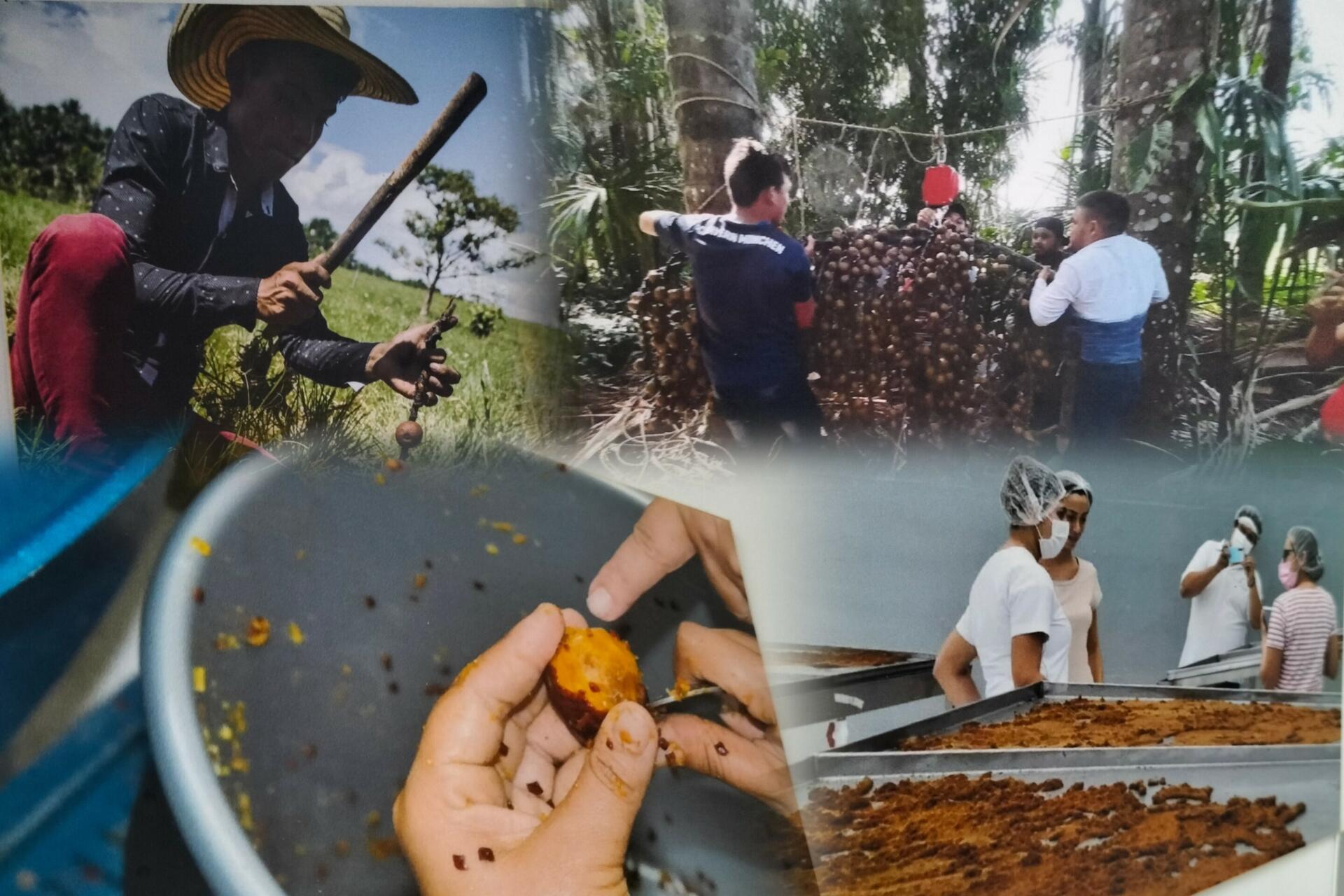
Collage: Photos by ASMUCOCA
Women leading change: The ASMUCOCA story
Research from the Low Emissions Landscapes team at the Alliance explored how ASMUCOCA’s collective work with canangucha palm influences women’s well-being while supporting the sustainable management of cananguchales. It explored how collective action processes can influence the sustainability and status of non-timber forest products, while promoting a more equitable distribution of resources or burdens to enhance the well-being of specific groups. Understanding women’s motivations, needs, interests, and practices in biodiversity use is essential to fostering both viable livelihoods and the conservation and long-term sustainability of ecosystems.
A qualitative approach was used, including semi-structured interviews with ASMUCOCA’s members focused on the use of canangucha palm. Additionally, direct observation was carried out through guided walks in the cananguchales. Findings suggest that the association’s collective work positively impacts their member’s livelihoods, through efforts to secure basic services such as sewage systems, electricity, and roads, support the livelihoods of women and their families (material dimension). However, the impact also extends to other critical dimensions of well-being, including the freedom to make their own decisions and achieve economic independence, participation in traditionally men-dominated spaces, opportunities for learning, the creation of bonds of friendship and sisterhood, and shifts in identity—such as increased confidence, self-esteem, and empowerment.
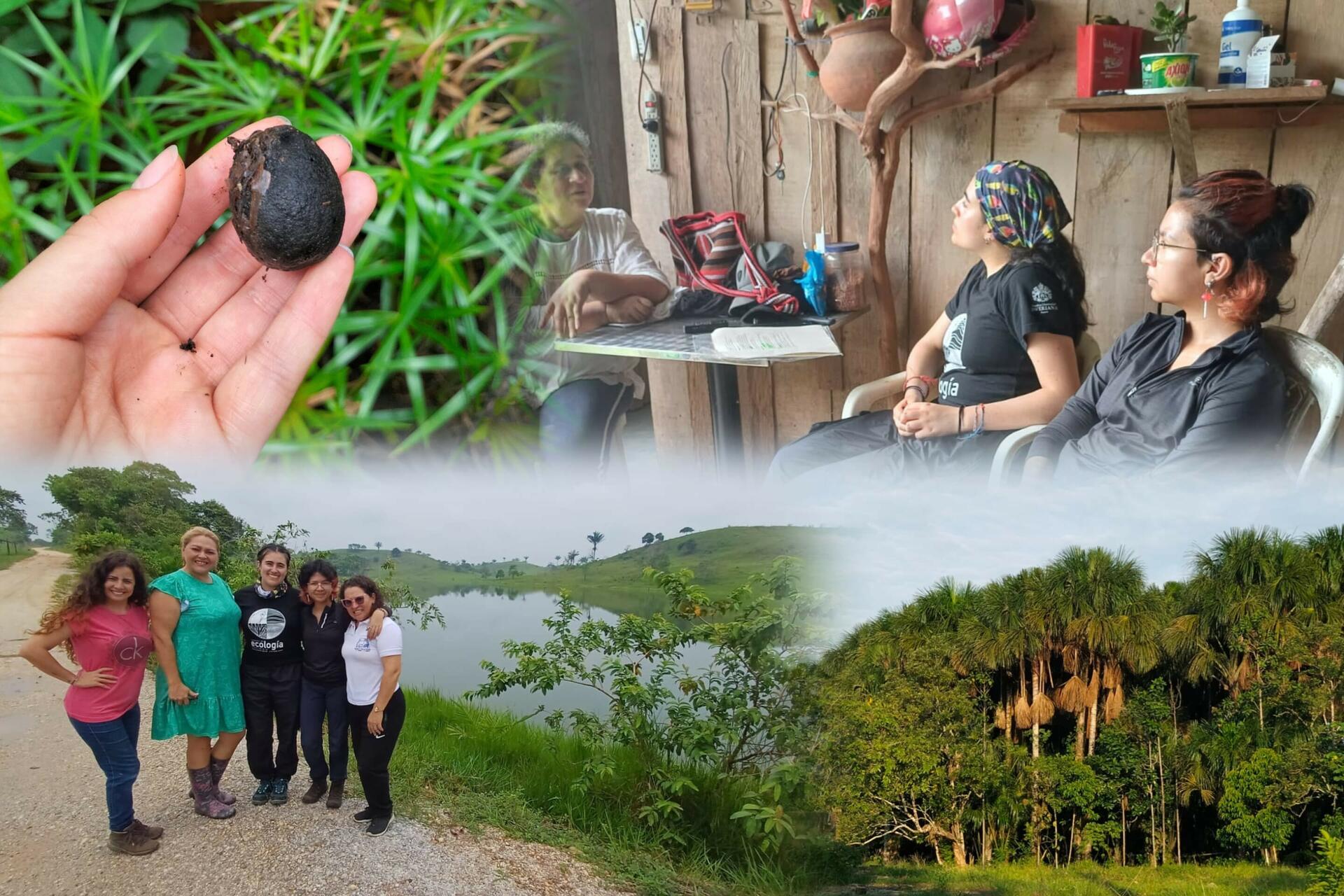
Collage: Photos by Antonia Correal
In addition, the process has begun to generate transformations in gender relations within households, challenging social and informal norms as well as unequal practices. This demonstrates that women’s collective work around the use of the palm goes beyond a purely extractive activity; it also extends into other spheres of life that are essential for giving meaning and continuity to their efforts.
ASMUCOCA’s work includes conservation and sustainable use of cananguchales, harvesting their fruit while respecting the flows of matter and energy and the overall dynamics of the ecosystem. These rules support regeneration processes and establish measures to prevent threats, demonstrating that collective management can be carried out sustainably, contributing both to biodiversity conservation and to social equity.
Last year, the community of La Montañita, with the support of the CGIAR Initiative on Low Emissions Food Systems, co-created a 20-year vision. This visioning exercise encompasses the restoration and conservation of ecosystems, the advancement of women’s empowerment processes, the creation of a local associative consumption network, improvements in education, the fulfillment of basic needs (such as better roads, sewage systems, and water supply), the involvement of youth and children in community life, the promotion of local research, and the strengthening of youth organizations. In this sense, ASMUCOCA’s current work serves as a concrete example of the aspirations and goals that local people hope to realize in the short term. Their process contributes to biodiversity conservation, enhances the well-being and living conditions of women and their families, addresses basic needs, and promotes empowerment.
The story of ASMUCOCA shows that conservation and community well-being can go hand in hand. By transforming the use of canangucha into a sustainable, value-added activity, these women are not only protecting Amazonian ecosystems, but also reshaping gender roles and strengthening local economies. Their vision for the future, a landscape where biodiversity thrives, women lead, and communities prosper, offers a powerful example of how collective action can create lasting change.
Antonia Correal is an Ecologist from Universidad Javeriana. Blog based on research carried out thanks to the CGIAR initiative Low Emission Food Systems (Mitigate+), and the CGIAR Climate Action Science Program, under the supervision of Luz Ángela Rodríguez, Assistant Professor at Pontificia Universidad Javeriana, and with the support of Martha Vanegas Cubillos, Senior Research Associate of the Alliance. Edited by José Luis Urrea-Benítez, Science Communications Specialist of the Alliance. Full access to the research in Spanish can be requested directly from the author.