Blog Growing heritage, changing tastes: What vihiga’s youth tell us about the future of traditional leafy vegetables

Traditional leafy vegetables (TLVs) have nourished generations in Vihiga County. More than just food, they represent culture, identity, indigenous knowledge, and resilience.
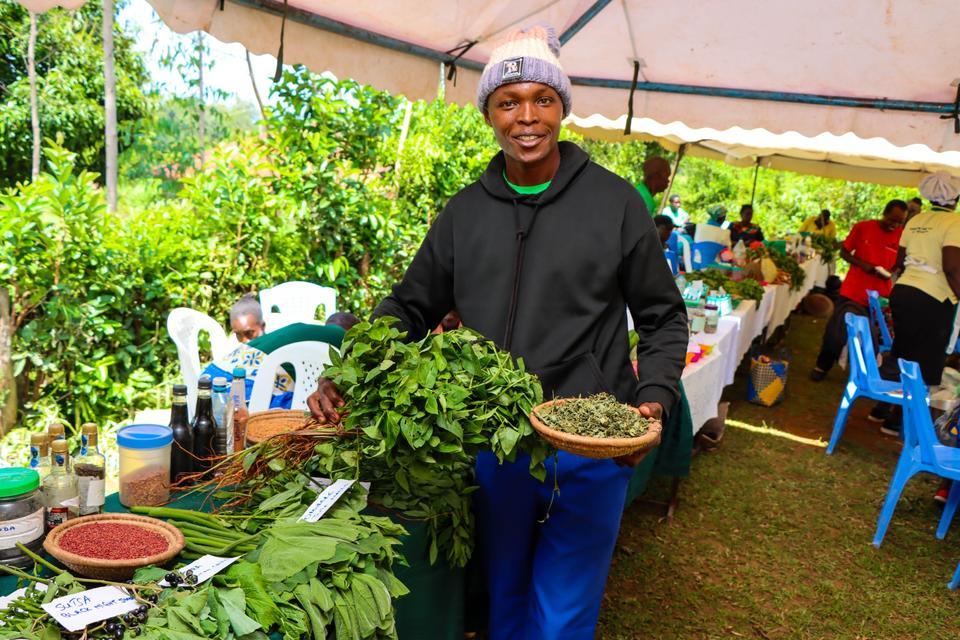
Vegetables such as lisutsa (African nightshade), liseveve (pumpkin leaves), likhuvi (cowpea leaves) and tsimboga (Amaranth leaves) have long been central to local diets and farming systems. Yet as lifestyles change and food environments evolve, an important question remains: what place do TLVs hold in the lives of today’s youth?
A study conducted in Vihiga County in May 2026 sought to answer this question through household interviews with 249 young people aged 18-35 years, focus group discussions, and an interactive county vegetable fair. The findings reveal a nuanced and hopeful story. Far from rejecting traditional vegetables, young people value them, appreciate their benefits, and recognize their cultural significance. However, they are also navigating the realities of modern life, balancing tradition with convenience, knowledge with practice, and heritage with evolving tastes and aspirations.
A generation that knows the value of traditional vegetables
One of the most encouraging findings was the high level of awareness among young people regarding traditional leafy vegetables. An overwhelming 95.7% of respondents acknowledged the nutritional, medicinal, and dietary benefits of TLVs, while 96% recognized them as healthy and important for dietary diversity.
TLVs remain an important part of daily life. The study found that 97% of surveyed households actively grow TLVs, while approximately three-quarters of respondents had consumed them on at least four out of seven recall days.
These findings challenge the common perception that young people are abandoning indigenous foods. Knowledge and appreciation for TLVs remain strong. Yet despite this awareness, youth consumption and involvement are shaped by factors that extend far beyond nutrition knowledge.

A participant tasting TLVs during the tasting games.
Beyond awareness: The gap between knowledge and practice
While young people clearly appreciate TLVs, the study revealed a gap between what they know and what they actually choose, prepare, and consume.
Household decision-making dynamics, food preparation practices, availability, convenience, tastes, and economic considerations all shape consumption patterns. In as much as youth value traditional vegetables, they do not always have the autonomy or opportunity to influence what is cooked at home.
The challenge, therefore, is not educating youth about the benefits of TLVs. The challenge lies in creating conditions that enable them to actively choose, prepare, and consume these foods in ways that fit their daily lives.
Familiar on the plate, less familiar in the field
An interactive vegetable identification exercise conducted during the county vegetable fair highlighted another important dimension of youth engagement with TLVs. For each TLV species, participants were required to connect the dots from the cooked form (by way of tasting) to the fresh leaves and eventually the seeds. The participants demonstrated strong familiarity with vegetables in their cooked and fresh-leaf forms. However, when presented with seeds, recognition declined significantly for several species. For instance, Only 9% and 14% of the participants correctly identified Ethiopian kale (kanzira) seeds and vine spinach (nderema) seeds respectively.
This finding points to a critical knowledge gap. Young people are generally familiar with traditional vegetables as foods but are often less familiar with them as crops. They can recognize a prepared dish yet may struggle to identify the seed, understand seed-saving practices, or access quality planting material.
The study further revealed that 49% of households source seeds from local markets, 31% save their own seed, and 13% exchange seed with other farmers. These findings underscore the importance of seed saving, farmer-to-farmer exchange, local markets, and community seed banks in enhancing seed availability, conserving local varieties, and strengthening household seed security.
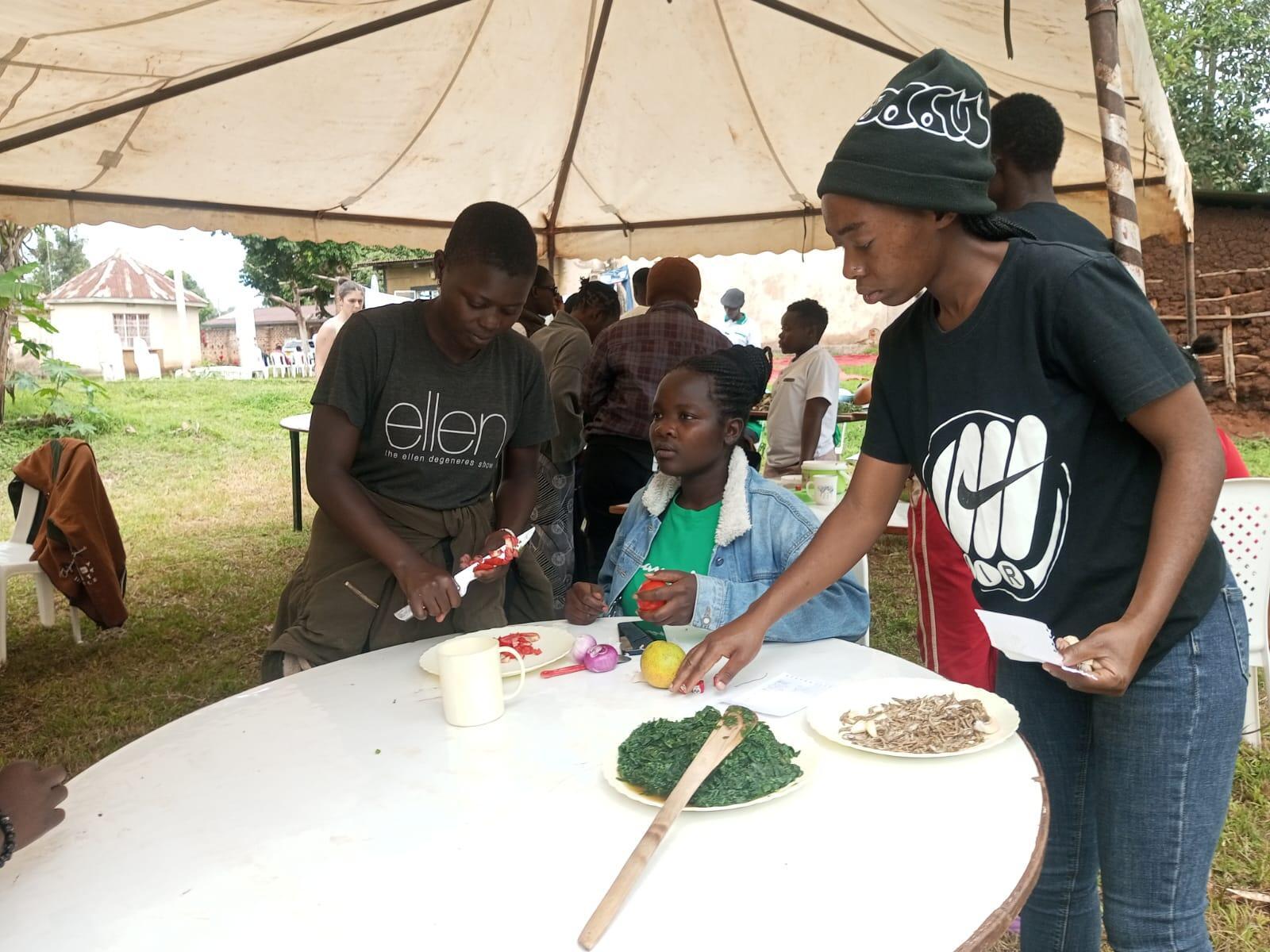
A group of participants preparing meals for a hypothetical family.
Tradition in transition
One of the most compelling themes emerging from the focus group discussions was that young people are not walking away from traditional vegetables. Rather, they are seeking new ways to enjoy them.
Participants repeatedly praised the nutritional and medicinal qualities of TLVs while expressing reservations about some traditional preparation methods. Vegetables prepared through simple boiling, often with minimal seasoning, were sometimes described as bitter or less appealing. Many participants expressed enthusiasm for preparation methods that incorporate spices, oil, sautéing, and other flavor-enhancing techniques.
The message was unmistakable: tradition remains valued, but innovation is key. Youth want traditional vegetables reinvented through creative recipes, modern cooking techniques, and new culinary experiences. Rather than rejecting cultural food traditions, young people are seeking ways to adapt them to contemporary tastes and lifestyles.
When convenience competes with tradition
Beyond taste, convenience emerged as a significant influence on food choices.
Preparing TLVs often requires sorting, washing, cleaning, and cooking, all of which demand time and effort. For young people balancing education, employment, and family responsibilities, these preparation requirements can become barriers to consumption.
Several participants noted that convenience foods are increasingly attractive because they require less preparation time. This does not necessarily mean that young people prefer them nutritionally, but rather that convenience often wins when time is limited.
The findings suggest that efforts to promote TLVs cannot focus solely on nutrition messaging. They must also address convenience by exploring innovative preparation methods, value-added products, and cooking demonstrations that make TLVs easier and more appealing to prepare.
The mock market: What youth food choices reveal
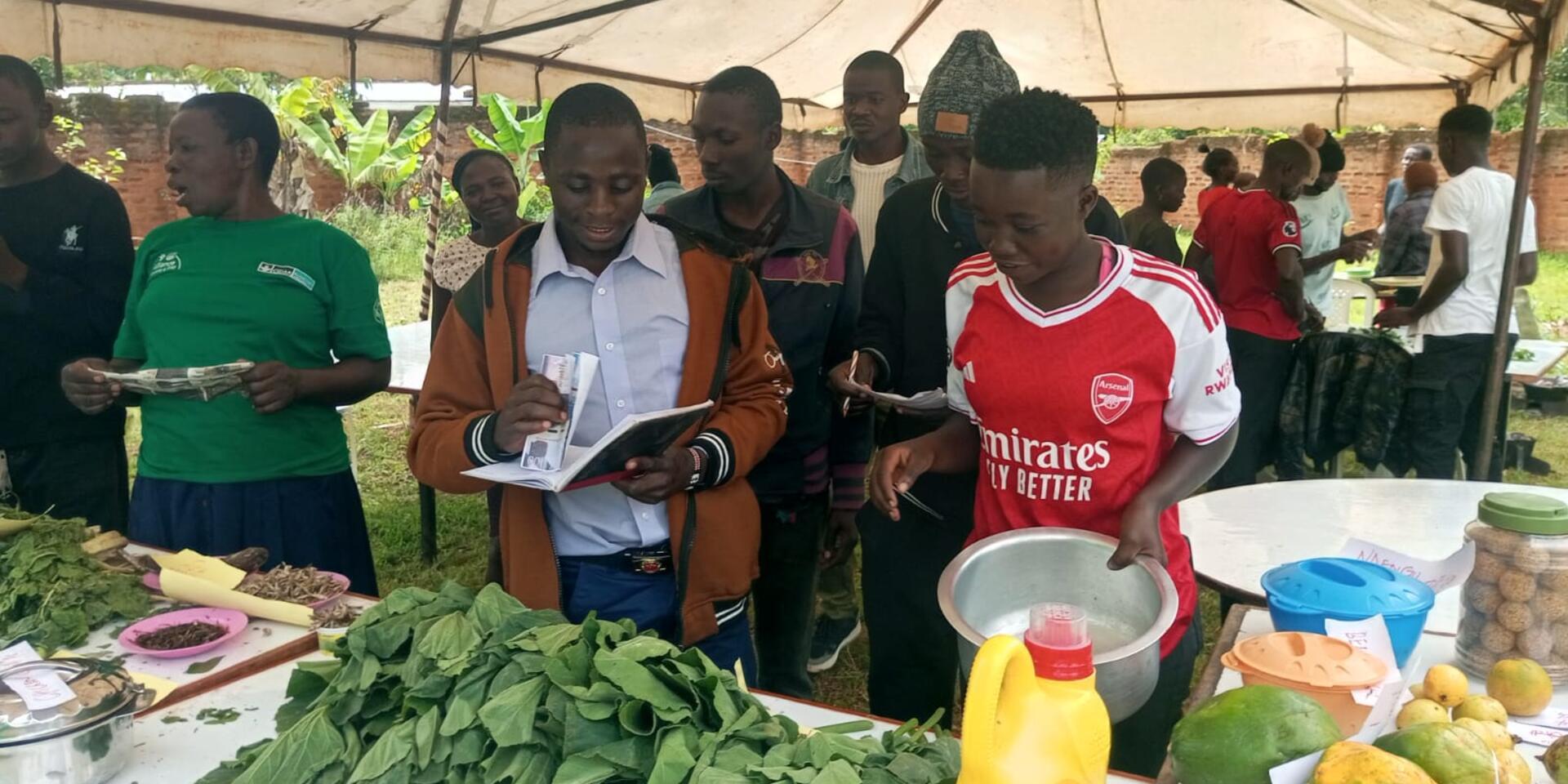
One of the most surprising insights emerged not from the surveys or discussions, but from a lively mock market and cooking challenge at the vegetable fair. Armed with budgets ranging from KES 300 to KES 1,500, groups of young people set out to shop for ingredients and prepare a meal for an imaginary family of five. The exercise became a powerful lesson in food choices, innovation, and the true meaning of a healthy diet.
Contrary to common assumptions, the exercise demonstrated that having more money did not necessarily lead to healthier food choices.
The group with the smallest budget excluded TLVs altogether, opting for foods they believed would provide the greatest value for their limited resources. Meanwhile, groups with larger budgets bought multiple TLV species but devoted a significant proportion of their spending to expensive animal-source foods such as beef and chicken, often perceiving them as indicators of a higher-quality meal.
What was particularly striking was that none of the groups included plant-based proteins such as beans, cowpeas, or groundnuts in their meal plans, regardless of their budget. Whether participants had limited resources or substantial purchasing power, legumes and nuts were consistently overlooked. Affordable plant-based proteins can contribute significantly to healthy diets, yet they were absent from participants' food planning decisions. The findings suggest that perceptions of a desirable meal may be strongly associated with animal-source foods, while the nutritional and economic value of plant proteins remains underappreciated.
Equally surprising was the limited inclusion of fruits. Even groups with larger budgets purchased little or no fruit for their hypothetical family of five, suggesting that having more money does not automatically translate into more balanced or nutritious food choices. These findings highlight important gaps in dietary knowledge and underscore the need to promote greater awareness of the nutritional value of diverse food groups, including fruits and plant-based proteins. Equally surprising was the limited inclusion of fruits. Even groups with larger budgets purchased little or no fruit for their hypothetical family of five, suggesting that having more money does not automatically translate into healthier or more balanced food choices.
Notably, none of the groups selected locally available fruits such as guavas, despite them being among the cheapest and most accessible options at the market. This overlooked opportunity highlights a disconnect between food availability and food choice, underscoring the need to raise awareness about the nutritional value of locally available fruits and plant-based protein sources.
Ultimately, the mock market demonstrated that food choices are shaped by far more than just income. Knowledge, aspirations, convenience, social norms, cooking skills, and perceptions of status all influence dietary decisions.
The exercise also highlighted another challenge. Participants estimated that cleaning, sorting, and preparing TLVs required approximately 10-15 minutes of additional labour, a factor that can influence food choices in busy households. During the meal preparation exercise, several participants expressed frustration with the time needed to prepare traditional vegetables. Interestingly, however, they responded to this challenge with remarkable creativity. Many groups experimented with innovative recipes, incorporating spices, tomatoes, onions, and flavouring agents such as Royco cubes to enhance taste and appeal, while also shortening cooking times. These adaptations were particularly commendable, as reduced cooking times can help preserve nutrients while making traditional leafy vegetables more convenient and attractive for modern consumers. The exercise demonstrated that although preparation time remains a perceived barrier, youth can develop practical and innovative solutions that can increase the appeal and consumption of traditional vegetables.
Gender, voice, and decision-making
The study further revealed that food decisions within households are strongly influenced by gender and family hierarchies. Mothers and grandmothers continue to serve as the primary custodians of culinary knowledge posing intergenerational differences in food preferences and preparation practices. While many young people demonstrated creativity by experimenting with innovative recipes, spices, and flavouring agents to make traditional leafy vegetables more appealing, these approaches were not always embraced by older family members. Several participants noted that mothers often perceived such recipes as "rushed" because of the reduced preparation and cooking time, associating longer preparation with better-quality meals. Grandmothers, on the other hand, generally preferred more traditional preparations with minimal seasoning and fewer spices. Although these methods are valued for preserving cultural authenticity, many youth described the resulting dishes as bland and less appealing to their generation. These findings highlight the tension between tradition and innovation within households, as young people seek to modernize traditional foods to suit contemporary tastes while older generations strive to preserve established culinary practices.
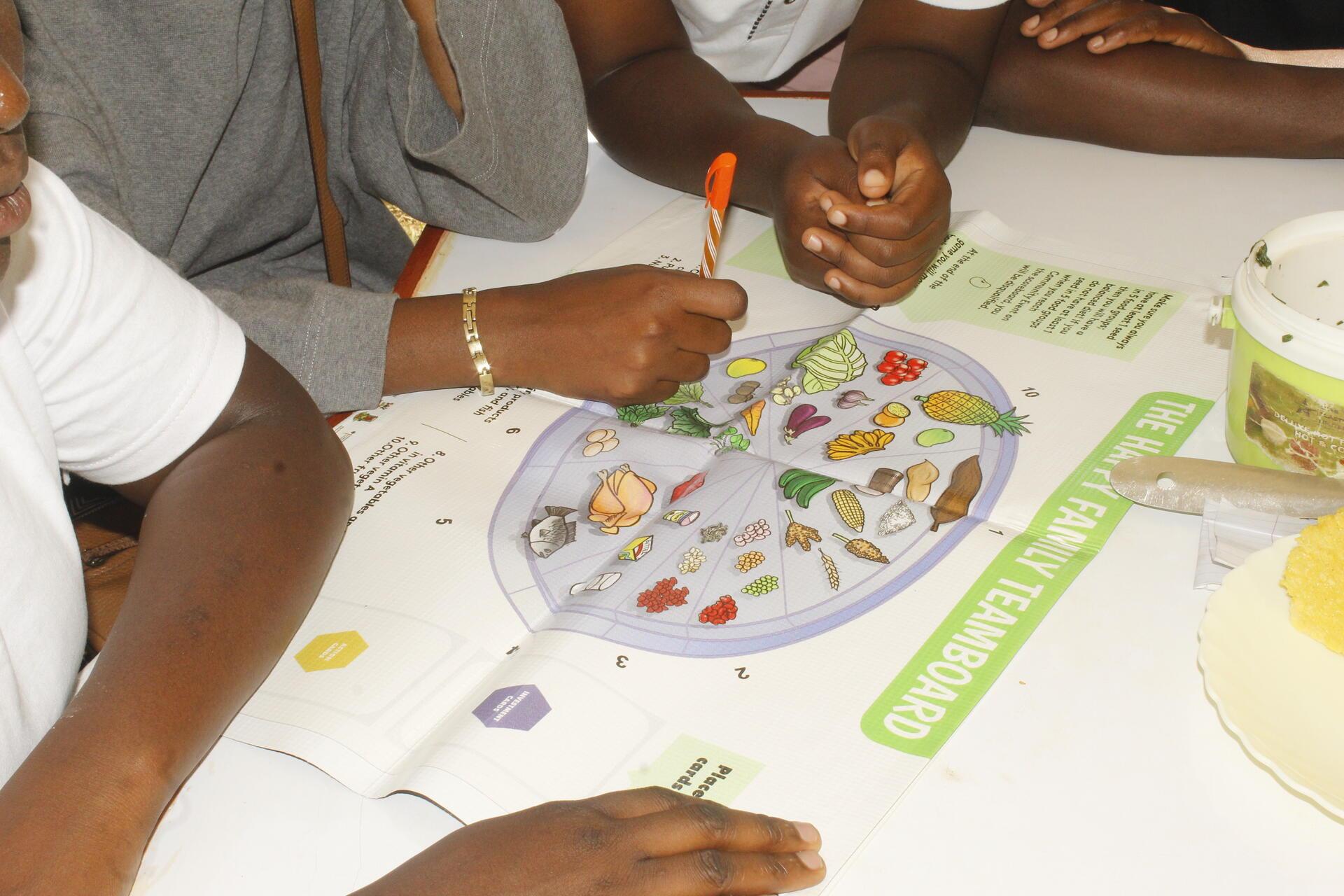
Participants cross-examining the food groups wheel to assess their food choices in relation to dietary diversity.
More than recipes: Passing on a living heritage
A recurring concern throughout the discussions was the uneven transmission of agricultural and culinary knowledge. Indeed, 41% of survey respondents felt that young people do not know how to prepare TLVs, while 38% believed that youth are unfamiliar with many TLV species. Participants noted that familiarity with traditional vegetables depended on upbringing. Those raised by parents or grandparents who actively cultivated and prepared traditional foods generally demonstrated greater confidence and knowledge. Others, particularly those raised in more urbanized environments, reported fewer opportunities to learn.
These findings highlight the importance of strengthening intergenerational learning so that valuable skills related to seed management, crop production, food preparation, and cultural heritage are not lost over time.
From custodians to champions: The future of traditional leafy vegetables
The story emerging from Vihiga is ultimately one of opportunity. Young people are not abandoning TLvs. The study found that three-quarters of respondents rejected the notion that TLVs are "food for poor people," suggesting that the stigma historically associated with these foods has significantly weakened. Instead, youth increasingly recognize traditional vegetables as valuable, nutritious, and culturally important.
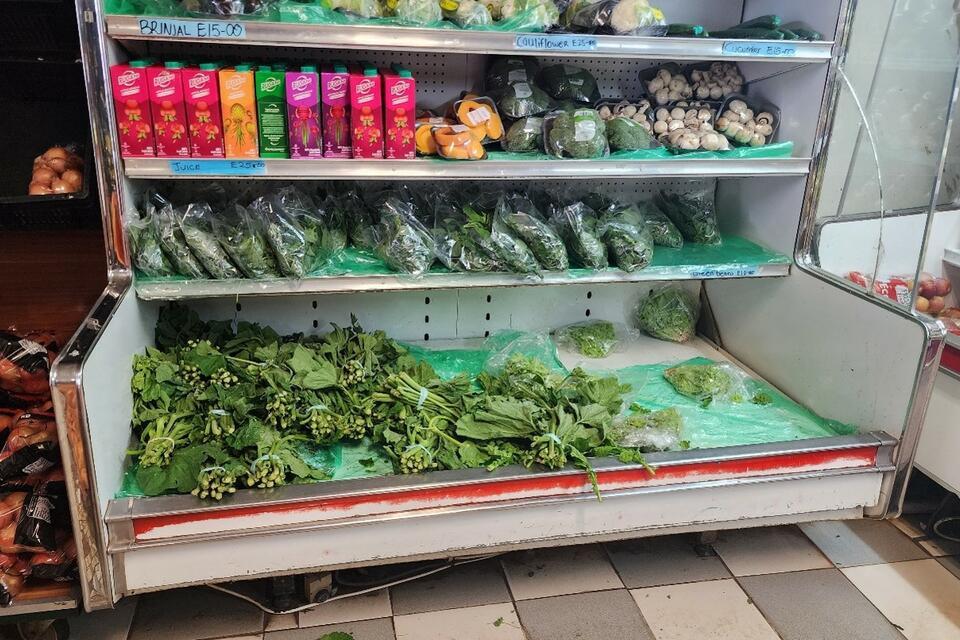
However, challenges remain. Seasonal fluctuations in availability, limited decision-making power within households, gaps in production knowledge, labor-intensive preparation methods, and the growing appeal of convenience foods continue to influence consumption patterns.
The future of TLVs will therefore depend not only on preserving seeds and safeguarding recipes, but also on empowering youth to actively shape their future. Schools, community organizations, farmer groups, extension programs, and development initiatives all have a role to play in creating youth-friendly platforms for learning, experimentation, and innovation.
By promoting seed-saving skills, nutrition education, culinary creativity, entrepreneurship, and peer-to-peer learning, communities can transform young people from passive consumers into active custodians of agrobiodiversity and healthy food systems.
The lessons from Vihiga are clear. The challenge is not that youth are turning away from traditional vegetables. Rather, they are standing at the intersection of tradition and modernity, eager to carry these foods forward in ways that reflect their identities and aspirations. When young people are intentionally included, empowered, and trusted as partners, traditional leafy vegetables become more than a symbol of heritage. They become a pathway to healthier diets, stronger local food systems, enhanced agrobiodiversity, and greater resilience.

A nutrition education session by Esther Odera, a nutritionist at the County Government of Vihiga.
Looking ahead: From custodians to champions
The future of TLVs in Vihiga will not be secured by preserving seeds alone. It will be secured by nurturing a generation that sees these vegetables not as relics of the past, but as part of a vibrant and relevant future. Young people already recognize their value; what they need now is greater opportunity to participate in shaping how these foods are grown, prepared, marketed, and celebrated.
TLVs should be presented not only as healthy foods but also as sources of innovation, entrepreneurship, identity, and pride. By creating spaces where young people can learn seed-saving skills, experiment with modern recipes, share knowledge through peer networks, and participate in local food initiatives, communities can transform passive consumers into active custodians of their food heritage.
The future of traditional leafy vegetables depends not on preserving the past, but on empowering young people to remain a vibrant part of our food systems for generations to come.
Cover Photo: Participants buying ingredients at the mock market.