Blog Reclaiming Traditional African Vegetables for health, markets, and livelihoods through demand-led approaches
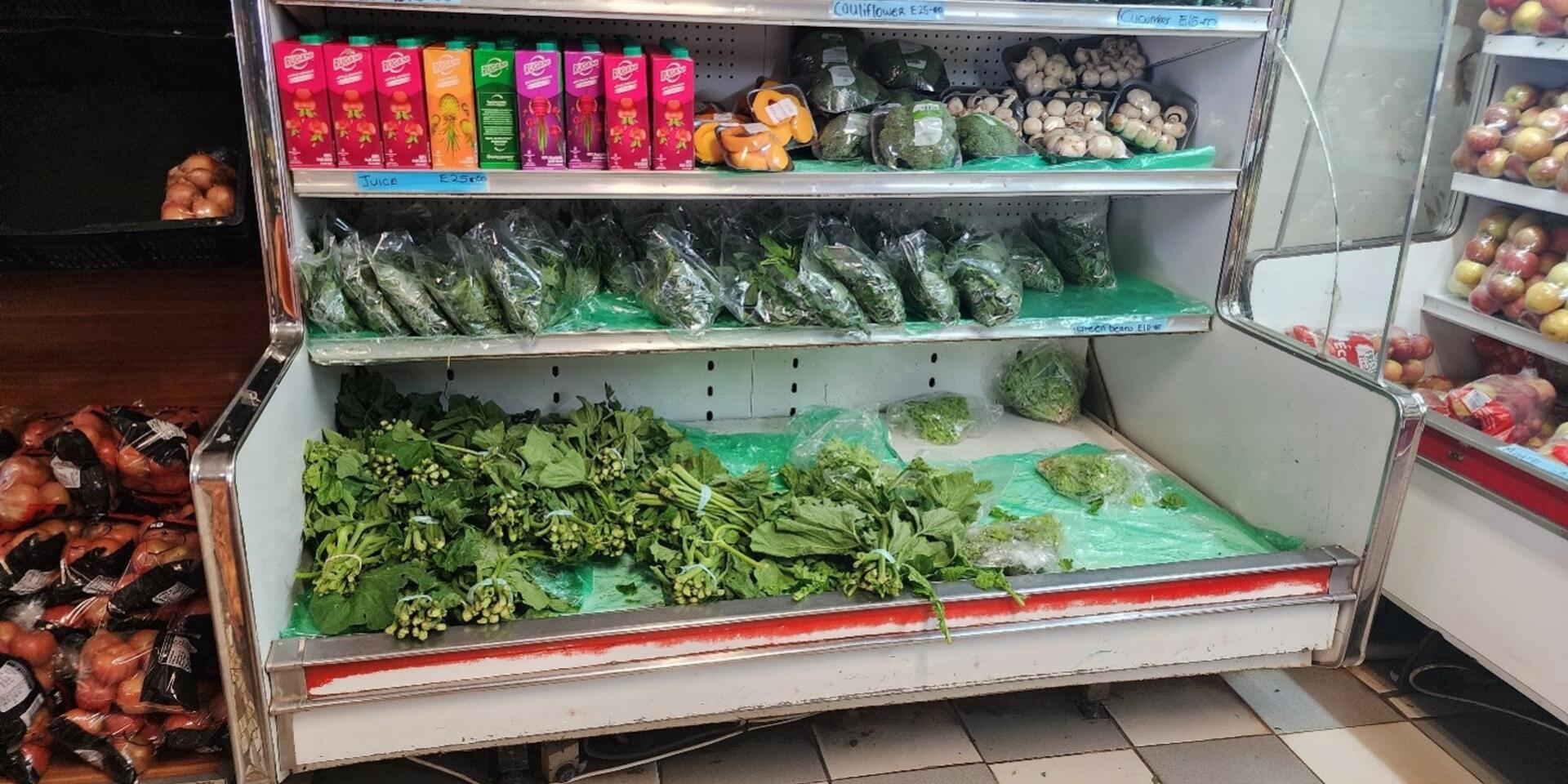

In Eswatini, government, researchers, farmers and private-sector partners are commercialising Traditional African Vegetables through a demand-led platform launched in October 2025 to improve nutrition, markets and livelihoods.
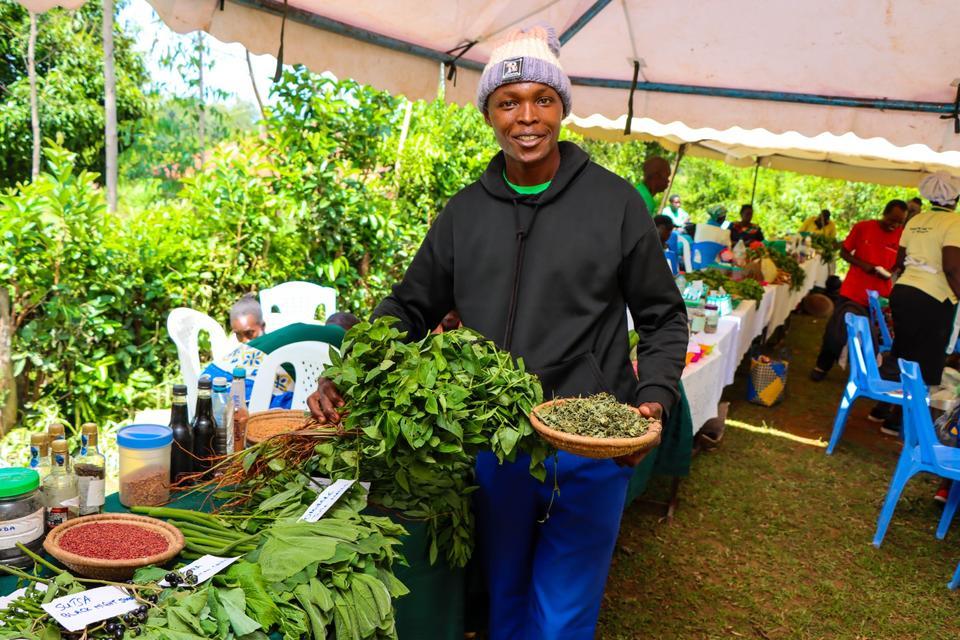
In a remarkable turnaround, what was once considered a forgotten crop is steadily becoming one of Eswatini's most promising agricultural opportunities. Traditional African Vegetables (TAVs) are emerging as green gold for farmers, generating new income while providing communities with nutritious, locally grown food. As the country seeks to reduce its dependence on imported vegetables, these indigenous crops are proving that they can deliver both economic and nutritional value.
By bringing together government institutions, researchers, development partners, private sector actors and farmers, the Multi-Stakeholder Platform (MSP) for Traditional African Vegetables is laying the foundation for a stronger and more inclusive TAV value chain.
Building partnerships to unlock the potential of Traditional African Vegetables
Efforts to commercialize TAV gained renewed momentum in October 2025 with the official launch of the Multi-Stakeholder Platform (MSP), a demand-led approach developed by the Pan-Africa Bean Research Alliance (PABRA) under Phase II of the Taiwan-Africa Vegetable Initiative (TAVI). The launch marked an important step in Eswatini’s efforts to turn indigenous vegetables into profitable, nutritious and widely accessible crops.
The initiative is spearheaded by the World Vegetable Center (WorldVeg) in partnership with The Alliance of Bioversity International and CIAT through PABRA, with financial support from the Taiwan Ministry of Foreign Affairs and the Taiwan Ministry of Agriculture. At the national level, the Eswatini Ministry of Agriculture, the Department of Agricultural Research and Specialist Services (DARSS), the Ministry of Health, NAMBoard, and the National Genebank are providing critical leadership in research, policy development, regulation and market coordination.
With representatives from across the TAV value chain, including government, research institutions, development partners, the private sector and farmer organizations in attendance, the launch underscored the broad collaboration driving the initiative. Speaking at the event, Ministry of Agriculture Principal Secretary Mr. Sydney Simelane described the platform as an important milestone in strengthening Eswatini's food security while opening new economic opportunities for farmers. He was joined by the Republic of China (Taiwan) Embassy to Eswatini's Agriculture Attaché, Ms. Sofia Jeng, TAVI Project Manager, Dr. Sophia Chan, and other stakeholders supporting the commercialization of TAV.