Blog Turning food waste into climate action: Strengthening food systems and nourishing communities

What if food that is lost or wasted could instead nourish communities, improve livelihoods and help mitigate against climate change and its effects?
In Kenya, about 40% of food produced is lost or wasted annually, translating to about 9 million tonnes valued at approximately KES 72 billion (about USD 578 million). These losses do not just represent a major economic and environmental challenge, they also present an opportunity to build more resilient, inclusive and sustainable food systems.
Food loss and waste undermine food security and nutrition while contributing significantly to greenhouse gas emissions. When organic waste is disposed into landfills and decomposes without adequate management, it generates methane, a potent short-lived climate pollutant. At the same time, safe and nutritious food that could support vulnerable households and institutions is lost.
Turning surplus food into opportunity
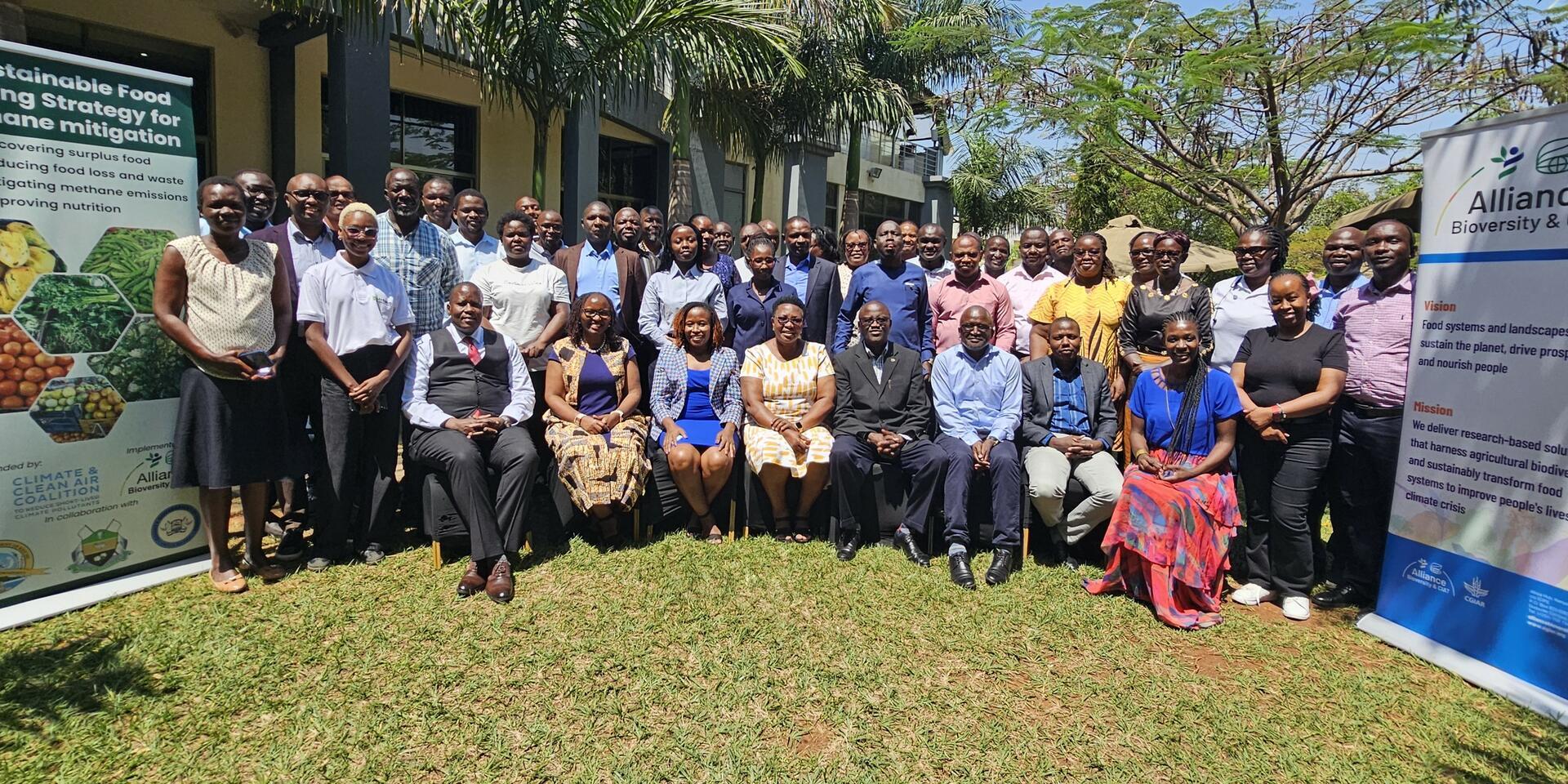
A newly launched project is seeking to change this. The ‘Sustainable Food Banking Strategy for Methane Mitigation Project’ will support the development of sustainable food banking systems in Kisumu, Vihiga and Siaya counties.
Implemented by the Alliance of Bioversity International and CIAT (The Alliance), in partnership with the National and the three county governments, and funded by the Climate and Clean Air Coalition (CCAC), the project will work with county governments, food businesses, market actors, communities, civil society, financial institutions, and women and youth groups. It seeks to demonstrate how food banking can simultaneously deliver benefits for climate, nutrition, livelihoods and the circular economy.
Food banking provides a practical pathway towards ensuring that safe, edible food should feed people and not get wasted. This is achieved through organizing the recovery of safe surplus food that might otherwise be discarded, screening it for food safety, and redistributing it to people and institutions that need it.
“Waste accounts for about 3% of global greenhouse gas emissions - 1.8 gigatonnes (Gt) of CO₂e annually. Yet within the waste sector, methane contributes about 65% of emissions, largely from landfills and wastewater. With methane 84 times more powerful than CO₂ over 20 years, improving waste management offers a significant opportunity to rapidly reduce emissions. In Africa, municipal solid waste generates about 174 million tonnes of waste each year, with Kenya contributing approximately 2.0 million tonnes of CO₂e annually. These numbers show that tackling waste is not only about keeping our communities clean, it is a critical climate action,”. - Dr. Sylvia Nyawira, Project Lead and Scientist, The Alliance
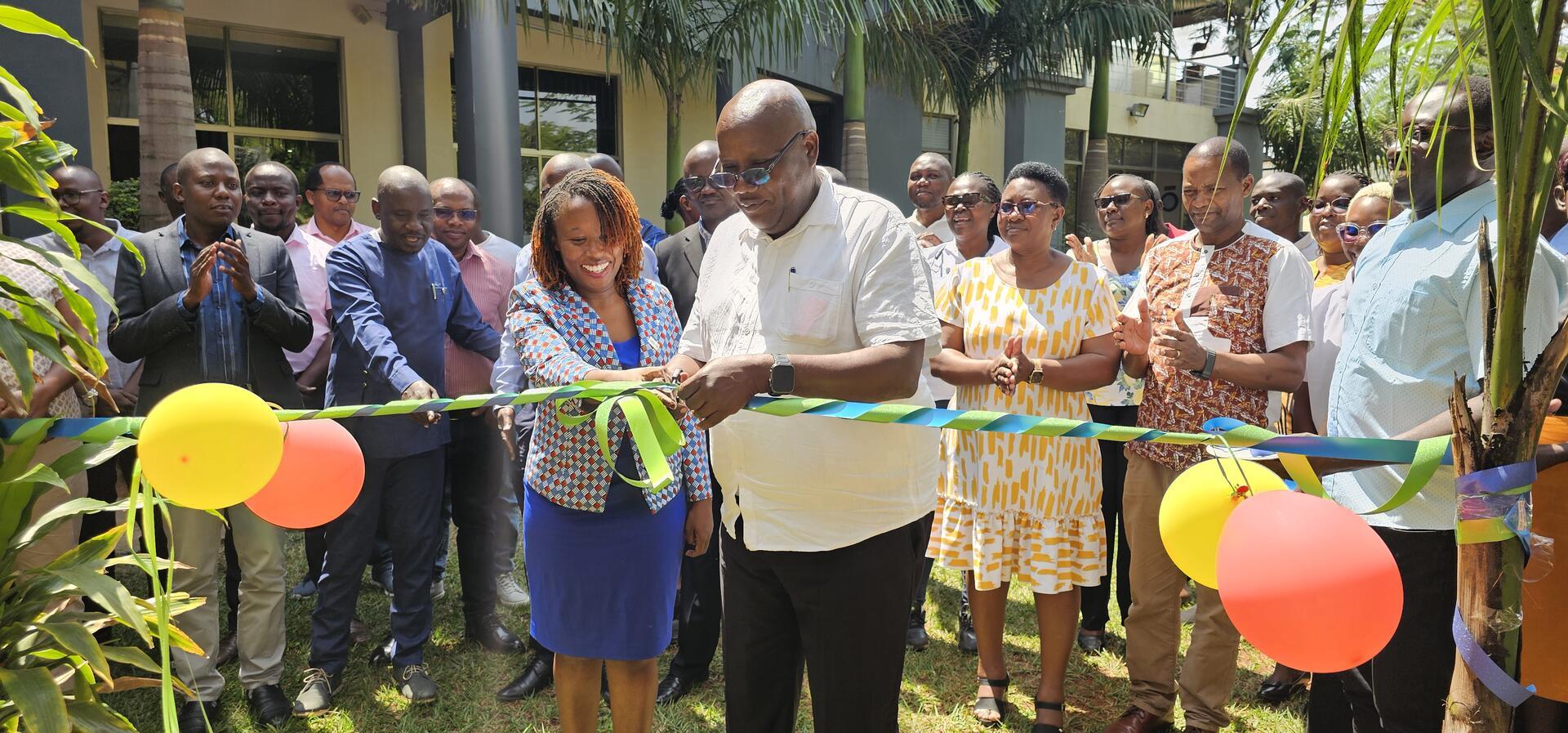
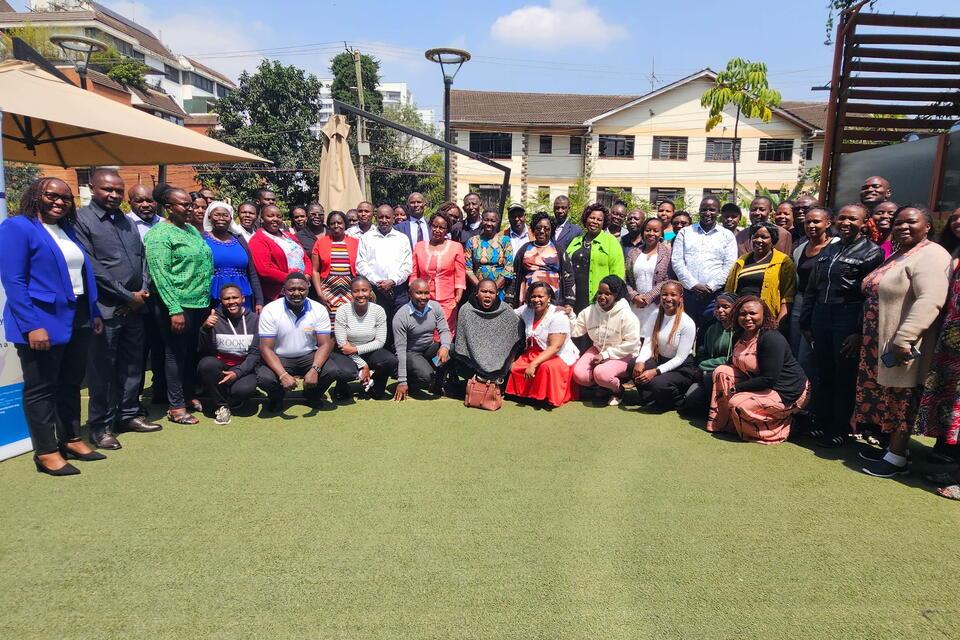
Kisumu CECM, Agriculture, Irrigation, Livestock Development, Fisheries and Blue Economy, Kenneth Onyango (right) and Dr Sylvia Nyawira, Scientist and Project Lead – Alliance of Bioversity International and CIAT, cut a ribbon to officially mark the project’s launch.
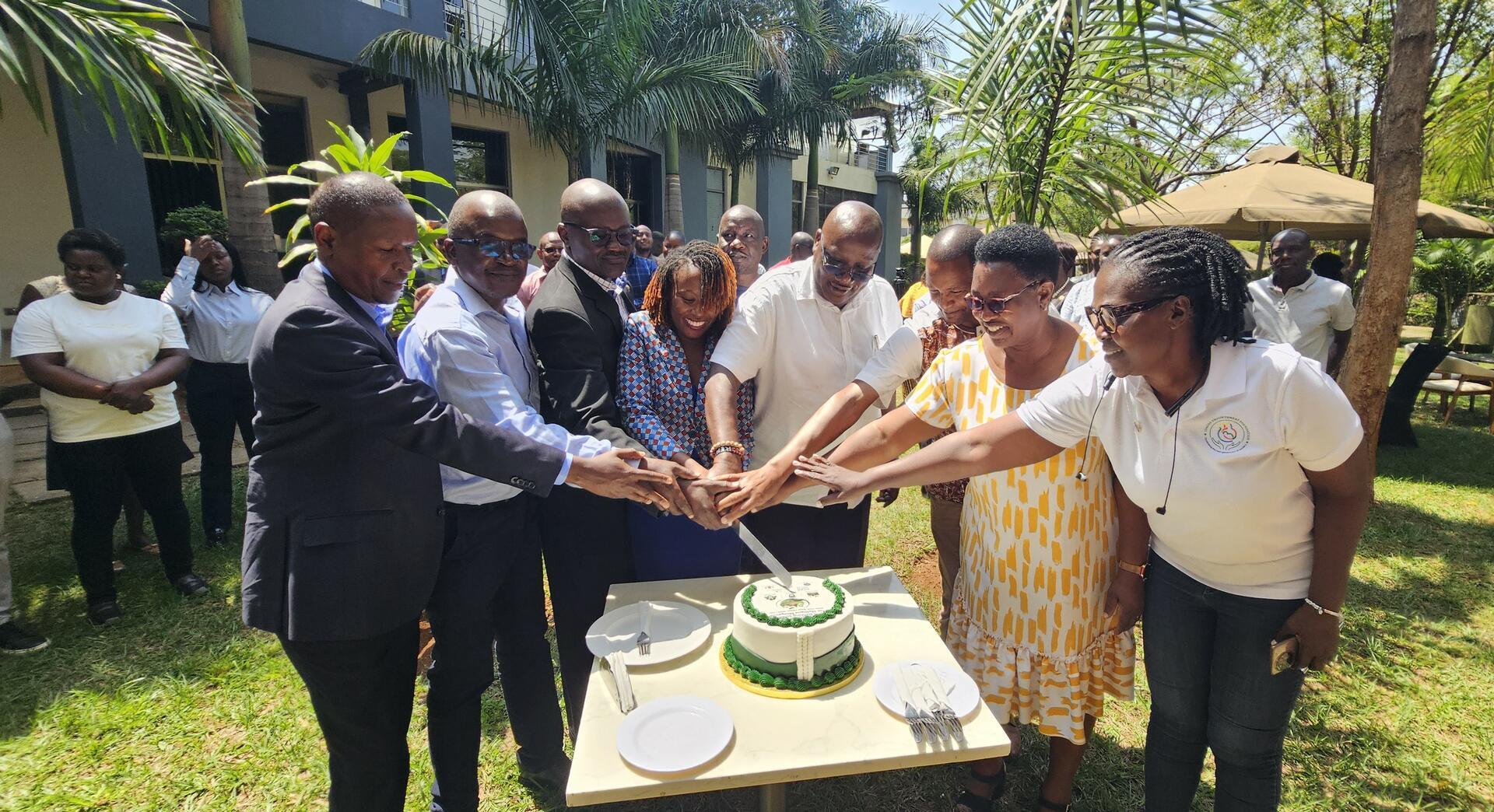
Strategic key partners cut cake during the project launch in Kisumu.
From food waste to climate action, improved nutrition
The project will examine where food losses occur, why they occur and where opportunities exist to recover food before it becomes waste. This evidence will help counties identify practical interventions and develop food banking models that are technically feasible, economically viable and capable of delivering measurable nutrition and climate benefits.
Also to be explored are the infrastructure and financing requirements. Food recovery requires appropriate systems for collection, food-safety screening, sorting, storage, transportation and redistribution.
Recovered food will be redirected to institutions and groups that face challenges accessing adequate and nutritious food, including Early Childhood Development and Education (ECDE) centers, schools, vulnerable households and community organizations. In Kenya, approximately 16% of children experience severe food poverty, while 47% live in moderate food poverty, meaning that more than six in ten children lack access to the diverse, nutrient-rich diets needed for healthy growth and development. – UNICEF.
The project will also pay attention to the nutritional quality of recovered food, recognizing that it should substantially contribute meaningfully to better diets and improved nutrition outcomes.
“This project is a model for regional and national scaling. Through the Council of Governors (COG), Kisumu is partnering with Vihiga and Siaya Counties to establish a standardized, multi-county food banking framework. The COG will serve as our vehicle to share policy insights, scaling this model to the remaining 44 counties of Kenya,” – Kenneth Onyango, CECM, Agriculture, Irrigation, Livestock Development, Fisheries and Blue Economy, County Government of Kisumu.
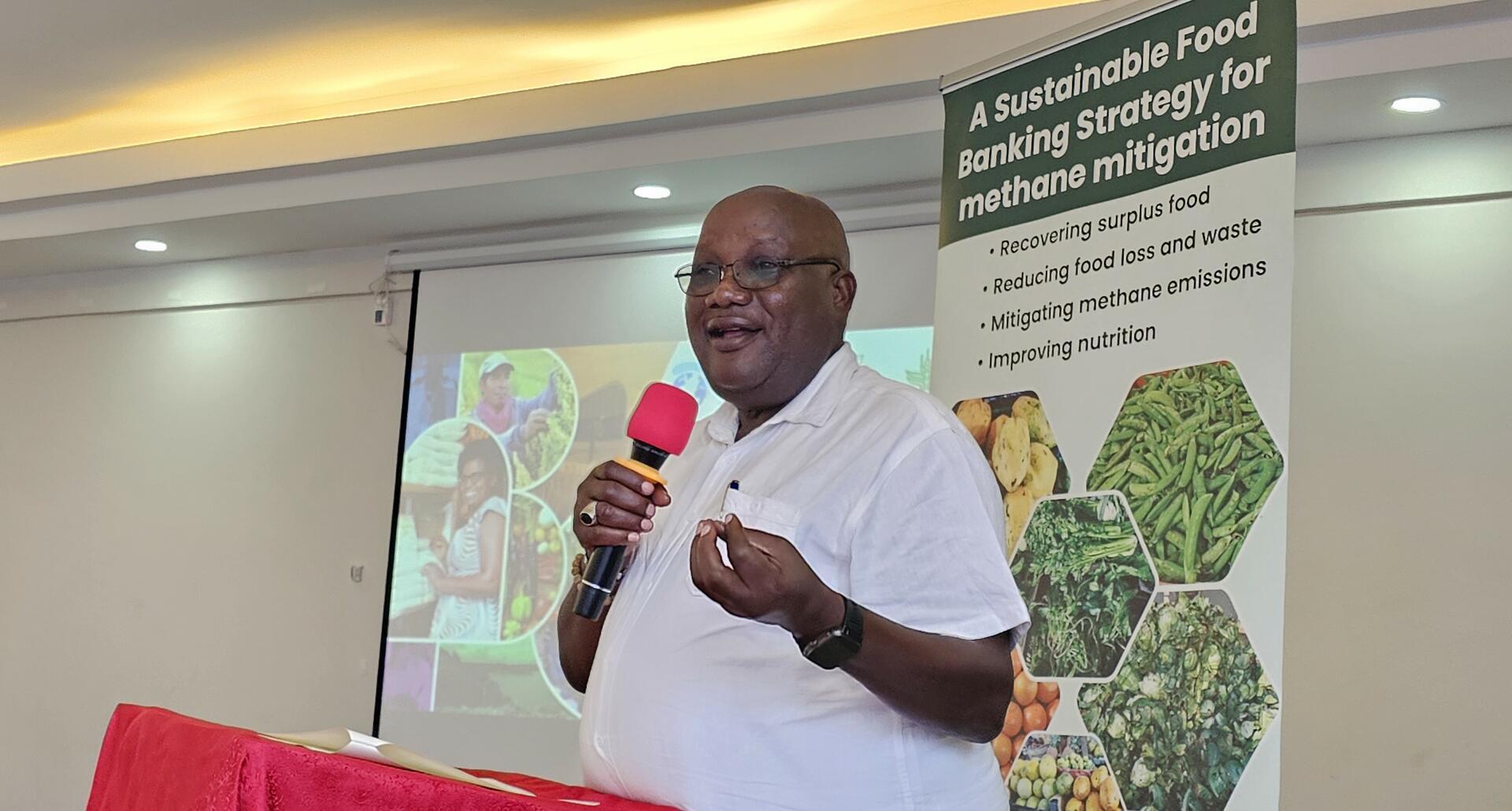
Kisumu CECM, Agriculture, Irrigation, Livestock Development, Fisheries and Blue Economy, Onyango,addresses participants during the project launch workshop
Creating opportunities for livelihoods and local enterprises
From collection and transportation to sorting, storage, processing, redistribution and other forms of value addition, food banking can generate opportunities for local enterprises and community organizations.
Angela Ahenda does not let bananas go to waste. Instead, she processes overripe bananas by making munchies that are great snacks especially for breakfast.
“Bananas are loaded with nutrients such as vitamins, potassium and dietary fiber, I therefore believe none should go to waste,” – Angele Ahenda, Founder Janeko Arts
At Pap Mbuta market in Kisumu, traders use different innovative ways to conserve fish through drying both whole fish and fish skin for consumption. “We also use scales for jewelry and ornaments, fish bone is processed while fish bone is processed to fish meal,” – Remjius Odhiambo, Secretary, Pap Mbuta Market.
The new project will specifically seek to ensure the meaningful participation of women and youth, who are important actors across food systems but often face barriers to accessing finance, markets, technology and decision-making spaces.
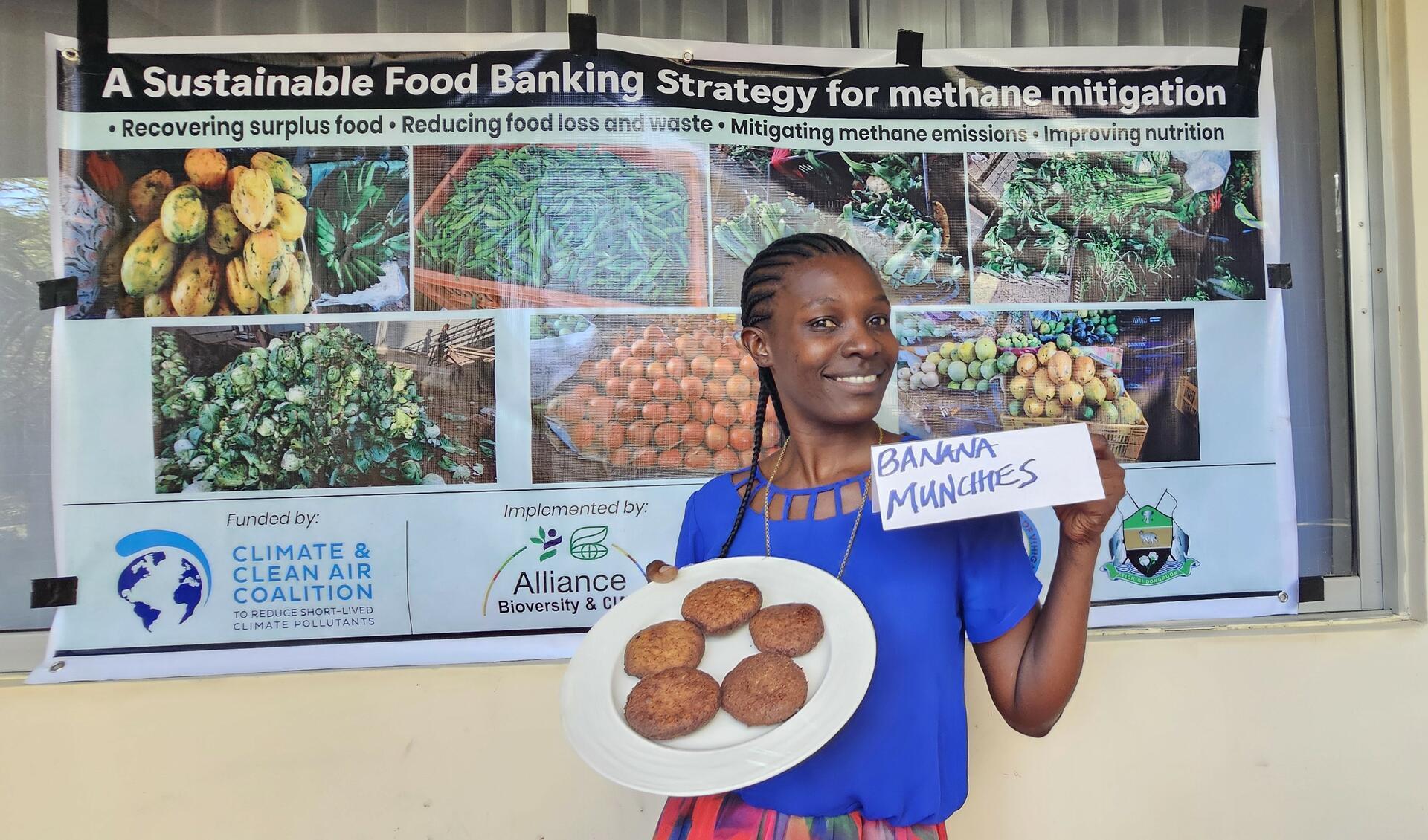
Angele Ahenda, Founder Janeko Arts showcases some banana munchins made from overripe bananas to curb waste and provide healthy and nutrition-rich snacks.
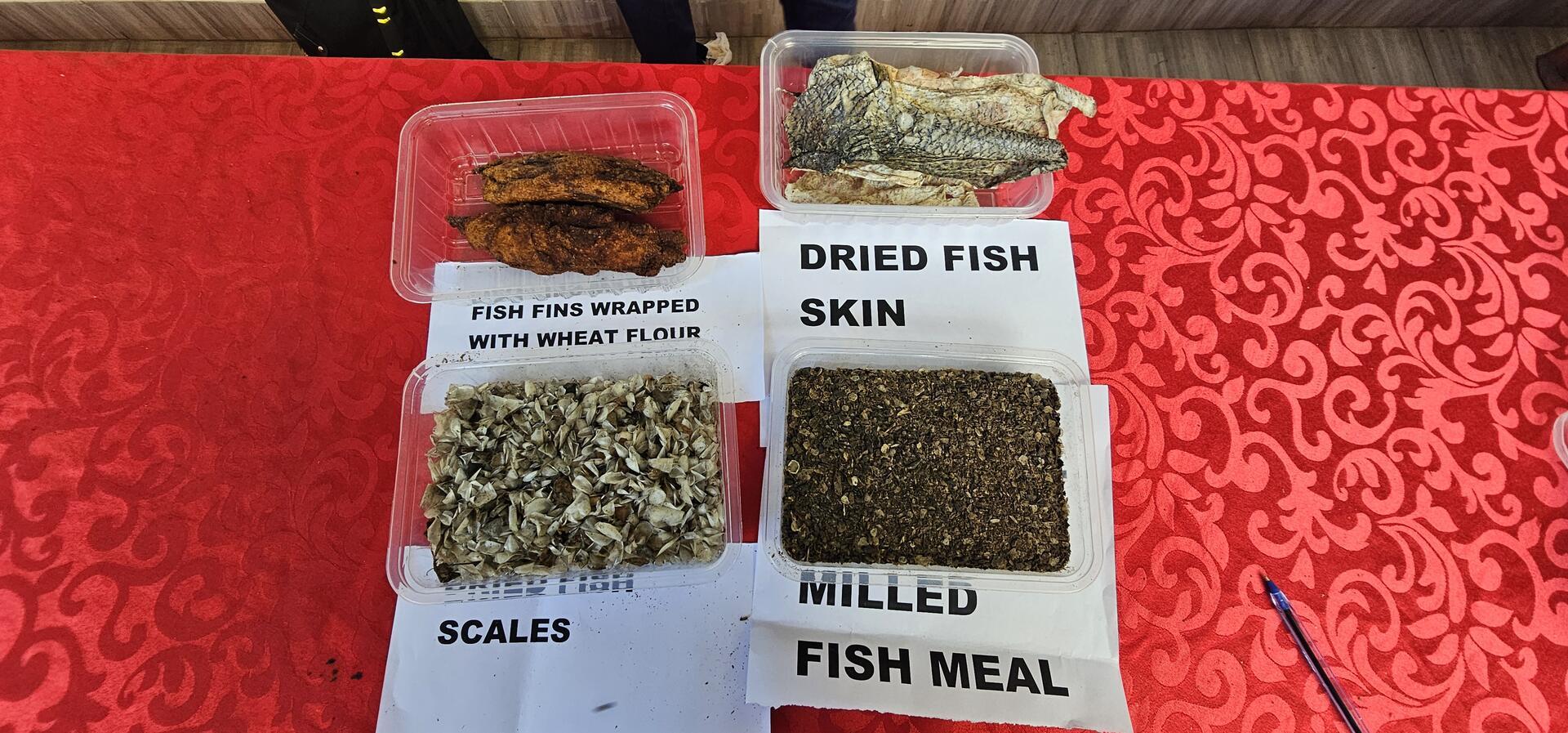
Some products made from rescued fish at Pap Mbuta Market.
From policy ambition to implementation
Kenya and many other countries have policies and climate commitments that recognize the importance of reducing waste and greenhouse gas emissions. However, implementation is often constrained by financing gaps, limited data, weak coordination, inadequate infrastructure and gaps between policy and action.
The new project will address some of these challenges by strengthening the evidence and enabling environment needed to move from ambition to implementation.
It will generate county-level baseline assessments, examine gender and behavioral dimensions, assess infrastructure needs, review relevant national and county policies and identify opportunities for methane mitigation.
The project aims to identify at least five priority food banking projects, develop detailed implementation plans and identify financing opportunities and potential financial partners.
It will also support efforts to harmonize regulations for food banking and organic waste management across the three counties and develop a roadmap for financing food recovery and organic waste projects.
Building local ownership
The project will also strengthen the capacity of stakeholders through training, workshops, webinars and knowledge exchange, generating lessons that can support replication beyond Kisumu, Vihiga and Siaya.
Additionally, the project will use a participatory co-design approach, involving county governments and other relevant stakeholders throughout the process. This approach recognizes that food systems differ from one county and community to another. Successful food banking models must therefore respond to local realities, markets, infrastructure, institutions and community needs.
“Food banking creates the bridge between what is available and what is needed, keeping nutritious food in the food system, creating opportunities for communities and reducing what ultimately ends up in landfills. This is how food rescue becomes both a social and climate solution.” – John Gathungu, Founder/Executive Director, Food Banking Kenya
This event in the media
The team

Sylvia Nyawira
Researcher
Christine Chege
Agri-Nutrition and Food Systems Scientist