Blog Turning surplus into sustenance: Using digital innovation to transform food banking

Food and nutrition insecurity remain critical challenges in low- and middle-income countries (LMICs) such as Kenya, where over 3 billion people cannot afford a healthy diet and one in five Africans are undernourished (SOFI, 2024).
These challenges are compounded by food loss and waste (FLW), with approximately one-third of global food production lost or wasted, contributing to food insecurity, economic losses, and environmental degradation, including greenhouse gas emissions.
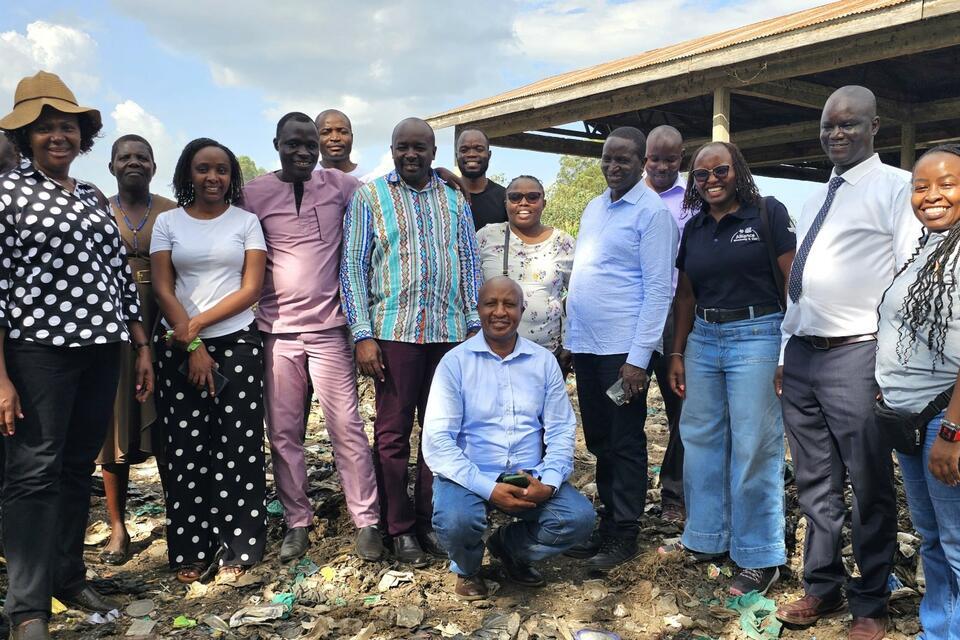
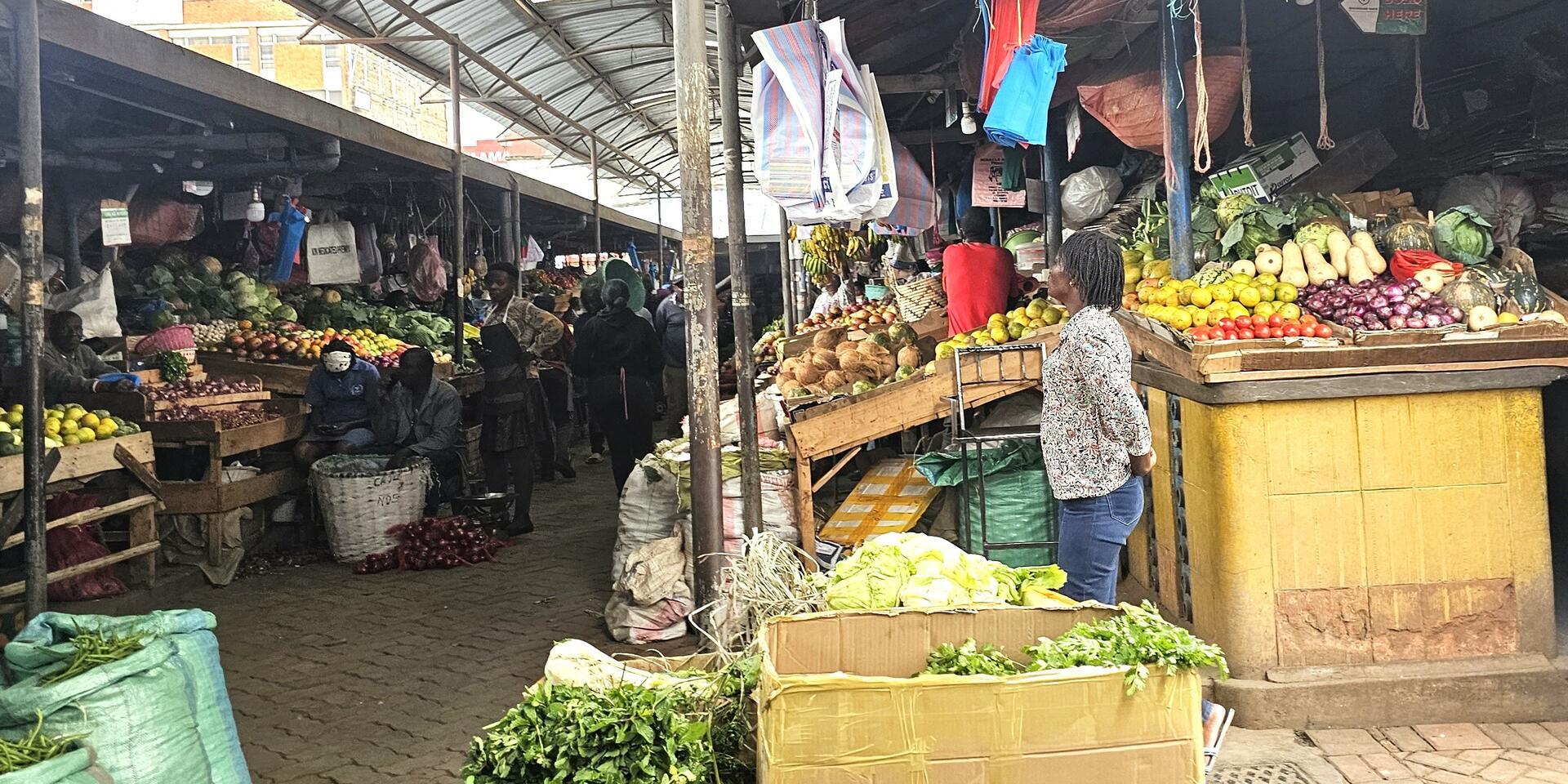
While millions of people struggle to access nutritious meals, tonnes of edible food are discarded every day across farms, markets, pack houses, processors and retail outlets. In Kenya's urban informal markets, an estimated 40–60% of fruits and vegetables are lost due to poor storage, inadequate infrastructure and inefficient supply chains. These are precisely the foods rich in essential vitamins and minerals needed to combat malnutrition.
What if this surplus food could be rescued before it goes to waste and delivered to those who need it most? Better still, what if digital technologies could make that process faster, smarter and more effective?
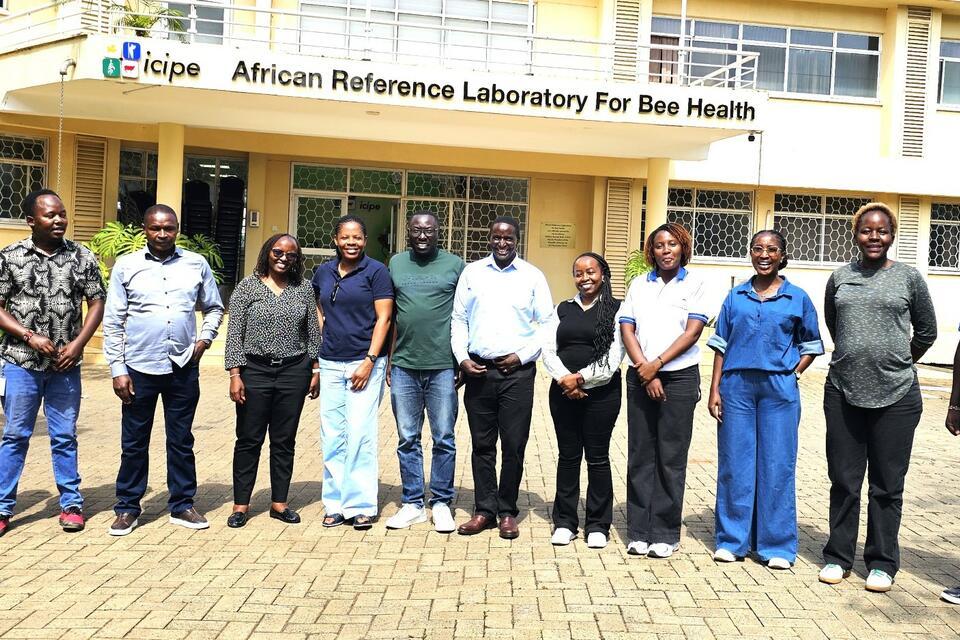
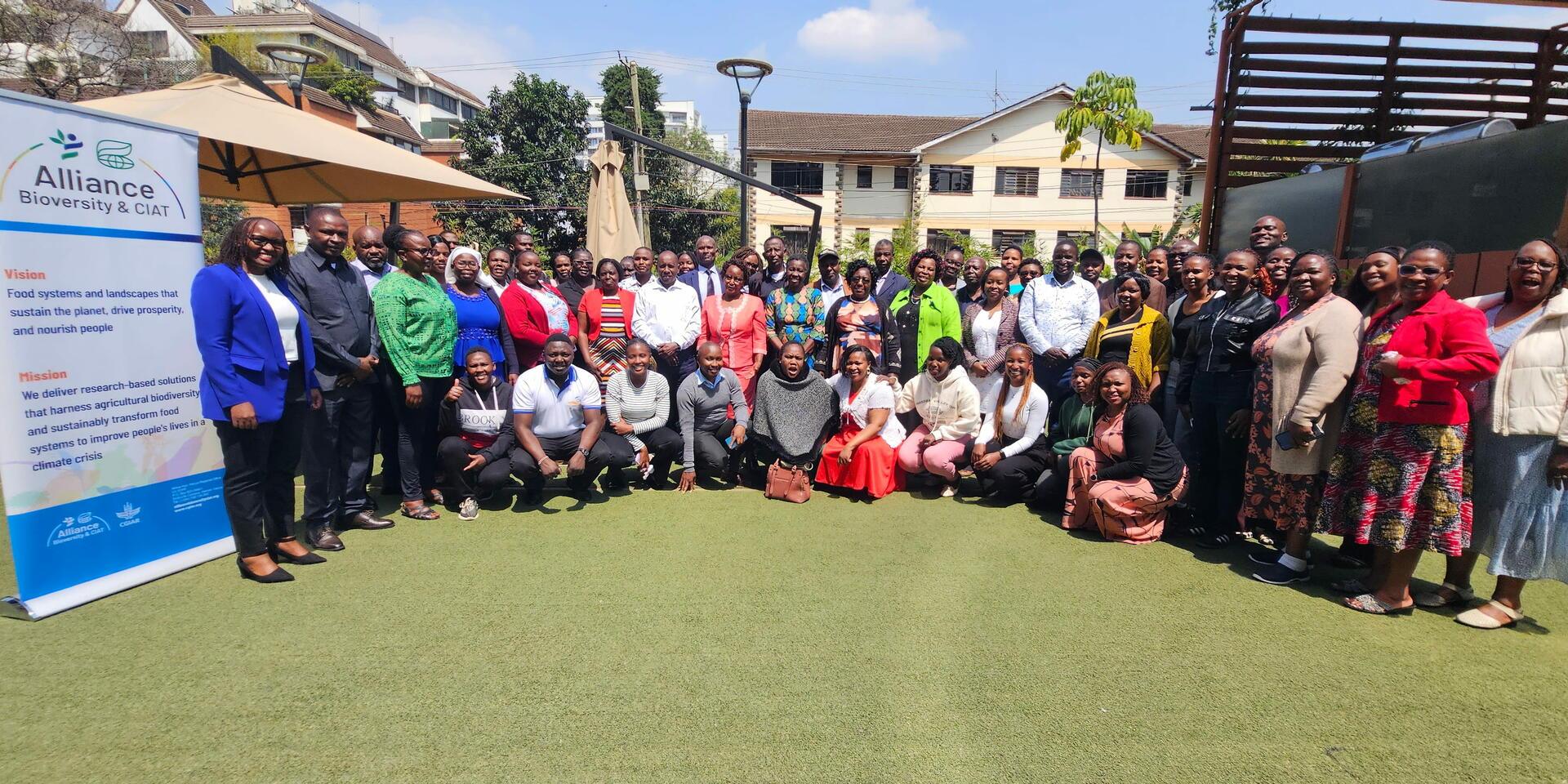
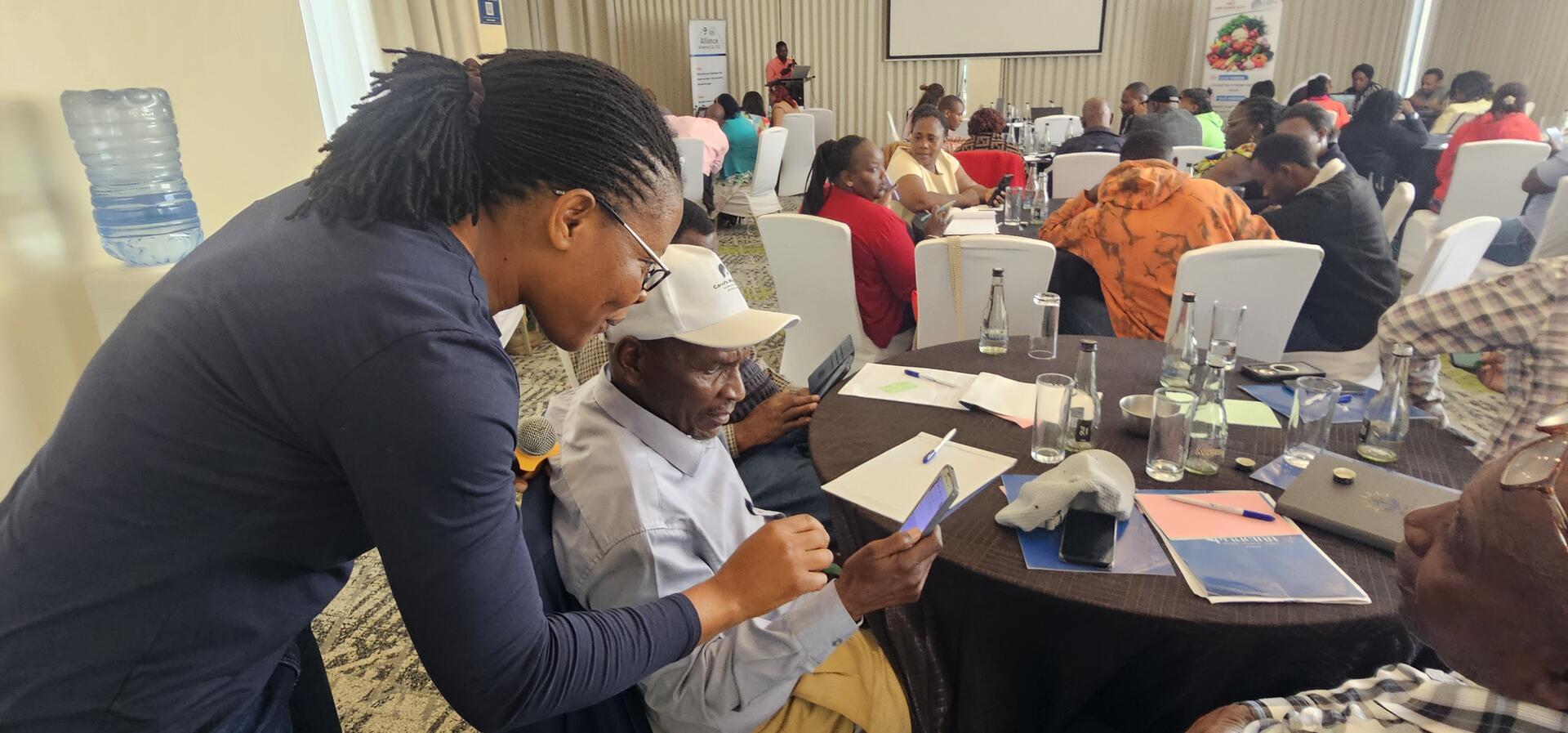
These are the questions driving a new collaboration between the Alliance of Bioversity International and CIAT and Food Banking Kenya (FBK). The Alliance, in partnership with FBK, recently convened a workshop for beneficiary institutions under the theme, "Use of Digital Tools to Enable Food Rescue from Informal Markets, Pack Houses, and Producers, Reducing Emissions and Improving Diets and Food Security among Vulnerable Consumers in Kenya." The workshop brought together representatives from Food Banking Kenya, beneficiary institutions, and researchers from the Alliance to strengthen the capacity of receiving institutions to use digital tools for food rescue and distribution.
Generating evidence, strengthening food banking
Jointly, the partners are piloting an innovative digital approach that not only rescues surplus food but also generates evidence on its contribution to nutrition, food security and environmental sustainability.
“We are not conducting this research solely for the benefit of FBK. Its findings will generate valuable evidence to strengthen food banking initiatives across Africa and beyond. By providing accurate, reliable, and scientifically validated data, the research will not only inform and improve food rescue practices but also build confidence among existing and potential partners. Furthermore, the evidence generated will serve as a credible reference for emerging food banks, supporting their establishment, growth, and adoption of effective, evidence-based approaches to reducing food loss and improving food security,” – Dr. Christine Chege, Senior Scientist, Alliance of Bioversity International and CIAT.
Beyond saving food
Food Banking Kenya has been at the forefront of recovering safe, nutritious surplus food from producers, wholesalers, pack houses, retailers and informal markets before it ends up as waste. The food is then redistributed to schools, children's homes, rescue centres and organizations serving vulnerable communities. Through its Foodiverse digital platform, food donations are matched with recipient institutions in real time, improving coordination while reducing unnecessary storage and transportation.
This work helps vulnerable populations access nutritious foods, reduces greenhouse gas emissions associated with food waste and supports a more circular food system where edible food is consumed rather than discarded.
“Last year, we rescued more than 1 million kilograms of food, which was distributed to children's homes, schools, rehabilitation centers, homes for the elderly, and other vulnerable communities. While these efforts have enabled us to provide food to thousands of beneficiaries over the years, it is equally important to understand the nutritional impact that the rescued food has on its recipients. Assessing this impact will provide valuable evidence on how food rescue contributes not only to reducing hunger but also to improving nutrition and overall well-being,” – John Gathungu, Executive Director, Food Banking Kenya.
Using digital tools to measure nutrition
Traditionally, food rescue programmes have measured success by the quantity of food recovered or the amount of waste prevented. While these are important indicators, they tell only part of the story.
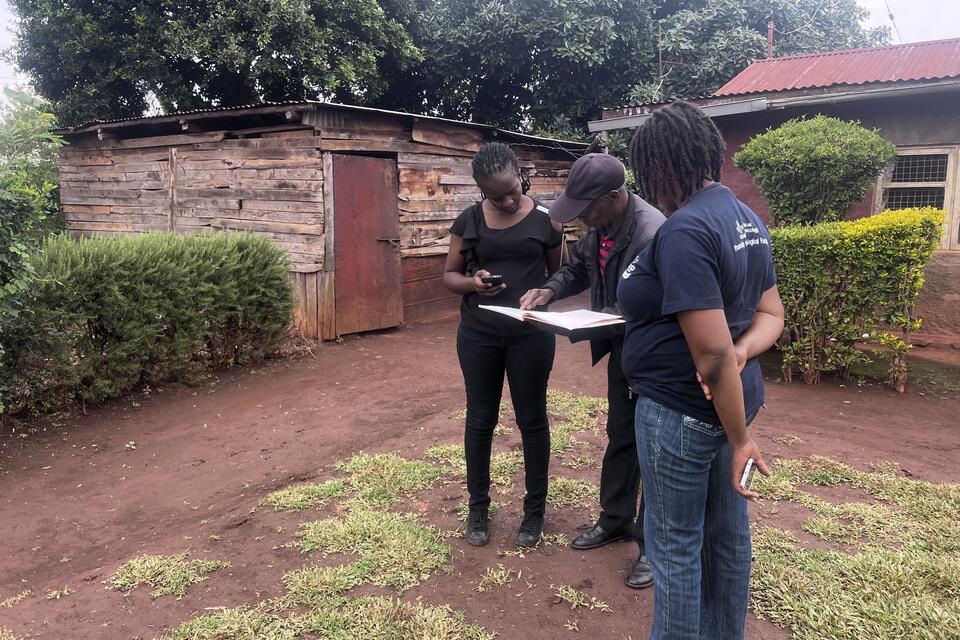
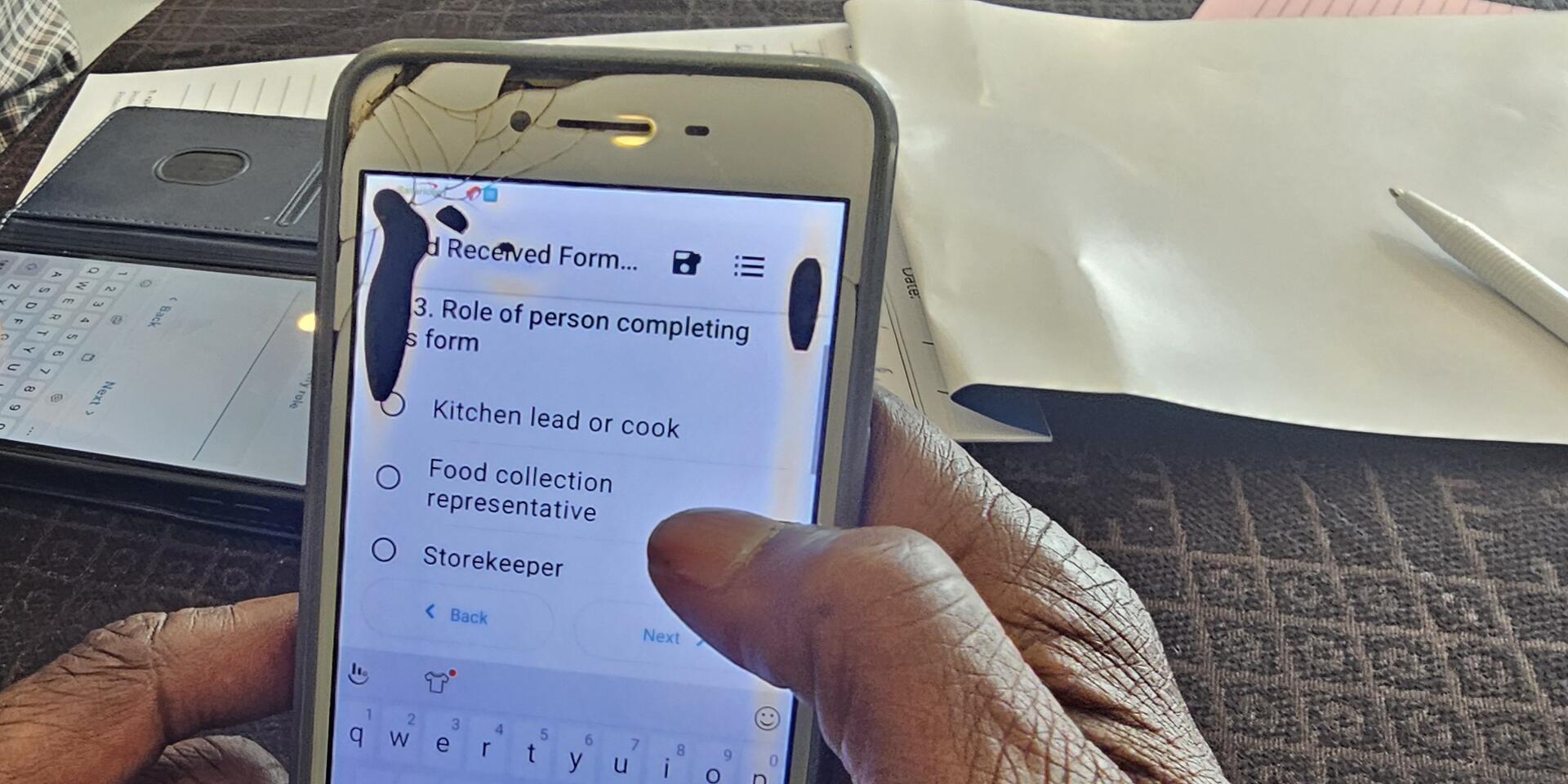
The Alliance-FBK pilot is introducing nutrition-sensitive digital monitoring. Instead of simply recording the amount of food donated, the project will capture detailed information on the specific food items received by beneficiary institutions, how the food is utilised, what portion is consumed, redistributed or disposed, and how donated food complements food purchased from other sources.
Using digital data collection tools and automated analysis, researchers will estimate the nutrients recovered through rescued foods, including Vitamin A, iron, zinc, calcium and energy. The system will also assess dietary diversity, food group contributions and seasonal variations in food donations.
This evidence will provide a much clearer understanding of how food rescue contributes to healthier diets among vulnerable populations.
“One key observation we have made is a noticeable reduction in cases of illness among our students since we began providing meals sourced through FBK. We believe this improvement is linked to stronger immunity resulting from better nutrition. However, we are currently unable to determine which specific foods or nutrients are contributing to these health outcomes. Understanding this relationship would provide valuable insights into the nutritional impact of rescued food and help optimize future food assistance programmes." – Ruth Ndirangu, Manager, Waithaka Special School
Better data for better decisions
Additionally, the pilot will examine the economic value of food donations by estimating how much beneficiary institutions save through rescued food. It will explore seasonal trends in food availability, identify food safety considerations and gather insights into how institutions manage and plan their food supplies.
Importantly, the project focuses on collecting a practical set of high-value data that can eventually be integrated into Food Banking Kenya's existing digital platforms.
Building stronger food systems
By demonstrating the nutritional value of rescued food, the project will strengthen the evidence base for food banking as an effective intervention for improving diets, reducing food loss and waste, lowering greenhouse gas emissions and enhancing food security. It will also help governments, development partners and donors make more informed decisions on investing in nutrition-sensitive food rescue programmes.
The pilot is expected to produce:
- digital monitoring tools
- nutrition-sensitive indicators
- policy briefs
- scientific publications
- practical guidance
All these can be adapted by FBK, the Global FoodBanking Network and other organizations working to reduce food loss while improving nutrition.
A future where no good food goes to waste
Every basket of rescued fruits, vegetables and other nutritious foods represents healthier communities, reduced environmental impact and a future where technology helps ensure that good food nourishes people instead of ending up in landfill.
The Alliance team

Christine Chege
Agri-Nutrition and Food Systems Scientist
Rosina Wanyama
Scientist - Food Environment and Consumer Behavior