Blog Beyond the protein obsession: Building sustainable food systems for people and planet

Protein has become the focus of countless conversations about health and sustainability. But the real challenge is not choosing between plant- or animal-based protein. It is building food systems that deliver diverse, nutritious diets while protecting biodiversity, supporting farmers and staying within planetary boundaries.
Protein matters. But healthy and sustainable diets matter more
Protein has become the nutrient of our moment. Few nutrients have achieved celebrity status quite like protein. From supermarket shelves to social media feeds, protein has become synonymous with health, fitness and increasing sustainability. Yet our growing obsession with protein risks distracting us from a more important question: how do we build food systems that nourish both people and planet?
At the Alliance of Bioversity International and CIAT, we work at the intersection of agriculture, biodiversity and nutrition. From that perspective, protein is not something we look at in isolation. We look at whether food systems can provide healthy diets while supporting livelihoods, restoring ecosystems and building resilience.
The challenge is not simply producing more protein or less protein. It is ensuring access to diverse, nutritious and sustainable diets.
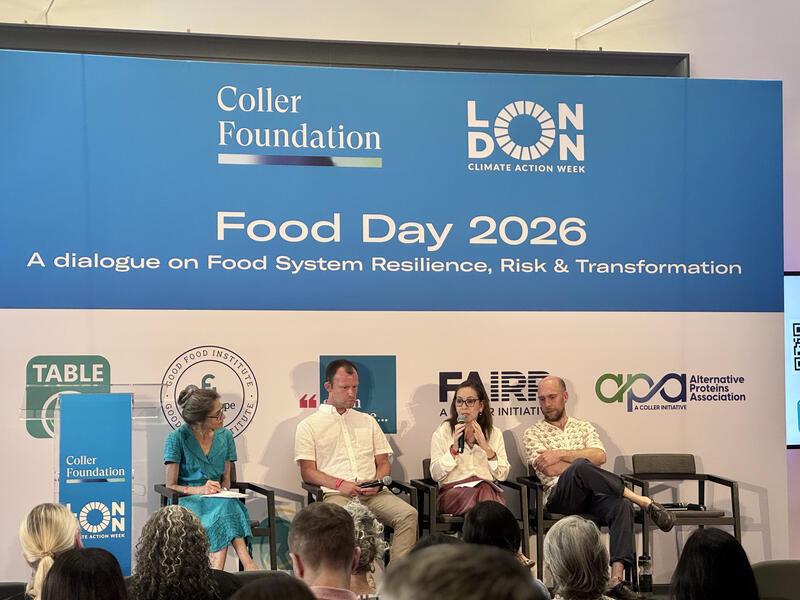
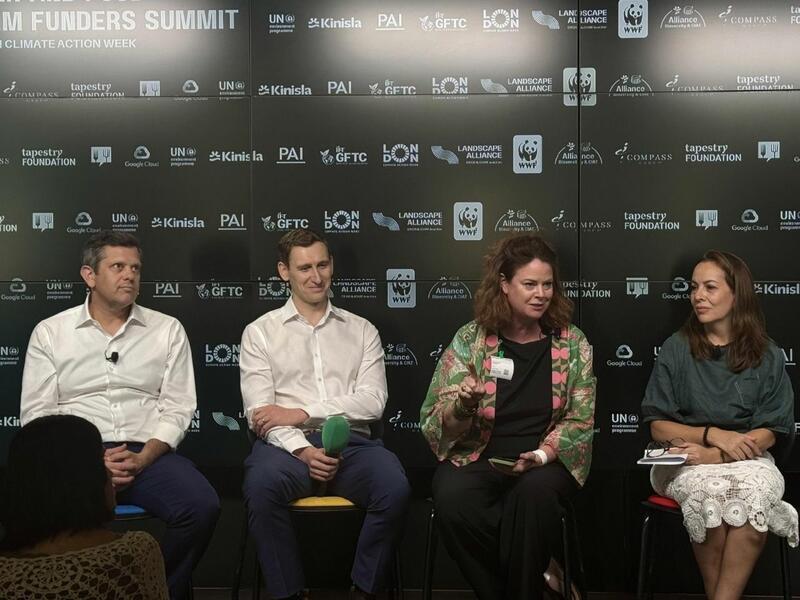

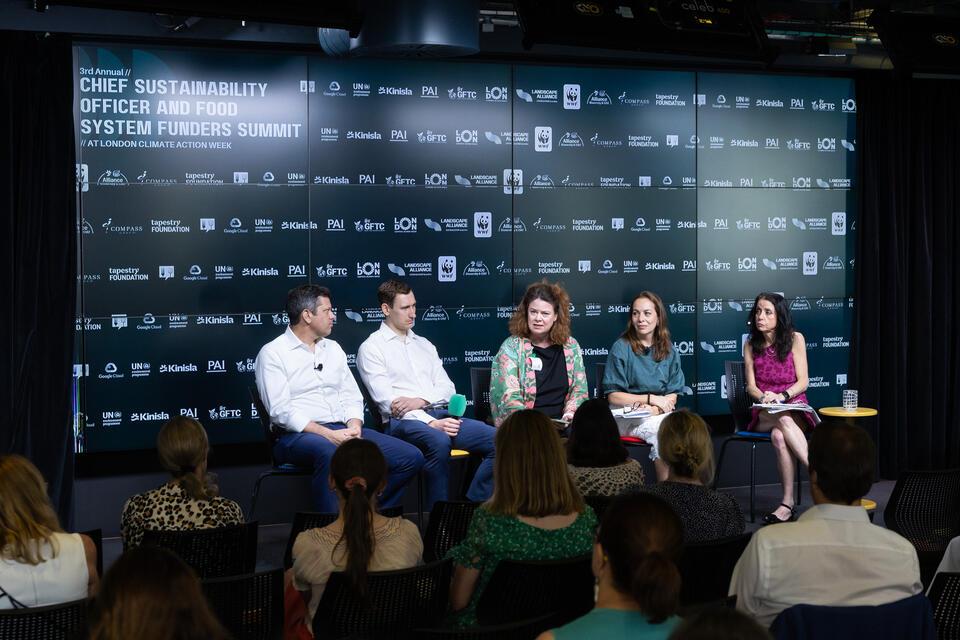
At London Climate Action Week, we discussed the global focus on protein and why it often overlooks the bigger challenge. Rather than framing the conversation around plant versus animal protein, we explored how to build diverse, resilient and nutritious food systems that support people, protect biodiversity and stay within planetary boundaries.
There is no single global protein problem
Too often, the protein debate assumes there is one global challenge and one global solution. The reality is very different.
Today, 673 million people still experience hunger, more than 2.6 billion people cannot afford a healthy diet, and approximately one-third of women between 15 and 49 globally are anemic. At the same time, overweight and obesity continue to rise in many parts of the world.
The most important questions are therefore not simply how much protein people need. They are: protein for whom, under what circumstances, produced how, and at what environmental cost?
For some populations, improving access to high-quality protein and micronutrient-rich foods remains essential. For others, the challenge is shifting toward more balanced and sustainable consumption patterns. Context matters.
Biodiversity expands choices
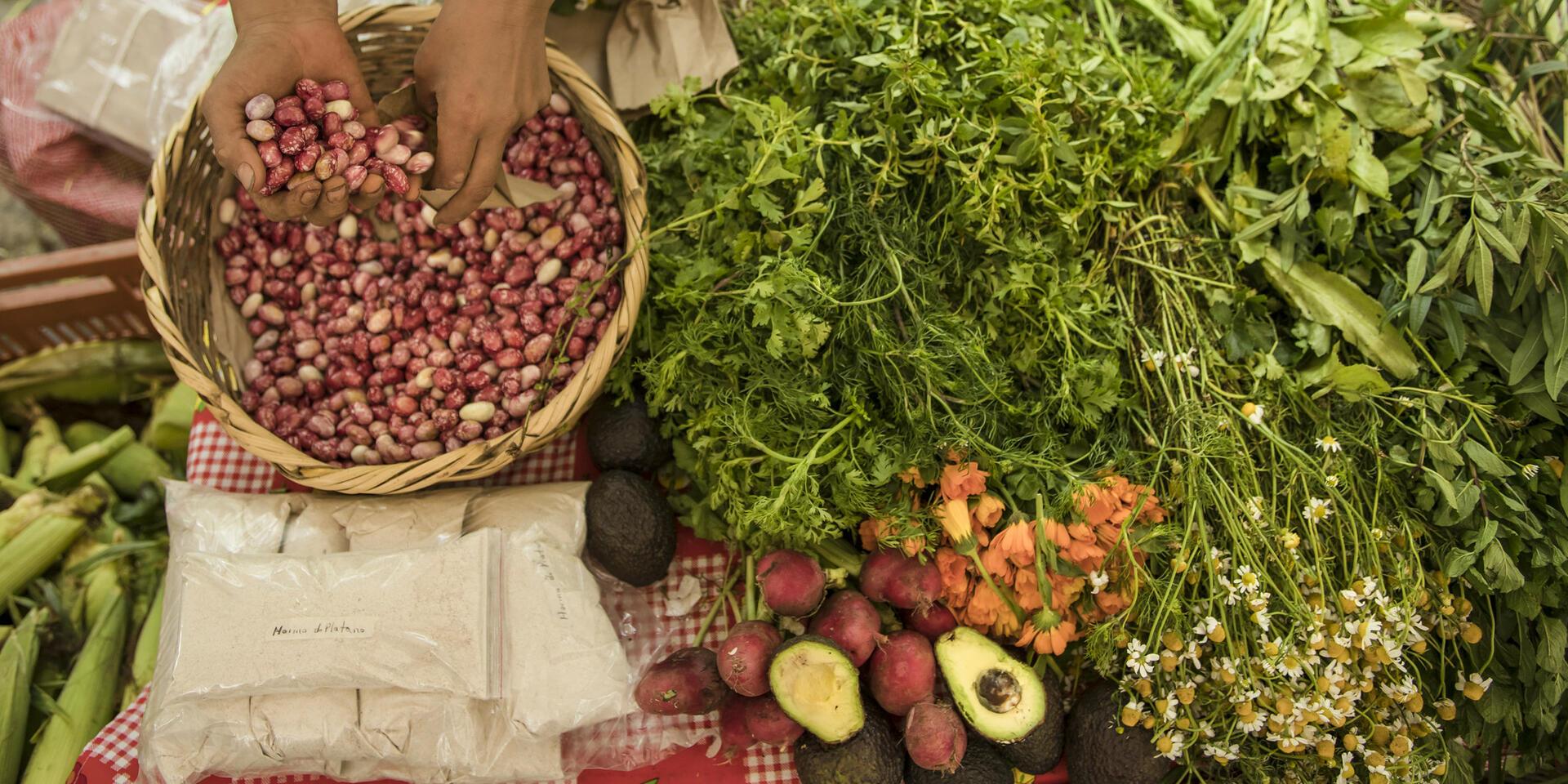
The protein debate is often framed as a choice between plant and animal sources. Biodiversity offers a more useful perspective.
Rather than asking which protein source should win, we should ask how to diversify protein sources in ways that improve nutrition, resilience and environmental outcomes simultaneously.
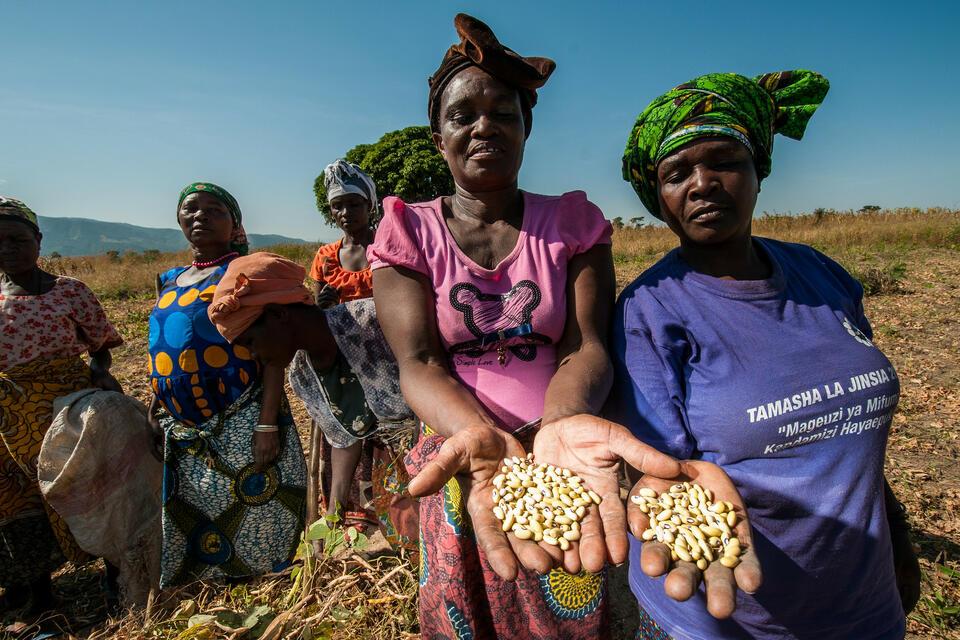
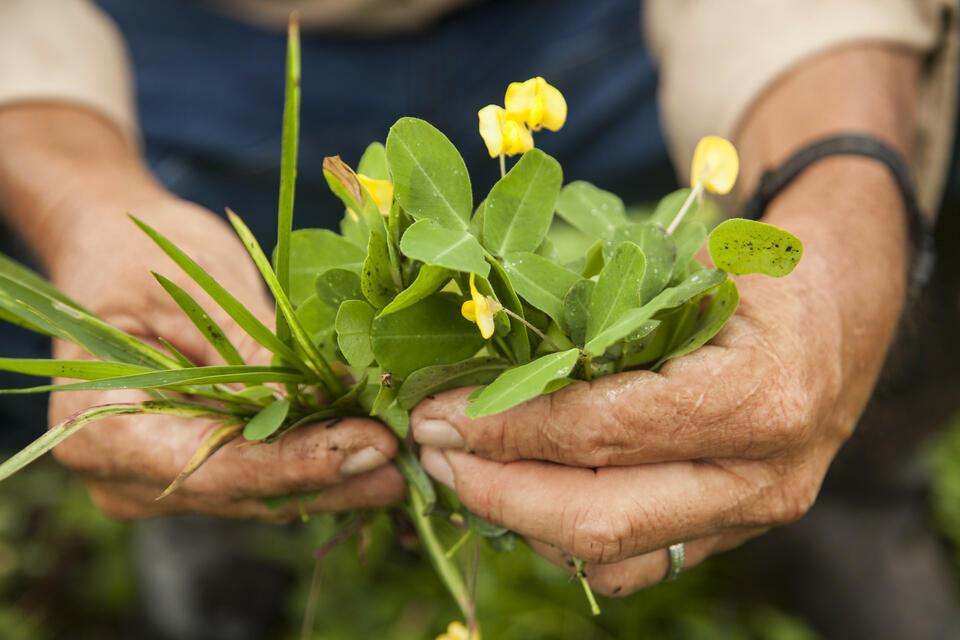
Pulses are a powerful example. They provide protein, fiber, iron and zinc while improving soil health through natural nitrogen fixation.
Through the Pan-Africa Bean Research Alliance (PABRA), coordinated by the Alliance, more than 650 improved bean varieties have been released across Africa, benefiting approximately 37 million farming households. Biofortified beans are helping improve nutrition for millions of people while creating opportunities for farmers and strengthening resilience to climate shocks.
Biodiversity is not simply a conservation objective. It is a nutrition strategy, a resilience strategy and a climate strategy.
PABRA Impact
Improved bean varieties
Have been released across Africa.
Farming households
Beneficiaries of improved beans varieties.
Sustainable protein also depends on how food is produced
Discussions about protein often focus on consumption while paying less attention to production systems. At the Alliance, our work on tropical forages demonstrates how improved livestock feed systems can simultaneously increase productivity, restore degraded lands, enhance soil health and reduce greenhouse gas emissions intensity.
The experience of Hacienda San José in Colombia illustrates this potential. Through improved tropical forages, rotational grazing and science based management practices, the farm transformed 8,800 hectares of degraded land into a productive and climate positive livestock system.
Productivity increased seventeen fold, emissions intensity fell by 44 percent, and soils now store more carbon than the system emits. The future of sustainable food systems is not simply about producing less. In many cases, it is about producing better.
Transformation requires partnership
No single actor can deliver the food systems transformation we need.
Governments, researchers, farmers, civil society organizations, businesses, investors and local communities all have a role to play in building food systems that are productive, resilient and sustainable. Science provides evidence, but transformation happens when that evidence is translated into policy, investment and action.
As we mark the International Year of Women Farmers, it is also important to recognize that women are central to this transformation. Across the world, women farmers play critical roles in food production, nutrition, biodiversity management and community resilience, yet they continue to face significant barriers to resources, opportunities and decision making.
Building sustainable food systems requires ensuring that women are not only included in the conversation but empowered as leaders of change.
Looking beyond protein
Perhaps the most important lesson from today's protein debate is that people do not consume nutrients in isolation. They eat foods, meals, traditions and cultures.
The future is not about identifying a single "best" protein source. It is about building diverse, balanced and context-specific food systems that improve nutrition, support livelihoods, strengthen resilience and operate within planetary boundaries.
Because healthy diets begin with healthy ecosystems. And biodiversity is what connects the two.