Blog Op-ed: Scaling nature finance for sustainable food systems: From capital convergence for aligned impact


In the global push to finance and scale nature-positive transitions in food systems, the conversation often revolves around capital, who pays for it and who receives it. But the real challenge goes deeper. Mobilizing funds is fundamental, but it's not the only part of the equation. What matters just as much is ensuring that finance is aligned with national priorities, accessible to those who need it most, and accountable for delivering real impact. At the Alliance of Bioversity International and CIAT and the CGIAR Sustainable Finance Hub (ImpactSF), we believe that scaling nature finance requires a holistic approach, one rooted in alignment, access, and accountability.
At the Alliance and the ImpactSF, we believe that scaling nature finance requires a holistic approach, one rooted in alignment, access, and accountability.
Transforming food systems is one of the most powerful ways we can achieve the goals of the Kunming-Montreal Global Biodiversity Framework, the Paris Agreement, the UAE Declaration on Sustainable Agriculture, Resilient Food Systems and Climate Action, and the Sustainable Development Goals (SDGs). Yet, to realize this transformation, we need to finance it intelligently, inclusively, and at scale.
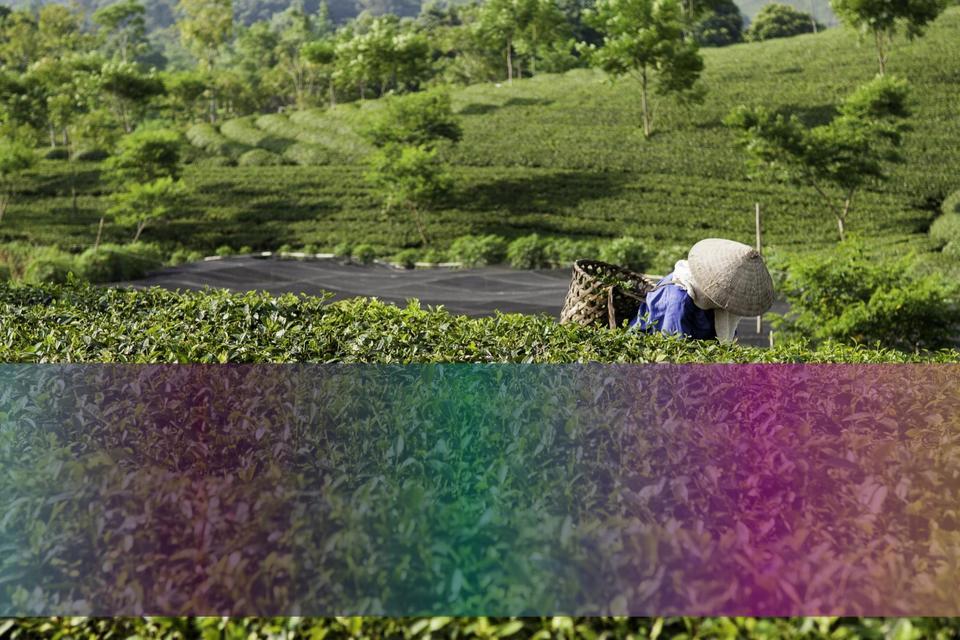
Despite growing recognition of this urgency, food systems still receive a disproportionately small share of climate and biodiversity finance—less than 3% by most estimates. Capital is lagging, yet the need to transform how we produce, process, consume, and manage food waste is more pressing than ever. This transformation isn’t optional; it’s imperative.
Achieving it requires more than shifting agricultural practices at the production level. It demands prioritizing our future and rethinking how we consume food, and how we must finance nature and agriculture development, ensuring that investments flow in ways that are environmentally sustainable, economically viable, and socially inclusive.
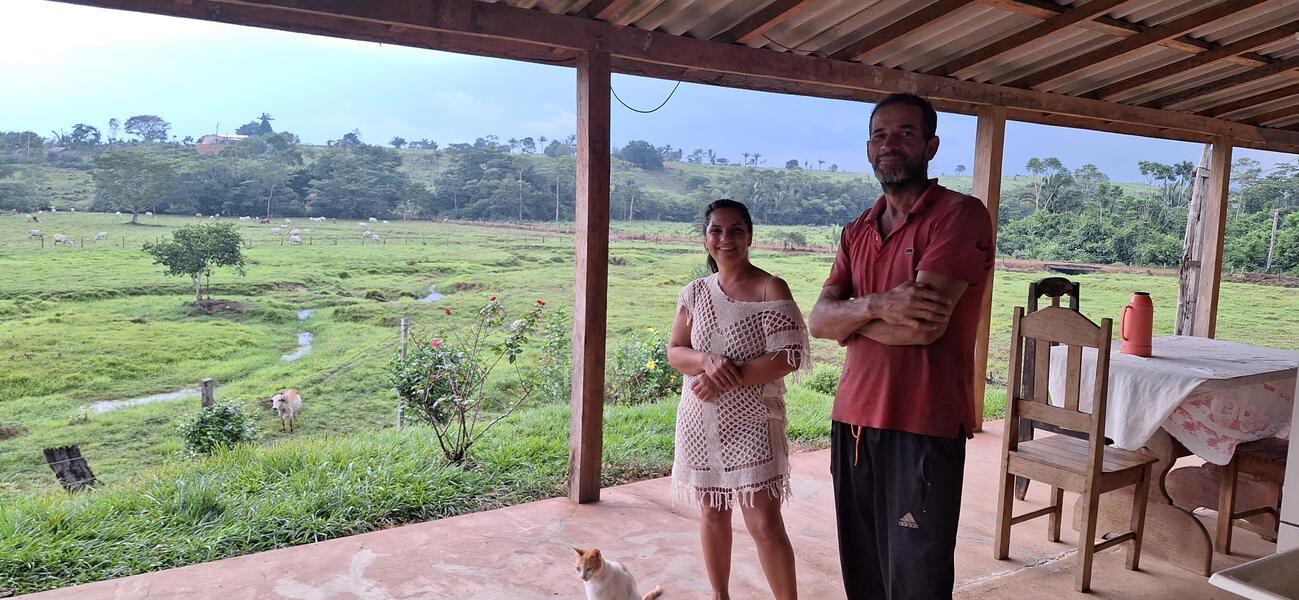
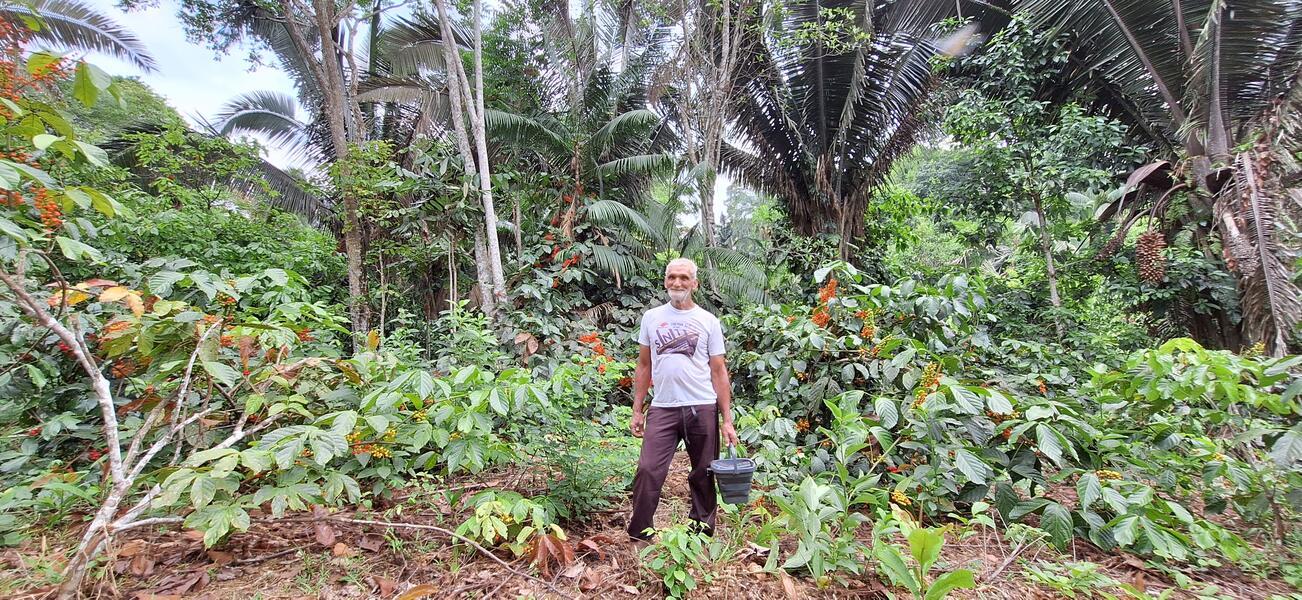
At the Alliance and ImpactSF, we argue that scaling finance for food systems must go beyond unlocking capital. We must build resilient financial ecosystems and co-design integrated solutions that support farmers, agri-SMEs, and engage multiple stakeholders to transition toward sustainability. Despite agriculture’s crucial role in food security and livelihoods, small-scale farmers and agri-SMEs in developing countries receive just 1.7% of climate finance. This doesn’t begin to compensate for the value of biocultural knowledge and ecosystem services that traditional communities and sustainable farmers protect. According to several influential studies, the aggregated global value of ecosystem services, basically the benefits people obtain from nature such as clean air, water, pollination, and climate regulation, has been estimated at around $125 trillion per year, while likely an underestimated value, it still exceeds global GDP. The point is that it is a good bet to invest in nature.
This disparity is rooted in several systemic issues. One of them is how climate, biodiversity, and agriculture funds are structured and fragmented. These funding streams are often designed and deployed in silos, resulting in inefficiencies and missed opportunities for integrated, landscape-level approaches.
Yet this fragmentation is also a call to action. In the face of accelerating degradation of our planet’s socioecological systems, and building on growing scientific consensus, we now recognize the deep interconnections between climate, biodiversity, and food systems. This understanding demands integrated solutions that generate multiple, synergistic benefits. By adopting more coordinated and strategic approaches to financing, we can better align public and private investments. A crucial first step is to triangulate and embed nature finance and food systems transformation initiatives into national climate and biodiversity strategies such as National Biodiversity Strategies and Action Plans (NBSAPs), National Adaptation Plans (NAPs), and relevant sectoral development plans. This integration can promote policy coherence, unlock fiscal incentives, and catalyze risk-sharing mechanisms, including guarantees, first-loss capital, and tax incentives to mobilize private investment.
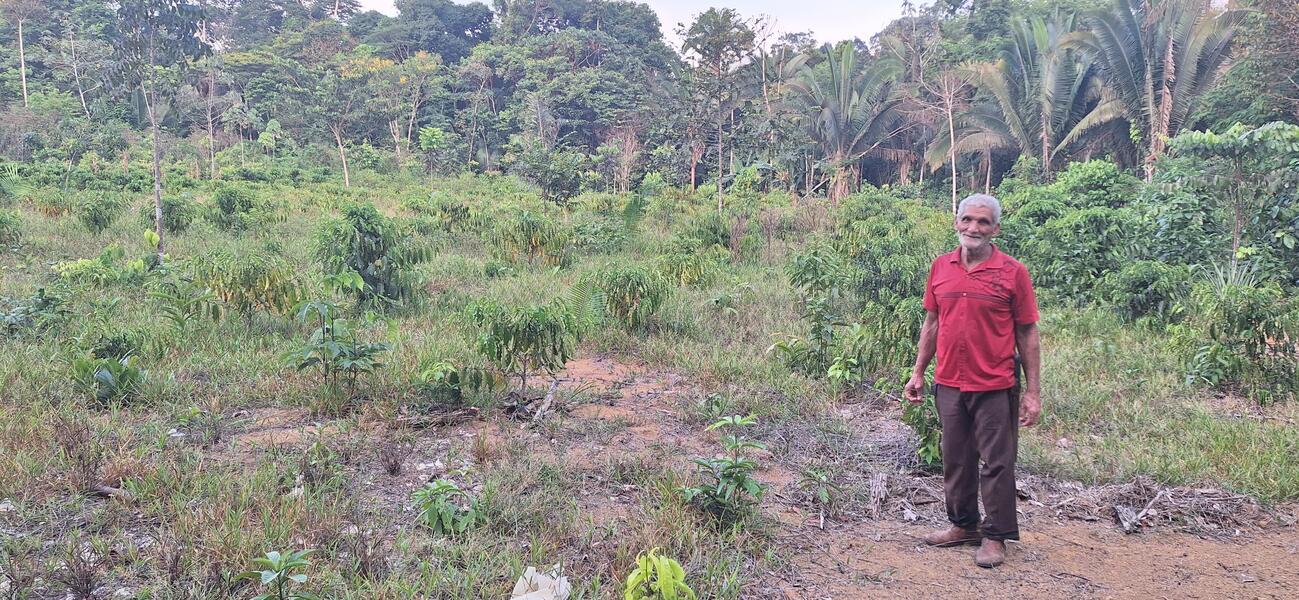

Integrated landscape approaches, anchored in participatory governance and policy coherence, create the enabling conditions needed to scale sustainable finance. However, to move beyond the siloed structures of climate, biodiversity and agriculture funding, sustainable finance initiatives must be deliberately designed for integration. While the now mainstream Environmental, Social, and Governance (ESG) frameworks offer valuable sustainability criteria for investment due diligence, they are not sufficient to assess real-world environmental and social outcomes. ESG scores, particularly at the pre-investment stage, can obscure potential negative impacts on climate and nature. To ensure that sustainable finance vehicles support nature-positive food system initiatives, and align with both national and international environmental and development goals, impact data must be evidence-based and clearly mapped across project, portfolio, and national target levels.
As global research-for-development institutions, the Alliance and ImpactSF are trusted technical partners to governments, financial institutions, and producers of all sizes. The Alliance brings deep expertise in science-based approaches to sustainable food production, combined with extensive, on-the-ground experience across the Global South. Together, we are uniquely positioned to co-design solutions that bridge the gap between science and finance, and between policy and practice.
Scaling nature finance isn’t just about money, it’s about coherence, credibility, and why not, courage. It starts with making food systems not only more sustainable, but also more investable.