Blog Municipalities Learning from Their Food Systems: Progress of the PROINORTE Project in Honduras

How is food produced, distributed, purchased, and consumed in a municipality? What challenges do families face in accessing healthier diets? What information do local authorities need to plan more effectively and overcome food-related challenges?
These questions guided a process launched in Honduras by the Ministry of Agriculture and Livestock (SAG), through the Project for the Economic and Social Inclusion of Small-Scale Rural Producers in Northeastern Honduras (PROINORTE), with support from the Bioversity International and CIAT Alliance and the International Fund for Agricultural Development (IFAD). Through this Learning Partnership, the project aims to strengthen its internal capacities to help increase incomes and improve food and nutritional security for small-scale rural producers and their families in northeastern Honduras.
When we refer to food systems, we are talking about all the activities, people, and institutions that make it possible for food to reach our tables: from production on the farm, through fishing or livestock farming, to transportation, processing, sale, purchase, and consumption. They also include the conditions that influence this process, such as climate, prices, roads, markets, dietary habits, health, education, and economic opportunities. Therefore, a territorial assessment with a food systems approach seeks to understand how this entire system functions in a specific municipality or territory: what foods are produced, how they are distributed, who is involved, what challenges exist in accessing sufficient and healthy food, and what opportunities can be leveraged to make better decisions and guide local development efforts. As part of PROINORTE’s objective, territorial assessments provide a better understanding of the conditions, needs, and opportunities in each municipality. Including a food systems perspective helps us understand not only what is produced, but also how food is processed, marketed, purchased, and consumed, and how these processes relate to food security, nutrition, and local development. Furthermore, this perspective allows decisions, projects, and investments to be guided by the needs and opportunities of each municipality.
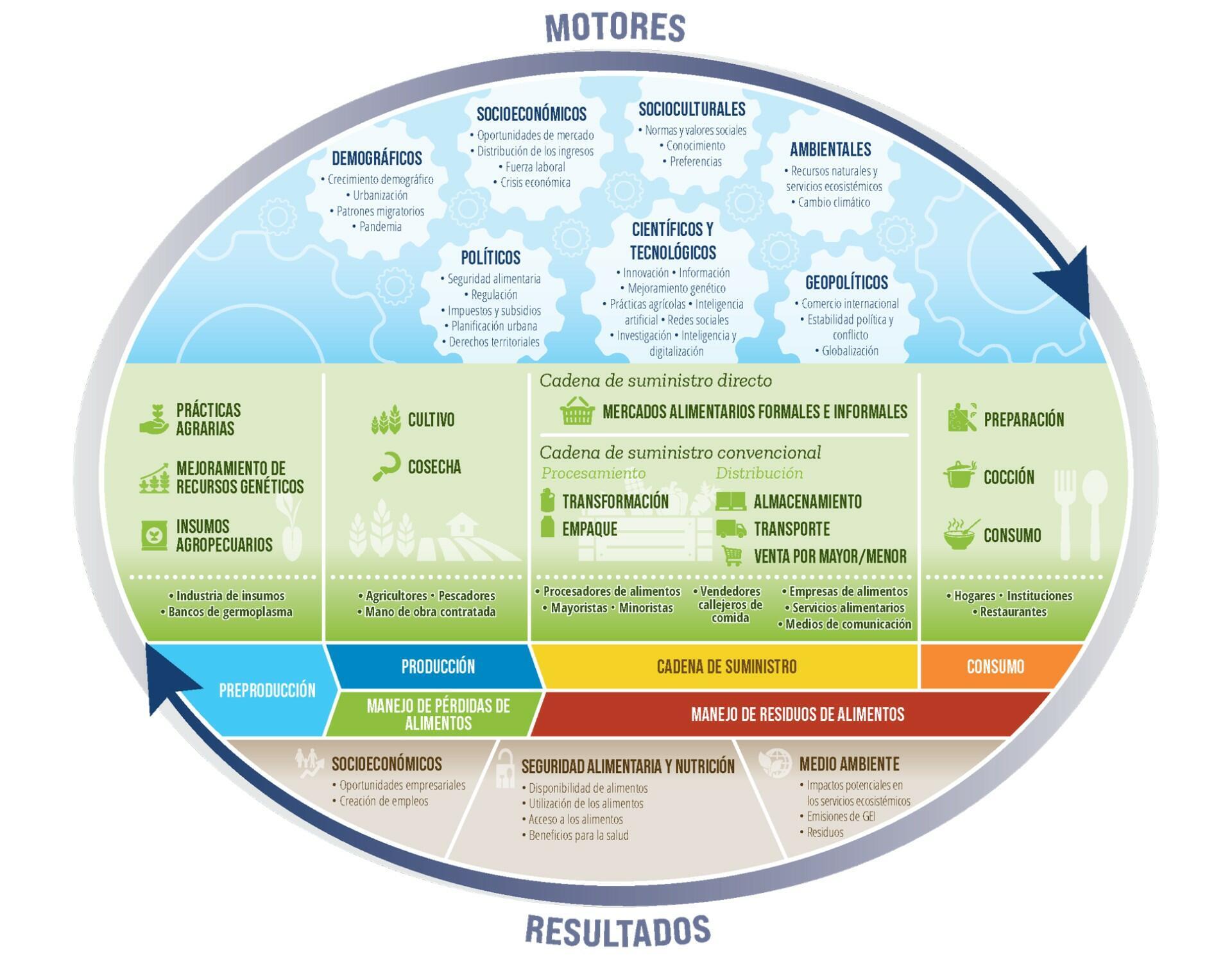
Phase 1: Development of Regional Assessments
The development of territorial assessments was the first step toward obtaining clear information on how food systems function in each municipality. This information made it possible to identify challenges, opportunities, and the relationships between food production, marketing, access, and consumption. However, the process did not end with the drafting of these documents, as the goal was to turn them into useful tools for local planning and development. Therefore, efforts subsequently focused on disseminating the results and building capacity, so that local stakeholders themselves could understand the information, use it in decision-making, and keep it up to date in line with changes in their territories.
The methodology was initially tested in two municipalities. Based on that experience, a team of consultants was trained to apply it in the remaining 20 municipalities of PROINORTE. Thus, the development of the assessments was based on the pilot project carried out in 2024 in the municipalities of Gualaco and Balfate. These initial exercises made it possible to apply the methodology, review the analytical tools, and draw lessons for its implementation in other territories.
In September 2025, a methodological transfer workshop was held for the team of consultants responsible for preparing the assessments. Subsequently, between November 2025 and March 2026, progress was made on the development of the remaining 20 territorial assessments, thereby completing the 22 municipalities covered by the PROINORTE intervention.
During the process, information related to food production, distribution, marketing, access, and consumption in each municipality was collected, organized, and analyzed. Social, economic, environmental, and nutritional factors that influence food and nutritional security in these territories were also taken into account.
The assessments integrated secondary data and insights obtained through fieldwork, which allowed for a more comprehensive understanding of the reality in each municipality. Based on this information, it was possible to identify challenges, opportunities, and entry points to guide territorial development actions. With this technical foundation, the process moved toward sharing the results with local stakeholders.
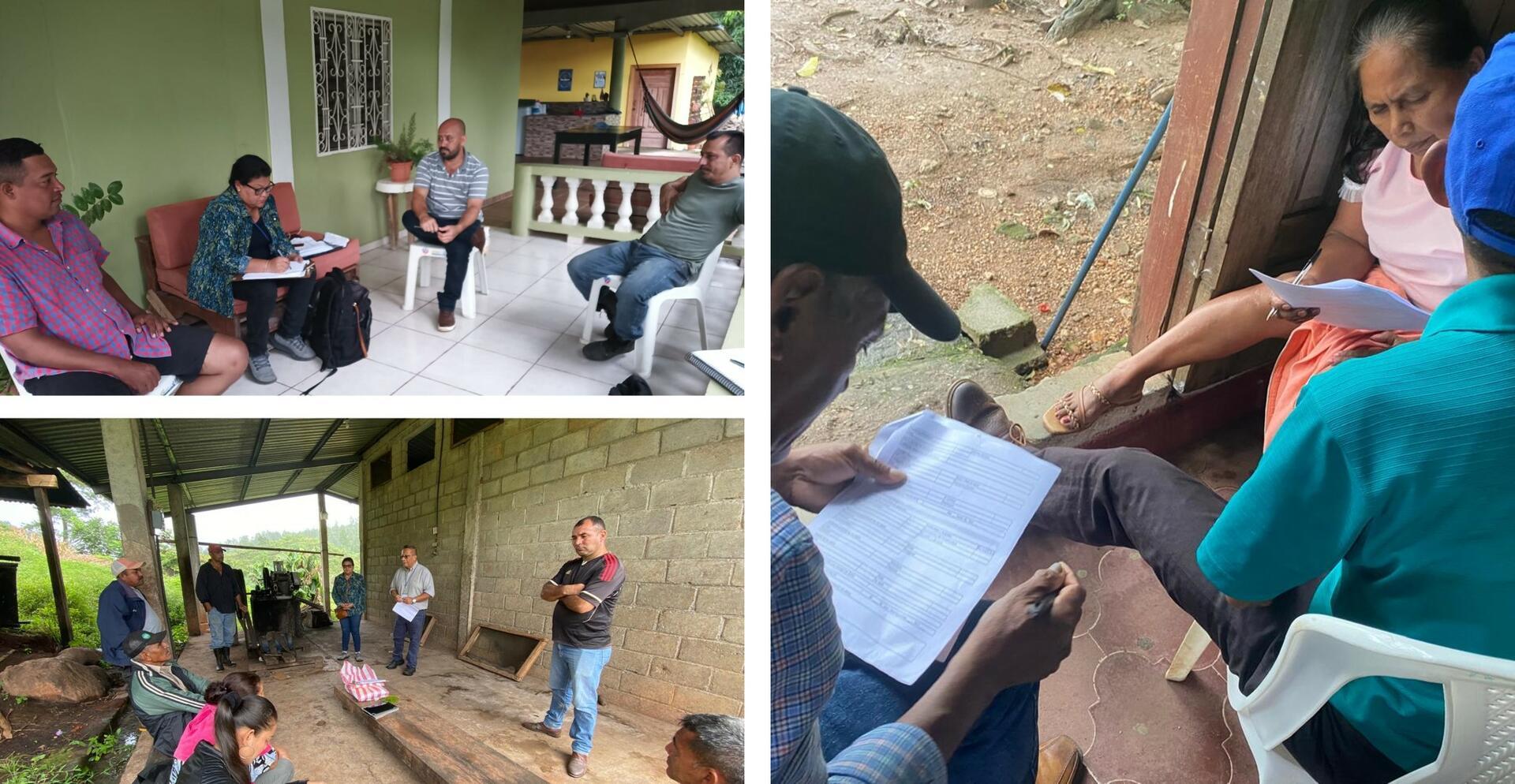
Phase 2: Sharing the regional assessments
In late March 2026, outreach sessions on the territorial assessments were held. To this end, an event was held in each of the four departments where PROINORTE operates: Colón (Tocoa), Atlántida (Jutiapa), Yoro (Olanchito), and Olancho (La Unión).
These sessions provided an opportunity to present the main findings of the territorial assessments, explain their usefulness for local planning, and promote dialogue with stakeholders involved in municipal development.
During the sessions, topics such as the importance of food systems, how the assessments were conducted, the main findings identified, and how this information can support decision-making were addressed. In addition, opportunities for joint reflection on the usefulness of the assessments and their application in different sectors were promoted.
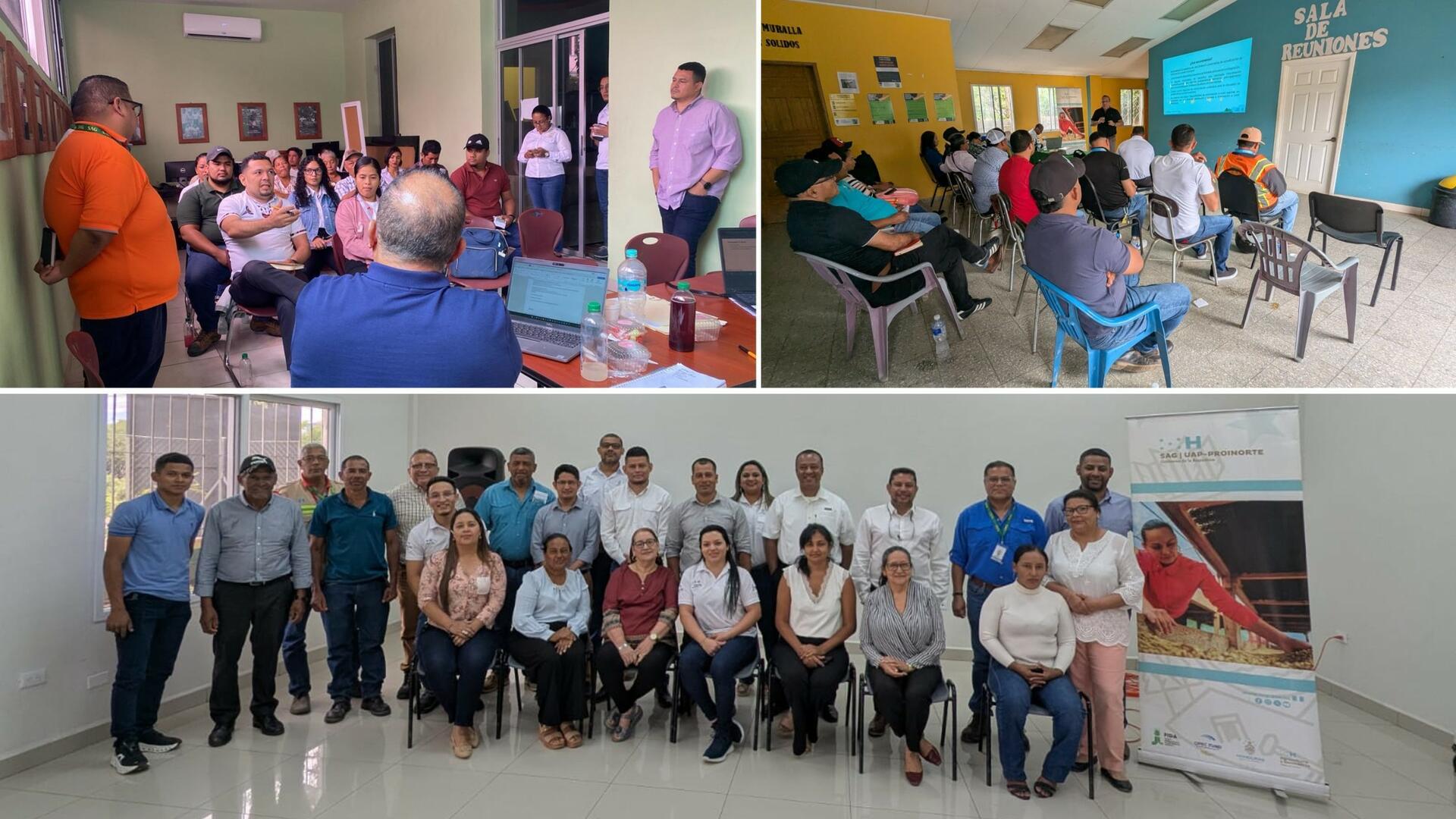
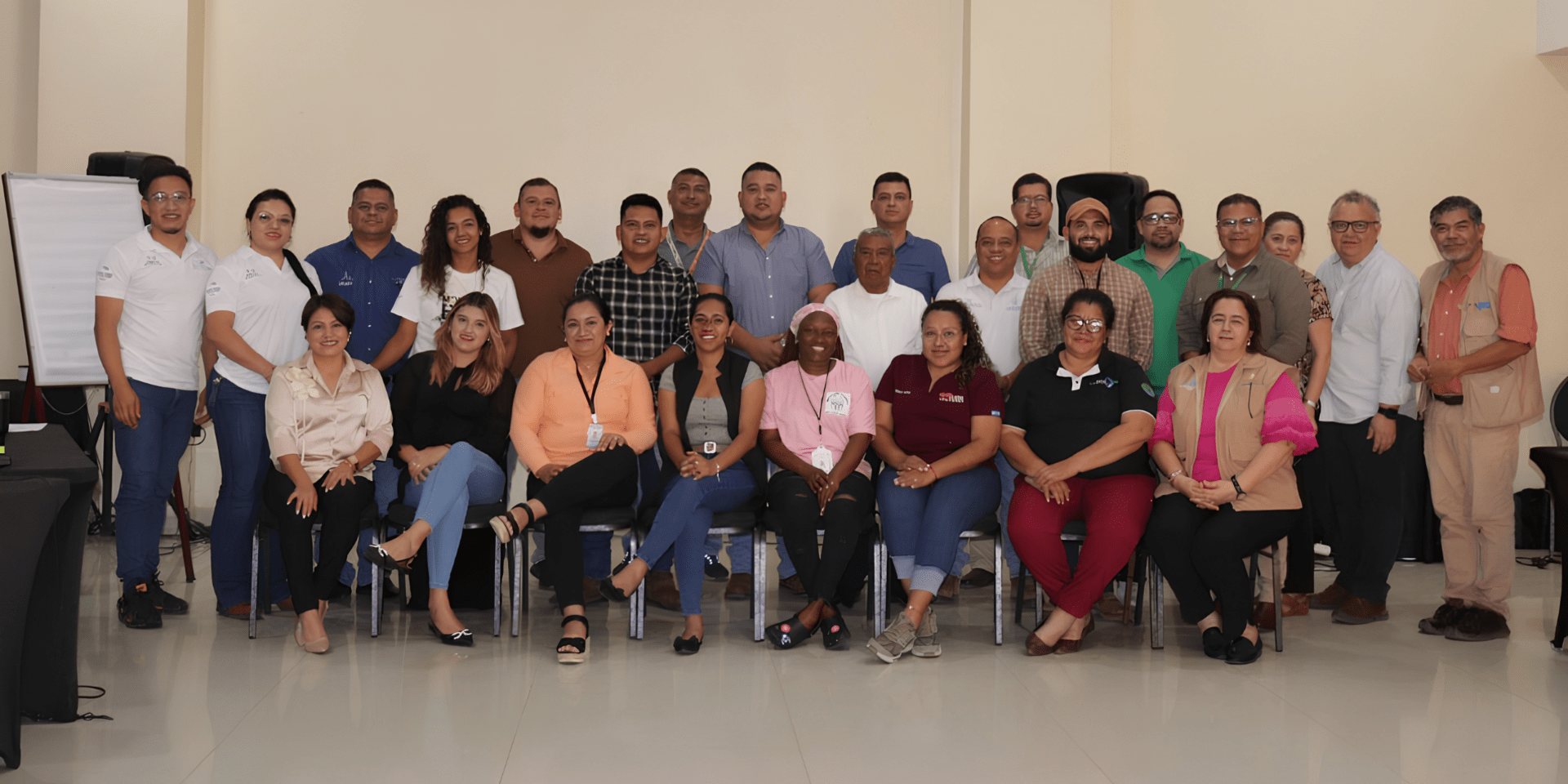
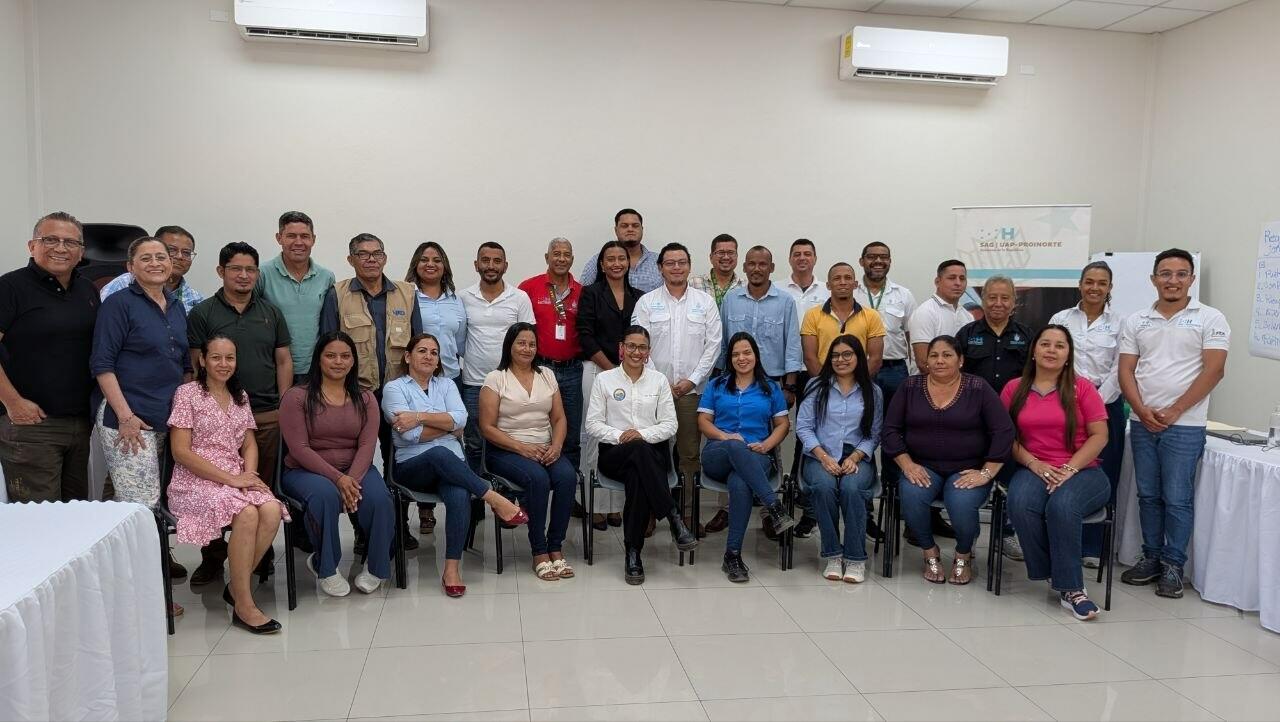
Events to share the findings of territorial assessments with a food systems approach. Photos: Luis Jarquín (CIAT)
Why was it important to share the results?
Sharing the results was essential because information only becomes useful when the people who make decisions, implement projects, or face the challenges of the region can learn about it, discuss it, and use it.
By sharing the information with municipalities, public institutions, producer organizations, the health and education sectors, academia, and other local stakeholders, the goal was to foster ownership of the territorial assessments as tools for planning, project design, and investment prioritization.
These forums for dialogue also helped demonstrate that problems in the food system do not occur in isolation. Production, market access, prices, dietary habits, food security, nutrition, and environmental conditions are all interconnected. Understanding these relationships allows for the development of more comprehensive solutions.
Phase 3: Workshops on how to update assessments
After sharing the results of the assessments, the process continued with two workshops held in late April 2026 in Tocoa (Colón) and Olanchito (Yoro). Unlike the outreach events, these workshops aimed to ensure that local teams and stakeholders not only became familiar with the information but also learned how to update, supplement, and use it in their own planning processes.
For this reason, participants were shown how to collect, organize, and analyze information about the territory, as well as how to use the assessments to identify needs, propose actions, and support decision-making at the local level. This step was important because food systems are constantly changing: production conditions, prices, markets, the climate, and families’ needs all vary. Therefore, the assessments should not be viewed as static documents, but rather as living tools that can be reviewed and updated over time.
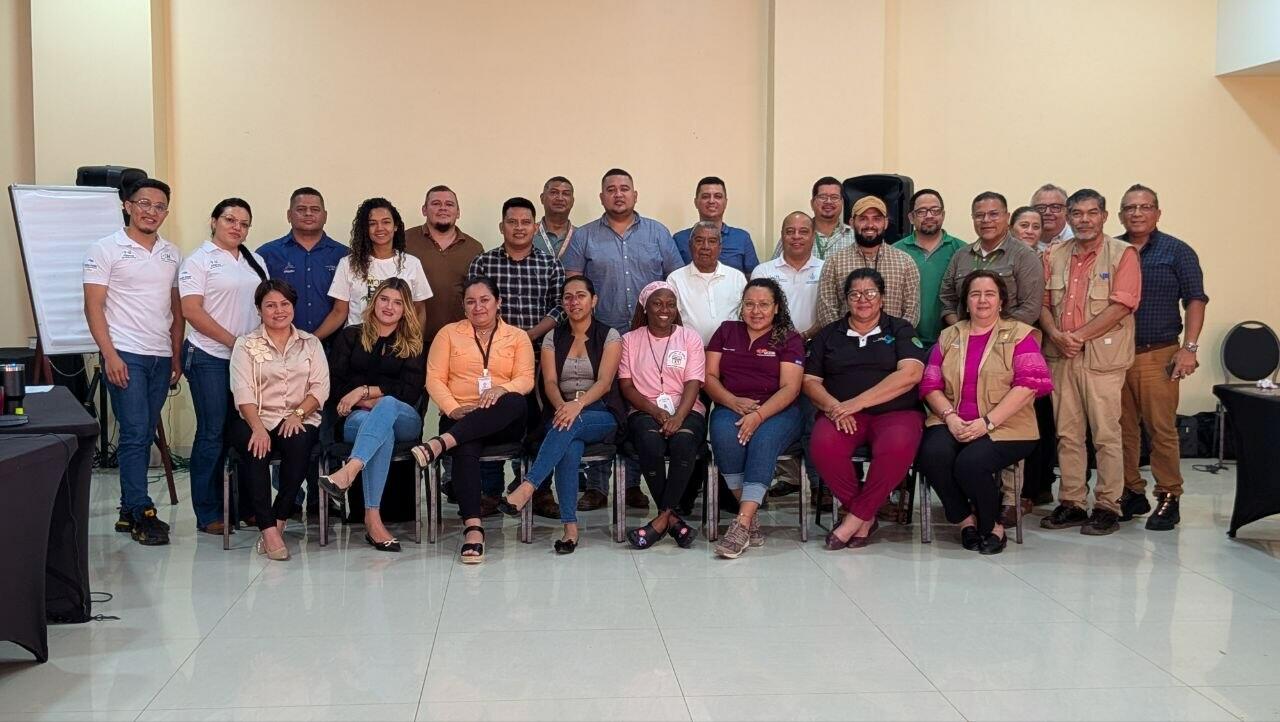
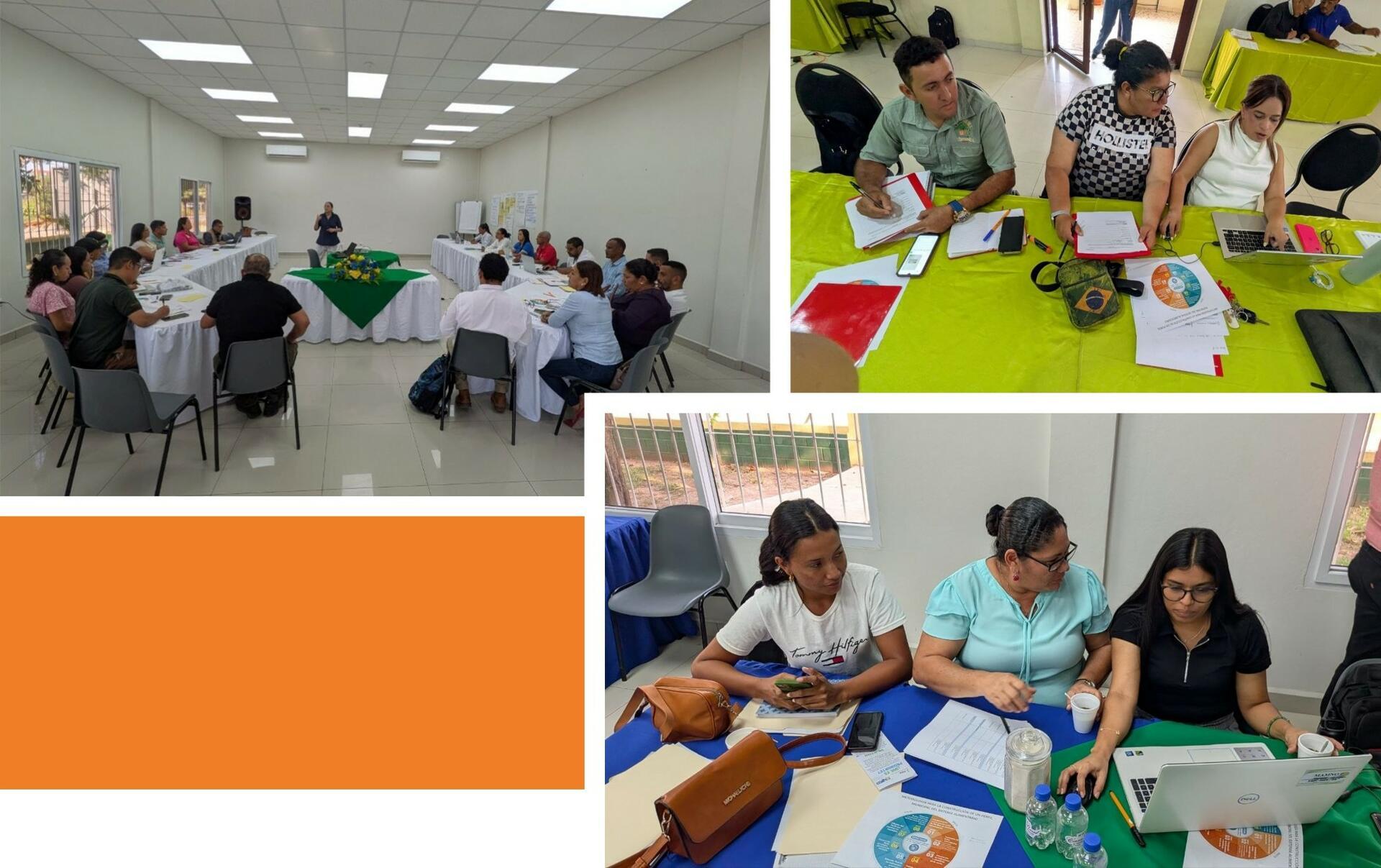
Capacity-building workshops on updating territorial assessments with a food systems approach in Tocoa and Olanchito.
Photos: Luis Jarquín (CIAT)
Learning by Doing: A Practical and Participatory Methodology
The workshops combined theoretical and practical sessions. First, participants deepened their understanding of the food systems approach and its relationship to territorial development. Next, they reviewed the importance of territorial assessments as tools for analyzing municipal realities and supporting planning processes.
Work was also done on the methodology for updating the assessments. Participants reviewed what information already existed, what data was missing, and how it could be obtained through fieldwork and dialogue with local stakeholders.
In addition, information-gathering techniques were addressed, such as semi-structured interviews, focus groups, consultation sessions, and surveys. Through role-playing exercises, participants reviewed data collection instruments, assigned responsibilities, and practiced applying tools for gathering information in the field. Case studies based on the results of the territorial assessments were also conducted and analyzed in discussion forums. These exercises provided a comprehensive understanding of the findings and allowed for reflection on possible actions for the territories.
Development of case studies on the outcomes of the food systems in the municipalities of Olanchito and Santa Rosa de Aguán. Photos: Luis Jarquín (CIAT)
Participation and Collective Development
One of the most important elements of the process was the participation of local stakeholders and technical teams. The workshops promoted group work, the sharing of experiences, the identification of challenges, and the collective development of proposals to update the territorial assessments.
During the discussions, the importance of involving different stakeholders in future updates was emphasized, including municipal governments, public institutions, the health and education sectors, community organizations, producer associations, chambers of commerce, academia, international cooperation agencies, nongovernmental organizations, and technical and regulatory institutions.
Possible actions to advance the use of the assessments were also identified, such as presenting the results to municipal governments, disseminating the information to other municipalities, promoting the updating of the assessments through local governance bodies, and developing educational materials to facilitate their understanding.
The participation of local stakeholders made it possible to cross-check the data with local experience. This is crucial because many aspects of the food system—such as changes in markets, barriers to access, consumption habits, or infrastructure issues—do not always appear clearly in the available statistics.
What is the purpose of all this?
Networking events and refresher workshops enable territorial assessments to evolve from technical documents into practical tools for local action. When the results are shared, discussed, and updated with local participation, the information becomes more valuable for guiding planning and decision-making.
In addition, these assessments make it possible to identify relationships between different dimensions of the food system. For example, production challenges may be related to market access, infrastructure, support services, or environmental conditions. Similarly, consumption patterns may be linked to food availability, prices, eating habits, and the environment in which families access food. Understanding these relationships helps in making more comprehensive and relevant decisions for each region.
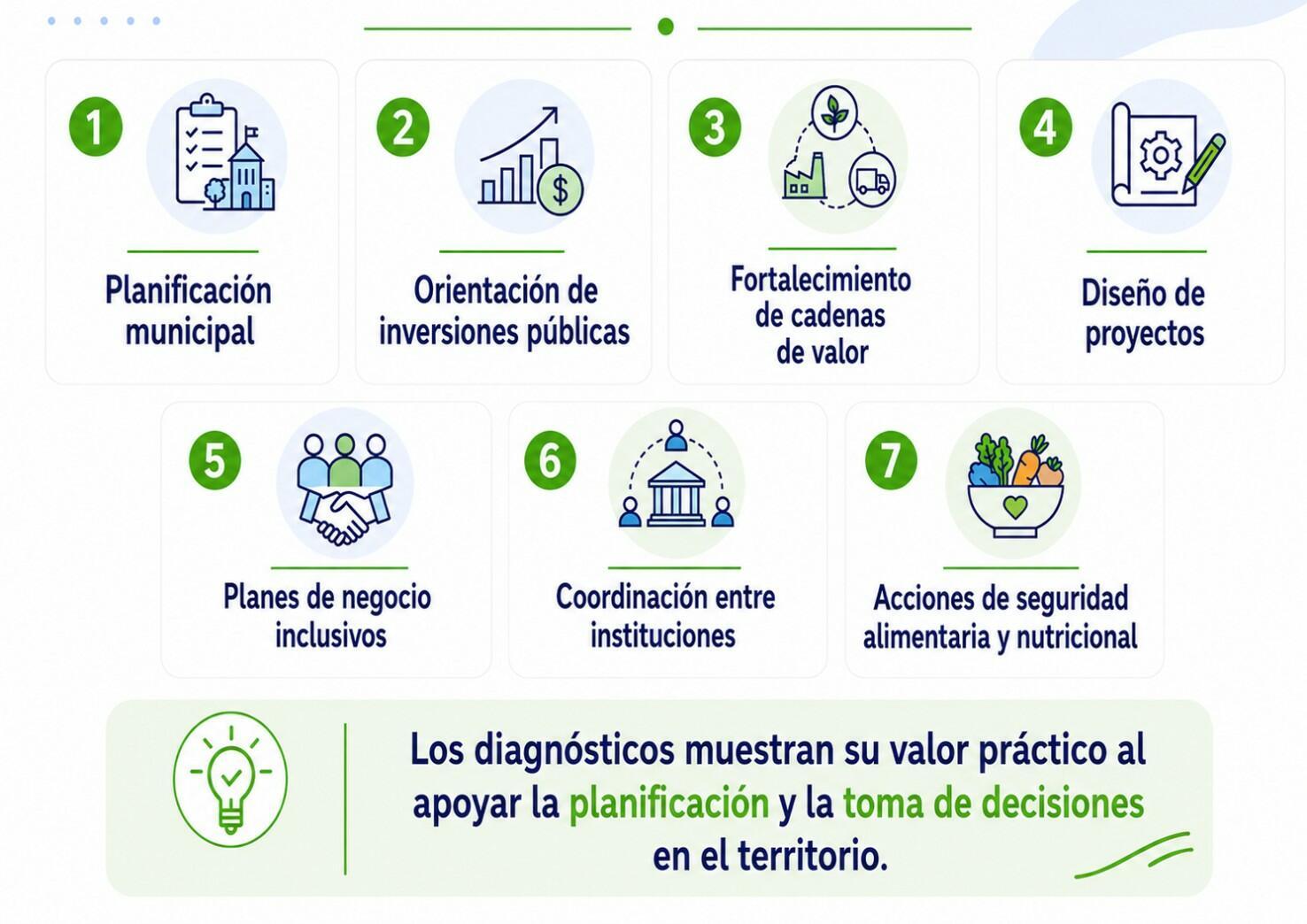
Looking Ahead
The next step will be to monitor how local stakeholders are using the territorial assessments to understand how they are applying this information in their planning, decision-making, and territorial management processes.
This monitoring will make it possible to document lessons learned, identify best practices, and strengthen the adoption of the assessments as dynamic tools for municipalities. More than just a final product, the assessments pave the way for ongoing work: to better understand local food systems, update the available information, and use it to guide actions that respond to the realities of each territory.