From the Field From negotiation to implementation: Lessons learned and opportunities for Latin America on the Road to COP31

Bringing decisions from international climate negotiations into concrete actions that truly benefit food producers remains one of the major challenges of the global agenda for COP31.
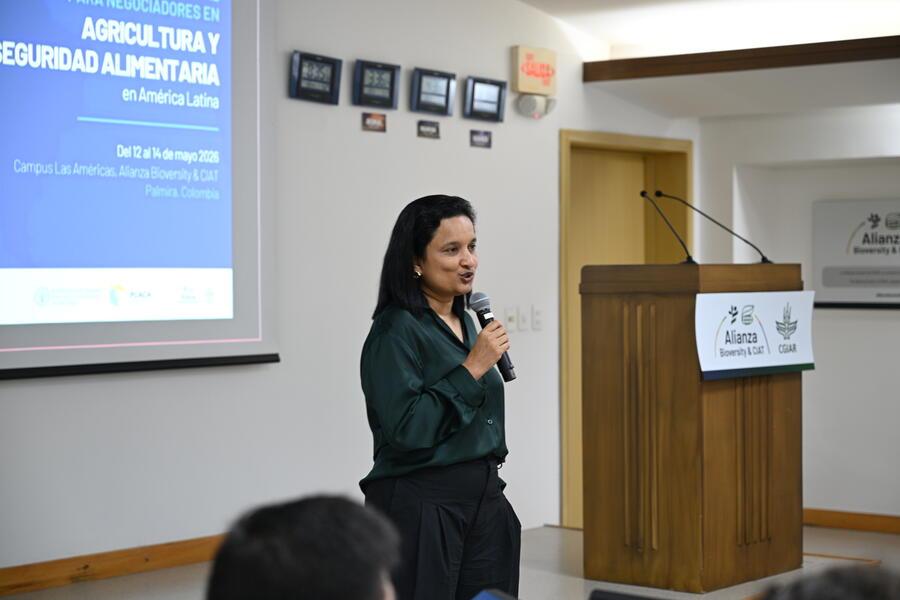
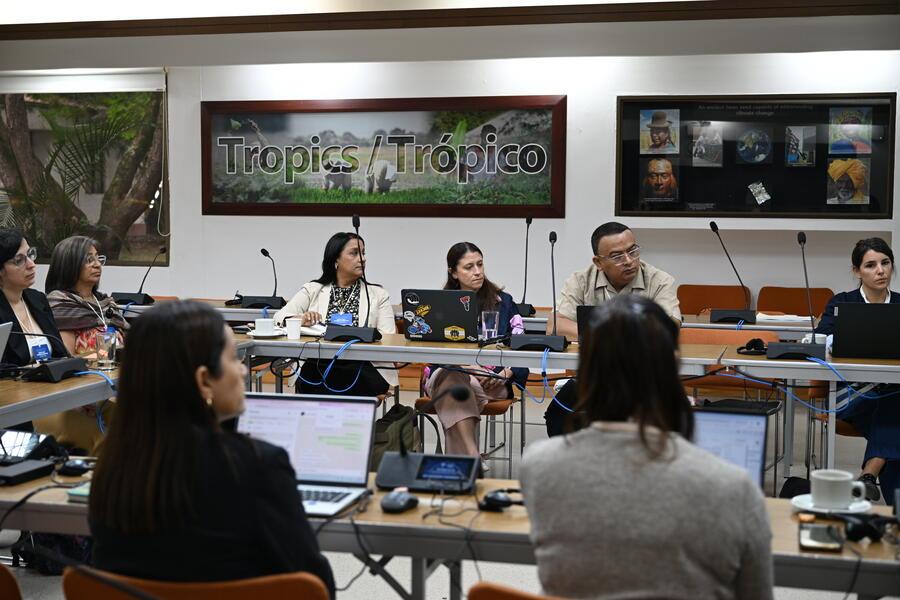
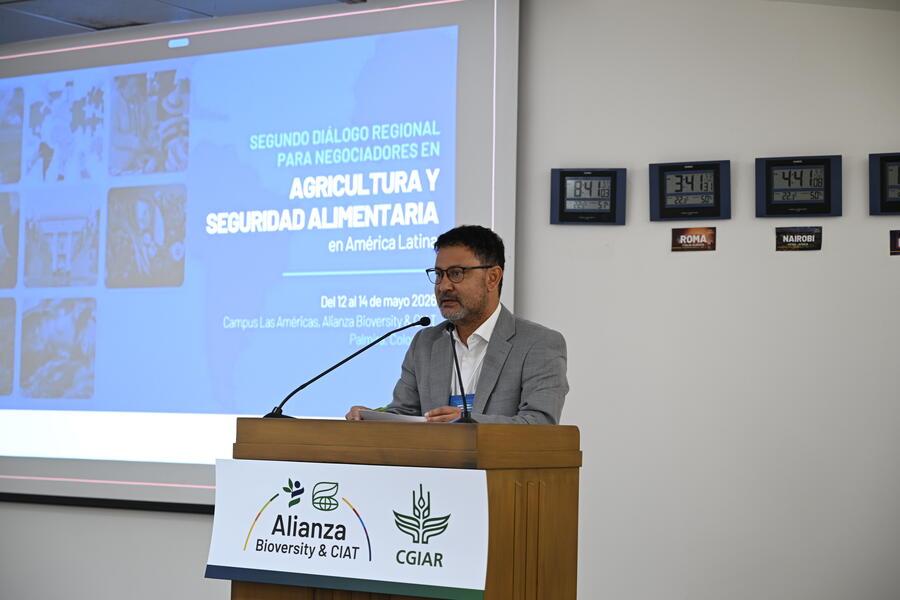
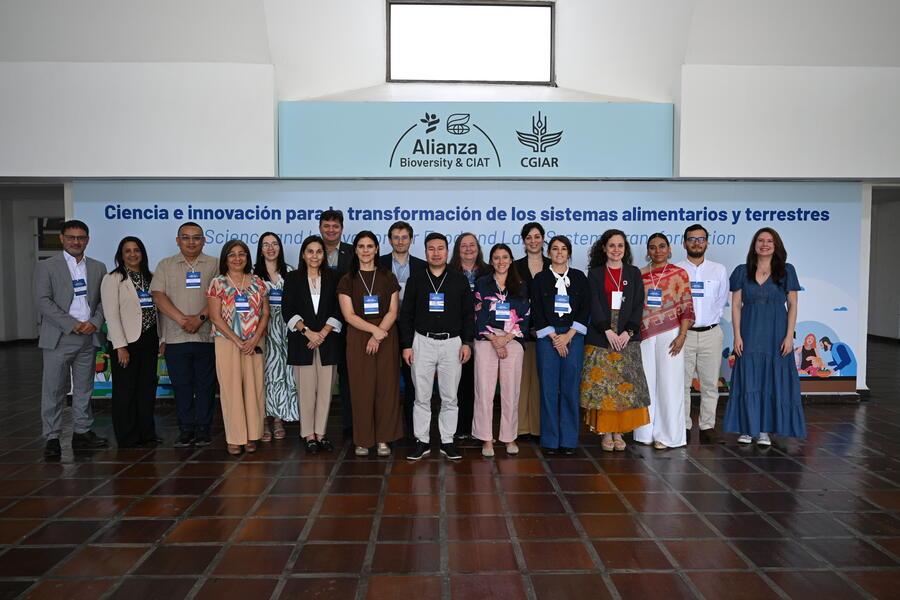
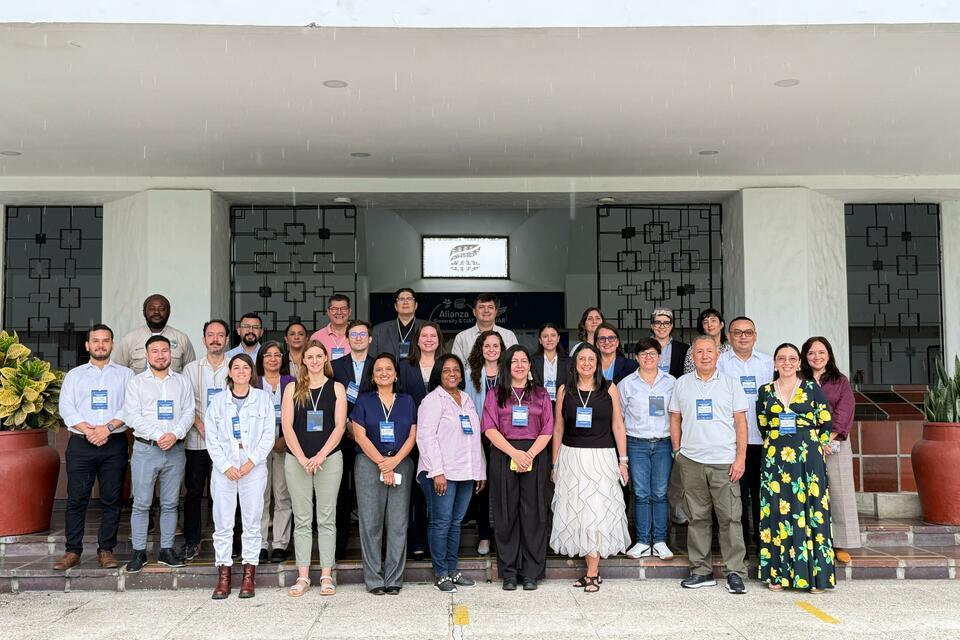
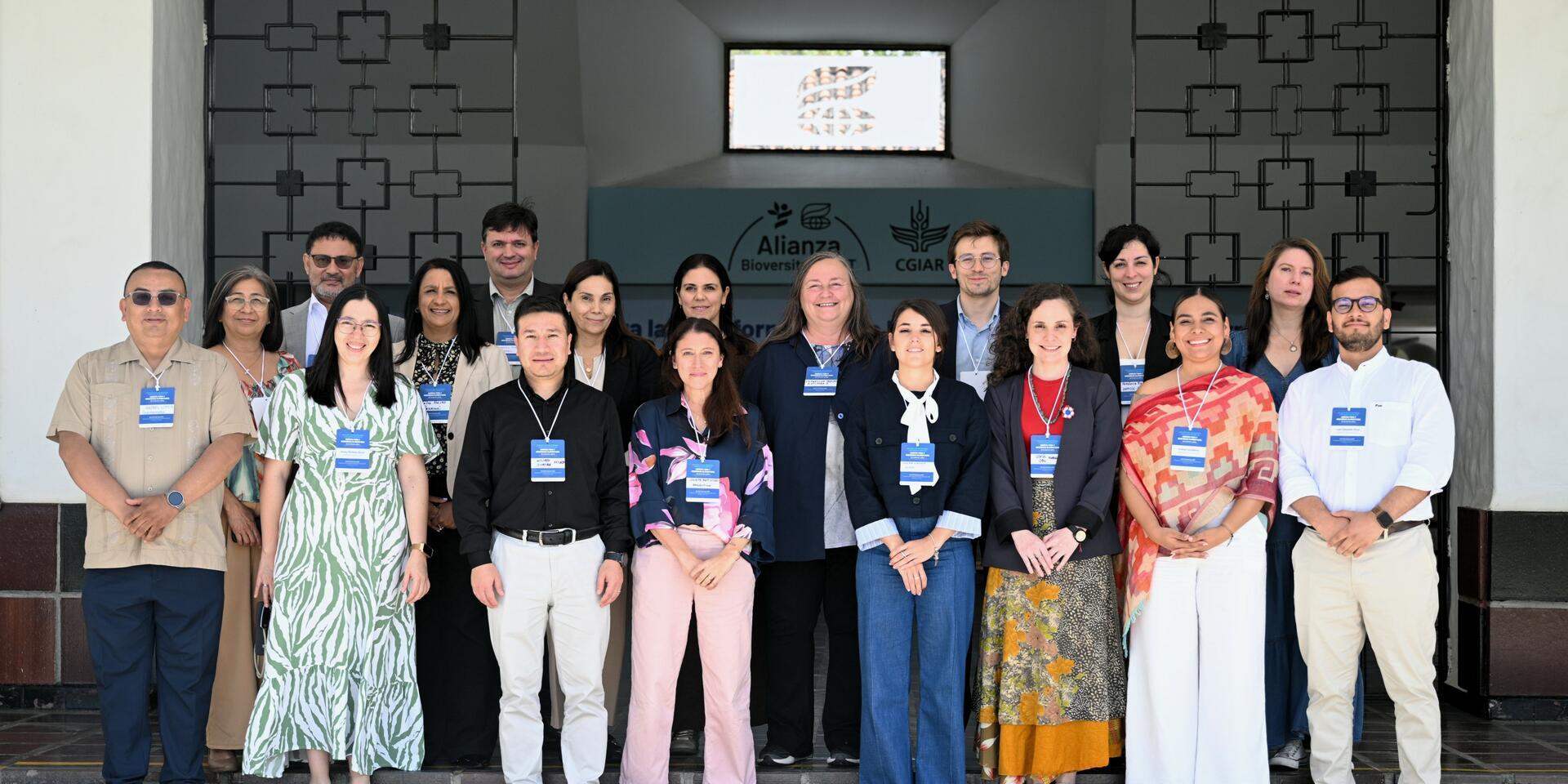
As climate change increasingly impacts agricultural systems and food security, Latin America and the Caribbean face the challenge of turning commitments discussed under the United Nations Framework Convention on Climate Change (UNFCCC) into adaptation measures that respond to producers’ needs on the ground. With this purpose, government representatives and technical experts from across the region gathered for three days in Palmira, Colombia, at an event organized by the Alliance of Bioversity International and CIAT, the Food and Agriculture Organization of the United Nations (FAO), and the Latin American and Caribbean Platform for Climate Action on Agriculture (PLACA), to discuss the future of agriculture and food security within international climate negotiations.
Beyond the technical presentations and hybrid discussion spaces, which included invited experts from Germany, Andorra, Australia, Spain, Sweden, and Türkiye representing national delegations, international organizations, and UNFCCC bodies, the Second Regional Dialogue for Negotiators on Agriculture and Food Security left a shared sense of urgency, collaboration, and regional opportunity.
“How can we move from commitments to implementation?” and “How can the region advance in a coordinated way around shared priorities?” were perhaps the key questions that shaped the discussions throughout the event.
In a context where agriculture faces growing climate-related impacts — from droughts and floods to production losses and pressure on food systems — the region recognizes the importance of actively participating in climate discussion spaces and building a coordinated and solid regional position with clear priorities that reflect its diversity. At the same time, there is consensus that the challenge does not end with agreements: it also involves translating them into financing, capacities, technology, and concrete actions that benefit producers across territories.
A strategic region for climate action
Latin America and the Caribbean holds a unique place within the global climate agenda. The region is home to enormous agricultural and ecosystem diversity, while also facing high vulnerability to climate change. During the opening of the dialogue, representatives from the Alliance of Bioversity International and CIAT emphasized that agriculture and agrifood systems are no longer peripheral topics in climate negotiations. Today, they occupy a central place in discussions on adaptation, resilience, mitigation, and food security.
At the same time, several participants agreed that Latin America and the Caribbean has the opportunity to project a more articulated and strategic regional voice in key processes such as SB64 and COP31.
How to turn climate commitments into action for producers
Although political recognition of the importance of agriculture in climate action continues to grow, many participants noted that significant gaps remain in implementing solutions. One of the most recurrent issues was limited access to climate finance for the agrifood sector.
During the discussions, participants highlighted that although global climate finance has increased in recent years, the proportion allocated to the agrifood sector remains relatively low. Moreover, much of these resources arrives in the form of debt and not necessarily under conditions suitable to respond to countries’ needs.
In addition to access to international climate finance, other important barriers discussed included:
1. The need to strengthen technical and institutional capacities;
2. Limited technology transfer;
3. Lack of coordination among sectors;
4. Challenges in scaling solutions beyond pilot experiences.
Throughout these discussions, one reflection persisted among participants: the region does not need to start from scratch, but rather strengthen the articulation of capacities, experiences, and mechanisms that already exist.
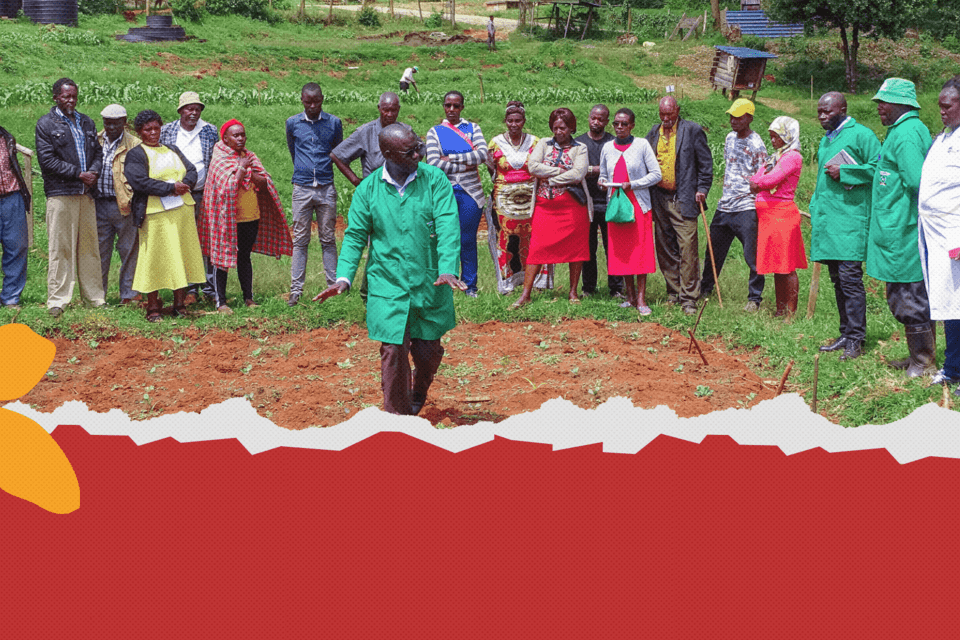
A recurring idea emerged during the discussions: Latin America and the Caribbean already possesses knowledge, experiences, and solutions to address climate challenges in agriculture. However, many of these initiatives still do not reach the producers and territories that need them most at sufficient scale. Therefore, participants emphasized the importance of promoting more intentional and coordinated scaling strategies, grounded in evidence and jointly built with local actors. The challenge is not only generating new solutions, but ensuring that existing ones can be adapted, expanded, and accelerated to strengthen the resilience of the region’s agricultural systems.
Adaptation and loss and damage: increasingly urgent issues
Discussions on adaptation and loss and damage occupied a central place during the second day of the dialogue, particularly within the framework of the Global Goal on Adaptation (GGA). In this space, participants learned about progress on metrics, indicators, and systems designed to assess resilience in agriculture and food security, recognizing that adaptation remains much more difficult to measure than mitigation.
Technical sessions highlighted that vulnerability cannot be understood in general terms, but rather in relation to specific threats, contexts, and concrete impact chains. In this sense, several participants agreed on the need to strengthen national information, monitoring, and reporting systems capable of demonstrating real progress in resilience and climate risk reduction.
Technical capacities and regional coordination: investing in long-term climate action
Although the dialogue’s main objective was precisely to strengthen capacities, provide knowledge, and open spaces for discussion, national delegates highlighted the value of these meetings and suggested creating more spaces like this to continue strengthening knowledge and capacities within climate negotiations. Participants particularly emphasized the importance of better understanding the procedural and legal aspects of the Convention, as well as the mechanisms available for countries to engage more effectively in negotiation processes.
Sessions on submissions and communications to the UNFCCC generated particular interest, since they allow countries to position priorities, share experiences, and contribute inputs that are later considered in synthesis reports, workshops, and official discussions. Concrete proposals also emerged to continue strengthening regional capacities after the dialogue, including:
1. Virtual training spaces;
2. Shared repositories of materials;
3. Periodic technical updates;
4. Exchange mechanisms among negotiators in the region.
Five key lessons on the road to COP31
Following a broad agenda that combined reflection on progress within the mechanisms and bodies established under the UNFCCC, presentations on the visions and priorities that will guide the COP31 hosts, and discussions on advances in implementing adaptation and loss and damage indicators, five key lessons emerged on the road to COP31.
Throughout the sessions, regional representatives exchanged experiences, priorities, and challenges related to adaptation, loss and damage, and climate implementation. From these conversations, five key lessons emerged:
1. Agriculture is now a central issue in the climate agenda: International discussions have advanced rapidly in recent years, and there is now greater recognition of the strategic role of agrifood systems.
2. Implementation requires greater attention: Negotiating commitments is important, but bringing them to the ground requires financing, capacities, technology, and institutional coordination.
3. Latin America and the Caribbean needs a more articulated voice: Regional exchange remains key for building common positions and strengthening the region’s participation within the UNFCCC.
4. Adaptation and loss and damage indicators will continue gaining relevance: The region faces growing climate impacts and must advance in metrics, monitoring systems, and stronger response mechanisms.
5. Strengthening capacities remains a priority: Especially for new negotiators and technical teams participating in these processes for the first time.
“Responsible scaling accelerates the implementation of climate solutions because, from a relational perspective, it recognizes that innovations do not scale solely because of their technical effectiveness, but because of trust, relationships, and the ability of actors to adapt them to different sociocultural, environmental, and productive contexts. It also understands that local actors are not passive recipients, but active agents of change, and promotes anticipating from the outset the possible environmental, social, and economic consequences — whether positive or negative — that may arise when a solution grows and is used at scale.”

Deissy Martínez-Barón
Regional Lead, Climate Action in Latin America and the CaribbeanResponsible scaling to accelerate climate action in Latin America
COP31 will mark a decisive moment for the future of agriculture and food security within the UNFCCC. Along this path, spaces such as the Second Regional Dialogue for Negotiators make something fundamental possible: building trust, exchanging experiences, and strengthening a regional community that, although diverse, shares common challenges and opportunities.
The Regional Dialogue conversations delivered a clear message: accelerating climate action in agriculture does not mean generating new solutions, but ensuring that existing solutions effectively, sustainably, and inclusively reach those who need them most.
In this context, responsible scaling is becoming increasingly relevant for the region. Beyond expanding the use of a technology or practice, this approach seeks to transform successful experiences and pilot initiatives into sustainable large-scale processes by connecting actors, strengthening capacities, and adapting solutions to local realities. The discussions also showed that scaling requires more than financing: it demands coordination among research, public policy, the private sector, and territorial actors to accelerate implementation and generate lasting impacts.
The challenge now will be to maintain this collective momentum and continue transforming technical and political exchange into concrete actions that advance more resilient, inclusive, and sustainable agrifood systems for Latin America and the Caribbean.