Seeing El Niño coming is one thing. Sitting down at the table with it is another.
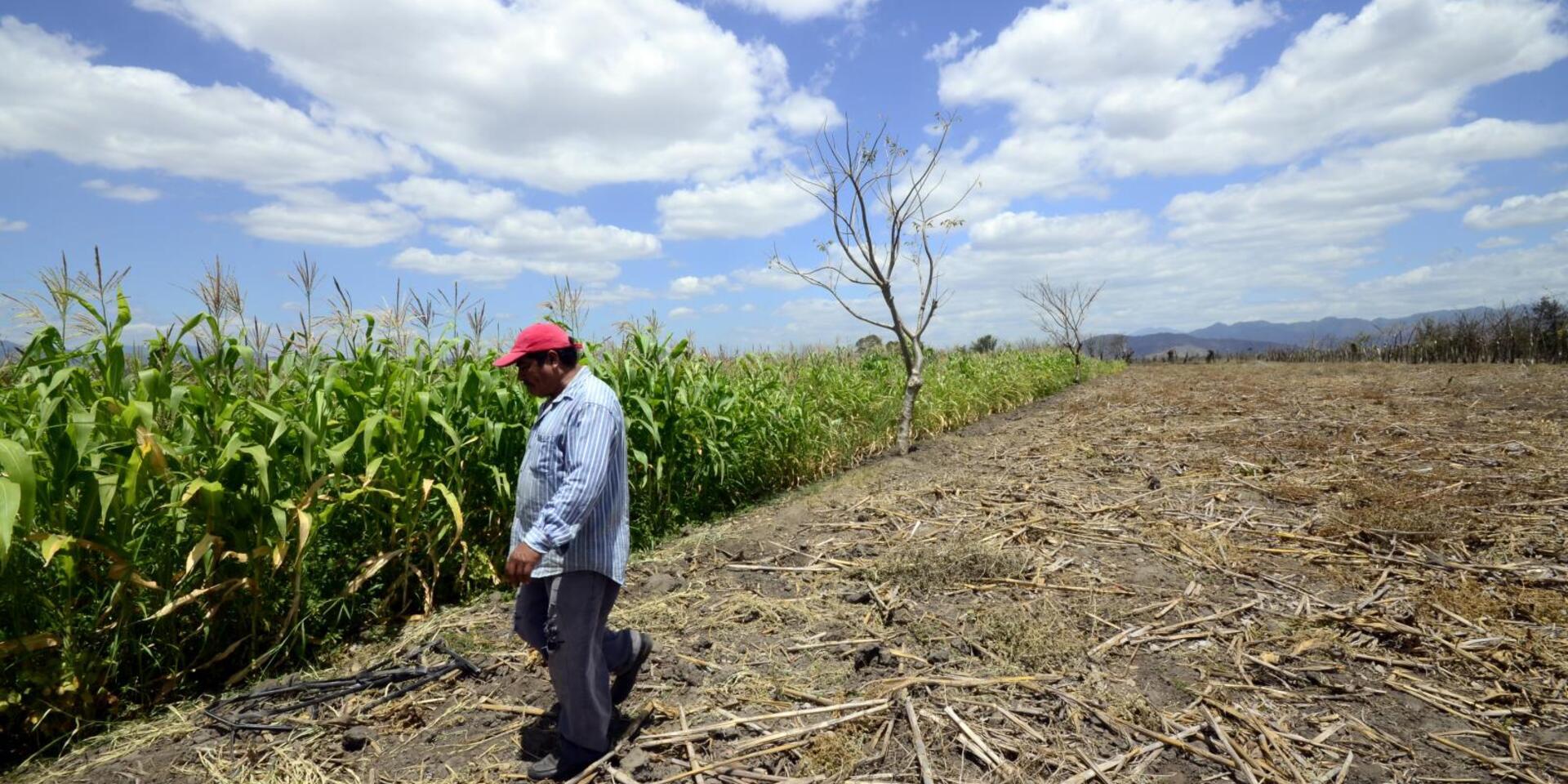

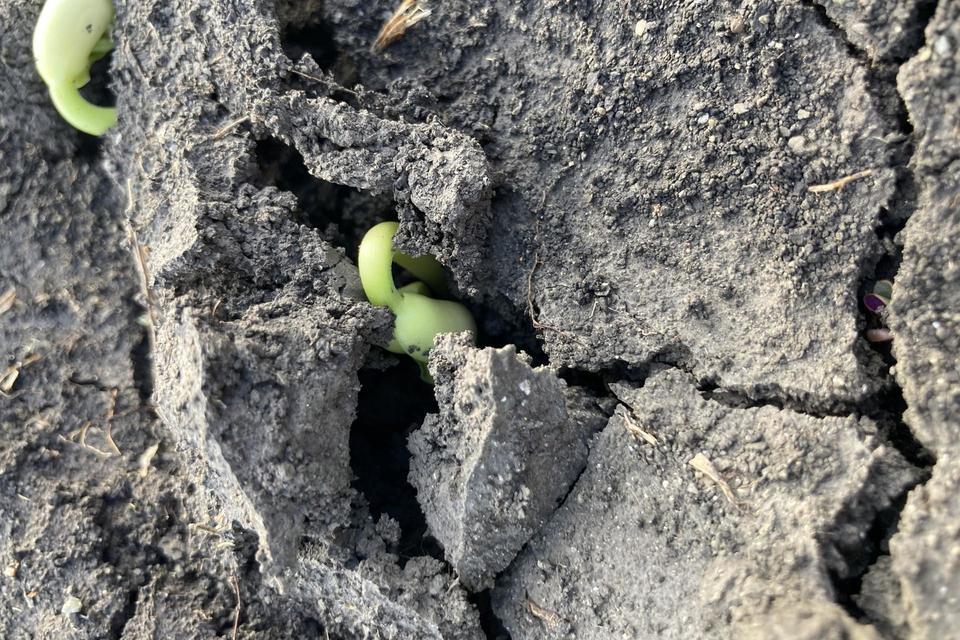
What happens in the Pacific doesn't stay in the Pacific. When the temperature of its tropical equatorial waters changes, the effects can be felt months later and thousands of kilometers away: in parched soil, in a lost harvest, or in potatoes and beans that cost more than usual. That’s how El Niño makes its way to every family’s table.
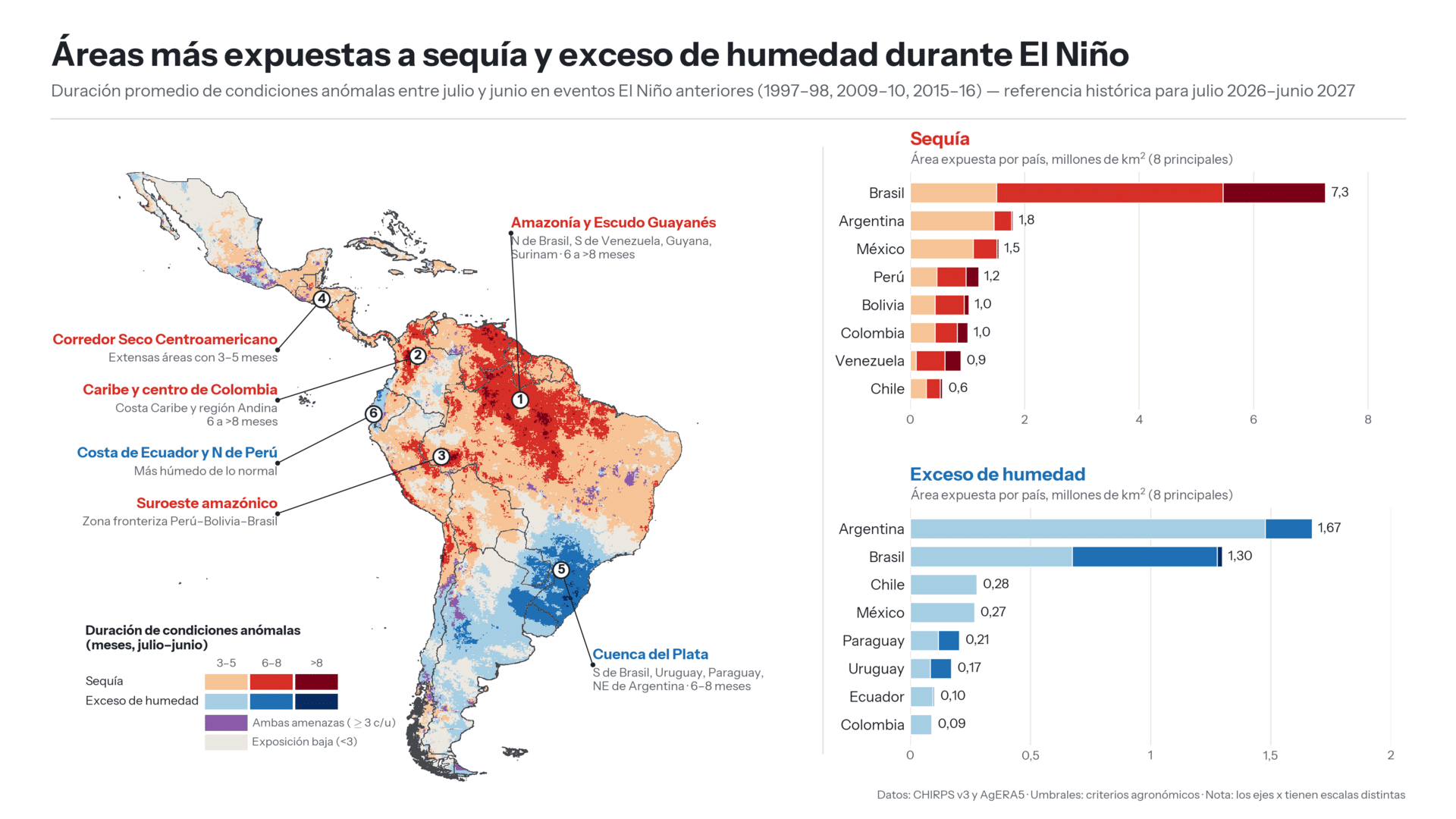
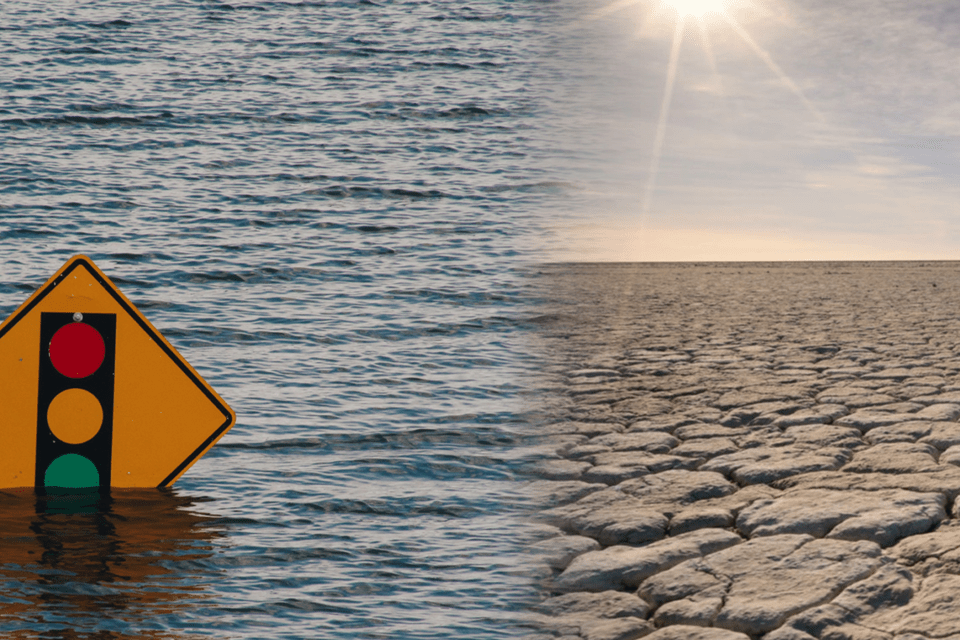
In Latin America, the impact of El Niño (the warm phase of the El Niño-Southern Oscillation) can vary greatly from one country to another. In Colombia and some Central American countries, it typically brings less rain, higher temperatures, and severe water shortages for agriculture and daily life. In contrast, in Uruguay, southern Brazil, and some regions of Argentina, the same phenomenon can result in heavier rains, flooding, and excessive humidity that hinders food production.
It’s one thing to see it coming—and quite another to face it head-on. That is why—from caring for soils and water sources, to good agricultural practices, to strengthening local markets—science is working against the clock to answer a crucial question: How can we prepare for a phenomenon we cannot stop, but whose impacts we can reduce?
Every good decision has its reward
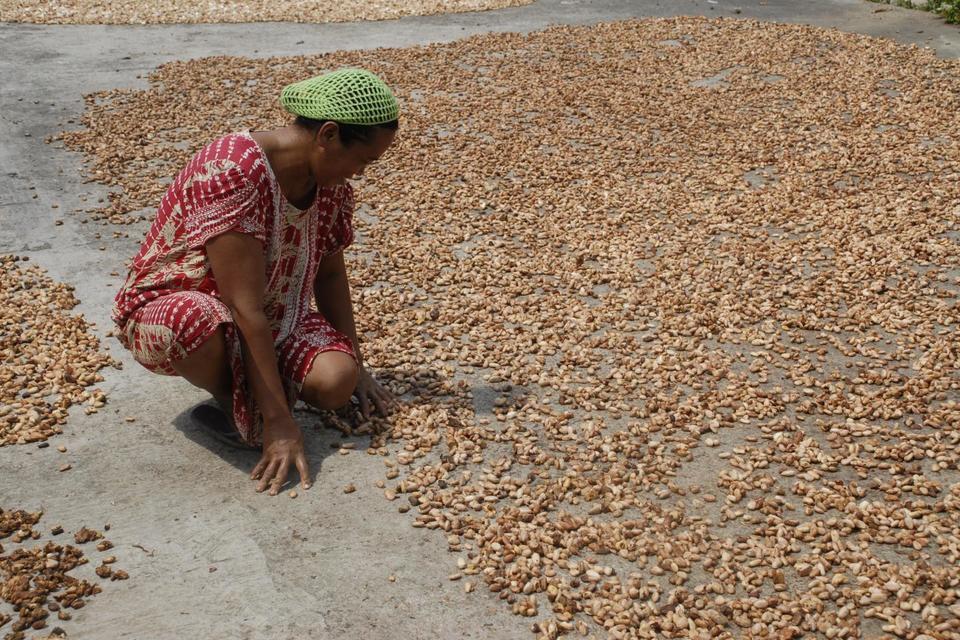
El Niño’s journey to the table begins in the fields, on the farmers’ plots. Those who work the land are the first to feel the effects when water doesn’t come, putting the harvest and a whole year’s investment at risk. Because its impacts are severe, people often believe that preparing for it requires large investments or advanced technology. But adaptation almost always starts with something simpler: observing what happens on the farm and learning from it to make better decisions.
The experience of Don Santos Sandoval, a farmer from Conchagua, El Paraíso, Honduras, illustrates this reality. It all began when he joined a Local Participatory Agroclimatic Roundtable (MT) with the desire to contribute to his community. In these forums, which are replicated throughout Latin America, Africa, and Asia, farmers, field technicians, and representatives from institutions come together to share and analyze information on expected rainfall, soil temperature, and soil moisture, among other climatic factors.
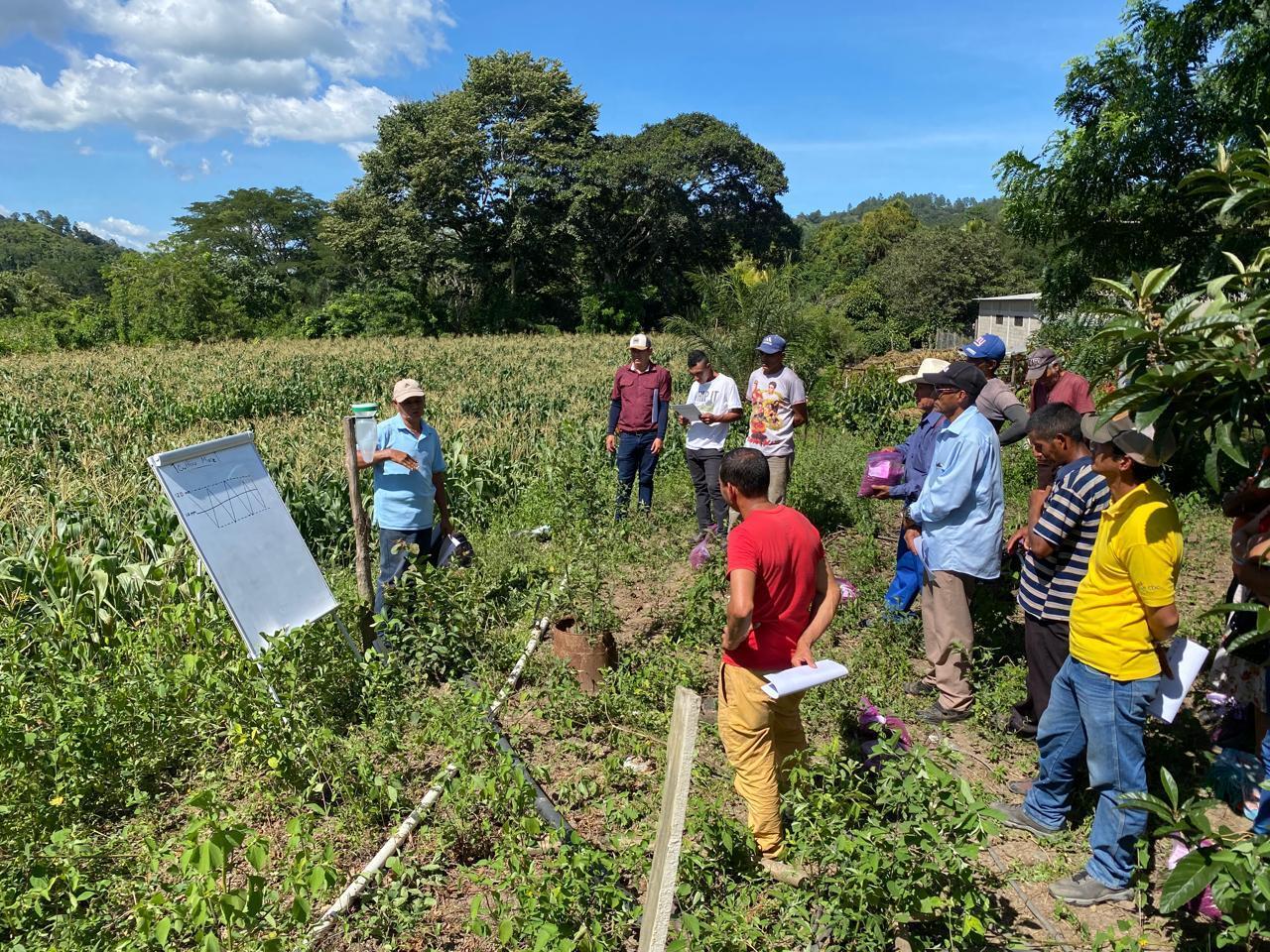
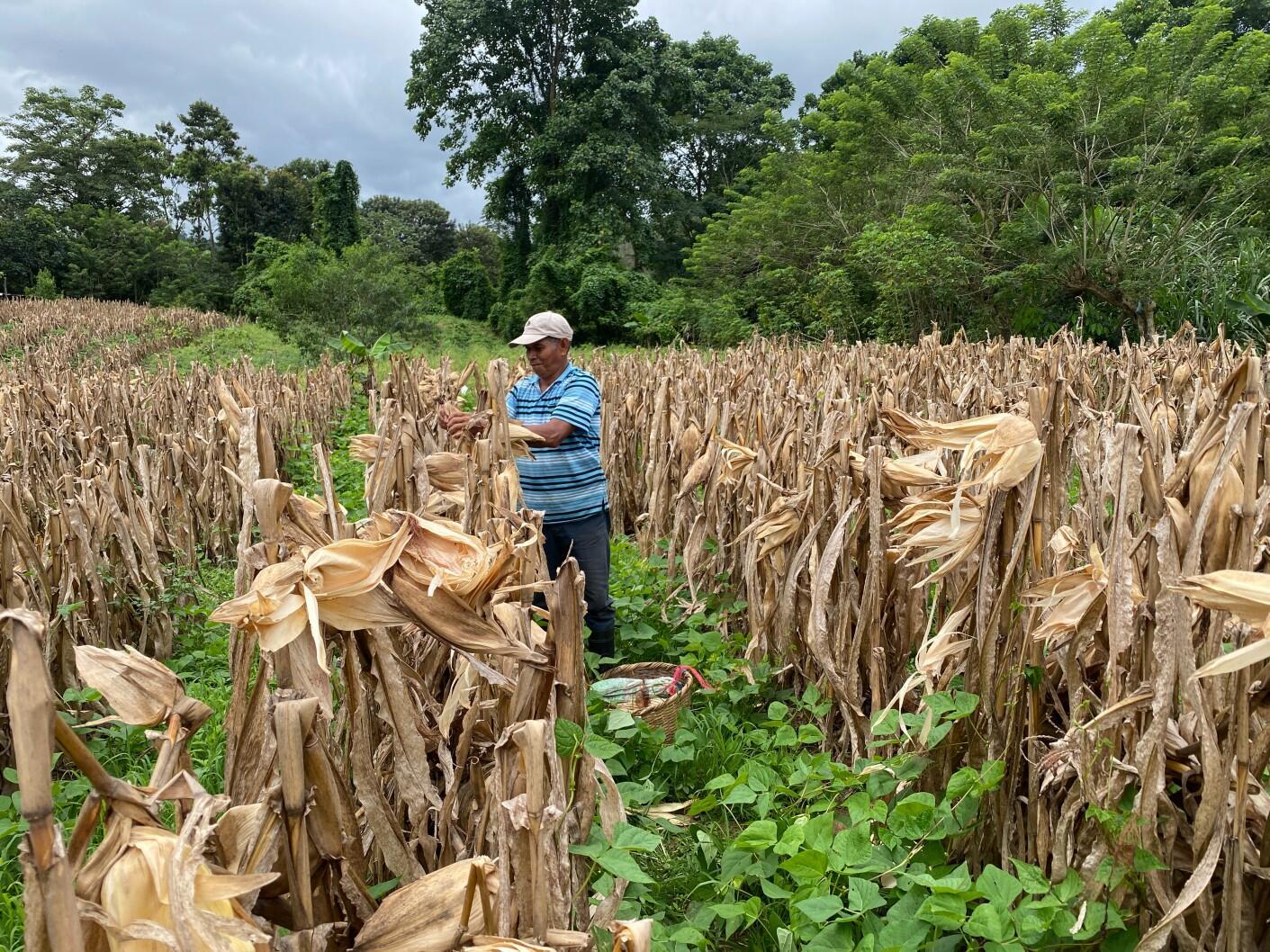
The data that Don Santos collects daily, year after year since 2024, cease to be isolated numbers when he relates them to what is happening on his plot. When he observes how the soil and his crops respond, he compares those observations with the rainfall he has recorded. This allows him to identify when the soil has enough moisture to plant or apply fertilizer, to choose the appropriate varieties of staple grains for each growing season, to determine when it’s necessary to conserve water during periods of low rainfall, but above all, it allows him to make better decisions that have ensured minimal crop losses throughout the production cycles. “It’s no use having a lot of rain if it’s ultimately lost—if you don’t know how to conserve it in the soil,” reflects Don Santos.
Furthermore, this information is shared with national institutions such as the Permanent Commission on Contingencies (COPECO) through the National Center for Atmospheric, Oceanographic, and Seismic Studies (CENAOS). When Don Santos has identified risks, he has helped generate early warnings that enable his community to prepare in advance. He also shares his data and observations during open days and field schools with other farmers, making climate information more accessible and understandable to more families.
As Irma Ayes Rivera, from the Alliance’s Climate Action team in Honduras, the people who generate this information today not only provide key data to CENAOS to validate and improve forecasts, but also help the agency understand the value of this information within communities—a fundamental step toward making informed decisions. Understanding the science behind climate and soil allowed Don Santos to move from perception to certainty. This process embodies the World Meteorological Organization’s (WMO) call to bridge the gap between climate science and society, so that scientific knowledge translates into concrete actions.
Strength in Unity: Suelos de Honduras Connects Local Soil and Climate Data
Honduras is facing increasingly pronounced climate changes, whether in the form of intense rainfall over short periods or prolonged seasons with little rain, in addition to rising temperatures. Even within the same region, soil, elevation, and available water can cause the same crop to respond differently in two neighboring locations. For this reason, a single agricultural recommendation cannot be applied uniformly across the entire country.
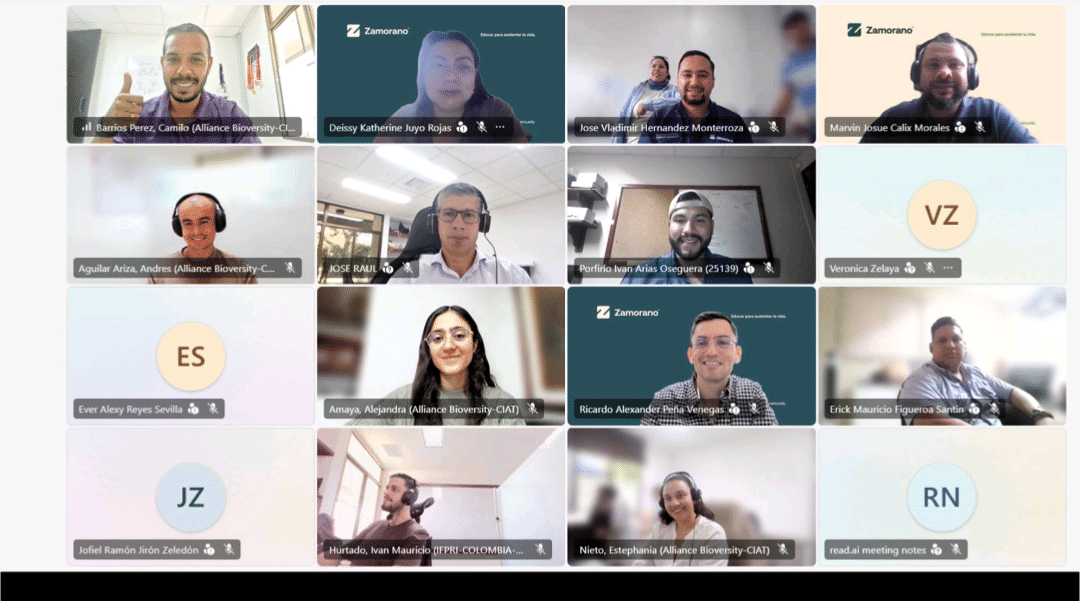
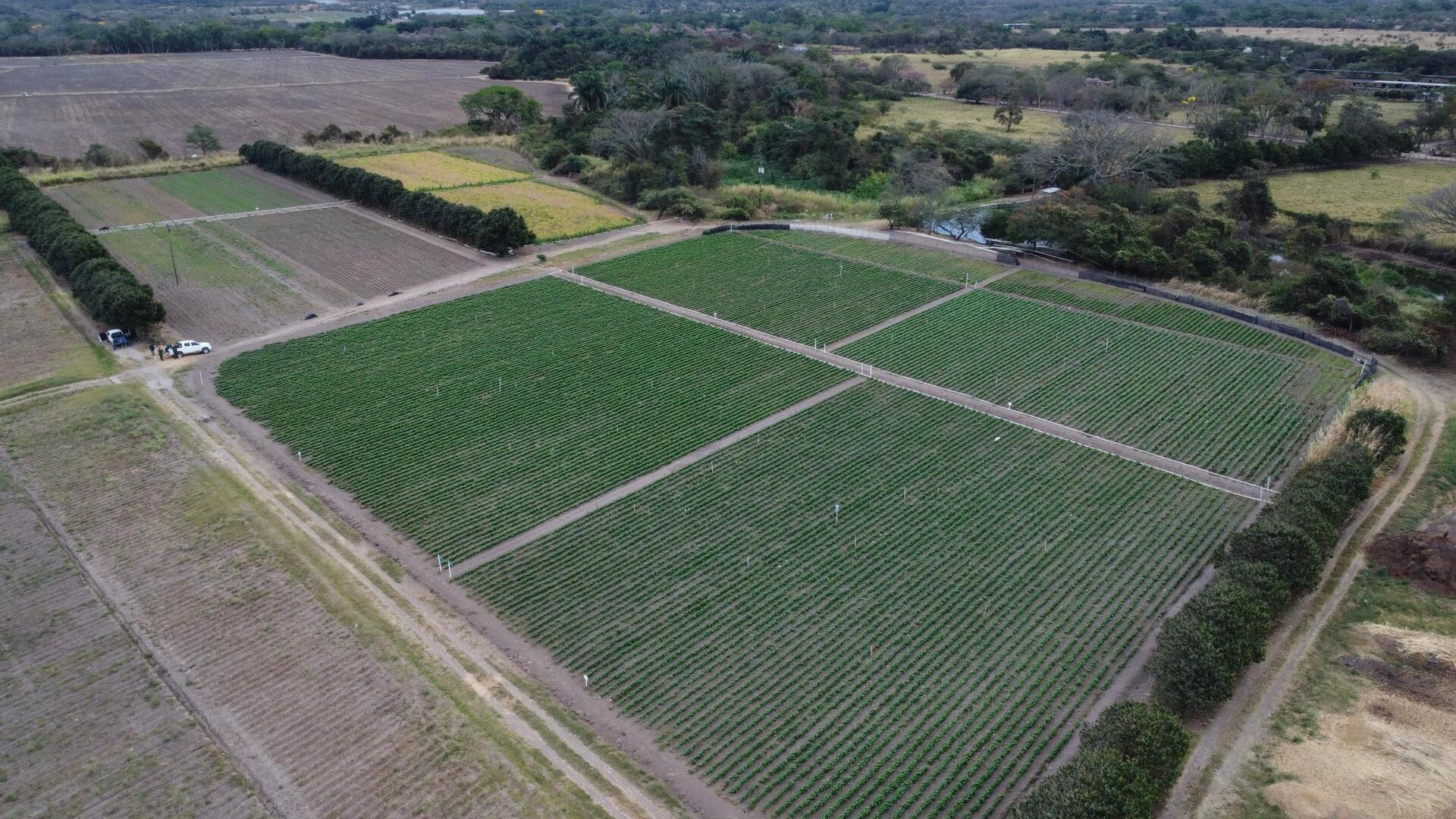
To make better decisions, we need local information that reflects the actual conditions in the field. With that goal in mind, the Suelos de Honduras project, in a joint effort with the Zamorano University, conducted research on experimental plots where bean varieties were monitored under real production conditions. The researchers collected data on precipitation, temperature, relative humidity, soil, and plant growth, and supplemented this with drone and satellite imagery to better understand crop behavior in different scenarios.
All of this information was stored in Honduras’s first National Soil Information System with the aim of providing more precise recommendations on where, how, and how much fertilizer to apply to grow beans efficiently. Consequently, this data facilitates crop modeling under different simulations, thereby making it possible to predict how the crop would respond based on soil characteristics, weather conditions, and the variety planted.
“The climate determines the challenge; soil, genetics, and resources define our capacity to respond; and science allows us to anticipate,” stated Deissy Juyo, head of the Crop Research and Development Unit at Zamorano University.
“In the face of events like El Niño, resilience is built at the landscape scale. Combining soil science, climate monitoring, and farmers’ knowledge allows us to move from general recommendations to decisions that protect both production and water resources,” said Jefferson Valencia Gómez, research team leader for the Bioversity International and CIAT Alliance.
Your wallet feels the effects of El Niño, too
A pound of rice, a pound of beans, a kilo of potatoes, two tomatoes, and a few pieces of fruit. The shopping list is the same as always, but there isn’t enough money anymore. Standing in front of the market stalls, it’s time to compare prices and adjust the quantities. Behind those mental calculations that end with “Potatoes are so expensive!”, there’s a story that began months ago and kilometers away: a drought that reduced harvests, rains that blocked a road causing the truck to use more gas to reach its destination, or extreme temperatures that accelerated food spoilage. Sara Rankin, a researcher at the Alliance, explains that these weather-related setbacks add up to costs that are reflected in the final price of the product.
Prices can also rise in anticipation of droughts or floods, when some merchants raise their prices to cover potential losses. “The consequences vary by product and can take weeks or months to reach the consumer,” says Sara.
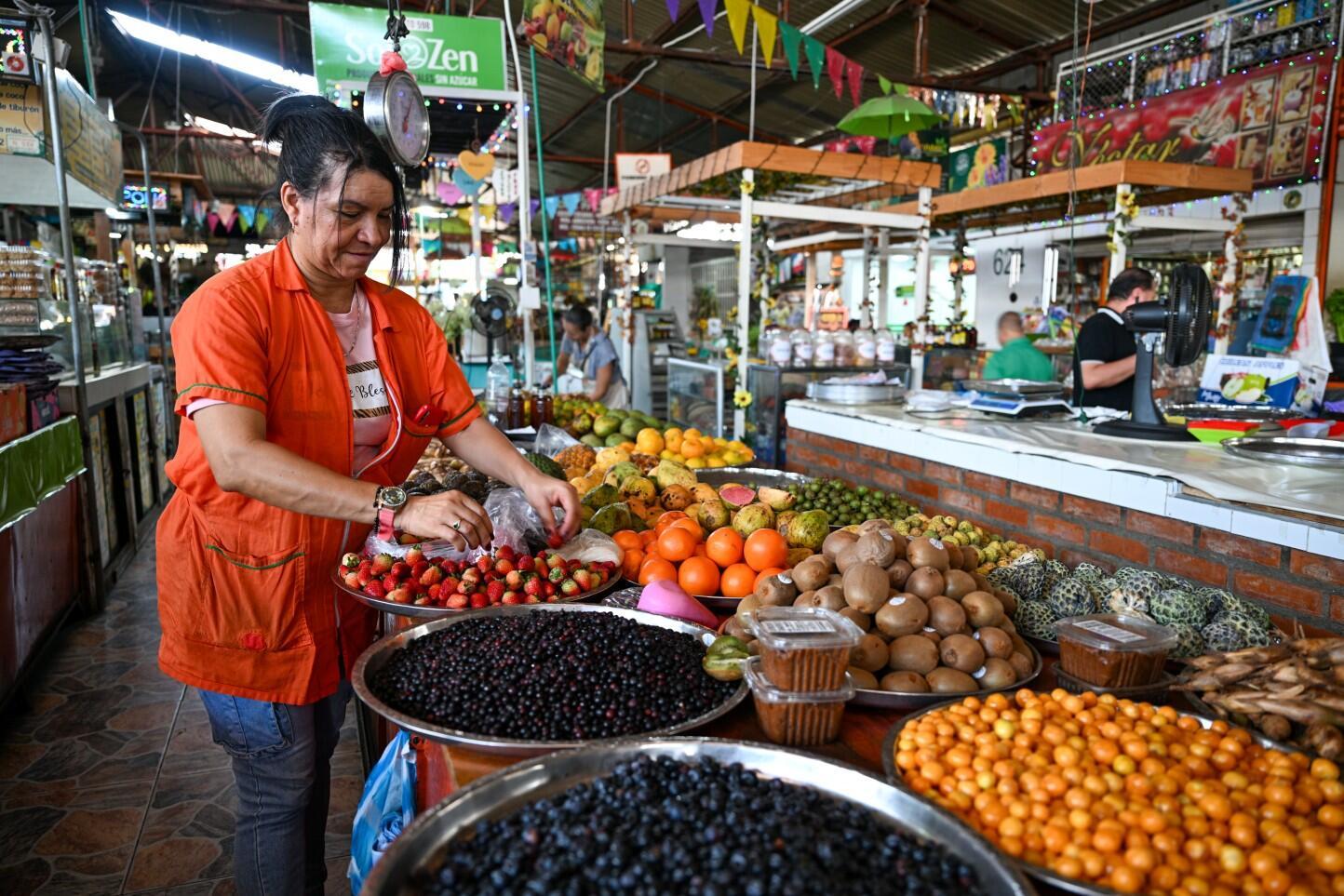
Cheap things end up costing more, and when there’s not enough money for groceries, fruits are the first to be cut from the shopping list. Some families also cut back on vegetables and replace animal proteins with more affordable alternatives such as legumes, offal, or processed meats. These changes can affect the diversity and nutritional quality of the diet, leading to deficiencies in essential nutrients and increasing the risk of diseases such as anemia, diabetes, and cardiovascular problems. According to the FAO, in 2022, nearly 183 million people in Latin America and the Caribbean could not afford a healthy diet. Over time, what is saved at the grocery store may end up taking a toll on health.
Understanding how economic hardships affect food intake is part of the research being conducted by the Alliance in collaboration with the Institute of Nutrition of Central America and Panama (INCAP), Both institutions have studied food security and diet quality in Latin America and the Caribbean, examining consumption patterns and differences in access to nutritious foods. This evidence helps guide strategies to improve the quality of diets and understand how economic conditions influence what families ultimately put on their tables.
It's better to be safe than sorry
Should farmers plant now or wait? For a farmer, choosing the wrong time can mean months of work going to waste.
Timing can also influence what crops are grown. Is it best to continue planting corn, intercrop it with other crops, or try new varieties that may be better suited to the climate in the coming years? To help answer these questions, the Alliance developed the Index of Potentially Supplementary Crops, an interactive platform designed by the PISA (Performance, Innovation, and Strategic Analyses for Impact) team to explore which crops could complement agricultural production in different regions of Latin America and the Caribbean. Through maps, the tool allows users to view information by region and evaluate potential crop alternatives based on their adaptation to future climate conditions, their economic potential, and their nutritional value. The analysis focuses on rain-fed crops without irrigation systems. In this way, researchers and decision-makers have information to guide agricultural diversification in local production systems, recognizing that farmers are the ones who make the final decision to protect their incomes and their families’ food security.
El Niño does not affect everyone equally
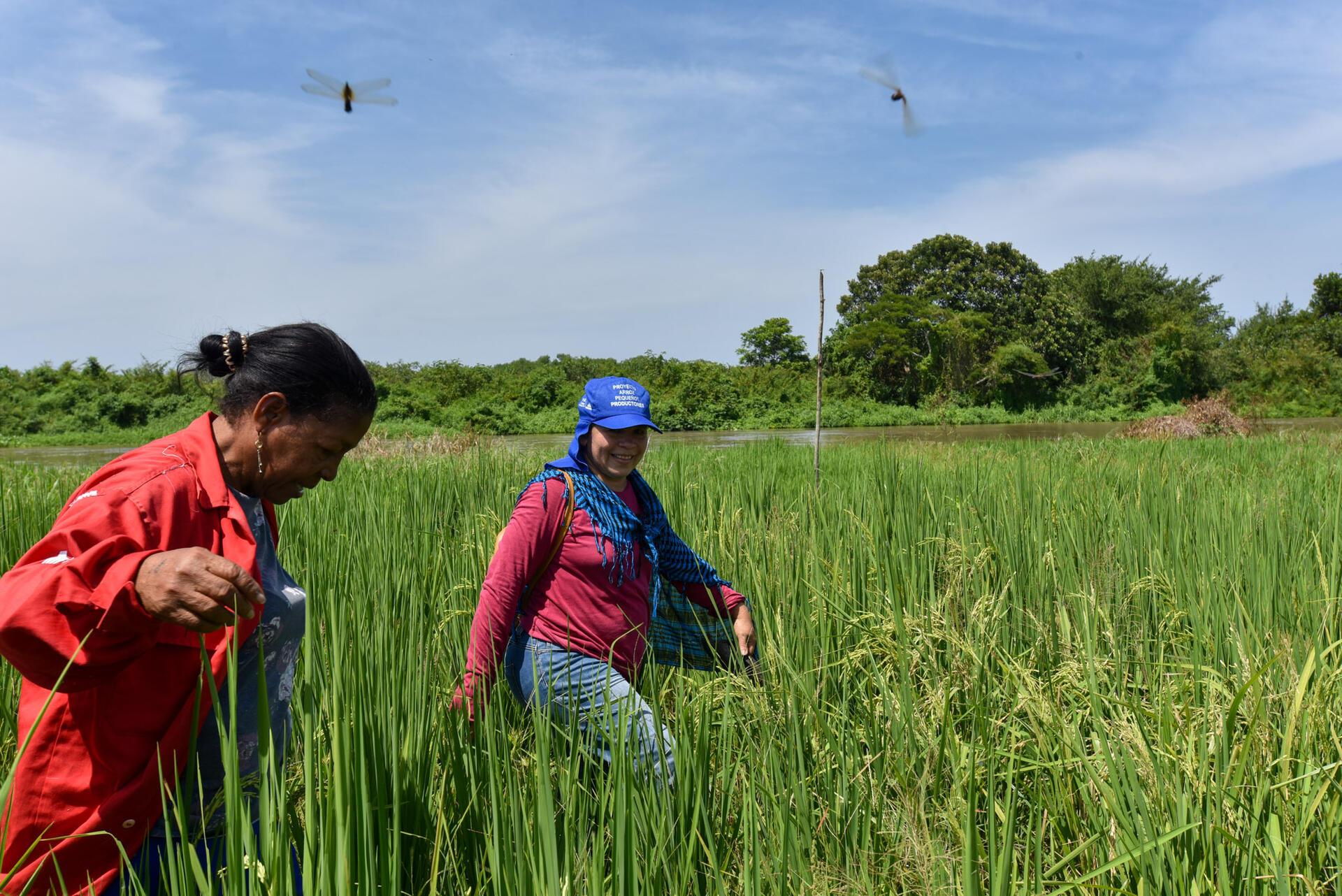
The consequences of the El Niño phenomenon are experienced differently in every household. When water is scarce, obtaining it can become a task that takes many hours, and in many rural communities, it is women who must travel the greatest distances to supply their households, all while continuing to tend to the crops, prepare meals, and care for their families.
And as if that weren’t enough, these difficulties compound the inequalities that already exist in rural areas.
“Women and young people often have less access to information, capital, time, and decision-making power,” explains Fanny Howland, a gender researcher at the Alliance. These conditions affect their ability to better prepare for a drought, adapt agricultural practices, or recover from a crop loss caused by El Niño or another weather phenomenon.
The study “Gender and Social Inclusion in Climate Information Services: A Case Study in Guatemala and Honduras” found that women, people with lower levels of education, and indigenous communities face greater barriers to using agroclimatic information. The study also highlights the importance of radio, television, social media, WhatsApp, and word of mouth in bringing agricultural forecasts and recommendations to these communities.
In the Central American Dry Corridor, a region particularly vulnerable to the El Niño phenomenon, the Alliance has worked with communities to strengthen their adaptive capacity. Through the Climate-Smart Sustainable Territories (TeSAC), farmers in Santa Rita, Honduras, and Olopa, Guatemala, participated in training sessions to interpret climate information, make decisions about their crops, and implement practices such as water harvesting and family gardens. These changes also benefited women: in Santa Rita, their participation in decisions regarding agricultural expenditures increased from 17% to 67%, while in Olopa, their access to agricultural income rose from 20% to 50%.
El Niño doesn't give any warning, but science anticipates it
We can't stop El Niño from coming to the table, but we can decide what conditions it finds us in. It is a natural, cyclical phenomenon that manifests differently each time, and it cannot be addressed simply by responding to the event as it unfolds in the current year: it requires us to prepare with medium- and long-term measures.
To achieve this, data and tools are essential, but they are not enough. “Solutions must be built with farmers, not just for them. We need to talk with producers, identify the strategies they traditionally use to cope with each condition, and combine them with science,” says Camilo Barrios-Pérez, a researcher with the Bioversity International and CIAT Alliance.
Developing solutions with farmers—not just for them—is the first step. The second is ensuring they have access to the knowledge and tools that facilitate decision-making. When this works, the effects are first seen in the fields and eventually reach the plates that Latin American families set on their tables. To this end, the Alliance has developed tools such as AClimate, an open, free-to-use platform that combines climate forecasts and agricultural models to support farmers, decision-makers, and public institutions. The platform provides information on planting dates, crop varieties, and yields, helping to optimize resource investment and strengthen early warning systems.
Its implementation has expanded from Colombia to countries such as Peru, Guatemala, Nicaragua, Honduras and now El Salvador, adapting to the specific needs and contexts of each country. In addition to being in Latin America, it has also reached Africa. In Colombia, this platform powers Melisa, a chatbot that answers questions about rainfall, climate, and agricultural production.
At the Alliance, we know that connecting science with local communities, their people, and their needs is the key to moving from reaction to anticipation. An informed farmer makes better decisions, an informed family is better prepared to cope with floods or water shortages, and an informed community can anticipate the impacts of weather events. When this knowledge is combined with practices adapted to the agroclimatic conditions of each plot of land, positive results multiply. The process is gradual and the effort is shared; it requires that when El Niño comes to the table, farmers, institutions, academia, and governments are already seated and prepared to welcome it.