Blog Investing at 45°C: The Alliance charts Djibouti’s climate-smart path

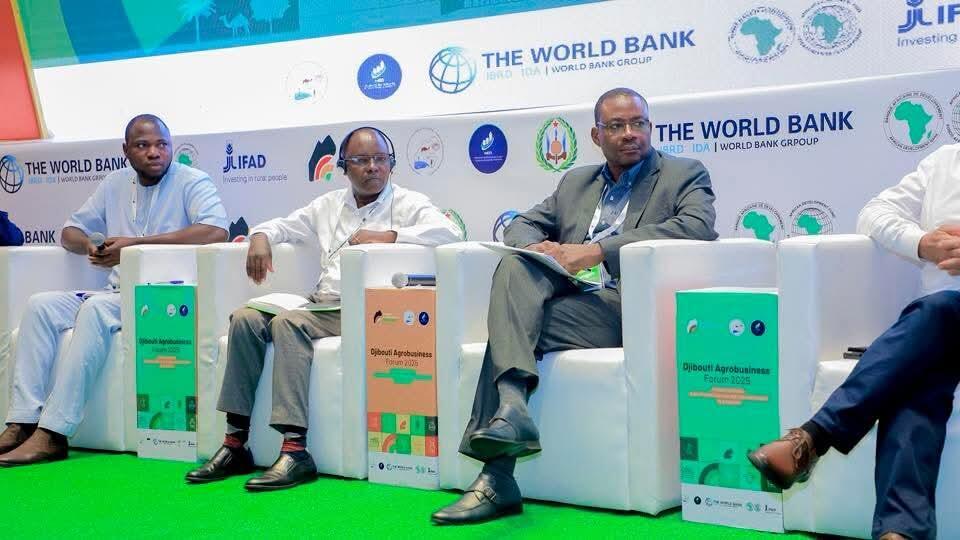
Could the future of dryland agriculture emerge along the shores of the Red Sea? From June 10–12, 2025, the Alliance of Bioversity International and CIAT participated in Djibouti’s first-ever National Agri-Business Forum, bringing together decision-makers, researchers, donors, and the private sector. In a country facing extreme climatic conditions but committed to innovation, the Alliance showcased its expertise in Climate-Smart Agricultural Investment Planning. Three days of exchange laid the groundwork for an ambitious roadmap where science drives food sovereignty and inclusive growth.
A forum born of climate urgency and political will
Djibouti imports nearly 90% of its food. On a land that receives just 150 mm of rainfall annually and regularly endures 45°C heat, this dependency is both an economic and security risk. Aware of its food system’s vulnerability, the government launched "Djibouti Agro-Business 2030" to attract investment, technology, and expertise to turn its desert into a laboratory for sustainable agriculture. Co-organized by the Ministries of Economy and Agriculture, with support from the African Development Bank (AfDB) and IFAD, the Forum aimed to dismantle logistical, regulatory, and financial barriers and prepare a costed plan ahead of the end-of-year donor roundtable.
This ambition aligns with a continental shift: AfDB anticipates a US$1 trillion agri-food market in Africa by 2030—if climate-smart investments multiply. Djibouti aims to ride that wave, capitalizing on its strategic ports and focusing on high-value sectors such as coastal aquaculture, dates, goat farming, and greenhouse horticulture, all prioritizing water efficiency and innovation. Here, CGIAR’s expertise is key—supporting decision-makers in identifying resilient investments.
The Alliance at the mic: CSA as an investment compass
Dr. Mathieu Ouedraogo, Senior Scientist at the Alliance, took the floor:
“Climate-Smart Agriculture is not just an academic concept—it’s an investment compass. It secures value chains, mobilizes climate finance, and turns every drop of water into productivity,” he emphasized, noting that 45% of African countries have already included CSA in their nationally determined contributions.
He presented the CSA Investment Planning (CSAIP) framework, which involves: (i) mapping climate risks by value chain; (ii) creating a long list of solutions—resilient varieties, precision irrigation, digital agriculture; and (iii) prioritizing projects by economic, social, and environmental return.
“Our method translates climate data into financial language: internal rate of return, green jobs created, tons of CO₂ avoided,” he explained. For Djibouti, the Alliance proposes applying this filter to the Forum’s four priority value chains. “In arid zones, every franc must count twice—for production and adaptation. CSAIP helps isolate projects that achieve both,” he concluded.

Mathieu Ouedraogo
Senior Scientist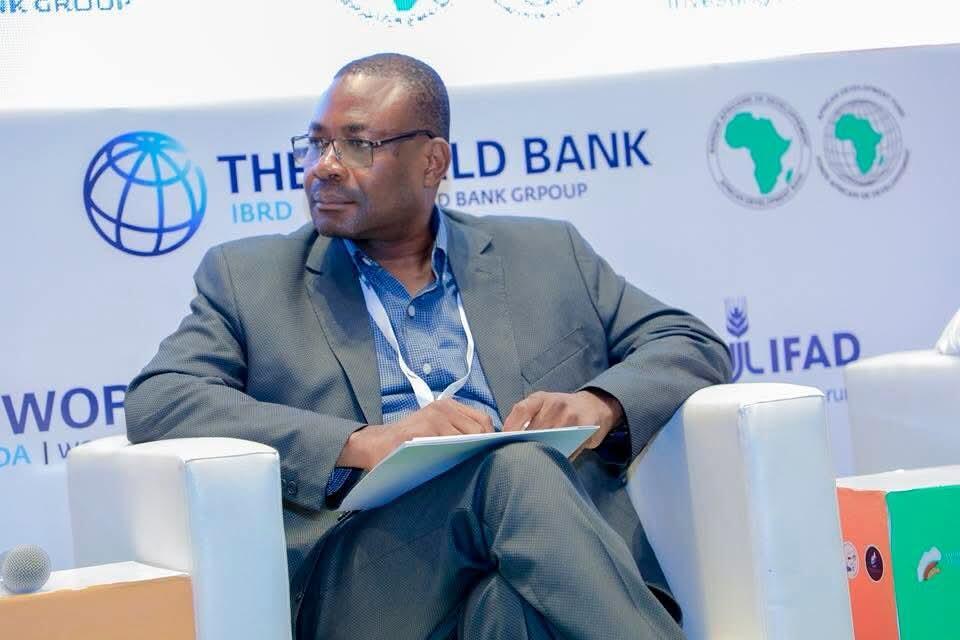
Four value chains in focus: Shared challenges, interlinked solutions
Technical workshops matched ambition to reality. Four priority areas emerged, each with specific challenges and opportunities:
- Aquaculture: Participants emphasized the untapped potential of Djibouti’s exceptionally clean coastal waters, especially with rising regional demand for fresh fish. However, major logistical gaps persist: lack of infrastructure, no cold chain, and the absence of a sanitary certification lab.
Dr. Ouedraogo saw innovation openings: “Recirculating cage aquaculture, proven viable in Kenya, could succeed here if combined with solar power and carbon credit mechanisms.”
- Date palms: ICBA pointed out that Djibouti’s climate resembles that of the Arabian Peninsula—perfect for cultivating salt-tolerant date palm varieties. Local producers stressed the need for secure water access. In response, CSAIP suggests assessing solar-powered drip irrigation, coupled with modular desalination units adapted to local conditions.
- Goat farming: Essential to rural livelihoods, goat farming faces heat-related challenges: extreme temperatures increase herd mortality. CSAIP proposes breeding for heat-tolerant traits and maximizing the value of by-products—such as cheese and leather—to boost pastoralist incomes.
- Greenhouses and hydroponics: This topic sparked strong interest.
“In a land-scarce country, every square meter must produce more, better, with less water,” said Dr. Ouedraogo.
He highlighted Kenyan hydroponic farms using up to 90% less water than open-field systems. The roadmap recommends launching a dedicated Agtech incubation window and a guarantee fund to support youth and women entrepreneurs—both critical for sustainable adoption.

Toward a national strategy and sustainable financing
Combining public-private guarantee funds and green credit lines; and finally, agtech incubators and gender-balanced training programs to equip youth and women with the necessary skills. These priorities will feed into the national strategy that the interministerial committee (Economy, Agriculture, Water Resources), supported by technical partners such as CGIAR, is expected to finalize by September 2025, ahead of the end-of-year donor-investor roundtable.
Each partner has already outlined its support: the African Development Bank is exploring financing through its “Adaptation Benefit” window, IFAD is preparing a facility dedicated to small-scale producer.s, and the World Bank is preparing to align its “Agri-Food Value Chain Development” project with the upcoming roadmap. All have committed to using a shared indicator matrix to avoid overlaps and gaps.
In the implementation of these initiatives, the Alliance could play a leading role by offering climate-smart and digital solutions tailored to the four prioritized value chains. In this regard, it is currently leading a pilot digital extension project under the Build Resilience for Food and Nutrition Security in the Horn of Africa (BREFONS) program. Moreover, the Alliance has developed a digital strategy for Djibouti, which could be operationalized as part of these initiatives.