From the Field From pilot projects to impact: How responsible scaling can accelerate climate action in agriculture

Climate change is no longer a future scenario for Latin America and the Caribbean. More intense droughts, unpredictable rainfall, emerging pests, and increasing pressure on food systems are transforming the way food is produced, distributed, and consumed across the region. In this context, agriculture faces a dual challenge: adapting to increasingly complex climate conditions while ensuring food security for millions of people.
Over the years, governments, research centers, international development organizations, and farmers have developed solutions to address these challenges. More resilient crop varieties, agroforestry systems, climate services, digital platforms, early warning systems, and institutional innovations have all demonstrated positive results in different settings.
Yet one question continues to arise:
If the solutions already exist, why is it still so difficult to scale them?
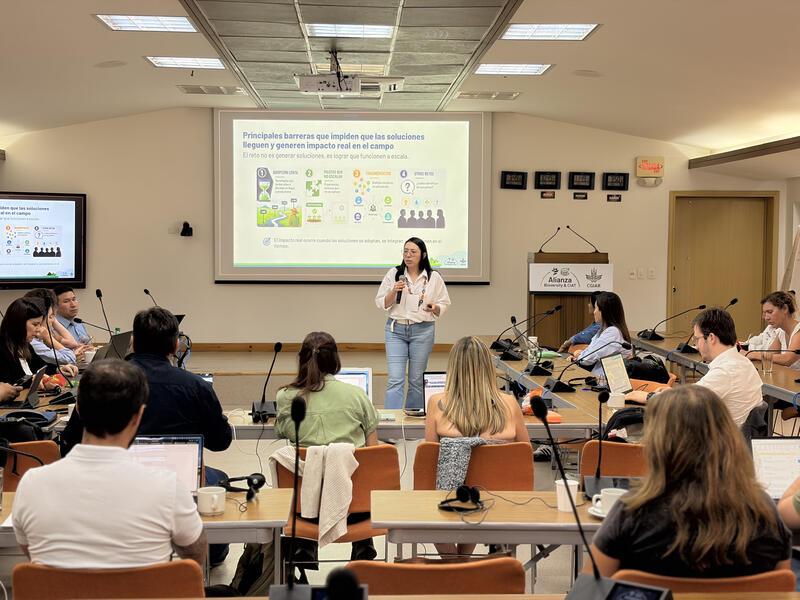
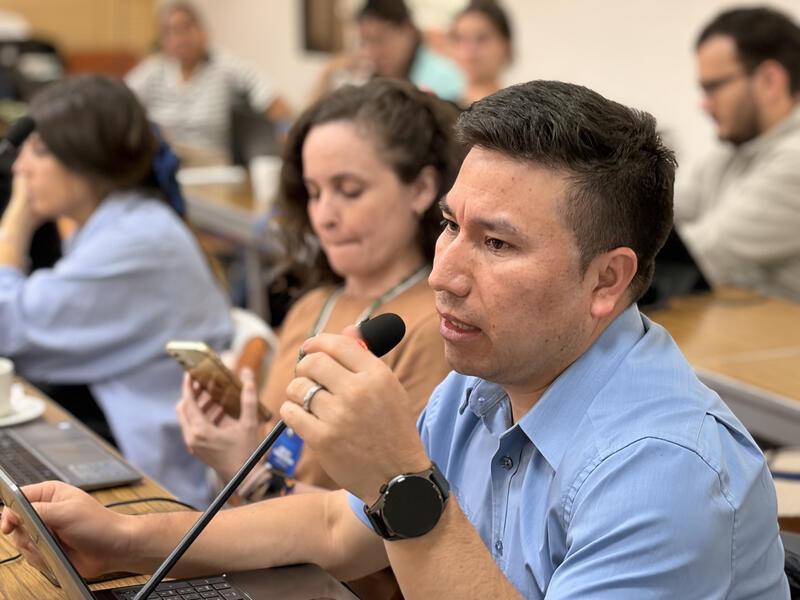
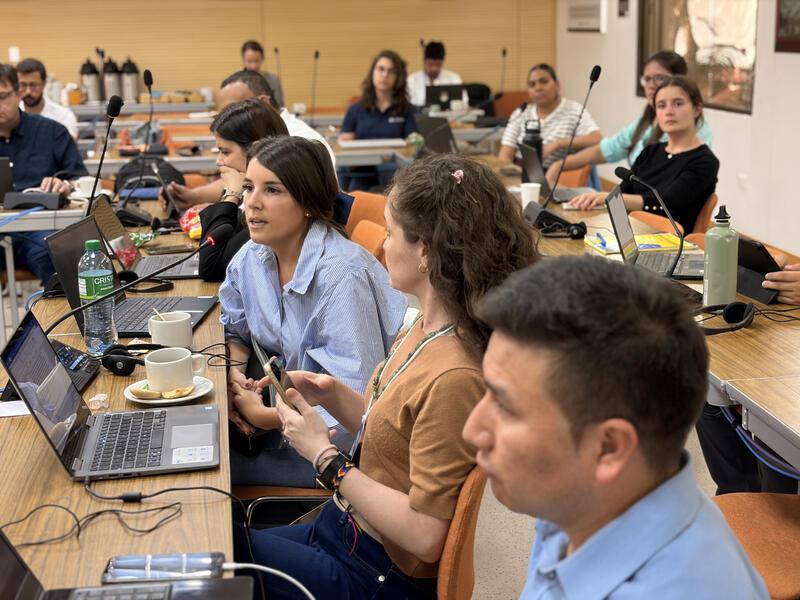
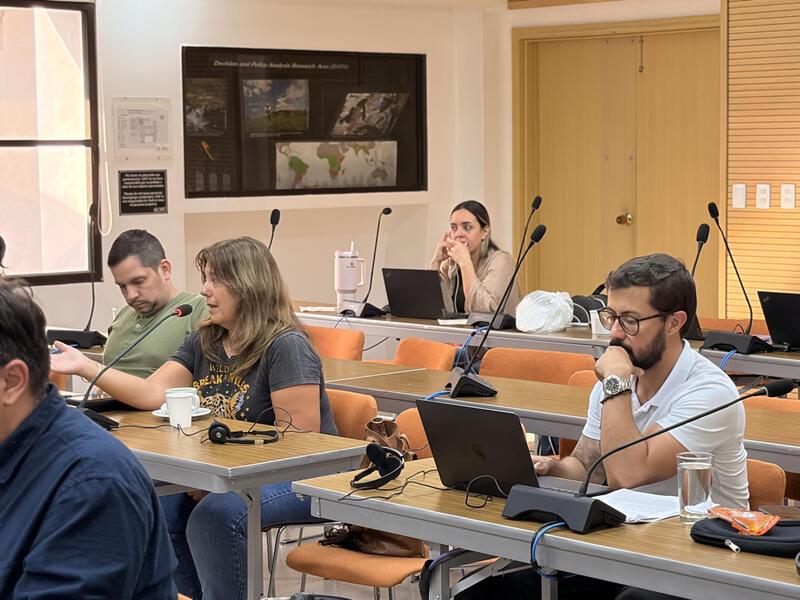
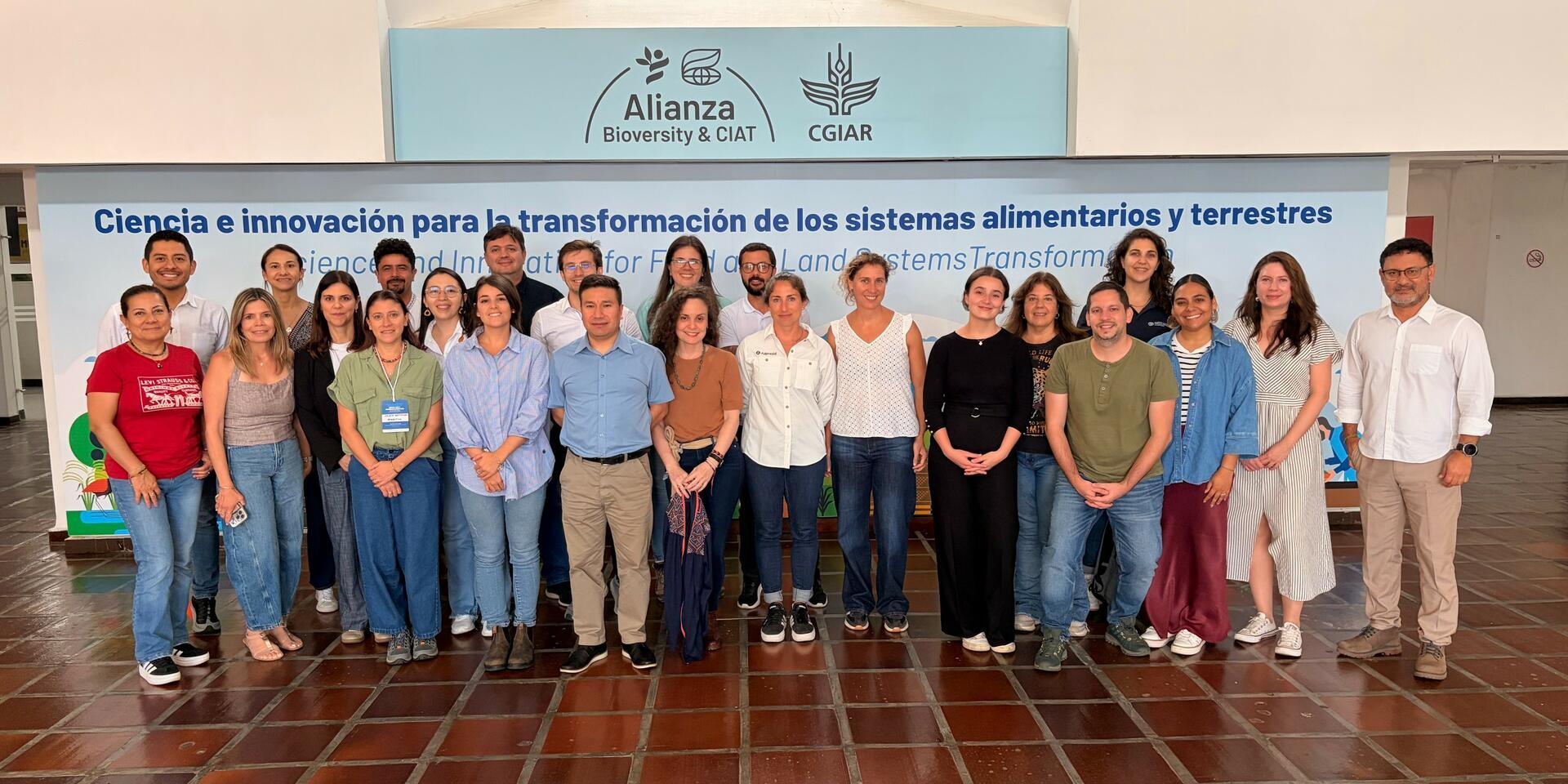
This was one of the central questions discussed during the dialogue "Responsible Scaling as a Mechanism to Advance Regional Climate Action," held as part of the Second Regional Dialogue for Agriculture and Food Security Negotiators in Latin America and the Caribbean.
The discussion made one point abundantly clear: the challenge is not simply to innovate, but to ensure that innovations reach those who need them most in ways that are effective, sustainable, and inclusive.
Beyond innovation: The challenge of scaling solutions
Across many countries in the region, successful pilot experiences have demonstrated promising results, yet they often struggle to evolve into broad and sustainable transformations. During the dialogue, participants from different countries identified several common barriers:
- Solutions that remain trapped in the pilot phase;
- Weak coordination among research organizations, public policy, and the private sector;
- Limited agricultural extension systems;
- Insufficient financing;
- Institutional fragmentation; and
- Difficulties adapting solutions to different types of farmers and local contexts.
Participants also emphasized that institutional responses often advance more slowly than climate variability itself.
So, what is Responsible Scaling?
Against this backdrop, Responsible Scaling has emerged as an approach to accelerate the implementation of climate solutions while ensuring sustainability, inclusion, and long-term impact.
Unlike traditional technology transfer models, which assume that one solution can work equally well everywhere, Responsible Scaling recognizes that social, cultural, economic, and institutional contexts differ, and that innovations must be adapted accordingly.
Rather than simply disseminating technologies, Responsible Scaling seeks to build sustainable processes capable of generating lasting change across territories. This involves:
• Strengthening local capacities;
• Connecting stakeholders;
• Building trust;
• Anticipating risks; and
• Creating the enabling conditions needed for solutions to endure over time.
As highlighted during the dialogue, the ultimate goal is not merely to increase the number of people adopting a technology, but to understand the broader impacts that adoption has on communities, rural livelihoods, and agri-food systems.
These efforts are part of CGIAR's Scaling for Impact Initiative, a global program within CGIAR's 2025–2030 research portfolio. The initiative aims to accelerate the use, adoption, and impact of agricultural and climate innovations at scale through Responsible Scaling approaches. It promotes tools, methodologies, and capacity strengthening to transform evidence-based solutions into sustainable, systemic change across territories.
Scaling is not replication
One of the key messages from the dialogue was that scaling should not be understood as simply replicating solutions. A practice that works for a large-scale farmer may not be suitable for a smallholder. Likewise, a successful solution in one territory may face entirely different barriers in another context. For this reason, Responsible Scaling encourages stakeholders to assess:
- How ready an innovation is to scale;
- Which actors need to be involved;
- What barriers currently exist; and
- What risks may emerge as a solution expands.
This also includes anticipating unintended consequences. During the discussion, one participant shared the example of an agricultural innovation that increased productivity and reduced emissions in rice production systems by using ducks for pest control. Although the technology proved technically effective, the scaling process encountered an unexpected obstacle: an oversupply of ducks and the lack of a market to commercialize them.
The example highlighted an important lesson: scaling solutions requires looking beyond the technology itself and understanding the broader system in which the innovation will be implemented.
The role of relationships and trust
Another key takeaway from the dialogue was that scaling depends as much on relationships among stakeholders as it does on the technical quality of innovations. Even when an innovation is ready for implementation, progress can stall if strong connections do not exist among governments, research organizations, the private sector, international development partners, and local actors.
For this reason, Responsible Scaling places particular emphasis on relational capital, the trust, coordination, and collaboration among those who are part of the system. In many cases, building these relationships takes longer than securing funding.
Accelerating climate action requires scaling better, not just innovating more
Latin America and the Caribbean already have a wide range of solutions to strengthen the resilience of their agri-food systems. The challenge is not only to generate new innovations, but also to create the conditions that enable existing ones to reach the people who need them most in an effective, sustainable, and inclusive way.
In this context, initiatives such as CGIAR's Scaling for Impact Initiative seek to strengthen the capacities, partnerships, and processes needed to transform successful experiences into broader, lasting change. Rather than simply increasing the number of beneficiaries, the goal is to generate long-term impacts across territories and contribute to more resilient agri-food systems in the face of climate change.
The dialogue concluded with a clear message: closing the gap between knowledge and implementation will be essential to accelerating climate action. At a time when the impacts of climate change are advancing rapidly, Responsible Scaling offers a pathway for transforming proven solutions into systemic change with meaningful, lasting impact.