From the Field Farmers take lead in shaping Malawi's next generation of bean varieties
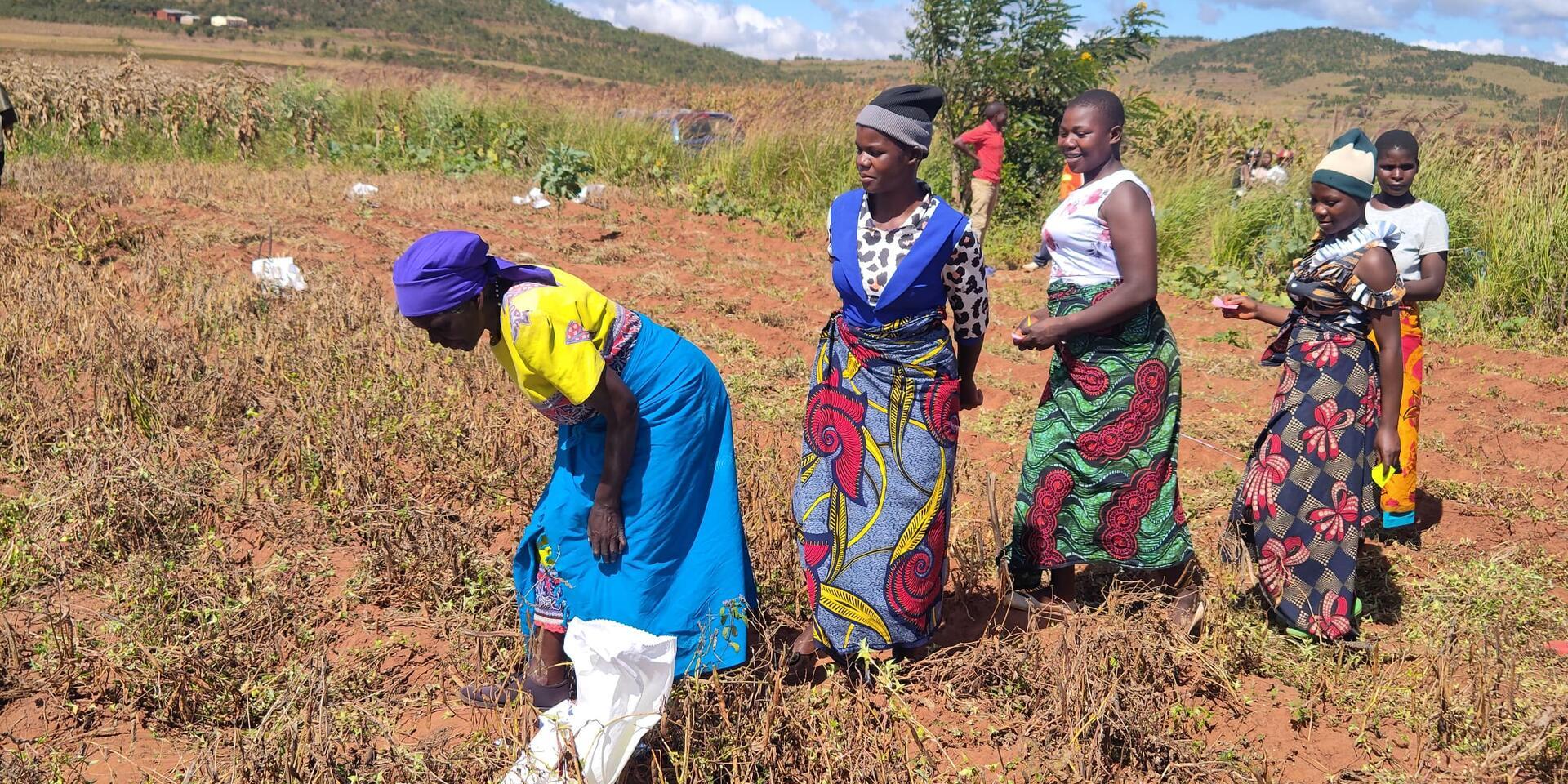
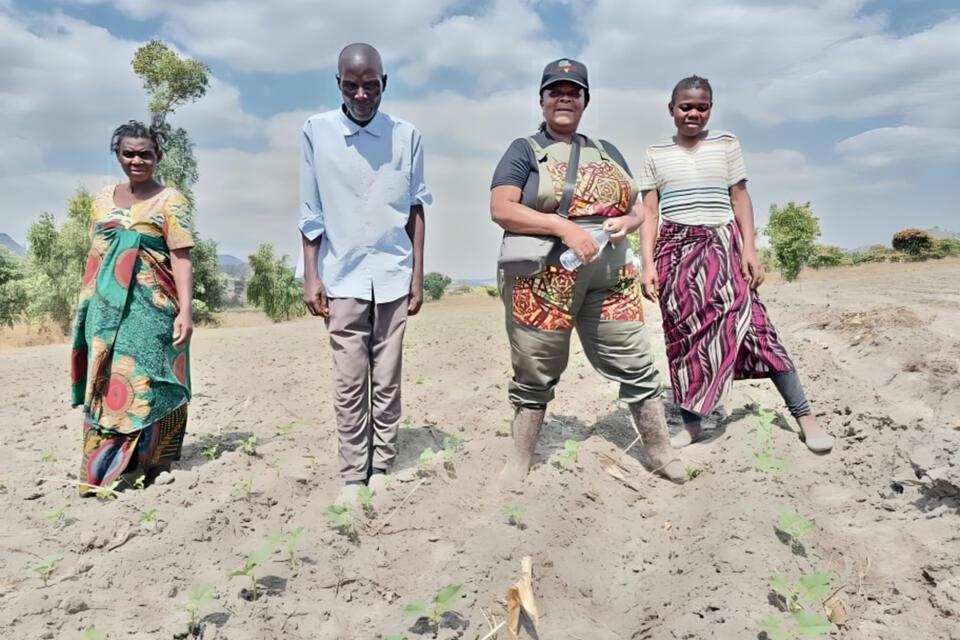
Nearly 200 farmers from Ntchisi, Mzimba, Rumphi and Dedza districts in Malawi recently participated in bean variety selection exercises to help researchers identify climate-resilient, nutritious and market-friendly beans that meet farmers' needs.
Farmer involvement defines the approach of the Pan-Africa Bean Research Alliance (PABRA) program of the Alliance of Bioversity International and CIAT, ensuring that innovation is shaped by those who grow, consume, and market beans. Traits such as drought tolerance, climate resilience, faster cooking times, improved nutrition, desirable taste, and strong market appeal are all considered through the lens of farmers.
In Malawi, where beans are cultivated by more than 80 percent of smallholder farmers alongside maize, farmer perspectives are especially important. It is against this backdrop that nearly 200 farmers from Ntchisi, Mzimba, Rumphi, and Dedza districts recently participated in a Participatory Variety Selection (PVS) exercise under the Growth Poles Initiative led by Palladium. Their involvement is helping researchers identify bean varieties that best match farmers' production needs and market preferences.
The exercise brought together 197 farmers, including 132 women and 65 men, highlighting the central role women play in bean production, seed selection, household nutrition, and marketing. Participants evaluated promising sugar and canning bean varieties under real farming conditions, providing critical feedback that will help guide the advancement and eventual release of varieties with the greatest potential for adoption.
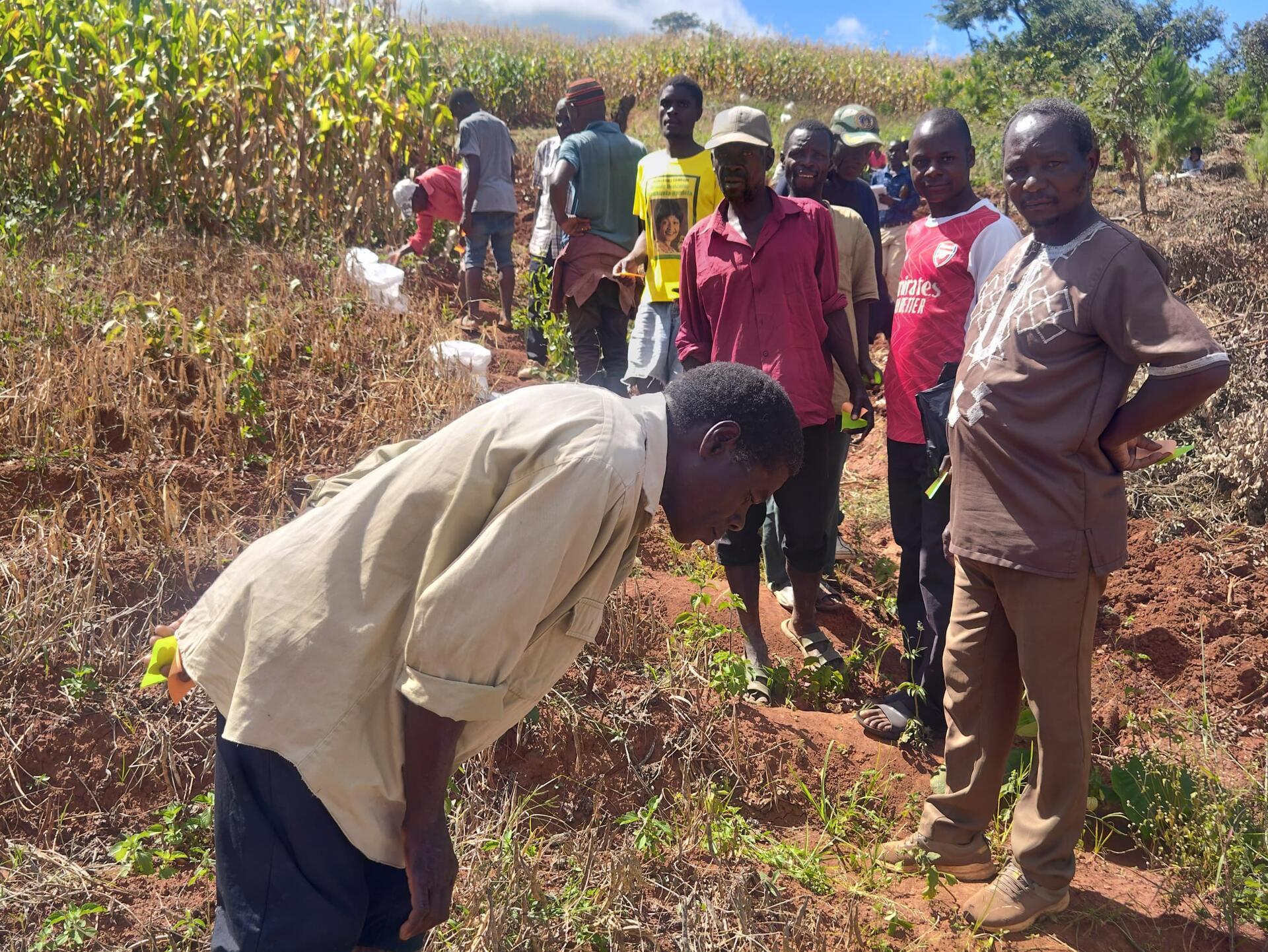
Through participatory variety selection, Malawian farmers are moving from technology recipients to co-creators of the next generation of bean varieties for the country's fields and markets.
Putting farmers at the center of research
Rather than relying solely on scientific assessments, the PVS exercise placed farmers at the heart of the evaluation process, allowing them to judge varieties based on the characteristics they value most.
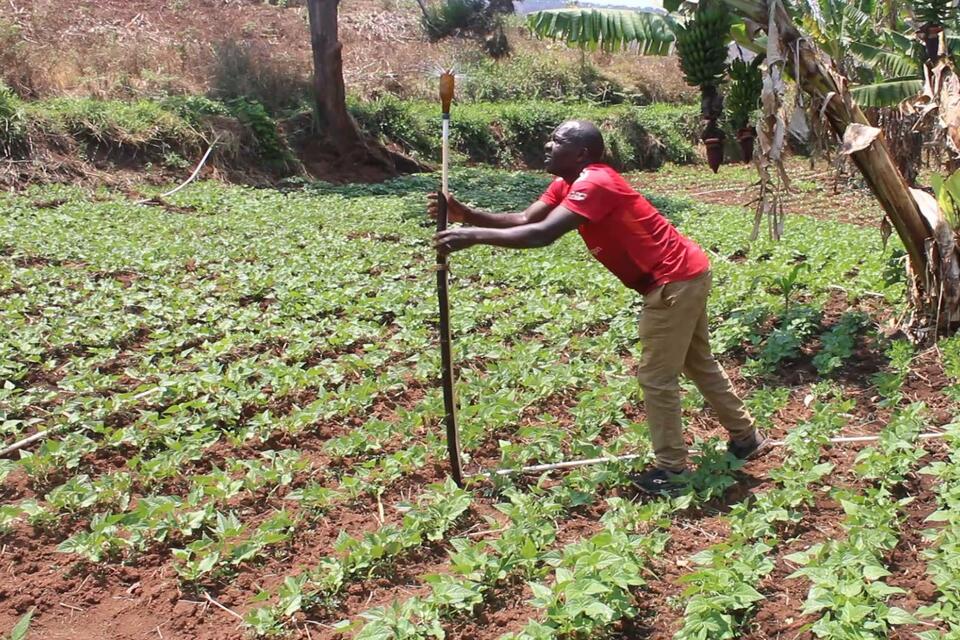
Participants assessed traits such as yield potential, disease resistance, seed size, marketability, pod load, plant vigor, and overall field performance. Because the varieties were grown under farmer-managed conditions, participants were able to observe firsthand how they performed in environments similar to their own farms.
To ensure that the views of both women and men were fully captured, voting was conducted separately by gender. This approach enabled researchers to identify areas of consensus while also highlighting differences in preferences between the two groups.
The strong participation of women was particularly significant, ensuring that the priorities of one of the most influential groups in bean production were reflected in the selection process.