Blog Beans driving change: Malawi smallholder farmers turning yields into wealth
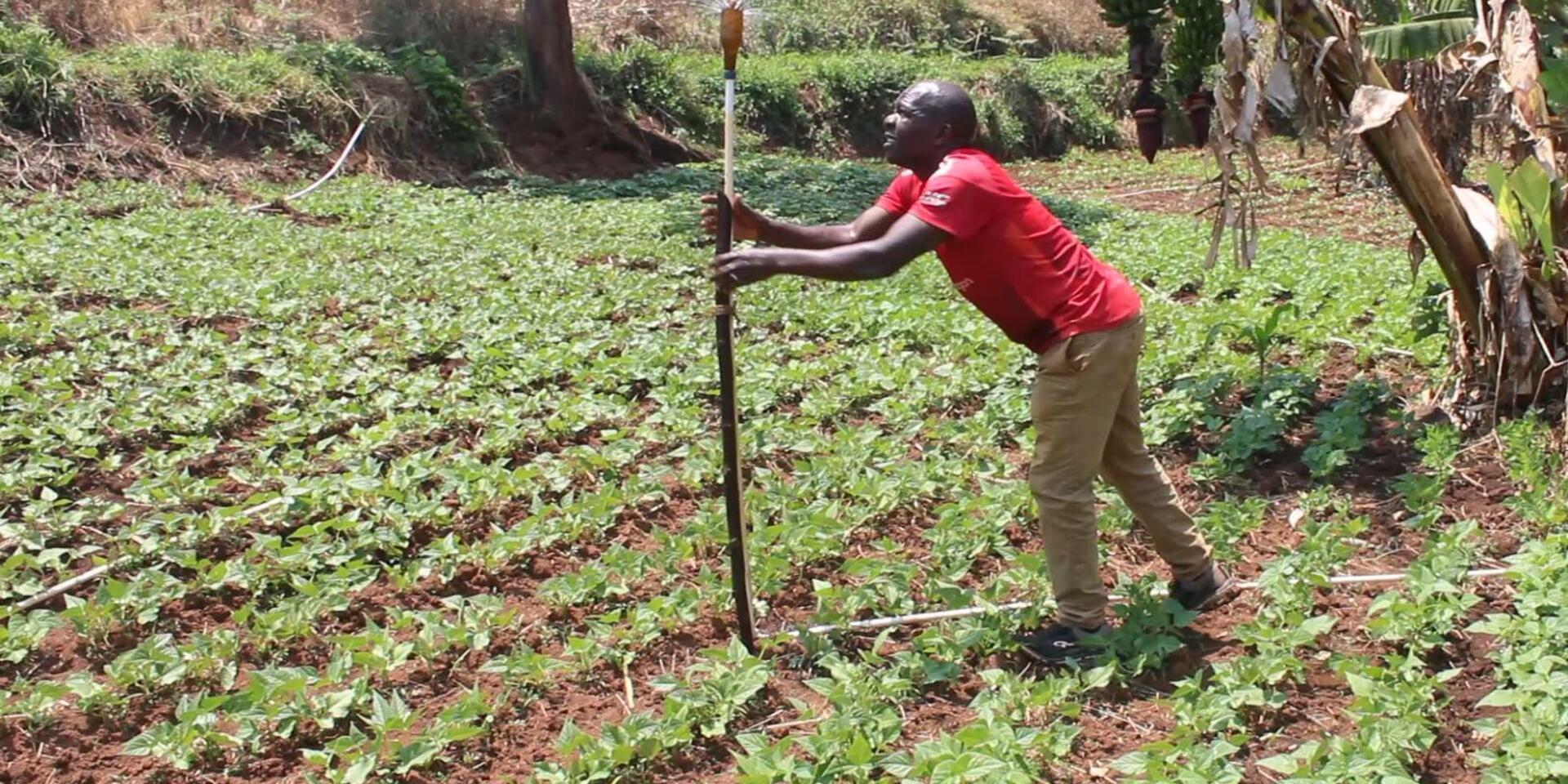

Malawian smallholder farmers are turning beans into income and nutrition. Through improved seeds, cooperatives, and market access, farmers boost yields, earn profits, and build resilience, transforming livelihoods and strengthening local seed systems.
In Malawi, bean production among smallholder farmers is often marked by low yields due to limited access to high-quality, climate-resilient seed and minimal private-sector involvement. Yet in the quiet, mountainous community of Mphompha in Rumphi District 450 kilometers north of the capital Lilongwe, smallholder farmers are rewriting this story. By organizing into cooperatives, adopting improved seed varieties, and linking directly to emerging markets, they are boosting productivity and building resilience against climate shocks. Their journey shows how targeted investments and farmer-led innovation can transform livelihoods.
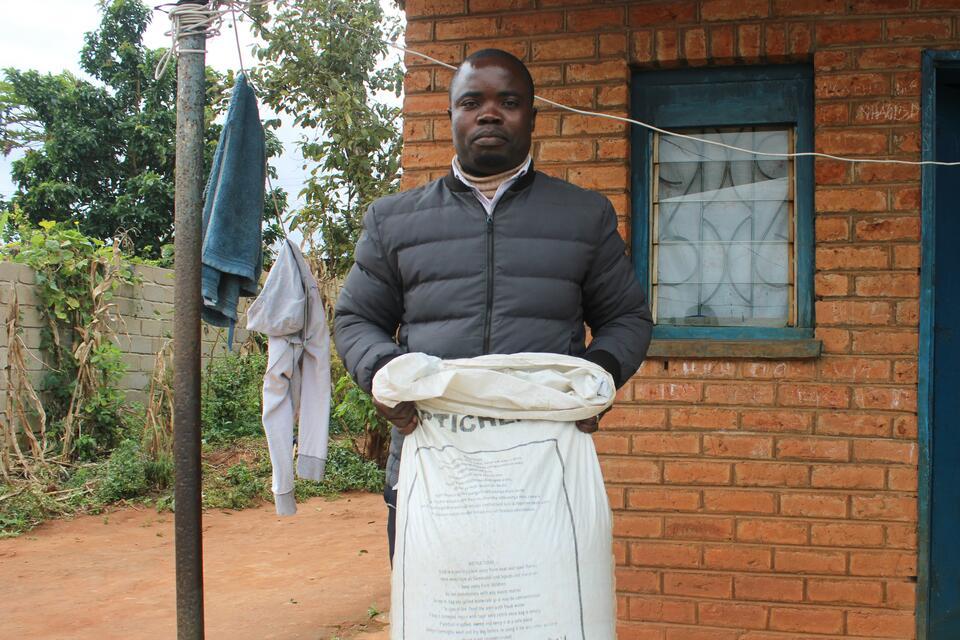
Through the Mphompha Farmers Club, these farmers are turning beans into profits and better nutrition. With support from the Alliance of Bioversity International and CIAT, through the Pan-Africa Bean Research Alliance (PABRA), under the Accelerated Innovation Delivery - Initiative (AID-I), farmers are gaining access to improved bean varieties, fertilizers, and reliable markets. The initiative, implemented in collaboration with Seed Co Malawi, strengthens the entire bean seed value chain by linking research, seed companies, and farmers.
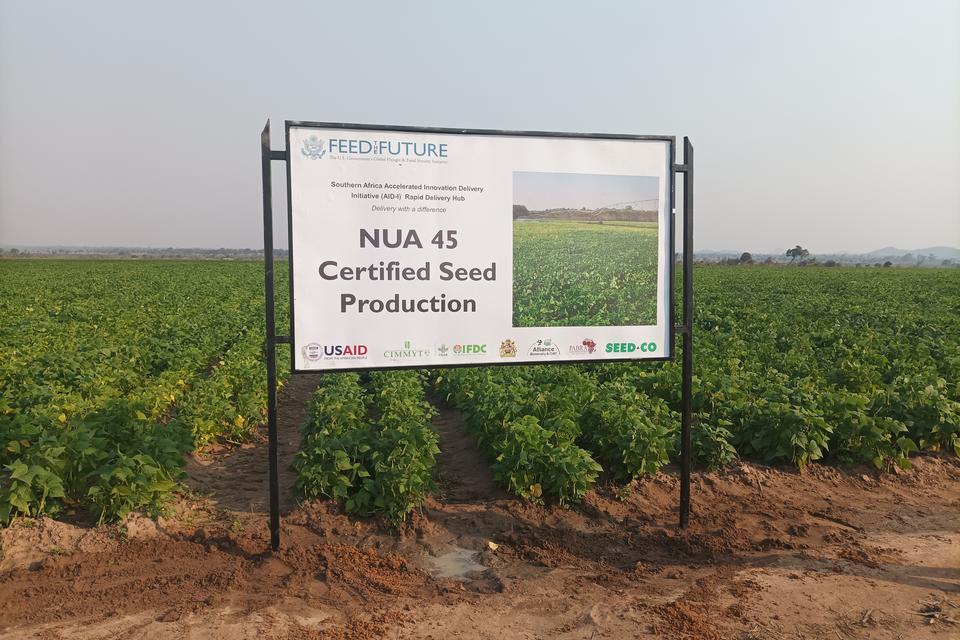
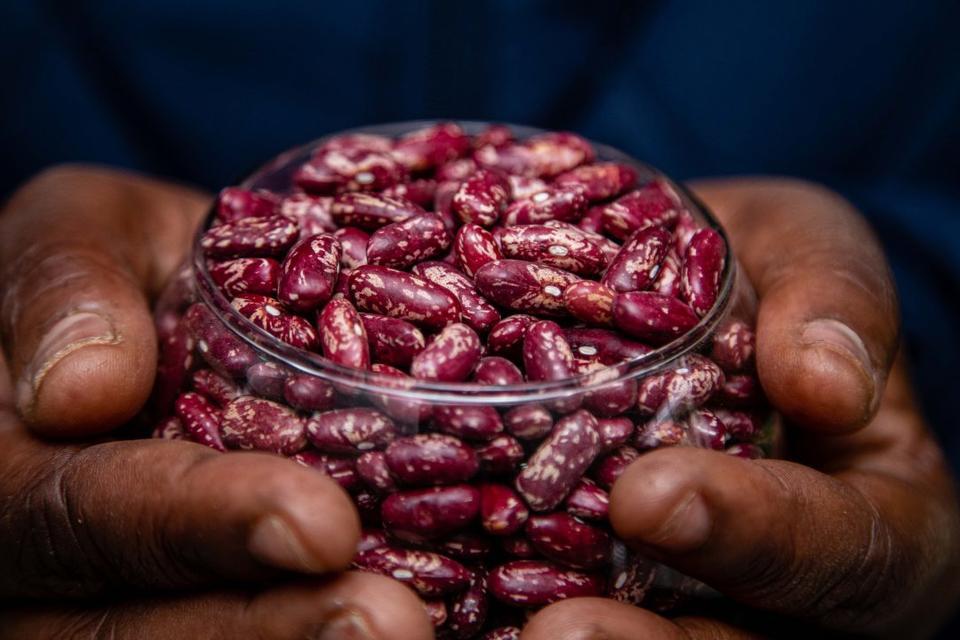
Within this system, the Alliance, through PABRA, initially supplied breeder seed to MacPherson, a registered producer of foundation seed, who multiplied it into pre-basic seed. The pre-basic seed was then supplied to Seed Co Malawi, Nyasa Tobacco, and Chimpeni Estate for further multiplication. Seed Co, in turn, engaged the Mphompha Farmers Club to produce basic and certified seed respectively from prebasic sourced from Duncan Macpherson. Through contractual arrangements, Seed Co supplied NUA45 prebasic seed, which farmers multiplied to produce basic seed and later sold back to the company at MK 5,000 (USD 2.85) per kilogram, ensuring a guaranteed market and stable income.