Blog Strengthening seed systems through a multi-stakeholder platform: How Afriseed grew into regional bean enterprise
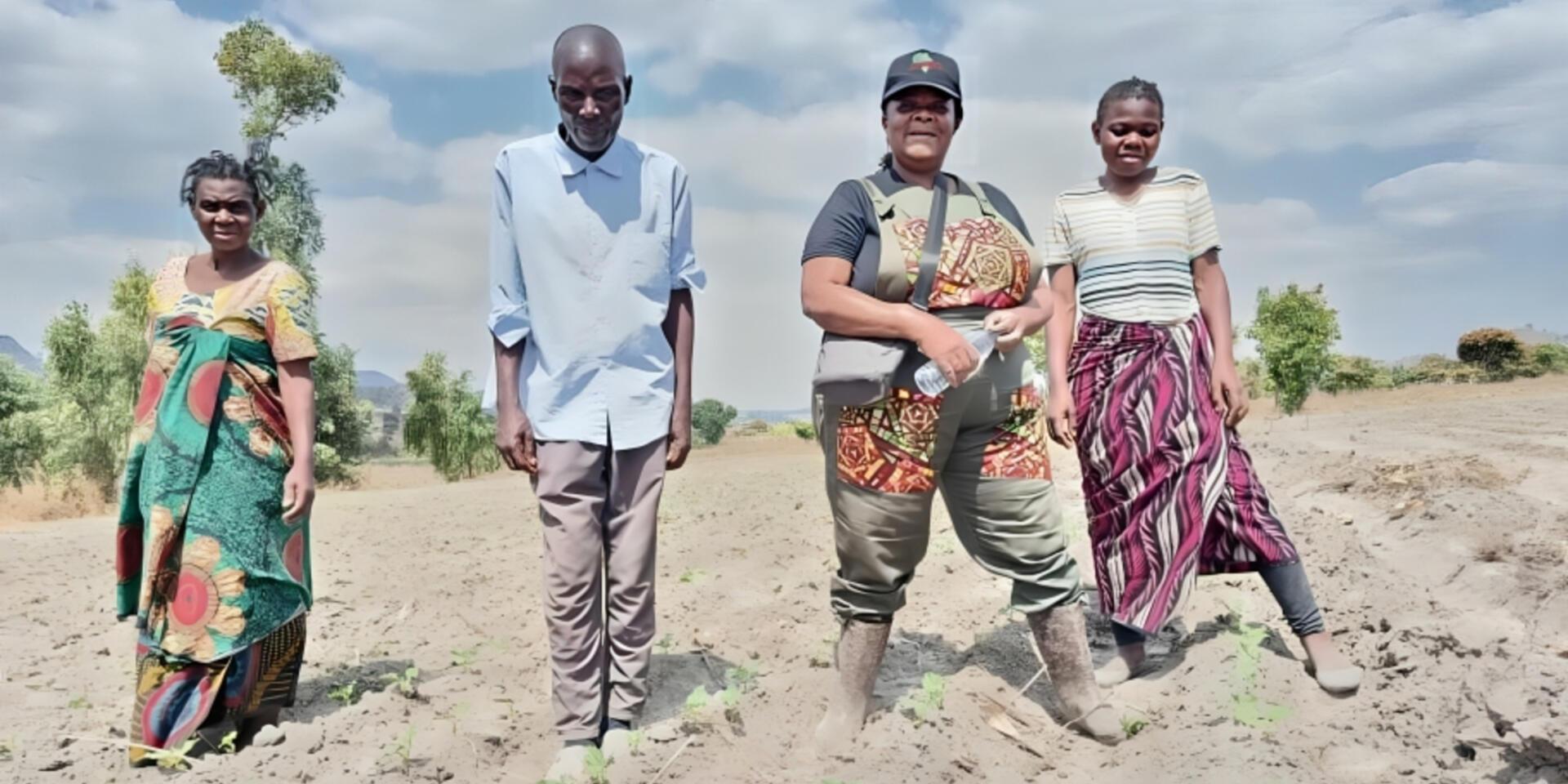

Since 2016, Afriseed, led by Grace Mhango in Malawi, has built a regional bean seed system with the Alliance of Bioversity International and CIAT through PABRA, empowering women and youth farmers while supplying high-quality seed to southern African markets.
When Grace Mijiga Mhango talks about Afriseed, she does not start with numbers or hectares. She starts with a simple realization she had nearly a decade ago.
“If we want to supply the markets we are targeting, we cannot do it as Malawi alone,” she says with a smile. “Besides, as a business, without seed, there is no sustainability.”
That realization, back in 2016, is what pushed her to design what she calls an inclusive business model—an approach that would link smallholder farmers, especially women and youth, directly into seed production and regional markets.
At the time, the challenges were many. Access to clean planting material was unreliable. Markets were not clearly defined. Seed production was often ad hoc, with little planning or coordination.
“We were producing and selling without a proper plan,” Grace recalls. “The market was not organized, and information was hard to get. Without information, you cannot plan a business.”
Afriseed’s transformation accelerated when Grace engaged with the Multi-Stakeholder Platform (MSP) supported by the Alliance of Bioversity International and CIAT through the Pan-Africa Bean Research Alliance (PABRA). The platform brought together breeders, researchers, traders, and seed companies, creating a space where information, technical advice, and market intelligence could flow more freely.
“It helped me a lot,” she says. “Not just with seed, but with exposure to regional markets and better planning. Even now, through the WhatsApp groups, we can solve problems almost instantly. Information flows much faster.”
With stronger technical backing and better information, Grace shifted her business strategy. Instead of producing seed and hoping it would sell, she started with the market and worked backward. Through research, her team found that although Malawi had more than 40 bean varieties, only three or four had strong, consistent demand. Among them were NUA45, white haricot beans, and sugar beans, which were in high demand in regional markets such as South Africa.