Blog Elevating value-based perspectives to scale Asia’s agroecological products
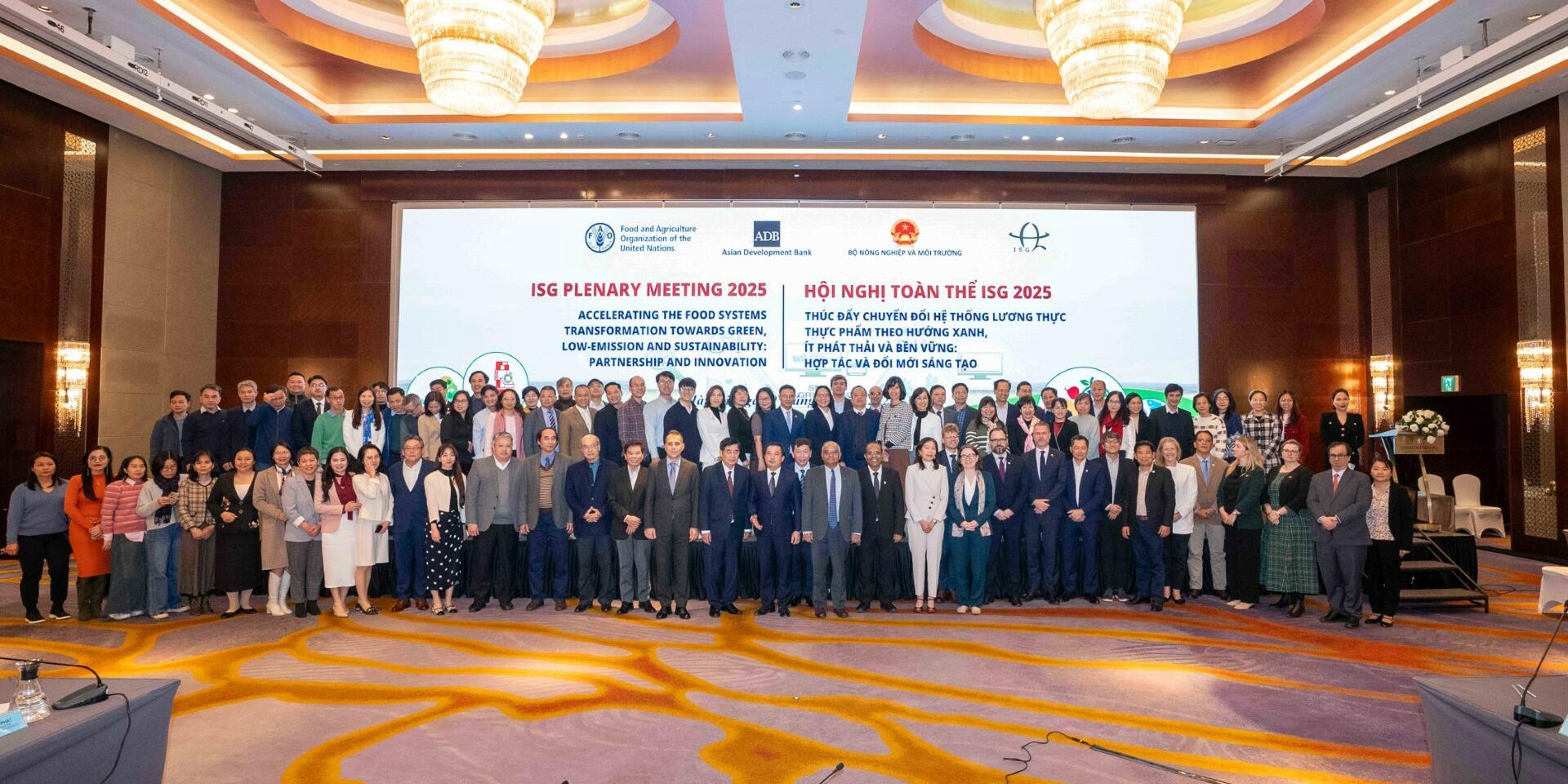

The Alliance of Bioversity International and CIAT - through its Food Environment and Consumer Behavior (FECB) team in Asia - has long been a trusted partner of the Vietnamese government in accelerating sustainable food systems transformation at the national level. The team reaffirms this commitment during a Ministry-led international meeting in January 2026.
Hanoi-based researchers of the Food Environment and Consumer Behavior (FECB) team provided technical support at the International Support Group (ISG) Plenary Meeting 2025, marking a reaffirmed commitment to supporting Vietnam's continued initiatives toward an inclusive, equitable, and sustainable food systems.
Co-hosted by the Ministry of Agriculture and Environment, in collaboration with the Food and Agriculture Organization of the United Nations (FAO) and the Asian Development Bank (ADB), the meeting served as an important forum to promote multilateral cooperation and mobilize resources among member organizations of Food Systems Transformation Partnership (FST-Partnership) to back Vietnam in implementing food systems transformation aligned with national and international commitments in food, climate, and biodiversity.
Spotting the gap on added values of agroecological products
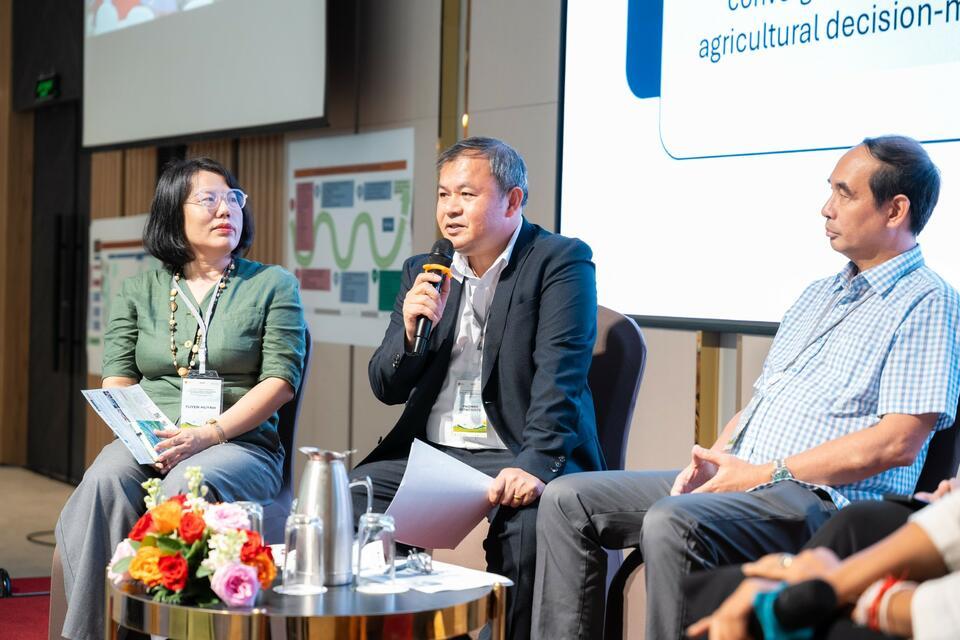
Senior Research Associate Quoc Nguyen introduced a value-based approach to understanding market incentives that can drive the scaling of agroecological innovations and practices.
“Promoting market and consumer incentives for agroecological products: insights from research on added values from production and consumption perspectives in Asia,"
Through his presentation, Nguyen shared findings that addressed a critical gap in discussions on agroecological transformation.
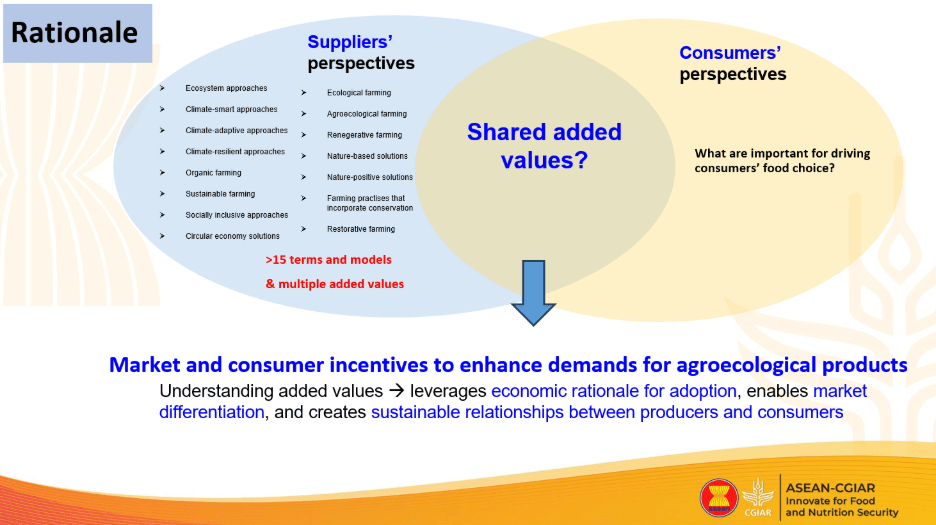
“While there are over 15 different terms for describing sustainable farming – for example agroecology, regenerative farming, nature-based solutions and climate-smart approaches – and hundreds of different models, the products of those models all struggle to reach the mainstream market,” the researcher said, noting that the problem is not the specific terminology nor the farming practices themselves.
“The key factors, as the research posits, are the added values – which benefits that suppliers and consumers of those products receive or expect.”
Building connectivity through shared values
Presentation on Promoting market and consumer incentives for agroecological products.
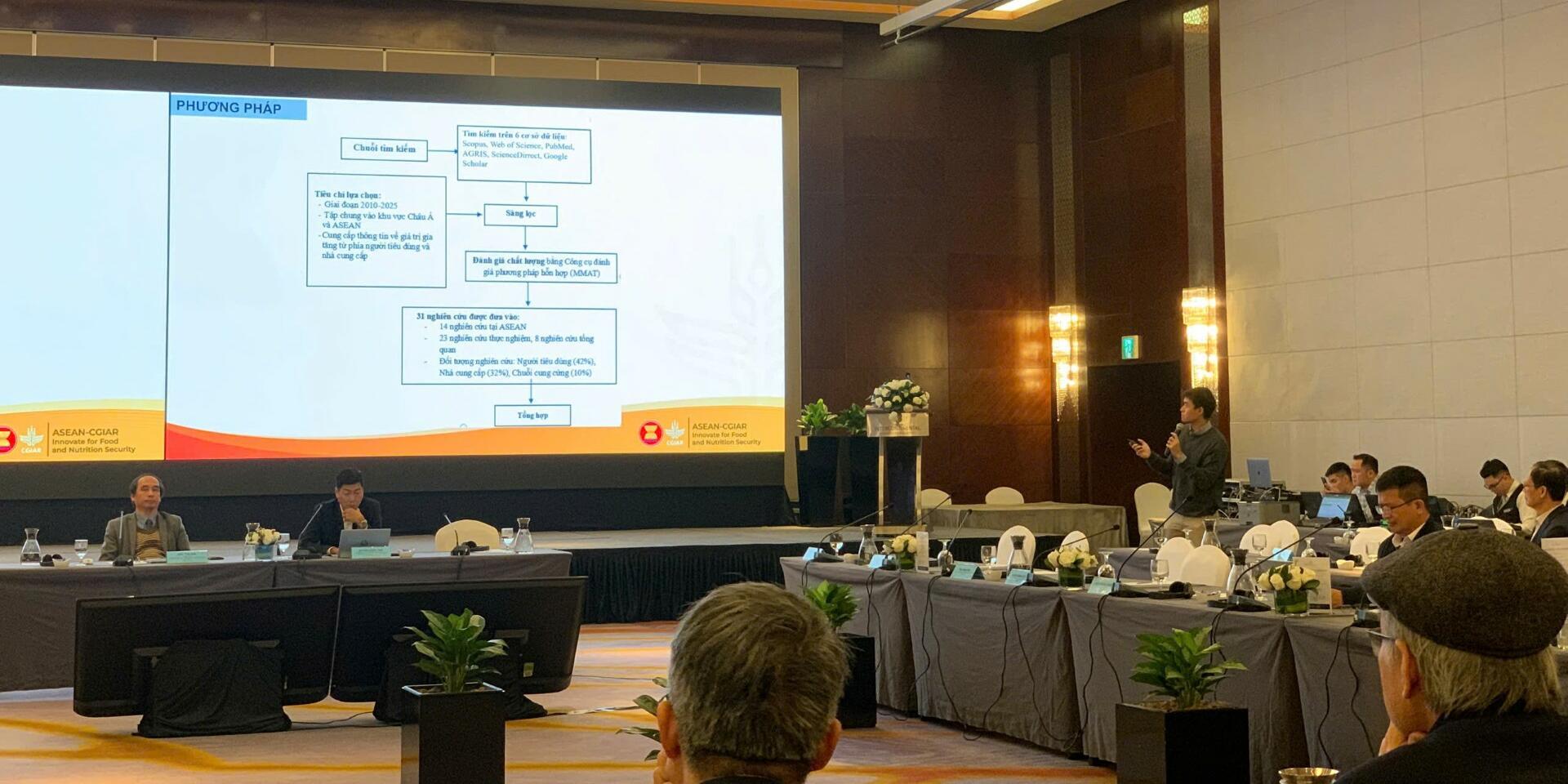
Through a comprehensive scoping review of 31 included studies in Asia, the Alliance research team have explored added values from the perspectives of suppliers and consumers. The specific aspects of added values are identified through six key pillars: health, quality, trust, economic, environmental and social.
The study highlighted that both producers and consumers have shared recognition of health, quality, trust and prices, providing critical foundations for prioritizing mechanism that could connect and engage both sides. However, the research also revealed some key differences. Consumers prioritize health (safety and nutrition), affordability, and trust, suppliers focus on economic viability, stable income, and risk reduction.
The results are misalignments that could hinder the scability of agroecological and sustainable products since consumers are not willing to pay enough to cover farmers' transition costs, while smallholders struggle with certification expenses and bear pressures of affording environmental investments alone.
"Shared understanding of these added values is necessary to build connectivity in agroecology and food systems," Nguyen explained.
Without this common ground, the market incentives needed to scale sustainable agriculture would not be realized.
From diagnosis to solutions
Having an overview interventions for promoting market and consumer incentives in ASEAN contexts, the research also points toward practical solutions for enhancing connectivity: strengthening trust in certifications through better enforcement, shifting from fragmented to systematic data management, developing consumer-friendly health messaging, and promoting diverse value chains that deliver both healthy and affordable food.
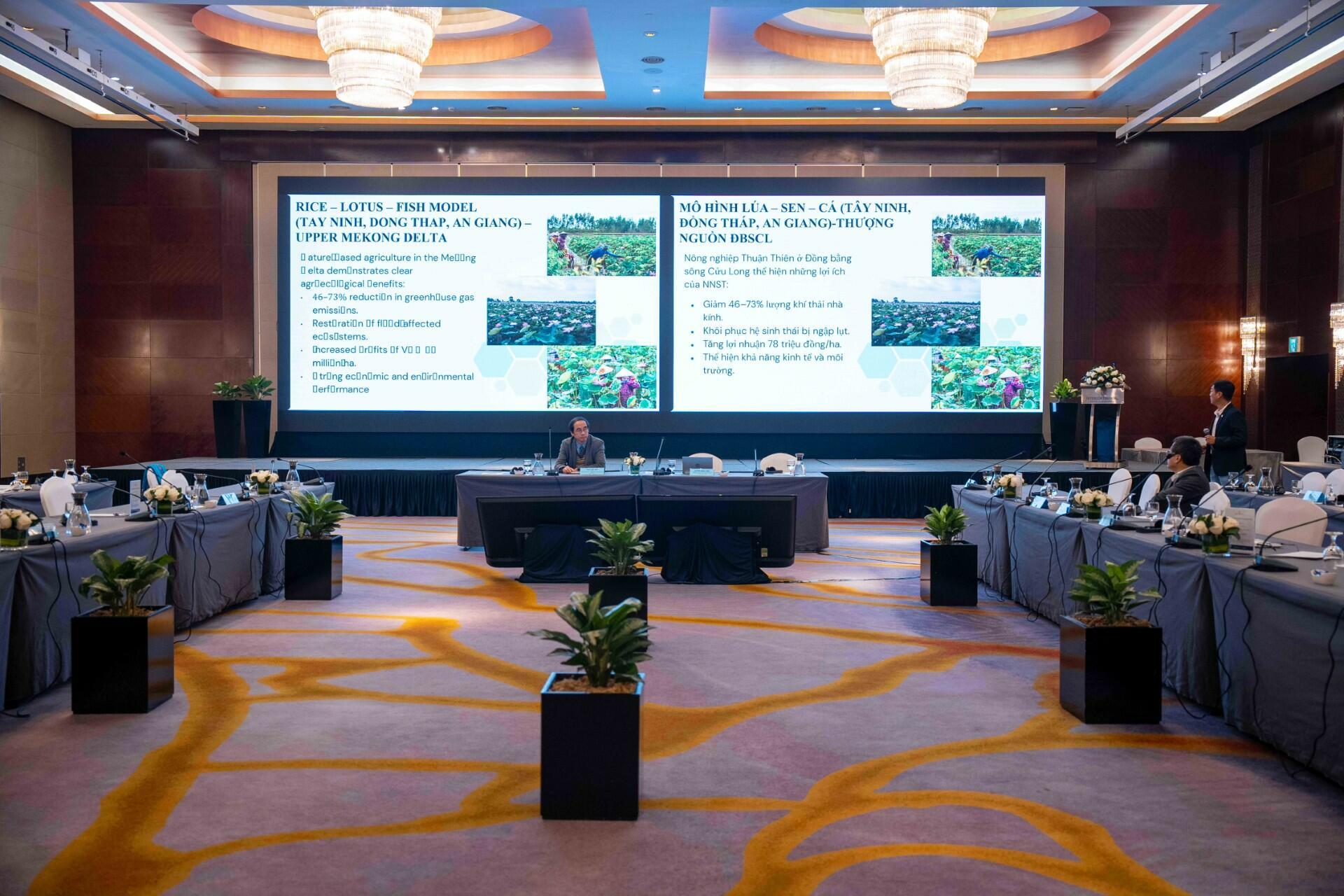
The Alliance’s study complemented other perspectives in the session. Dr. Huynh Quoc Tinh from WWF showcased Vietnam's 275 agroecological projects, from rice-lotus-fish systems to forest-shrimp integration. Meanwhile, Vietnam Academy of Agricultural Sciences’ Dr. Tran Minh Tien presented data on soil degradation risks, calling for precision agriculture and a national "soil doctor" system to support farmers.
These presentations all together underscored a crucial point: technical innovation alone will not drive transformation. Agroecological transition needs both policy, community- and market-based interventions that make sustainable practices economically and socially viable.
The way forward
According to Dr. Dao The Anh, Vietnam's National Co-convenor for the UN Food Systems Summit and Chairman of the Vietnam Rural Development Science Association (PHANO), true agroecological transition requires integrated action across multiple fronts.
“Beside the policy for enabling environment for agroecology transitions, we need a better market incentive for agroecological products and consolidation the linkage between producers and consumers based on trust. The research can support for building standards and certification system for agroecological products”, the national expert added.
This perspective aligns with Vietnam's National Action Plan on Food System Transformation (NAP-FST), approved in 2023 by Prime Ministerial under Decision No. 300/QĐ-TTg. The plan explicitly recognizes that fostering agroecology means working not just at the farm level, but throughout other interconnected activities along the value chains and towards consumption patterns that strengthen sustainable and healthy diets also.
The Alliance research, conducted as part of the ASEAN-CGIAR Innovate for Food and Nutrition Security Regional Program’s Intervention Package 1 Plus (IP1+), support such goals by focusing on enabling environments for scaling agroecological and regenerative agricultural products.
Looking forward, the Alliance FECB team will validate these insights with the case of sustainable agri-food products in Battambang Province, Cambodia. The team hold plans to explore the value-based approach to other cases across Vietnam and ASEAN—moving from conceptual framework to practical implementation.