From the Field Djibouti launches pilot project and co-design workshops to bring digital advisory services to producers

An African Development Bank-funded pilot project to support digital agriculture in Djibouti, implemented by the Ministry of Agriculture in collaboration with the Alliance of Bioversity International and CIAT, takes shape through its launch and participatory design across regions.
Facing climate challenges with digital innovation
Across the Horn of Africa, worsening droughts, erratic rainfall, and soil degradation are pushing the limits of food production. In Djibouti - a country with limited arable land and chronic water scarcity - digital innovation is being harnessed to strengthen agricultural resilience and modernize rural systems.
On October 5, 2025, the Ministry of Agriculture, Water, Fisheries, Livestock and Marine Resources (MAEPE-RH) launched a pilot technical support project under the BREFONS initiative (Programme for Strengthening Resilience to Food and Nutrition Insecurity), funded by the African Development Bank (AfDB). Implemented in partnership with the Alliance of Bioversity International and CIAT, the program introduces practical, co-designed digital advisory services to support producers in the Ali Sabieh and Tadjourah regions.
The launch marks Djibouti’s first national experiment in digital agricultural extension, placing farmers, pastoralists, and agropastoralists at the center of the design process rather than at the end of an information chain.
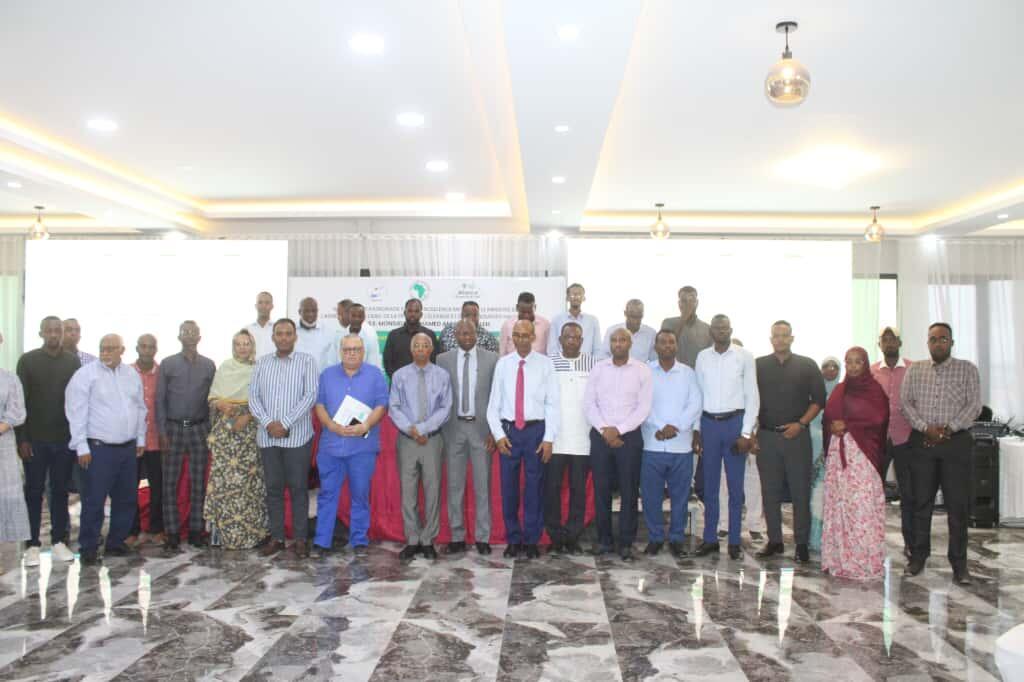
A shared vision for resilient agriculture: Stakeholders from across Djibouti came together to launch the country’s first co-designed digital advisory pilot, linking innovation, inclusion, and local leadership.
A strategic response to national priorities
In his opening address, Mohamed Ahmed Awaleh, Minister of Agriculture, Water, Fisheries, Livestock and Marine Resources, positioned the pilot squarely within Djibouti’s broader development vision, highlighting that climate change, high logistics costs, and food-import dependency continue to weigh heavily on rural livelihoods.
“Our country faces structural water stress and a limited availability of irrigable land.The costs of logistics and dependence on food imports weigh heavily on our value chains. It is therefore imperative to act to make our agriculture more resilient, more productive, and more inclusive,” Minister Awaleh explained.
This vision aligns with Vision Djibouti 2035, which identifies digital transformation and sustainable agriculture as key engines of inclusive growth. It also supports implementation of the National Agricultural Investment and Food Security and Nutrition Plan (PNIASAN) and the Strategy for Accelerated Growth and Employment Promotion (SCAPE), both of which emphasise climate-smart, water-efficient production systems and rural employment for youth and women.
At the June 2025 National Agribusiness Forum, the Alliance underscored that climate-smart agriculture must also be economically viable, helping farmers increase productivity and income under changing conditions.
The Djibouti pilot is expressly aligned with that vision. By delivering timely, location-specific advisory messages and recommendations in local languages, the project aims not only to reduce risk but also to support better yields, cost-efficiency, and market orientation.
Through improved decision-making—when to sow, irrigate, apply inputs, or protect crops and livestock—the initiative contributes to making agriculture more profitable and sustainable in Djibouti.
By investing in digital extension, the BREFONS-Djibouti pilot directly advances these policy priorities: improving productivity through better information, reducing risk exposure, and fostering inclusion for women and youth within a modernised agricultural economy.
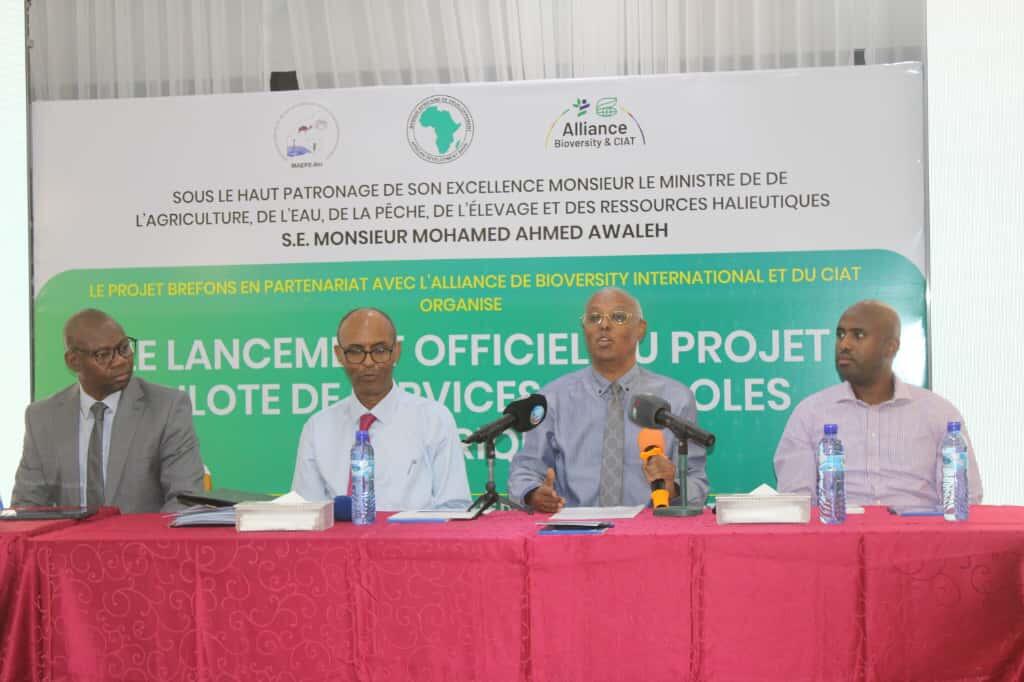
Mohamed Ahmed Awaleh, Minister of Agriculture, Water, Fisheries, Livestock and Marine Resources, sets the stage during his opening remarks for Djibouti’s first-ever pilot investigating the feasibility digital agricultural extension.
From policy to practice: the pilot launch
Held in Djibouti City, the launch workshop brought together over 30 participants from the Ministry of Agriculture, the Ministry of the Digital Economy and Innovation, the National Meteorological Agency (ANM), and the Ministry of Environment and Sustainable Development. The event also drew the Centre for Studies and Research of Djibouti (CERD), the University of Djibouti, local agritech hubs, farmers’ cooperatives, and the Union Nationale des Femmes de Djibouti (UNFD).
The day featured demonstrations of proposed advisory tools, interactive voice response (IVR) systems, SMS tips, and short educational videos, accompanied by participatory sessions to identify barriers and enablers to digital uptake.
Minister Awaleh reminded participants that technology is a means to an end, not an end in itself. “This is not technology for technology’s sake. Digital tools must serve the public good, instruments to guide farmers’ decisions, optimize water resources, secure harvests, reduce losses, and sustainably improve incomes,” he elaborated.
He thanked the African Development Bank for its financial support and the Alliance of Bioversity International and CIAT for technical expertise, commending ministry staff and rural producers as “the true actors of this agricultural transformation.”
From the Alliance, Senior Scientist Issa Ouedraogo underscored the organization’s long-term commitment:
“The Alliance is committed to mobilizing its international expertise in synergy with national and local actors so that Djibouti can become a regional reference in digital agriculture and smart climate management.”
He stressed that the initiative is anchored in Djibouti’s national strategies and consistent with the Alliance’s values of innovation, inclusion, and local ownership:
“The success of this initiative will depend on our collective ability to combine innovation, inclusion, and local ownership,” Ouedraogo emphasized.
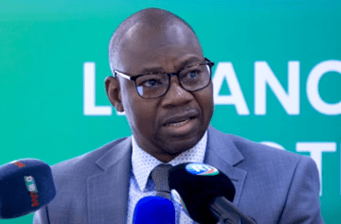
Issa Ouedraogo, Senior Scientist at the Alliance of Bioversity International & CIAT, delivered opening remarks emphasizing the importance of partnership in achieving inclusive digital agricultural extension services for Djibouti.
Designing together: co-creation in Ali Sabieh and Tadjourah
Immediately following the launch, two regional co-design workshops were held on Oct 6-7, 2025. Each gathered around 25 participants, farmers, extension officers, women’s associations, community leaders, meteorological agents, private-sector partners and local NGOs, to develop content and delivery models for the new digital advisory services. The participatory process focused on three outcomes:
- Validating information needs and communication channels: Participants reviewed findings from the pilot’s baseline survey and ranked their priority information needs, ranging from seasonal forecasts and livestock health to soil moisture and market prices. They compared communication preferences (IVR, SMS, radio, WhatsApp and community screenings), ensuring solutions reflect real usage patterns rather than assumptions.
- Co-developing scripts and storyboards: Each region produced drafts of at least ten IVR messages and short video topics in simple French, with translation notes for Afar, Somali and Arabic. The short clips (60-180 seconds) will feature local farmers and technicians explaining practical measures for climate-smart agriculture.
- Agreeing upon governance and inclusion principles: Participants established criteria for content validation, quality assurance, and data protection, as well as guidelines to maintain at least 40 percent female and youth participation at every stage of implementation.
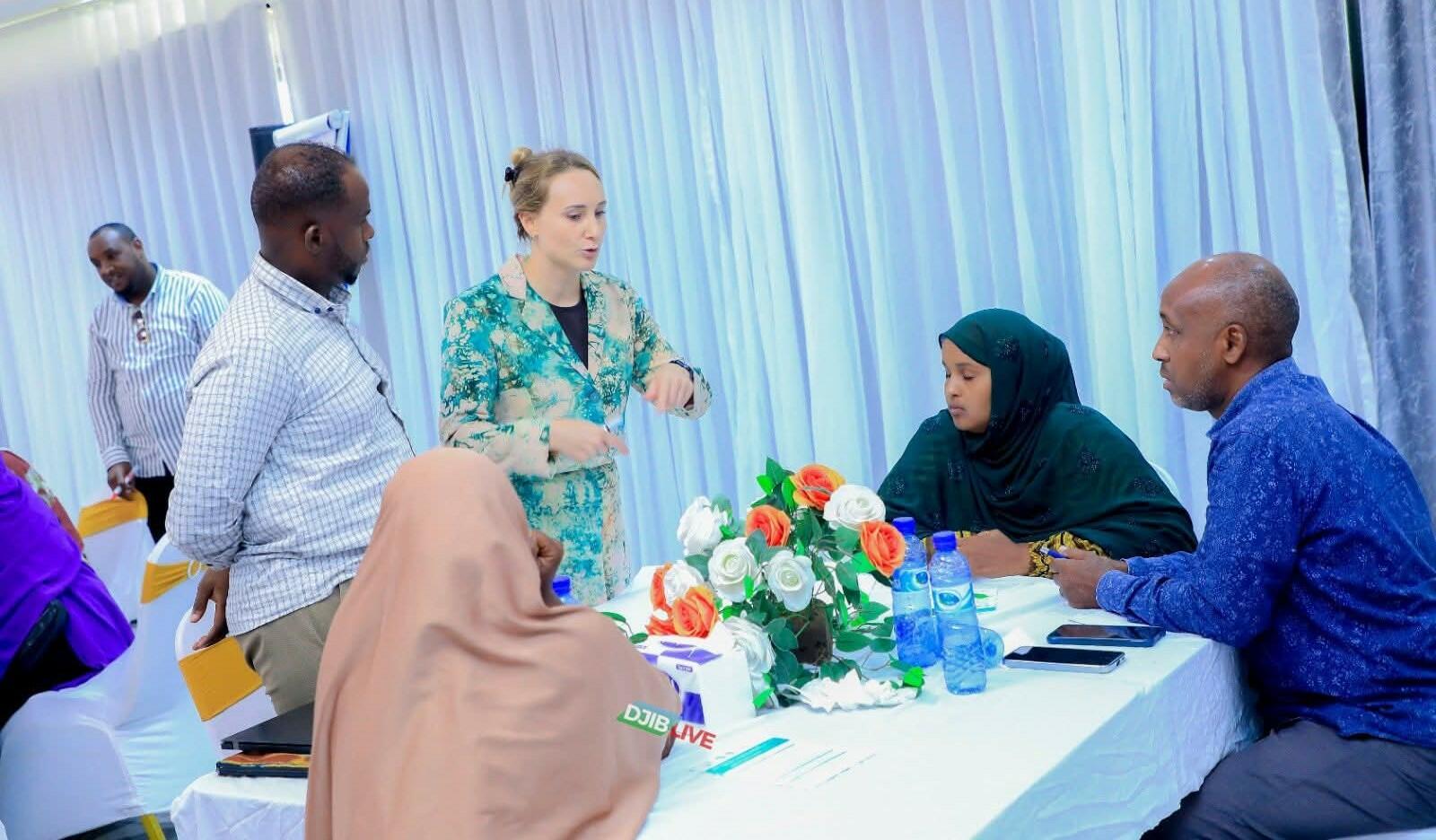
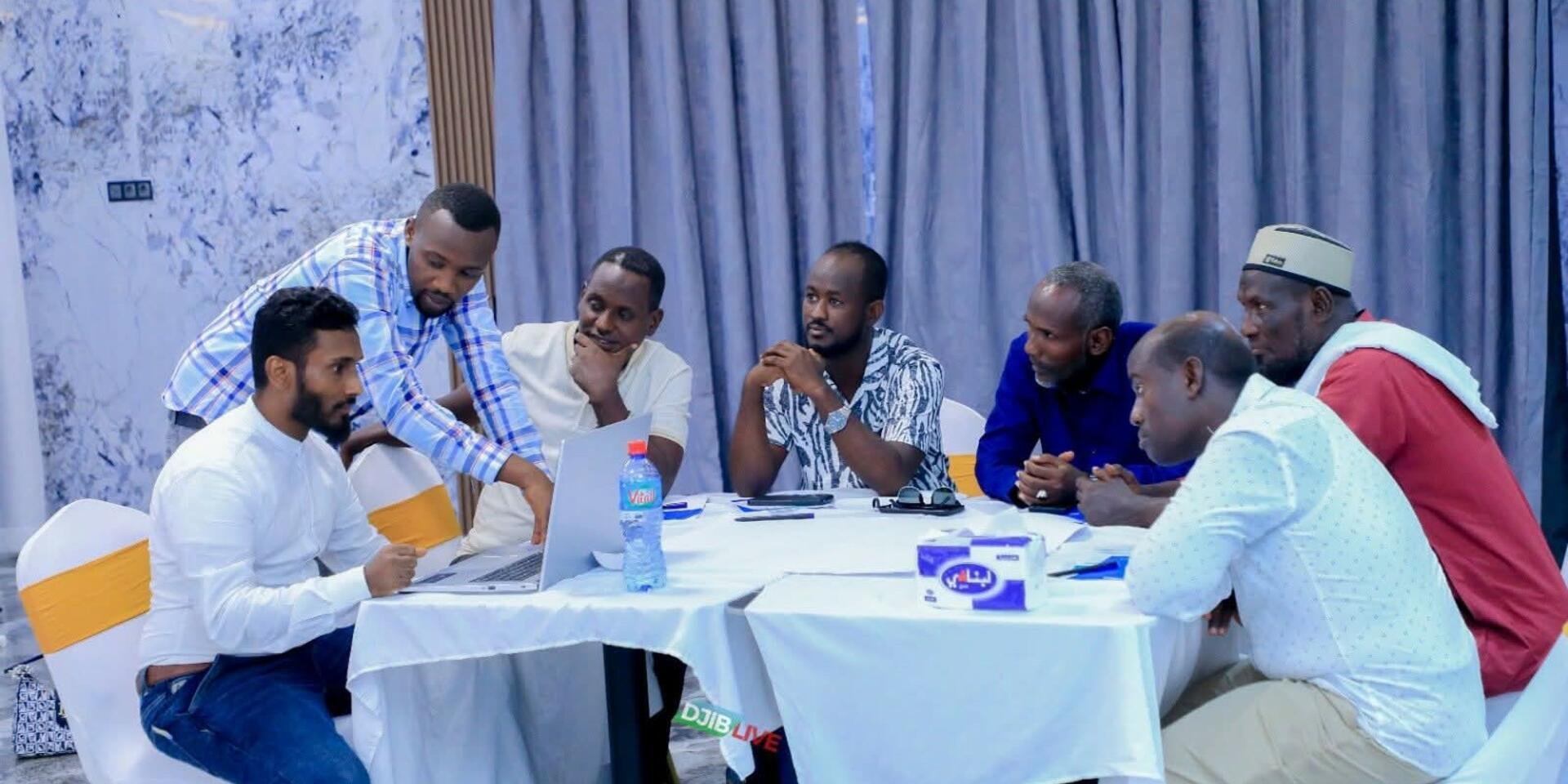
Carolina Sarzana of the Alliance of Bioversity International & CIAT facilitates group work with participants from the region of Tadjourah to inform the design of interactive voice response (IVR) messages and targeted video advisories for producers. Tadjourah was one of two regions, alongside Ali Sabieh, targeted by the co-creation workshop and wider pilot project.
Why women’s inclusion matters
Women play crucial roles in Djibouti’s agropastoral systems, from managing small livestock and gardens to processing, marketing and ensuring household nutrition. Yet women often face systemic barriers to accessing information, extension services and digital tools due to language, literacy, or social norms.
By intentionally ensuring a minimum of 40% women’s participation, the project not only promotes equity but also enhances effectiveness: when women have access to advisory information, evidence shows that productivity and household welfare increase, and that communities are better able to absorb and adapt to climate shocks.
“Across Africa, we’ve seen that digital advisory systems work best when they reflect the diversity of producers, especially women and youth,” explains Dr. Mathieu Ouedraogo, Senior Scientist at the Alliance of Bioversity International and CIAT. “In Djibouti, we’re building on the Alliance’s experience from within Africa and beyond to ensure women and youth have an equal voice in shaping digital tools that guide decisions on the ground.”
Ensuring women’s voices are part of content co-creation means that the advice reflects real needs in the household, not just those of male producers.
The outputs of these workshops form a 'pilot blueprint' for a national digital extension model, covering content standards, language policy, channel mix, partner roles and sustainability metrics.
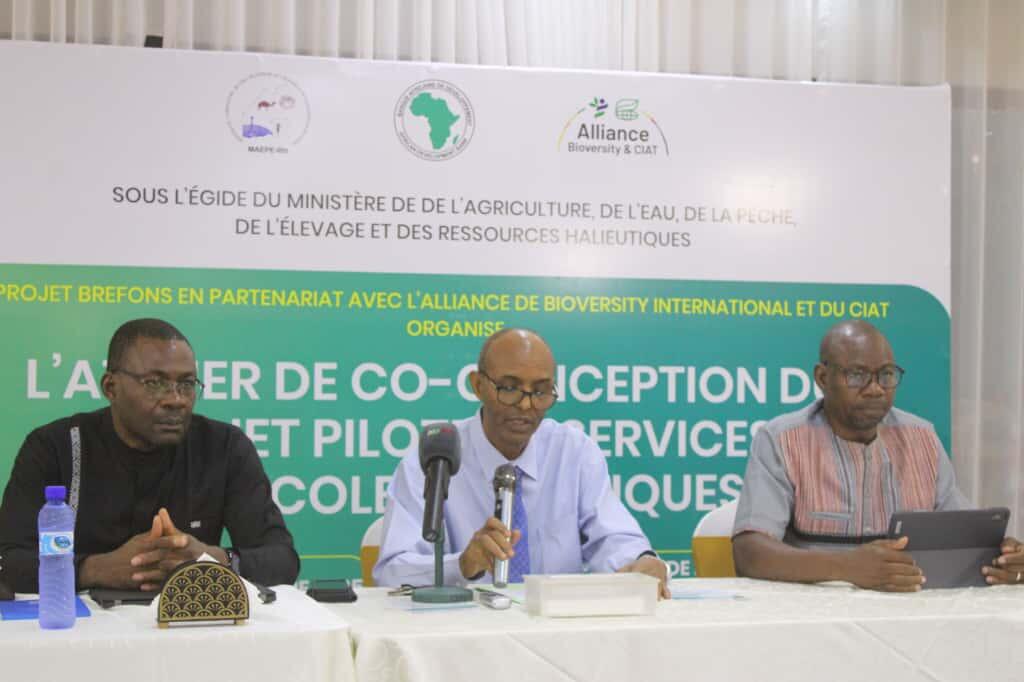
Mathieu Ouedraogo (left) and Issa Ouedraogo (right) of the Alliance of Bioversity International & CIAT open the pilot project launch alongside Hon. Ibrahim Elmi, Secretary General of the Ministry of Agriculture, Water, Fisheries, Livestock and Marine Resources (MAEPE-RH).
How the pilot aligns with the Alliance’s vision of digital inclusion
The Alliance recognizes that digital transformation must narrow, not widen, the gap between connected and disconnected communities. Through its Digital Inclusion research area, the Alliance promotes solutions that are not only technologically sound but also accessible, user-centered, gender-responsive, and equitable, ensuring that digital agriculture delivers benefits for all, especially the most vulnerable farmers.
The Djibouti pilot embodies this vision in four practical ways:
- Inclusive and multilingual content: Advisory messages are designed in multiple local languages—Afar, Somali, Arabic, and simple French—and delivered primarily through voice rather than text, overcoming literacy barriers.
- Gender- and youth-responsive participation: With a target of at least 40% women among direct beneficiaries, the project integrates women and young people in message design, testing, and dissemination, ensuring that both content and communication channels reflect their realities and preferences.
- Open, interoperable systems: The digital architecture will use open standards to interface with national data systems and telecom infrastructure, laying a foundation for expansion without proprietary constraints.
- Capacity development and local agency: By working hand in hand with national and local institutions to design and implement the pilot, the project strengthens Djibouti’s institutional capacity to produce, manage, and adapt digital content, laying the groundwork for long-term ownership and sustainability.
In this way, the pilot exemplifies the Alliance’s principle that digital tools are most powerful when they are co-created, inclusive, and locally sustained.
A shared vision for transformation: building a framework for scale-up
The long-term vision is to embed digital advisory services within the institutional architecture of MAEPE-RH, linking with ongoing programs such as the Youth Entrepreneurship Project for Climate Adaptation (PEJACC) and integrating with national ICT and agricultural data strategies.
For the Ministry of Agriculture, this pilot is an opportunity to translate policy into practice, demonstrating how technology and partnership can deliver measurable improvements in productivity, food security, and rural livelihoods.
“The digital must be a public tool serving the general interest,” Minister Awaleh emphasized, “an instrument to guide producers’ choices, optimize water use, secure harvests, reduce losses, and sustainably improve incomes.”
For the Alliance of Bioversity International and CIAT, it represents a tangible expression of institutional values: co-creation, inclusion, and equitable access to digital innovation. As Issa Ouedraogo noted, “Djibouti can become a regional reference in digital agriculture and smart climate management.”
Both perspectives converge on a shared goal: ensuring that digital transformation in agriculture is human-centered, rooted in local realities, and designed to empower those who produce the nation’s food.
Looking ahead
Over the coming months, the project team will finalize scripts, begin production, and deploy the first interactive voice messages and educational advisory videos. Monitoring and evaluation will capture early evidence of user engagement and learning outcomes, feeding into the national policy dialogue on digital agriculture.
If successful, this pilot could inform future AfDB and CGIAR initiatives across the Horn of Africa, creating a template for inclusive, scalable, and climate-smart digital extension.
As Minister Awaleh concluded at the launch, “the true actors of this transformation are the producers themselves.” By building the digital advisory system with them, not merely for them, Djibouti is taking a decisive step towards an agriculture that is both smarter and more resilient.
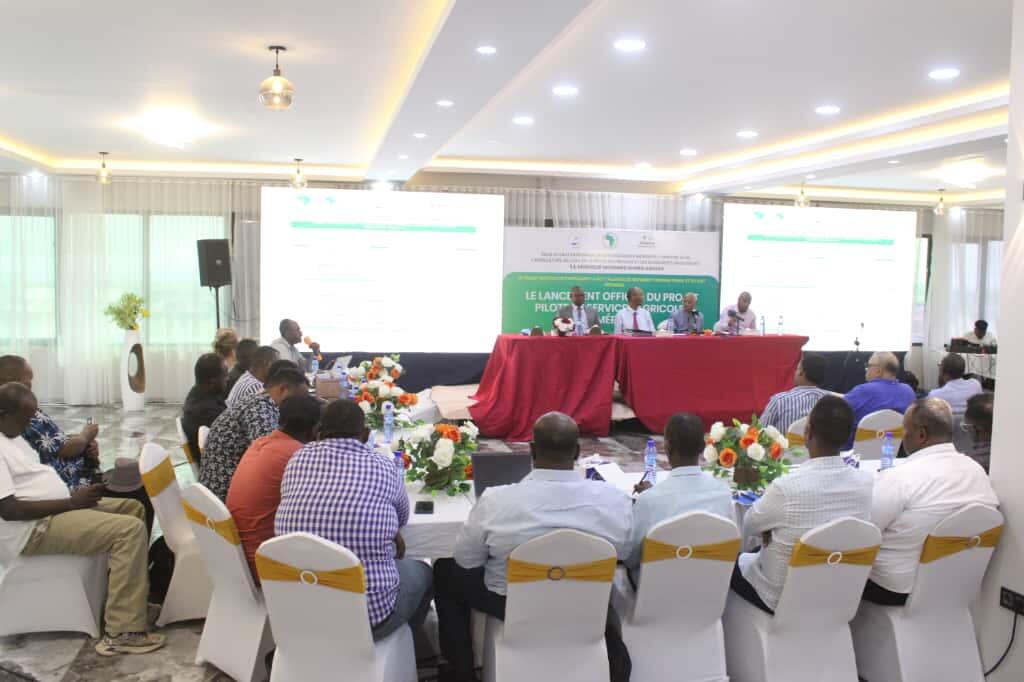
Stakeholders from government, research, and producer groups engage in the participatory launch of Djibouti’s digital agriculture pilot, setting the stage for co-design workshops that put farmers, and in particular women and youth, at the centre of innovation.
Photos: © Alliance of Bioversity International and CIAT / DjibLive
The team

Amanda Sue Grossi
Research Team Leader, Climate Action and Resilient Food Systems
Issa Ouedraogo
Senior Scientist, Country Representative for Senegal
Mathieu Ouedraogo
Senior Scientist
Carolina Sarzana
Specialist